What Is Gluten-Free Cake? Ingredients & Methods That Make It Different
Over the last few years, gluten-free eating across Australia has shifted from a niche dietary requirement into a mainstream lifestyle choice.
Whether managing coeliac disease, navigating a non-coeliac sensitivity, or simply choosing gluten-free options for general wellness, more dessert lovers are looking for dietary-friendly bakes.
However, many people still worry that choosing a gluten-free cake means sacrificing taste or ending up with a dry, crumbly slice.
In this guide, I will break down the bench science behind gluten-free cakes, explaining how alternative flours, binders, and adjusted baking techniques deliver moist, delicious results.
TL;DR:
A gluten-free cake replaces traditional wheat flour with alternative grains, nut meals, and starches to eliminate gluten proteins.
To replicate the elasticity and structural network that wheat gluten naturally creates, bakers blend alternative flours with structural binders like xanthan gum and increase liquid or fat levels.
With the right ingredients and technique, gluten-free cakes achieve a tender, moist crumb that rivals standard wheat bakes.
| Baking Aspect | Traditional Wheat Cake | Gluten-Free Cake |
|---|---|---|
| Primary Flour | Plain or self-raising wheat flour | Blend of rice, tapioca, potato starch, or almond meal |
| Structural Binder | Natural gluten proteins (gliadin and glutenin) | Xanthan gum, guar gum, or extra egg proteins |
| Batter Behaviour | Smooth, elastic, and holds trapped air pockets easily | Highly absorbent, often looser or thicker depending on starch rest |
| Crumb Character | Bouncy, elastic, and airy | Tender, soft, and slightly denser with a delicate crumb |
What Does Gluten-Free Mean in Cake?
To understand what makes a cake gluten-free, we first need to look at what gluten actually does inside a standard cake batter.
Understanding Gluten and Coeliac Disease
Gluten is a composite protein made up of two smaller proteins: gliadin and glutenin.
It is naturally present in cereal grains like wheat, barley, and rye. When wheat flour mixes with liquids on the baking bench, these proteins bind together to form an elastic, web-like network.
This structure traps expanding carbon dioxide gas from leavening agents, giving traditional cakes their height, spring, and airy chew.
For people diagnosed with coeliac disease (an autoimmune condition affecting roughly 1 in 70 Australians) ingesting gluten triggers an immune reaction that damages the lining of the small intestine.
Others experience non-coeliac gluten sensitivity, facing digestive discomfort when consuming wheat. For both groups, strict gluten elimination is essential for health and comfort.
How Bakers Make Cakes Gluten-Free
Making a cake gluten-free involves removing wheat flour completely. However, you cannot simply swap wheat flour for a single alternative on a one-to-one basis without altering the recipe.
Because no single alternative flour possesses the natural binding and elastic qualities of wheat gluten, bakers must formulate custom flour blends.
These blends pair bulk-building alternative flours with starch binders that hold the crumb together without compromising texture.
How Is Gluten-Free Cake Different From Regular Cake?
The fundamental difference between a gluten-free cake and a regular cake comes down to how moisture is absorbed and how structural stability is maintained.
Without a natural gluten web, gluten-free cake batters react differently to heat, hydration, and handling.
- In a traditional wheat batter: Wheat Flour plus hydration equates to elastic gluten mesh. As a result, this traps bubbles, and creates a bouncy and light cake structure.
- Gluten-free batter, on the other hand: Uses grain flours, starches, xanthan gum, and added fats to trap air. As a result, it binds moisture, sets starches, and creates tender and rich crumb.
Essential Ingredients Used in Gluten-Free Cakes
To create a successful gluten-free cake, bakers rely on a balanced mix of alternative flours, starches, and binding hydrocolloids:
- Almond Meal & Nut Flours: Blended nut flours provide rich healthy fats, natural moisture, and a subtle sweet flavor. They are exceptionally good at keeping sponge layers tender and preventing premature drying on the bench.
- Rice Flour (White and Brown): Rice flour forms the neutral bulk backbone of many gluten-free flour blends. White rice flour provides a light, fine crumb, while brown rice flour adds structure and wholesome depth.
- Tapioca & Potato Starches: Pure starches are essential for softness. Tapioca starch adds elasticity and chew, while potato starch binds moisture and lightens the overall density of the sponge.
- Xanthan Gum / Guar Gum: Xanthan gum is a hydrocolloid produced by fermenting simple sugars. Used in very small quantities (typically 1/4 teaspoon per cup of flour), it acts as the "glue" that replaces gluten elasticity, preventing the baked cake from crumbling into dust when sliced.
- Additional Hydration & Eggs: Because alternative grain flours absorb more liquid than wheat flour, gluten-free recipes often call for extra eggs, butter, milk, or sour cream to build structural stability and preserve tenderness.
Do You Bake Gluten-Free Cakes Differently? Key Method Differences
Baking a gluten-free cake requires specific adjustments to traditional bench methods. Here is how professional techniques adapt when working without wheat flour:
01. Batter Resting Before Baking
Unlike wheat cake batter, which should be baked quickly after mixing to prevent over-developing gluten, gluten-free batter benefits from resting.
Letting the mixed batter sit at room temperature for 15 to 20 minutes before placing it in the oven allows the dry rice flours and starches to fully hydrate.
This simple step eliminates grittiness and results in a smoother crumb.
02. Moisture Sources and Fat Ratios
Because gluten-free starches dry out faster after baking, pastry chefs increase the ratio of liquid and fats in the recipe.
Adding sour cream, yoghurt, melted chocolate, or fruit purées helps lock in moisture, ensuring the finished cake stays fresh and soft over several days.
03. Mixing Technique Adjustments
With traditional wheat cake batter, over-mixing is a common mistake because it over-develops gluten, leading to a tough, rubbery sponge. With gluten-free batter, over-developing gluten is impossible.
You can thoroughly mix ingredients to ensure xanthan gum is evenly distributed. However, bakers must carefully aerate eggs and fats during the initial creaming step to build light air pockets.
04. Testing for Doneness and Bench Cooling
Testing a gluten-free cake requires extra care as toothpicks inserted into the centre can sometimes come out clean even if the interior starches have not fully set.
Gluten-free cakes are also more delicate straight out of the oven. As such, leaving the cake in its baking pan on the cooling rack longer allows the internal starch structure to firm up before unmoulding.
You Should Try Baking Gluten-Free at Home
Baking without wheat flour might feel like unfamiliar territory at first, but once you understand how alternative flours, starches, and binders work together, it becomes an incredibly rewarding skill to master in your own kitchen.
You do not need a professional bakery setup to produce a moist, tender gluten-free sponge on your home bench. Just a bit of patience, a well-balanced flour blend, and a willingness to experiment with hydration and rest times.
At Profiterole Patisserie, we bring that same curiosity and technical care to our kitchens every single day. Whether you are baking your first gluten-free creation at home or looking for a professionally crafted dietary-friendly cake for a special celebration, we are always here to support your dessert journey.
And if you want a comforting slice of perfectly baked cake, feel free to drop by any of our stores across Sydney.
Date Published: 16/07/2025
Updated: 17/09/2026
Joey Yaccoub
Head Baker & Operations Manager, Profiterole Patisserie
Joey Yaccoub is the Head Baker at Profiterole Patisserie, bringing over a decade of hands-on experience in artisan cake design and pastry craftsmanship.
He oversees recipe development, product quality, and daily operations across all store locations, ensuring every cake meets the brand’s standards for flavour, presentation, and consistency.
FAQs
What are gluten-free cakes made from?
Gluten-free cakes are made using alternative flour blends like rice flour, almond meal, tapioca starch, and potato starch instead of wheat flour. They also include natural binders like xanthan gum, along with standard baking ingredients such as eggs, sugar, butter, and leavening agents.
What is the difference between gluten-free cake and normal cake?
The main difference is the absence of wheat gluten proteins (gliadin and glutenin). Gluten-free cakes rely on alternative flour blends and starches held together by gums or egg proteins, resulting in a tender crumb that is often slightly denser and requires extra moisture retention.
Can you taste the difference in a gluten-free cake?
When baked using a well-balanced flour blend, most people cannot taste any difference between a gluten-free cake and a regular wheat cake. In fact, recipes utilizing almond meal or nut flours often boast a richer, more flavorful taste profile than plain wheat sponges.
Is gluten-free cake better than a regular cake?
A gluten-free cake is essential for anyone managing coeliac disease, wheat allergies, or gluten sensitivities. In terms of general taste and quality, neither style is inherently "better". A properly baked gluten-free cake is just as delicious and satisfying as a traditional one.
What are the common problems with gluten-free cake?
The most common issues are dryness, a gritty texture, or a crumbly structure that falls apart easily. These problems occur when flour blends are un-hydrated, lack sufficient binding gums, or lack adequate liquid and fat ratios.
Is gluten-free equal to dairy-free?
No, "gluten-free" and "dairy-free" address completely different ingredients. Gluten-free means the cake contains no wheat, barley, or rye proteins, but it may still contain dairy products like butter, milk, or cream. Always check ingredient labels if you have multiple dietary restrictions.
Fancy other cakes too? Check out our entire selection 👇
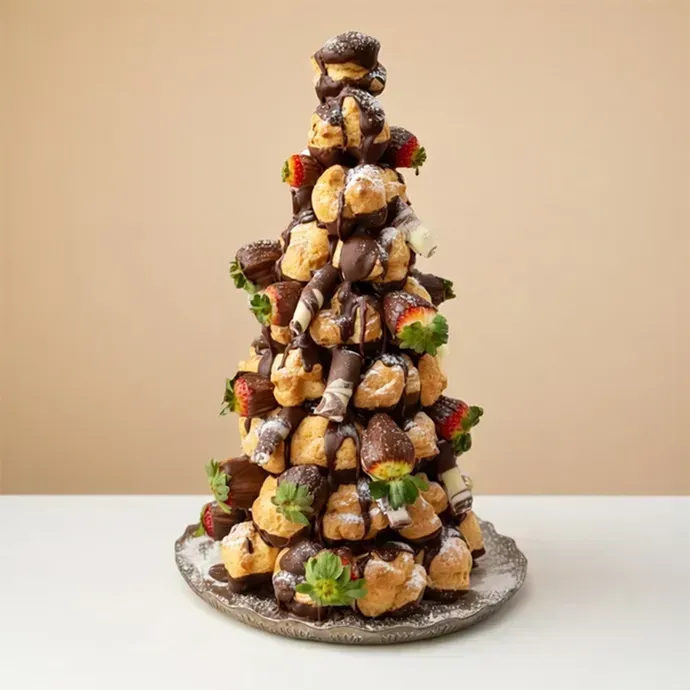
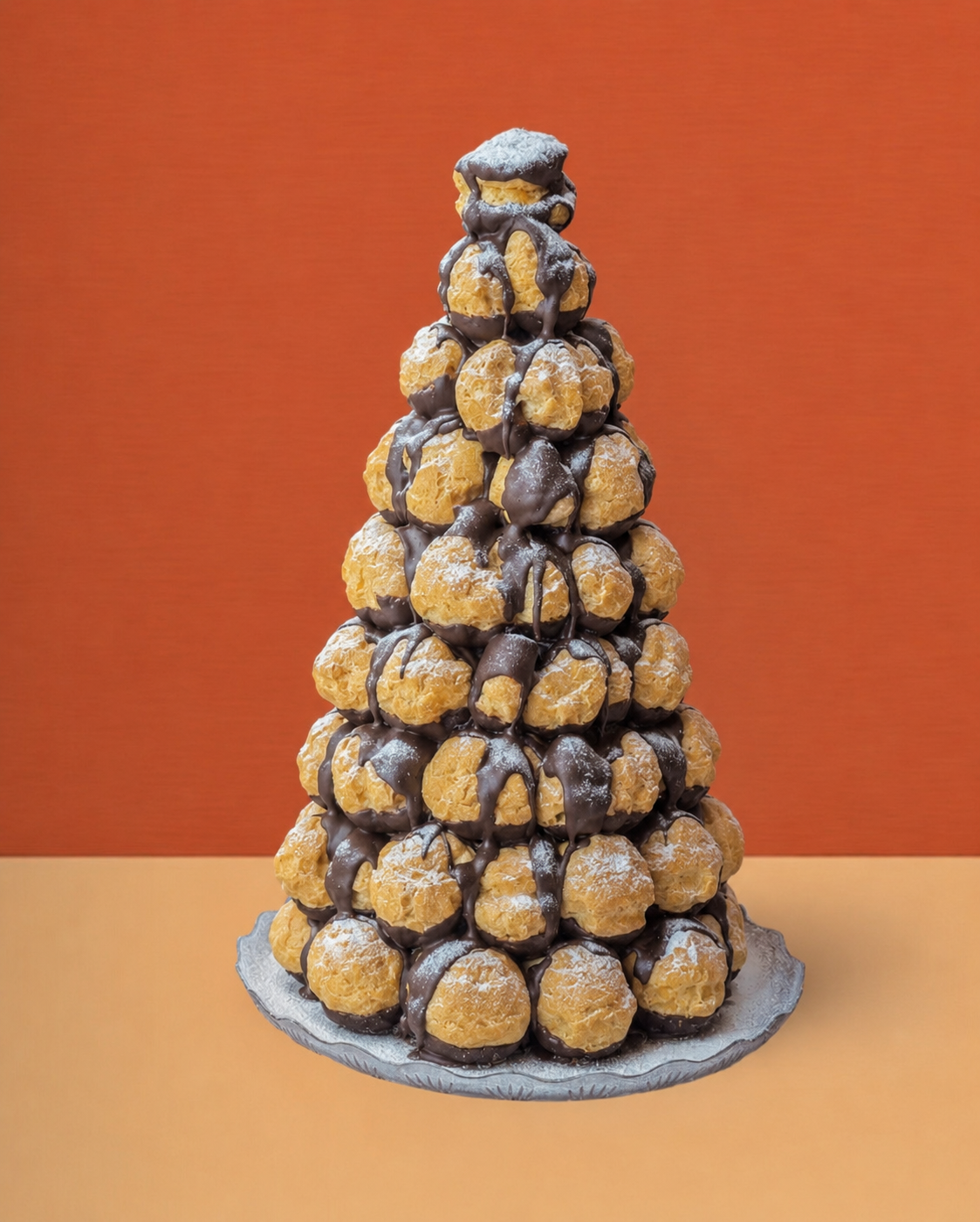
Profiterole Tower - Classic Chocolate
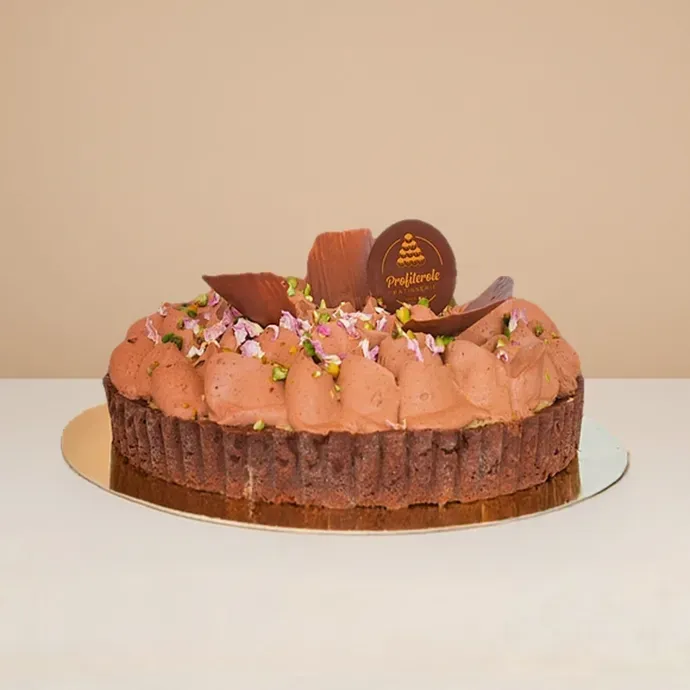
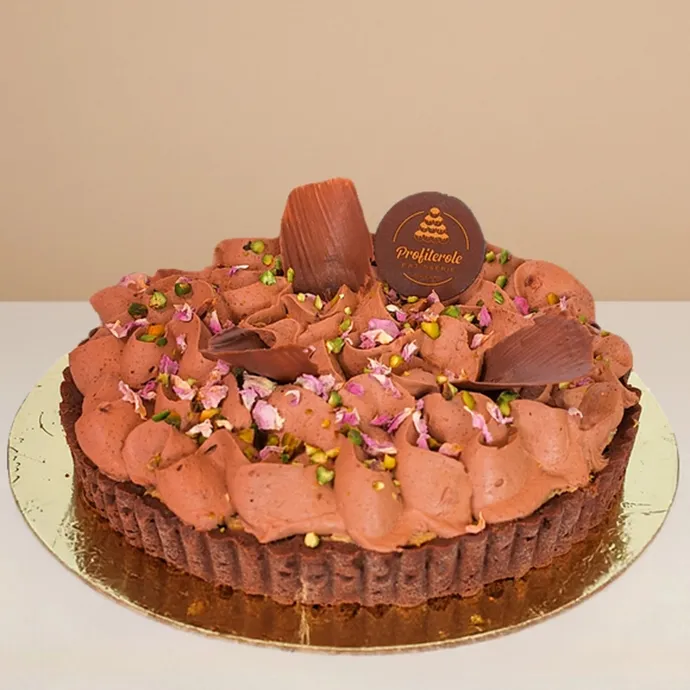
Dubai Chocolate Cake
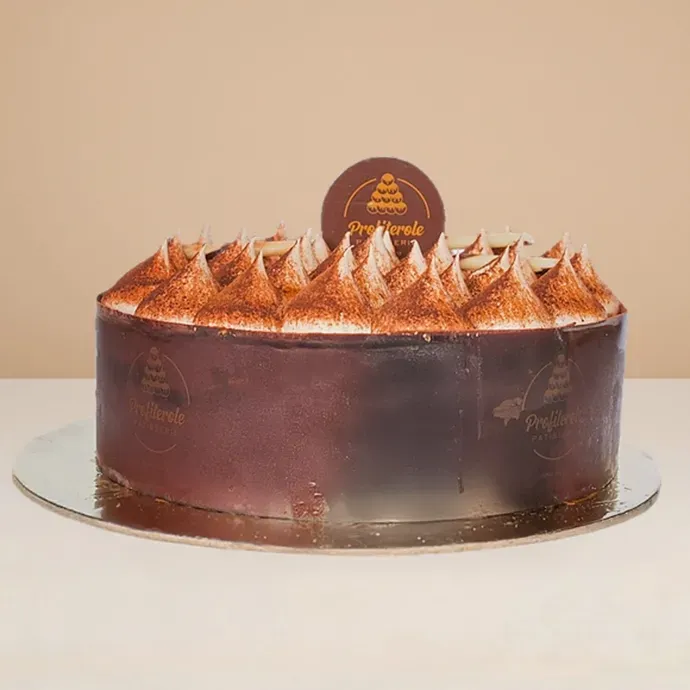
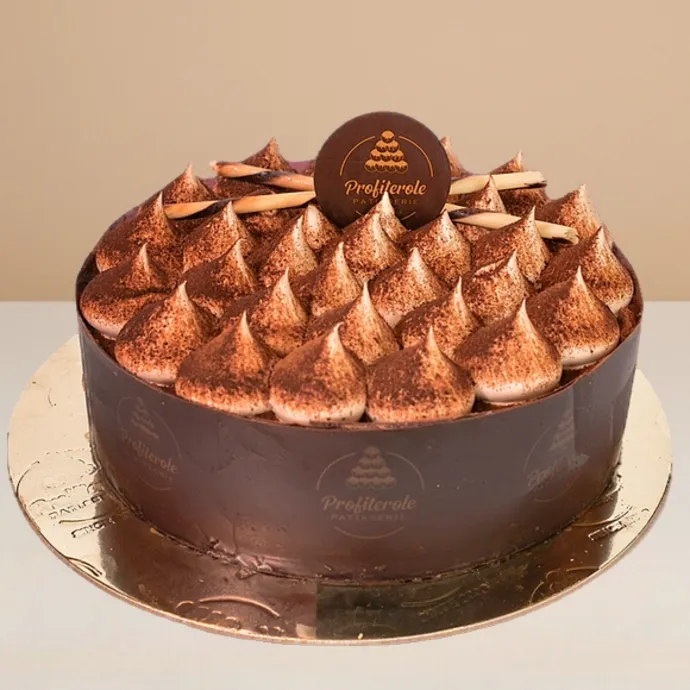
Tiramisu Cake
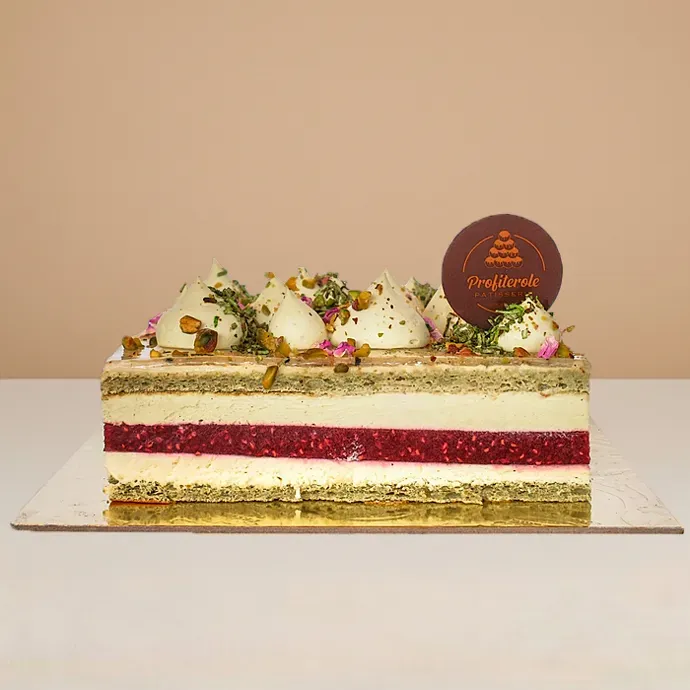
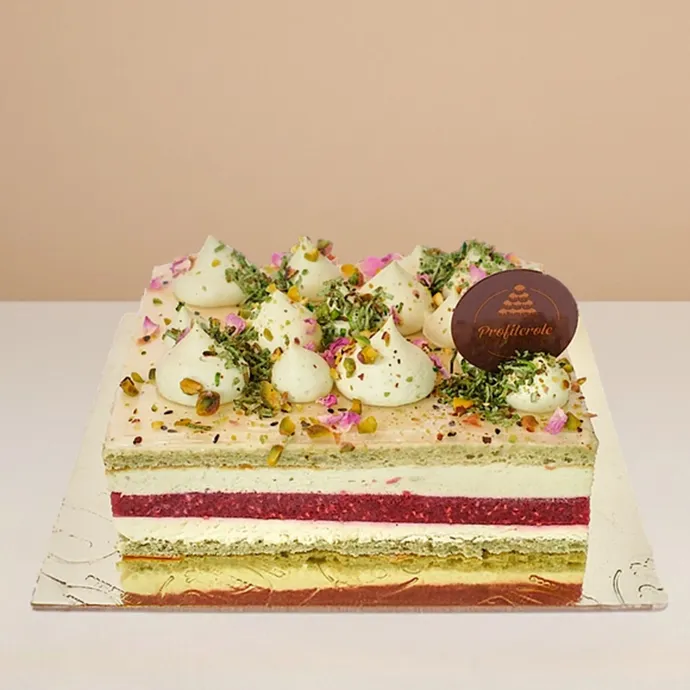
Pistachio Raspberry Bliss Cake
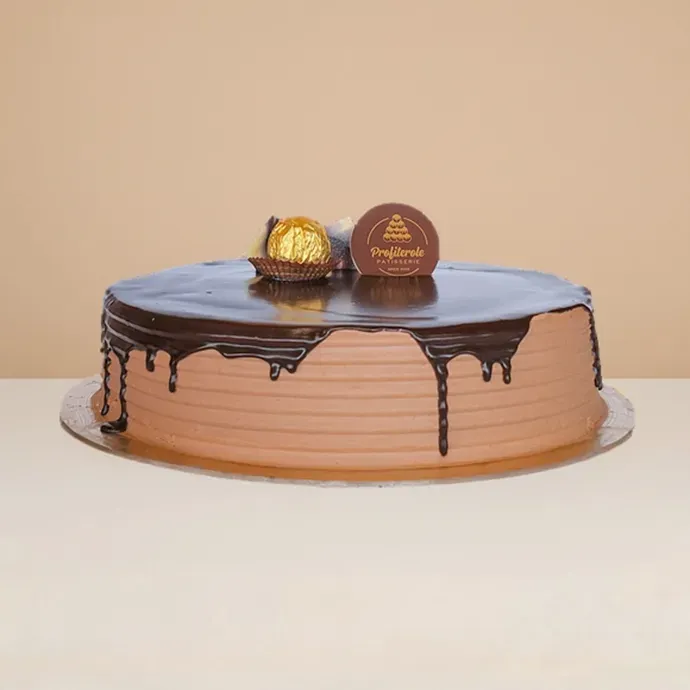
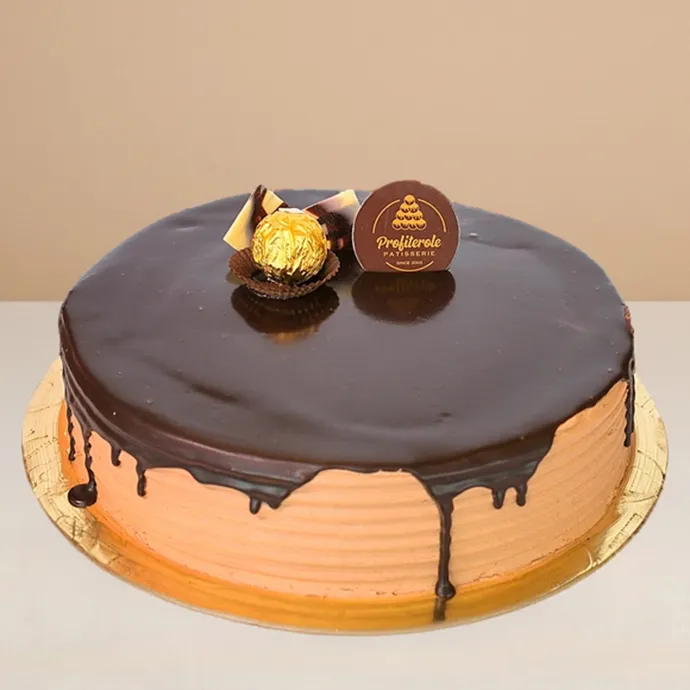
Ferrero Rocher Cake
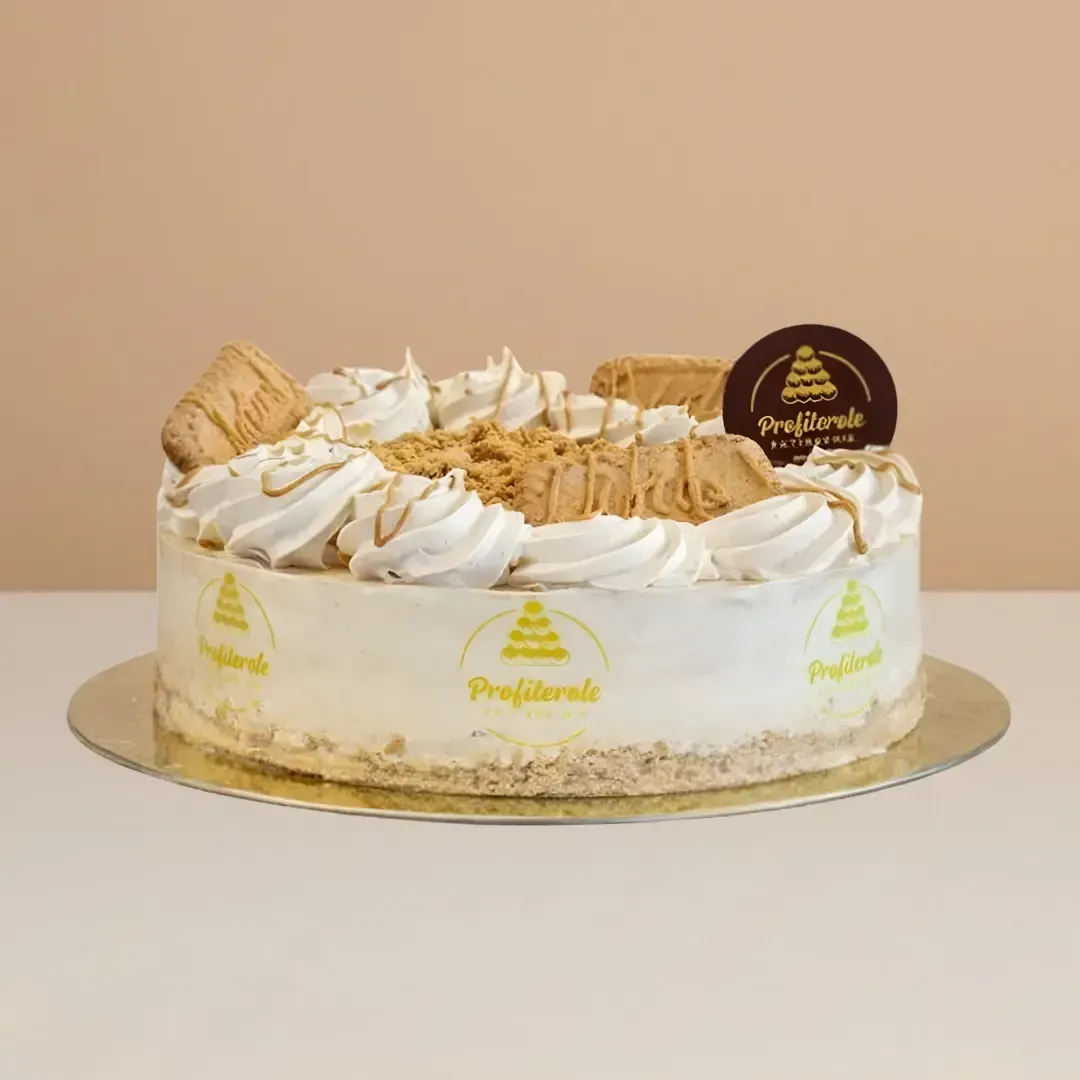
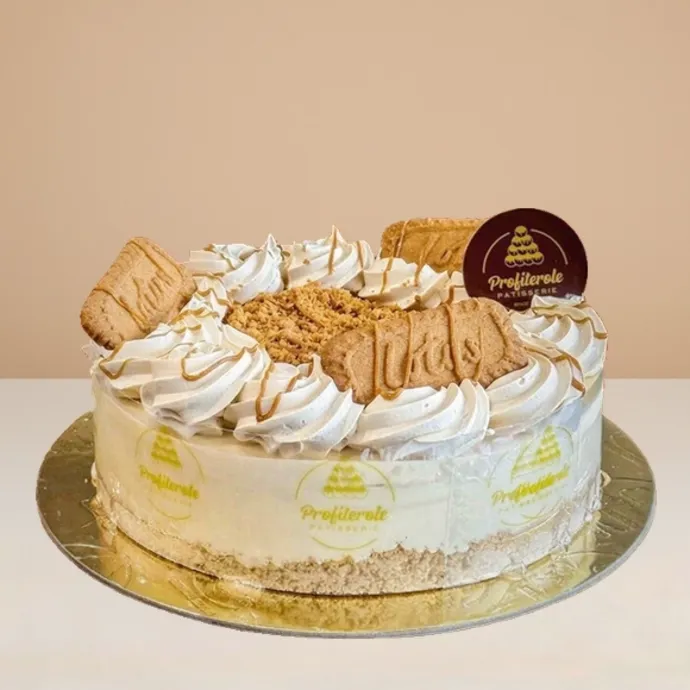
Lotus Biscoff Cheesecake
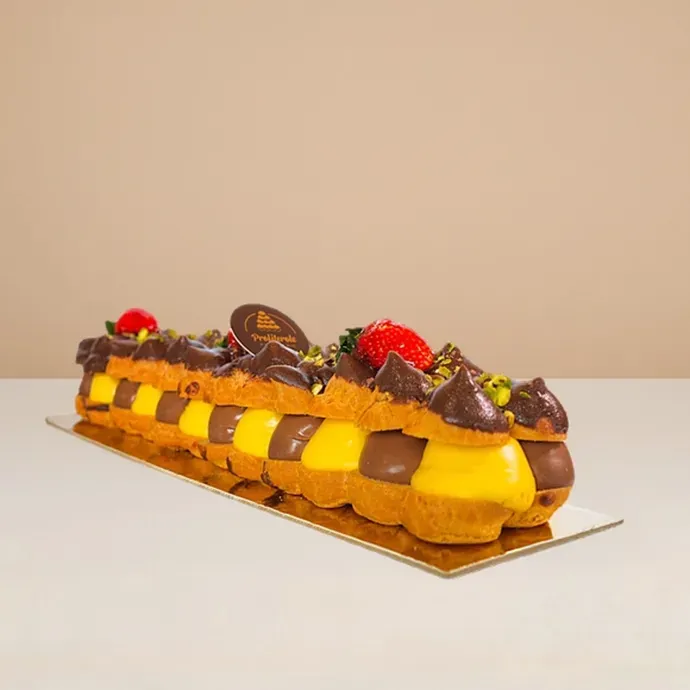
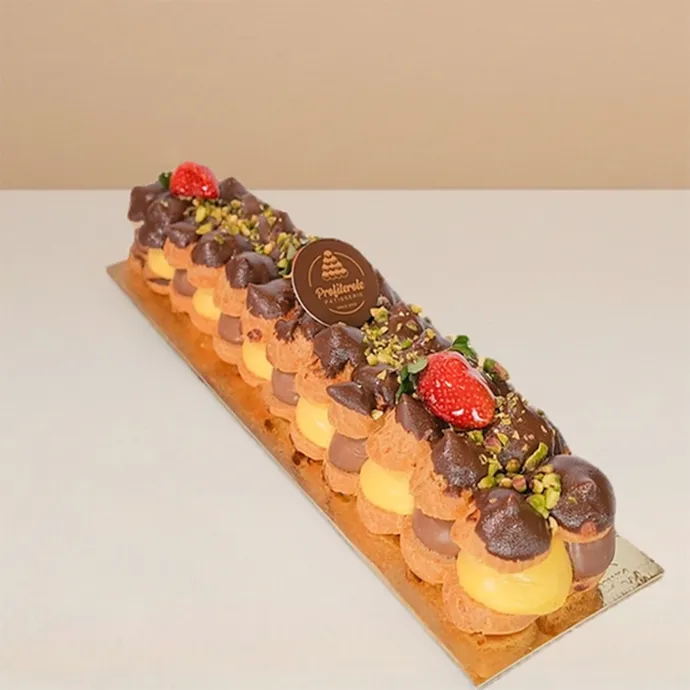
Profiterole Log Cake
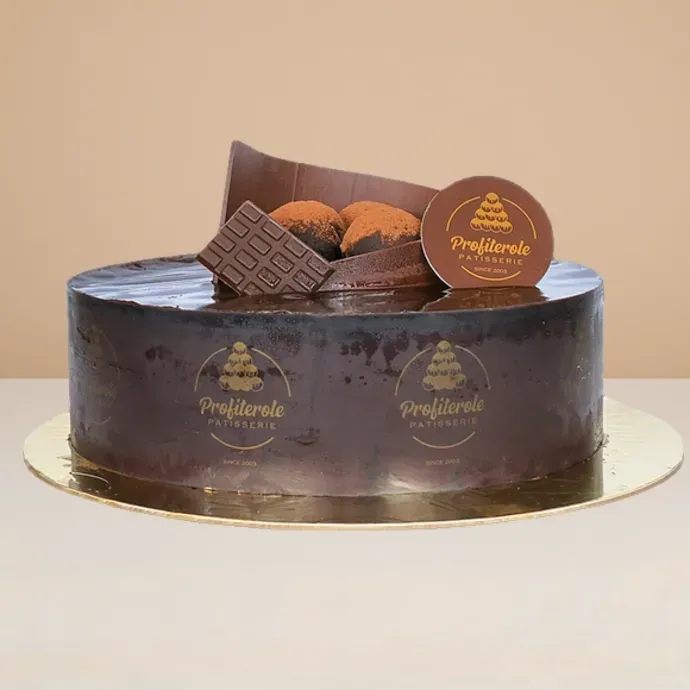
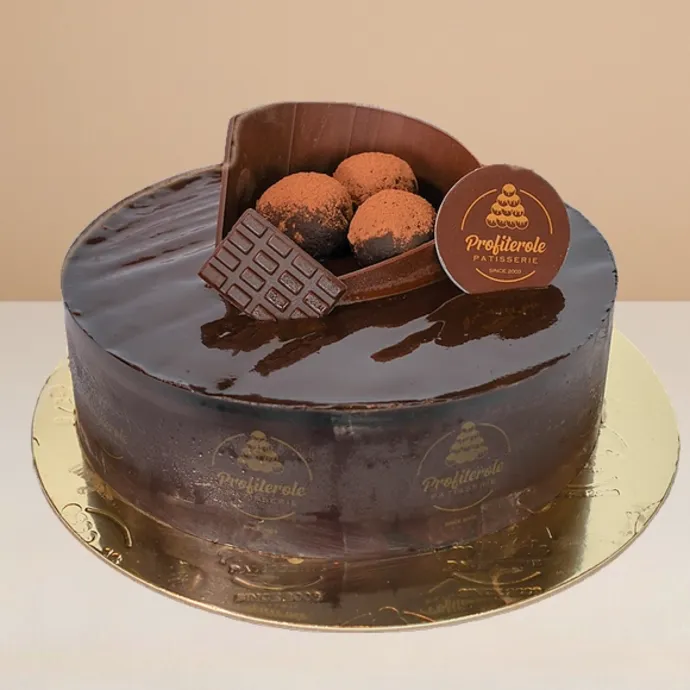
Chocolate Mousse Cake
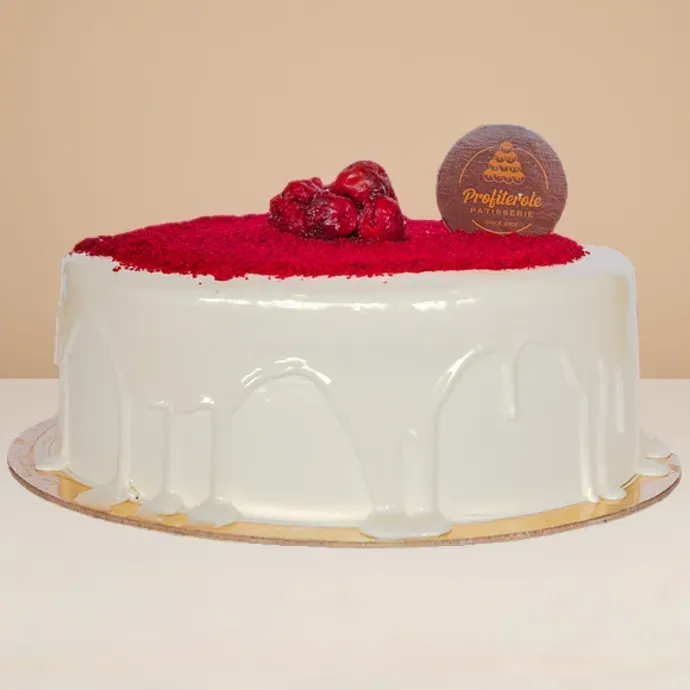
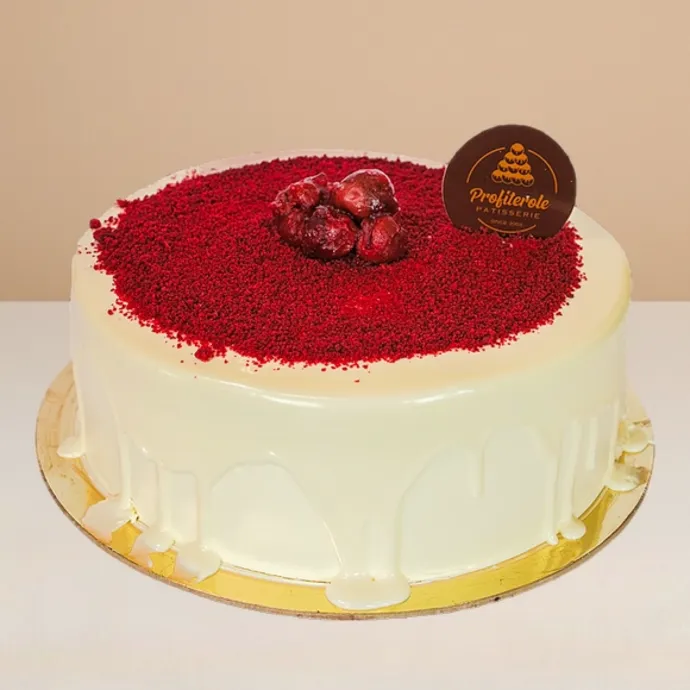
Red Velvet Cake
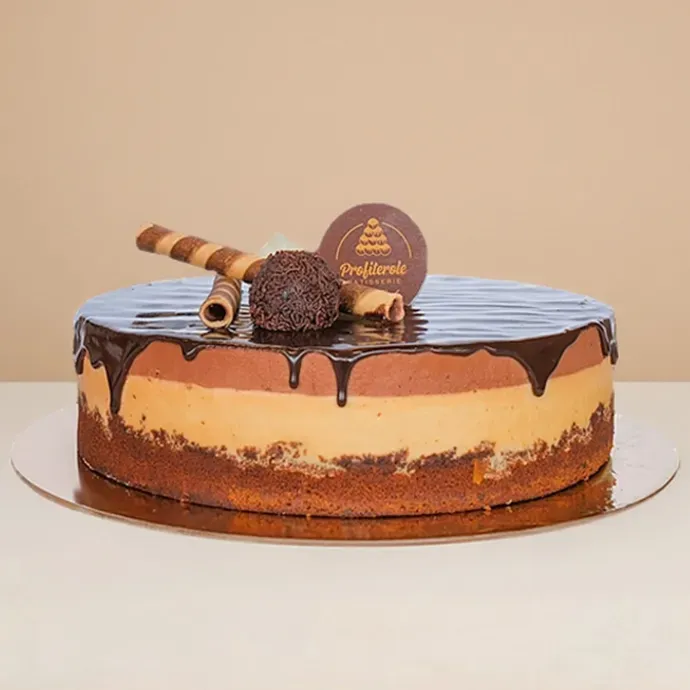
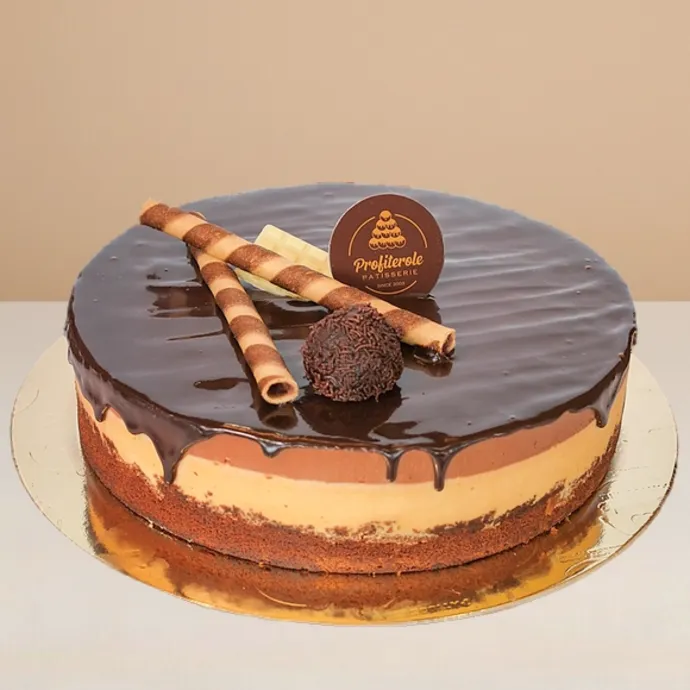
Trio Cake - Round
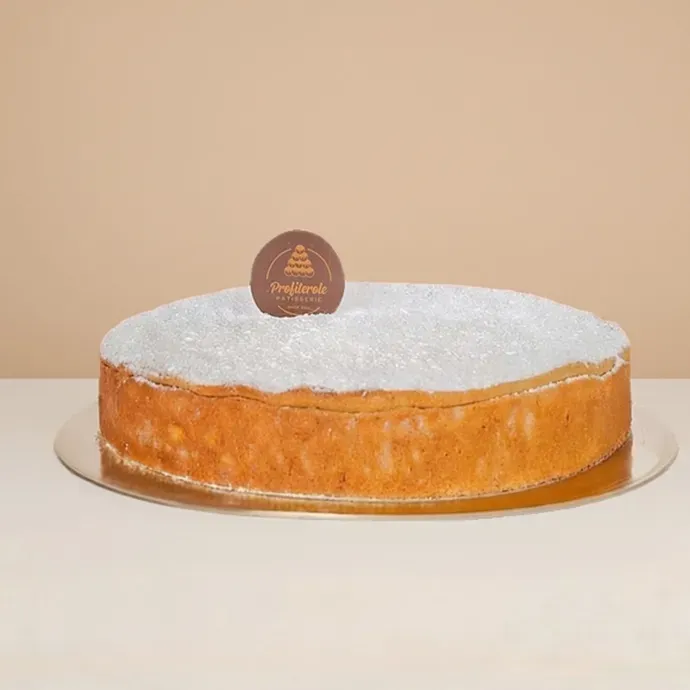
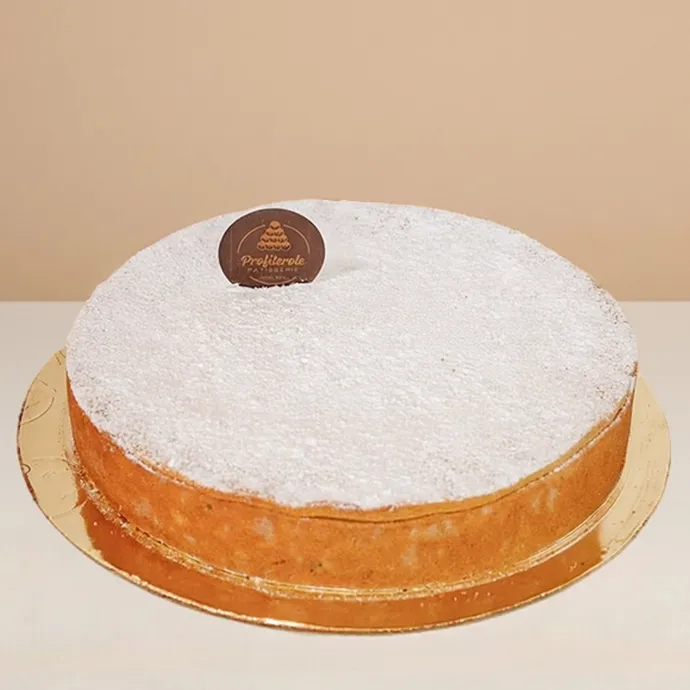
Baked Ricotta Cheesecake
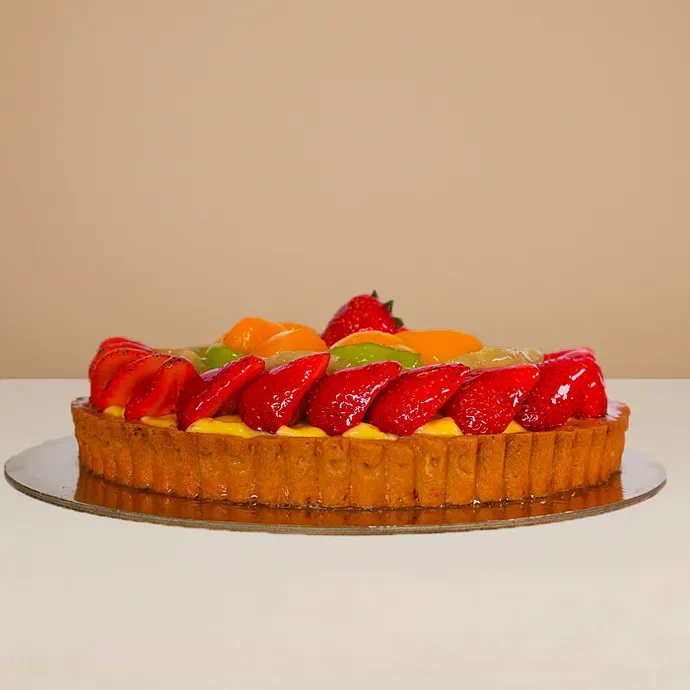
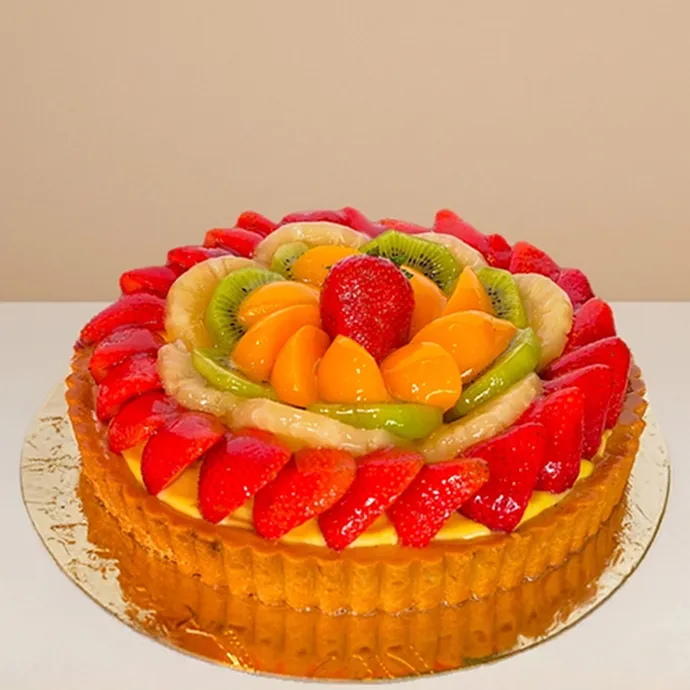
Fruit Cake - Round
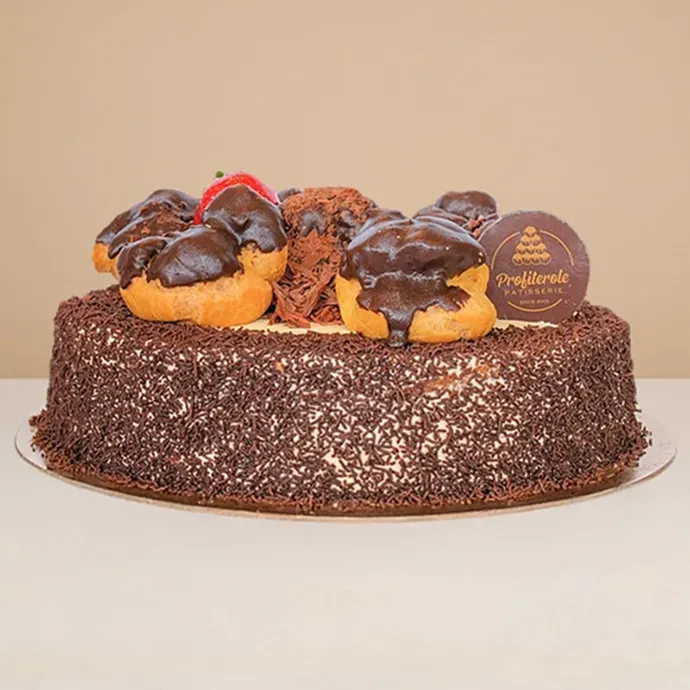
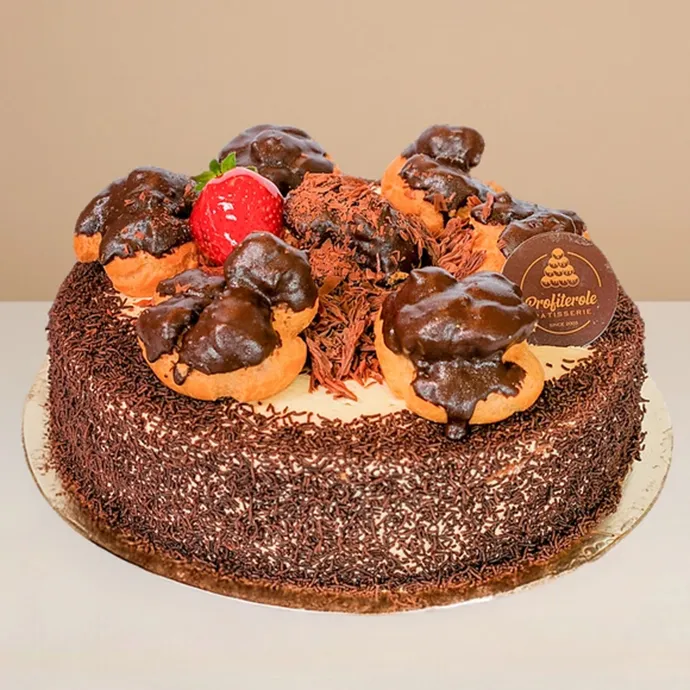
Chocolate Profiterole Cake
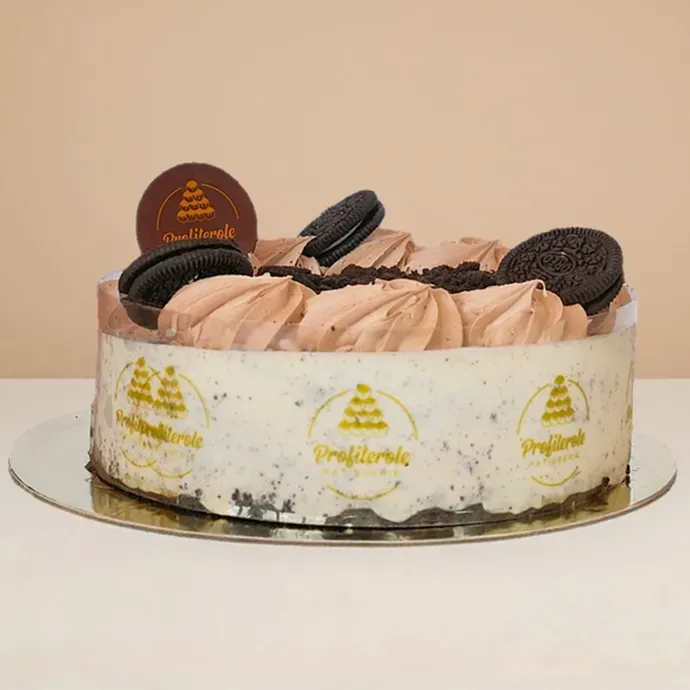
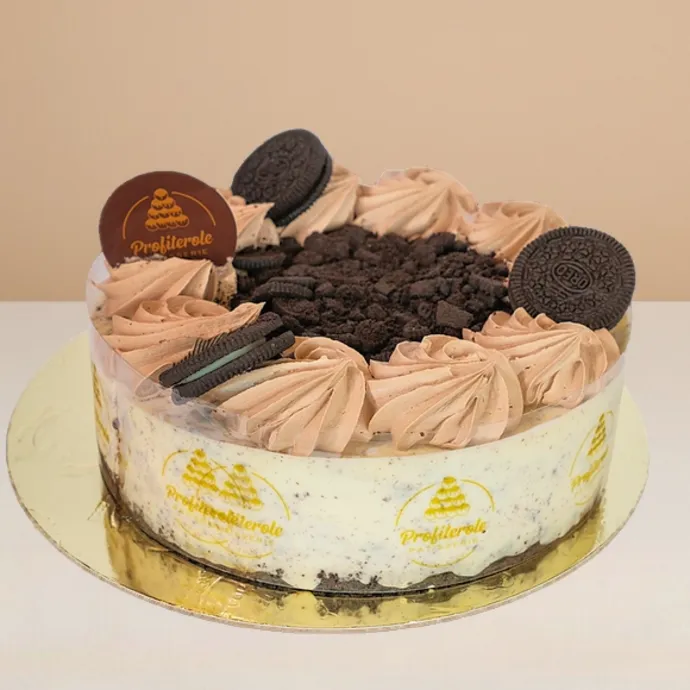
Oreo Cheesecake
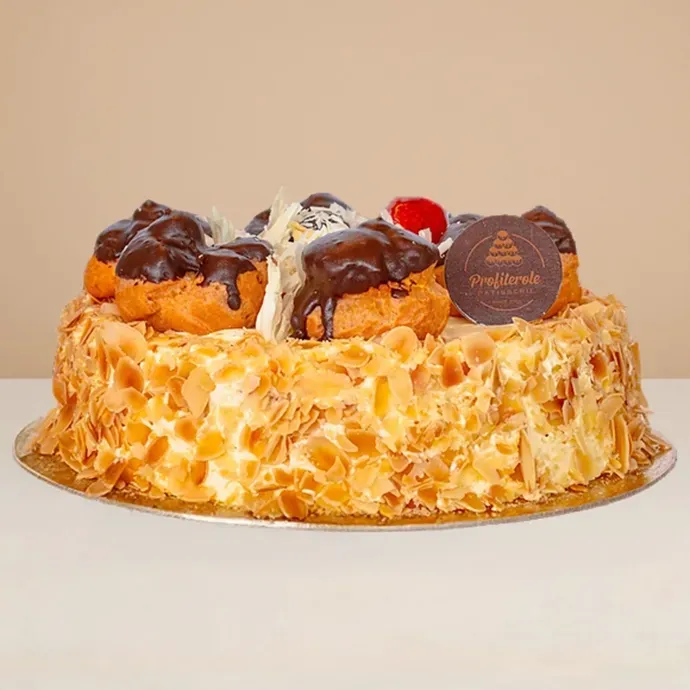
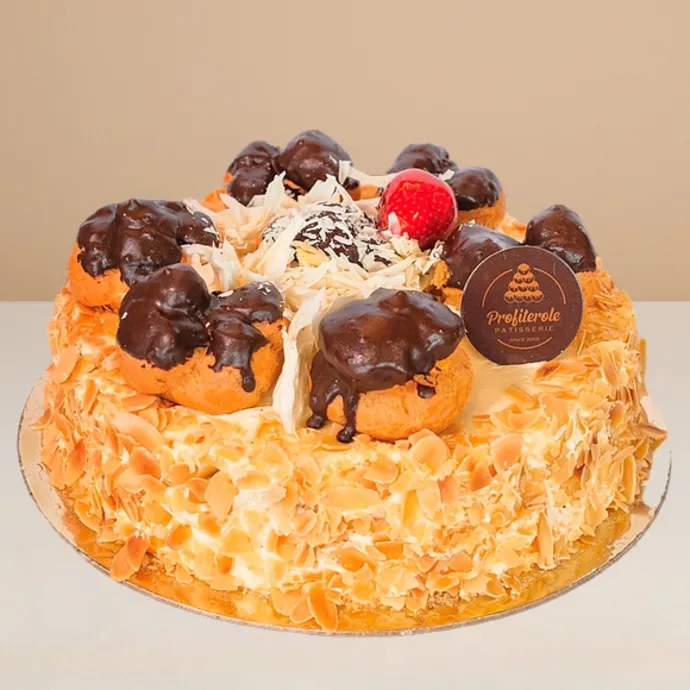
White Profiterole Cake
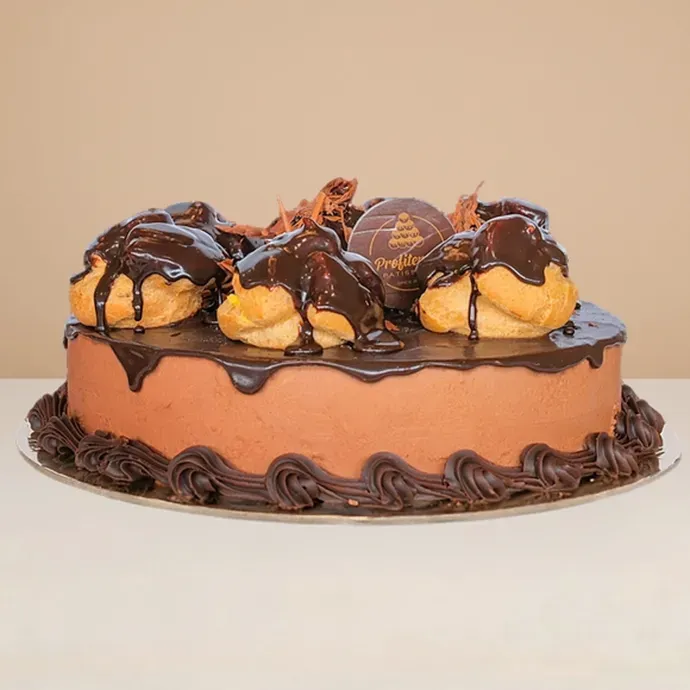
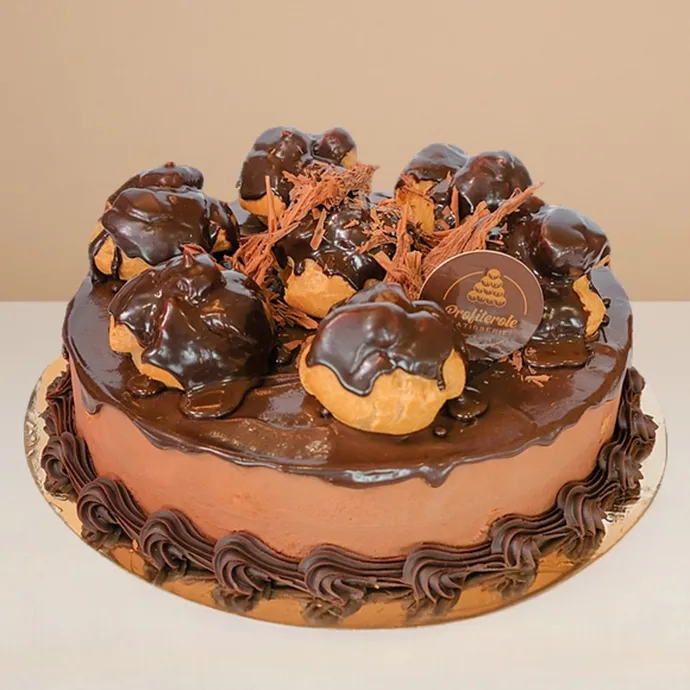
Mousse Profiterole Cake
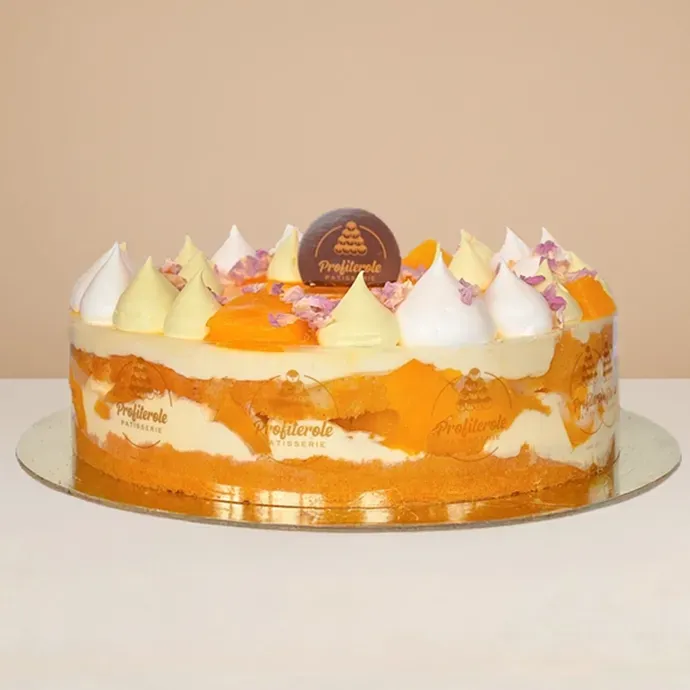
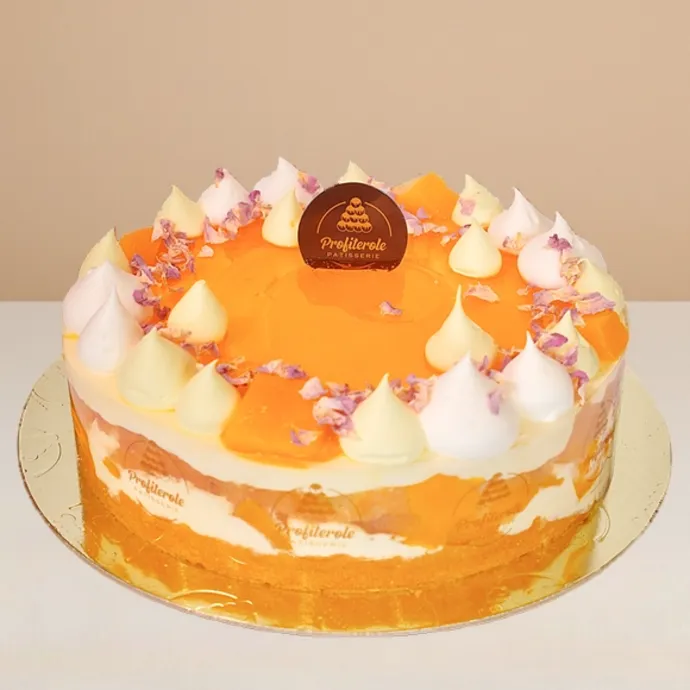
Mango Cake