Can Cakes Be Frozen? Yes, and Here’s the RIGHT WAY
Whether you are baking ahead for an upcoming birthday celebration or trying to save leftover slices from Sunday lunch, storing cake properly is a crucial skill for every dessert lover.
A common question on the pastry bench is whether freezing ruins a cake's soft, tender crumb. Fortunately, freezing is not only possible, but when executed correctly, it preserves moisture and flavour far better than leaving a sponge in the fridge.
In this guide, I will walk you through the bench science of freezing cakes and the exact wrapping techniques needed to keep every layer tasting fresh.
TL;DR:
Yes, cakes can be frozen for up to three months without sacrificing texture or taste, provided they are thoroughly protected from air exposure and moisture loss. Unfrosted sponge layers freeze best when double-wrapped tightly in plastic wrap and aluminium foil. For frosted or decorated cakes, flash-freezing the uncovered cake for an hour sets the icing solid before wrapping, ensuring your decorative work stays pristine upon thawing.
Here’s a quick guide on how to properly freeze cakes:
| Freezing Factor | Recommended Bench Technique |
|---|---|
| Cake Layer Prep | Cool sponges completely on a wire rack before wrapping |
| Wrapping Method | Double-wrap in plastic wrap, followed by a layer of aluminium foil |
| Decorated Cakes | Flash-freeze uncovered for 60 minutes until icing sets hard before wrapping |
| Storage Window | Optimal crumb quality is preserved for 1 to 3 months at -18°C |
Can Cakes Be Frozen?
The short answer is a resounding YES. In fact, professional pastry chefs and bakeries regularly freeze freshly baked cake layers as a standard production practice.
Far from damaging the bake, freezing locks in moisture at peak freshness, making the layers easier to stack, trim, and frost without crumb tear.
The Food Science Behind Freezing Cake
At a molecular level, cake batter transforms during baking as starches gelatinise and proteins set, creating a delicate structure that holds water and fat emulsions.
When a cake is placed in a freezer set at -18°C or lower, those water molecules are rapidly immobilized into microscopic ice crystals. Because the transition happens quickly, the water remains trapped within the starch matrix rather than evaporating into the surrounding air.
How Freezing Impacts Taste and Texture
Contrary to popular belief, freezing a cake does not make it dry.
In many cases, thawing a properly sealed cake layer creates an even softer, moister mouthfeel. That’s because as the tiny ice crystals melt during thawing, the moisture redistributes evenly throughout the flour starches.
As long as the cake is protected from freezer burn, the taste, aroma, and tenderness remain completely unchanged compared to the day it was baked.
How to Properly Freeze Cakes
Preserving the quality of a cake in the freezer relies entirely on proper prep and air exclusion. Here are six essential steps to follow on your home bench:
Step 1: Cool Completely on the Bench
Never place a warm or lukewarm cake into the freezer. Trapped steam will condense inside the wrapping, turning into large ice crystals that cause soggy, waterlogged patches when thawed.
Step 2: Double-Wrap Tight in Plastic Wrap
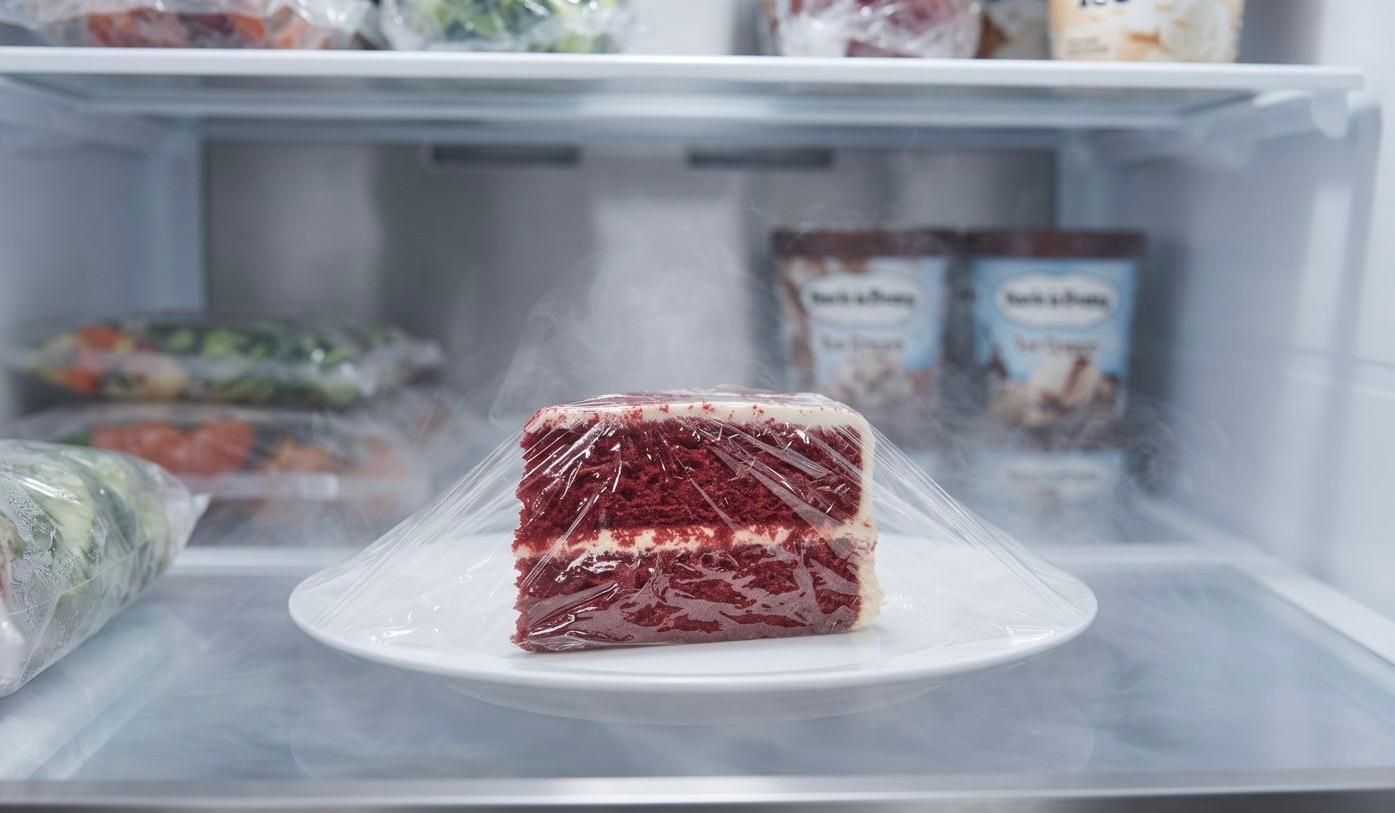
Cover the cooled cake layer completely with two layers of high-quality plastic wrap. Press the wrap directly against the surface to eliminate all air gaps, preventing moisture loss and sublimation.
Step 3: Add an Outer Foil Shield
Wrap the plastic-sealed layer in heavy-duty aluminium foil. This outer metal barrier protects the delicate butter fats inside the cake from absorbing unwanted freezer odours from surrounding foods.
Step 4: Flash-Freeze Frosted Cakes First
If you are freezing a fully decorated cake, place it uncovered on a baking tray in the freezer for 45 to 60 minutes. Once the buttercream or ganache freezes rock hard to the touch, wrap it securely in plastic wrap and foil.
Step 5: Pre-Slice Leftover Cakes for Easy Portions
For leftover party cakes, cut the remaining sponge into individual slices. Arrange the slices on parchment paper to freeze solid before wrapping each slice individually, allowing you to thaw single portions as needed.
Step 6: Label and Date Every Layer
Always write the cake type and date of freezing on the outer foil using a permanent marker so you can track your storage window easily.
Is It Better to Freeze Cake or Refrigerate?
When deciding between the fridge and the freezer, food science strongly favours the freezer for long-term freshness.
Refrigerators operate at temperatures between 0°C and 4°C. This temperature range accelerates a chemical process known as starch retrogradation, where gelatinised flour starches recrystallise and expel trapped water.
As a result, an unsealed cake kept in the fridge dries out and turns stale up to three times faster than a cake left on the room temperature bench.
When to Refrigerate vs. When to Freeze
Use the Fridge For Short-Term Perishables (1 to 3 Days): Refrigeration is necessary when a cake contains perishable dairy fillings such as fresh whipped cream, mascarpone, pastry cream, or fresh fruit.
Use the Freezer For Long-Term Storage (Up to 3 Months): Freezing is the superior choice for plain sponges, butter cakes, mud cakes, and layers frosted with stable buttercream or chocolate ganache.
Which Cakes Should Not Be Frozen?
While plain sponges and mud cakes freeze brilliantly, certain delicate textures and high-moisture emulsions do not survive the freeze-thaw cycle gracefully.
Custard and Pastry Cream Fillings
Custard contains cornflour and dairy starches that undergo severe syneresis when frozen. Upon thawing, the gel structure breaks down, causing the liquid to separate and leave behind a watery, curdled filling.
Fresh Whipped Cream Cakes
Pure whipped cream relies on a delicate air-and-fat emulsion. Freezing causes water droplets inside the cream to expand, collapsing the airy matrix so the cream weeping and separating as it returns to room temperature.
Meringue and Pavlova Bakes
Crisp sugar-and-egg-white structures absorb ambient freezer humidity rapidly, turning chewy, sticky, and weeping liquid when thawed.
Fresh Fruit Fillings
Whole berries or fresh fruit slices contain high water volume within their cell walls. Freezing expands this water and ruptures the cell membranes, leaving the fruit mushy and watery after thawing.
Master the Cold & Never Throw Another Slice of Leftover Cake Again
Freezing cake is one of the most effective ways to preserve dessert quality and eliminate food waste.
And by understanding how cold temperatures interact with flour starches and ensuring your bakes are sealed tightly against air exposure, you can enjoy perfectly moist, café-quality cake whenever a sweet craving strikes.
At Profiterole Patisserie, our pastry team applies artisan precision to every single bake, ensuring our cakes deliver unmatched flavour and texture for your special celebrations.
I’d like to personally invite you to any of our stores across Sydney to experience true artisan French baking. But if you prefer delivery, you can also order online and we’ll deliver your cake on the next day.
Updated: 11/08/2026
Publish date: 28/07/2025

Joey Yaccoub
Head Baker & Operations Manager, Profiterole Patisserie
Joey Yaccoub is the Head Baker at Profiterole Patisserie, bringing over a decade of hands-on experience in artisan cake design and pastry craftsmanship.
He oversees recipe development, product quality, and daily operations across all store locations, ensuring every cake meets the brand’s standards for flavour, presentation, and consistency.
FAQs
Does cake taste good after being frozen?
Yes, cake tastes excellent after being frozen, provided it was wrapped securely in plastic wrap and aluminium foil to prevent freezer burn and odour absorption. Thawing the cake fully restores its soft, moist texture and rich flavour.
Is it safe to put a cake in the freezer?
It is completely safe to put a cake in the freezer. Freezing halts microbial growth and preserves the structural integrity of the sponge for several months without compromising food safety.
How do I freeze a cake to keep it fresh?
To keep a cake fresh in the freezer, let it cool completely, then double-wrap it tightly in plastic wrap to exclude all air. Finish with an outer layer of heavy-duty aluminium foil to block out freezer moisture and odours.
Is it better to keep a cake in the fridge or freezer?
For long-term storage beyond two days, the freezer is much better than the fridge. Refrigerators cause flour starches to recrystallise quickly, drying the cake out, whereas freezers halt the staling process completely.
How long can cakes be frozen for later use?
Cakes can be frozen for up to 3 months for optimal flavour and texture. While they remain safe to eat beyond three months, prolonged storage may slowly dry out the crumb or affect delicate surface frostings.
Looking for More Cakes? Check Them Out Here.
Profiterole Tower - Classic Chocolate
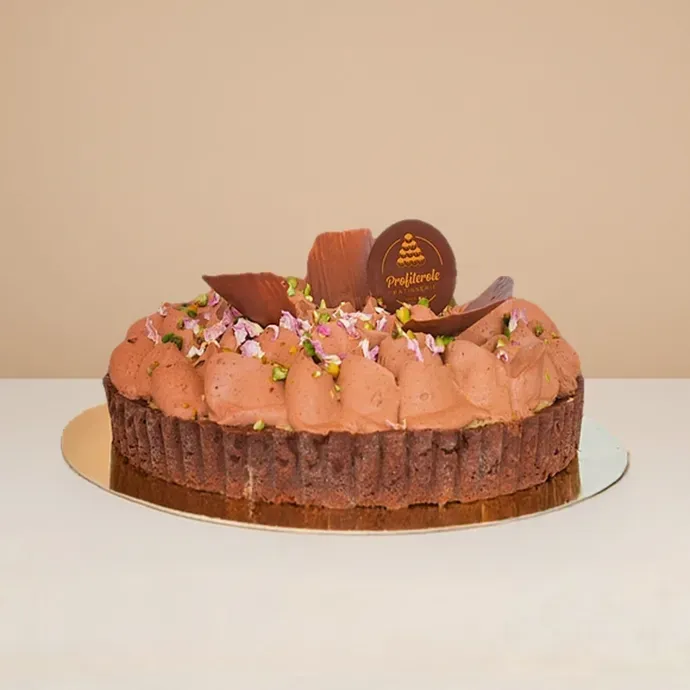
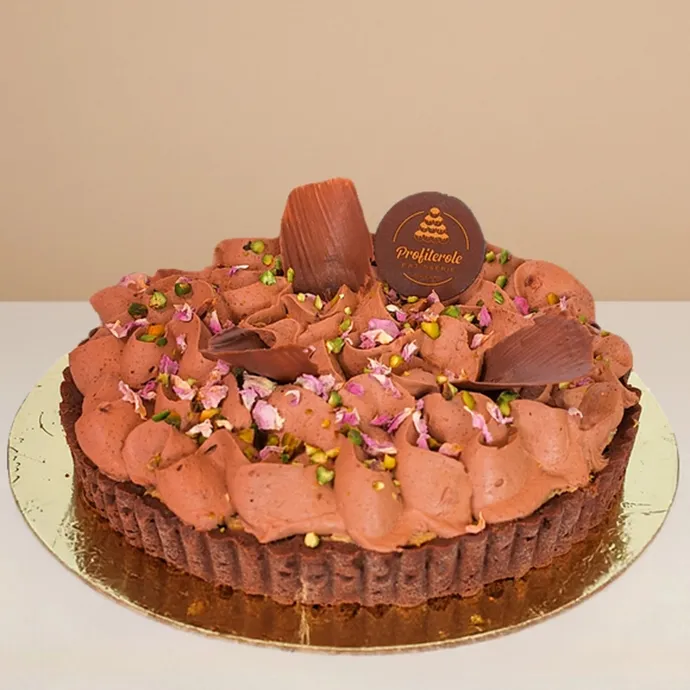
Dubai Chocolate Cake
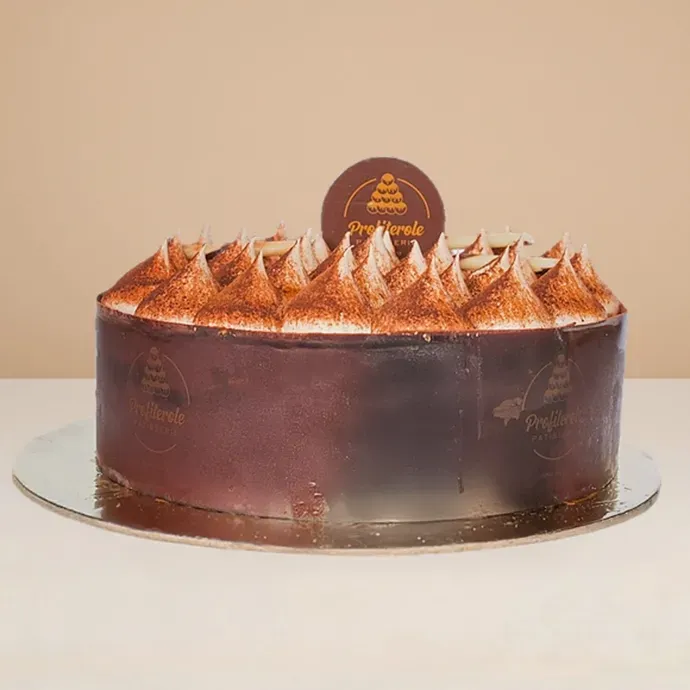
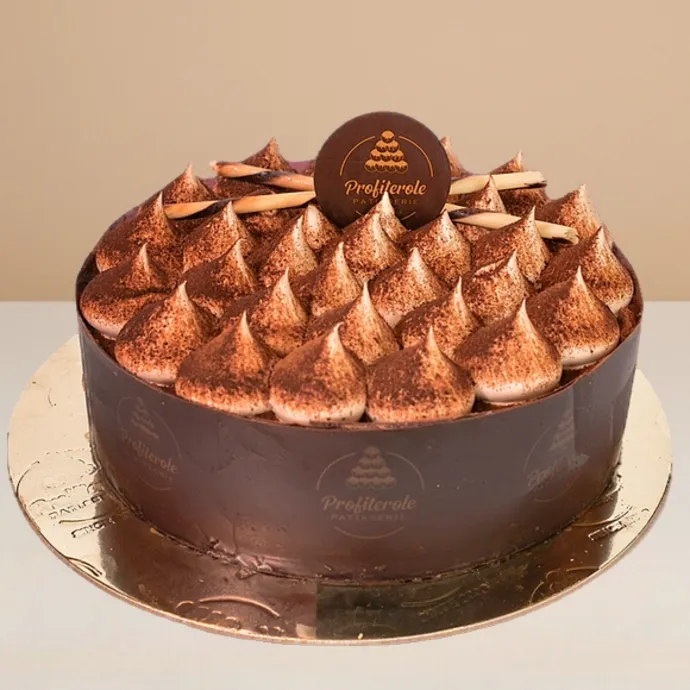
Tiramisu Cake
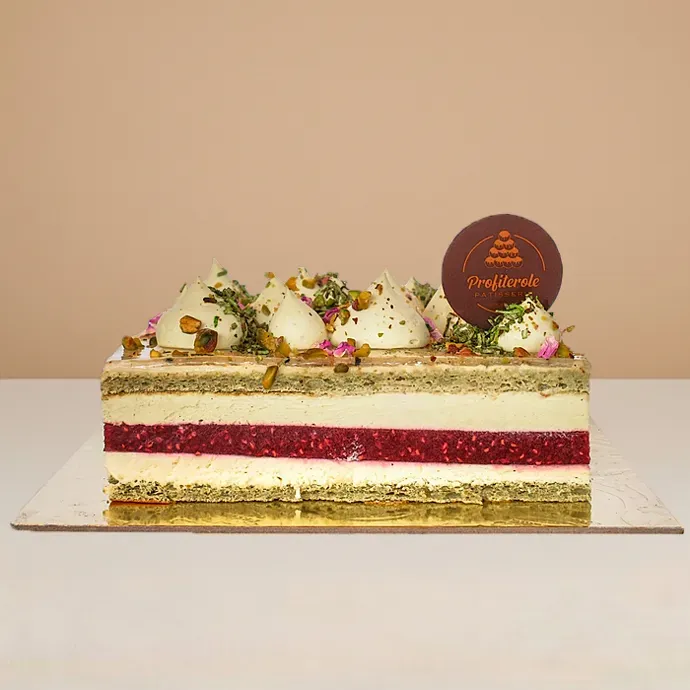
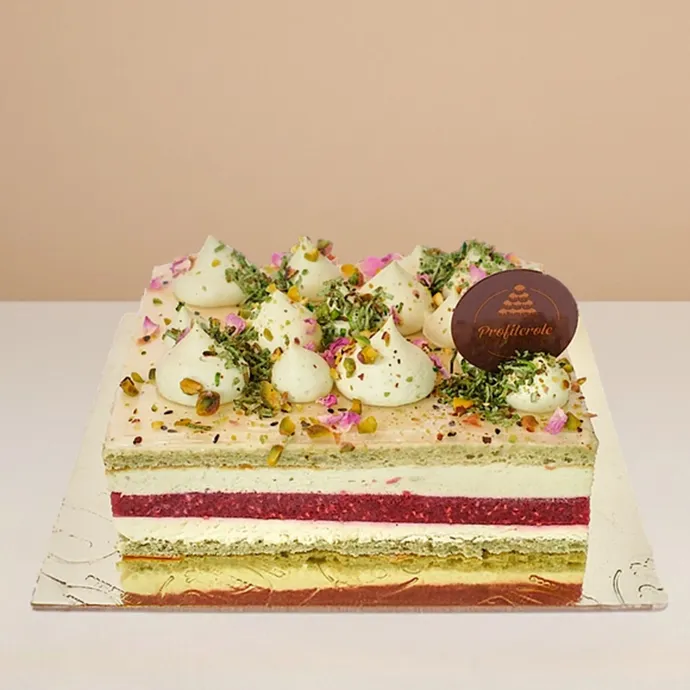
Pistachio Raspberry Bliss Cake
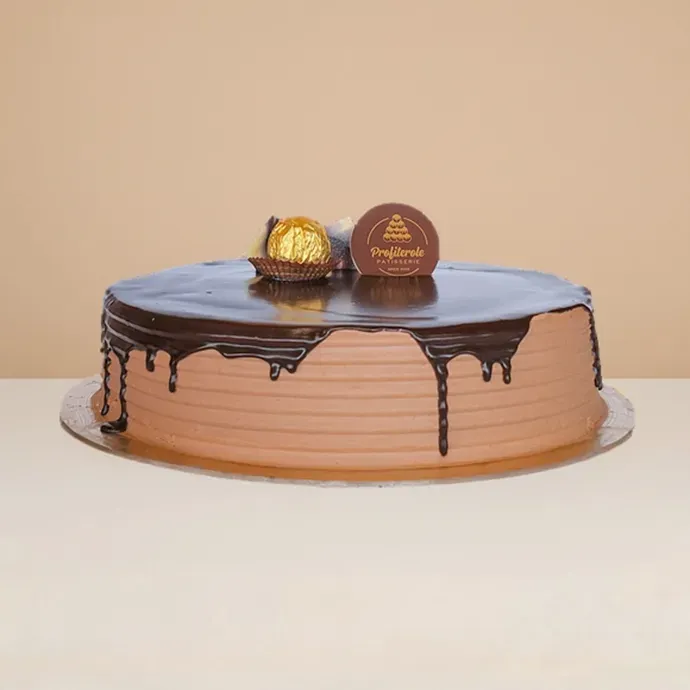
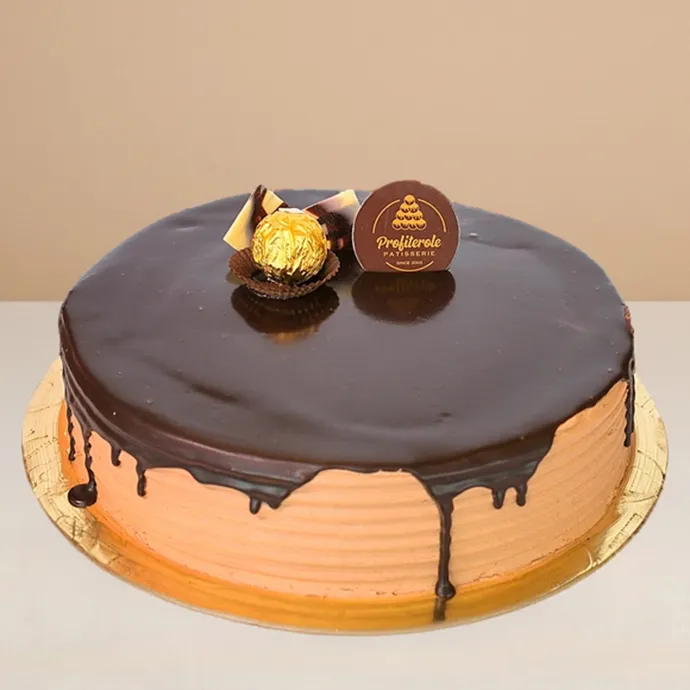
Ferrero Rocher Cake
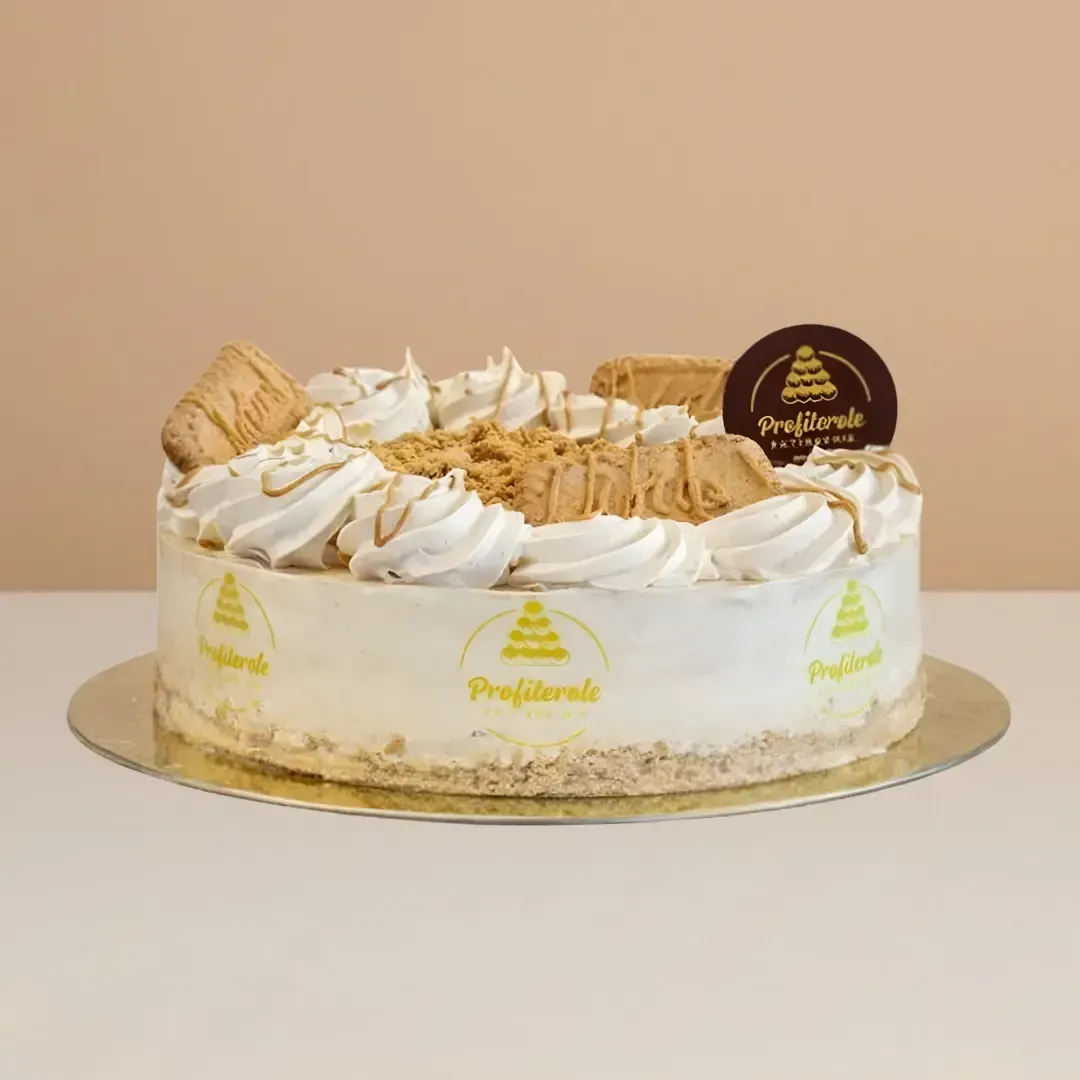
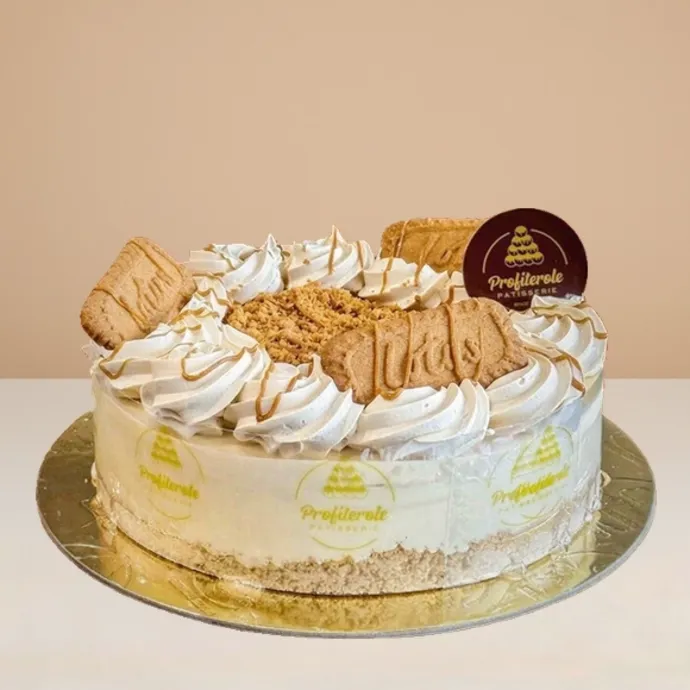
Lotus Biscoff Cheesecake
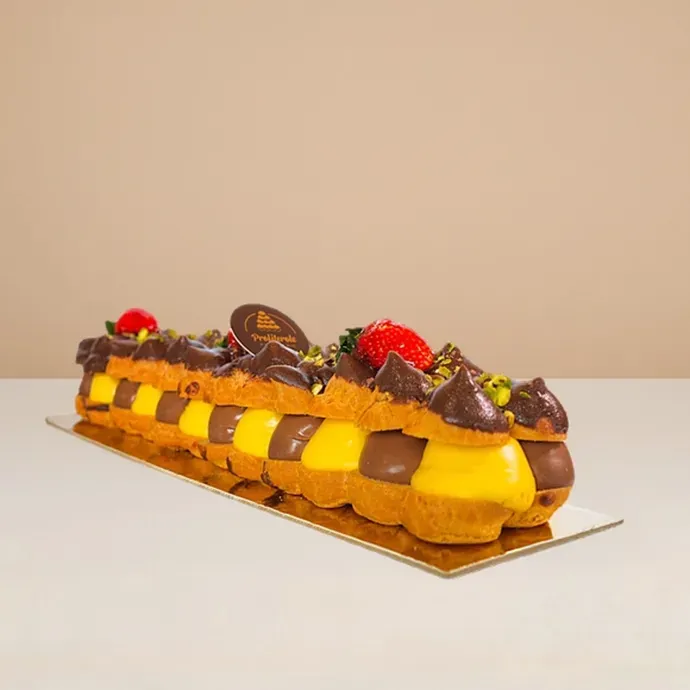
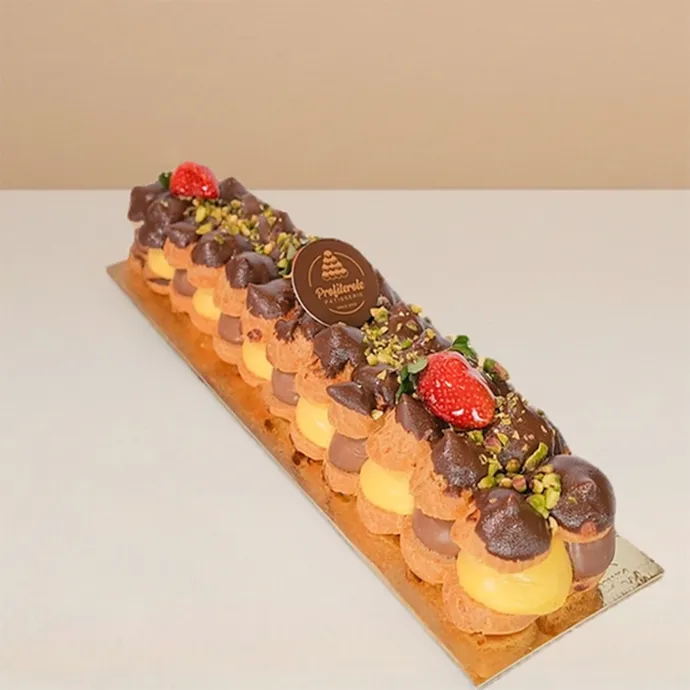
Profiterole Log Cake
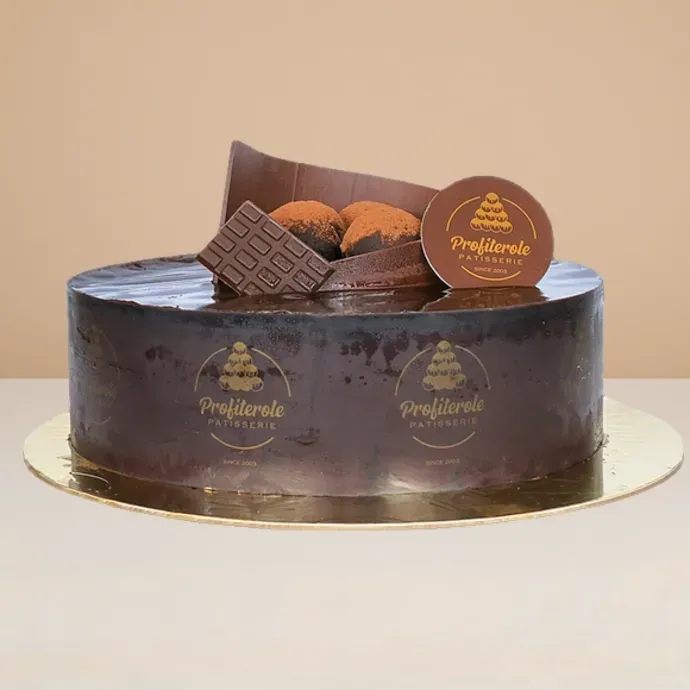
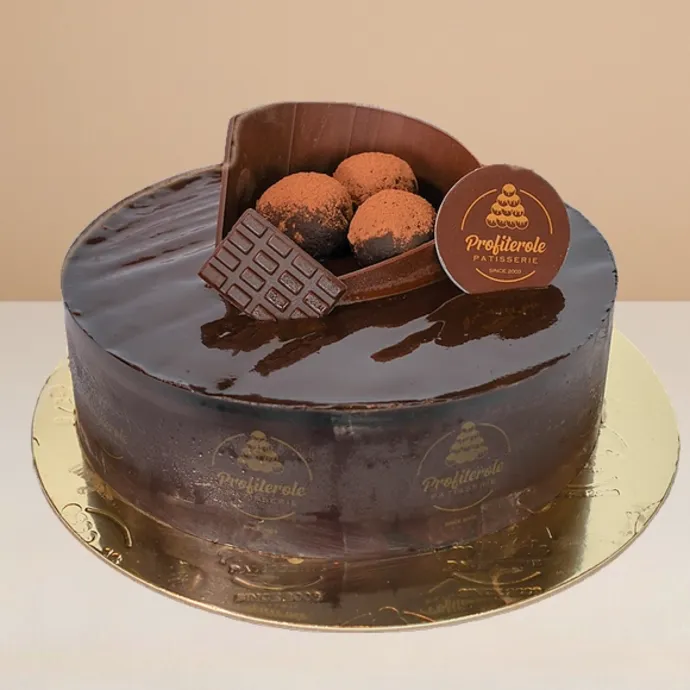
Chocolate Mousse Cake
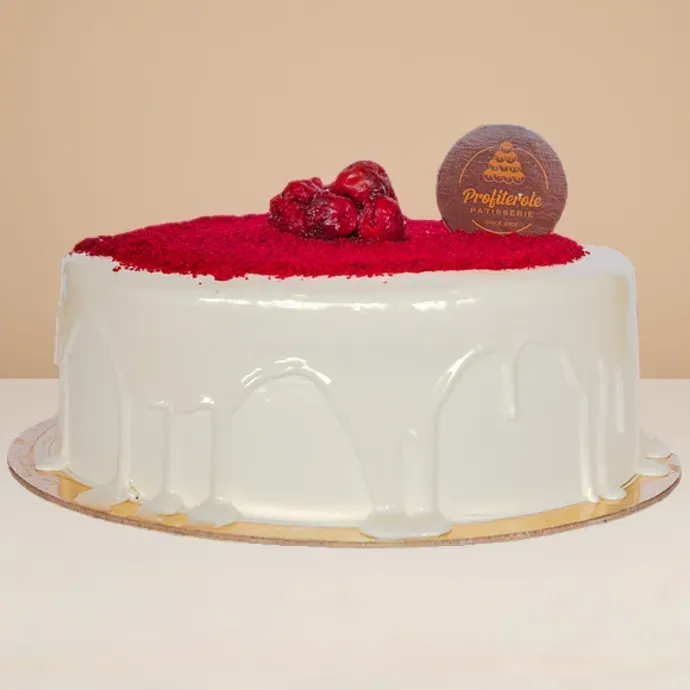
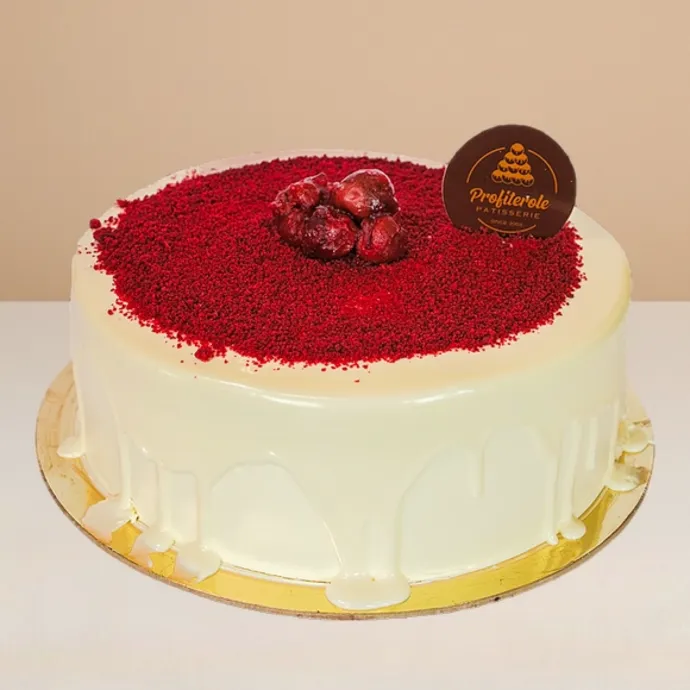
Red Velvet Cake
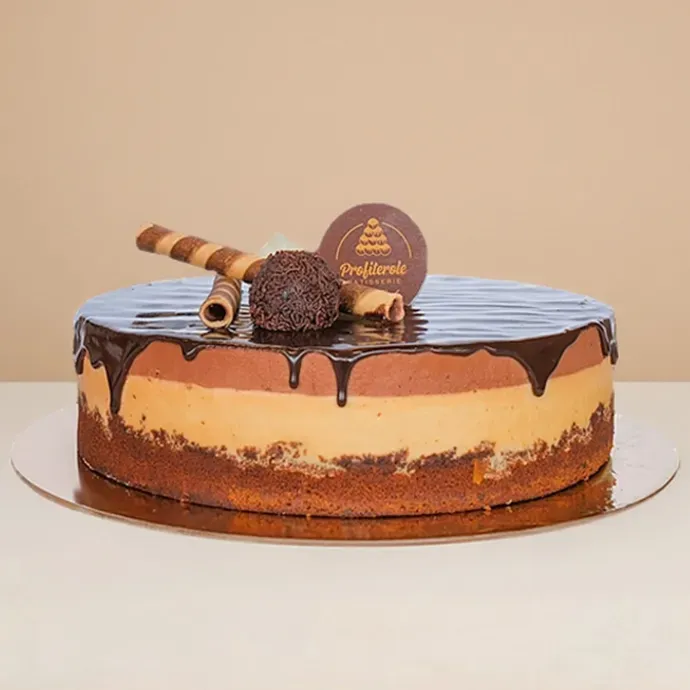
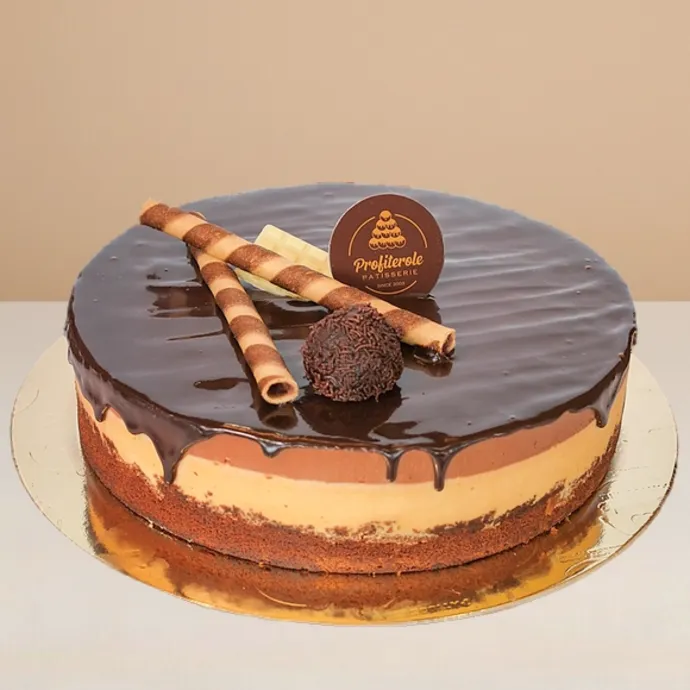
Trio Cake - Round
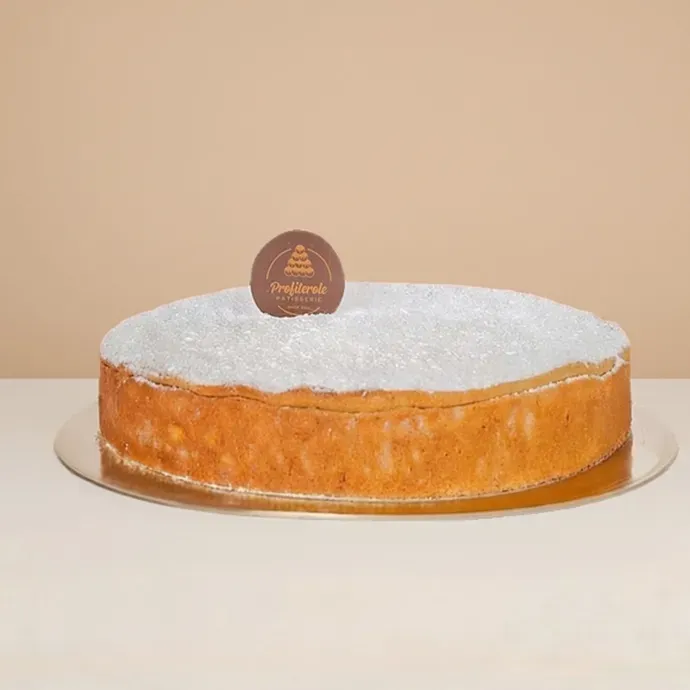
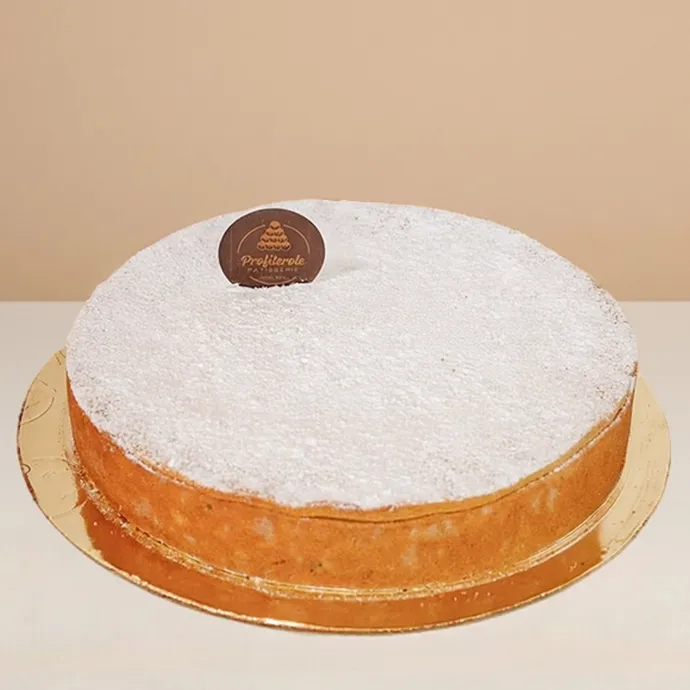
Baked Ricotta Cheesecake
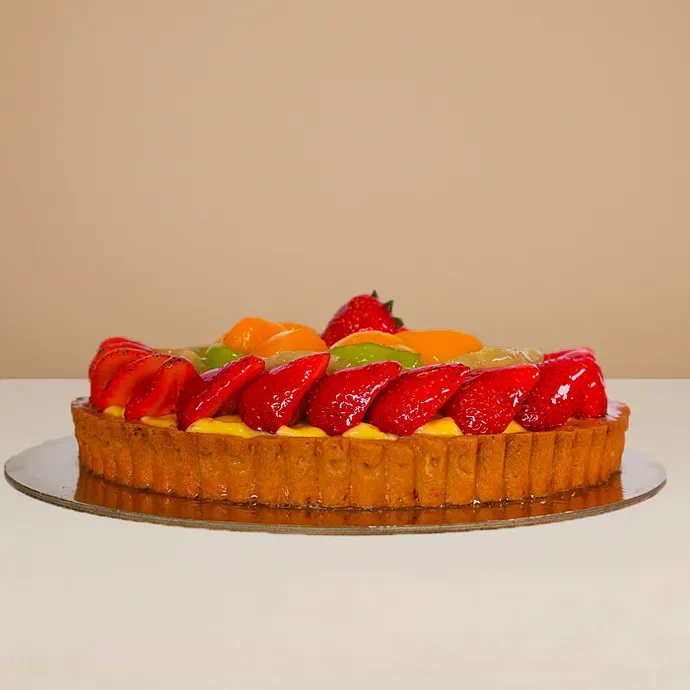
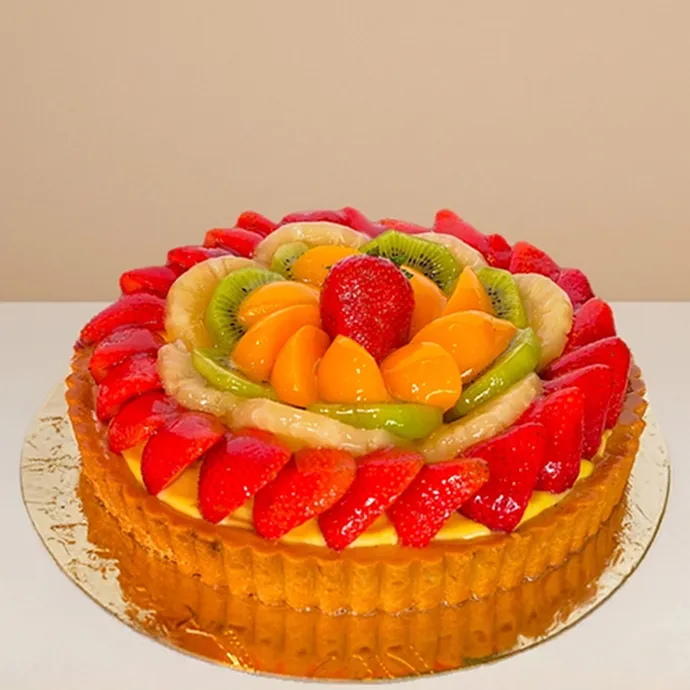
Fruit Cake - Round
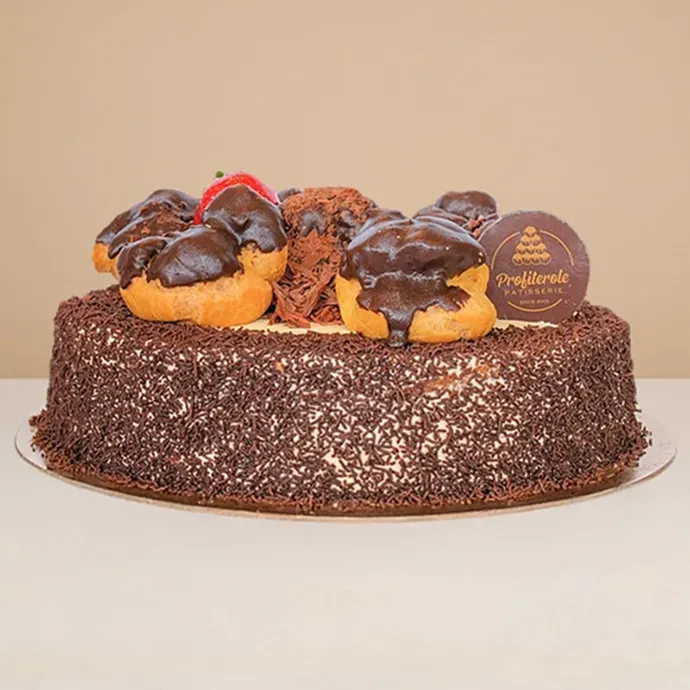
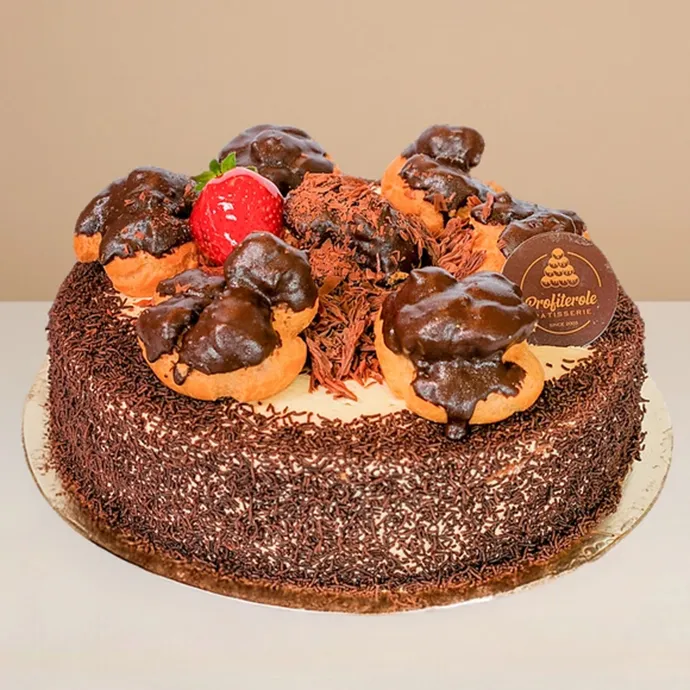
Chocolate Profiterole Cake
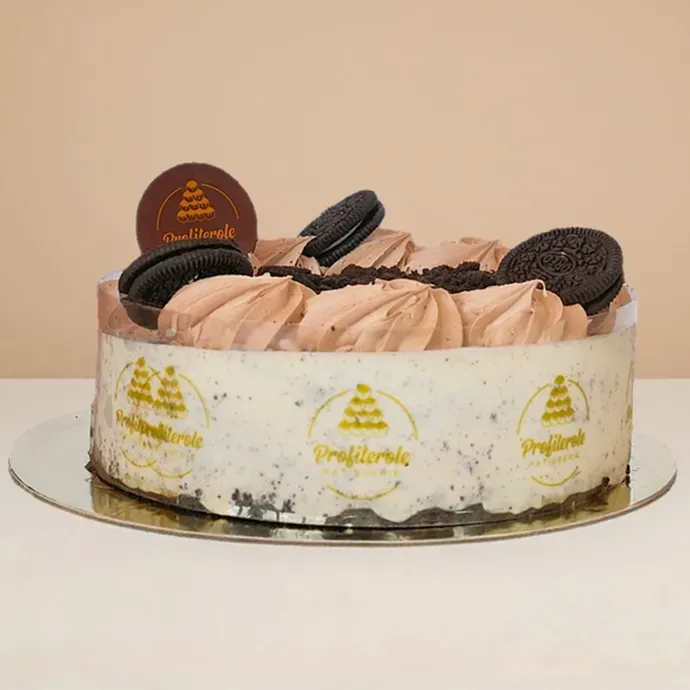
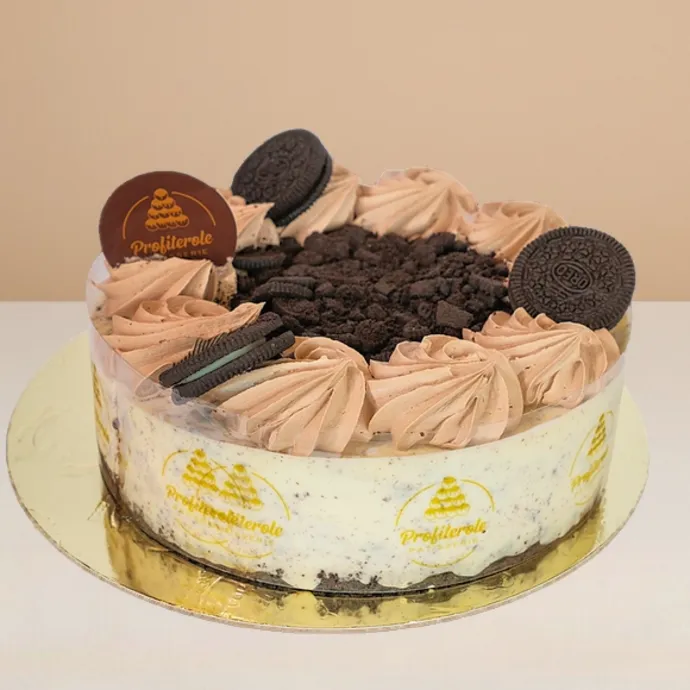
Oreo Cheesecake
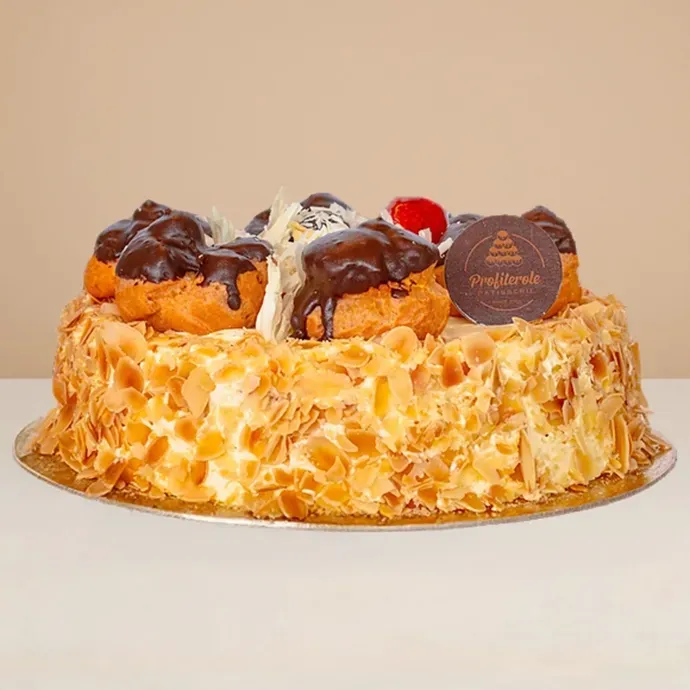
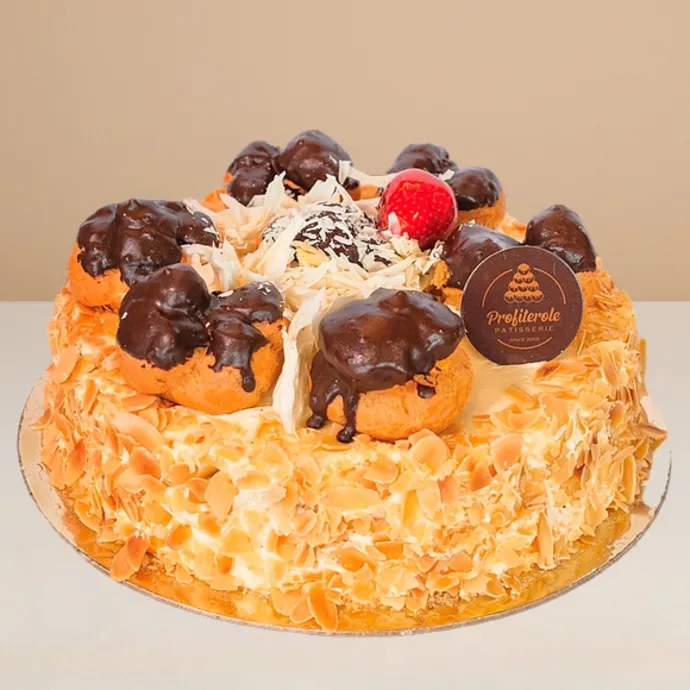
White Profiterole Cake
Mousse Profiterole Cake
Mango Cake