Set Cheesecake vs Baked Cheesecake: How Are They Different?
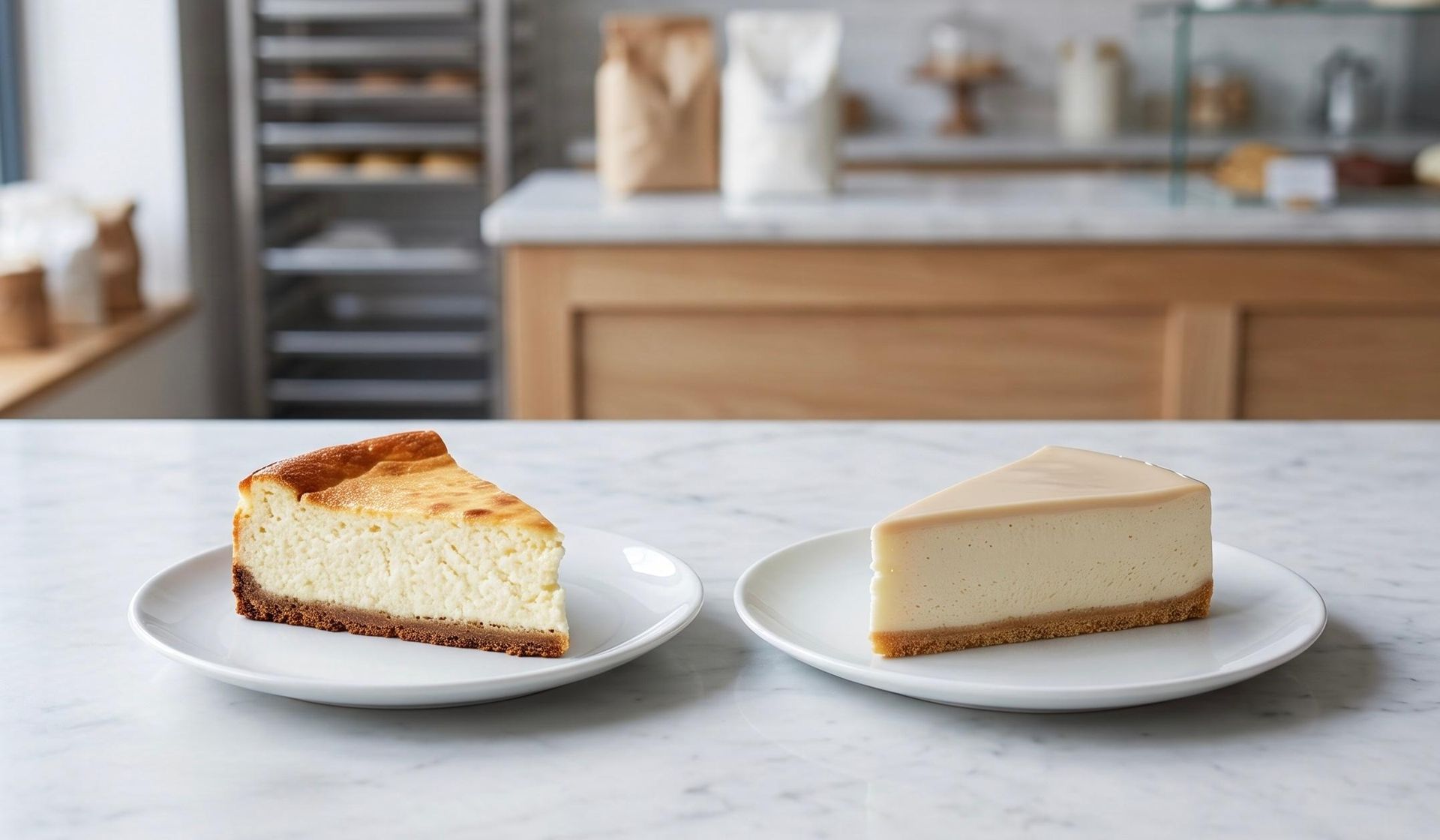
Standing before a pastry display cabinet, you might find yourself torn between two classic styles of cheesecake. One boasts a deeply caramelised, golden crown, while the other offers a silky, pristine, and glossy surface.
While both desserts celebrate the tangy richness of cheese, their chemistry, texture, and preparation methods could not be more different.
Whether you prefer a rich, velvety custard slice or an airy, mousse-like chilled wedge, understanding how they are made helps you pick the right dessert every time.
Let us look at the food science behind both iconic treats.
TL;DR
The fundamental difference between baked and set cheesecake lies in their setting agents and preparation methods.
Baked cheesecake relies on whole eggs and oven heat to coagulate proteins into a rich, dense custard.
On the other hand, set (no-bake) cheesecake uses gelatin, chilled dairy fats, and whipped cream to firm up inside the fridge without heat.
| Feature | Baked Cheesecake | No-Bake Cheesecake |
|---|---|---|
| Primary Setting Mechanism | Heat-activated egg protein coagulation | Gelatinisation and cold-solidified dairy fats |
| Heat Requirement | Slow water bath baking in the oven | No baking required, sets entirely in the fridge |
| Core Texture | Dense, velvety, and rich custard mouthfeel | Light, airy, and creamy mousse-like consistency |
| Flavour Profile | Caramelised dairy with deep, cooked tang | Bright, sweet, and clean cream cheese finish |
| Base Crust | Blind-baked, crisp biscuit or pastry base | Butter-bound, chilled crushed biscuit base |
Baked Cheesecake vs No-Bake Cheesecake: The Core Differences
When comparing these two desserts on the pastry bench, their visual presentation offers the first clear distinction. A traditional baked cheesecake features a gently bronzed top, puffed edges, and a structured, matte interior. In contrast, a gelatin-set cheesecake presents a clean, flat surface that is often finished with a vibrant fruit glaze or glossy ganache.
Their flavour profiles are equally distinct too.
Baking cheese and dairy creates subtle caramelisation, transforming the sharp lactic acid into a mellow, deep, and comforting flavour. On the other hand, a cold-set cheesecake delivers a brighter, fresher profile where the pure, unheated sweetness of cream cheese and fresh cream remains front and centre.
These distinct sensory profiles are not accidental. They stem directly from the foundational ingredients selected for each recipe.
How the Ingredients in No-Bake Cheesecake Differ From Baked Cheesecake
The structure of any cheesecake depends entirely on the building blocks used in the mixing bowl.
While both styles rely on quality cream cheese, ricotta, or mascarpone, their supporting ingredients serve completely different functions.
Let’s take a look at the foundational ingredients that set these two cakes apart:
01. Whole Eggs and Egg Yolks (The Baked Setting Anchor)
Whole eggs and extra yolks form the backbone of baked cheesecake batter. As the oven heats up, these egg proteins slowly unfurl and bond together, transforming a loose liquid batter into a sturdy, sliceable custard.
Additionally, the yolks contribute essential fats, ensuring the baked slice remains rich rather than rubbery.
02. Gelatin and Setting Hydrocolloids (The Chilled Binder)
No-bake cheesecakes do not contain eggs, so they cannot set through heat coagulation. Instead, pastry chefs rely on powdered gelatin, gelatin sheets, or plant-based agar-agar.
Once hydrated and dissolved into the mixture, gelatin creates an invisible molecular mesh as it cools below 15°C, locking liquid into a firm, sliceable matrix.
03. Heavy Whipping Cream (Aeration and Cold Stability)
In a cold-set recipe, whipping double cream to soft peaks incorporates microscopic air bubbles into the fat network. Folding this aerated cream into softened cheese creates volume and lightness.
As the cake chills in the fridge, the dairy fats solidify, helping the dessert hold its shape without feeling heavy on the palate.
04. Flour or Cornstarch (Starch Buffer in Baked Fillings)
Many traditional baked cheesecake recipes call for a spoonful of plain flour or cornstarch. Starch molecules absorb excess moisture and physically sit between egg protein strands.
This buffer prevents the proteins from tightening too aggressively in the oven, which drastically reduces the risk of curdling, weeping, or surface cracking.
Cooking and Preparation Methods: Oven Heat vs Fridge Setting
The baking method for an oven-crafted cheesecake requires patience and delicate thermal management.
We typically bake our cakes inside a gentle water bath (bain-marie). The surrounding hot water creates steam and caps the baking temperature at 100°C, ensuring the eggs cook evenly from edge to centre without curdling. Once baked, the cheesecake must cool slowly in a turned-off oven to prevent sudden thermal shock.
In contrast, preparing a set cheesecake involves no oven time at all.
After whipping and combining your base dairy with bloomed gelatin, the filling is poured over a prepared biscuit base and transferred straight to the fridge. It requires a minimum of six to eight hours of undisturbed chilling for the gelatin bonds and dairy fats to reach full structural firmness.
Can You Bake a No-Bake Cheesecake?
A question I often hear from home bakers is whether you can put a no-bake cheesecake batter into the oven to turn it into a baked one.
The short answer is an absolute NO.
If you place a gelatin-set cheesecake into a hot oven, the heat will quickly melt the gelatin bonds and collapse the whipped dairy fat bubbles.
Because the batter contains no egg proteins to catch the heat and coagulate, the entire mixture will liquefy into an oily, separated puddle.
Structural and Texture Differences: Density, Mouthfeel, and Stability
Understanding the structural differences between these two styles helps you choose the right dessert for your serving environment.
01. Crumb Density and Mouthfeel (Velvety Custard vs Airy Mousse)
A slice of baked cheesecake offers significant weight on the fork. It coats the tongue with a dense, melt-in-your-mouth richness reminiscent of baked custard. A set cheesecake feels featherlight by comparison, dissolving almost instantly like a delicate dairy mousse.
02. Temperature Sensitivity and Stability
Baked cheesecakes possess superior structural stability. Thanks to their heat-set protein network, they can sit out on a party dessert table at ambient room temperature for several hours without losing their form.
Cold-set cheesecakes are far more sensitive to ambient heat; if left in a warm room too long, the gelatin softens and the cake begins to weep.
03. Crust Texture and Base Adhesion
The crust behaves differently beneath each filling.
Baked cheesecake crusts are baked along with the filling, resulting in a crisp, deeply toasted biscuit foundation that adheres firmly to the custard.
Set cheesecake bases rely on melted butter chilling until solid, creating a crumbly, buttery crust that provides a lovely rustic crunch against the soft filling.
Baked vs No-Bake Cheesecake – Is One Better Than the Other?
Neither cheesecake style is inherently superior to the other; the right choice comes down to the occasion and your personal preference.
When you crave rich comfort and traditional European baking techniques, a golden baked cheesecake is unbeatable. But when you want something light, refreshing, and clean after a heavy meal, a chilled set cheesecake is the ideal finish.
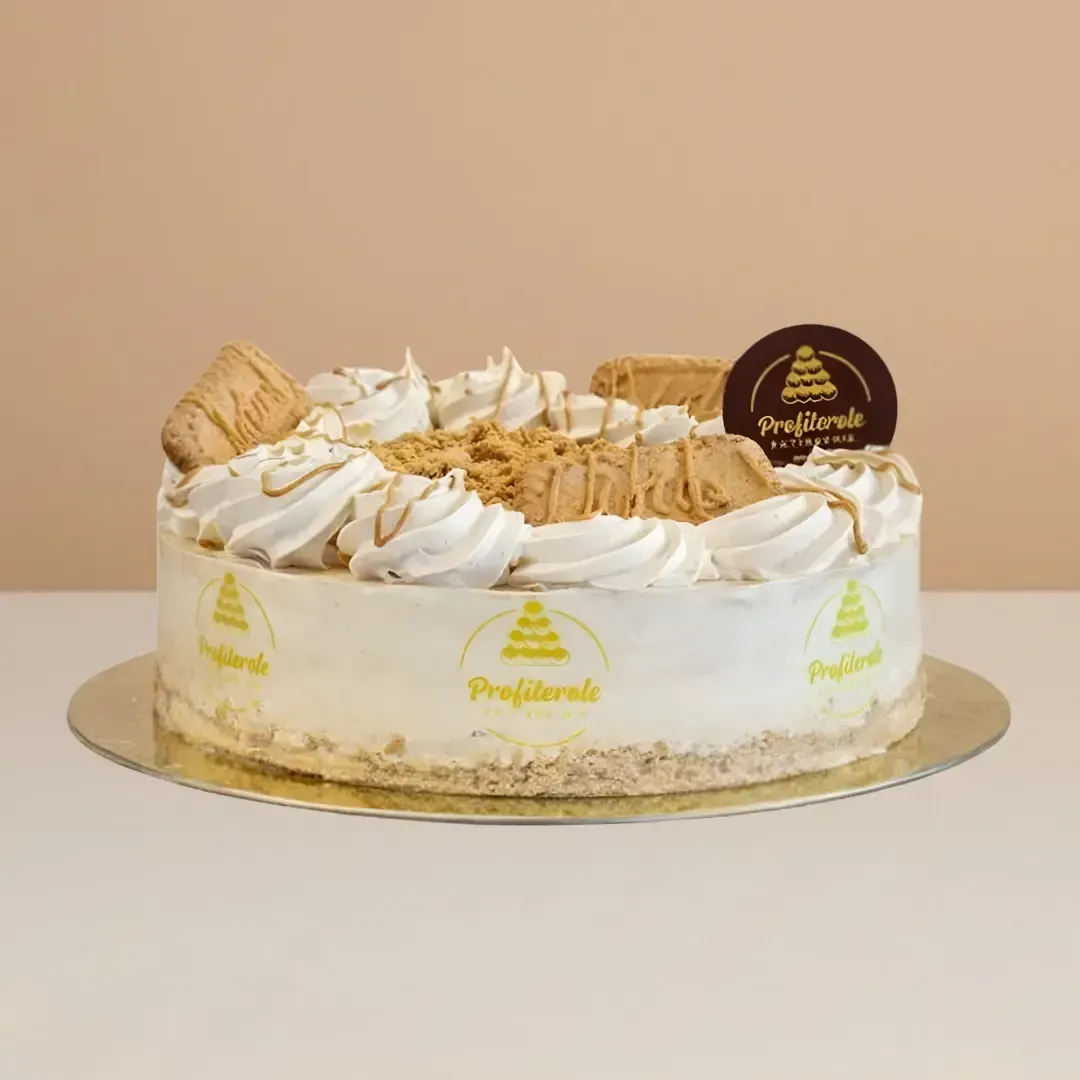
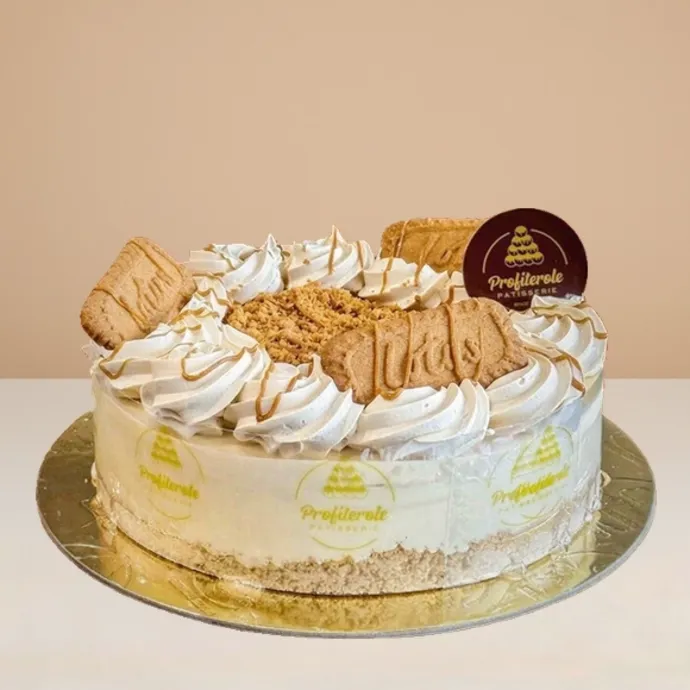
At Profiterole Patisserie, we embrace the artisan techniques required for both styles. From our traditional baked ricotta cheesecake to our chilled creations like Lotus Biscoff and Passionfruit cheesecake, every cake is crafted fresh daily with premium ingredients.
I invite you to visit any of our Sydney stores to taste the difference firsthand, or order online for convenient next-day home delivery across Sydney.
Updated: 18/08/2026
Publish date: 08/12/2025
Joey Yaccoub
Head Baker & Operations Manager, Profiterole Patisserie
Joey Yaccoub is the Head Baker at Profiterole Patisserie, bringing over a decade of hands-on experience in artisan cake design and pastry craftsmanship.
He oversees recipe development, product quality, and daily operations across all store locations, ensuring every cake meets the brand’s standards for flavour, presentation, and consistency.
FAQs
Is baked cheesecake the same as cheesecake?
Baked cheesecake is a specific style within the broader cheesecake family. While "cheesecake" refers to any dessert featuring a cheese-based filling on a crust, baked cheesecakes specifically use egg coagulation and oven heat to achieve their dense, velvety texture.
Is cheesecake better baked or not baked?
Neither style is objectively better because it depends entirely on your taste preference. If you enjoy dense, rich, and comforting desserts with caramelised notes, baked is the classic choice. If you prefer a light, silky, and refreshing treat, a no-bake set cheesecake is wonderful.
What is the main difference between baked and set cheesecake?
The main difference is the setting method. Baked cheesecakes use eggs that firm up under gentle oven heat, creating a thick custard. Set cheesecakes use gelatin and whipped cream that firm up inside the refrigerator without any baking.
Does no-bake cheesecake taste the same as regular cheesecake?
No-bake cheesecake tastes lighter and brighter than traditional baked cheesecake. Because it is not exposed to oven heat, it maintains the fresh, clean sweetness of chilled cream cheese rather than developing the deep, rich flavours of baked dairy.
What will happen if I bake a no-bake cheesecake?
Baking a no-bake cheesecake batter will ruin the dessert. The oven heat melts the gelatin and deflates the whipped cream, causing the ingredients to separate into a hot, runny liquid rather than baking into a cake.
Check Out Our Complete Range of Baked and No-Bake Cheesecakes.
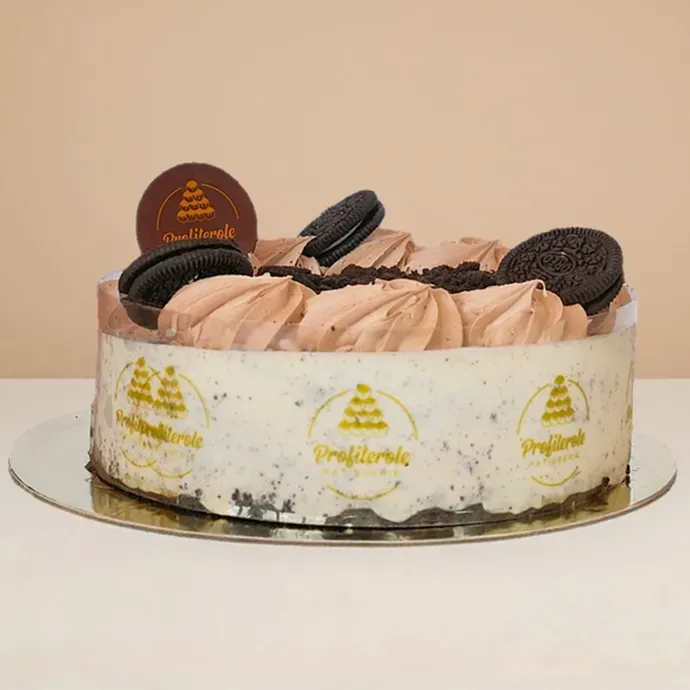
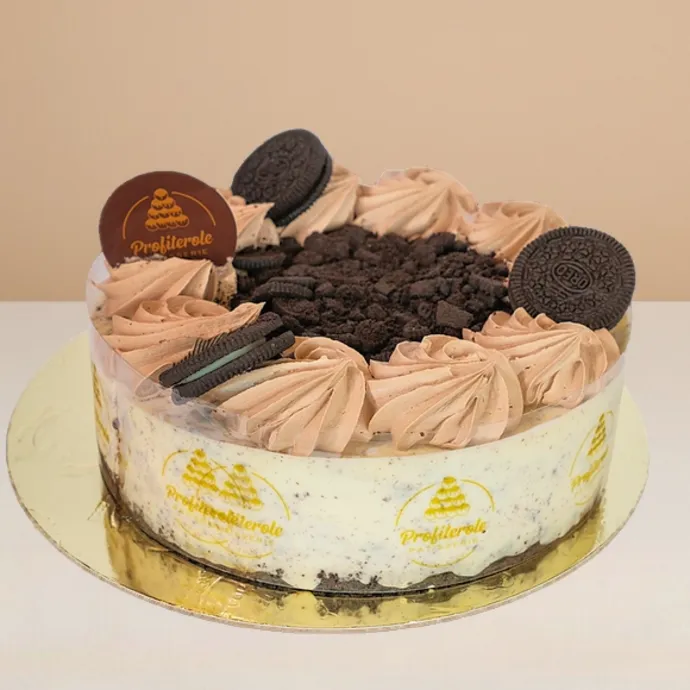
Oreo Cheesecake
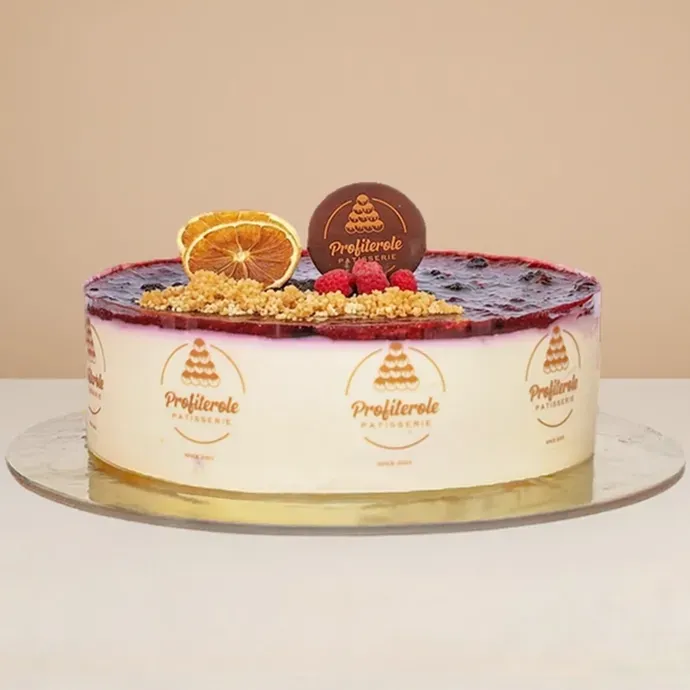
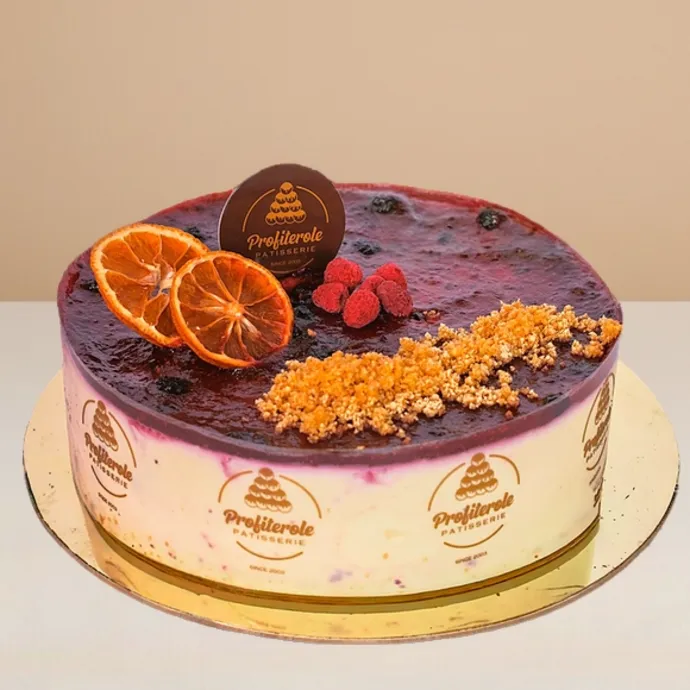
Blueberry Cheesecake
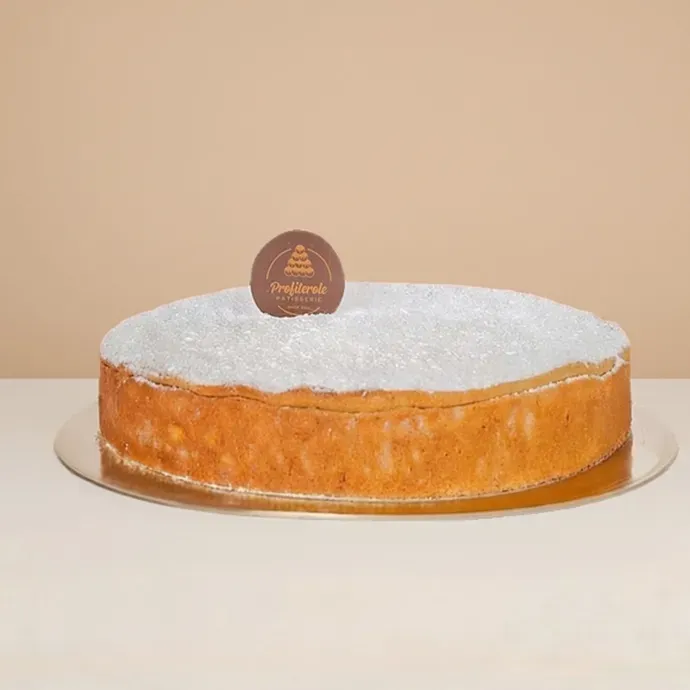
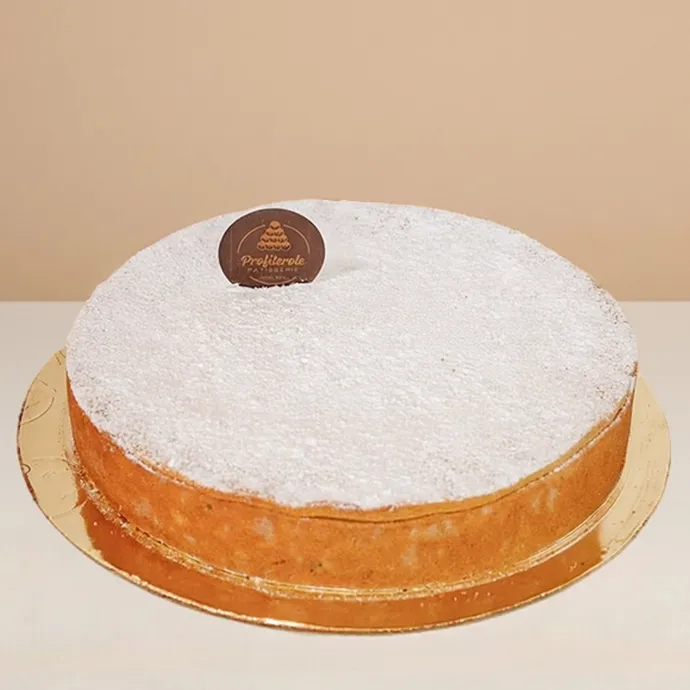
Baked Ricotta Cheesecake
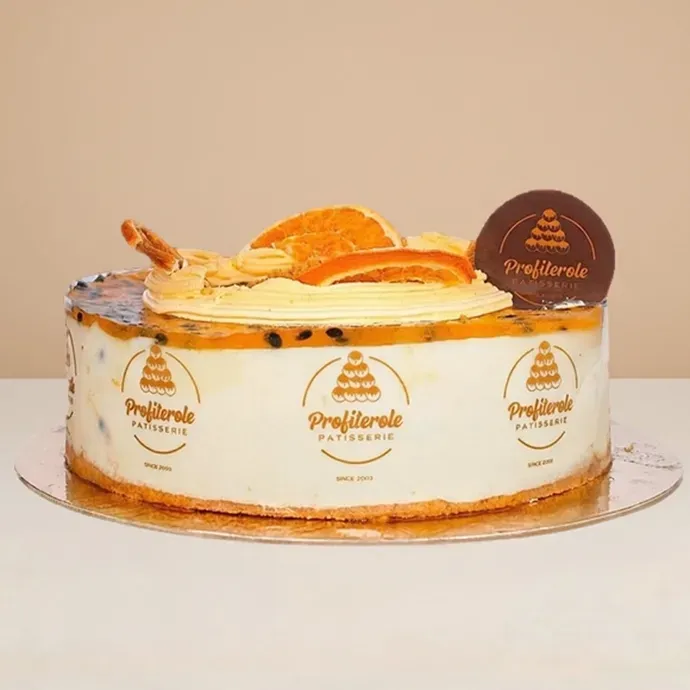
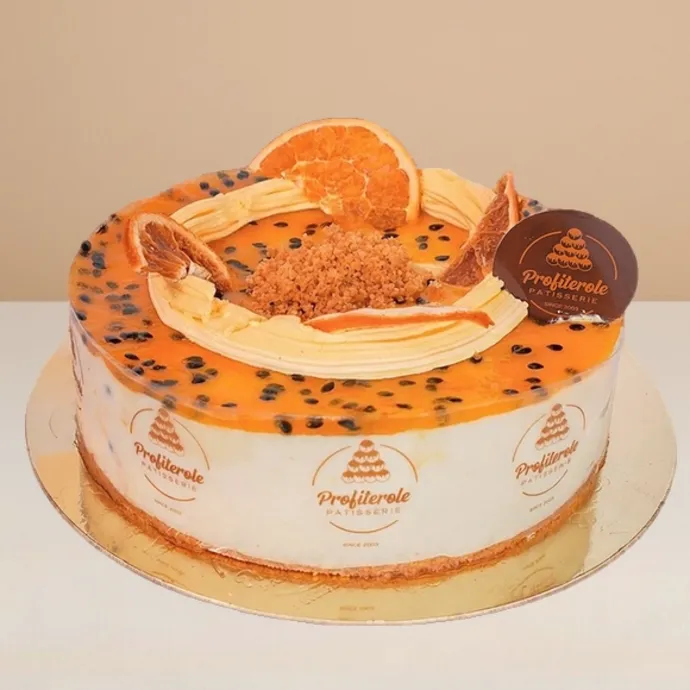
Passionfruit Cheesecake