History of Cheesecake – No, It DIDN’T Start in New York!
Yes, you heard that right. Although New York and cheesecake are perpetually intertwined in modern pop culture, New York did not actually invent this iconic dessert.
In fact, the Big Apple was thousands of years late to the party.
Long before American bakeries opened their doors, ancient civilisations were already perfecting sweet cheese confections for athletic triumphs and royal banquets.
Join me as we travel back through culinary history to uncover where cheesecake truly began, and how it evolved into the beloved treat we bake today.
TL;DR
Cheesecake was not invented in New York; its origins trace back over 4,000 years to ancient Greece, where it was served to Olympic athletes as energy food. The recipe evolved through Roman religious rituals, Medieval European pastry kitchens, and finally transformed in 1872 when American dairyman William Lawrence accidentally invented modern cream cheese.
Here's a quick summary of the cheesecake's rich history:
| Historical Era | Key Cheesecake Milestone |
|---|---|
| Ancient Greece (2000 BC – 776 BC) | Pounded fresh curds, honey, and wheat flour baked on griddles for Olympic athletes and weddings. |
| Roman Empire (160 BC) | Adapted into libum and placenta, adding eggs and baking under hot bricks for temple offerings. |
| Medieval Europe (14th–16th Century) | Spread across Britain and Europe, introducing shortcrust pastry bases, spices, and dried fruit. |
| New York Breakthrough (1872) | William Lawrence accidentally created commercial cream cheese, sparking the modern baked NY style. |
| Modern Patisserie (Present Day) | Global artisan variations featuring Lotus Biscoff, fruit compotes, and baked Italian ricotta. |
Thank the Greeks for Cheesecake
The true birthplace of cheesecake is the Greek island of Samos, where archaeologists have excavated cheese moulds dating as far back as 2,000 BC. In ancient Greece, cheesecake was considered an exceptional source of physical energy rather than just an indulgent dessert.
The original Greek preparation was delightfully rustic. Bakers pounded fresh cheese curds into a smooth paste, blended it with wild mountain honey and spring wheat flour, and baked the mixture on earthenware griddles.
This nourishing cake holds significant cultural prestige. Historical records show it was served to athletes during the first recorded Olympic Games in 776 BC to fuel their stamina.
Additionally, Greek brides also baked and served honey cheesecake to wedding guests as a traditional symbol of domestic hospitality.
And by the 5th century BC, the Greek physician Aegimus penned the world's first known book dedicated to the art of cheesemaking.
How the Cheesecake Evolved into a Modern Favourite Dessert
As empires expanded across the globe, so did the techniques behind sweet cheese bakes. Here are significant events in the evolution of cheesecake as we know it today.
The Roman Conquest and the Warm Libum (160 BC)
When the Romans conquered Greece, they adopted the recipe and made it their own. Roman cooks introduced beaten eggs and crushed cheeses into the mixture, often baking the dough under hot bricks.
Known as libum or placenta, these cakes were served warm and frequently offered to the gods in temple ceremonies, as documented by Roman statesman Cato the Elder in 160 BC.
Medieval Europe and the Addition of Pastry and Eggs (14th to 16th Century)
Roman expansion carried cheese bakes across Britain and Western Europe. By the Middle Ages, European cooks began encasing the sweet cheese filling inside crisp pastry crusts.
And during the Renaissance, bakers removed yeast and relied purely on beaten whole eggs for natural lift, adding fragrant rosewater, citrus peel, and warm spices to sweeten the filling.
America's Accidental Cream Cheese Breakthrough (1872)
The modern cheesecake revolution arrived in 1872 in Chester, New York. Dairyman William Lawrence was attempting to replicate the delicate French cheese Neufchâtel, but accidentally developed an unripened, rich, and spreadable high-fat curd. This is known today as cream cheese.
By the 1920s, restaurateur Arnold Reuben and Jewish delicatessens across Manhattan began baking this smooth cream cheese into the dense, rich, and crustless New York-style cheesecake we know today.
And this is the reason why the New York Cheesecake is the more popular origin story of the modern cheesecake.
The Cheesecake Revolution
Today, cheesecake has transformed from a simple custard into an artistic patisserie canvas. Contemporary pastry chefs pair rich cheese bases with vibrant blueberry compotes, caramelized Lotus Biscoff spreads, crushed cookies-and-cream, and tart passionfruit glazes.
The dessert now seamlessly bridges traditional oven-baked methods and chilled, cold-set techniques.
We Love Cheesecakes Too at Profiterole Patisserie
At Profiterole Patisserie, we share the world's enduring passion for exceptional cheesecake. We honour centuries of baking heritage by combining time-tested European techniques with the finest modern ingredients.
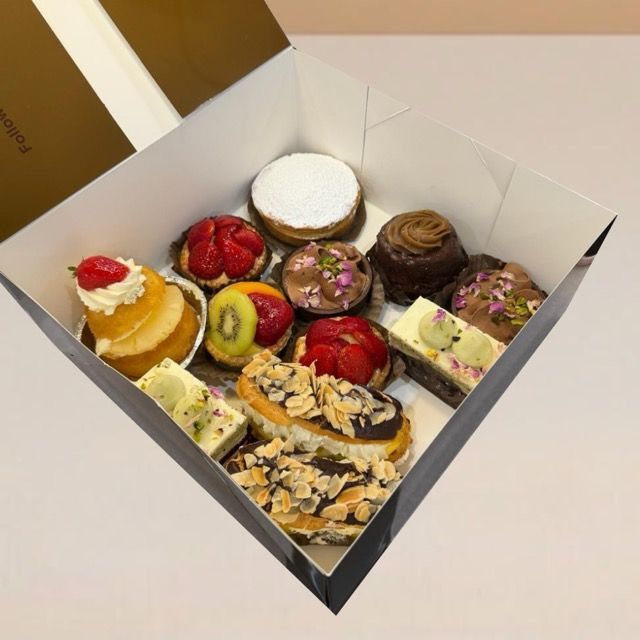
Our bakery display showcases these delicious cheesecakes every day.
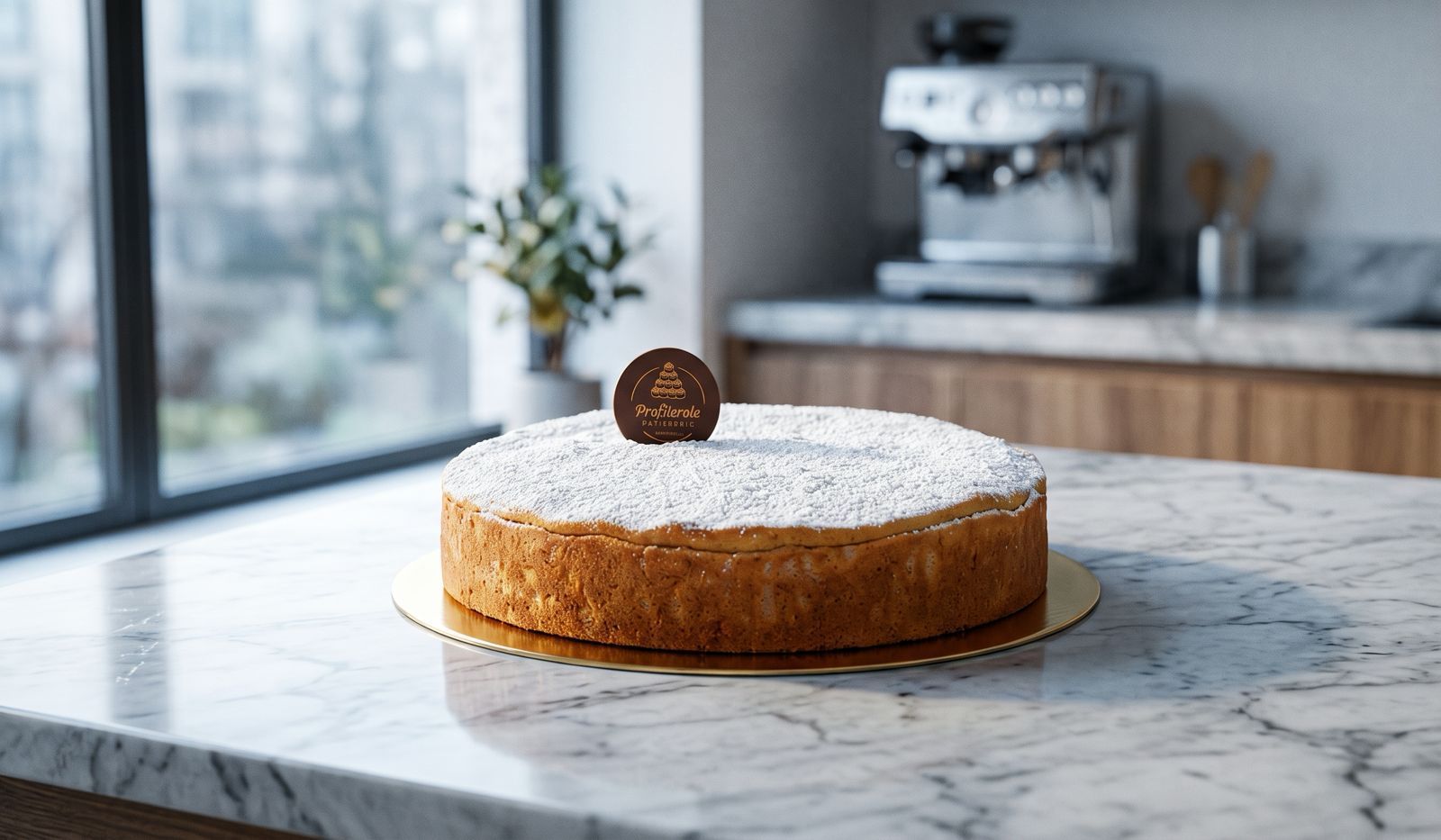
If you love classic European roots, our traditional Baked Ricotta Cheesecake offers a delicate, lightly sweet texture that melts on the tongue.
For those who enjoy bold contemporary flavours, we handcraft sensational chilled and baked favourites, including our decadent Lotus Biscoff Cheesecake, vibrant Blueberry Cheesecake, rich Oreo Cookies-and-Cream Cheesecake, and refreshing Passionfruit Cheesecake.
Taste Centuries of Cheesecake Mastery in Sydney
Cheesecake has travelled through thousands of years of human celebration, evolving from rustic Greek athletic fuel into the world's most versatile dessert. Whether you prefer a traditional baked custard or a modern fruit-topped slice, every forkful connects you to an incredible culinary legacy.
I invite you to experience our freshly handcrafted cheesecake collection at any of our Profiterole Patisserie stores. Or you can also browse our entire range of cheesecakes and all other cakes online. Simply place your order on our site and we’ll have your cake delivered on the next day (within Sydney).
Updated: 24/08/2026
Publish date: 01/09/2025
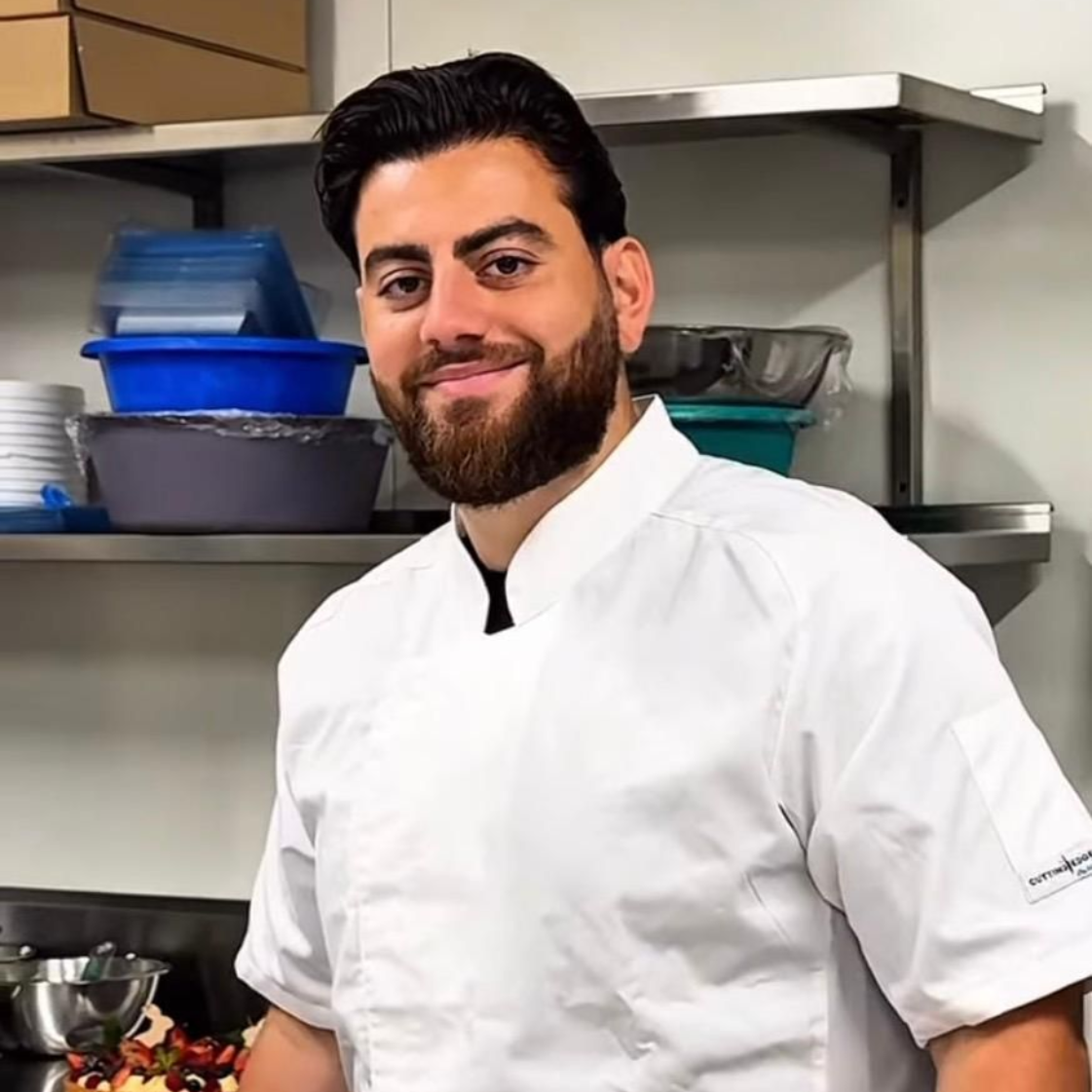
Joey Yaccoub
Head Baker & Operations Manager, Profiterole Patisserie
Joey Yaccoub is the Head Baker at Profiterole Patisserie, bringing over a decade of hands-on experience in artisan cake design and pastry craftsmanship.
He oversees recipe development, product quality, and daily operations across all store locations, ensuring every cake meets the brand’s standards for flavour, presentation, and consistency.
FAQs
Where did cheesecake originally come from?
Cheesecake originally came from ancient Greece, with physical cheese moulds found on the island of Samos dating back to 2000 BC. It was prepared with pounded fresh curds, honey, and wheat flour to energise athletes at the 776 BC Olympic Games.
Is cheesecake Italian or Greek?
Cheesecake was originally invented by the Greeks, but the Romans and Italians played a crucial role in its historical evolution. The Romans introduced eggs and pastry crusts, leading directly to Italy's beloved traditional baked ricotta cheesecakes.
What country is known for cheesecake?
The United States is globally famous for dense New York-style cream cheesecake, while Greece and Italy are renowned for their ancient roots and ricotta traditions. Today, patisseries across Europe, Asia, and Australia have created their own iconic regional variations.
Why is cheesecake popular in New York?
Cheesecake became a New York icon after dairy farmer William Lawrence accidentally invented modern commercial cream cheese in 1872. Local Jewish delicatessens and restaurateurs in the 1920s quickly turned this creamy ingredient into the signature dense baked dessert we love today.
Is cheesecake literally cheese?
Yes, authentic cheesecake is made using real fresh cheeses such as cream cheese, ricotta, quark, or mascarpone. Blending the fresh cheese with sugar, eggs, and cream transforms it into a sweet, velvety baked custard or chilled dessert.
We also have fruit cakes, chocolate cakes, and more! Check them out here:
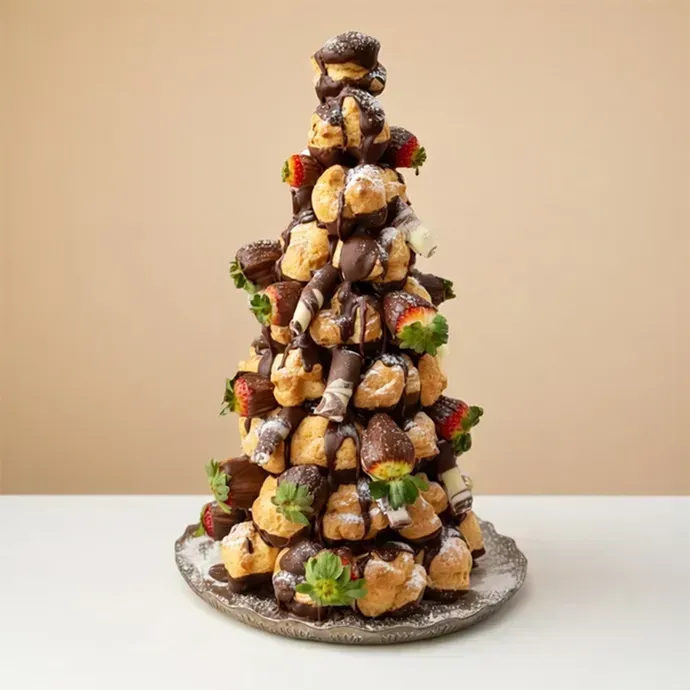
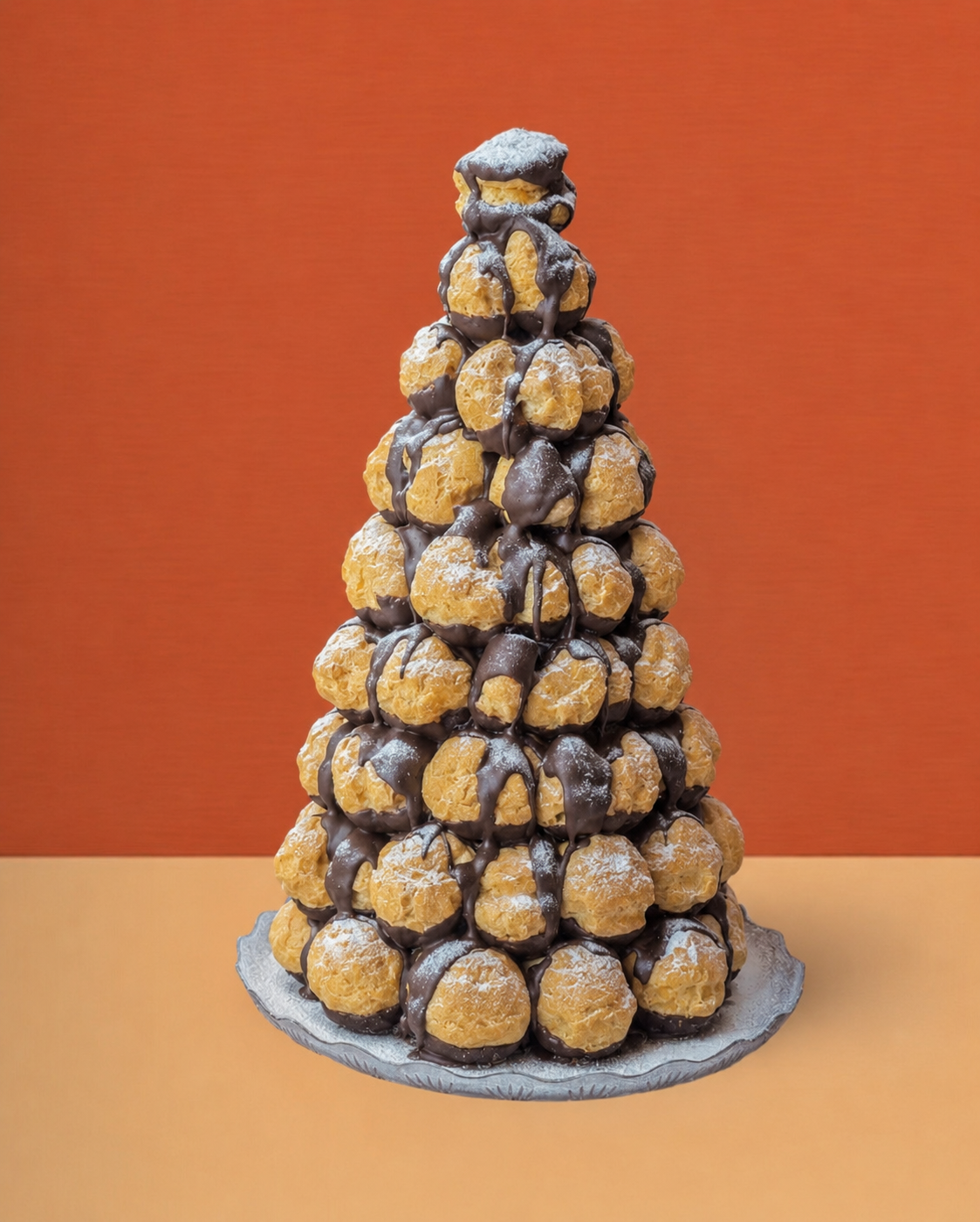
Profiterole Tower - Classic Chocolate
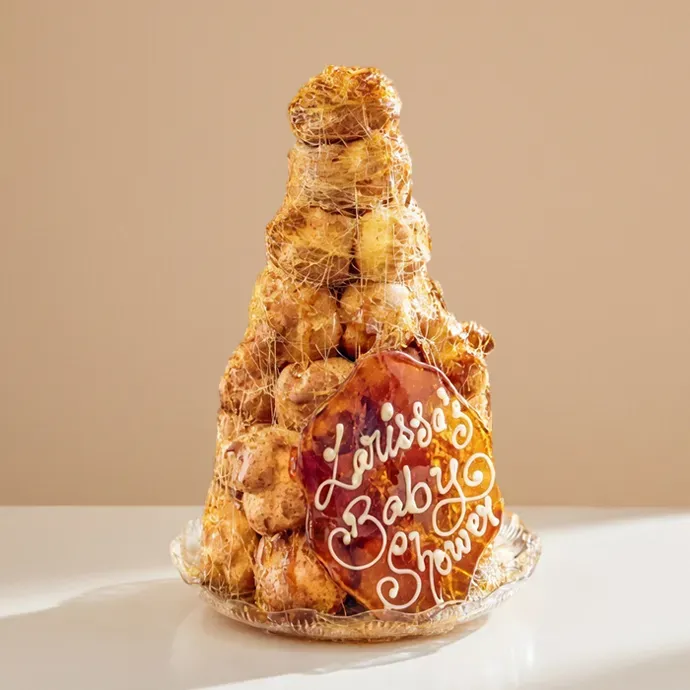
Profiterole Tower - Toffee
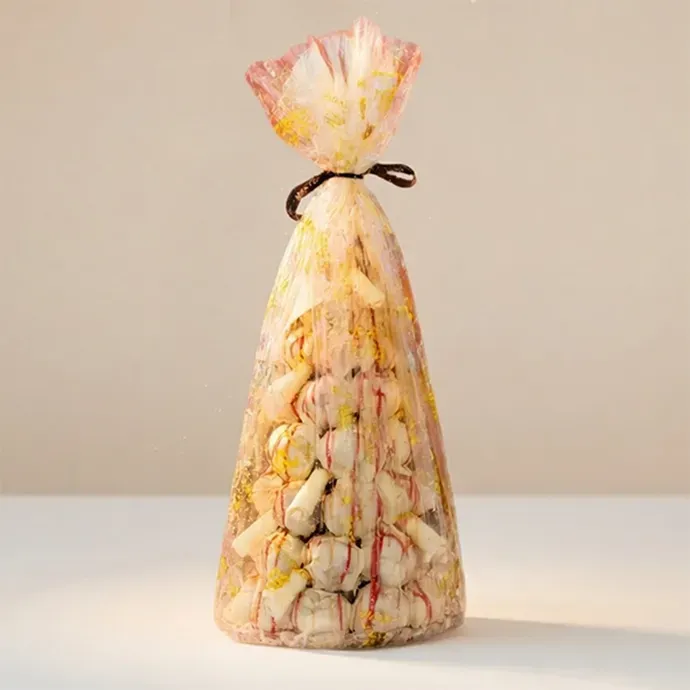
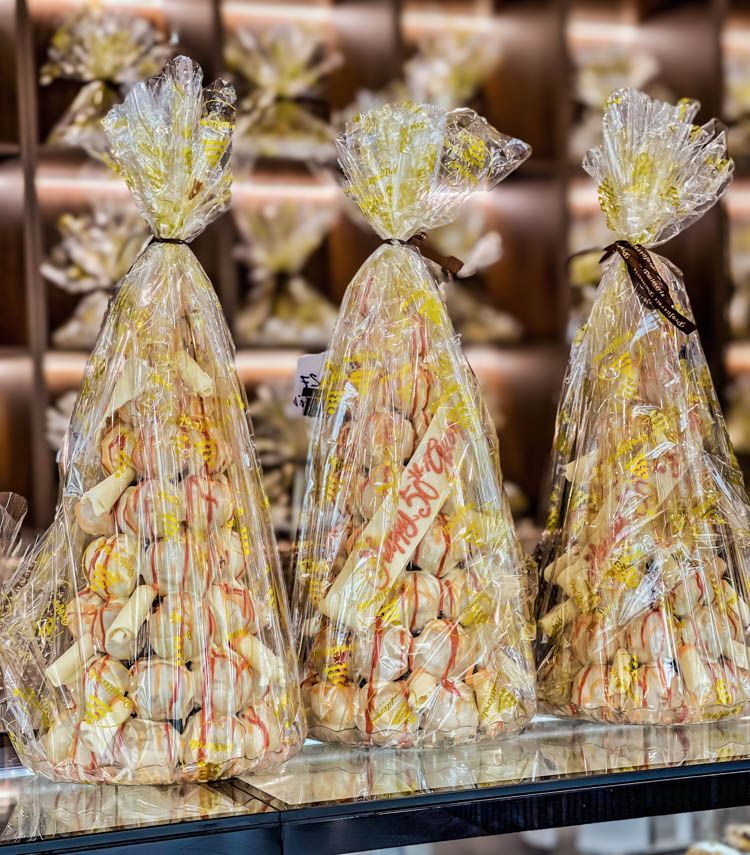
Profiterole Tower - White Chocolate
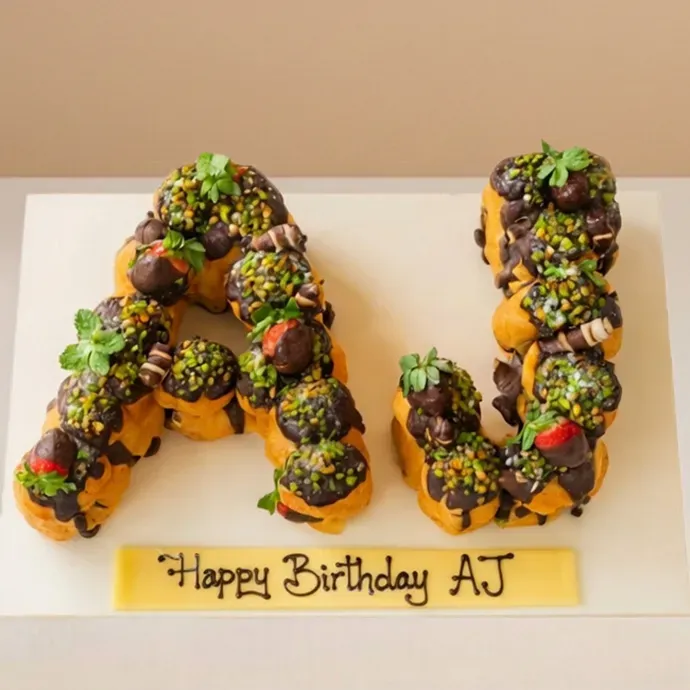
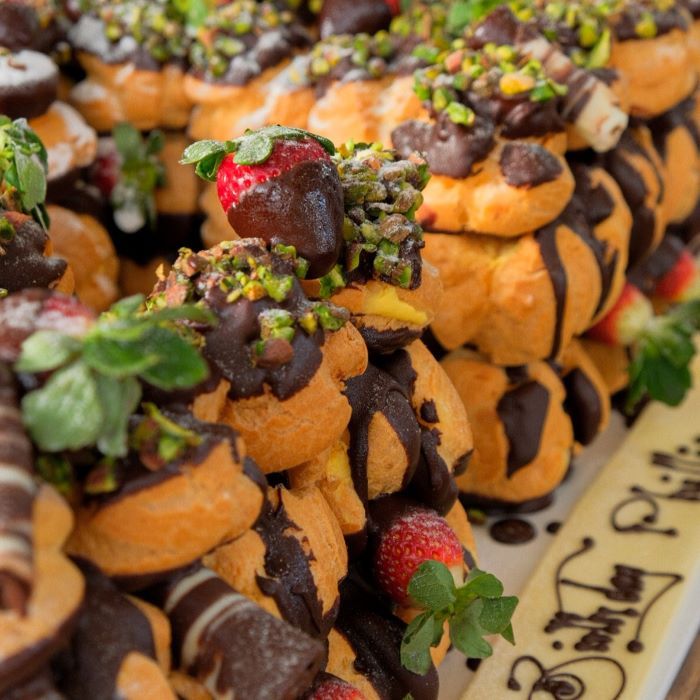
Profiterole Double Letters Cake
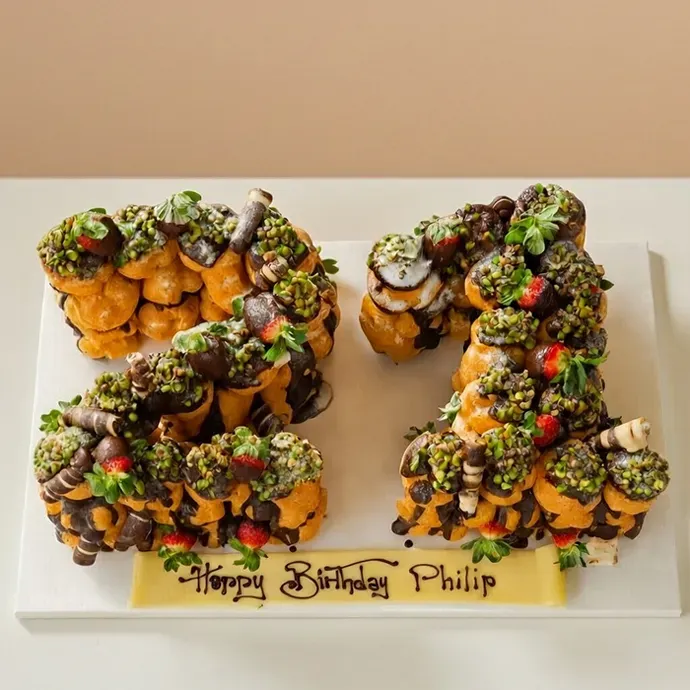
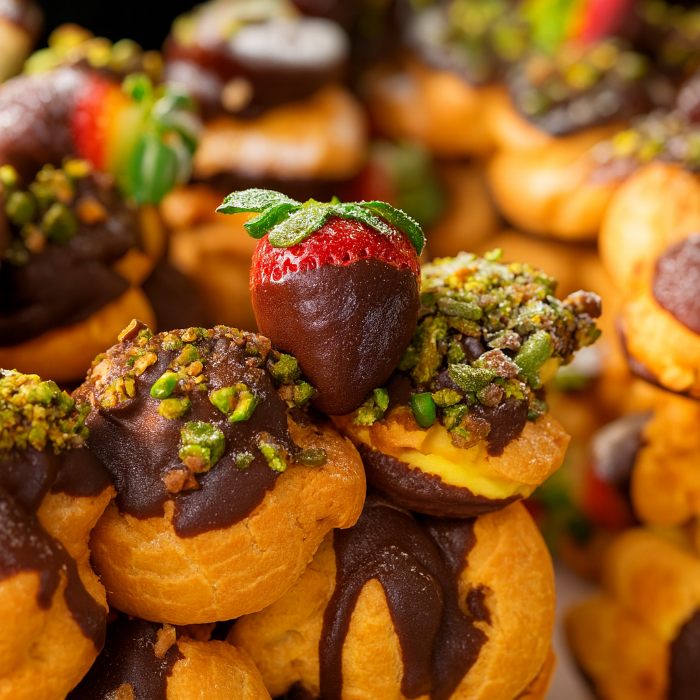
Profiterole Double Numbers Cake
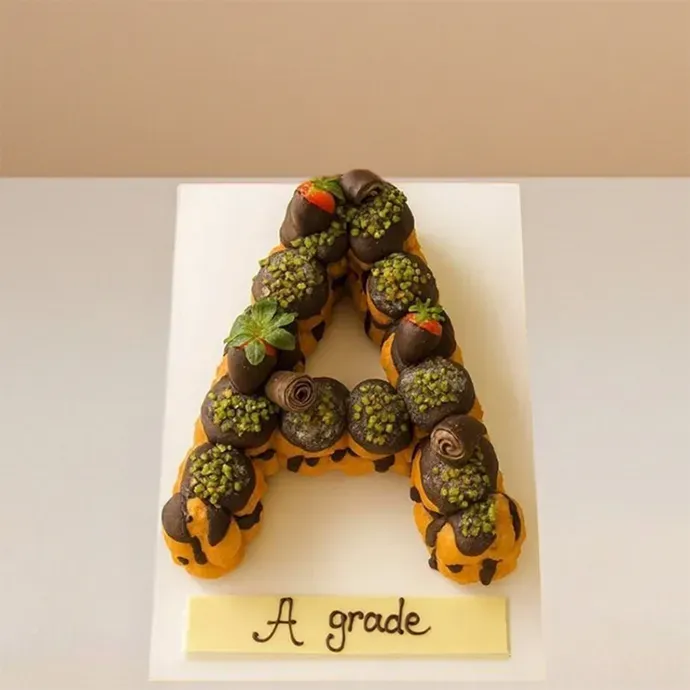
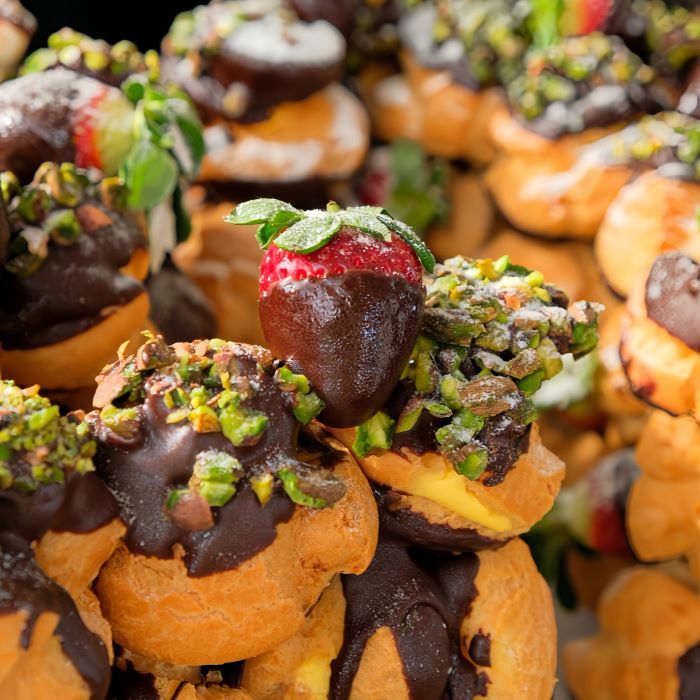
Profiterole Single Letter Cake
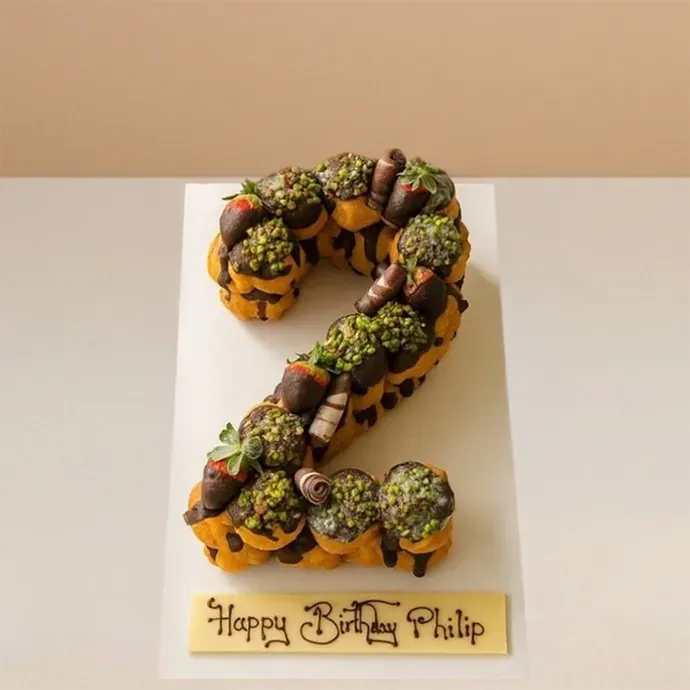
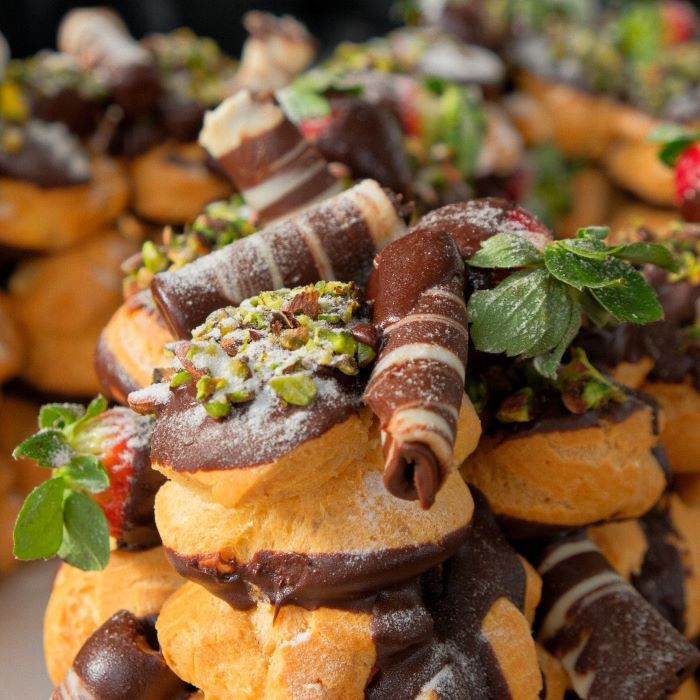
Profiterole Single Number Cake
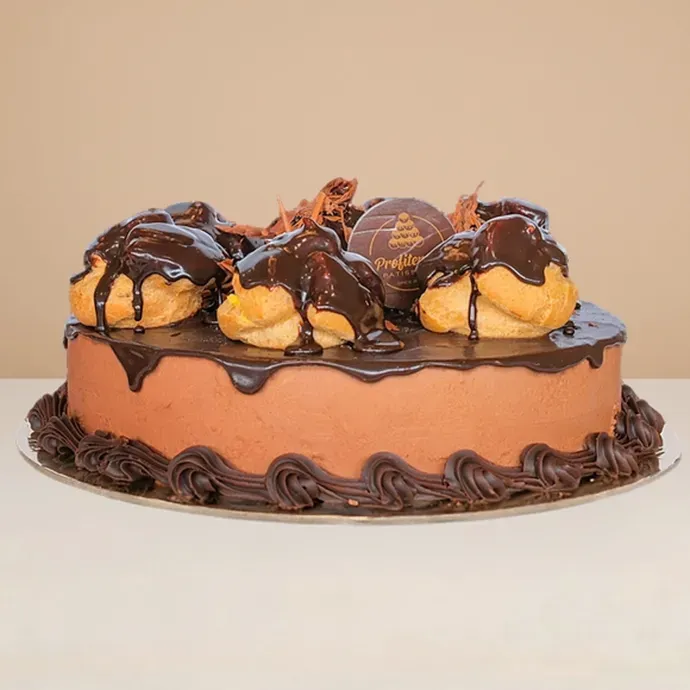
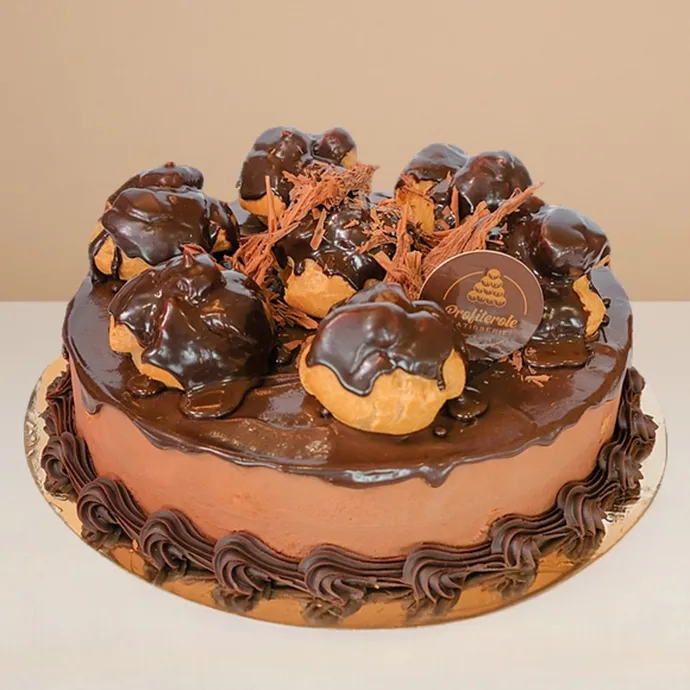
Mousse Profiterole Cake
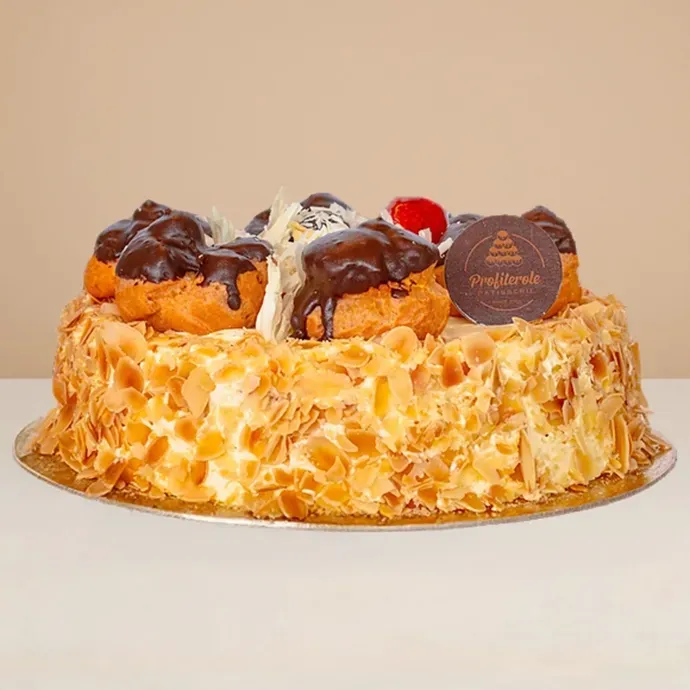
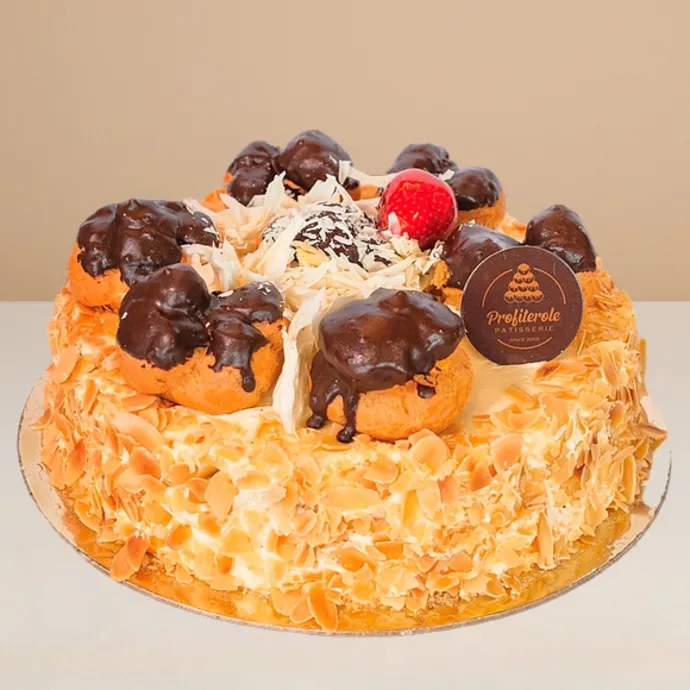
White Profiterole Cake
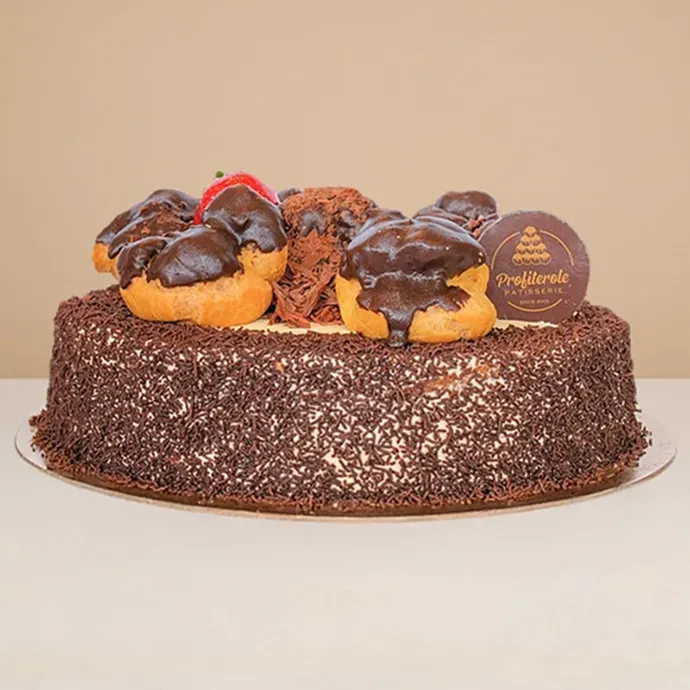
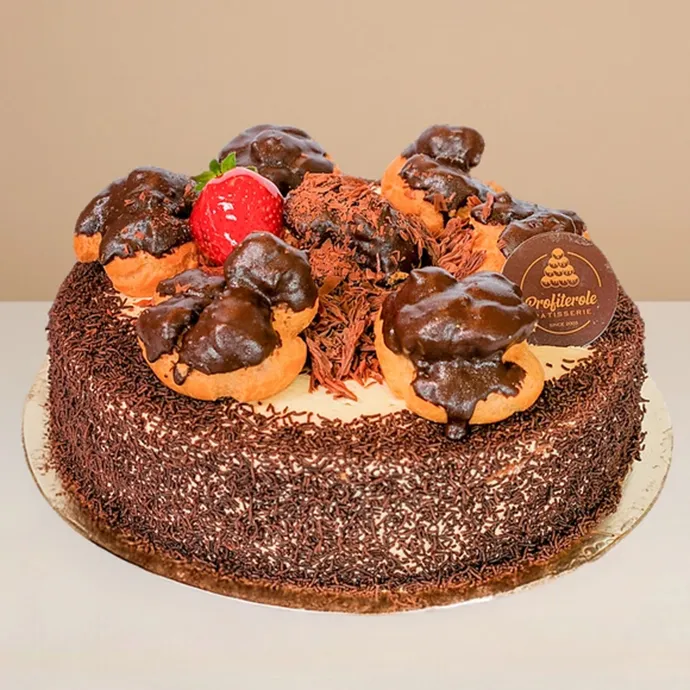
Chocolate Profiterole Cake
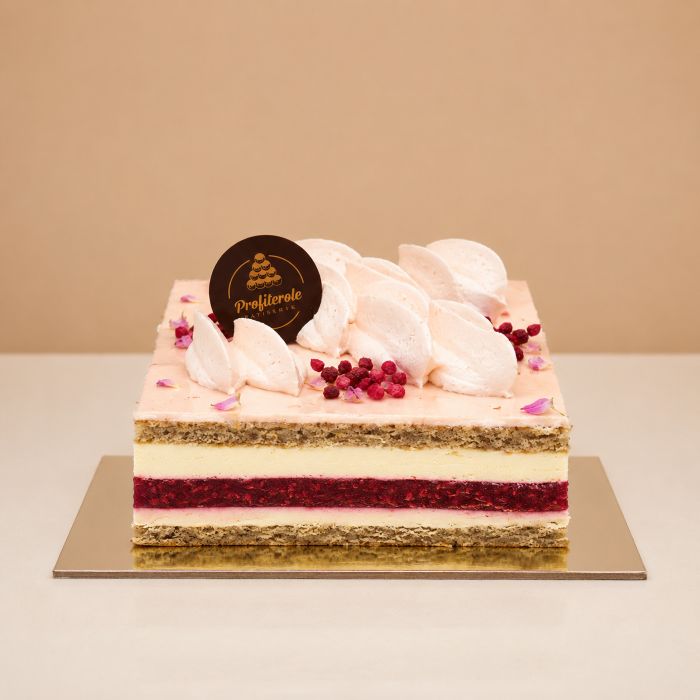
Strawberry Lychee Blossom Cake
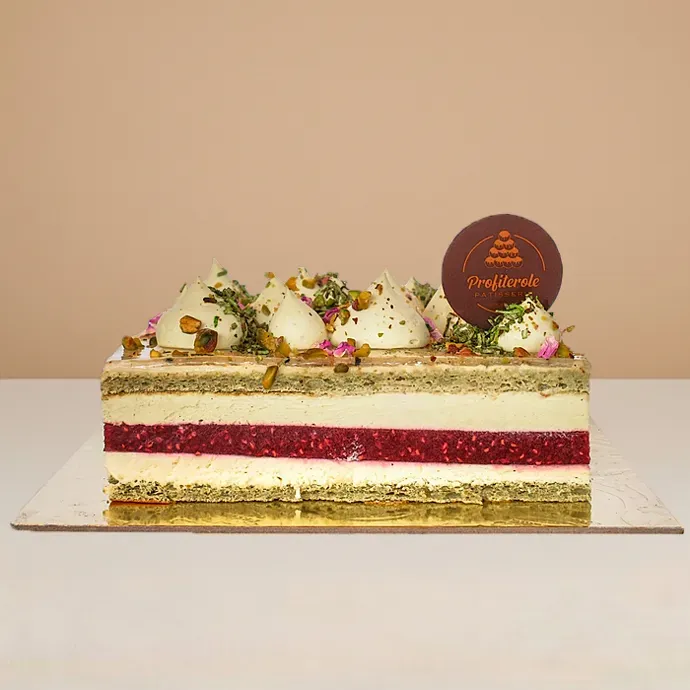
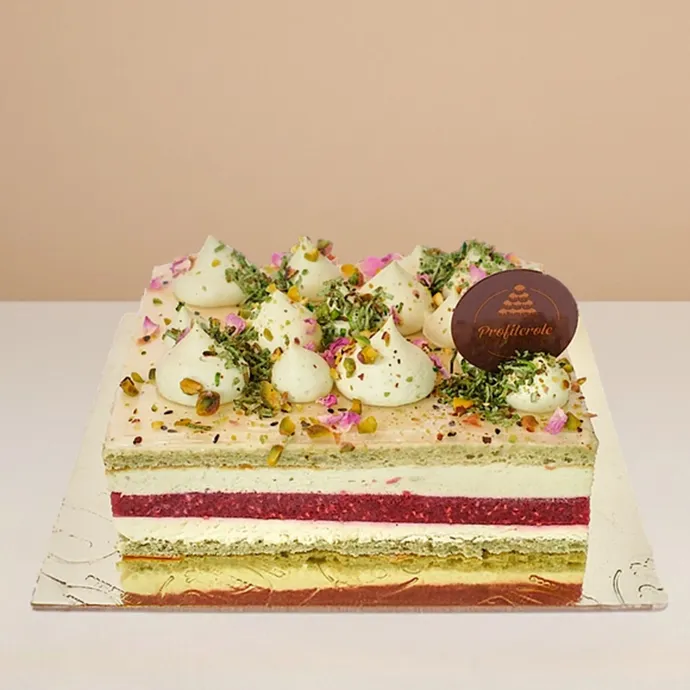
Pistachio Raspberry Bliss Cake
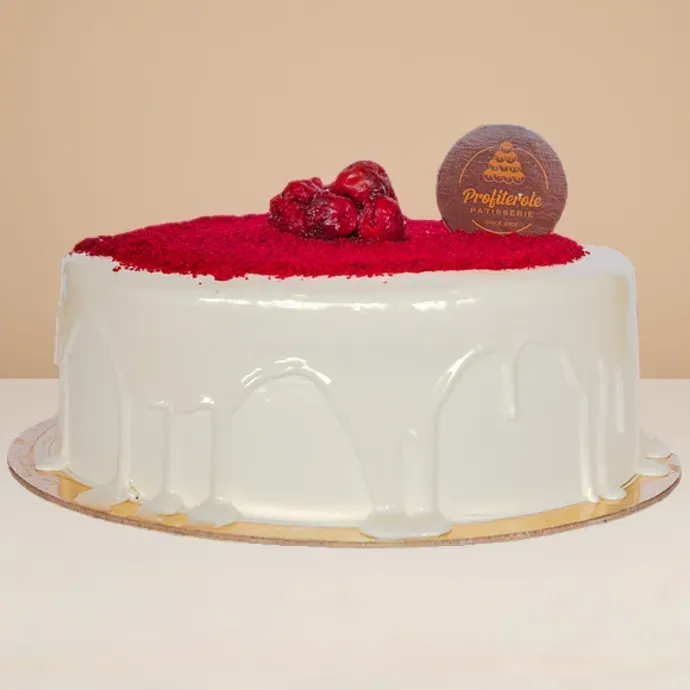
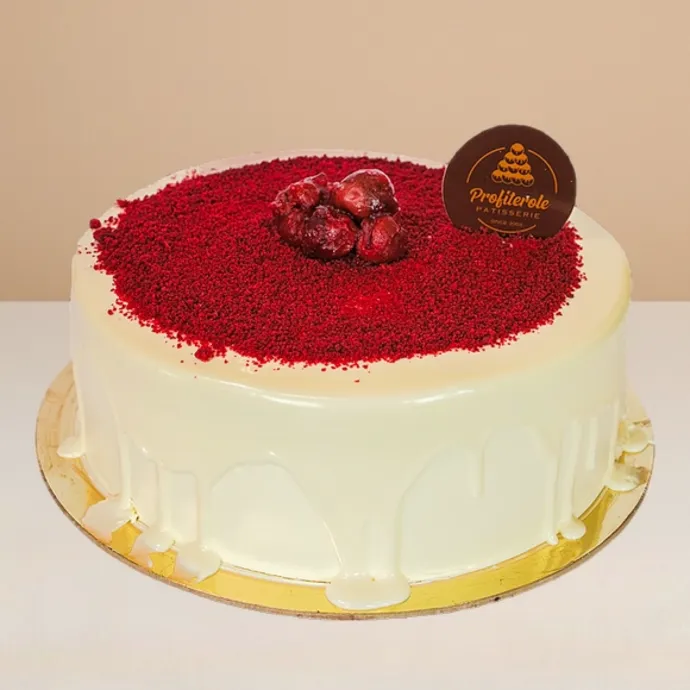
Red Velvet Cake
Mango Cake
Dubai Chocolate Cake
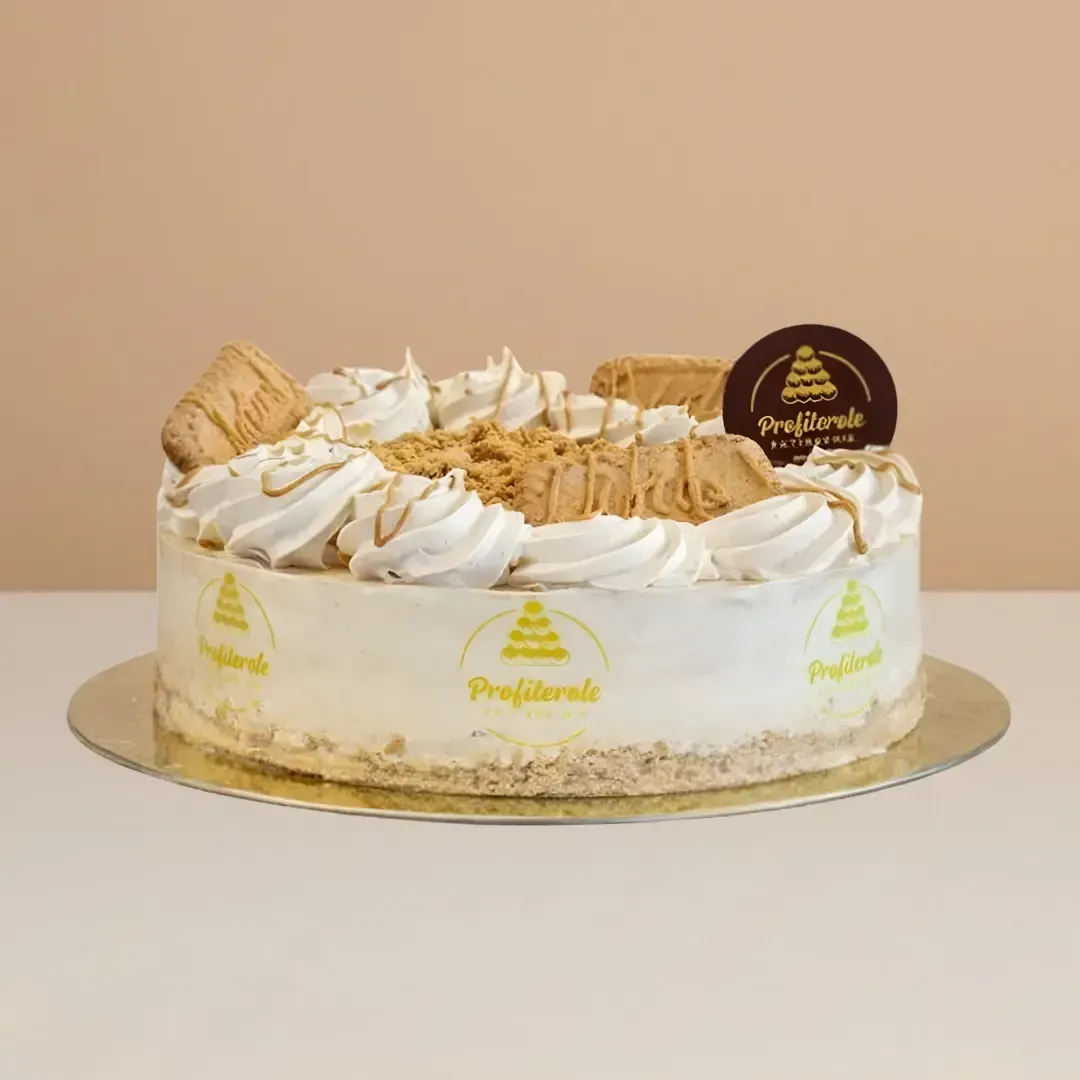
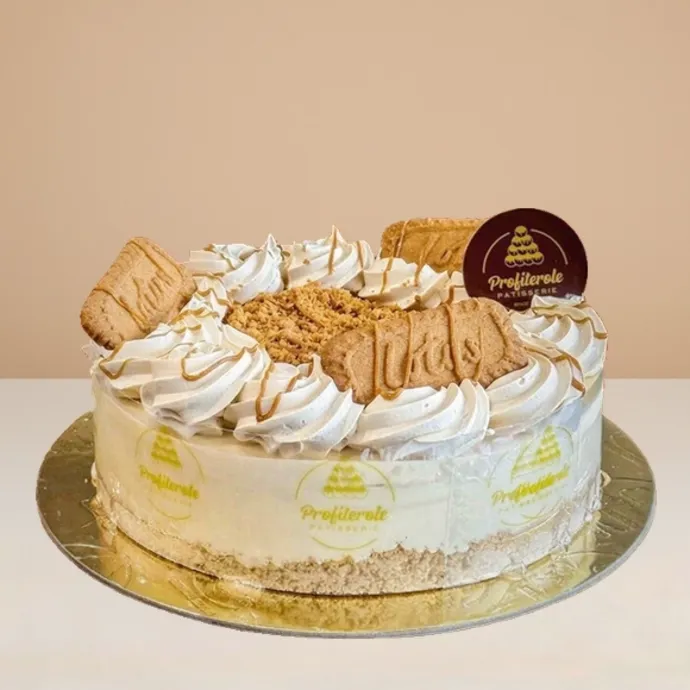
Lotus Biscoff Cheesecake
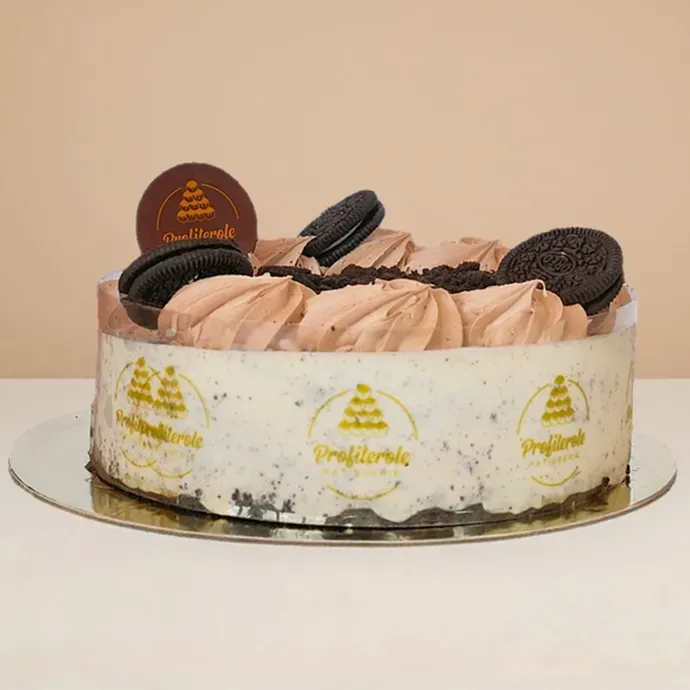
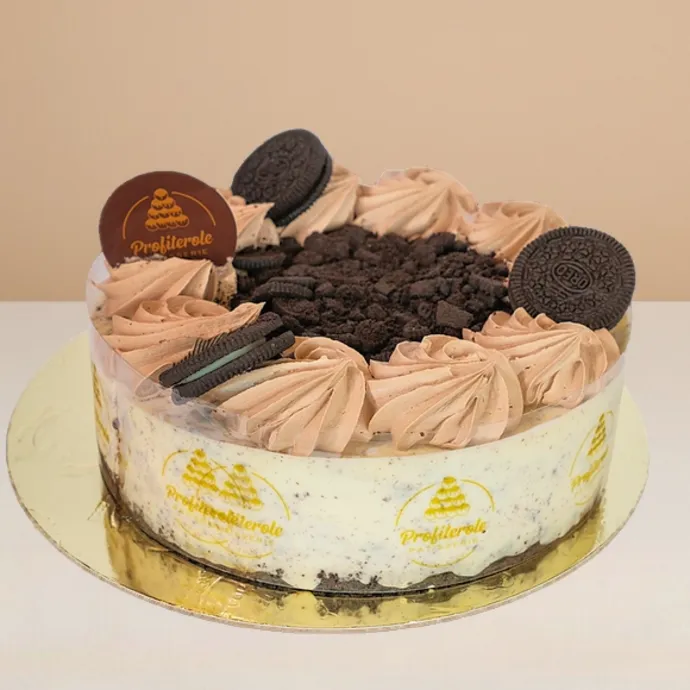
Oreo Cheesecake
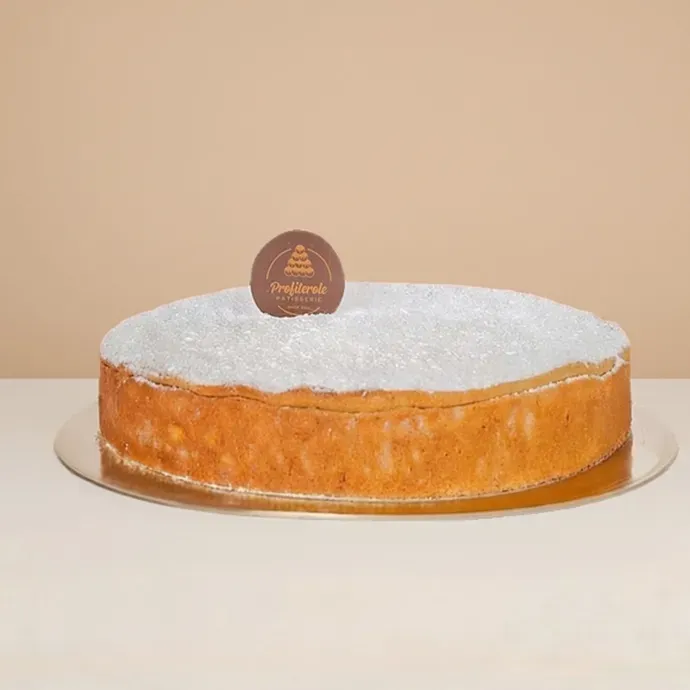
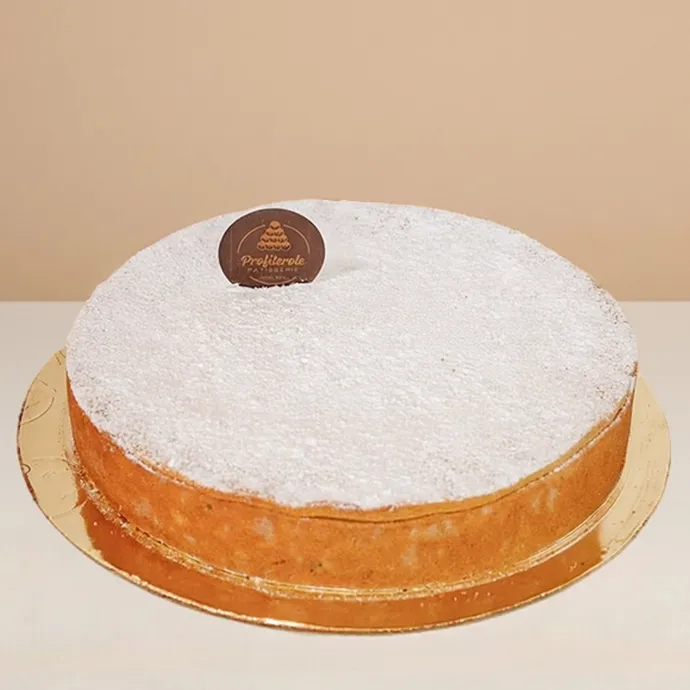
Baked Ricotta Cheesecake
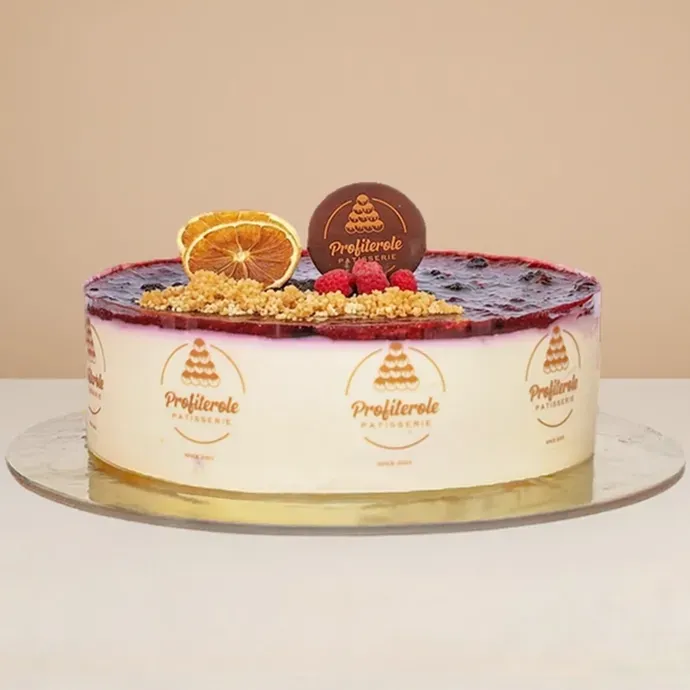
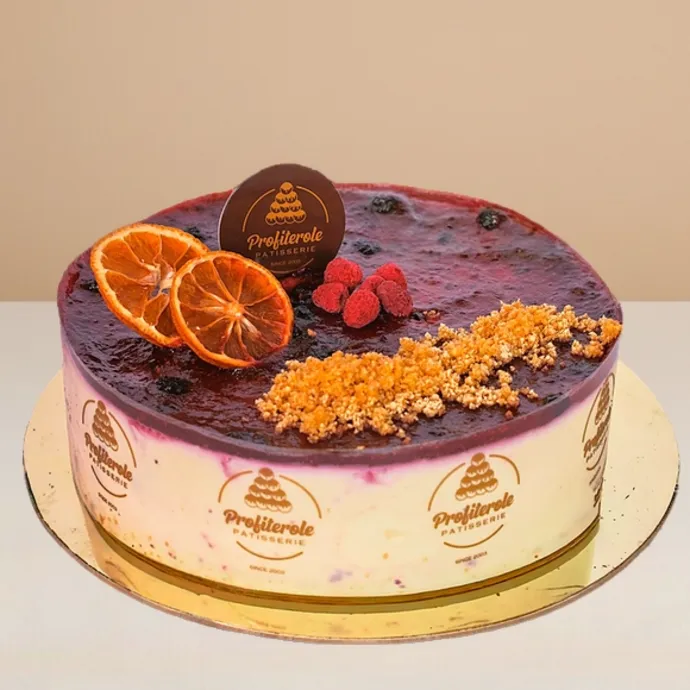
Blueberry Cheesecake
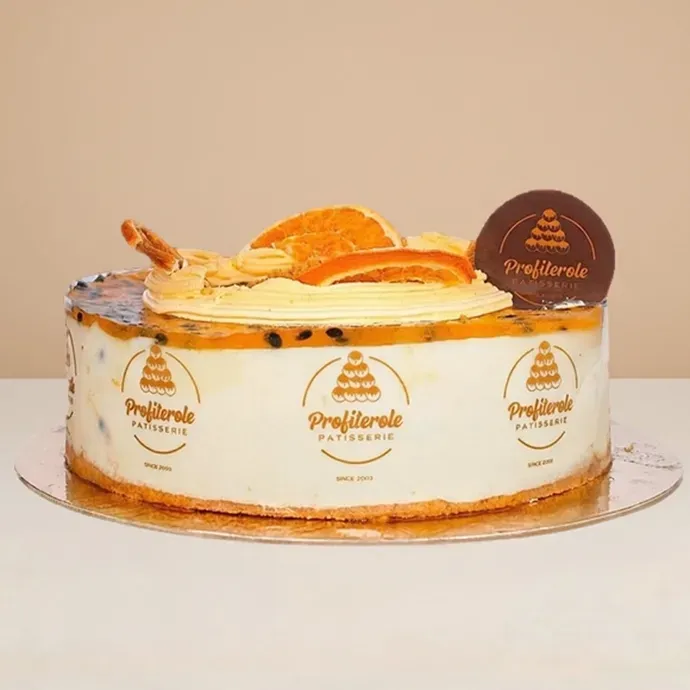
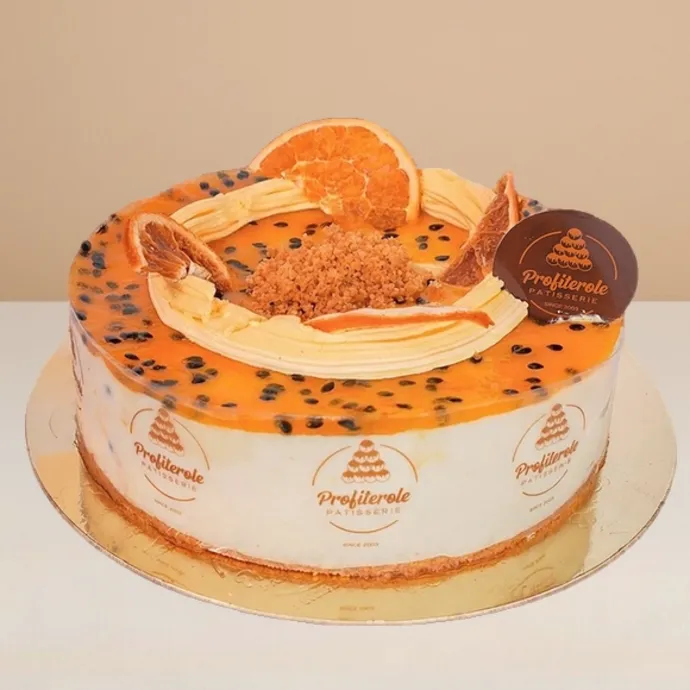
Passionfruit Cheesecake
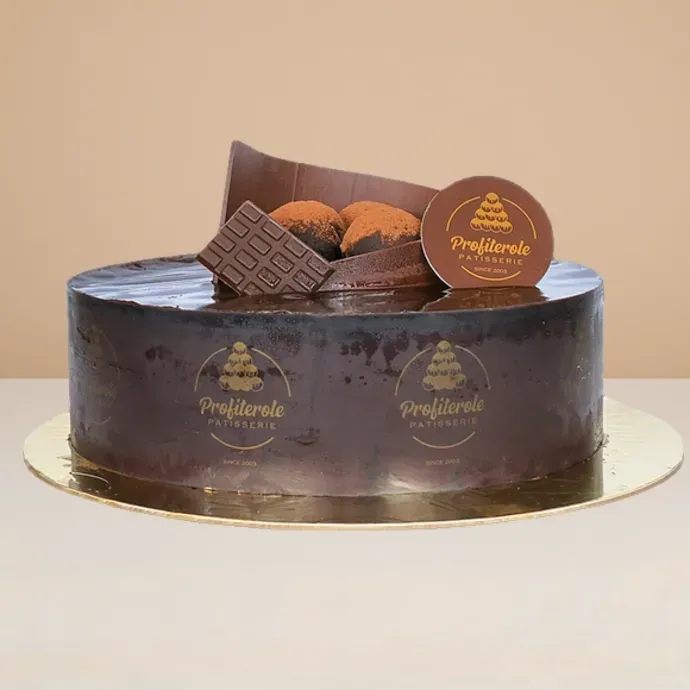
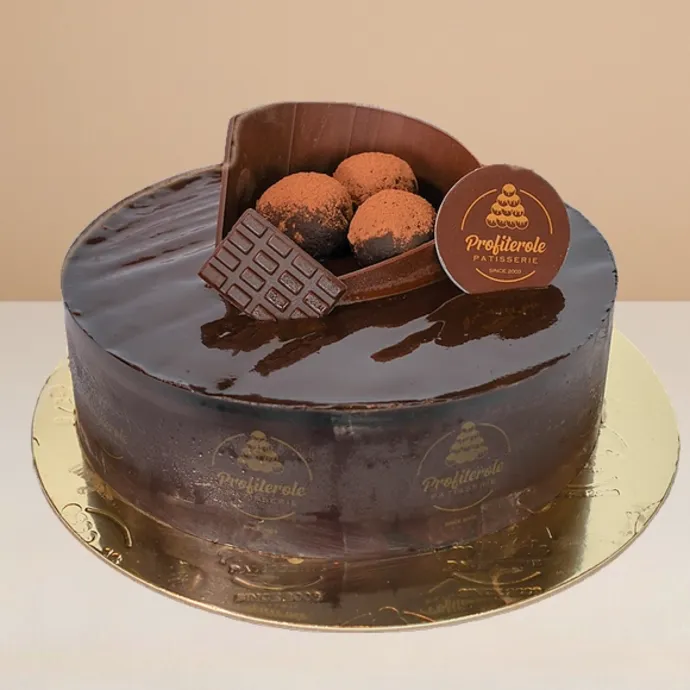
Chocolate Mousse Cake
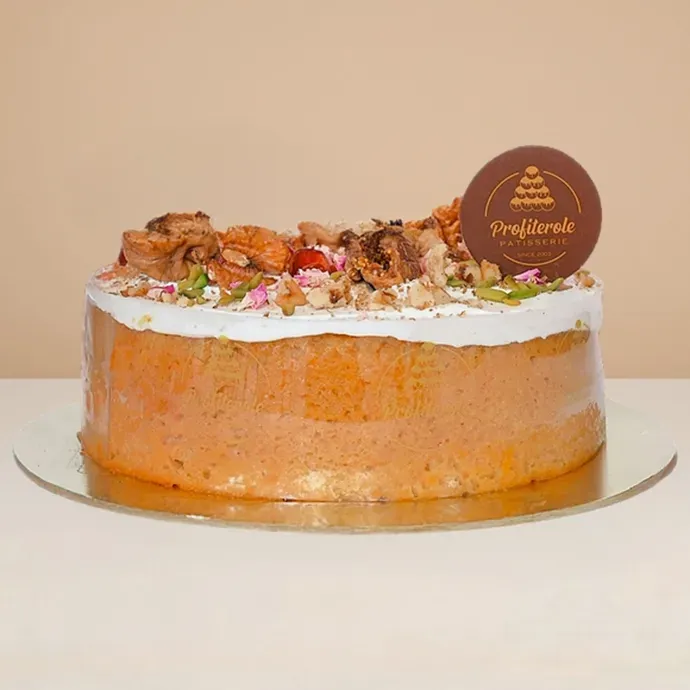
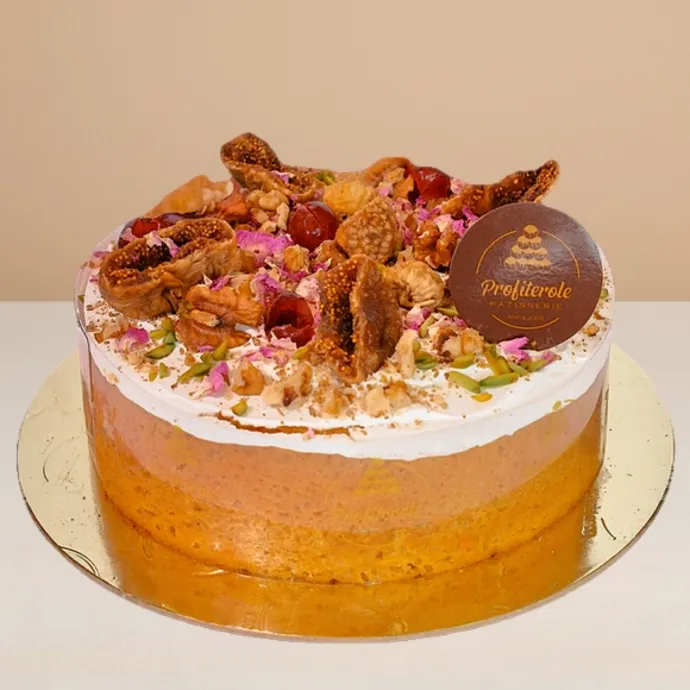
Orange Vegan Cake
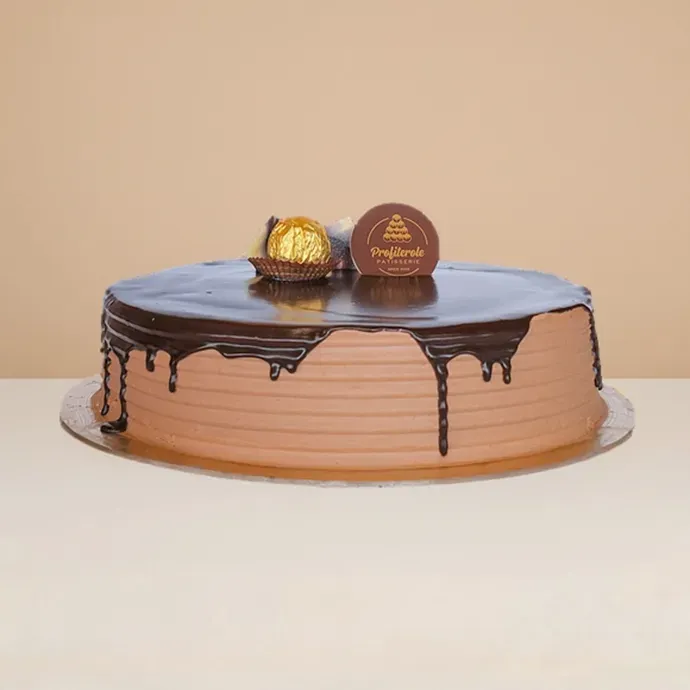
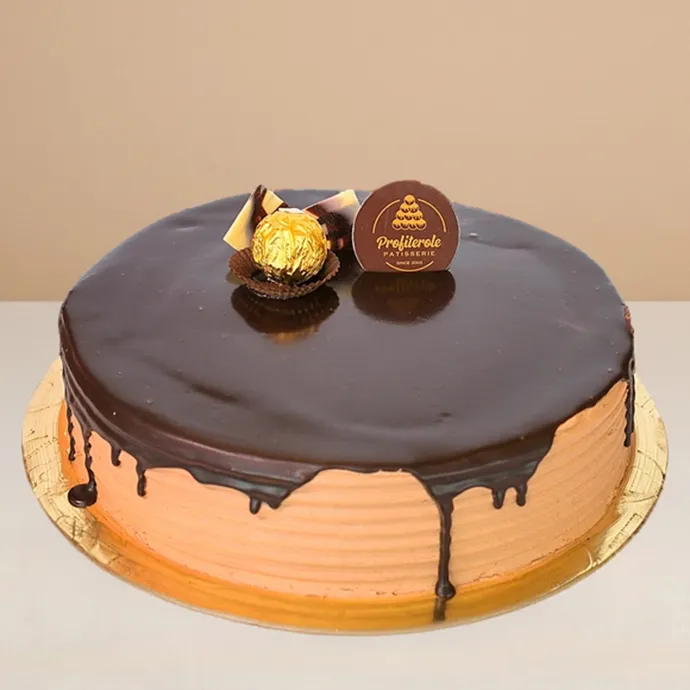
Ferrero Rocher Cake
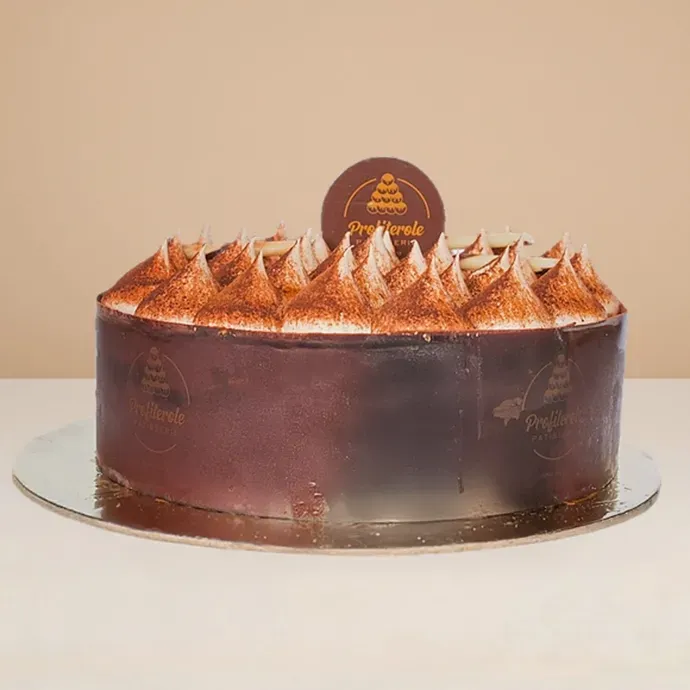
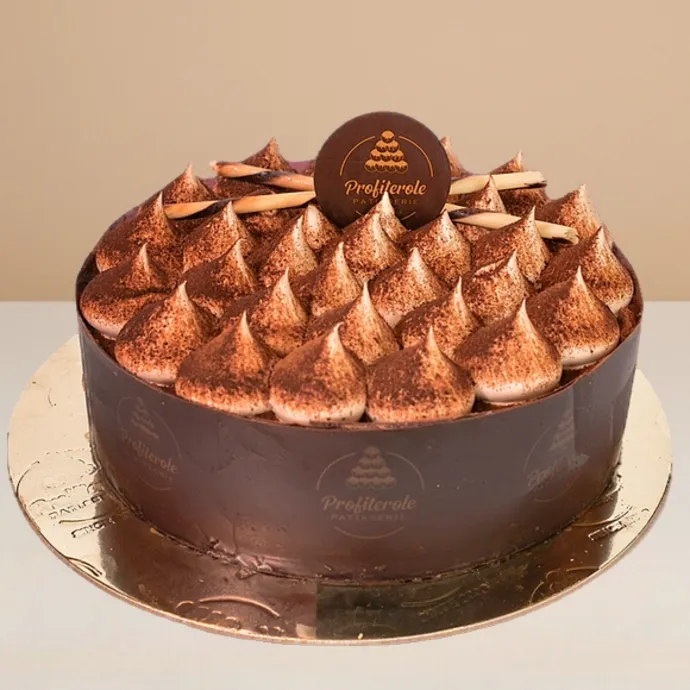
Tiramisu Cake
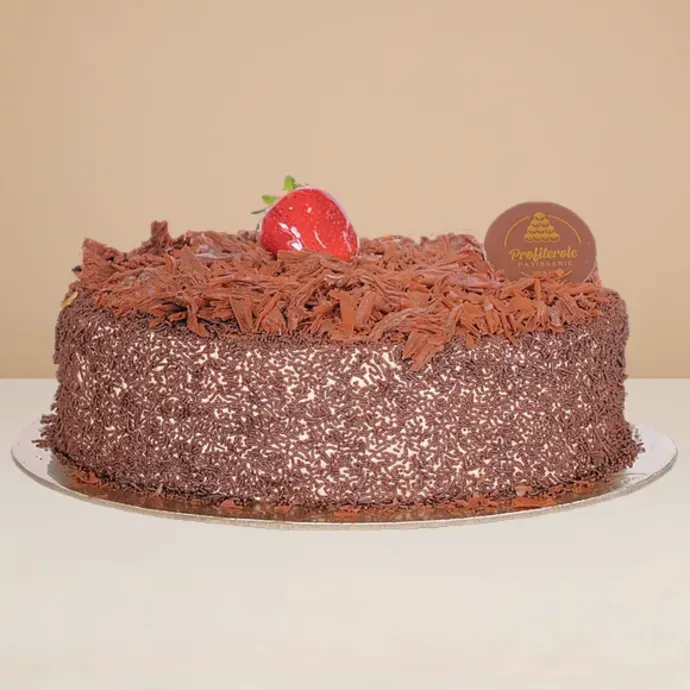
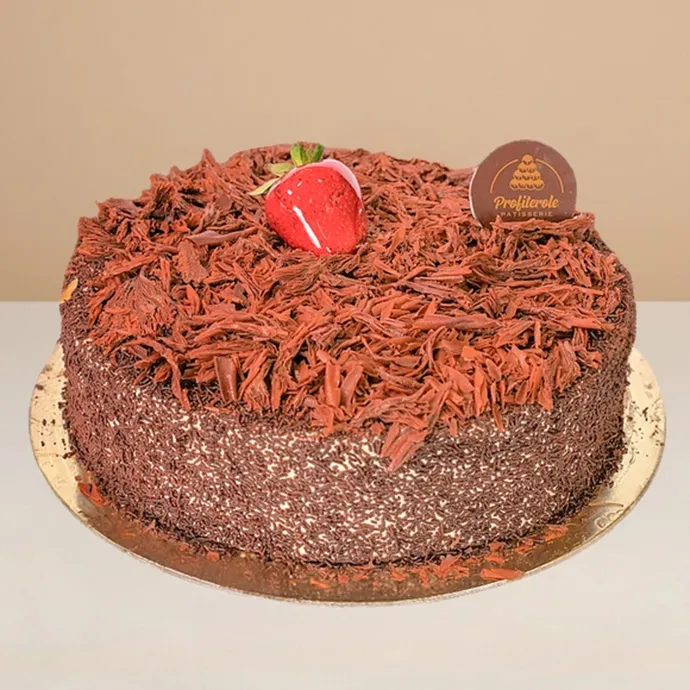
Black Forest Cake
Chocolate Mud Cake
Chocolate Cake
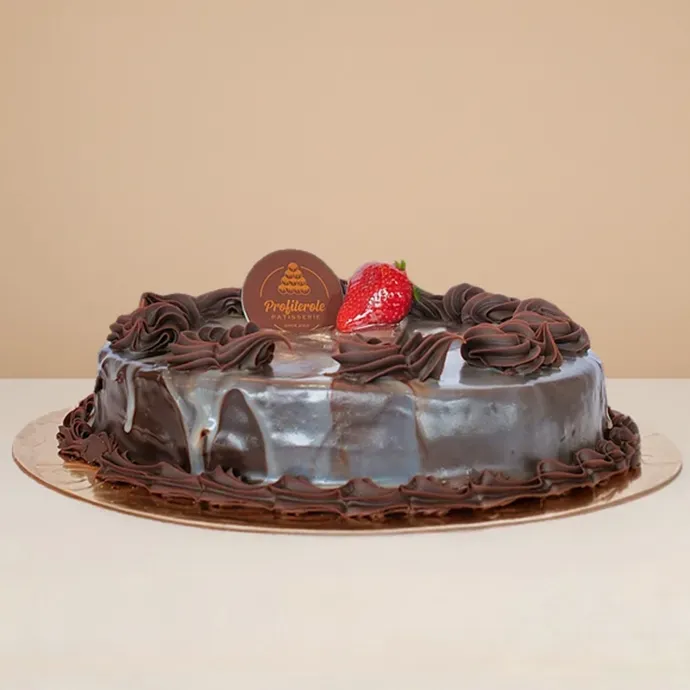
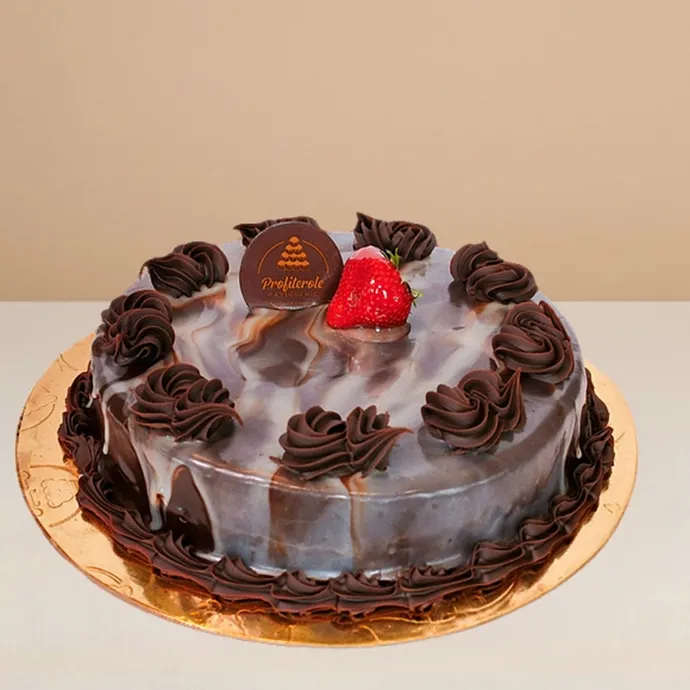
Marble Mud Cake
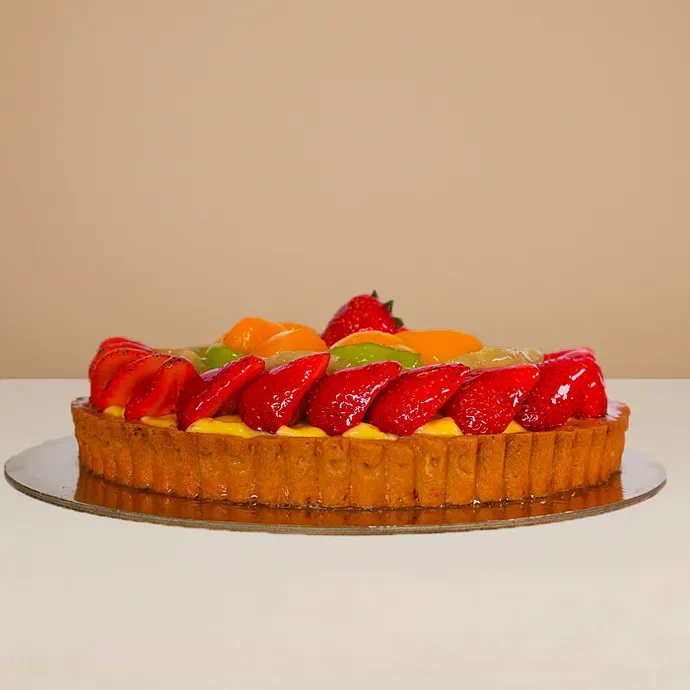
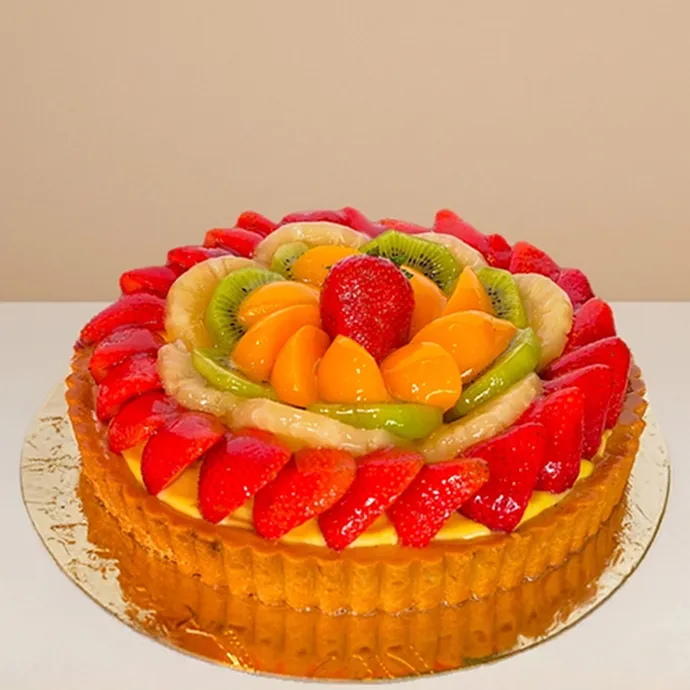
Fruit Cake - Round
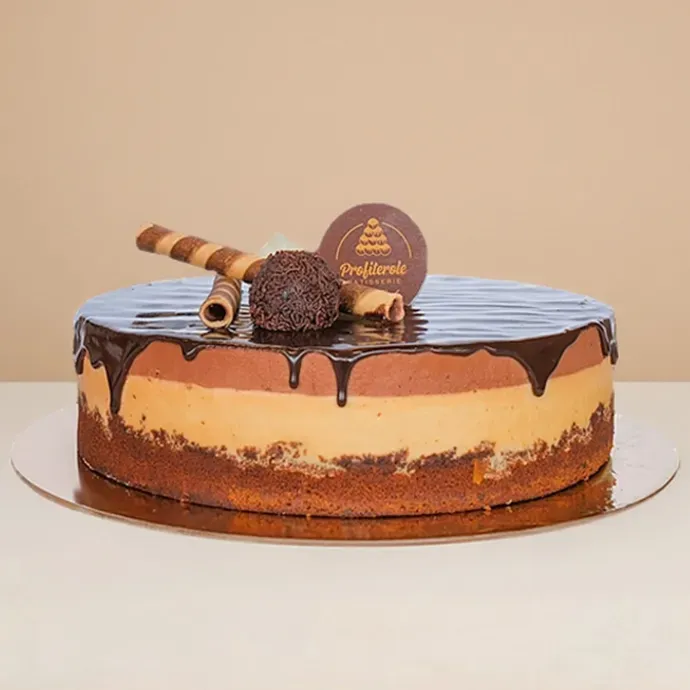
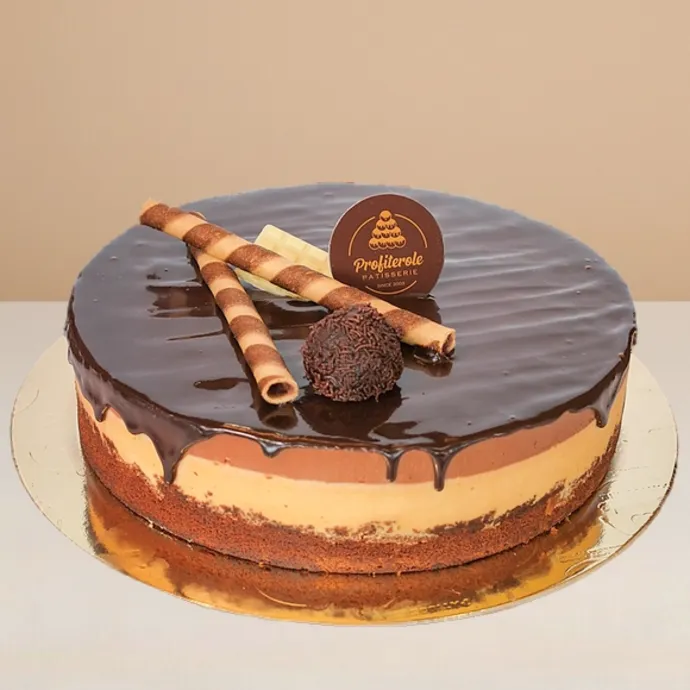
Trio Cake - Round
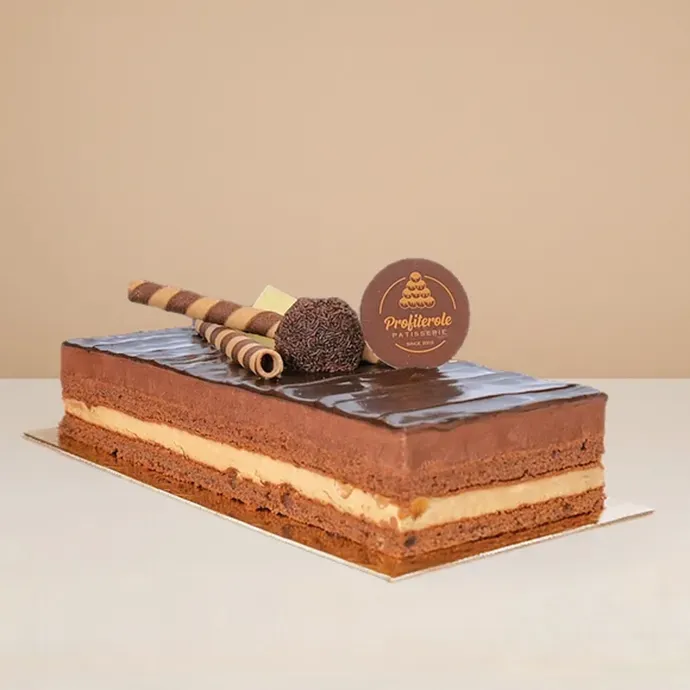
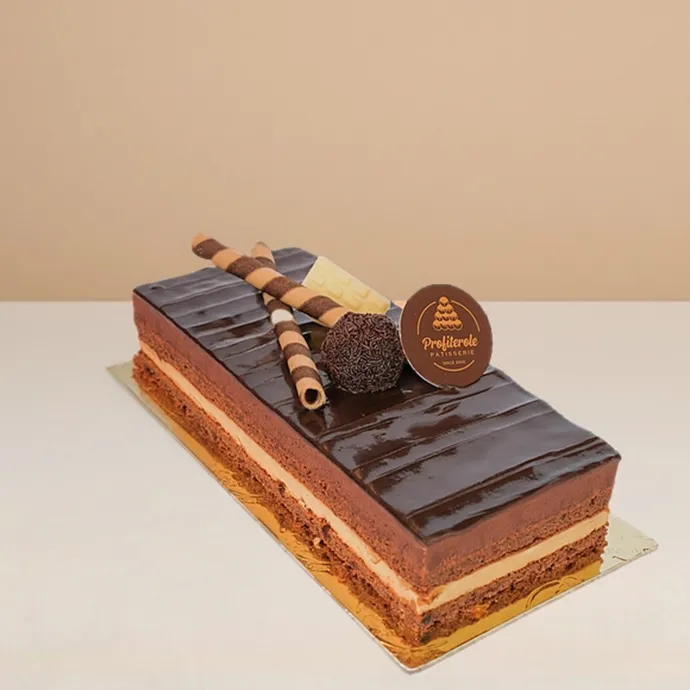
Trio Cake - Log
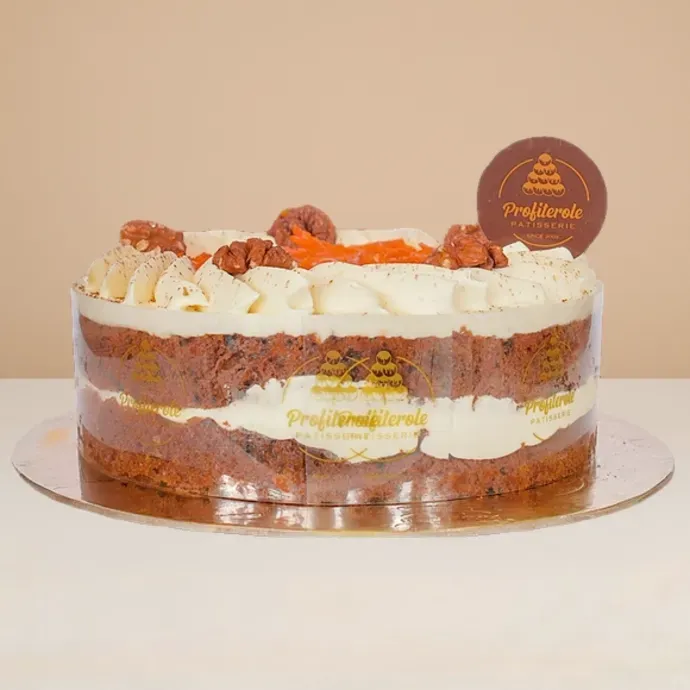
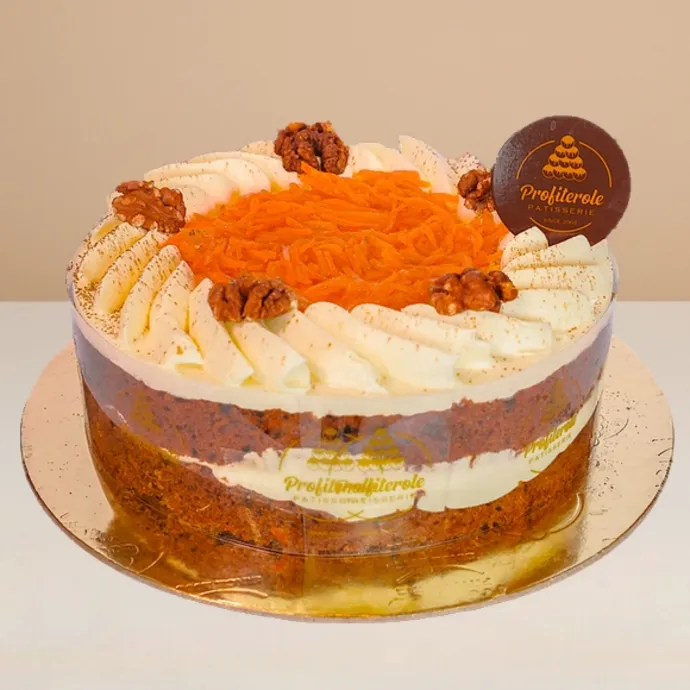
Carrot Cake
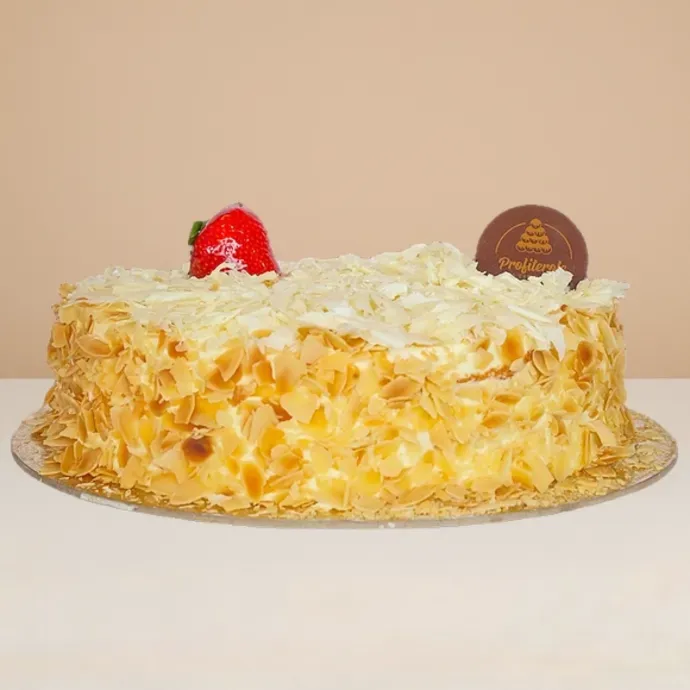
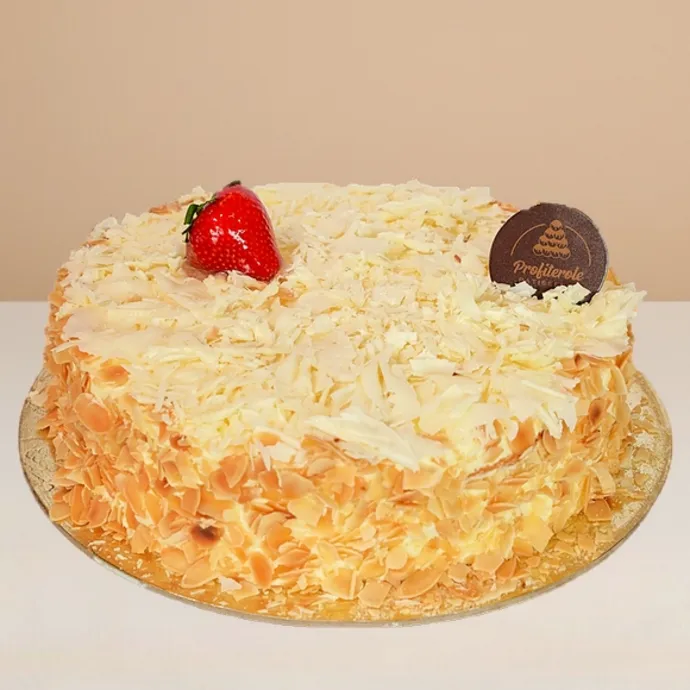
White Forest Cake
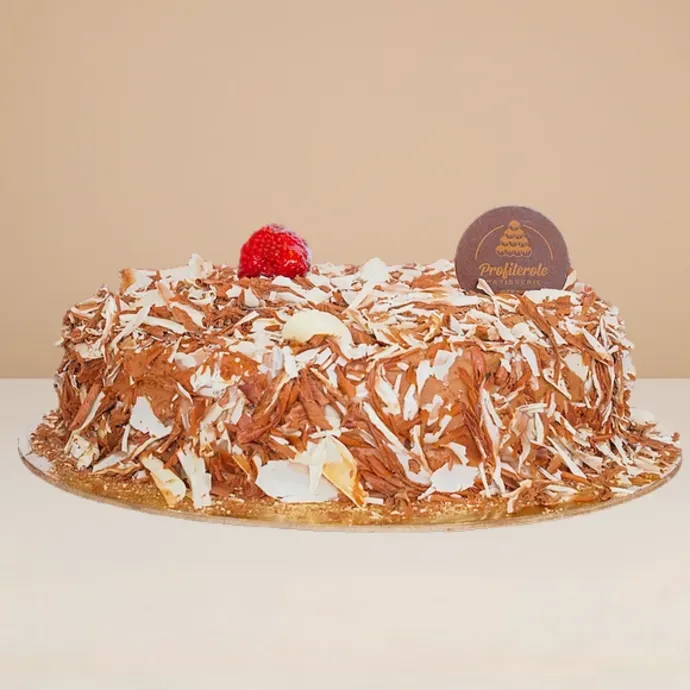
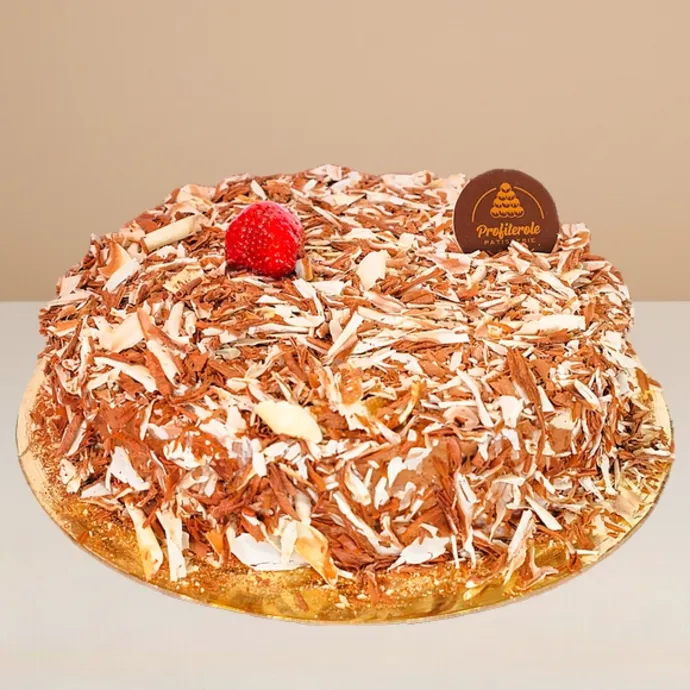
Double Custard Cake
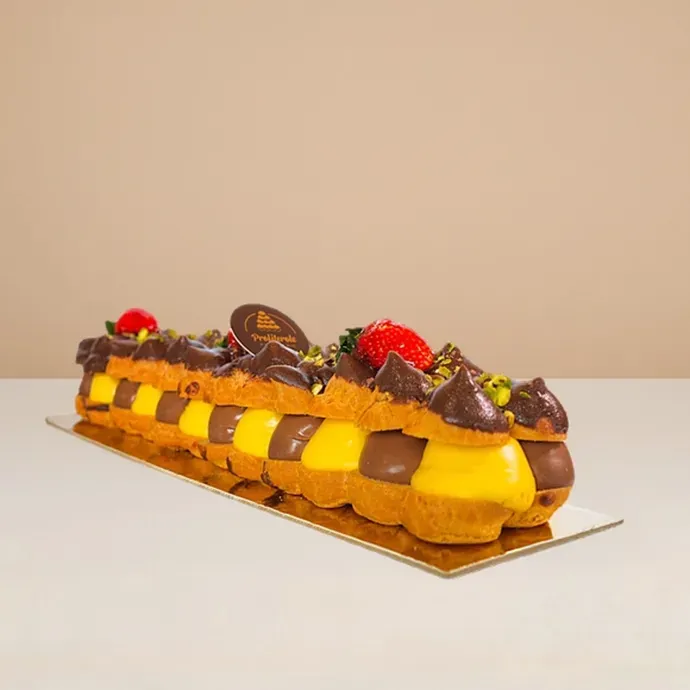
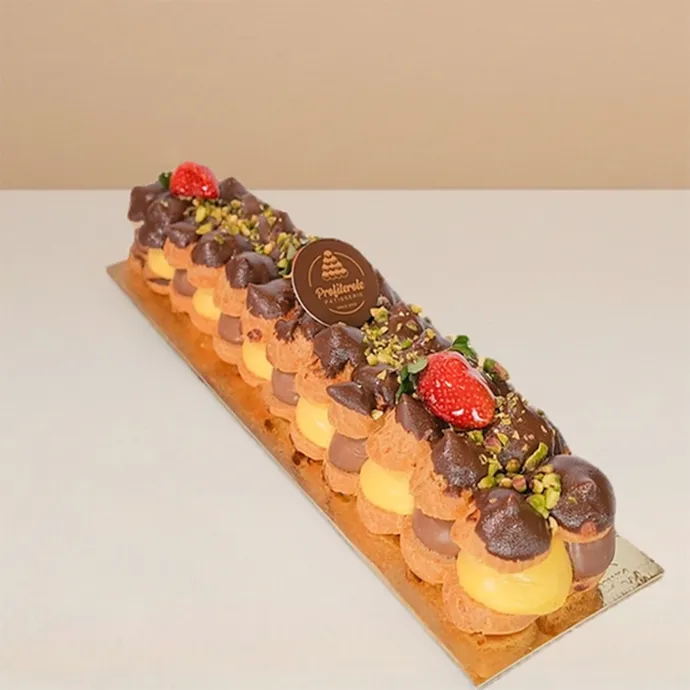
Profiterole Log Cake
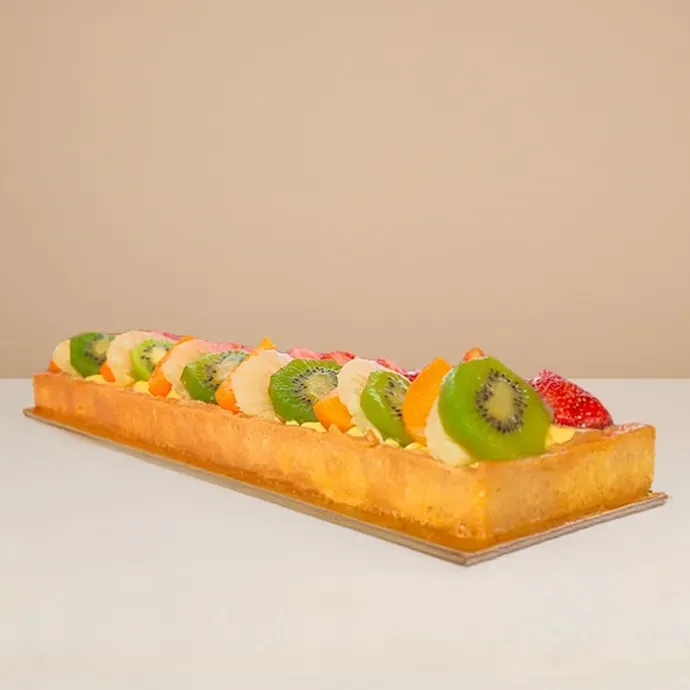
Fruit Cake - Log
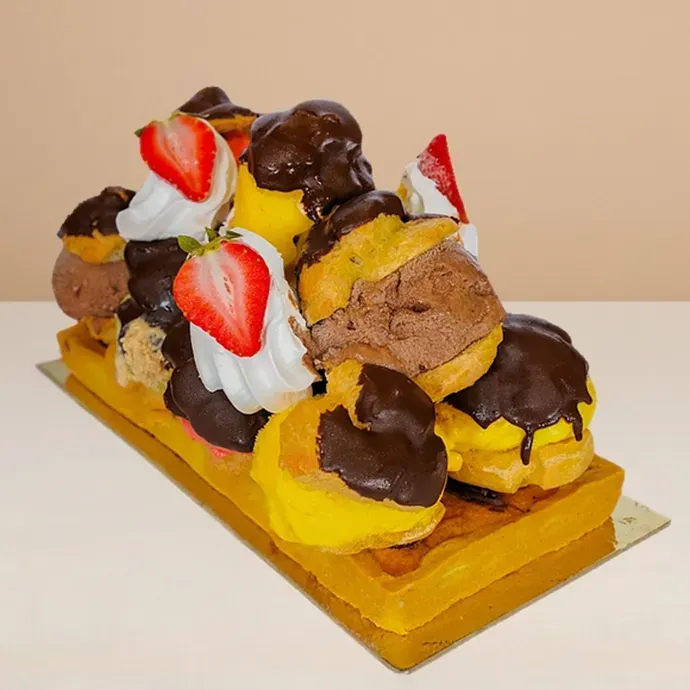
Profiterole Ice Cream Cake - 11 Pieces
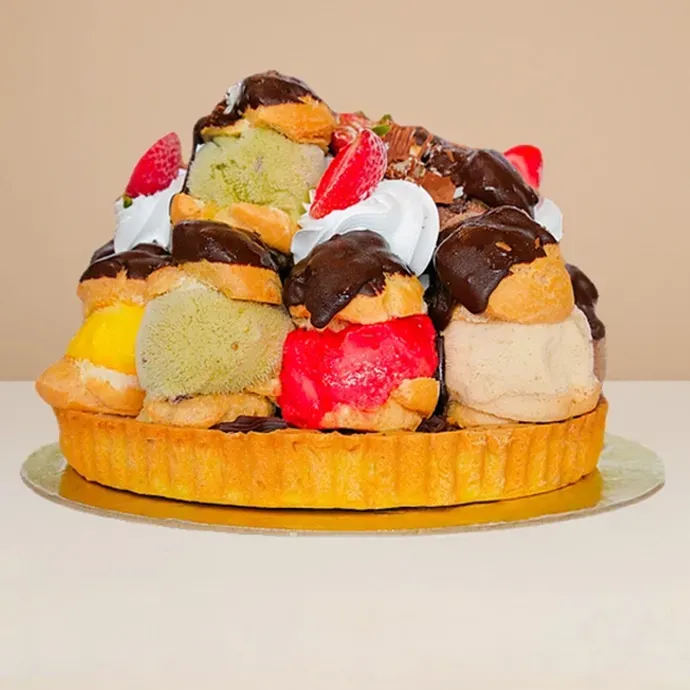
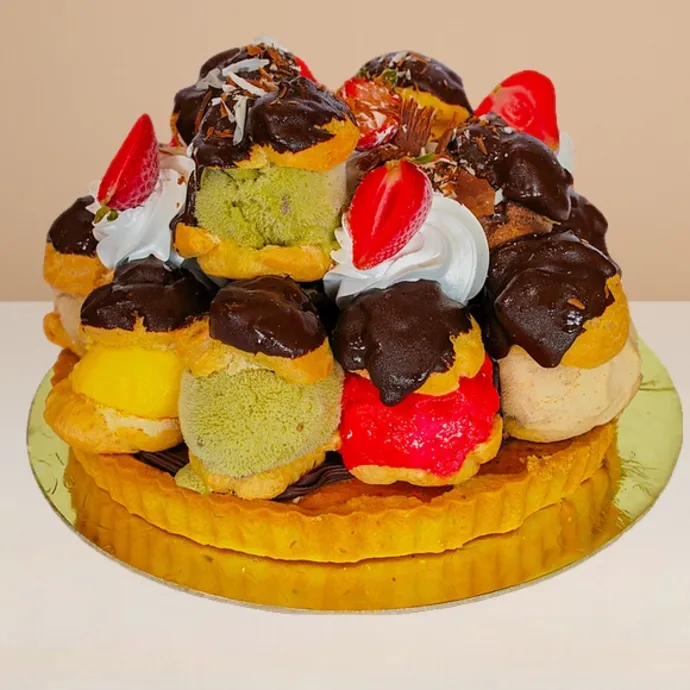
Profiterole Ice Cream Cake - 14 Pieces
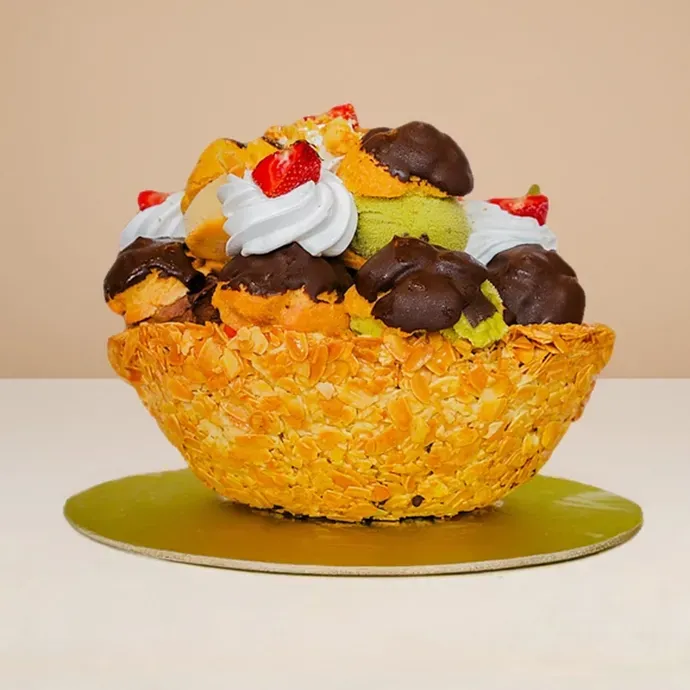
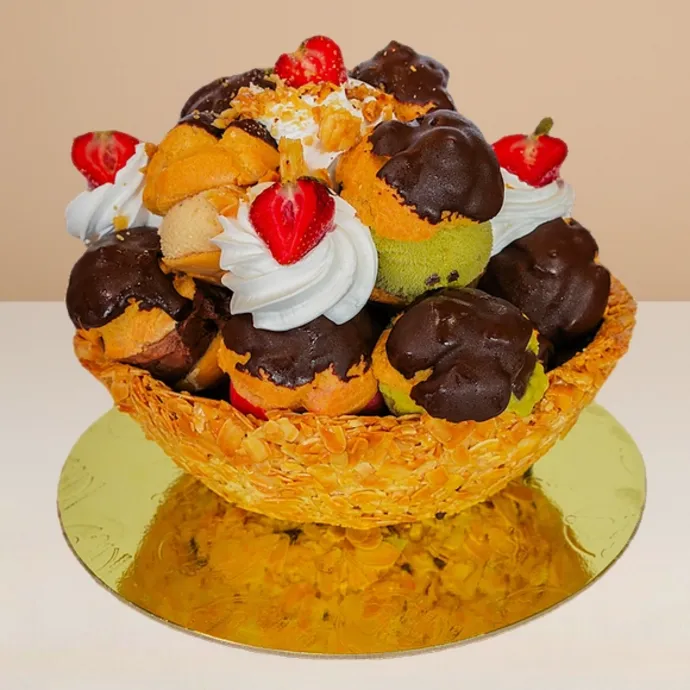
Profiterole Ice Cream Cake - 17 Pieces
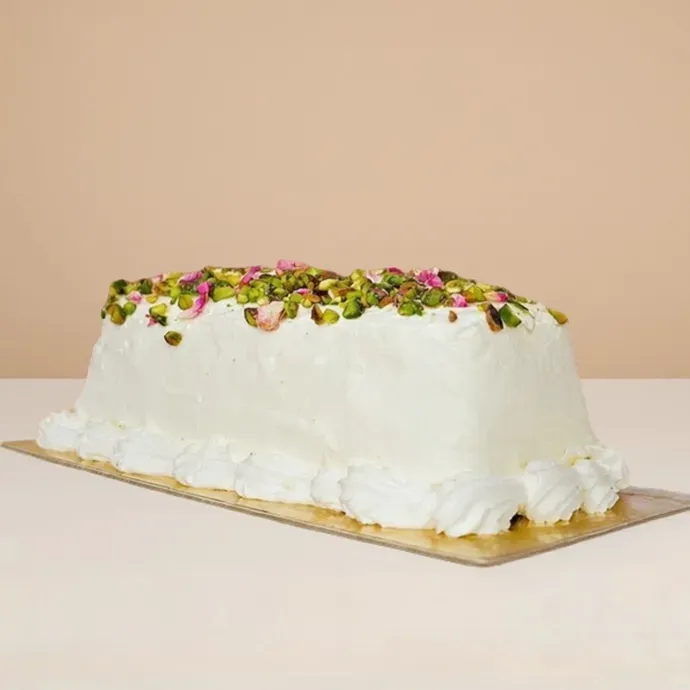
Ashta Ice Cream Cake
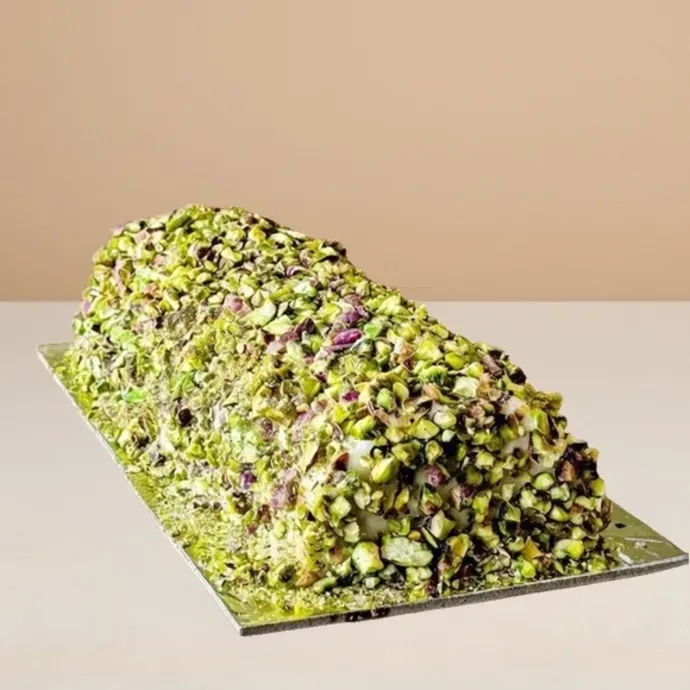
Ashta Ice Cream Cake - Pistachio
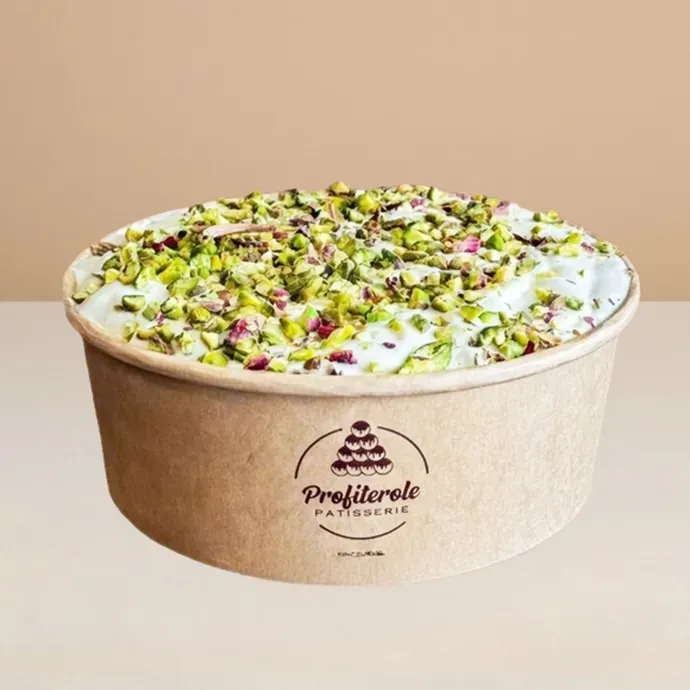
Ashta Ice Cream Bowl
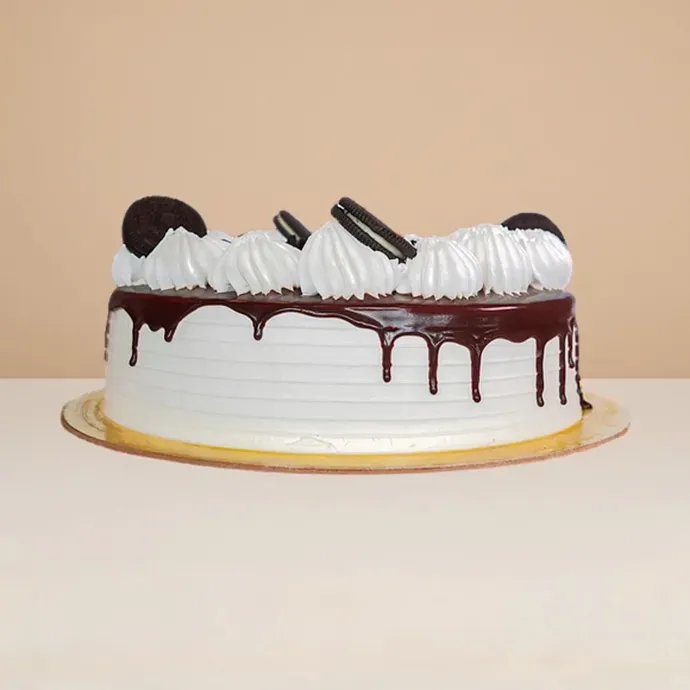
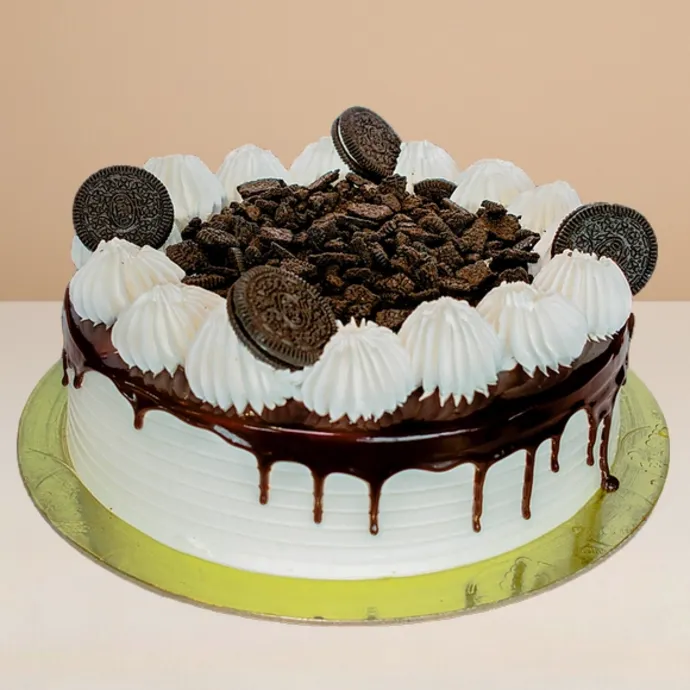
Oreo Ice Cream Cake
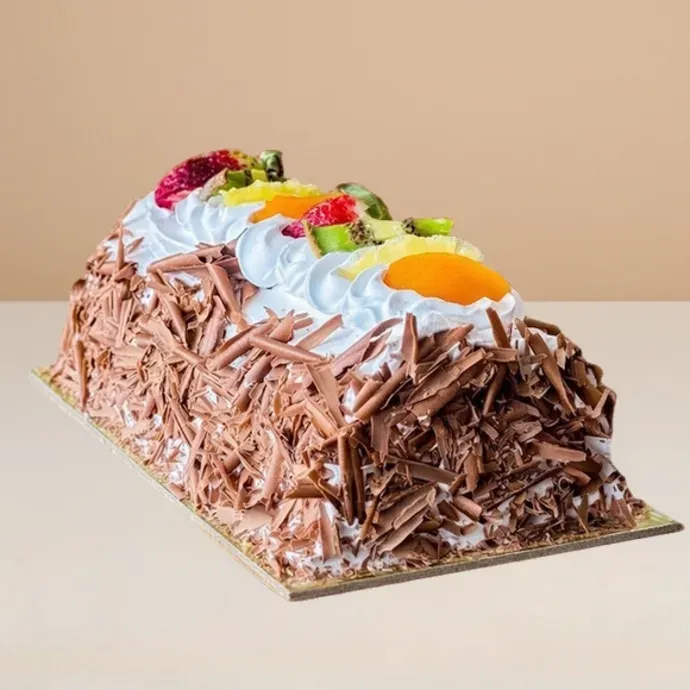
Ice Cream Cake - Log
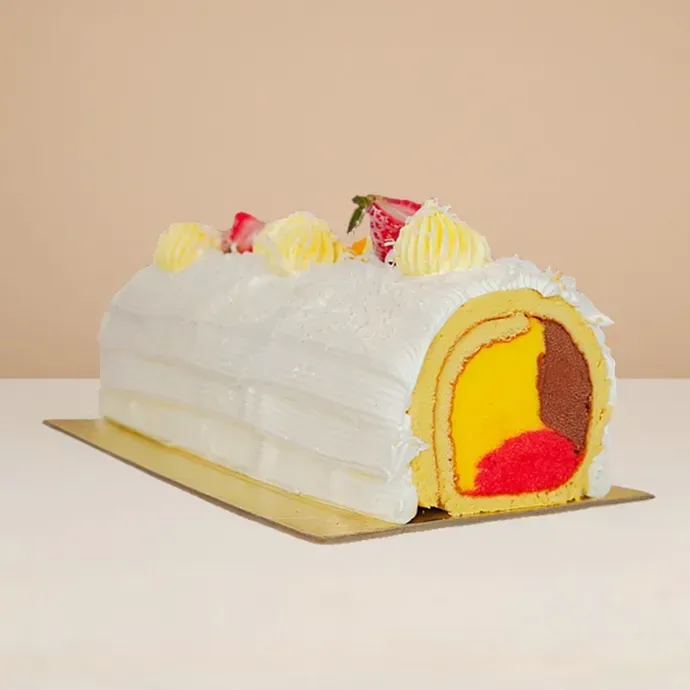
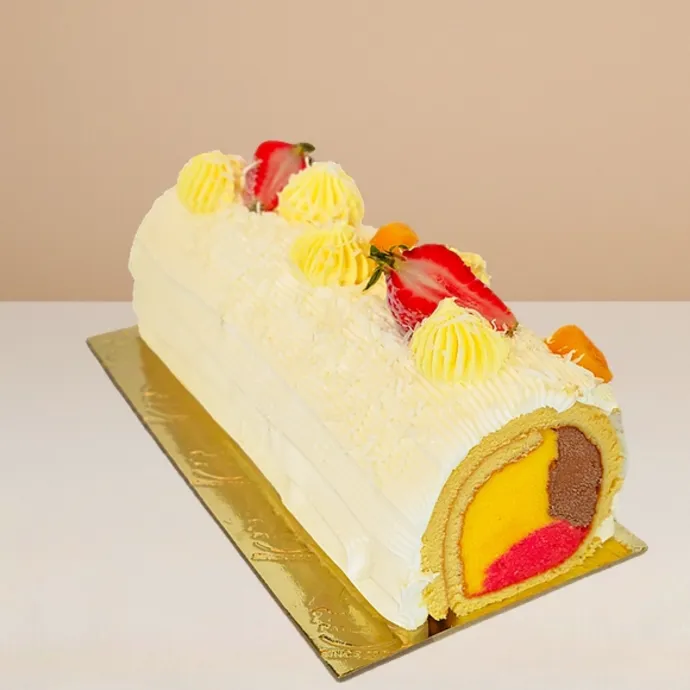
Mango Swiss Roll Ice Cream Cake
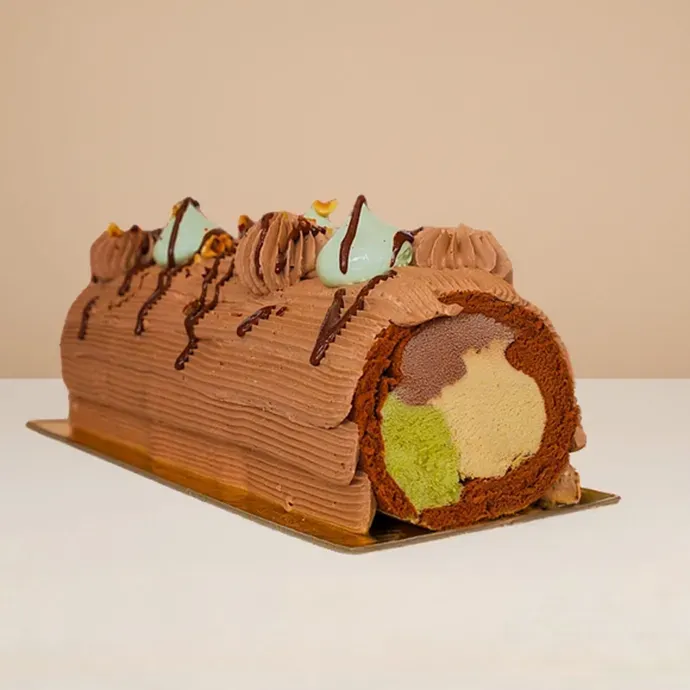
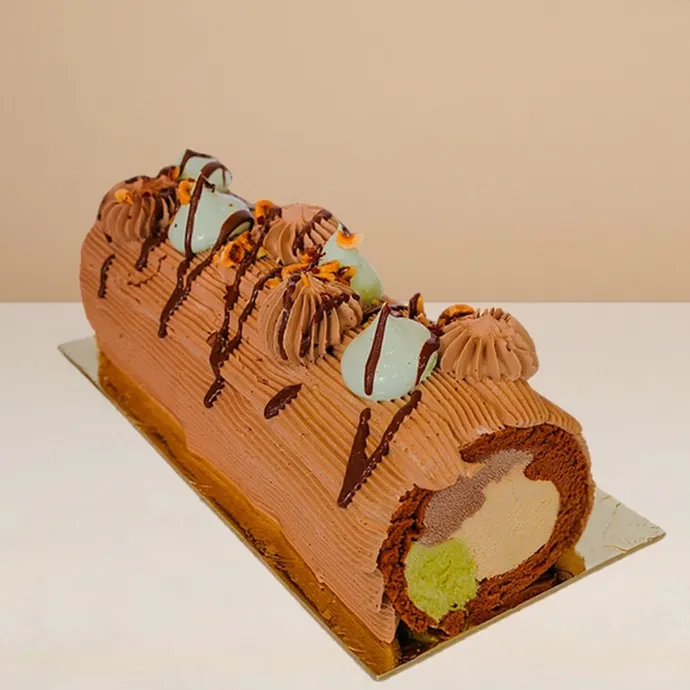
Chocolate Swiss Roll Ice Cream Cake
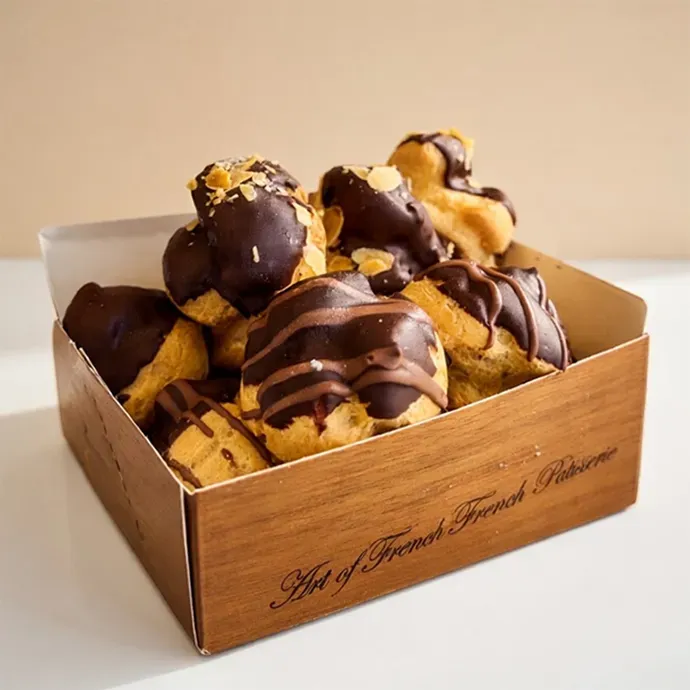
Assorted Profiteroles
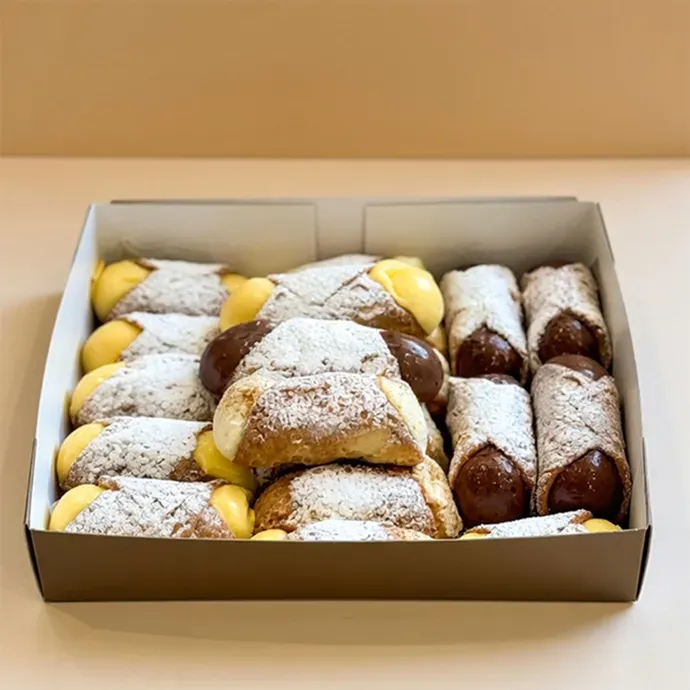
Cannoli Box
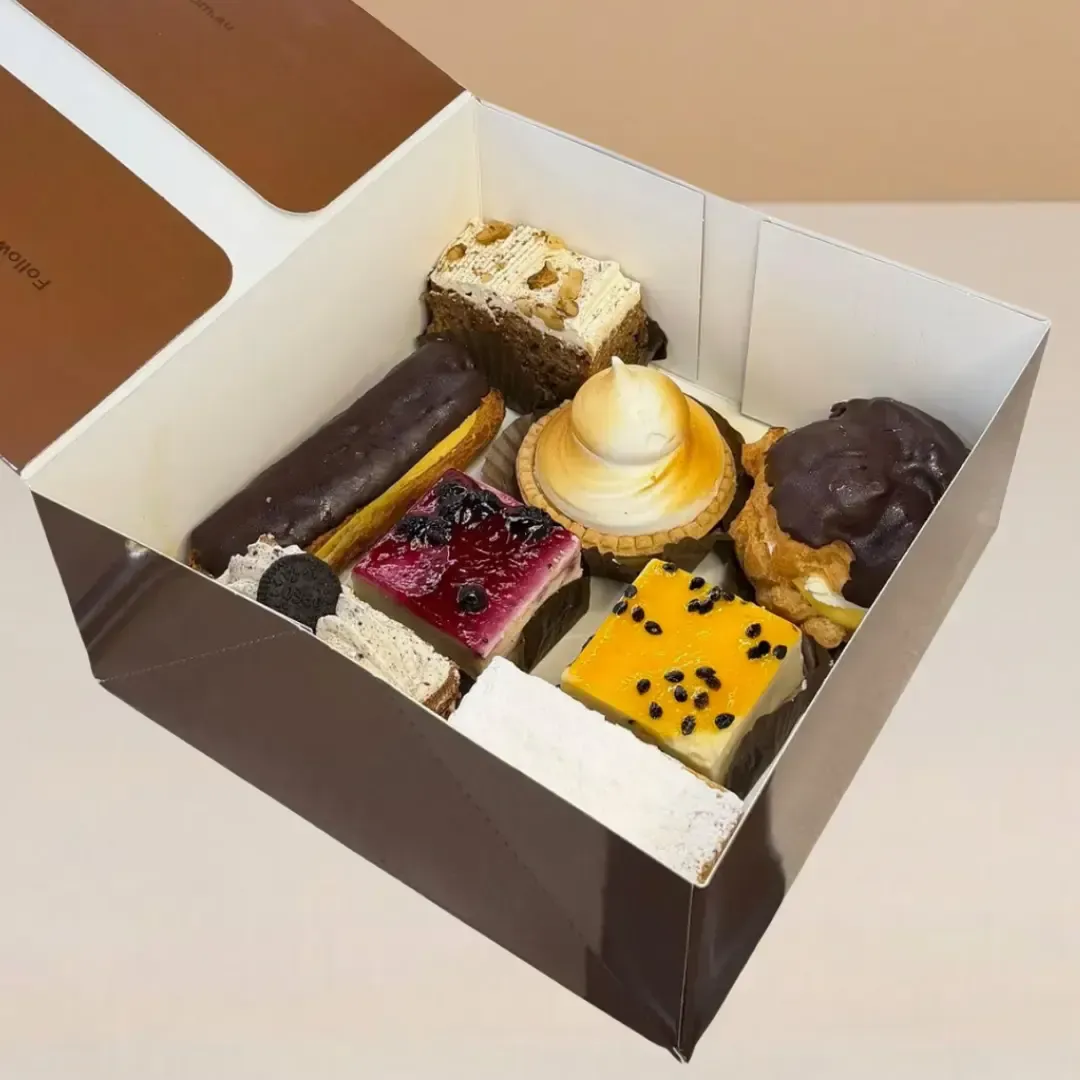
8 Classic Sweet Pieces Box
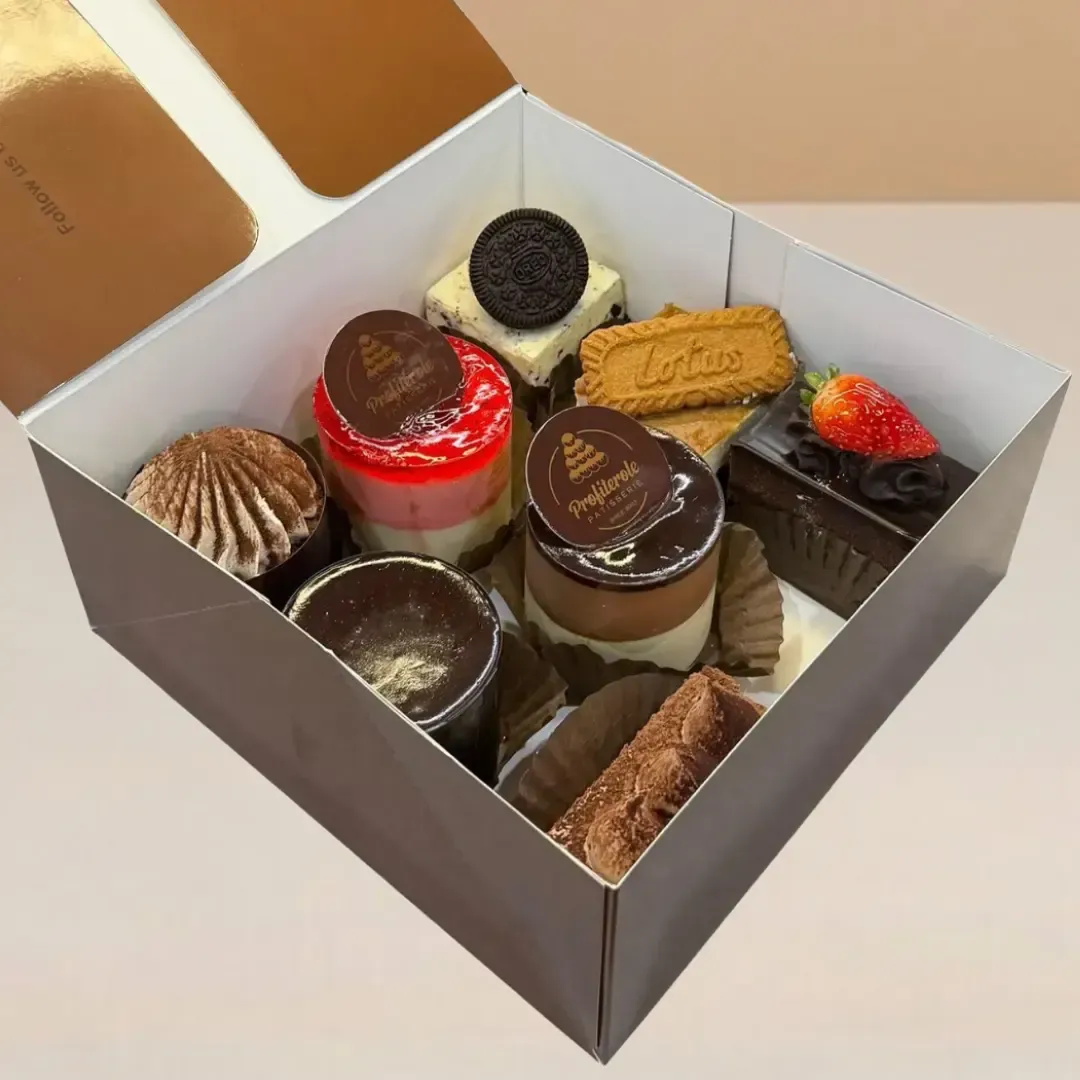
8 Deluxe Sweet Pieces Box
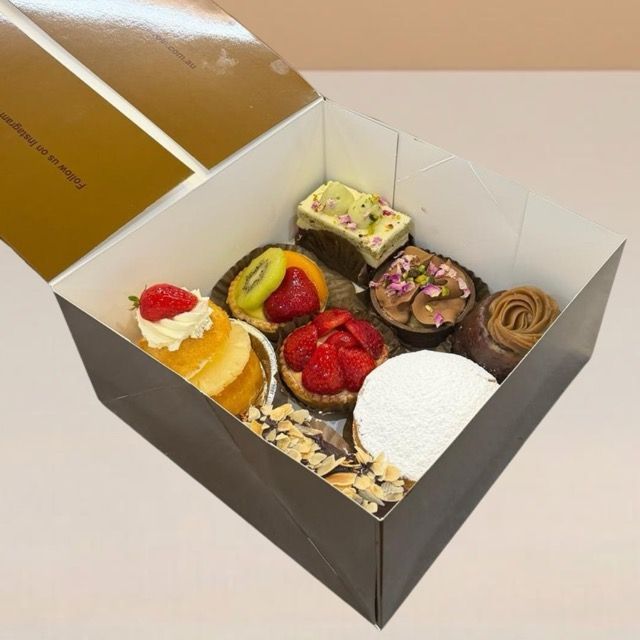
8 Exotic Sweet Pieces box
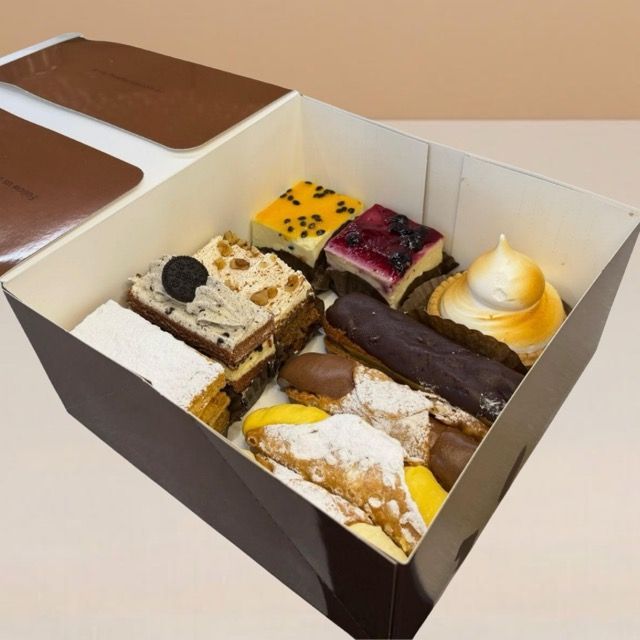
10 Classic Sweet Pieces box
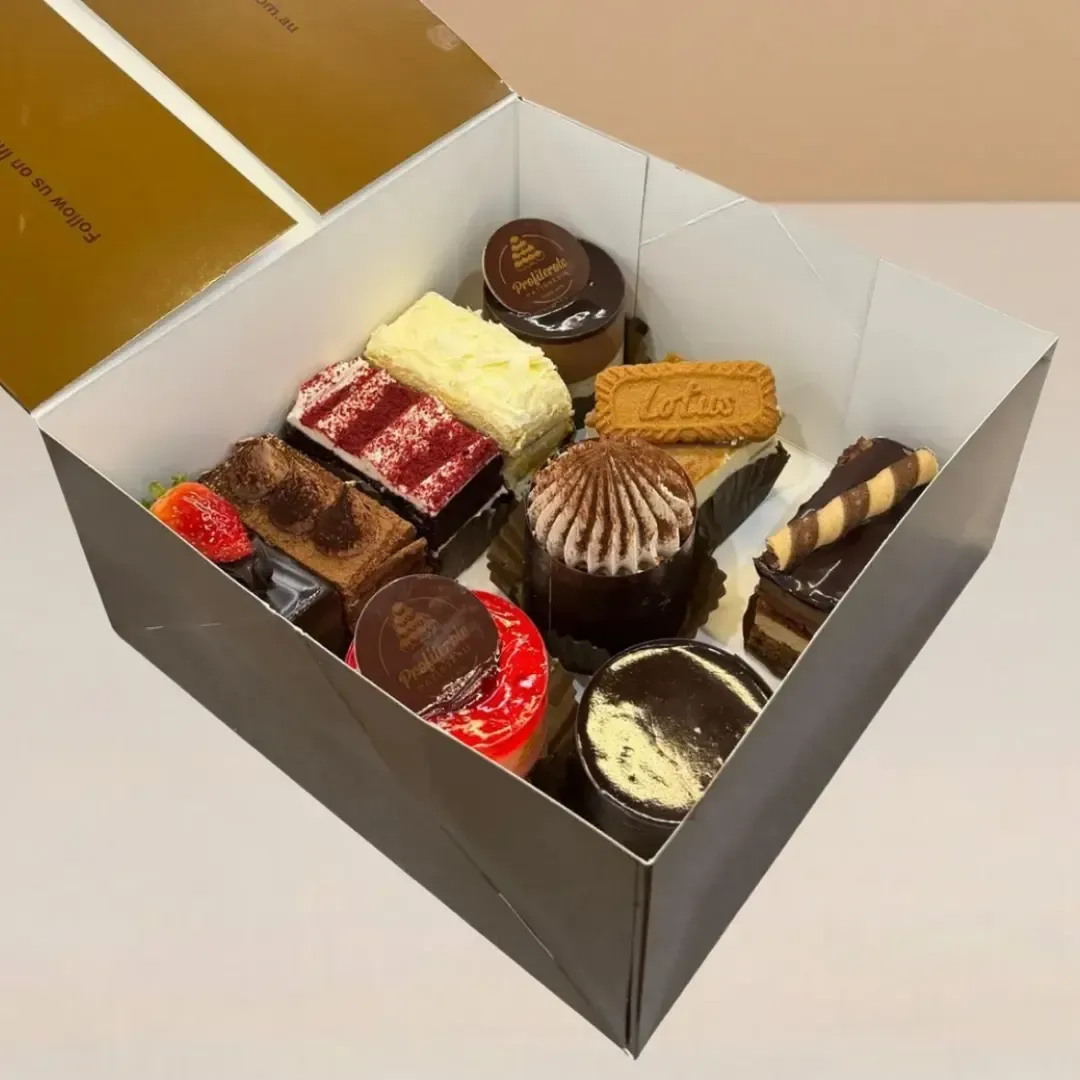
10 Deluxe Sweet Pieces Box
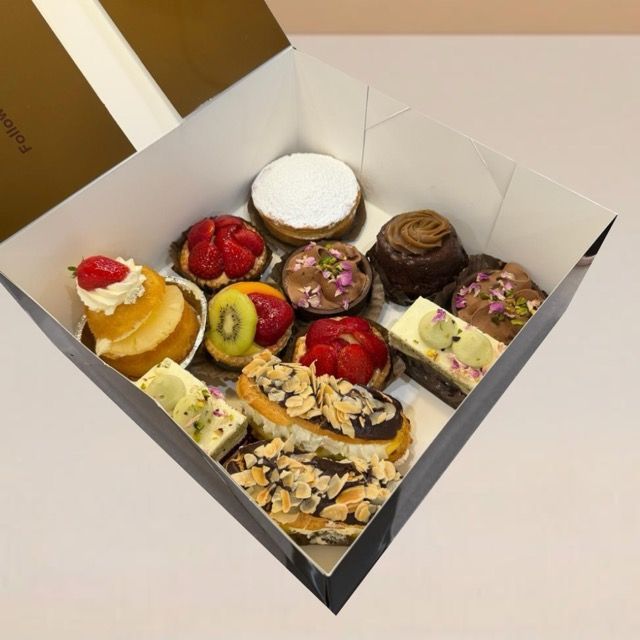
10 Exotic Sweet Pieces box
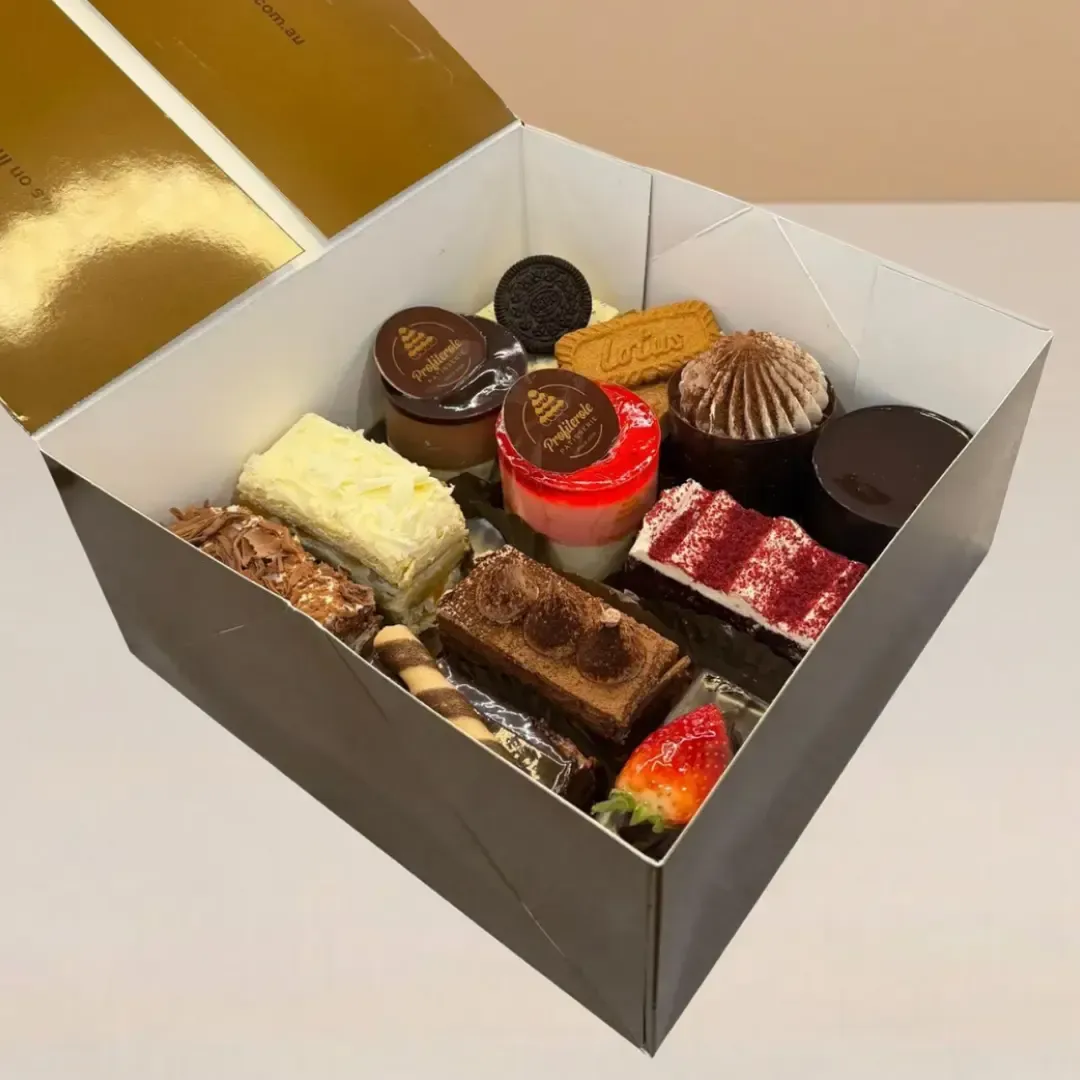
12 Deluxe Sweet Pieces Box
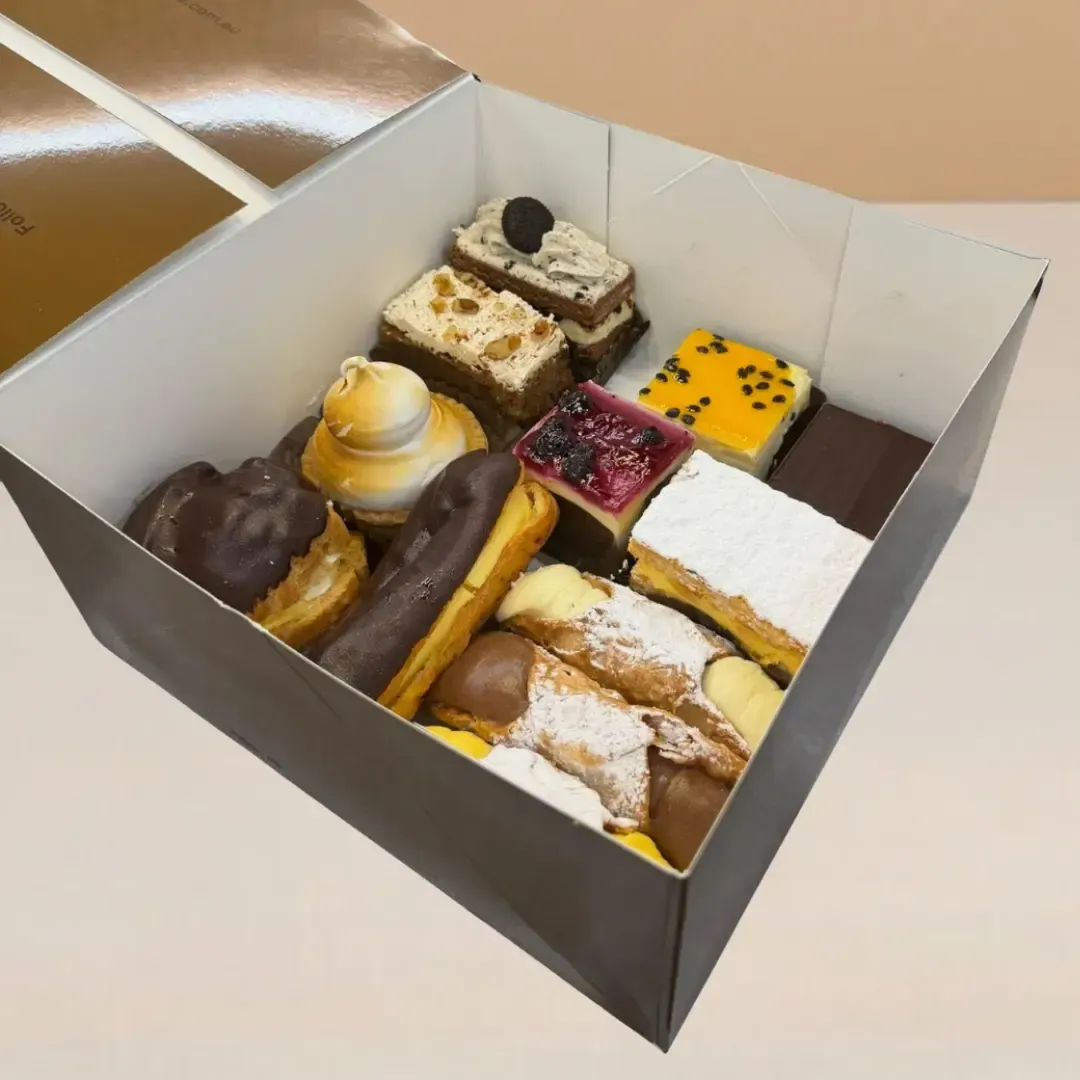
12 Classic Sweet Pieces box