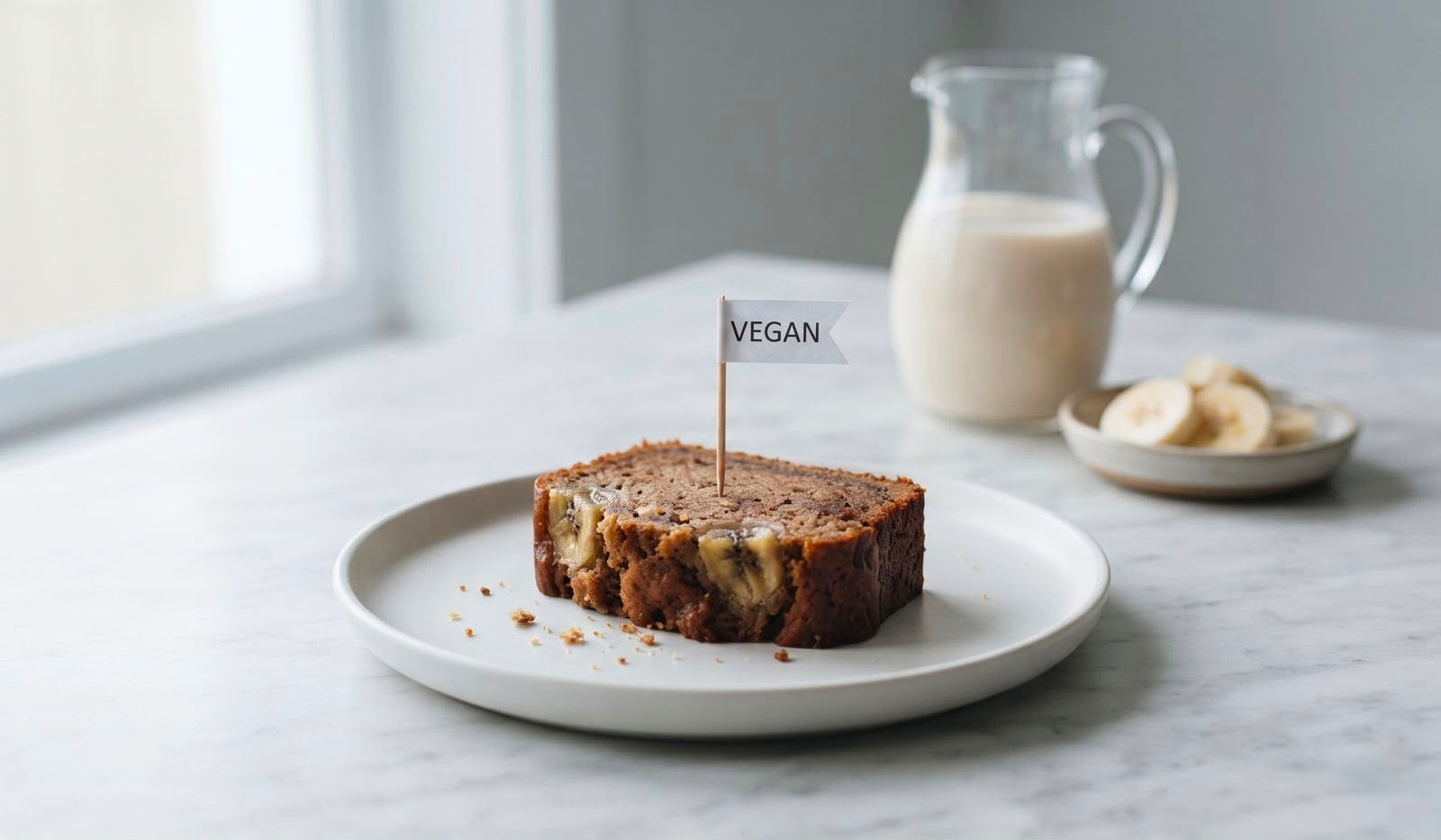
What Is a Vegan Cake? Ingredients, Substitutes, & Food Science
Over the past few years, plant-based bakes have completely transformed. What used to be seen as a dense, dry compromise found only in niche health-food shops has evolved into a staple of modern artisan baking.
Today, a well-crafted vegan cake is every bit as light, fluffy, and indulgent as a traditional butter-and-egg sponge.
So if you are exploring plant-based recipes on your home bench, this article that I wrote will explain the food science behind vegan baking.
TL;DR:
A vegan cake is baked entirely without animal-derived ingredients such as eggs, dairy milk, butter, honey, or gelatine.
To replicate the aeration, structure, and moisture that animal products traditionally provide, bakers rely on clever food science, combined with the proper measurements of the following substitute ingredients:
| Baking Element | Traditional Cake | Vegan Cake |
|---|---|---|
| Core Fat Source | Dairy butter or animal fats | Plant block butter, coconut oil, or neutral vegetable oil |
| Binder & Protein | Whole chicken eggs | Aquafaba, flax gel, chia seeds, or starch binders |
| Liquid Base | Full-cream cow's milk | Soy milk, oat milk, or almond milk |
| Crumb Moisture | Animal fat emulsion | Plant oil emulsion and natural fruit humectants |
What Is a Vegan Cake?
At its simplest, a vegan cake is a baked dessert prepared strictly without animal products or animal by-products. This means omitting obvious staples like chicken eggs, cow's milk, heavy cream, and dairy butter.
However, true vegan baking goes a step further by excluding secondary animal-derived ingredients that often hide in standard pantry items.
For example, traditional gelatine (derived from animal collagen) is often used in mousse fillings, while honey is avoided as an animal-produced sweetener.
Even refined white sugars can sometimes be processed using animal bone char, so vegan bakers choose unrefined sugar, organic sugar, or beet-derived sugars to ensure total dietary compliance.
What Ingredients Are Replaced in a Vegan Cake?
To make a cake vegan, you must replace the following animal-derived ingredients that give traditional cakes their structure and richness:
Chicken Eggs
In standard baking, eggs perform multiple jobs at once. The whites contain proteins that coagulate when heated to build structural walls around expanding steam, creating rise and stability.
Meanwhile, egg yolks contain natural lecithin, an emulsifier that binds fats and liquids into a smooth batter.
Cow's Milk and Heavy Cream
Dairy milk hydrates flour starches and dissolves sugar crystals while adding liquid volume.
Milk sugars like lactose contribute to surface browning during baking, while heavy cream provides dairy fat for velvety frostings, ganaches, and custards.
Dairy Butter
Butter brings rich flavour, coats flour proteins to keep the crumb tender, and creates light air pockets when creamed with sugar.
Because butter contains roughly 16 to 18 percent water, that water turns to steam during baking to lift the sponge layers.
Gelatine and Honey
Gelatine sets mousse cakes and fruit glazes, while honey adds moisture, sweetness, and distinct floral notes to batter mixtures.
Substitute Ingredients for Vegan Cakes
Modern plant-based baking is built on clever ingredient swaps that replicate the exact functional roles of animal fats and proteins.
I listed down below the substitute ingredients that you can use when baking vegan cakes:
Aquafaba and Seed Gels
Aquafaba, the liquid left over from cooked chickpeas, is a revelation in vegan patisserie. Rich in starches and soluble proteins, it mimics egg whites almost perfectly. You can whip aquafaba into stiff, glossy peaks for meringues, or fold it into batters for structural lift.
On the other hand, round flaxseeds or chia seeds mixed with warm water create a thick gel that binds flour particles together in denser mud cakes and loaf bakes.
Acidified Plant Milks
Soy milk is particularly effective for baking because its protein density matches cow's milk. And combining soy milk or oat milk with a teaspoon of apple cider vinegar or lemon juice creates a curdled, acid-rich liquid.
This homemade vegan buttermilk reacts with baking soda to produce carbon dioxide gas, giving the batter an airy rise.
Plant-Based Block Butters and Neutral Oils
For sponges that rely on liquid fats, neutral oils like canola or sunflower oil keep the cake soft for days.
And when a recipe requires creaming fat with sugar, block-style vegan butter made from coconut oil and shea butter provides the solid structure and clean melt needed for crumb tenderness and stable buttercream.
Fruit Purées and Natural Starches
Unsweetened apple sauce and mashed ripe bananas add natural moisture and binding power, while tapioca starch or cornflour thickens mousses and puddings without requiring animal gelatine.
How Does Vegan Cake Taste and Feel Compared to Regular Cakes?
One of the most persistent myths in baking is that vegan cakes are inherently dense, heavy, or taste noticeably different.
In reality, a well-formulated vegan cake is virtually indistinguishable from a standard bake. Allow me to delve a little deeper into food science, and debunk some myths about vegan cakes.
The Food Science of Texture and Crumb Density
Because many vegan cake recipes use liquid plant oils instead of solid butter, they often stay moist for longer.
That’s because dairy butter solidifies at room temperature, which can make leftover butter cakes feel firm. Whereas if you use plant-based vegetable oils that remain liquid at room temperature, the sponge crumb remains soft and tender when sliced.
Chemical Leavening and Rise Without Eggs
Making cake batter rise is also another scientific process that has to do with the ingredients you use. One of them is eggs.
And without eggs in vegan cakes to trap steam, you’ll have to find a substitute that could mimic the role of egg protein in cake batter.
That is why vegan recipes rely on precise chemical leavening. Combining baking soda with natural acids like vinegar, citrus juice, or brown sugar triggers an immediate reaction.
As these ingredients interact in the oven, carbon dioxide bubbles expand through the batter, lifting the flour starches into a soft, fluffy crumb.
Debunking Common Misconceptions About Vegan Cakes
Some bakers worry that replacing eggs and butter produces a cake with a vegetable-like aftertaste.
However, this can be totally avoided with the right ingredient substitutes.
Neutral oils, soy milk, and pure vanilla extract allow clean cocoa, citrus, or fruit flavours to come forward without any off notes. And when paired with a whipped vegan buttercream or coconut cream ganache, the resulting slice is rich, balanced, and completely satisfying; rather than one with undesirable aftertaste.
Vegan Cakes Can Be As Delightful As Normal Cakes
Mastering plant-based baking is ultimately an exercise in food science, balancing fats, liquids, starches, and acids to create a delightful dessert experience. When you understand how alternative ingredients perform under heat, baking without animal products will not be a hindrance in creating equally delightful cake desserts.
At Profiterole Patisserie, we believe everyone should share in the joy of a freshly baked cake. Our pastry team applies traditional care and modern technical precision to craft inclusive options for everyone.
I’d like to invite you to visit our stores in Sydney to taste all the cakes we’re so proud of! You can also order online and we’ll deliver them to you on the next day.
Publish date: 22/07/2025
Updated: 10/08/2026
Joey Yaccoub
Head Baker & Operations Manager, Profiterole Patisserie
Joey Yaccoub is the Head Baker at Profiterole Patisserie, bringing over a decade of hands-on experience in artisan cake design and pastry craftsmanship.
He oversees recipe development, product quality, and daily operations across all store locations, ensuring every cake meets the brand’s standards for flavour, presentation, and consistency.
FAQs
What does a vegan cake mean?
A vegan cake is a baked dessert made entirely without animal products or animal by-products.
It excludes eggs, dairy milk, butter, cream, honey, gelatine, and refined sugars processed using animal bone char.
What is the difference between a vegan cake and a regular cake?
The primary difference lies in the ingredient choices. Regular cakes use dairy butter, milk, and chicken eggs for fat, moisture, and binding structure.
Vegan cakes rely on plant-based oils, plant milks, and natural binders like aquafaba, flax gel, or fruit purées to achieve a similar result.
Do vegan cakes taste different?
When baked using balanced ingredients, vegan cakes taste just as rich and delicious as traditional cakes.
Sponges made with vegetable oil are often lighter and stay moist longer, allowing vanilla, cocoa, or fruit flavours to shine.
Is vegan cake healthier than normal cake?
Not necessarily. While vegan cakes contain no cholesterol from eggs or dairy butter, they still contain flour, sugar, and plant fats to build structure and flavor.
They are designed as an inclusive, ethical dessert rather than a low-calorie health food.
Does vegan cake mean no eggs?
Yes, vegan cake strictly excludes chicken eggs and all animal proteins. Bakers replace eggs using chickpea aquafaba, flaxseed gel, chia seeds, fruit purées, or baking soda reactions to provide binding and rise.
Looking for More Inclusive Cakes? Check Out Our Halal Cakes.
Tiramisu Cake
White Forest Cake
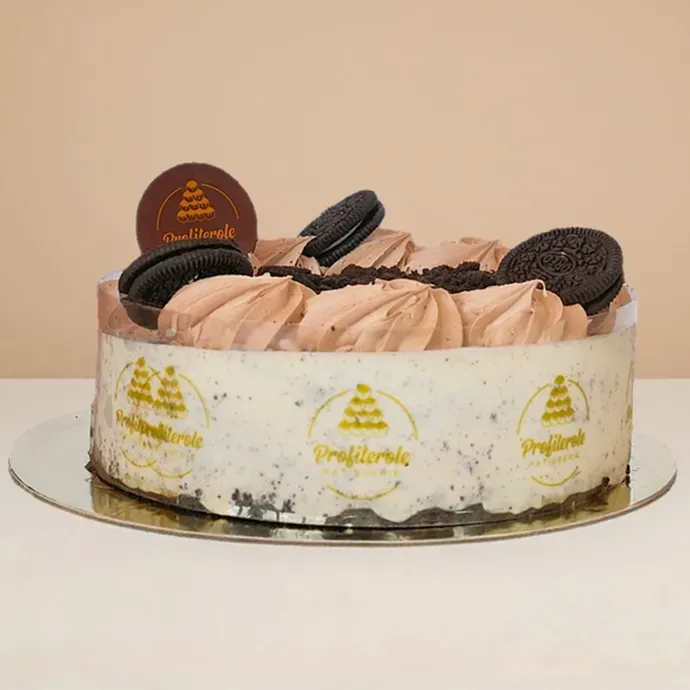
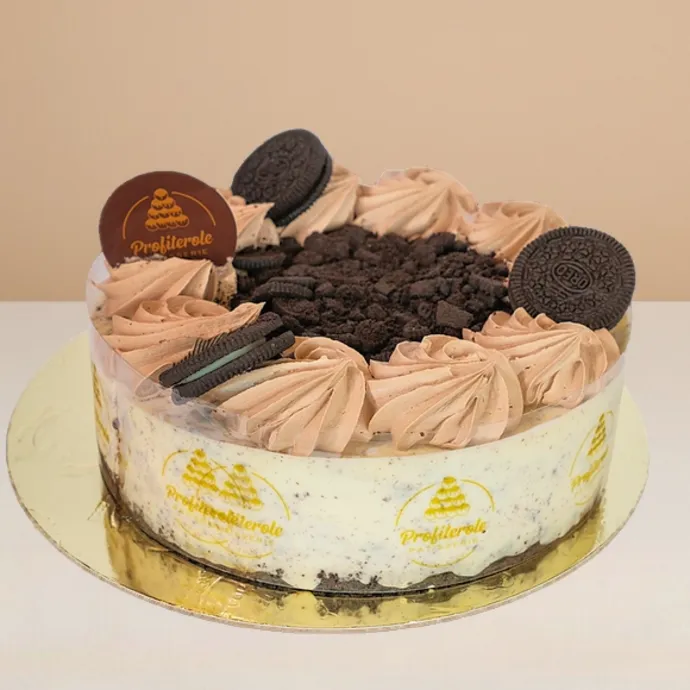
Oreo Cheesecake
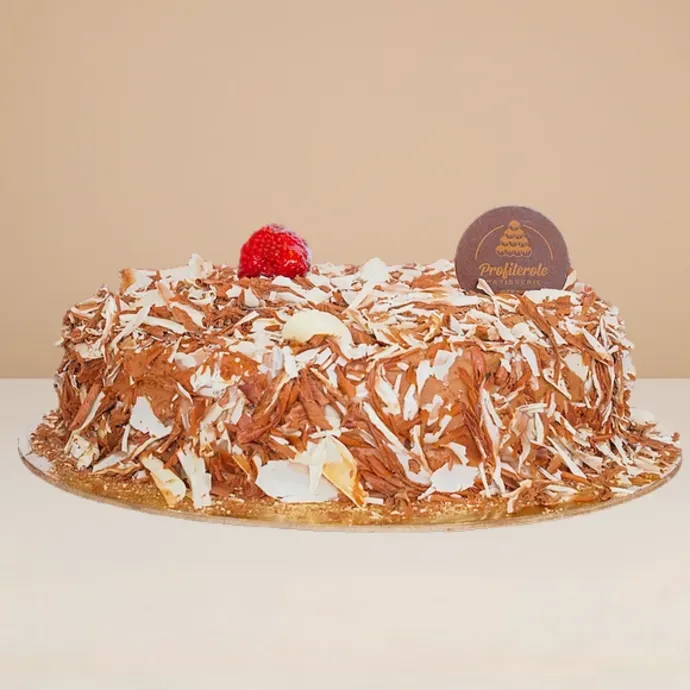
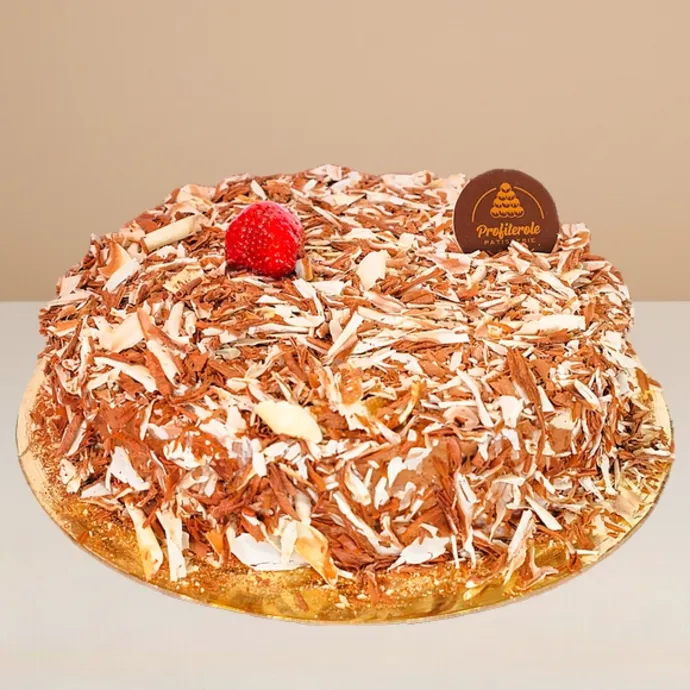
Double Custard Cake
Blueberry Cheesecake
Fruit Cake - Round
Profiterole Log Cake
Chocolate Profiterole Cake
Baked Ricotta Cheesecake
Carrot Cake
Red Velvet Cake
Marble Mud Cake
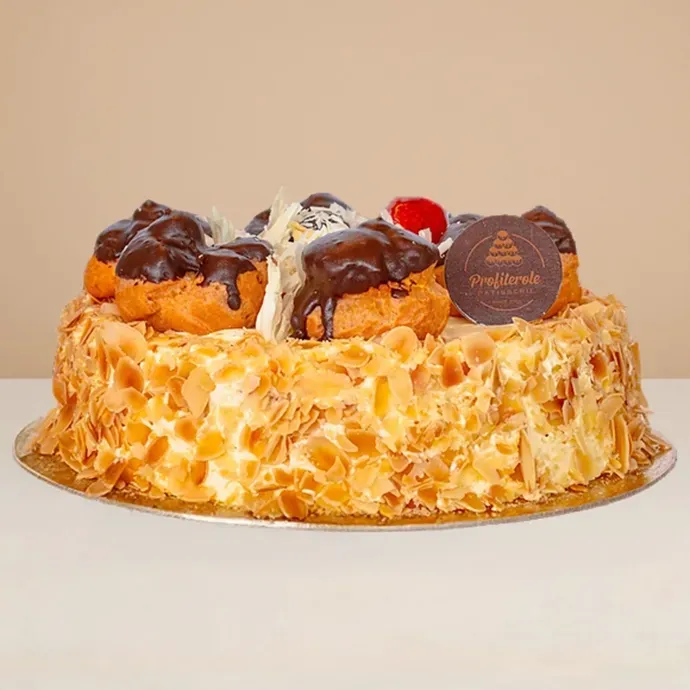
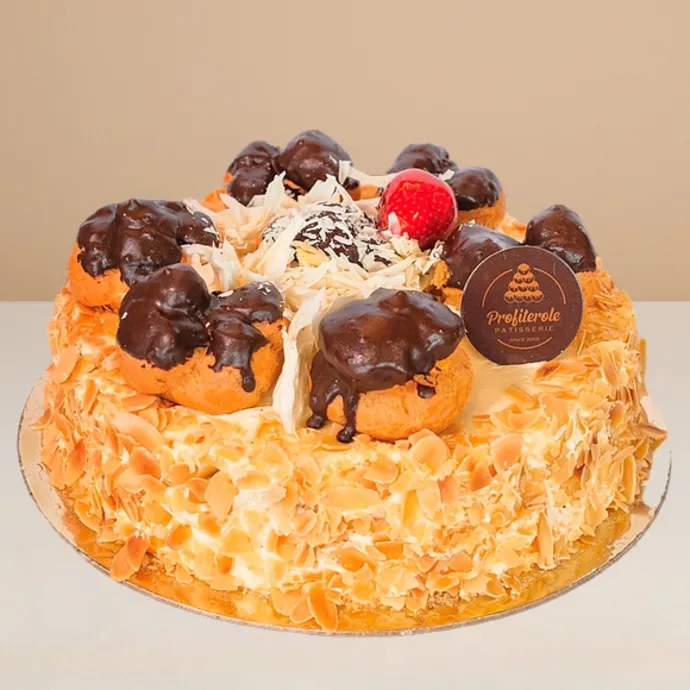
White Profiterole Cake
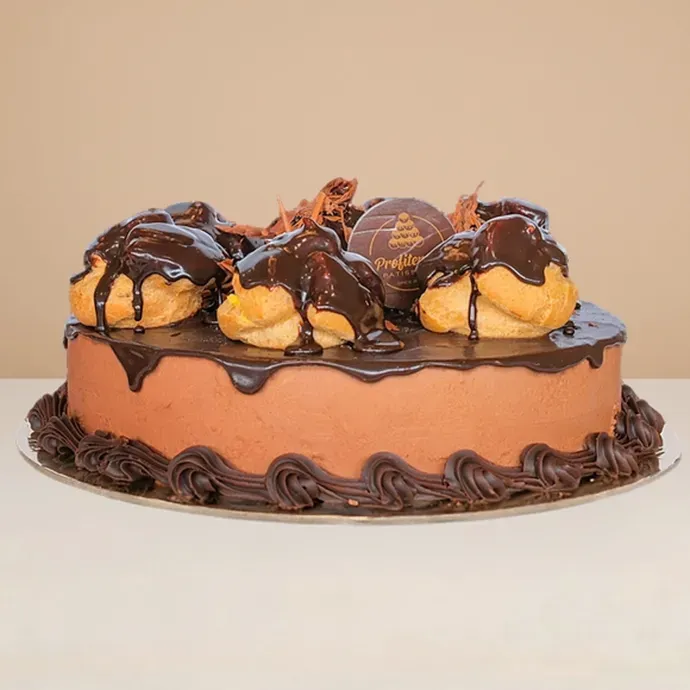
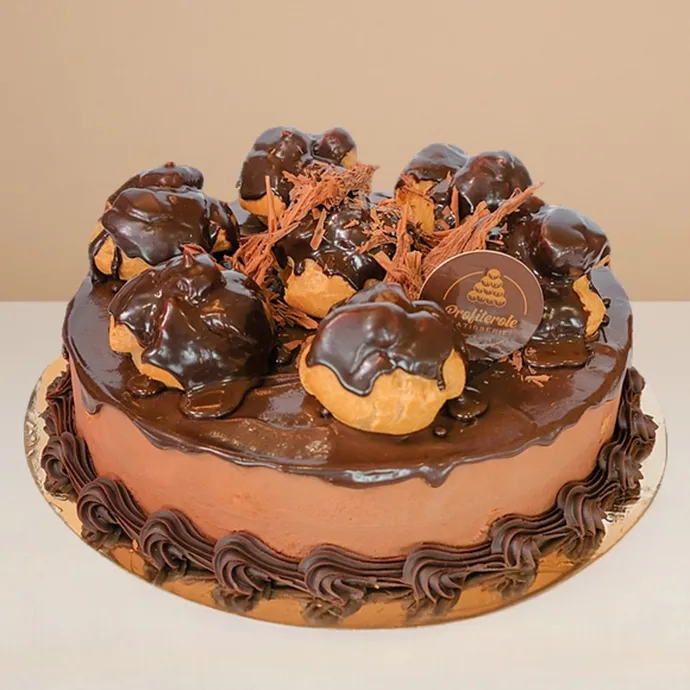
Mousse Profiterole Cake
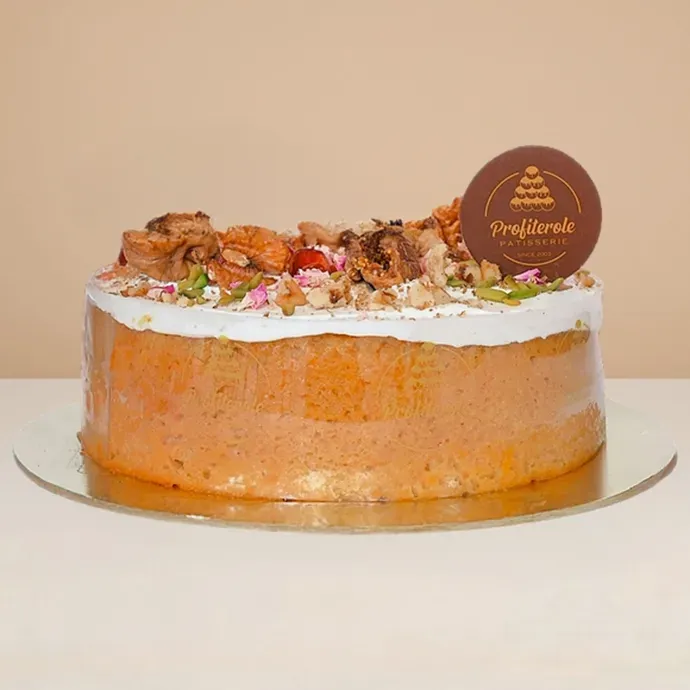
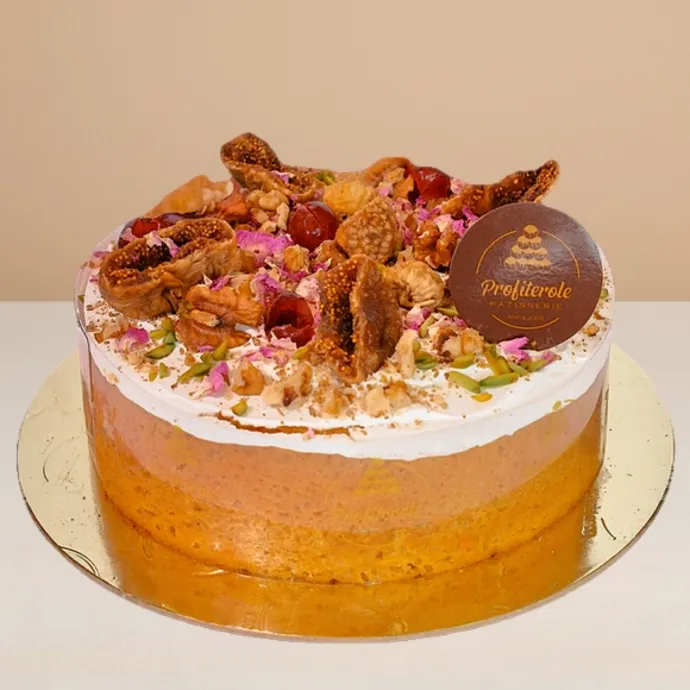
Orange Vegan Cake
Passionfruit Cheesecake
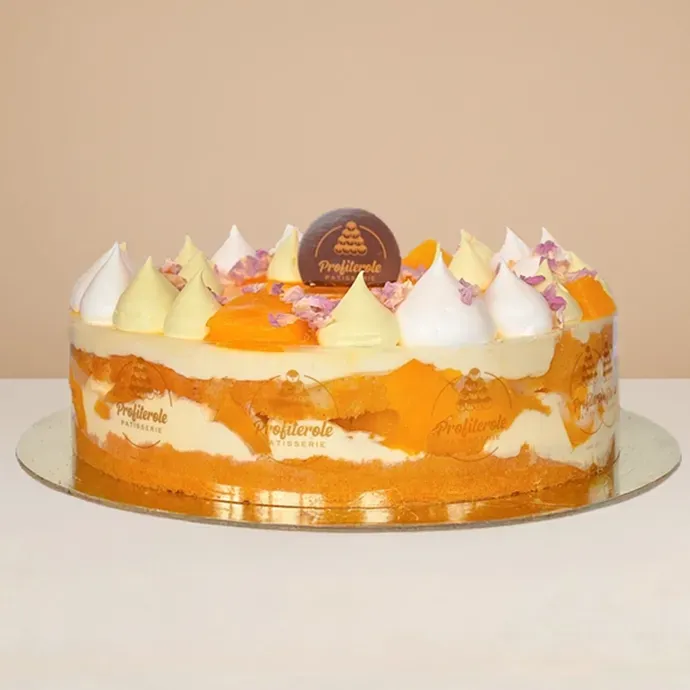
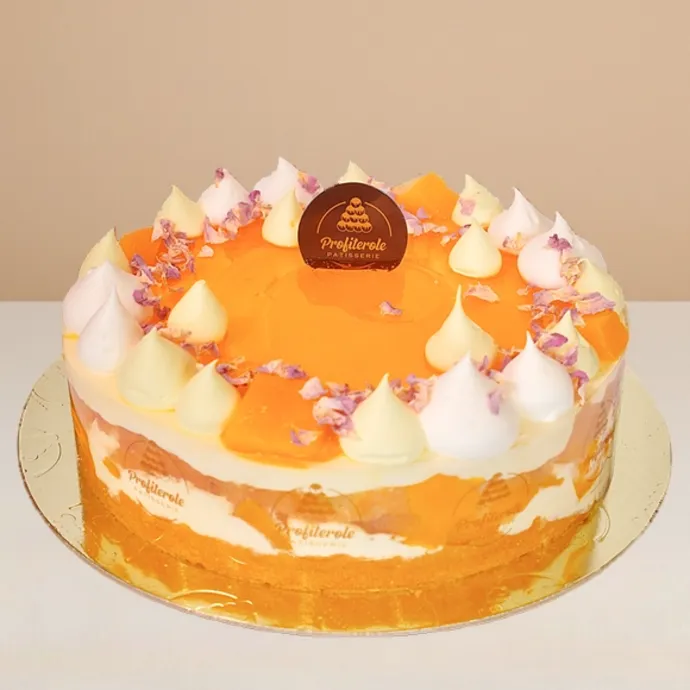
Mango Cake
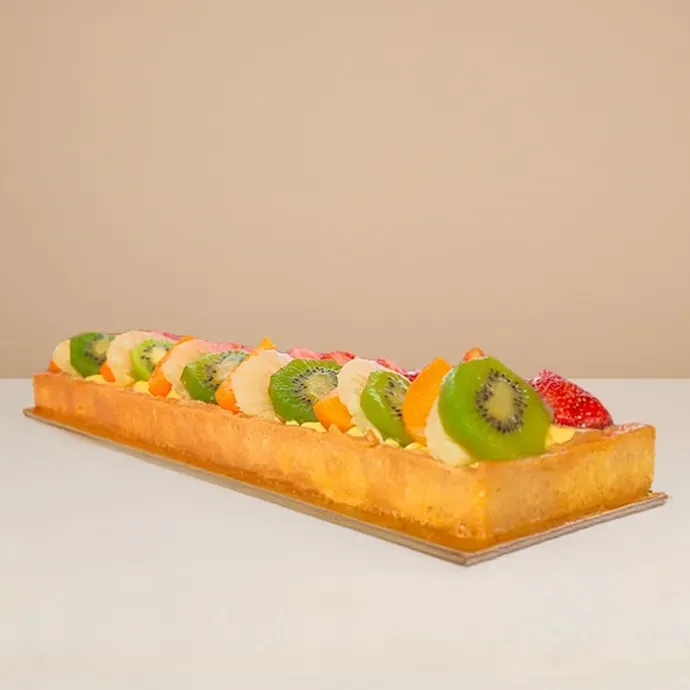
Fruit Cake - Log
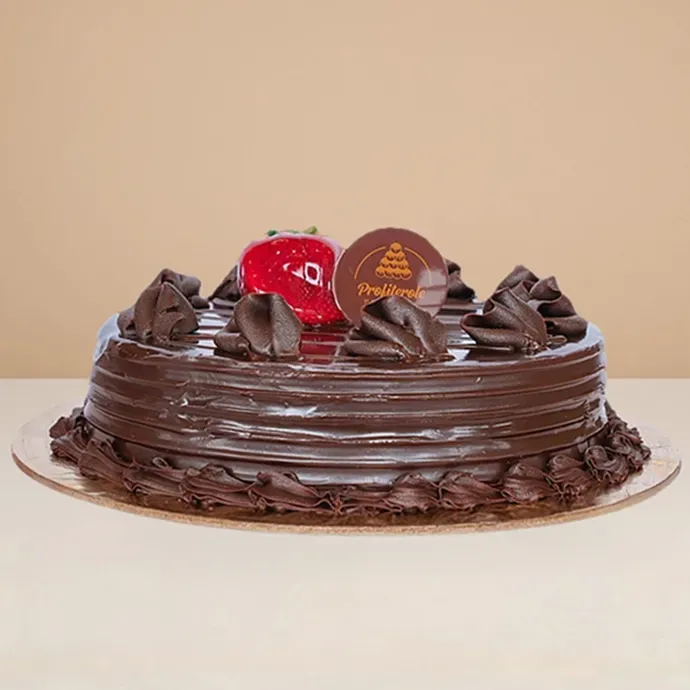
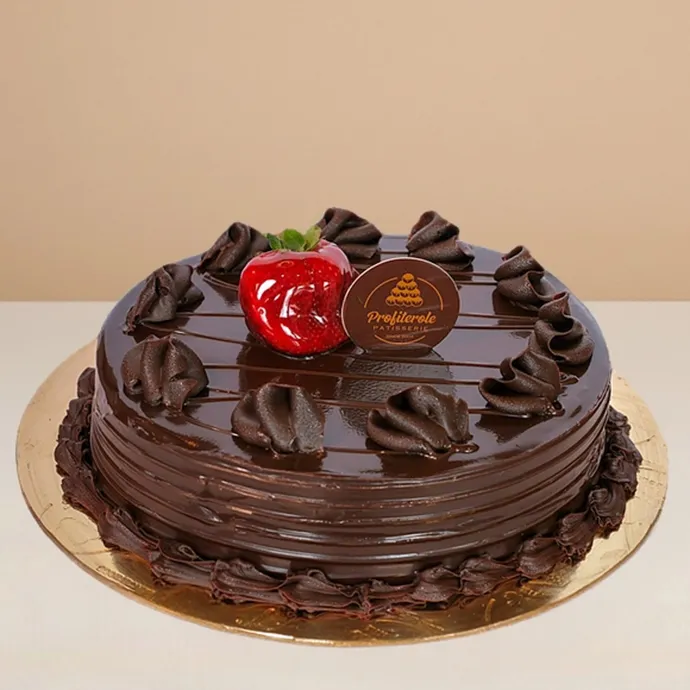
Chocolate Mud Cake
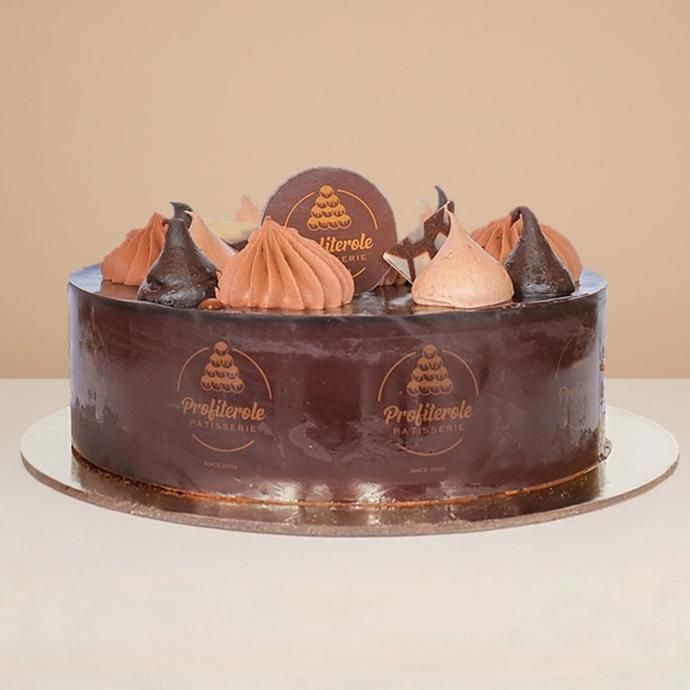
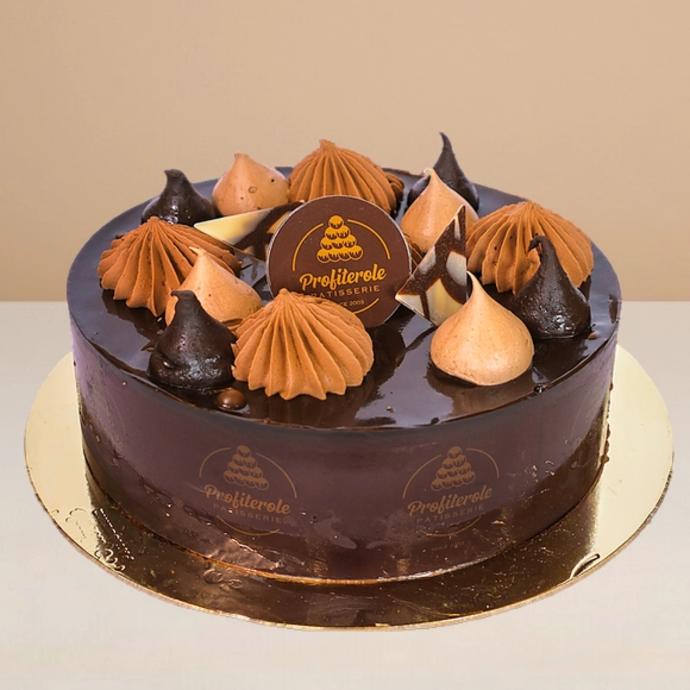
Chocolate Cake
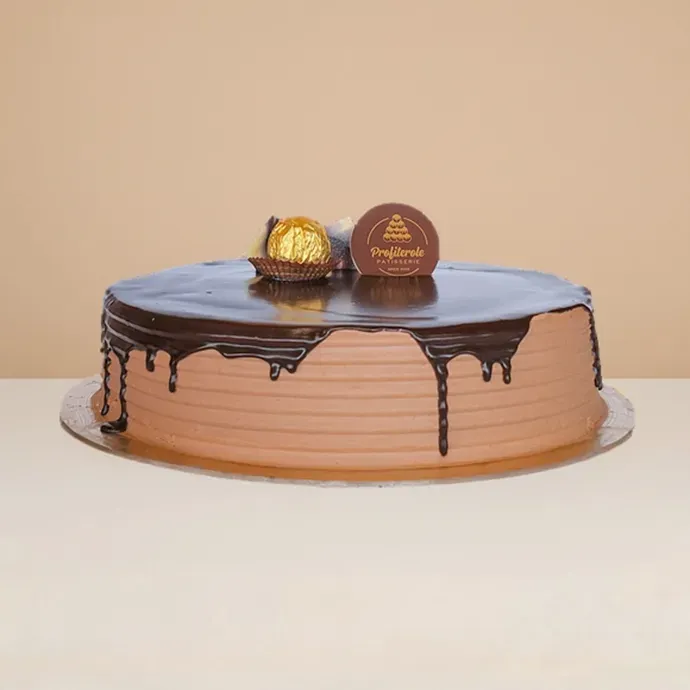
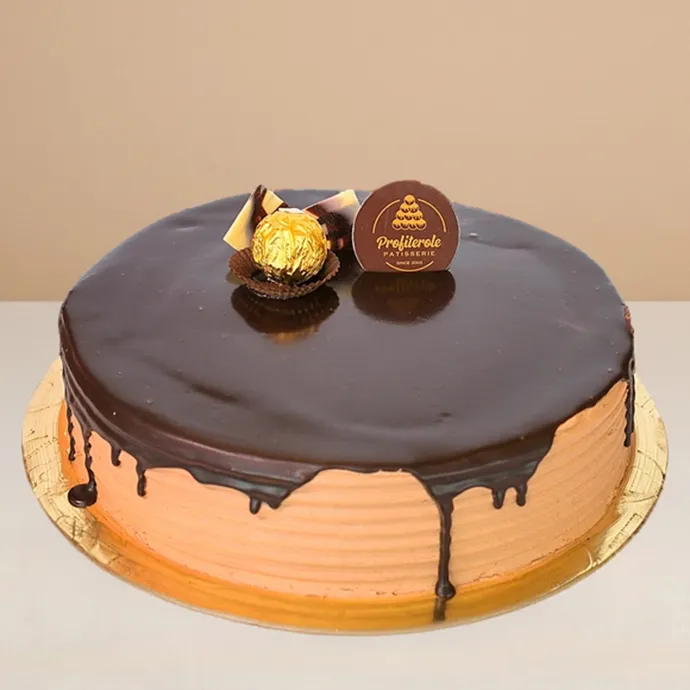
Ferrero Rocher Cake
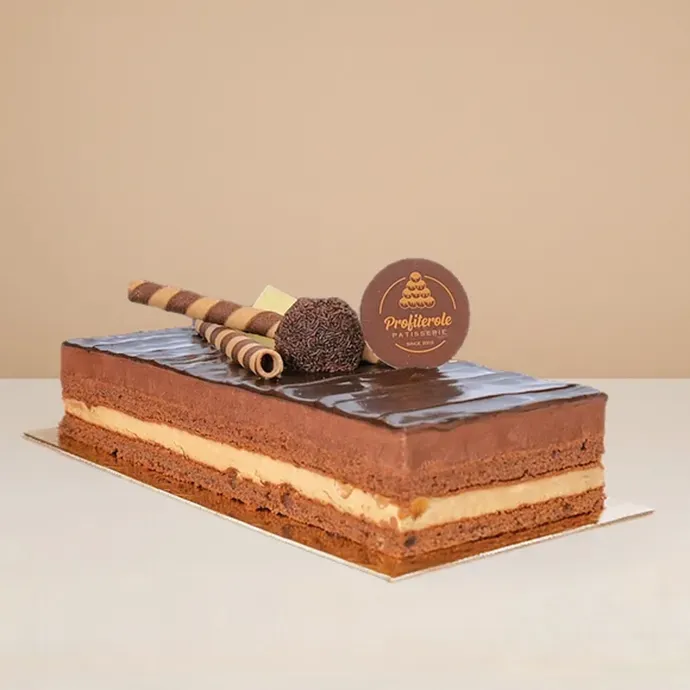
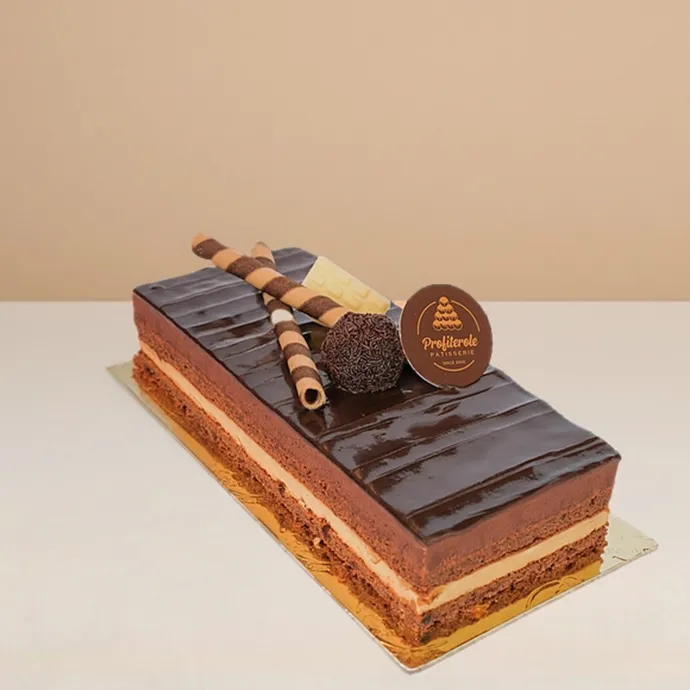
Trio Cake - Log
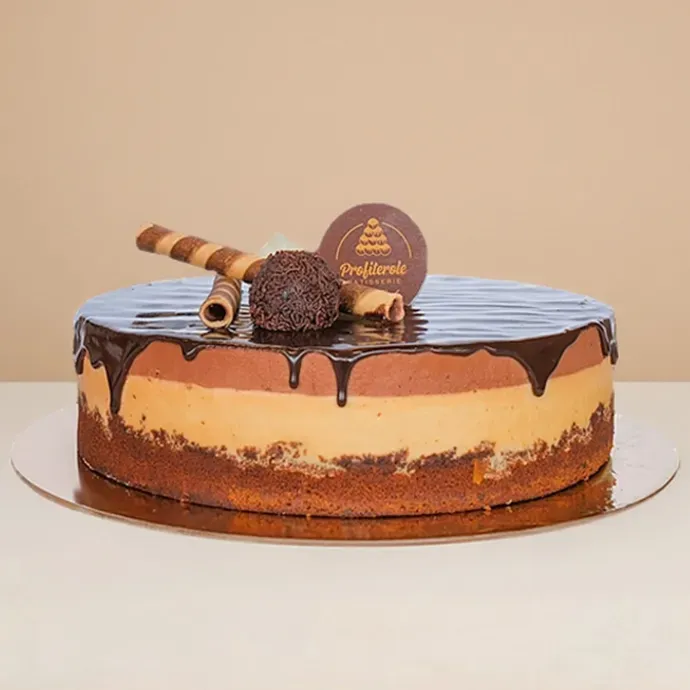
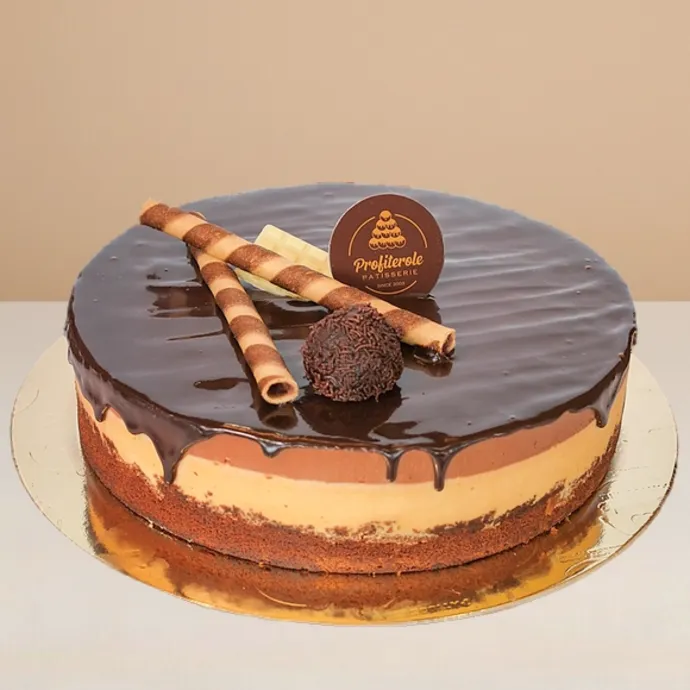
Trio Cake - Round
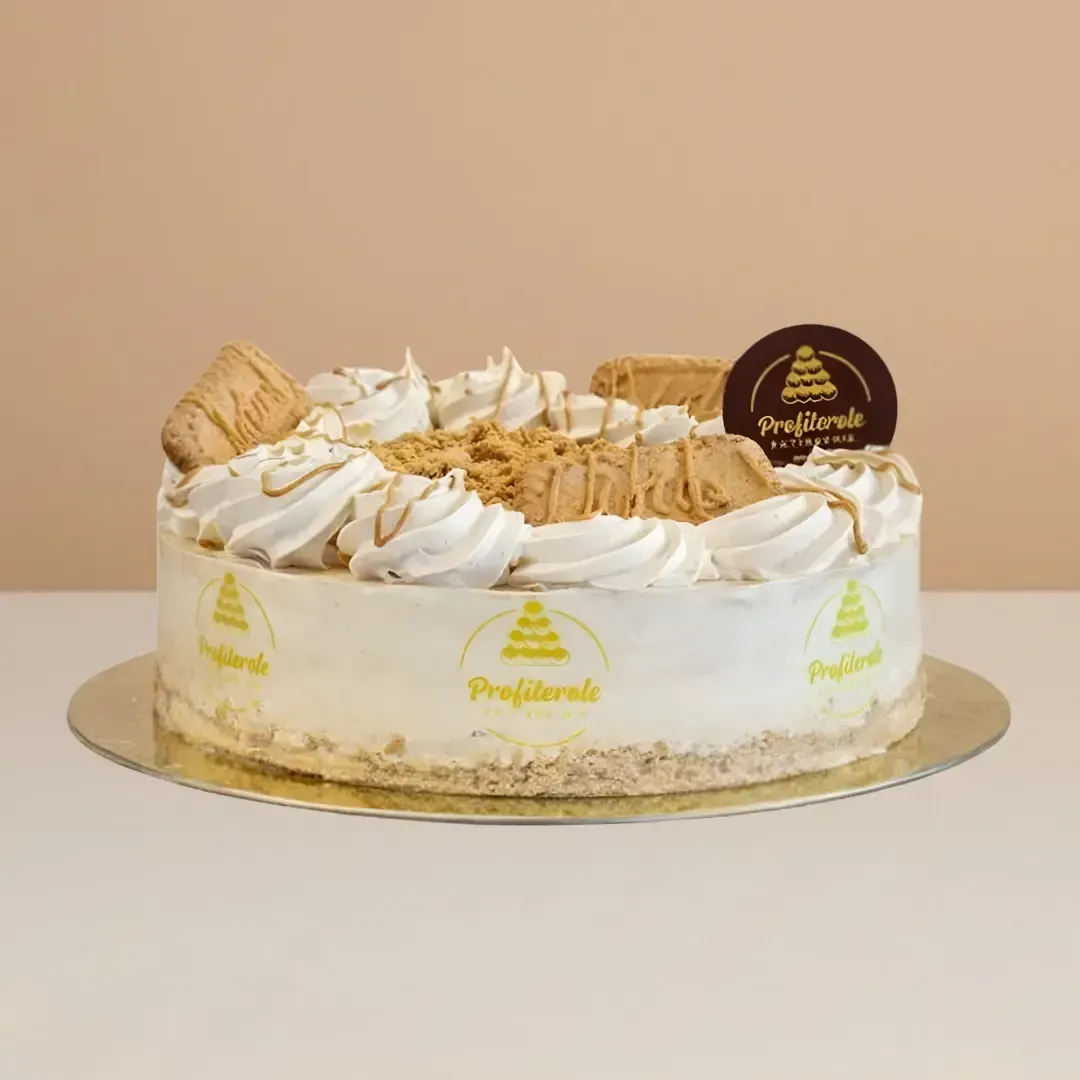
Lotus Biscoff Cheesecake
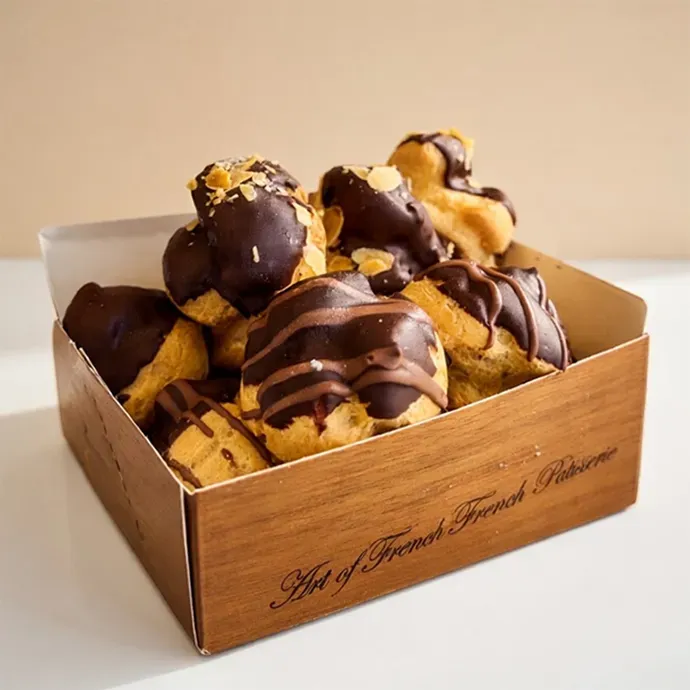
Assorted Profiteroles
Chocolate Mousse Cake
Black Forest Cake
Dubai Chocolate Cake
Profiterole Ice Cream Cake - 11 Pieces
Profiterole Ice Cream Cake - 14 Pieces
Profiterole Ice Cream Cake - 17 Pieces
Ashta Ice Cream Cake
Ashta Ice Cream Cake - Pistachio
Ice Cream Cake - Log
Oreo Ice Cream Cake
Ashta Ice Cream Bowl
Lotus Biscoff Ice Cream Bowl
Chocolate Swiss Roll Ice Cream Cake
Mango Swiss Roll Ice Cream Cake
Pistachio Raspberry Bliss Cake
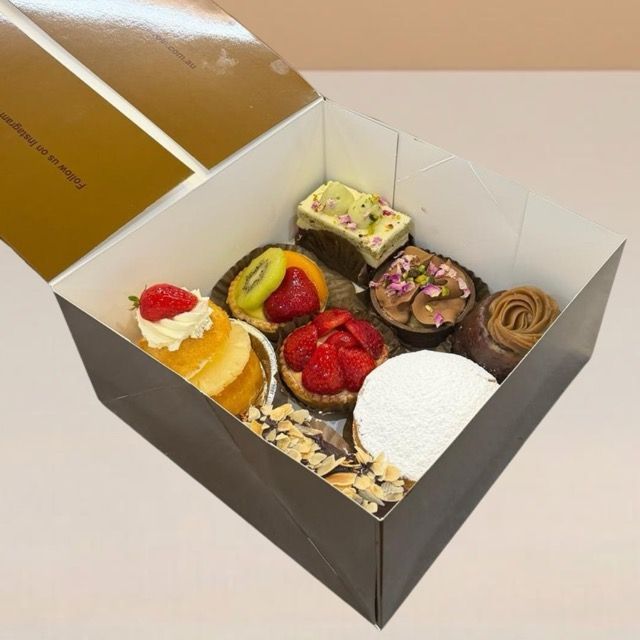
8 Exotic Sweet Pieces box
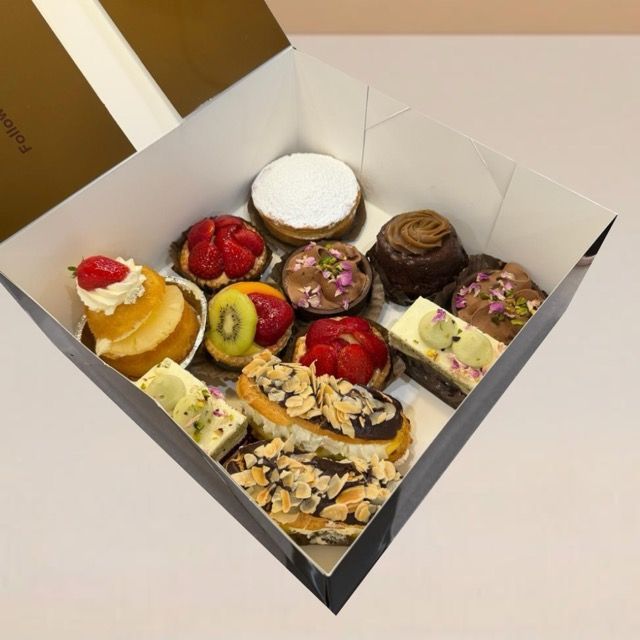
10 Exotic Sweet Pieces box
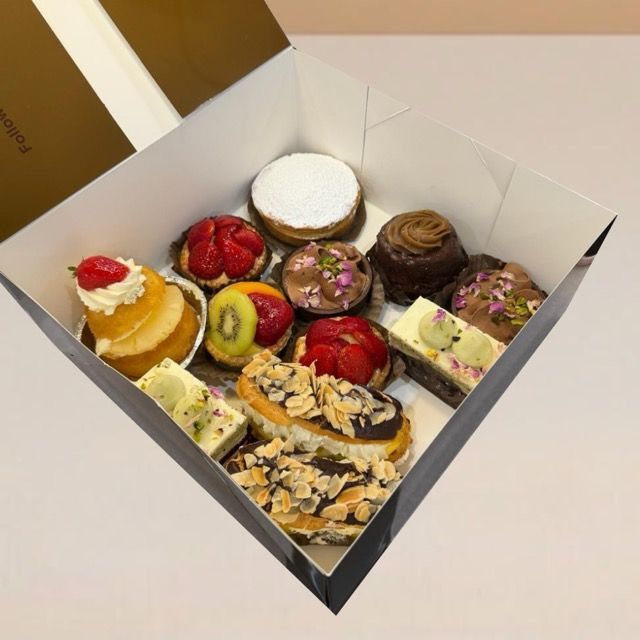
12 Exotic Sweet Pieces box