Can Dogs Eat Cake? Here's What You Need to Know
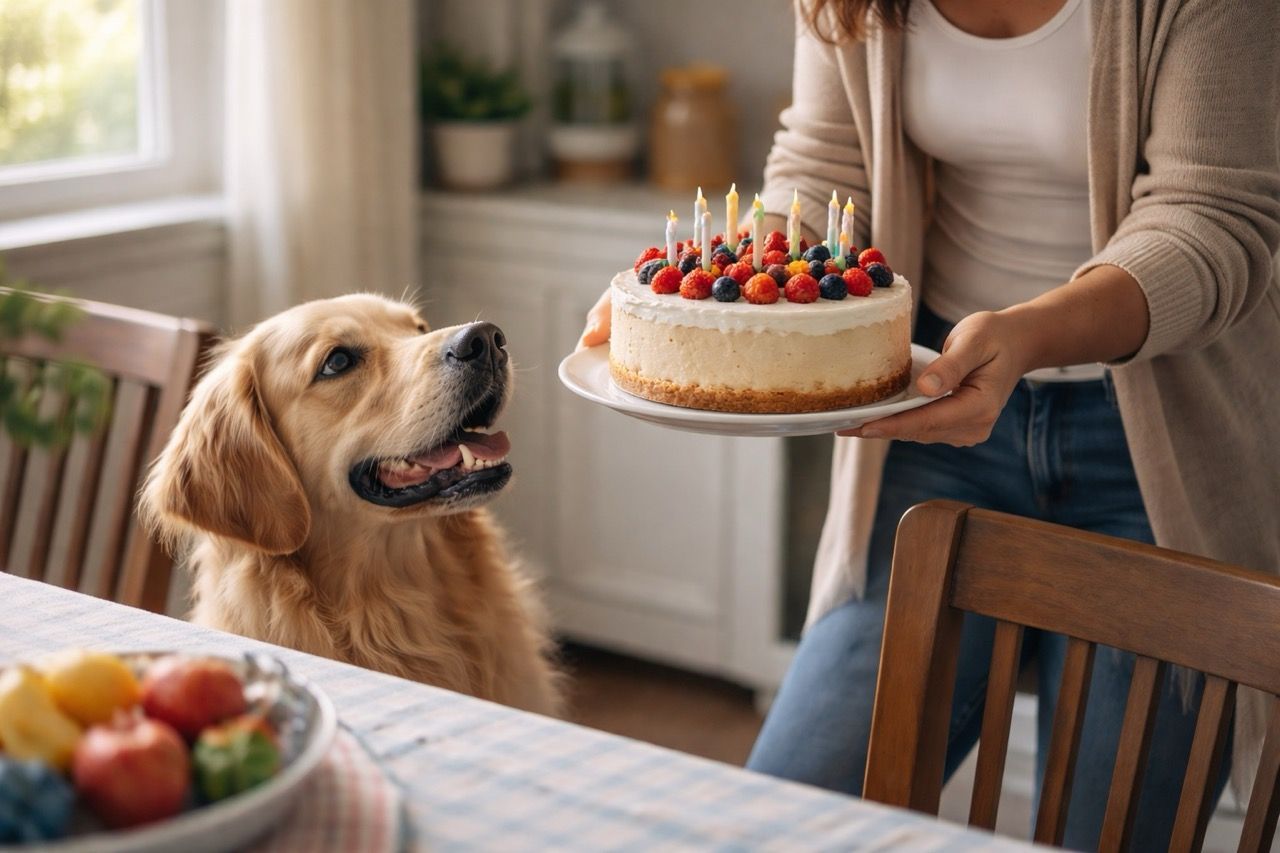
If you have ever celebrated a birthday at home with your dog nearby, you have probably seen those hopeful eyes staring at the cake. It is only natural to wonder if sharing a small bite is harmless.
While a small taste of plain cake is unlikely to harm a healthy dog, many cakes contain ingredients that can upset a dog’s stomach or even be toxic.
Understanding which ingredients are safe and which ones to avoid can help you protect your pet while still letting them enjoy a special treat on occasion.
Important: This article does not constitute medical advice. Seek your veterinarian's opinion first before feeding cake to your dog.
Quick answer: Can dogs eat cake?
Dogs should generally not eat regular cake made for humans because cakes often combine several rich ingredients.
The safest rule is simple: Human cakes should not be considered a regular treat for dogs.
However, small amounts of plain cake without chocolate or toxic ingredients may not cause harm, but cakes often contain sugar, fat, and additives that are not ideal for pets. The safest option is to give dogs treats that are specifically made for them.
But just in case your furry companion is really keen to know how that cake tastes, here's your comprehensive guide to know if the cake you're about to feed your bestfriend is safe for them.
Is cake toxic for dogs?
Cake itself is not automatically toxic to dogs. The risk usually comes from the ingredients used to make it.
Many cakes contain foods that veterinarians advise against feeding dogs. Chocolate is one of the most well known examples because it contains theobromine, a compound that dogs process much more slowly than humans. Even moderate amounts can cause symptoms such as vomiting, restlessness, or an increased heart rate.
Artificial sweeteners are another major concern. Xylitol, which is used in some sugar free foods, is extremely toxic to dogs. Veterinary organisations such as the ASPCA warn that even a very small amount can cause a dangerous drop in blood sugar and liver damage.
Cake ingredients that are bad for dogs
Several baking ingredients commonly found in cakes can be harmful to dogs. Some may cause mild digestive upset while others can lead to serious illness.
The following ingredients are widely recognised by veterinary organisations as unsafe for dogs.
| Ingredient | Why it is dangerous |
|---|---|
| Chocolate or cocoa | Contains theobromine which is toxic to dogs |
| Xylitol sweetener | Can cause rapid blood sugar drop and liver damage |
| Raisins or grapes | Linked to kidney failure in dogs |
| Macadamia nuts | Can cause weakness and digestive problems |
| Alcohol or rum flavouring | Toxic and dangerous for pets |
| High sugar frosting | Can lead to stomach upset or pancreatitis |
Even when a cake does not contain toxic ingredients, large amounts of sugar and fat can still upset a dog’s digestive system.
Cake flavours to avoid for dogs
Some cake flavours are more likely to contain unsafe ingredients. These should never be shared with pets.
Chocolate cake is the most obvious example. Any dessert containing cocoa powder, chocolate chips, or chocolate frosting should be kept away from dogs.
Coffee flavoured cakes also contain caffeine, which can affect a dog’s nervous system. Cakes made with raisins or alcohol soaked fruit can also be harmful.
Even cakes that sound harmless, such as carrot cake or red velvet cake, often contain cream cheese frosting, nutmeg, or large amounts of sugar. These ingredients are not toxic in all cases but they are still not ideal for dogs.
What cakes can dogs eat safely?
Dogs should only eat cakes that are specifically prepared with pet-safe ingredients.
These dog friendly cakes usually contain simple ingredients such as pumpkin puree, oats, banana, or unsweetened peanut butter. These ingredients provide flavour without introducing harmful substances like chocolate or artificial sweeteners.
Pet bakeries and homemade recipes often use ingredients that are easier for dogs to digest. For example, many dog safe cakes replace sugar with natural sweetness from fruits such as banana or apple.
If you want your dog to join the celebration, the safest choice is a treat designed for dogs rather than a slice of regular cake.
Baking ingredients that are safe for dogs
Some common baking ingredients are generally considered safe for dogs when used in moderation. These ingredients are often used in homemade dog treats.
| Ingredient | Why it works for dog treats |
|---|---|
| Pumpkin puree | Gentle on digestion and rich in fibre |
| Banana | Naturally sweet and easy to digest |
| Plain oats | Provides fibre and texture |
| Eggs | Good source of protein |
| Unsweetened peanut butter | Popular flavour for dog treats |
| Applesauce | Adds moisture without added sugar |
Safe alternatives to feed dogs instead of cake
If your dog is watching the birthday cake with interest, there are several safer ways to include them in the celebration:
- Fresh fruit such as apple slices or blueberries can be a healthy occasional snack for many dogs.
- Plain yogurt frozen with fruit can also make a refreshing treat.
Some owners prepare simple dog friendly cakes using ingredients like pumpkin, banana, or peanut butter. These treats allow pets to enjoy the moment without the risks associated with human desserts.
Another option is to buy a dog birthday cake from a specialised pet bakery. These cakes are designed with canine digestion in mind and avoid the ingredients that can harm dogs.
Conclusion: Celebrating safely with your dog
Dogs are part of the family, so it is natural to want them included in birthdays and special moments. Sharing food with pets can feel like a gesture of love, but it is important to remember that dogs process ingredients very differently from humans.
Understanding which cake ingredients are dangerous and which foods are safer helps you protect your dog while still making celebrations fun. With a little planning, your pet can enjoy a treat of their own without the risks that come with traditional desserts.
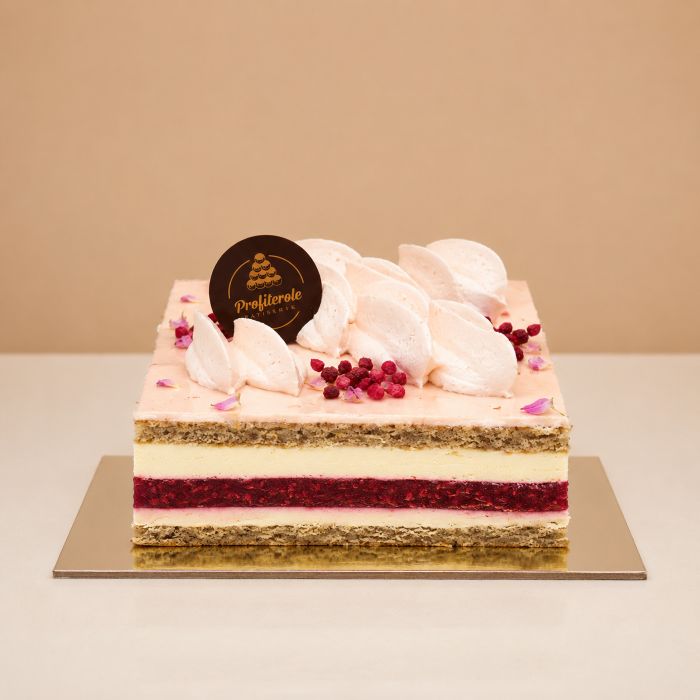
At Profiterole Patisserie we believe cakes are made for celebrating life’s special moments. While our cakes are crafted for people to enjoy, we always love seeing families gather together around dessert, including the furry companions who make those moments even more memorable.
Publish date: 09/03/2026
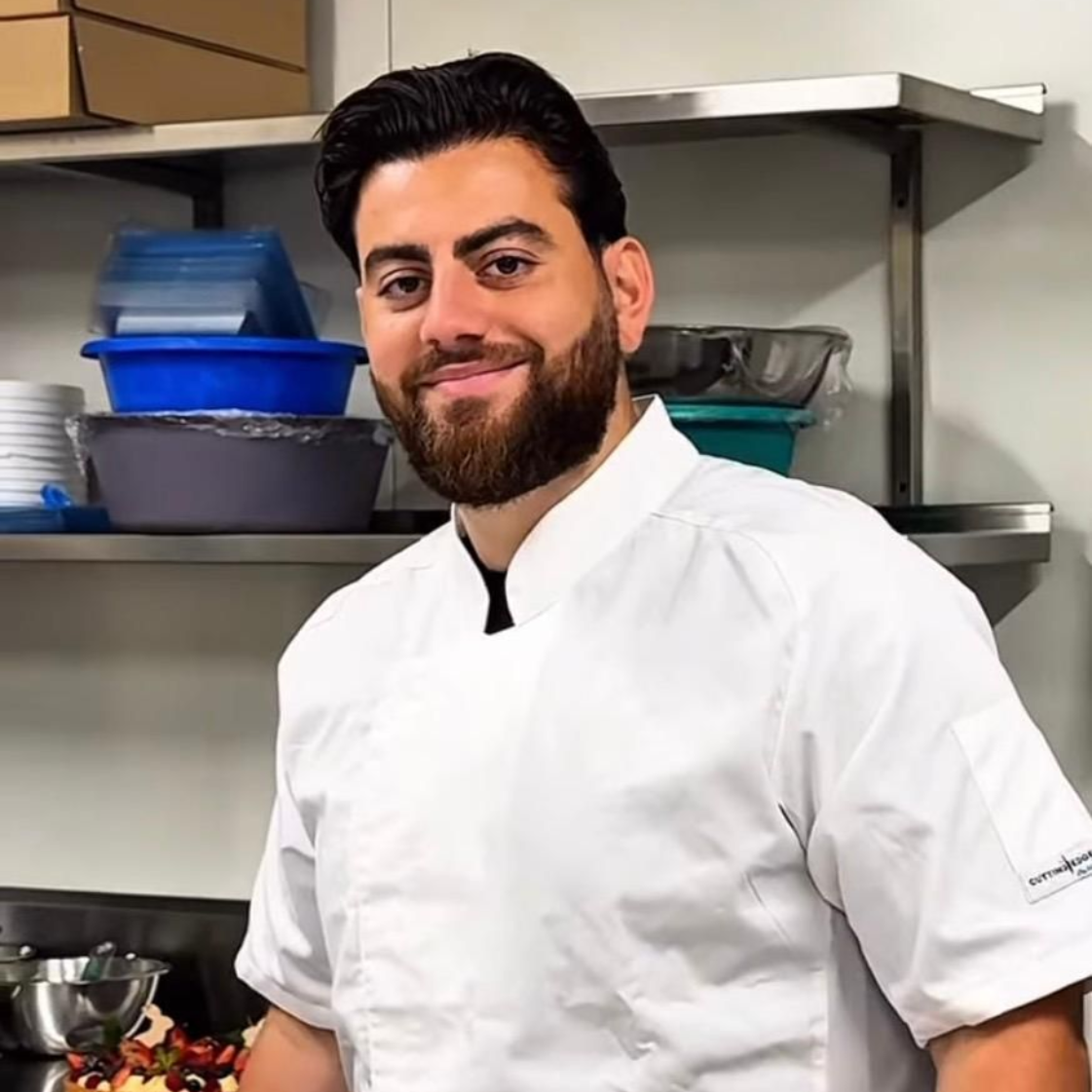
Joey Yaccoub
Head Baker & Operations Manager, Profiterole Patisserie
Joey Yaccoub is the Head Baker at Profiterole Patisserie, bringing over a decade of hands-on experience in artisan cake design and pastry craftsmanship.
He oversees recipe development, product quality, and daily operations across all store locations, ensuring every cake meets the brand’s standards for flavour, presentation, and consistency.
FAQs
Can dogs eat cake safely?
Dogs should generally not eat cake made for humans. Many cakes contain chocolate, artificial sweeteners, or large amounts of sugar and fat that can upset a dog’s stomach or even be toxic. It is safer to give dogs treats designed specifically for pets.
What cakes can dogs eat?
Dogs can eat cakes that are made with dog safe ingredients such as pumpkin, oats, banana, eggs, and unsweetened peanut butter. These recipes avoid harmful ingredients and are designed for canine digestion.
Which cake ingredients are toxic for dogs?
Chocolate, cocoa powder, xylitol sweetener, raisins, grapes, macadamia nuts, alcohol, and caffeine are all dangerous for dogs. These ingredients should never be included in treats for pets.
Are there baking ingredients that are safe for dogs?
Yes. Ingredients such as pumpkin puree, banana, oats, eggs, and plain peanut butter are commonly used in dog treats and are generally safe in moderate amounts.
What can I give my dog instead of cake?
Instead of cake you can offer dogs treats such as apple slices, blueberries, frozen yogurt made from plain yogurt, or homemade dog biscuits made with pumpkin or peanut butter.
While we don't recomment feeding cakes to dogs, our cakes are highly recommended for YOU! Check them out:
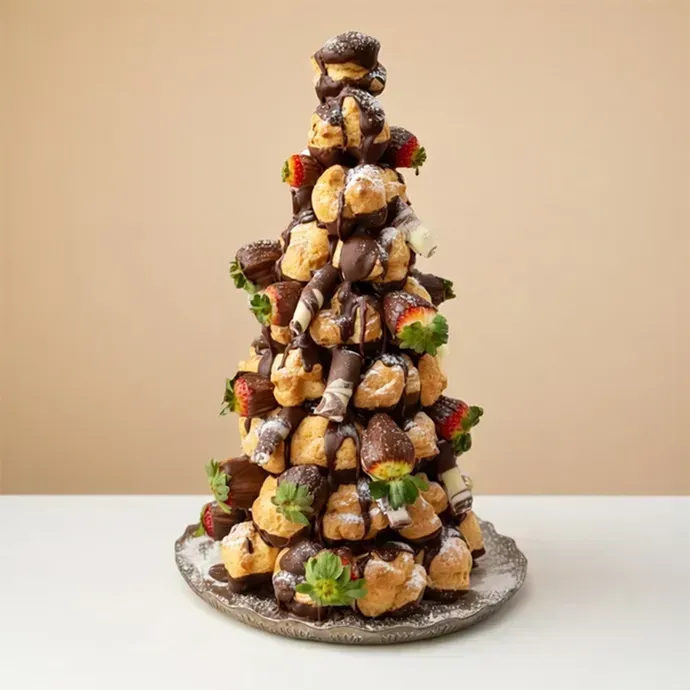
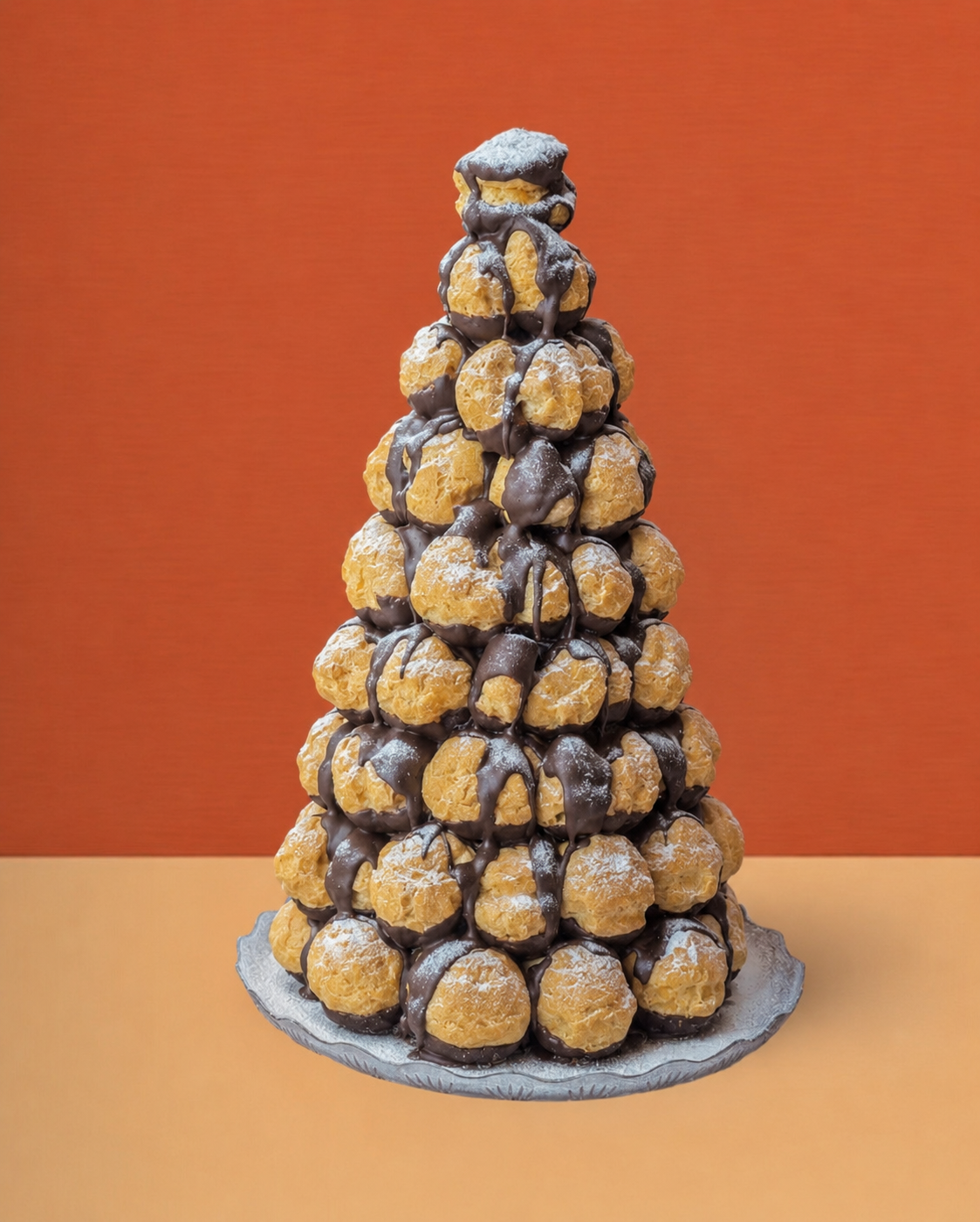
Profiterole Tower - Classic Chocolate
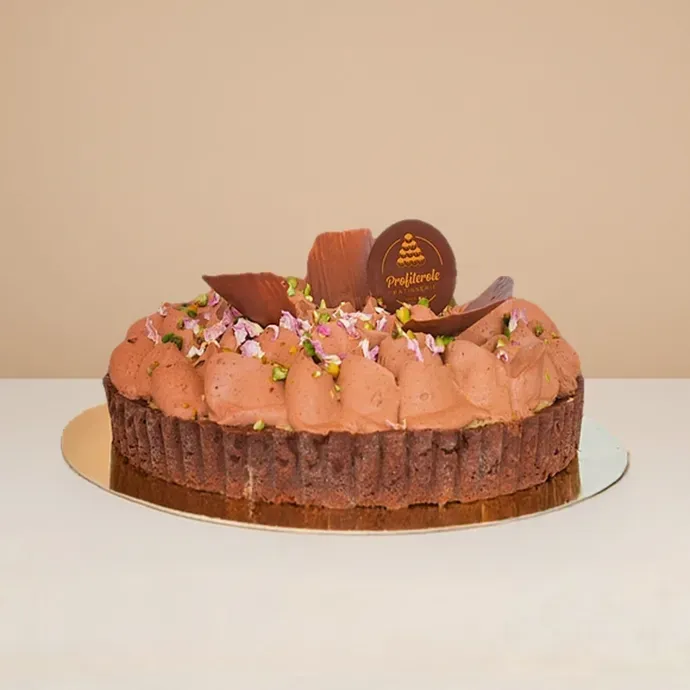
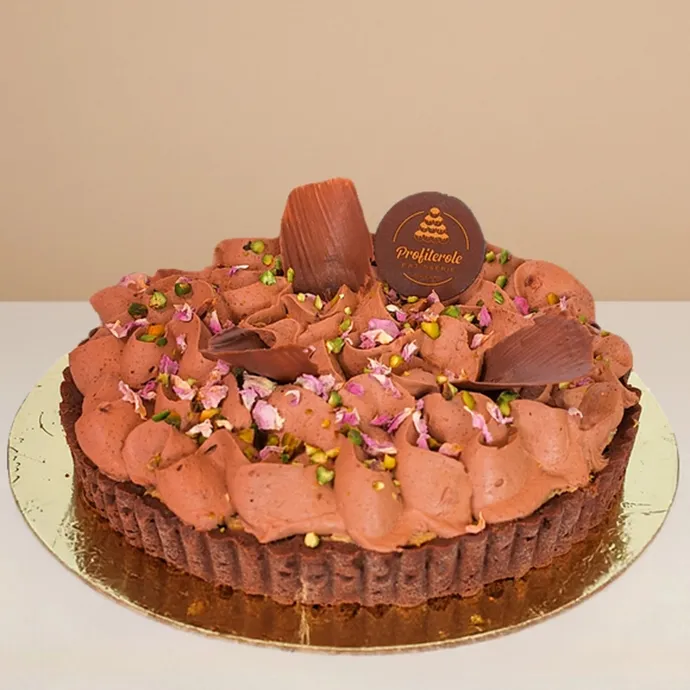
Dubai Chocolate Cake
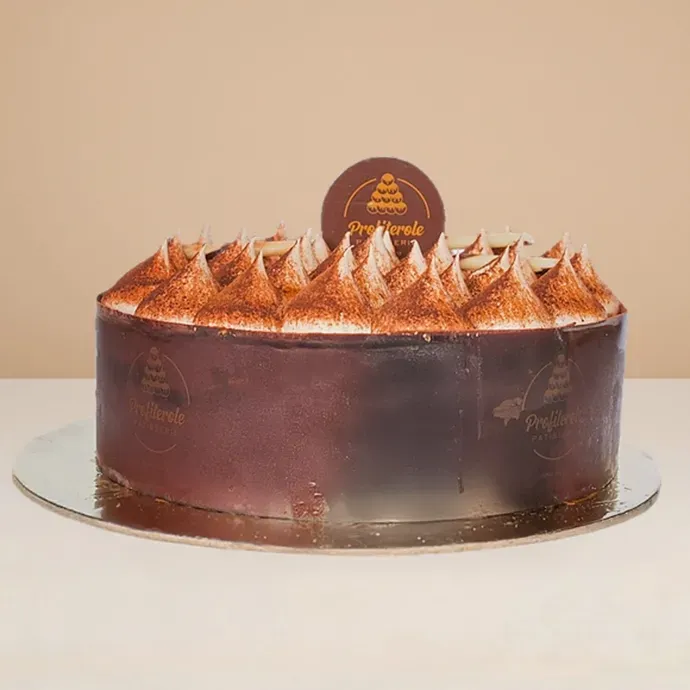
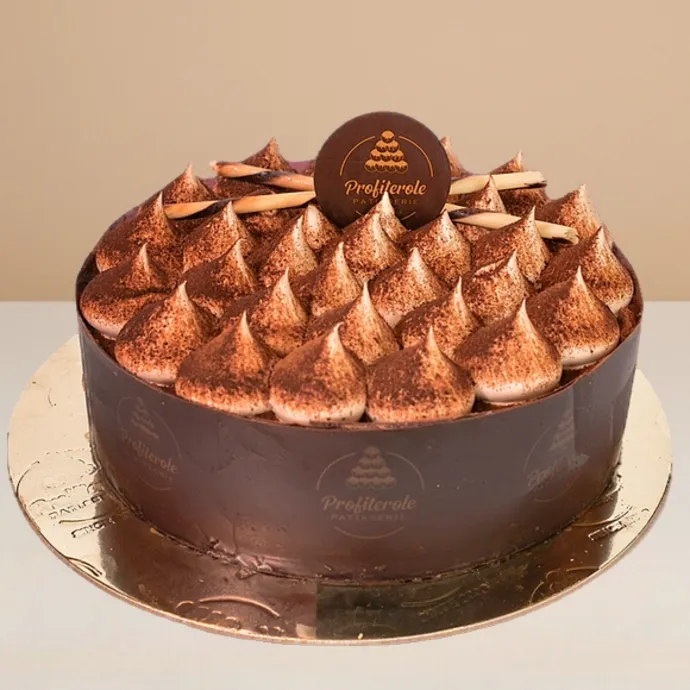
Tiramisu Cake
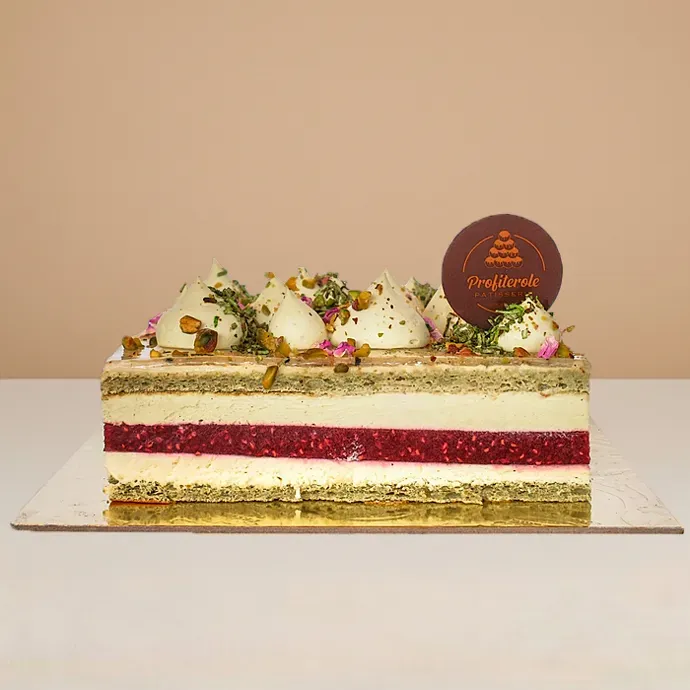
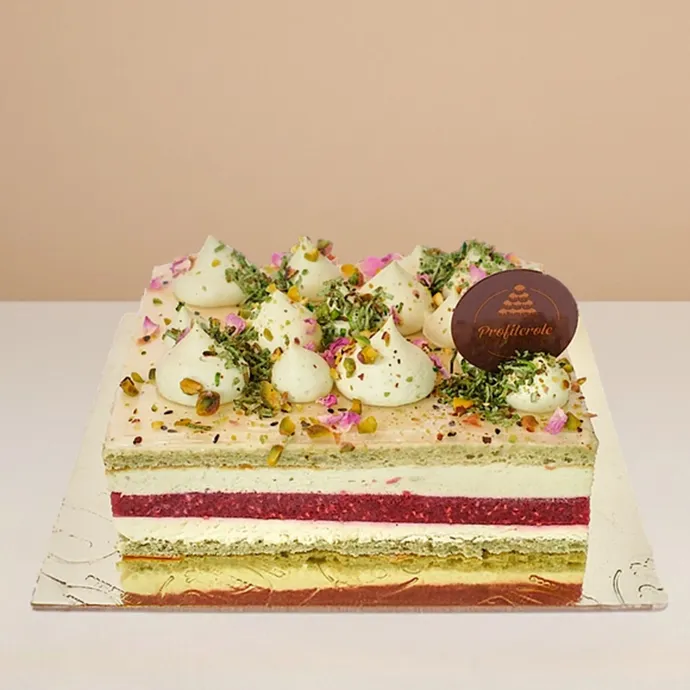
Pistachio Raspberry Bliss Cake
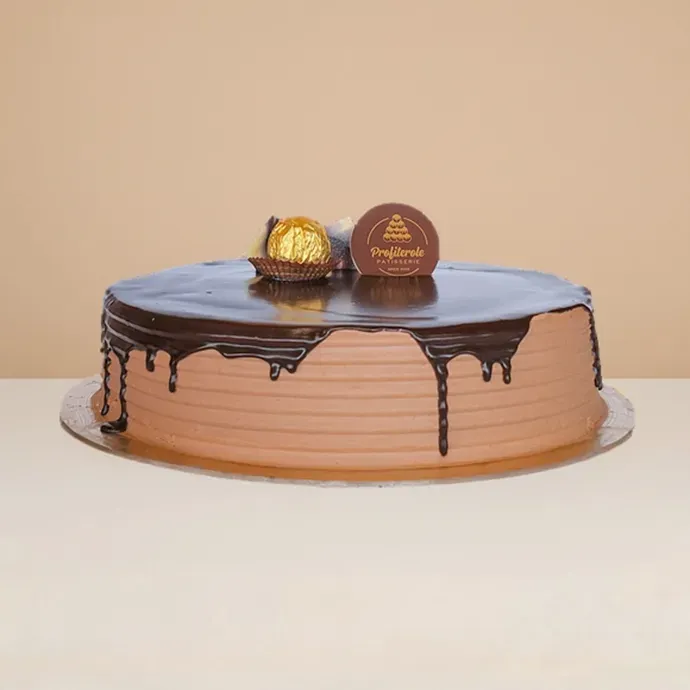
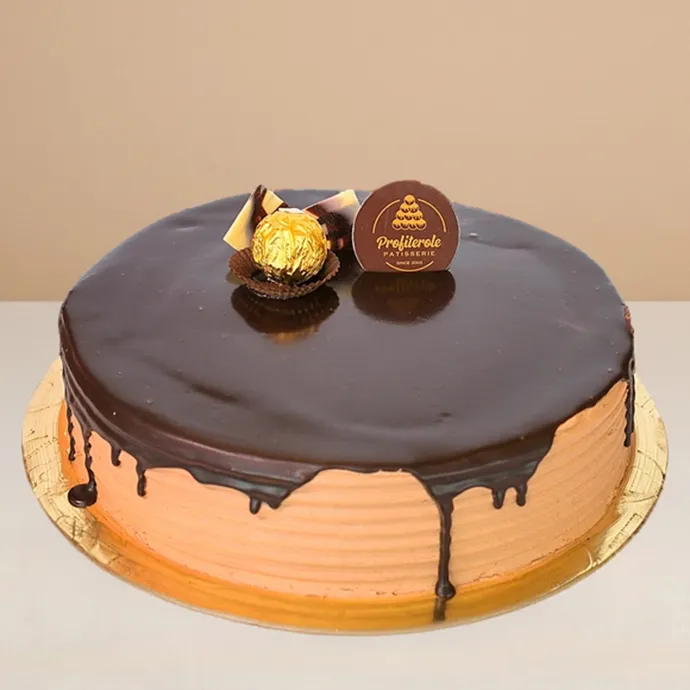
Ferrero Rocher Cake
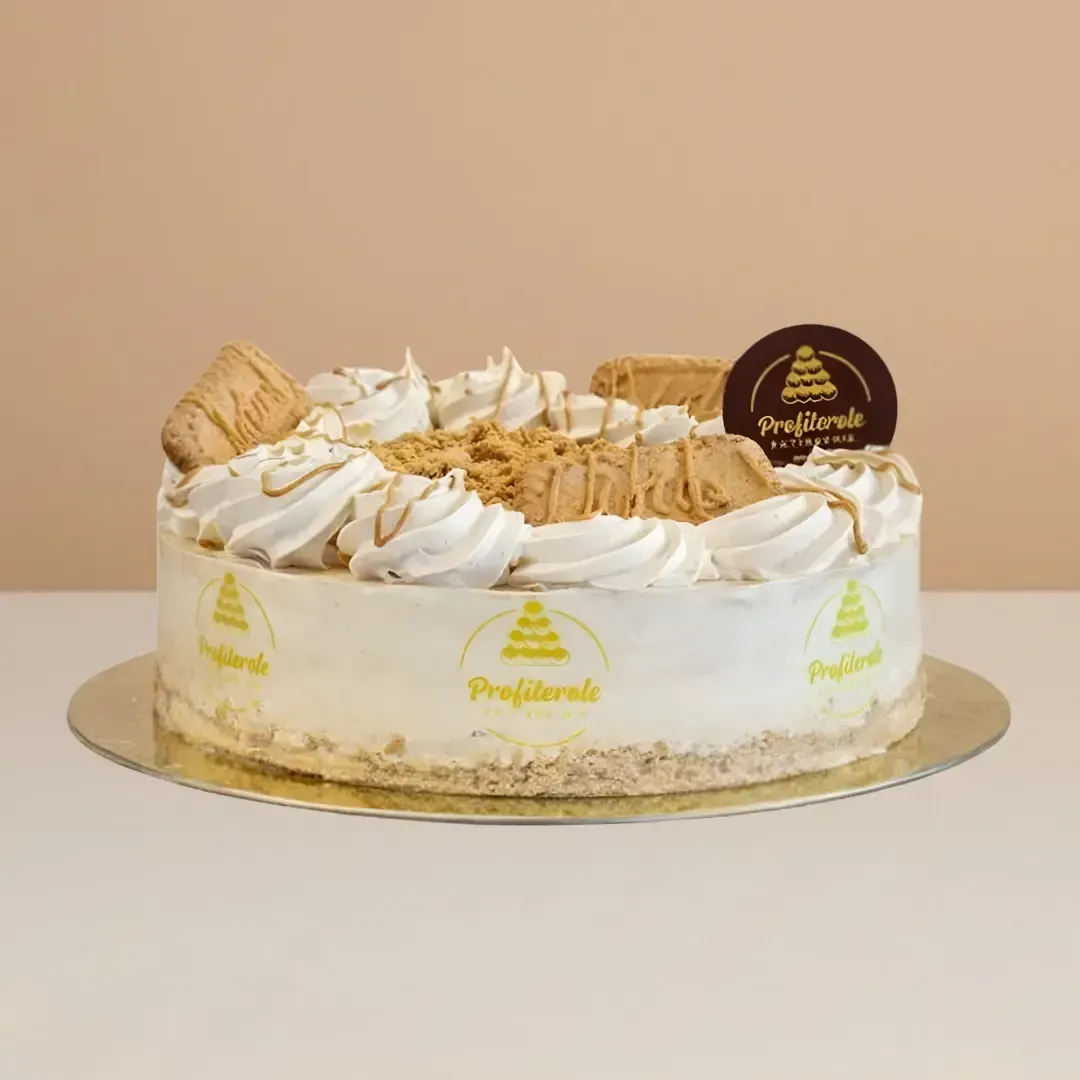
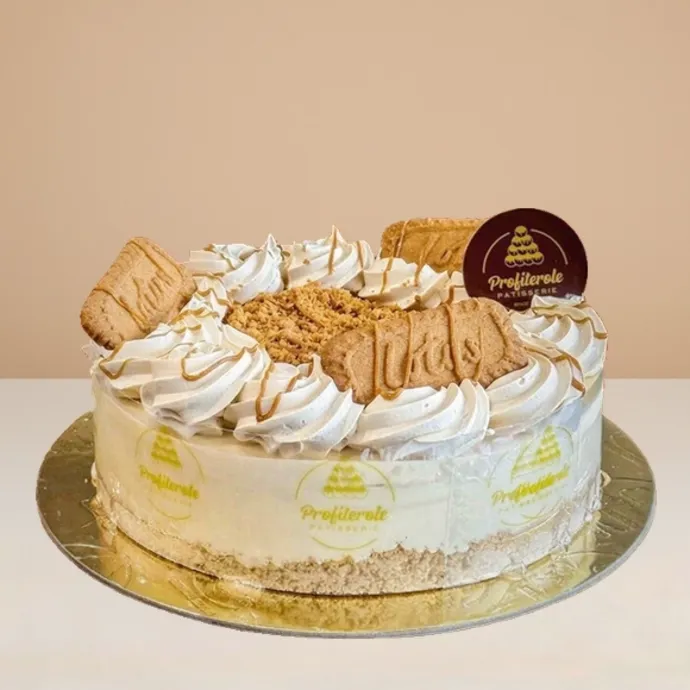
Lotus Biscoff Cheesecake
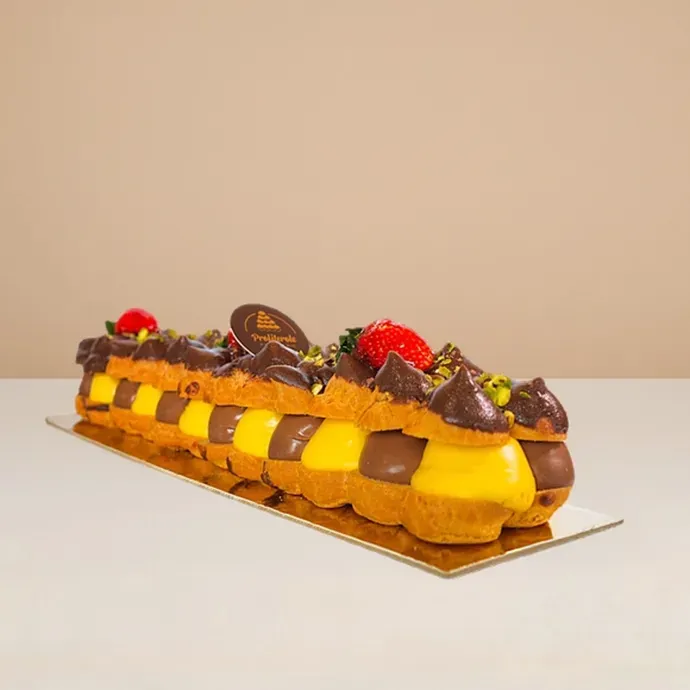
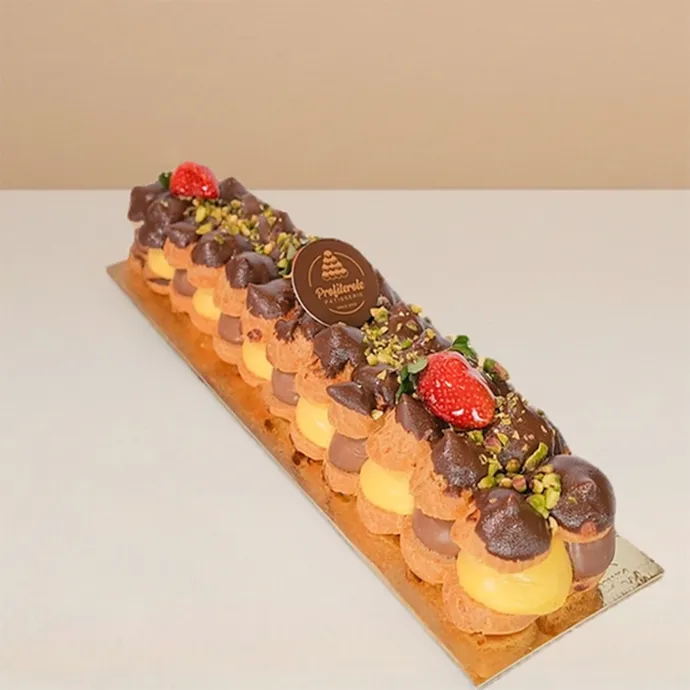
Profiterole Log Cake
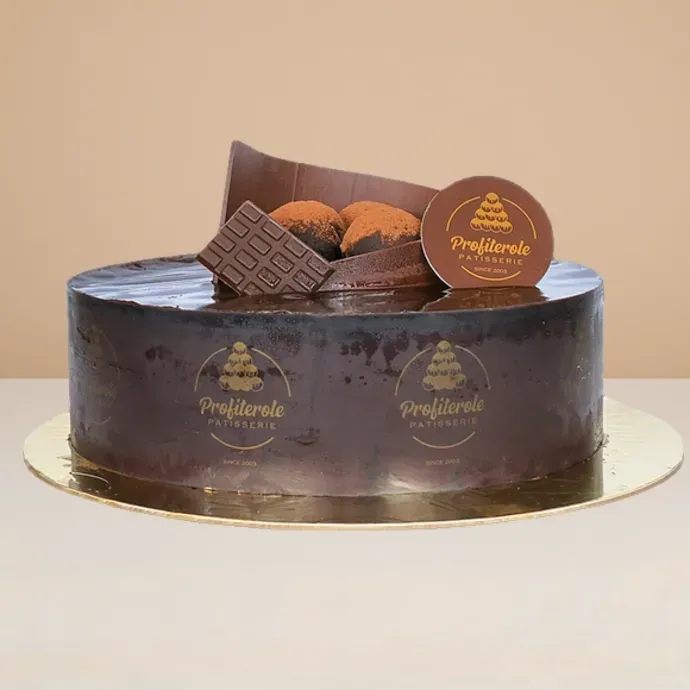
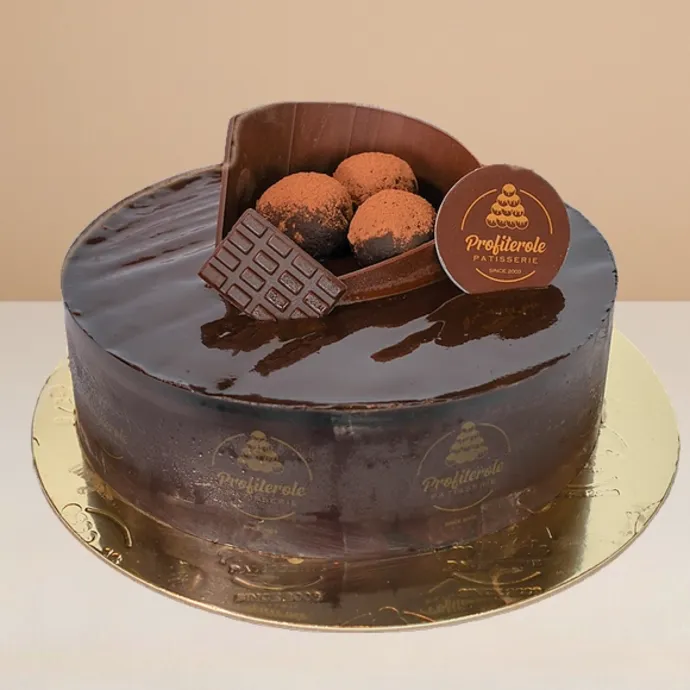
Chocolate Mousse Cake
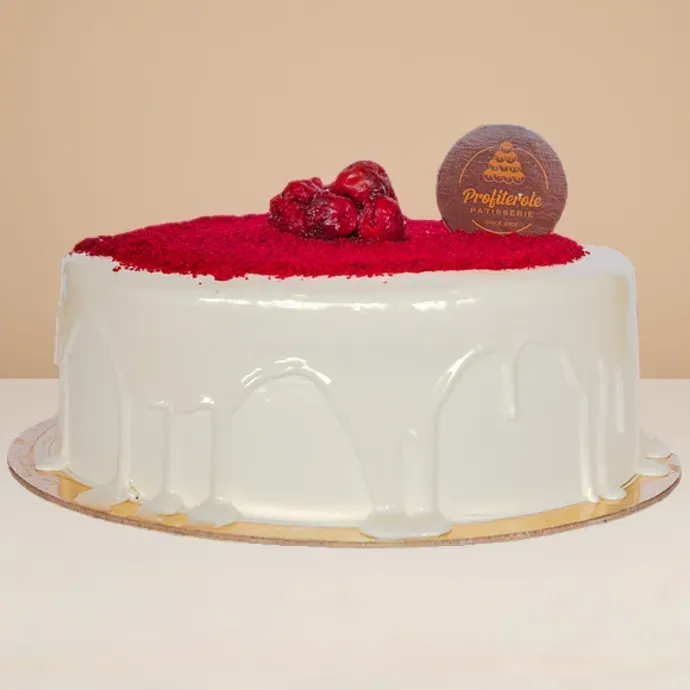
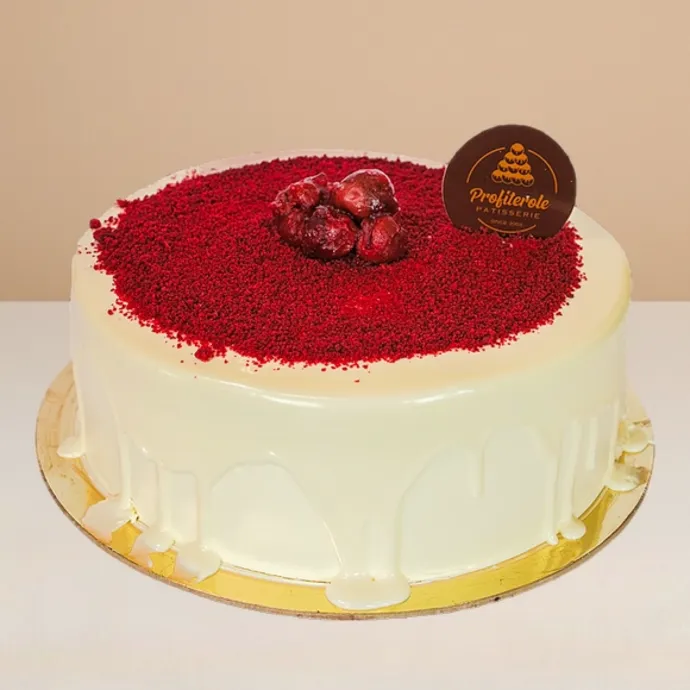
Red Velvet Cake
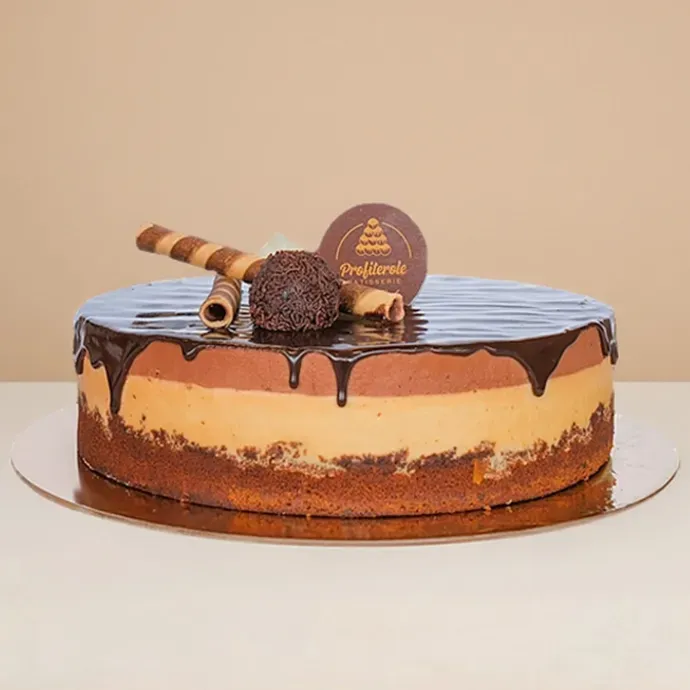
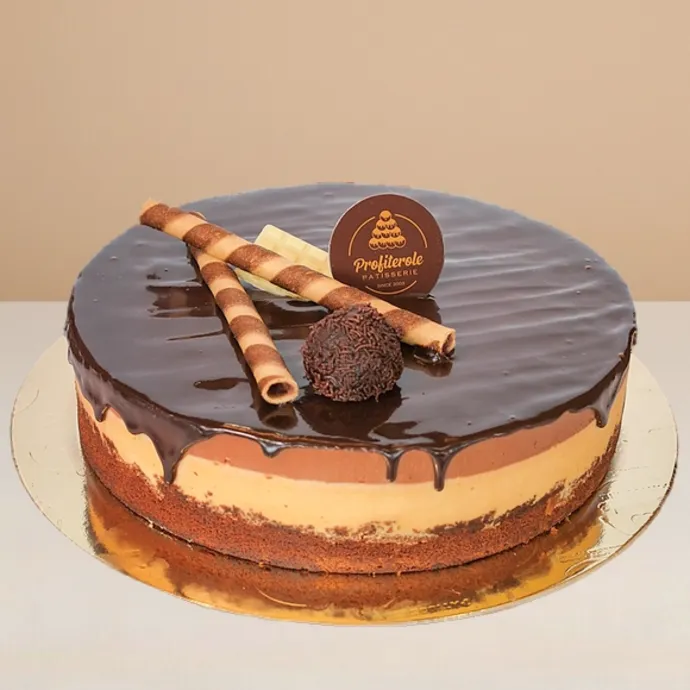
Trio Cake - Round
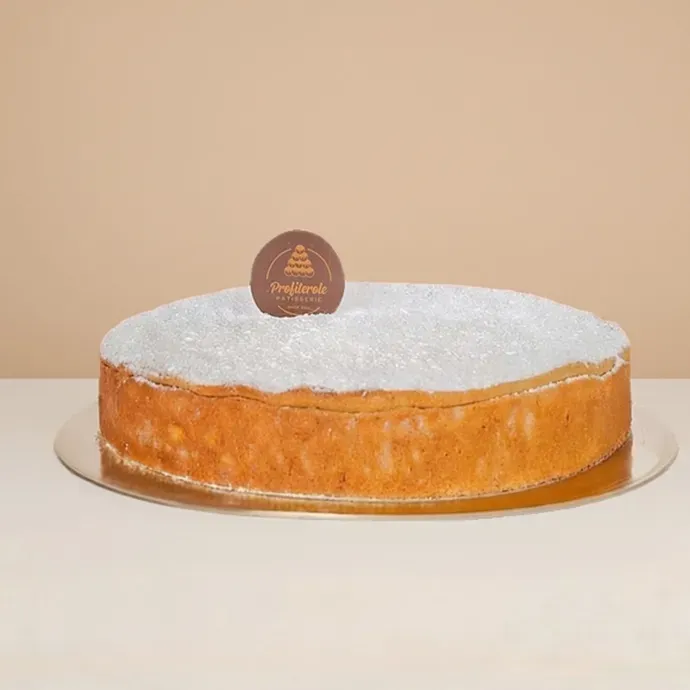
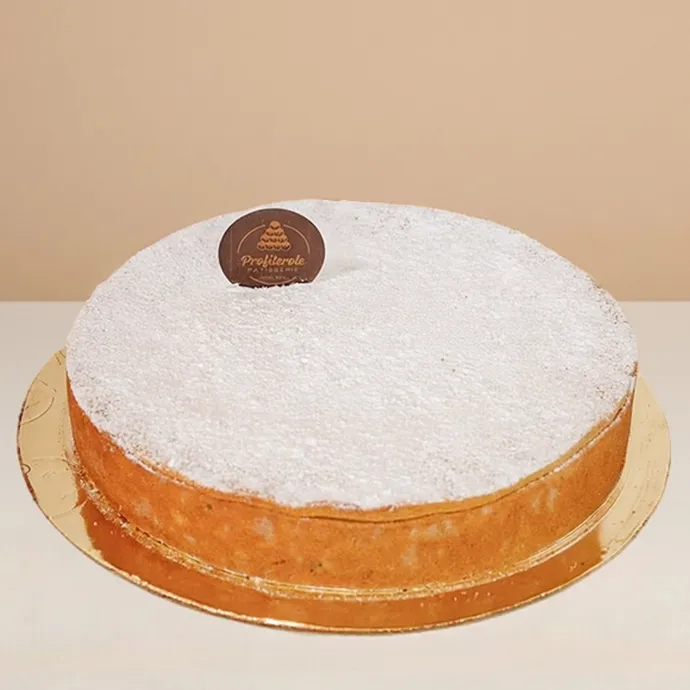
Baked Ricotta Cheesecake
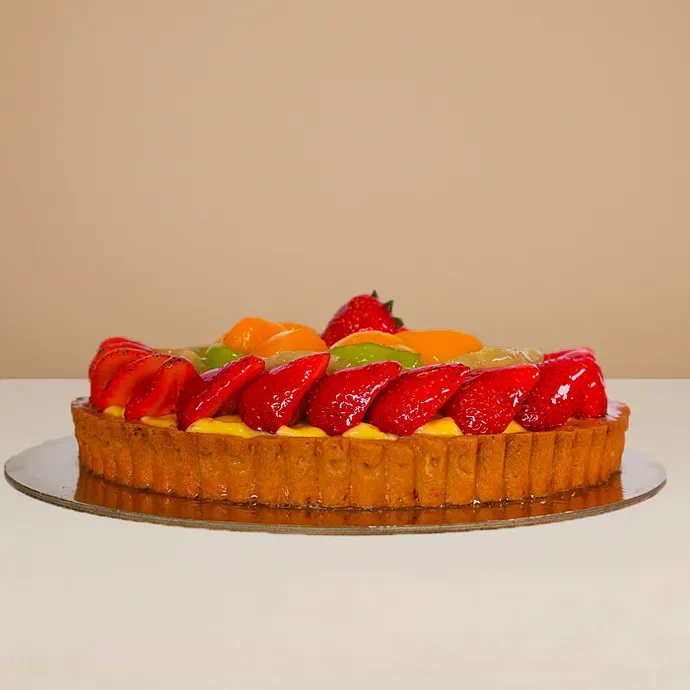
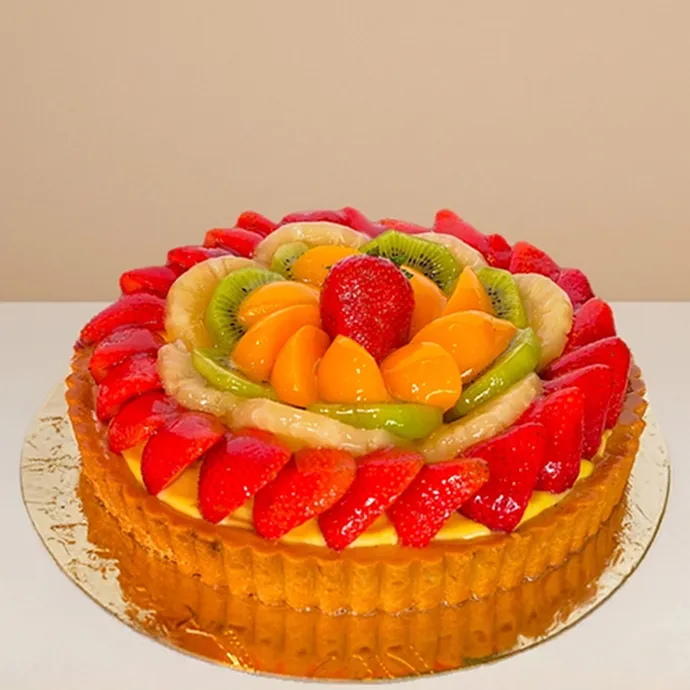
Fruit Cake - Round
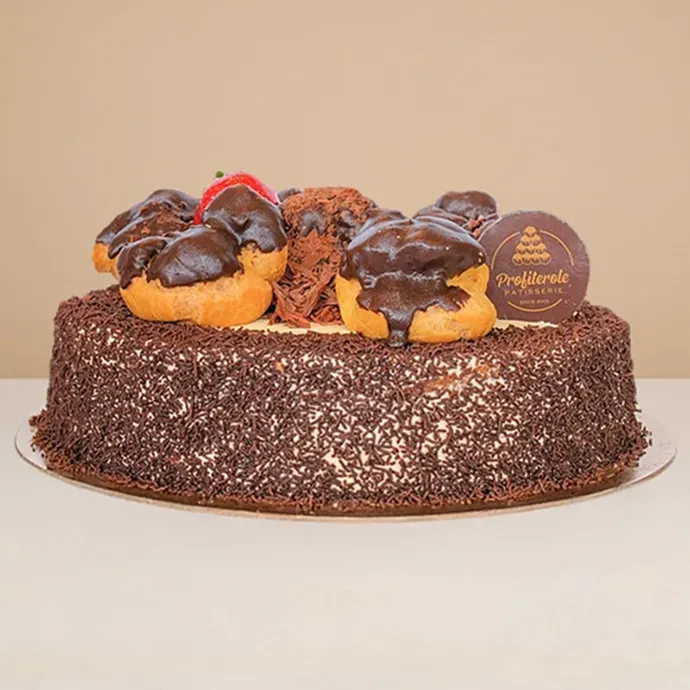
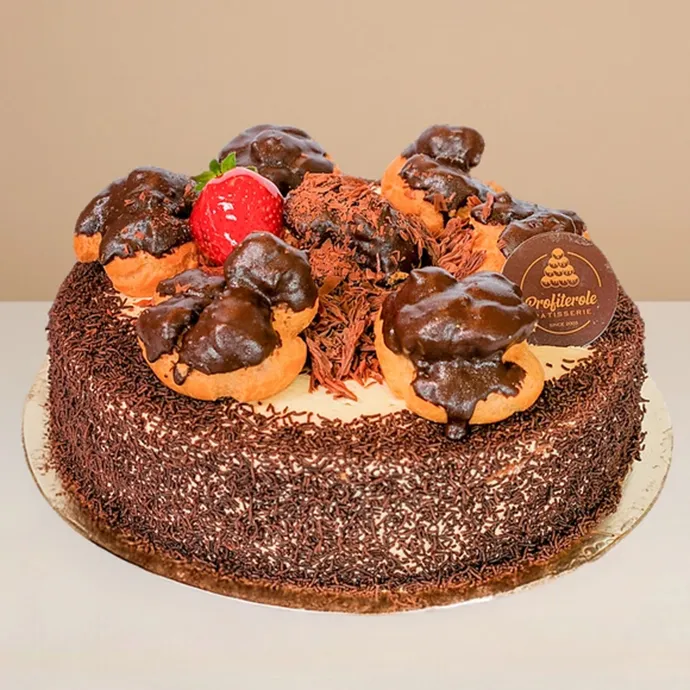
Chocolate Profiterole Cake
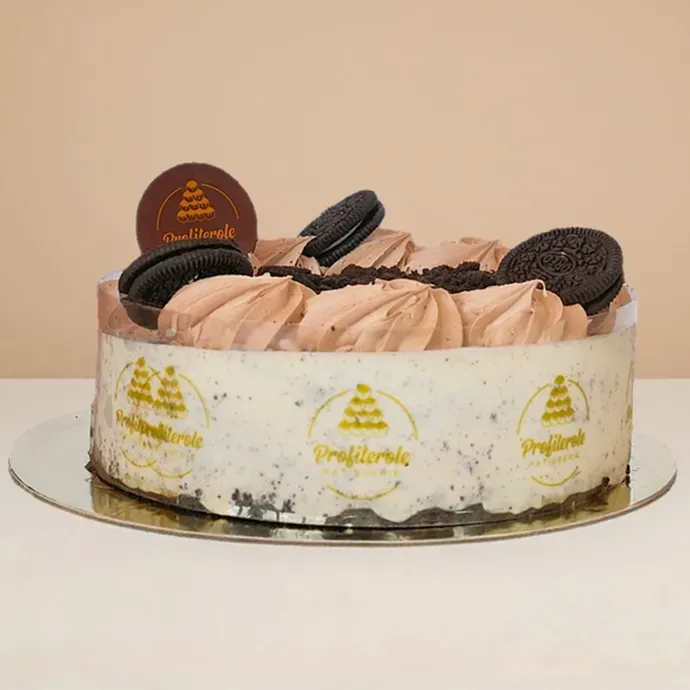
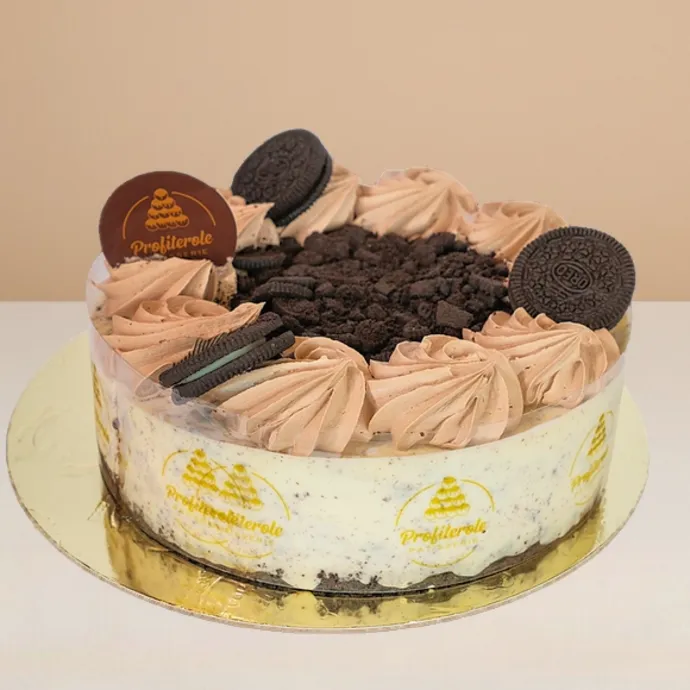
Oreo Cheesecake
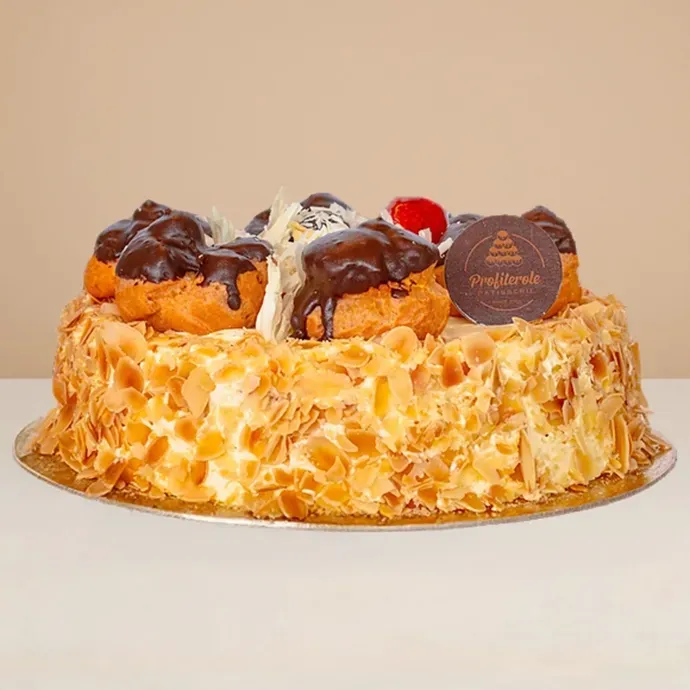
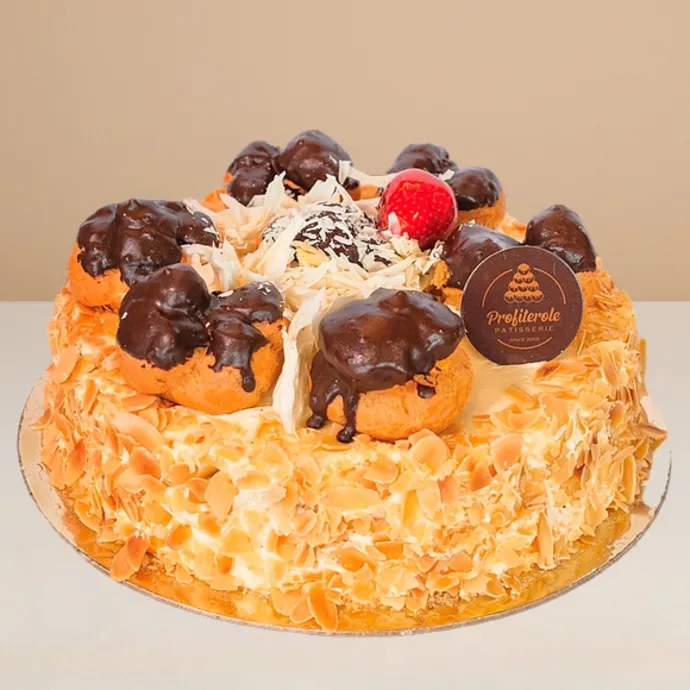
White Profiterole Cake
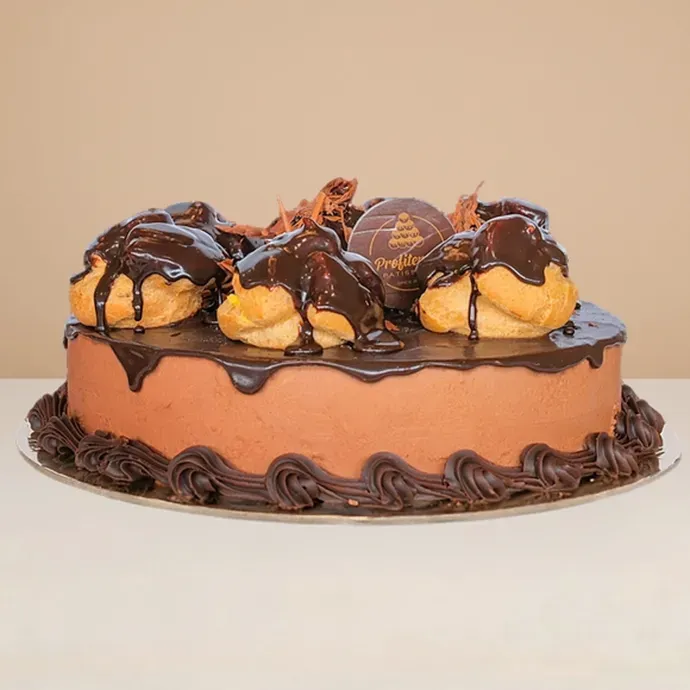
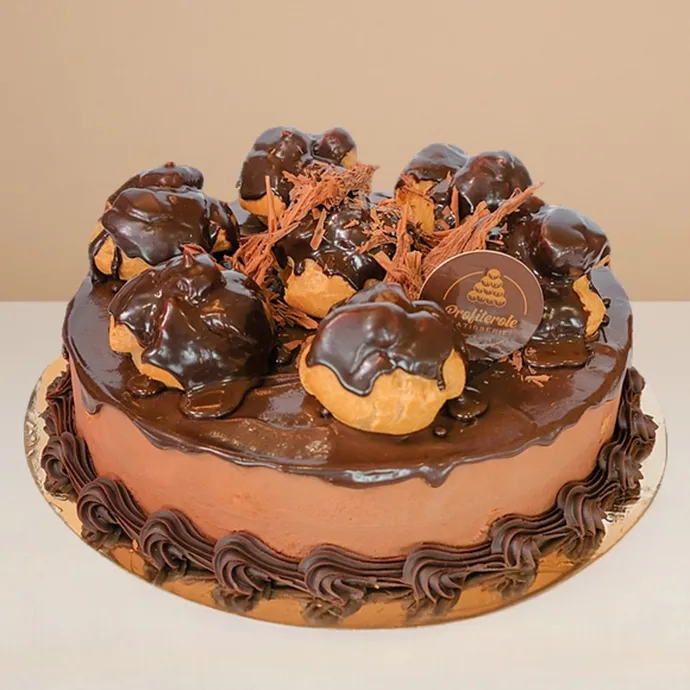
Mousse Profiterole Cake
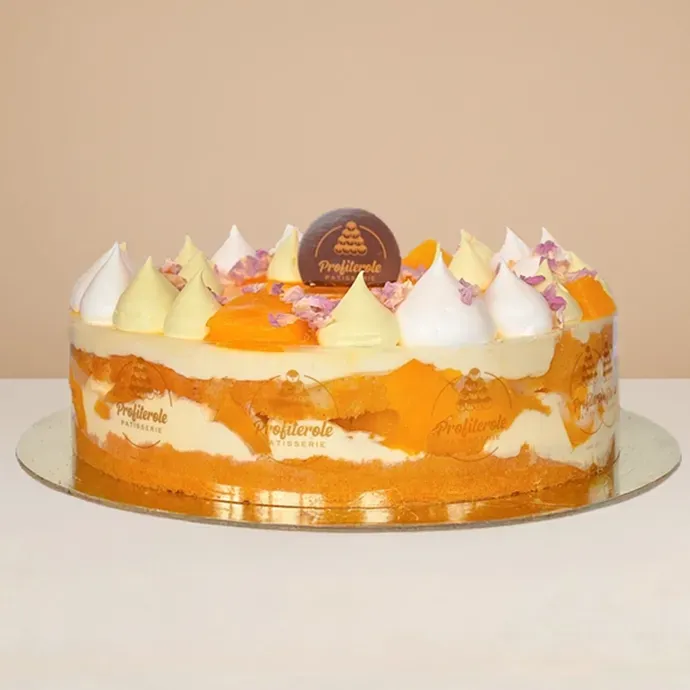
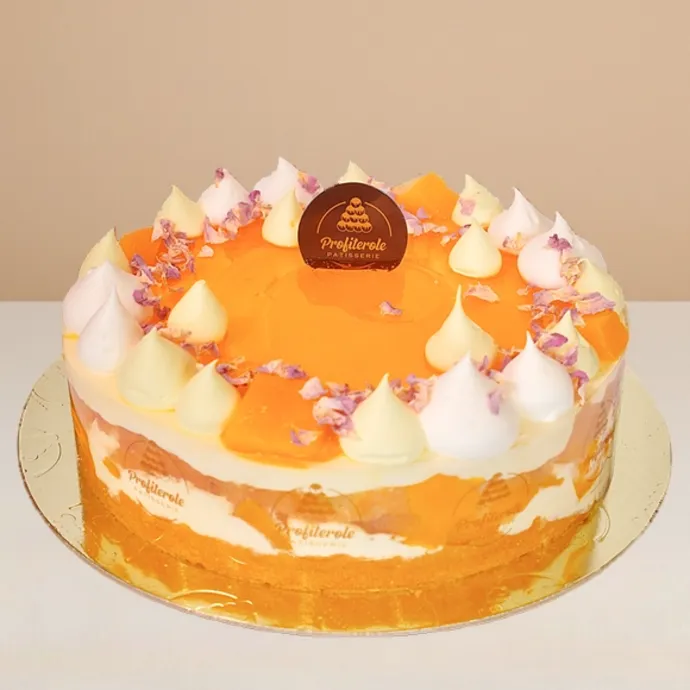
Mango Cake