Coffee and Cookie Pairing: The Best Biscuits for Every Café Order
You order a long black, grab a buttery biscuit from the jar by the register, and the first sip wipes out every bit of flavour the biscuit had.
Swap it for a latte and the opposite happens: a delicate biscuit disappears into all that milk. Coffee and cookie pairing comes down to three simple rules.
Below, I'll walk you through them, then match two or three biscuits to every coffee Australians order, from a short espresso to an iced latte.
Key Takeaways
- Match a biscuit's strength to your coffee's, so a bold espresso gets a rich biscuit and a milky latte gets a gentler one.
- A flavour the biscuit and coffee share, such as toasted nut, caramel or cocoa, makes the two taste like they were made for each other.
- Every common Australian café order, from a short espresso to an iced latte, has two or three biscuits that suit it best.
- Dry, firm biscuits like barazek and biscotti hold together in a hot cup far longer than soft, butter-rich cookies such as shortbread.
Why Do Coffee and Cookies Taste So Good Together?
Coffee is bitter and, depending on the roast, fairly acidic. A biscuit brings the two ingredients that soften both: fat and sugar. Butter coats your palate so the next sip lands more gently, and sugar reduces how strongly your tongue registers bitterness.
That's why a mouthful of long black after a bite of shortbread tastes rounder than the same coffee on its own.
The two also share a lot of chemistry. Roasting coffee beans and baking biscuit dough both rely on the Maillard reaction and caramelisation, the browning reactions that create toasty, nutty and caramel flavours. A golden biscuit and a roasted bean end up carrying many of the same aroma compounds, so their flavours overlap instead of competing.
Texture finishes the job. Each crisp bite gives your mouth a break from the hot liquid, and each sip clears away the crumbs. When I develop a new biscuit for our counter, I taste it beside a short black before it goes out, because a biscuit that's lovely on its own can taste flat next to coffee.
The 3 Golden Rules of Coffee and Cookie Pairing
Every pairing in this guide follows at least one of these three rules. Once you know them, you can judge any biscuit against the coffee you order every day.
Match the Intensity
Intensity comes from two places: the roast and the milk. Light roasts taste brighter and more acidic, medium roasts lean towards caramel and chocolate, and dark roasts are heavy, bitter and smoky.
Milk is usually the bigger factor. A double shot served as a long black hits much harder than the same double shot in a cup of steamed milk. The more milk in the cup, the more flavour a biscuit needs to stay noticeable. The less milk, the more butter and sugar it needs to stand up to the coffee.
Echo a Shared Flavour
Coffee beans carry their own flavour notes, and the Specialty Coffee Association's Coffee Taster's Flavor Wheel sorts them into families such as nutty/cocoa, sweet, spices and fruity. Check the tasting notes on your café's blend or on the bag at home, then pick a biscuit from the same family.
A blend with hazelnut and milk chocolate notes beside an almond biscuit is an easy match.
Use Texture and Sweetness as Contrast
A crisp, crumbly biscuit against silky milk foam makes both more interesting. A mocha already contains chocolate and usually sugar, so a lightly sweet biscuit balances it, while a bitter long black happily takes a sweeter, richer biscuit.
The Best Cookies for Every Coffee Order
I've organised this section by what Australians actually order at the counter. Each coffee gets two or three biscuits you can find in a pantry, a supermarket aisle or our patisserie.
Espresso and Ristretto
A single espresso is roughly 30ml of concentrated coffee, and a ristretto is shorter and sweeter still. You finish either in a few sips, so the biscuit should be small and full of flavour.
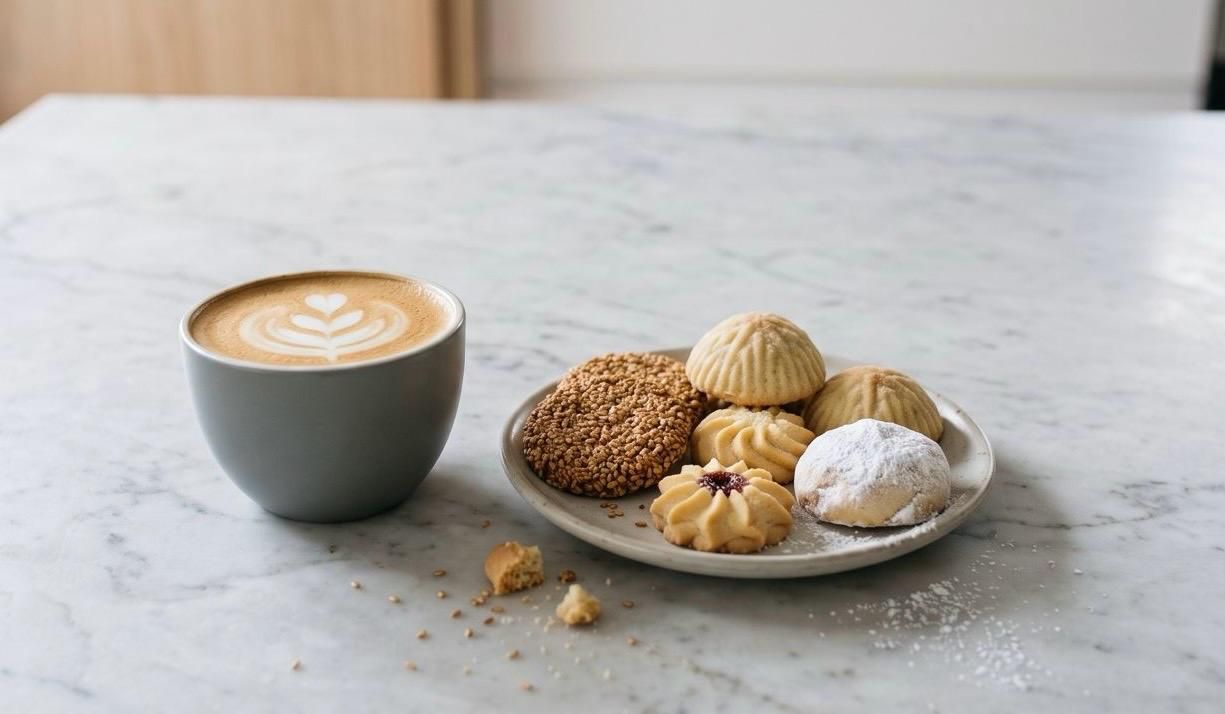
- Almond Biscuits (Korabiyeh): Our korabiyeh are lightly sweetened, dusted with icing sugar and melt as you eat them. The almond and gentle sweetness take the edge off a strong shot.
- Amaretti: Made from almond, sugar and egg white, amaretti have a chewy centre and an intense almond flavour. In Italy, they're traditionally served alongside an espresso.
- Double chocolate cookies: A dense dark chocolate cookie picks up espresso's own cocoa notes, and its sugar softens the bitterness.
Long Black
A long black is a double shot poured over hot water. With no milk to soften it, the biscuit has to supply the richness.
- Buttery Shortbread Biscuits (Petit Four): Butter is the main flavour in shortbread, and it rounds out the bitterness of black coffee. Our petit four assortment comes in several flavours, so you can test a few against the same cup.
- Anzac biscuits: Rolled oats, golden syrup and coconut give Anzacs a toffee-like sweetness. The Australian War Memorial describes them as an eggless biscuit made from oats and golden syrup, and a crunchy batch keeps well in a tin.
- Peanut butter cookies: Salty, roasted peanut flavour suits the roasted notes of a long black.
Flat White
A flat white has less milk than a latte and a thin layer of velvety microfoam, so the coffee still comes through clearly. That middle ground suits filled and lightly spiced biscuits.
- Maamoul with date or walnut filling: The buttery, crumbly shell and date filling bring a caramel-like sweetness that matches the coffee's roasted notes. The walnut version is a little earthier.
- Oatmeal raisin cookies: Oats add chew, and raisins bring a fruity sweetness that suits the chocolate and caramel notes of a medium roast.
- Ginger nuts: Their snap and warm ginger spice cut through the milk without overpowering the coffee.
Latte
A latte has the most milk of the classic hot coffees, which mutes subtle flavours. Pick a biscuit with toasted or caramelised flavour that can still come through.
- Sesame Cookie (Barazek): A golden sesame crust studded with pistachios gives barazek a deep, nutty flavour and a crisp bite that holds up beside a creamy latte.
- Speculoos: Caramelised brown sugar and cinnamon sit naturally with steamed milk.
- Snickerdoodles: A soft cookie rolled in cinnamon sugar tastes like the cinnamon dusting some cafés add to a latte.
Cappuccino
Australian cappuccinos come with a thick cap of foam and a dusting of chocolate on top. That extra foam suits a crunchy biscuit.
- Chocolate chip cookies: The chocolate on the foam and in the cookie tie together, and the crisp edge contrasts with the airy cap.
- Florentines: Almonds and caramel set into a thin, crisp disc, often backed with chocolate.
- Pistachio maamoul: The pistachio filling adds a rich nuttiness that holds its own against the foam and chocolate.
Mocha
A mocha is a latte with chocolate added, so the cup is already sweet and rich. Choose a biscuit with less sugar and a drier texture.
- Almond biscotti: Baked twice until dry and only lightly sweet, biscotti give the mocha's chocolate some contrast.
- Plain butter shortbread: A simple shortbread without chocolate or icing adds butteriness without piling on more sweetness.
Iced Latte and Cold Brew
Cold temperatures dull how strongly we taste sweetness and aroma, so iced drinks need biscuits with clear, bright flavours. These are the pairings I reach for on a hot Sydney afternoon.
- Vegan Cookie Box: Our vegan cookies are soft, which suits a cold drink because there's no need to dunk. Pair them with an oat milk iced latte and the whole combination is plant-based.
- Macarons: Almond meringue shells with ganache or buttercream fillings carry bright flavours like raspberry or passionfruit that cut through a cold drink.
Coffee and Cookie Pairing Chart
| Coffee | Strength | Best Cookies | Why It Works |
|---|---|---|---|
| Espresso / Ristretto | Very strong, no milk | Korabiyeh, amaretti, double chocolate cookies | Small, flavour-packed biscuits match a short, intense shot |
| Long Black | Strong, no milk | Buttery shortbread, Anzac biscuits, peanut butter cookies | Butter and sugar supply the richness the milk would have added |
| Flat White | Medium, thin microfoam | Date or walnut maamoul, oatmeal raisin, ginger nuts | Filled and spiced biscuits suit a balanced, coffee-forward cup |
| Latte | Mild, lots of milk | Barazek, speculoos, snickerdoodles | Toasted, caramelised flavours stay noticeable through the milk |
| Cappuccino | Medium, thick foam | Chocolate chip cookies, florentines, pistachio maamoul | Crunch contrasts with the foam; chocolate ties to the dusting |
| Mocha | Mild, sweet and chocolatey | Almond biscotti, plain shortbread | Drier, less sweet biscuits balance a rich drink |
| Iced Latte / Cold Brew | Varies, served cold | Vegan cookies, macarons | Bright flavours and soft textures come through the cold |
How to Dunk a Biscuit Without Losing Half of It in Your Coffee
Dunking changes how a biscuit tastes. Food scientists at the University of Nottingham measured the aroma released while eating a biscuit and found that a biscuit dipped in hot tea released its flavour faster than a dry one, as NPR reported on Heston Blumenthal's experiment.
Heat and moisture help aroma compounds reach your nose, and a hot coffee does the same job.
The trouble is structure. Hot liquid melts the butter and dissolves the sugar holding a biscuit together, so the softer and richer the biscuit, the faster it falls apart.
A few habits help:
- Choose dry, firm biscuits: Biscotti, barazek, Anzacs and ginger nuts last the longest.
- Keep it short: Dunk for two or three seconds, then eat straight away.
- Dip at an angle: Submerge only the bottom third so the dry top supports the softened edge.
- Leave the butter-rich ones out: Enjoy shortbread and korabiyeh between sips instead of in the cup.
Find Your Perfect Cup-and-Cookie Match and Make Every Coffee Break Count
Coffee and cookie pairing gets simple once you look at three things: how strong the cup is, which flavours the biscuit and coffee share, and how their textures play against each other. Technique matters on both sides. A properly extracted shot and well-textured milk give you a balanced cup, and a biscuit baked to the right colour and dryness gives you toasted flavour and a clean, crisp bite.
Start with the chart, try a pairing you haven't had before, and notice what changes between the first sip and the last crumb. At Profiterole Patisserie, we bake our biscuits to sit beside a good coffee: small, full of flavour and made with the same care as our cakes.
I'd love for you to visit any of our Profiterole Patisserie stores and try a biscuit with your next coffee, or you can order online and we'll have it delivered the next day.
Publish date: 12/10/2026

Joey Yaccoub
Head Baker & Operations Manager, Profiterole Patisserie
Joey Yaccoub is the Head Baker at Profiterole Patisserie, bringing over a decade of hands-on experience in artisan cake design and pastry craftsmanship.
He oversees recipe development, product quality, and daily operations across all store locations, ensuring every cake meets the brand’s standards for flavour, presentation, and consistency.
FAQs
Can we eat coffee and biscuits together?
Yes. Coffee and biscuits are one of the most common pairings around, and they work because the fat and sugar in a biscuit soften coffee's bitterness and acidity. For the best match, pair rich, buttery biscuits with strong black coffee, and choose biscuits with toasted or spiced flavours for milky coffees like lattes and flat whites.
What are the best cookies to pair with coffee?
The best cookies to pair with coffee depend on what's in your cup:
- Espresso: Korabiyeh, amaretti or double chocolate cookies
- Long black: Shortbread, Anzac biscuits or peanut butter cookies
- Flat white: Maamoul, oatmeal raisin or ginger nuts
- Latte: Barazek, speculoos or snickerdoodles
- Mocha: Almond biscotti or plain shortbread
Are you supposed to dunk biscotti in coffee?
Yes. Biscotti are baked twice until dry and firm, so they soak up liquid without falling apart. In Tuscany, cantucci are traditionally dipped in vin santo, and dunking them in an espresso or long black works the same way. Dip for a few seconds to soften the edge, then eat it straight away.
What is the cookie you eat with coffee?
The best-known coffee cookie is biscotti, the twice-baked Italian almond biscuit made for dunking. Amaretti are the traditional choice beside an espresso in Italy. In Australia, Anzac biscuits, shortbread and ginger nuts are just as common next to a cup, and Middle Eastern biscuits such as maamoul and barazek are often served with coffee too.
What kind of biscuit pairs well with coffee?
It depends on the coffee. Strong black coffee suits rich, buttery biscuits such as shortbread or Anzacs. Milky coffees need biscuits with more toasted or spiced flavour, like barazek, speculoos or ginger nuts. Sweet drinks such as mochas suit drier, less sweet biscuits like biscotti, while iced coffees go well with soft cookies or macarons.
Aside from cookies, you can also pair cakes with coffee 👇
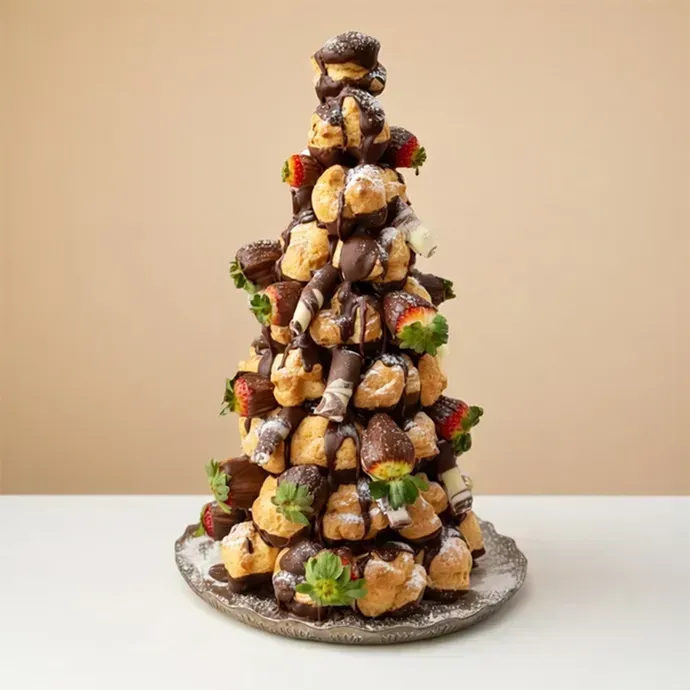
Profiterole Tower - Classic Chocolate
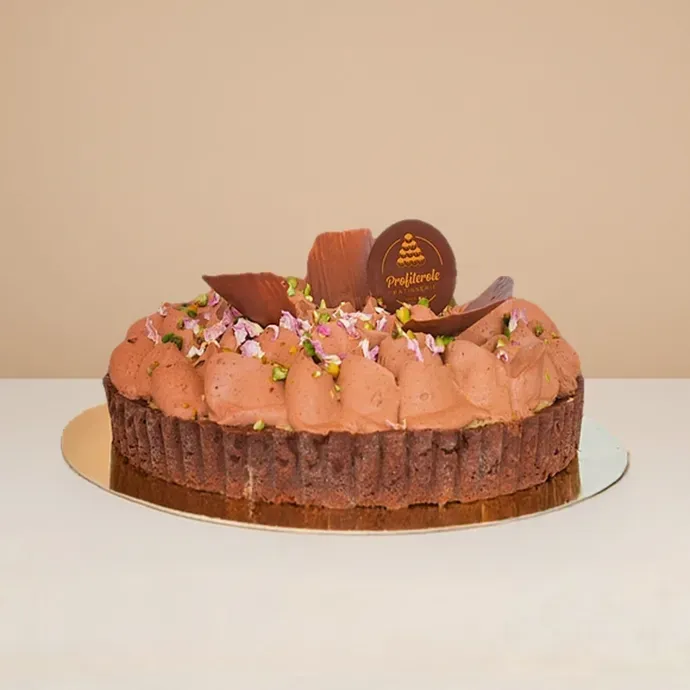
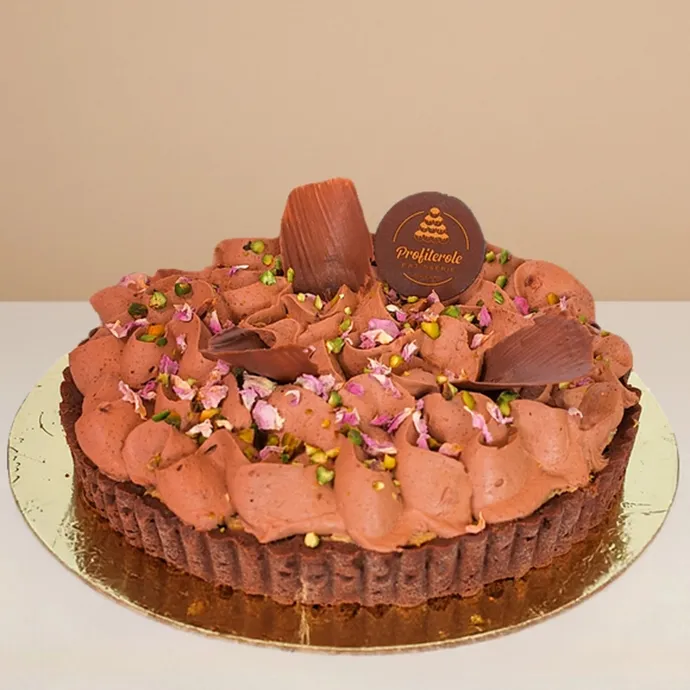
Dubai Chocolate Cake
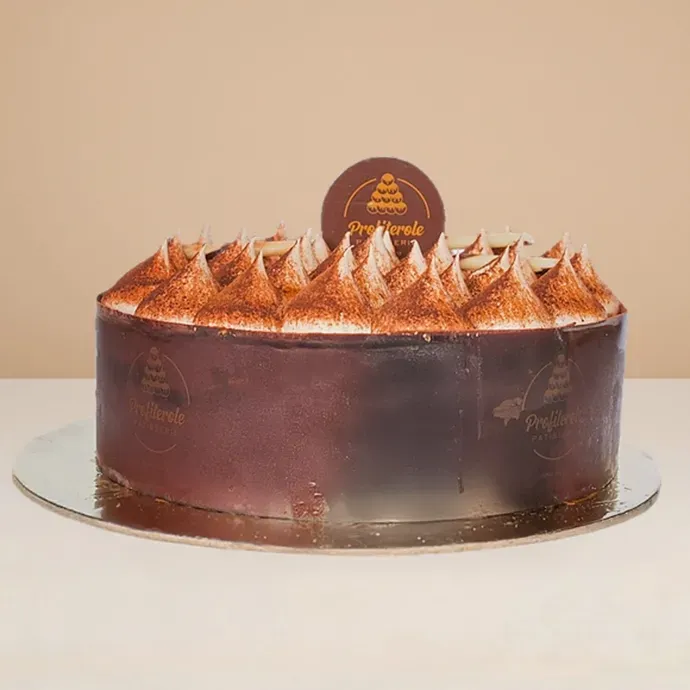
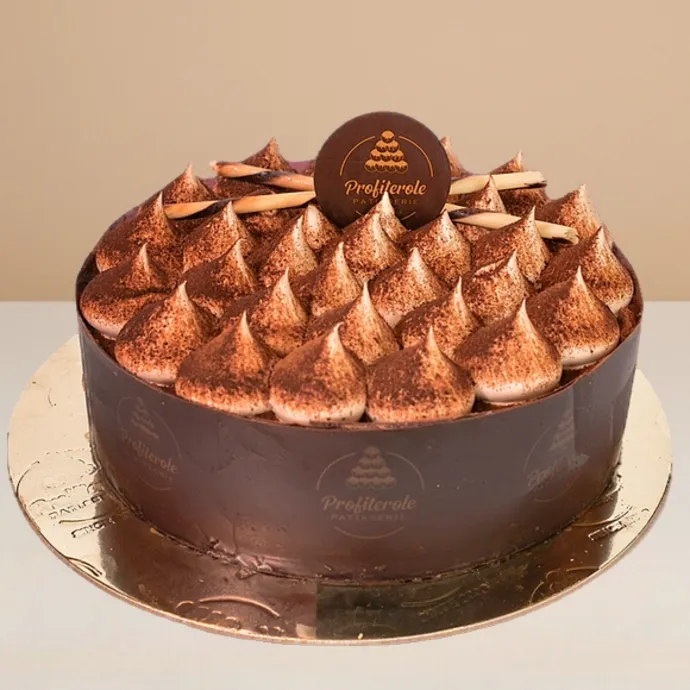
Tiramisu Cake
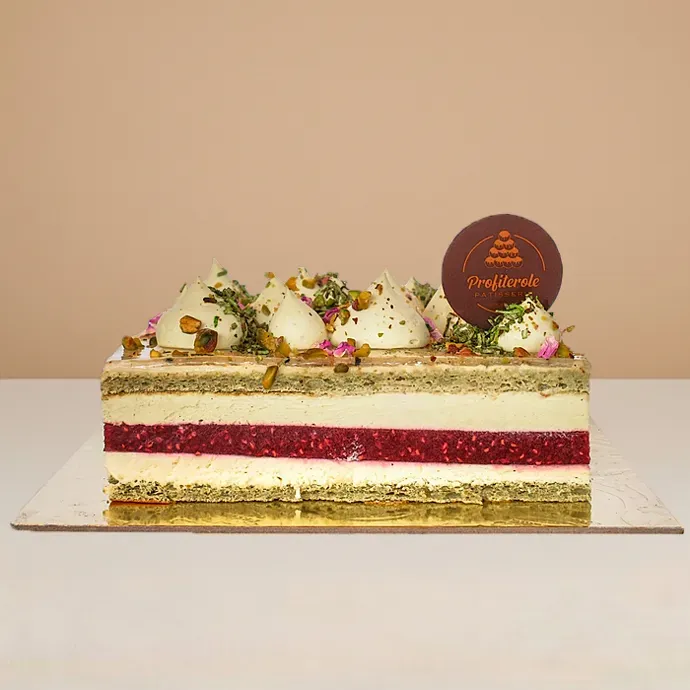
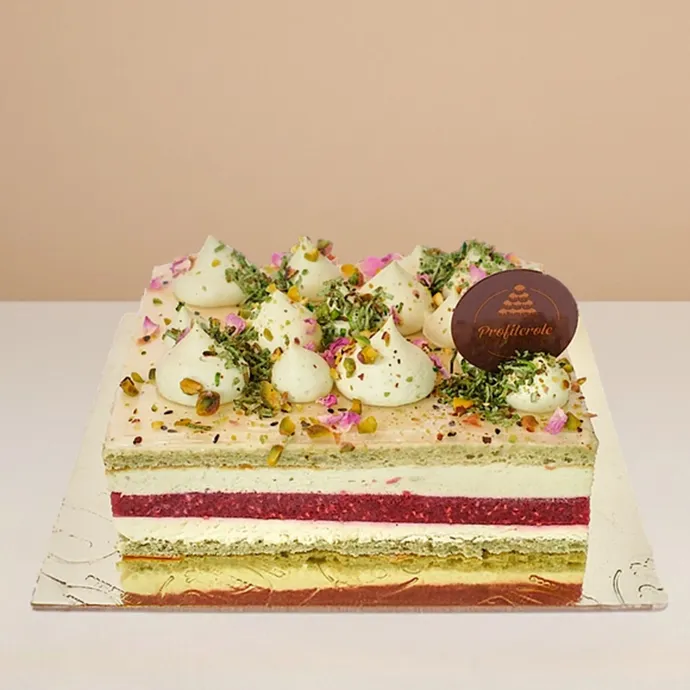
Pistachio Raspberry Bliss Cake
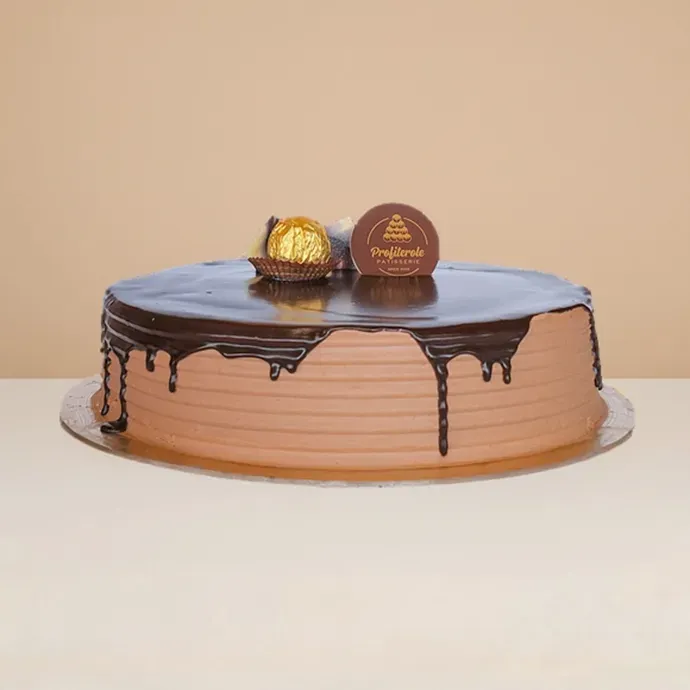
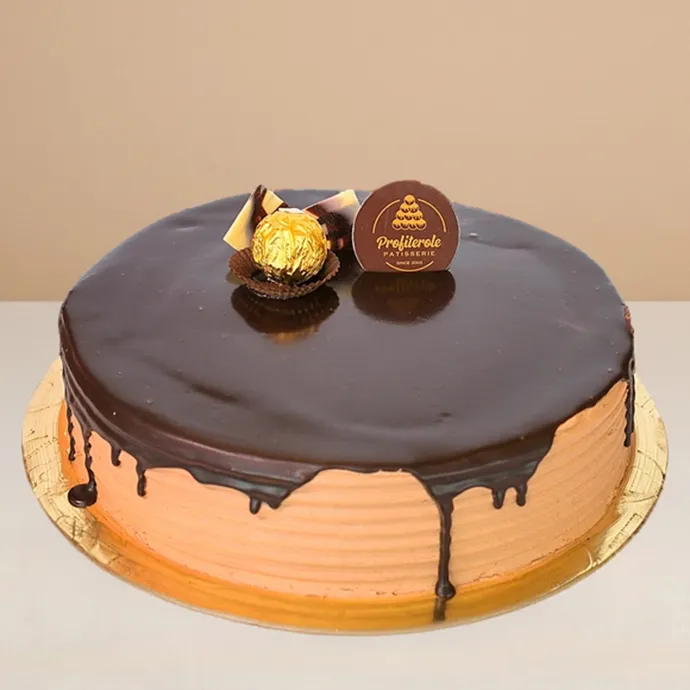
Ferrero Rocher Cake
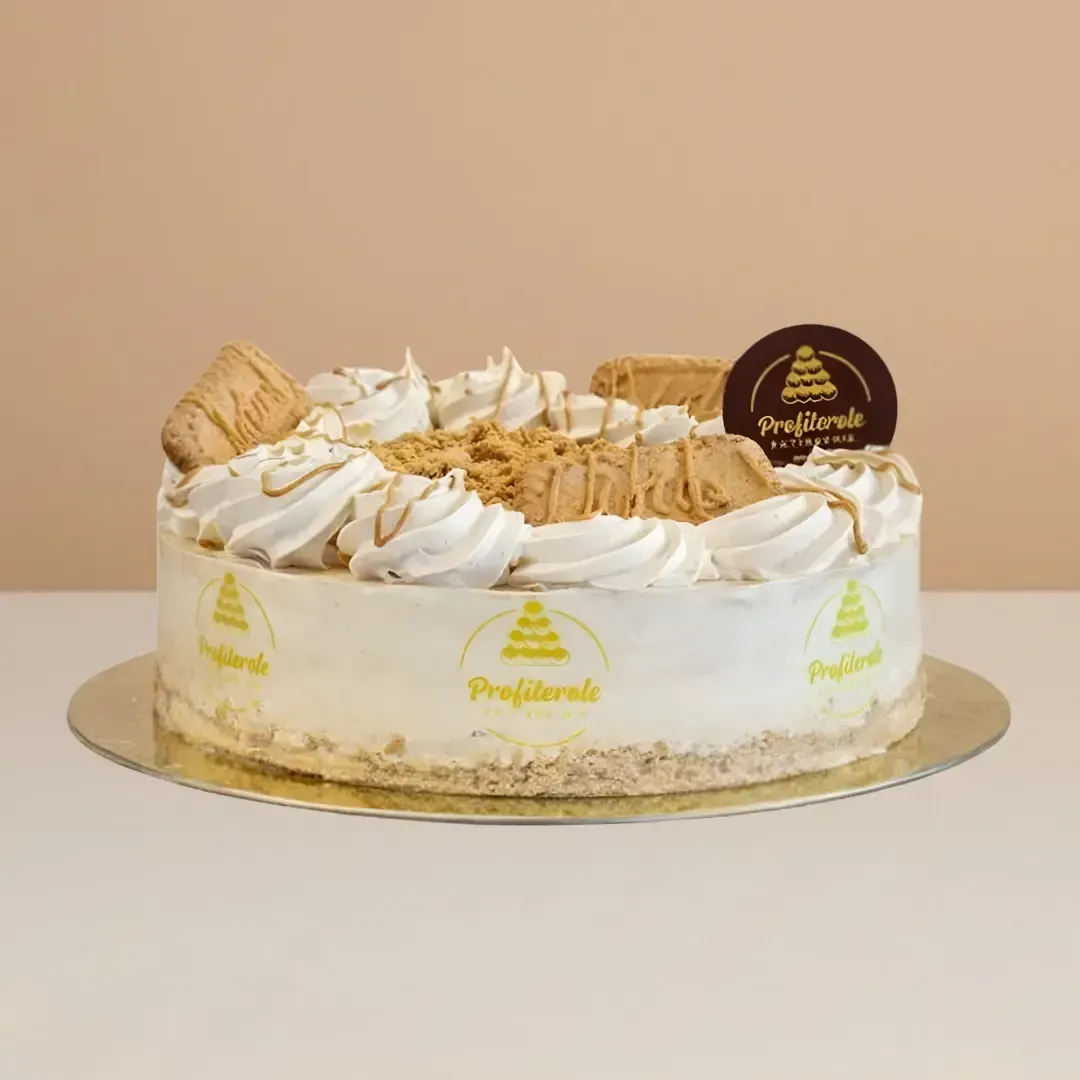
Lotus Biscoff Cheesecake
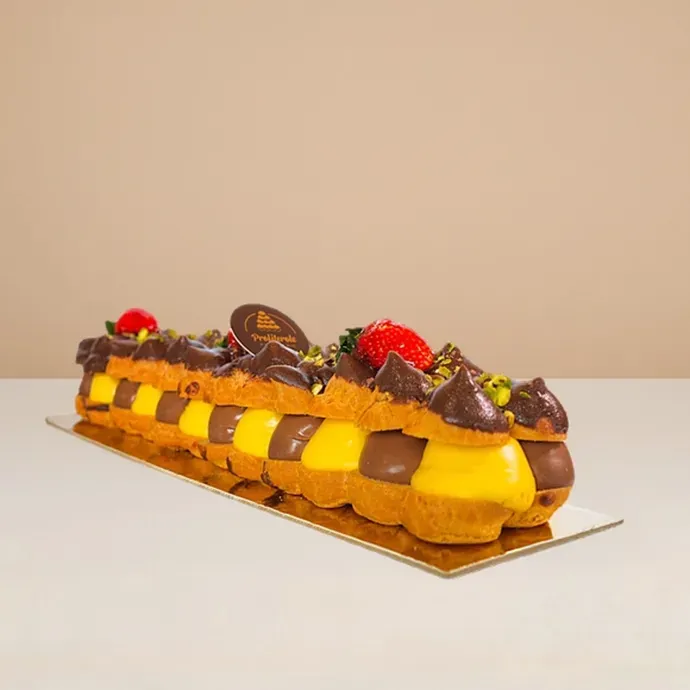
Profiterole Log Cake
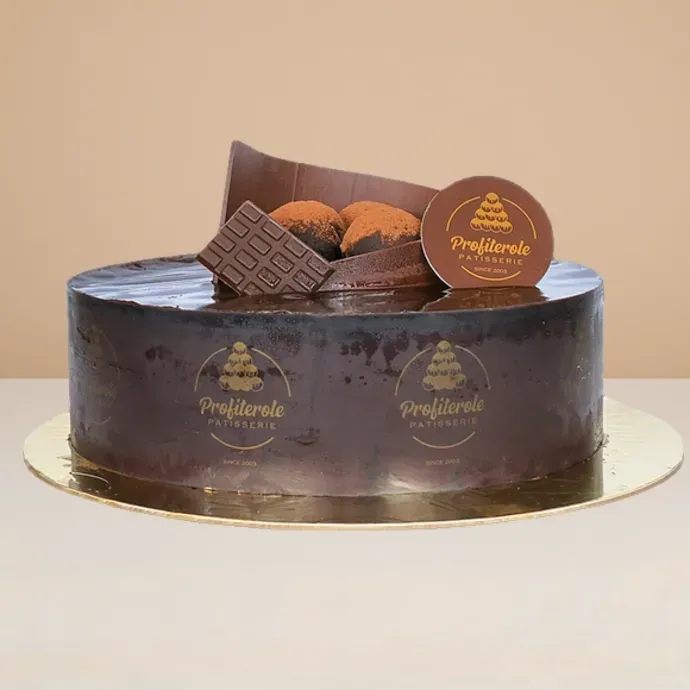
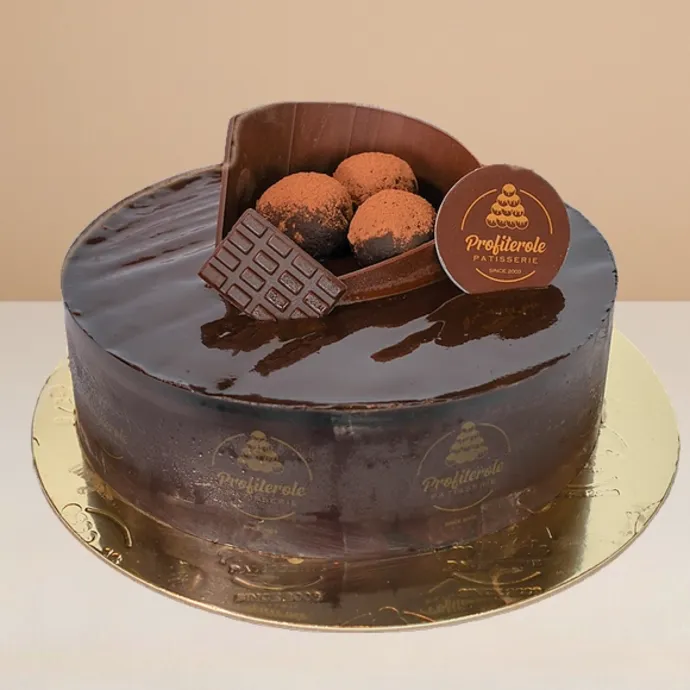
Chocolate Mousse Cake
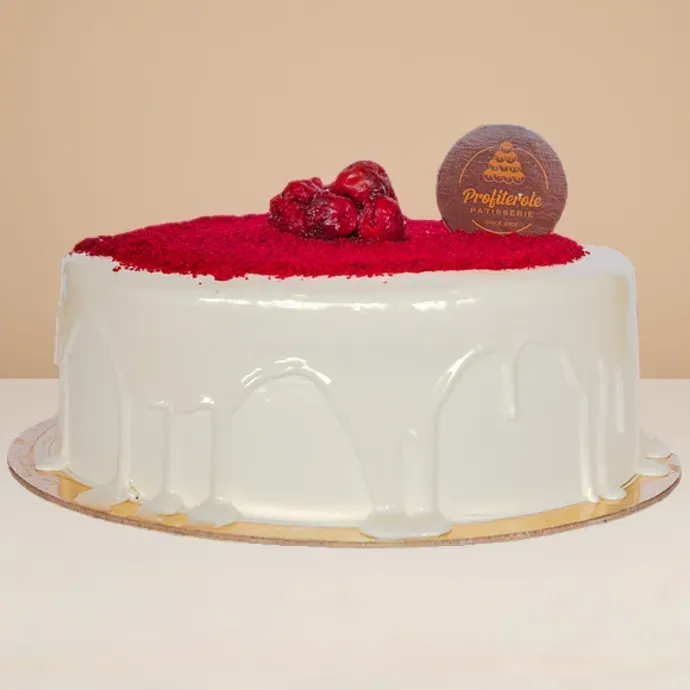
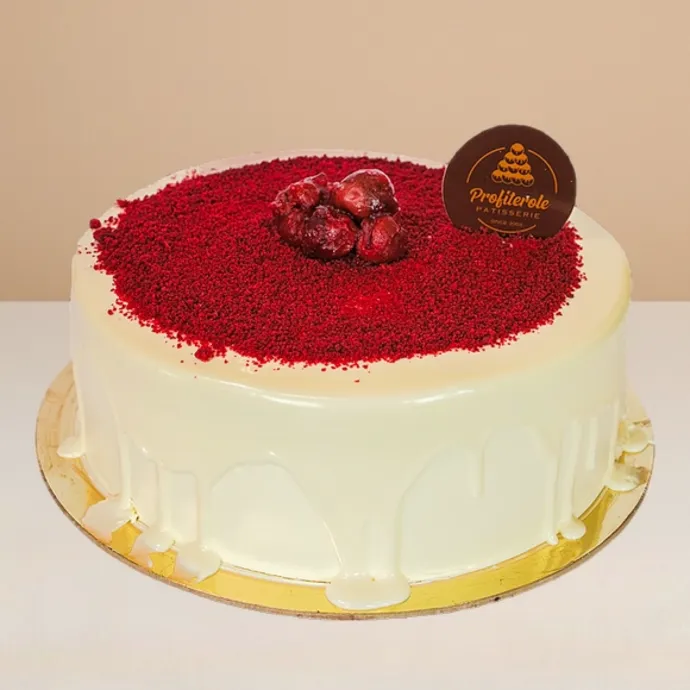
Red Velvet Cake
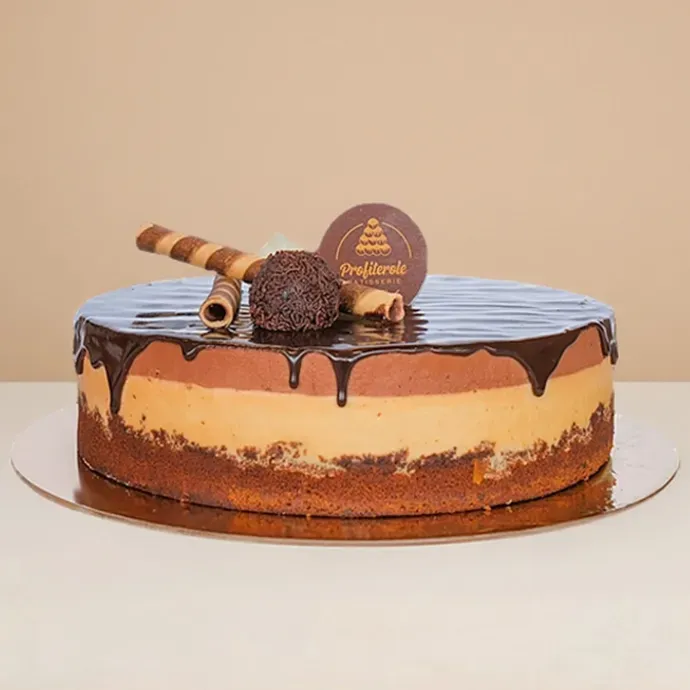
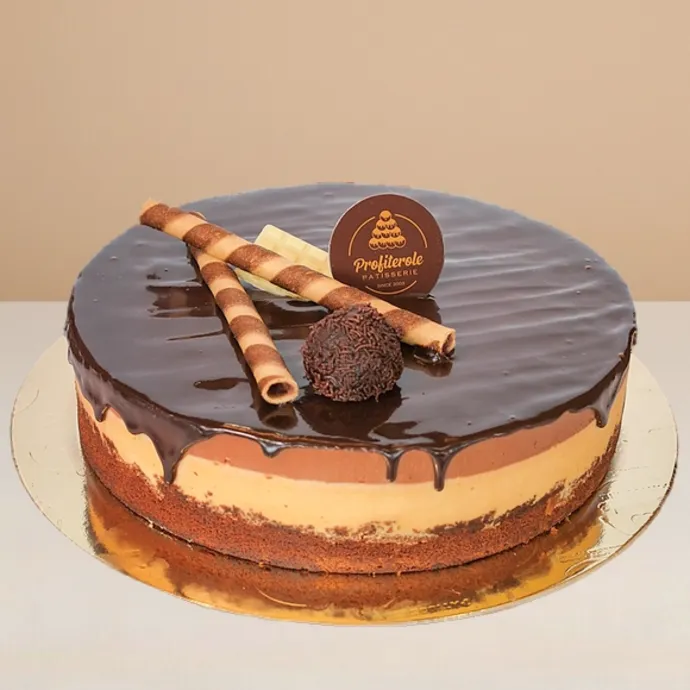
Trio Cake - Round
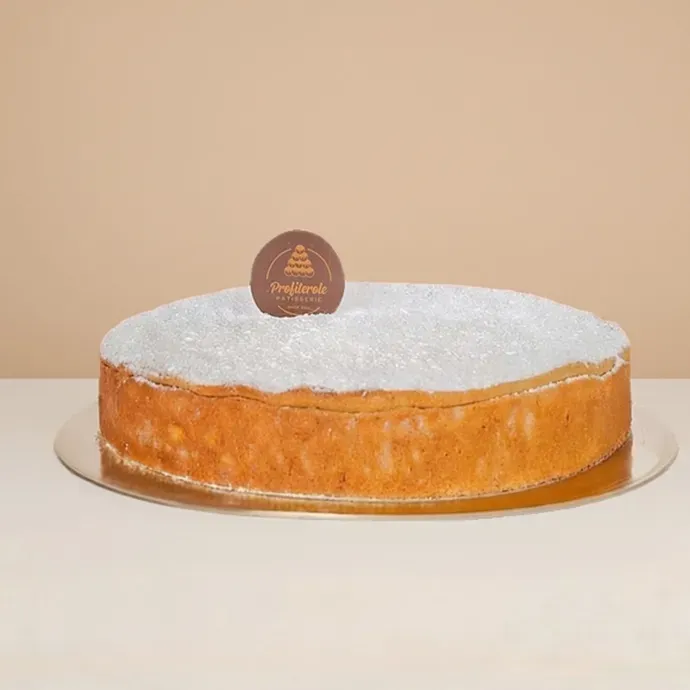
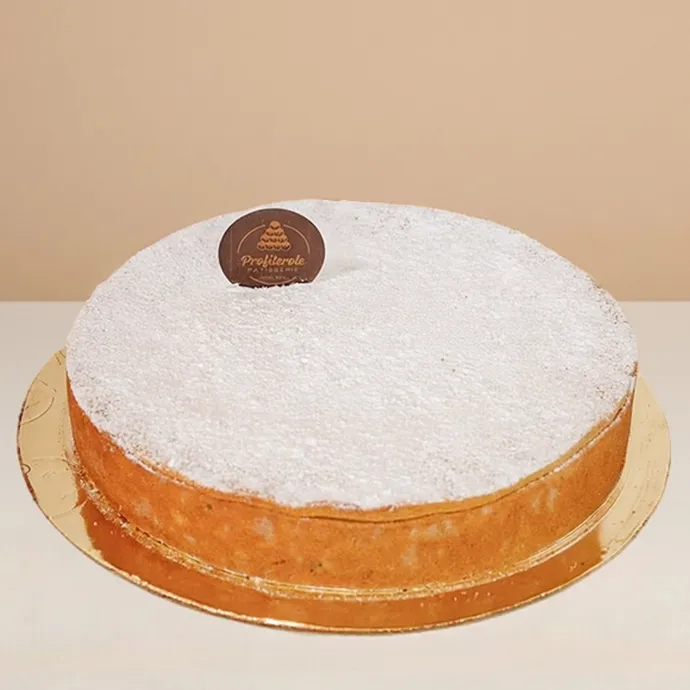
Baked Ricotta Cheesecake
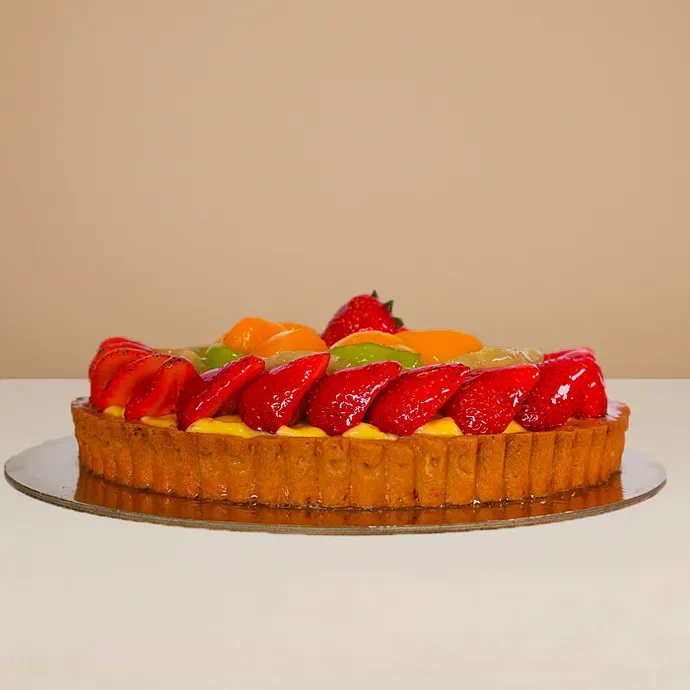
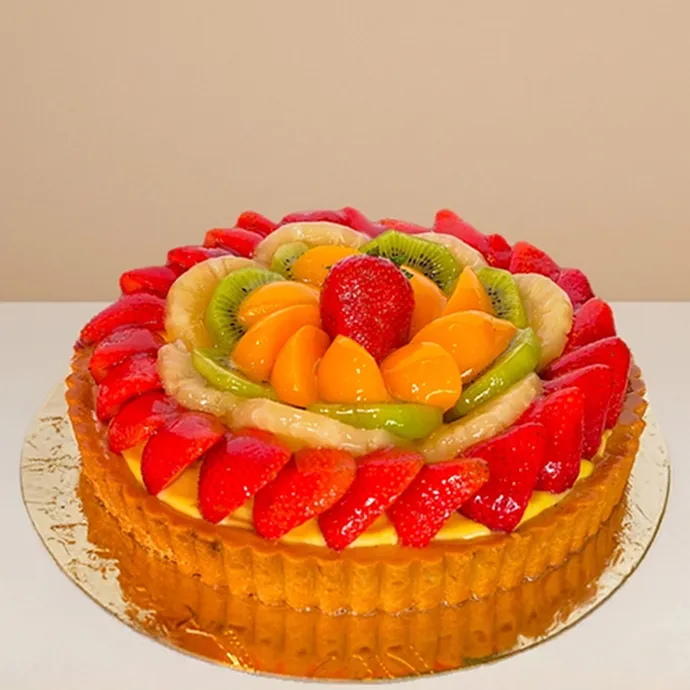
Fruit Cake - Round
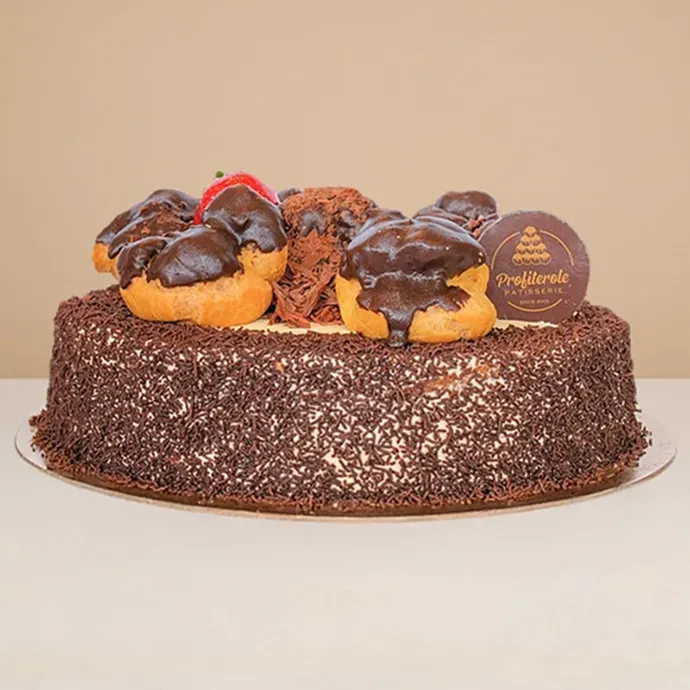
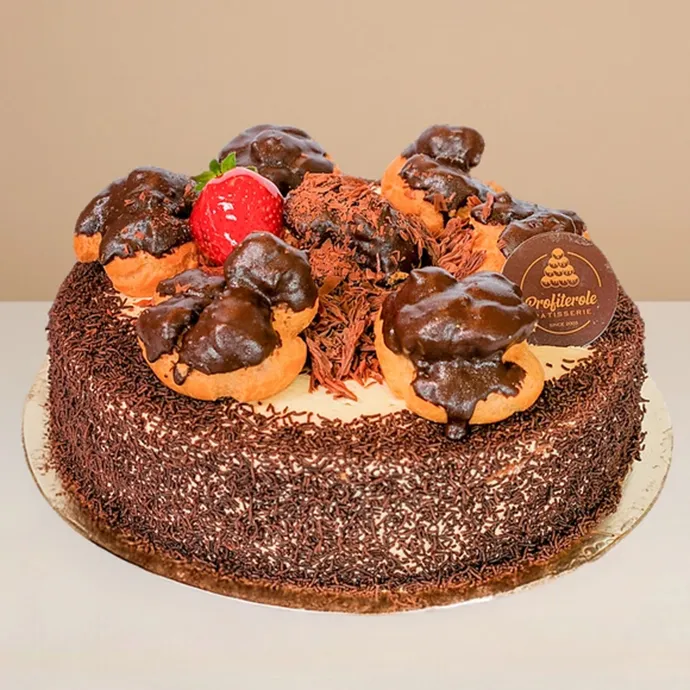
Chocolate Profiterole Cake
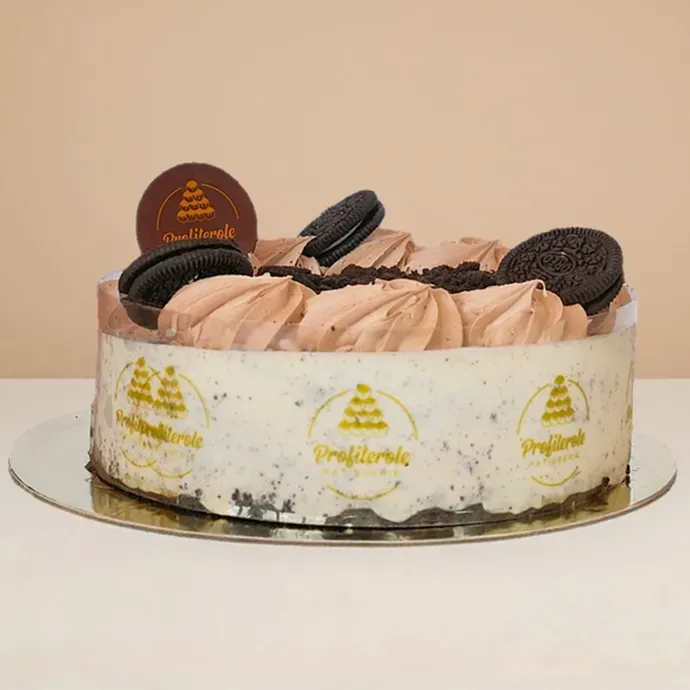
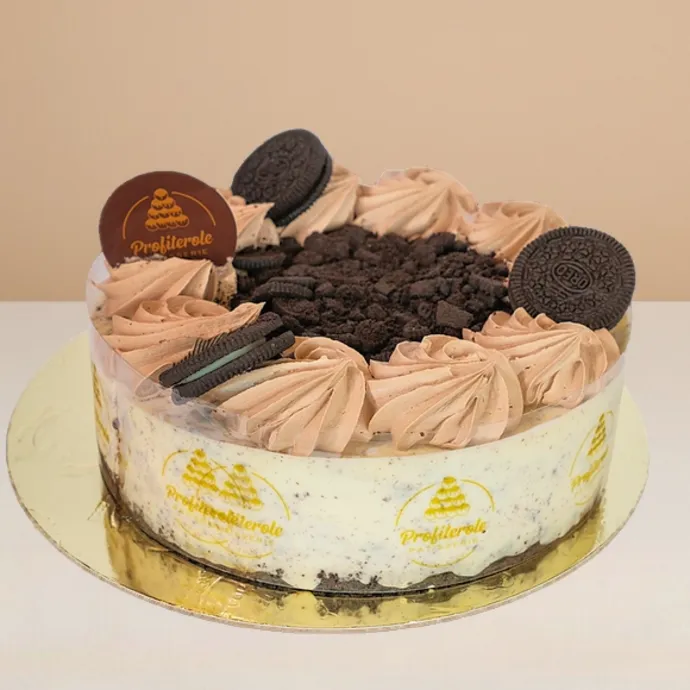
Oreo Cheesecake
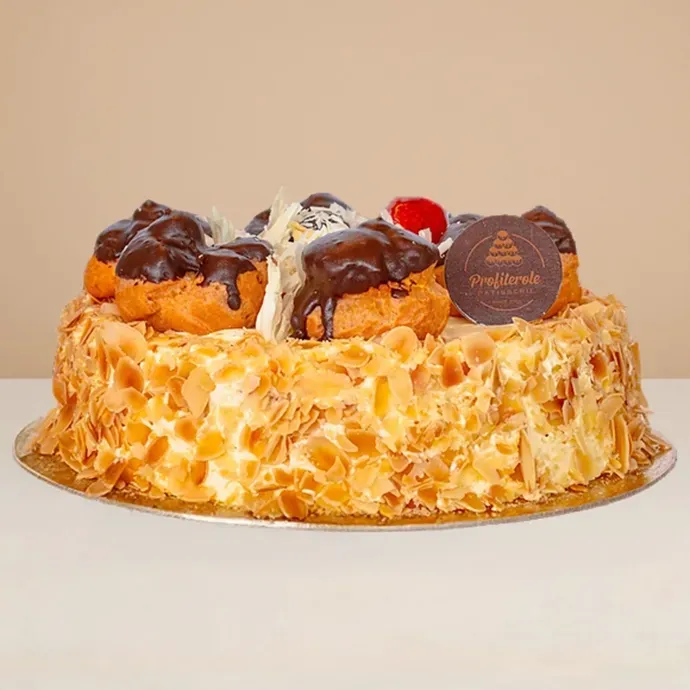
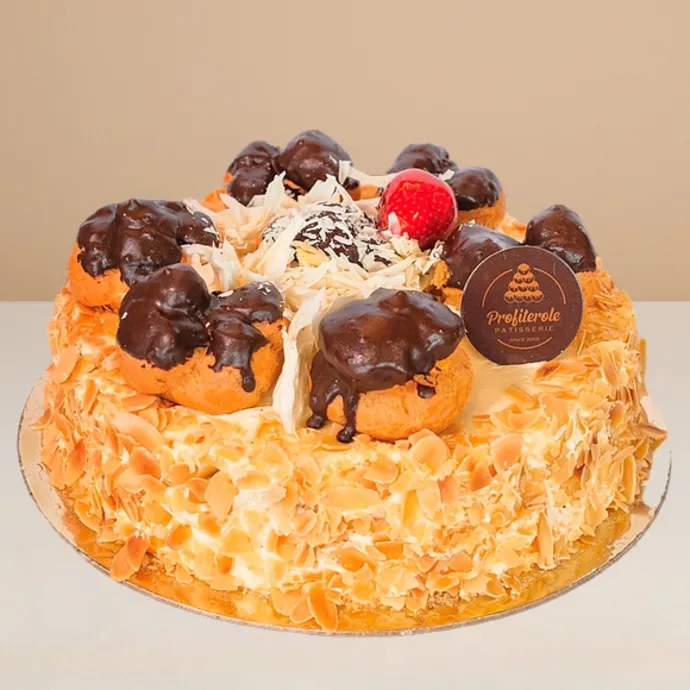
White Profiterole Cake
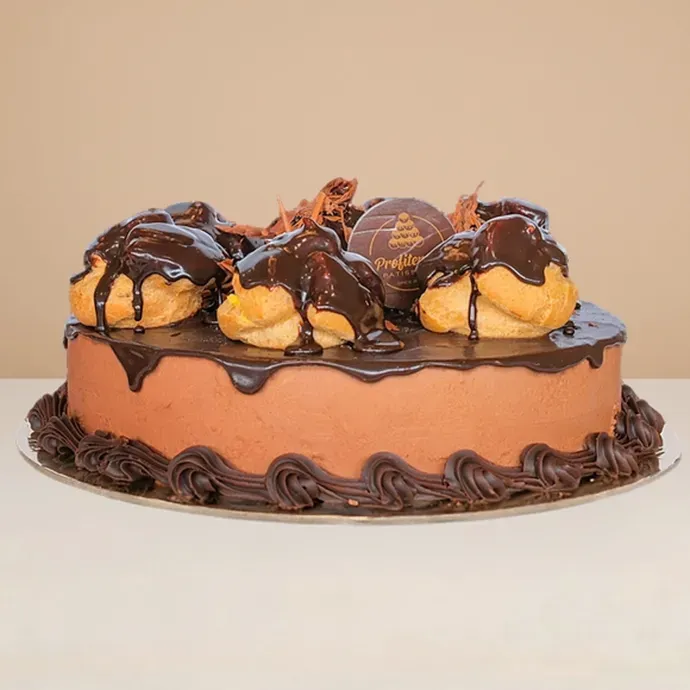
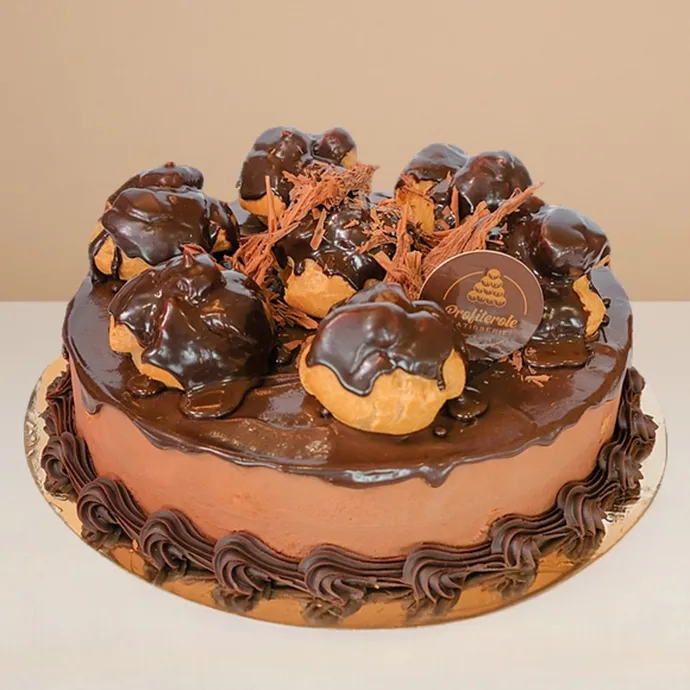
Mousse Profiterole Cake
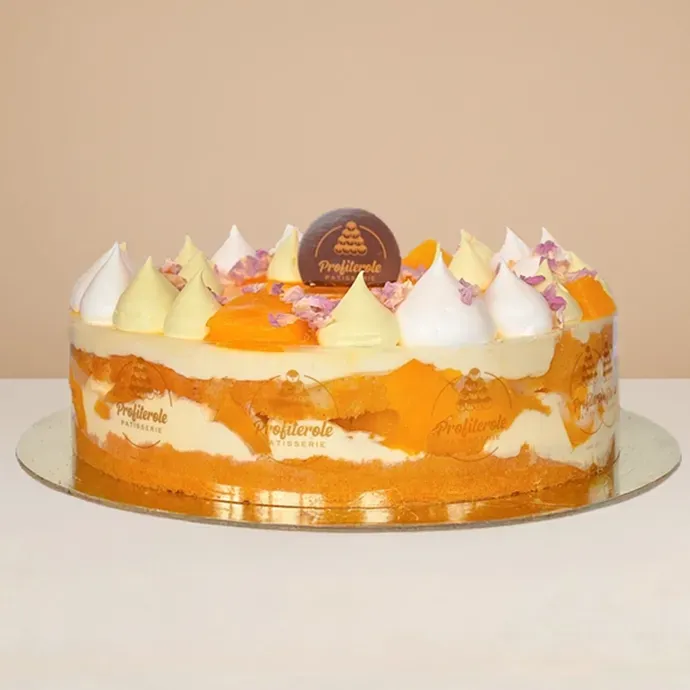
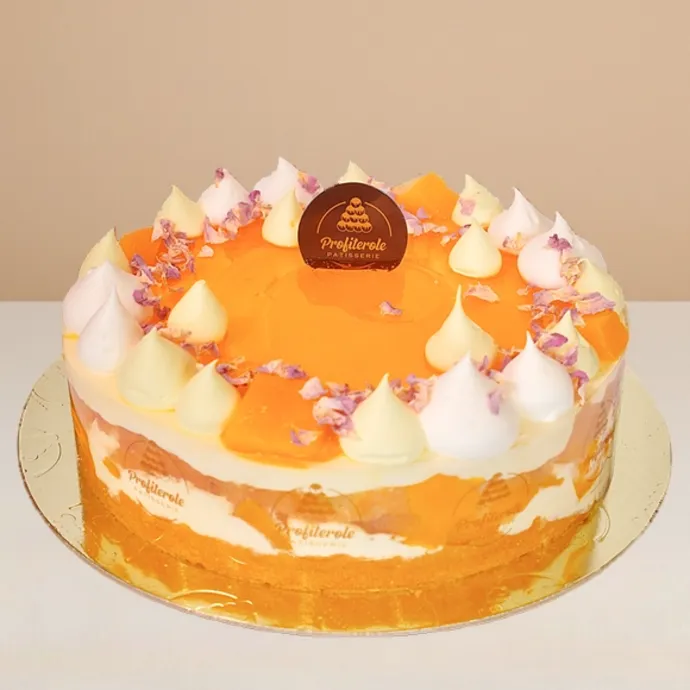
Mango Cake