What's the Difference Between Folding and Mixing? (+ Other Mixing Methods)
Picture this scenario: You are standing in your kitchen with a recipe in one hand and a spatula in the other.
The instructions tell you to carefully fold the plain flour into your batter. You might logically wonder if this specific motion actually matters, or if you can just mix it vigorously with a wooden spoon since it all ends up in the same cake tin anyway.
While these terms sound like interchangeable synonyms, treating them as such is a common pitfall. Using the wrong motion is actually the primary reason for flat cakes, dense muffins, or tough, rubbery biscuits. When we test our batters in the bakery, we see first-hand how physical motion dictates chemical structure.
Understanding the chemistry of trapped air and gluten development is the secret code that separates an average home bake from professional-quality patisserie. We are going to demystify these techniques and provide a clear, professional path to achieving perfect textures every single time you step into the kitchen.
TL;DR
For a rapid reference before you start your next recipe, here is how the primary techniques compare:
| Mixing Method | Main Purpose | When to Use | What to Use |
|---|---|---|---|
| Folding | Combine ingredients gently without losing trapped air volume. | Soufflés, sponge cakes, mousses. | Silicone spatula |
| Mixing | Combining two or more ingredients until visually uniform. | Pancakes, muffins, drop biscuits. | Wooden spoon, stand mixer paddle. |
| Stirring | Blend liquids continuously to regulate heat and prevent scorching. | Custards, fruit sauces, melted chocolate. | Heat-resistant spatula, small whisk. |
| Whisking | Force air rapidly into a mixture to increase texture and volume. | Meringues, whipped cream, aerating dry goods. | Large balloon whisk, French whisk. |
| Beating | Incorporate significant air pockets into fats to build structure. | Creaming butter and sugar for cakes/biscuits. | Stand mixer paddle, electric hand mixer. |
01. Folding: The Gentle Art of Volume
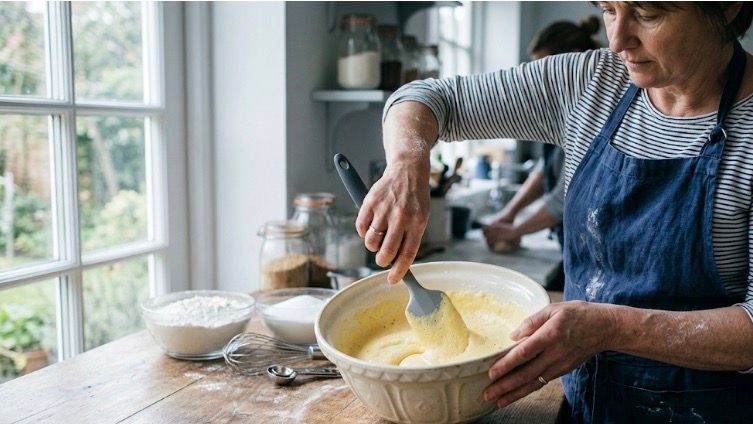
Folding is a slow, methodical, circular motion designed to incorporate delicate ingredients together without losing precious trapped air. Instead of stirring around the bowl, you are physically lifting the heavier mixture from the bottom and gently turning it over the lighter ingredient on top.
When to Use the Folding Method
This technique is strictly reserved for airy, fragile structures. You will need to fold when making soufflés, creating a classic sponge cake, or incorporating fresh whipped cream into a chocolate mousse. The goal is to keep the microscopic air bubbles completely intact.
Essential Tools for Folding
A large, flexible silicone spatula is the industry standard for this task. It allows you to scrape the curves of the bowl cleanly. Alternatively, you can use a large balloon whisk. By using a whisk very gently, the wires slice through the batter rather than pushing heavy clumps of it around.
Common Folding Mistakes
The most frequent error is simply over-mixing. The longer you fold, the more air you knock out of the batter. Another major pitfall is "The Centre Trap", which happens when bakers only fold the top layers of the mixture. You must scrape right down to the very bottom of the bowl and lift the heavy liquids up, otherwise you will be left with dense, unmixed streaks at the base of your cake tin.
02. Mixing: The General All-Rounder
Mixing is the broad, general act of combining two or more ingredients until they are visually uniform. Unlike folding, you are not actively trying to protect delicate air bubbles, but you are also not trying to whip in vast amounts of new air.
When to Simply "Mix"
Mixing is your go-to technique for basic, sturdy recipes. This includes pancake batters, simple drop biscuits, and most muffin recipes. In fact, "The Muffin Method" specifically relies on a gentle mix to bring wet and dry ingredients together just until moistened.
Tools for a Basic Mix
A classic wooden spoon is often the best tool for manual mixing, providing enough resistance to combine heavy ingredients. If you are using a stand mixer, the standard paddle attachment on a low to medium speed is exactly what you need.
Where Mixes Go Wrong
The biggest threat to a simple mix is "lump paranoia". Home bakers often mix a batter aggressively for several minutes to eradicate every tiny lump of plain flour. According to foundational baking science, this friction develops gluten strands, resulting in a tough, chewy texture rather than a tender crumb. A few small lumps in a muffin batter will naturally hydrate and disappear during the baking process.
03. Stirring: Keeping it Liquid
Stirring is a much gentler, continuous circular motion usually reserved for liquids or low-viscosity mixtures on the stovetop. It is the crucial bridge between mixing ingredients and actively cooking them.
When Stirring is Required
You will use a stirring motion when making egg-based custards, reducing fruit sauces, or melting chocolate in a glass bowl over a double boiler. The continuous movement ensures that the ingredients blend smoothly while regulating the temperature of the liquid.
The Right Tools for Stirring
Heat-resistant silicone spatulas are ideal because they conform to the edges of your saucepan. Small whisks are also excellent for stirring smooth sauces to prevent skin formation on the surface.
Common Stirring Pitfalls
The primary danger of stirring on a stovetop is uneven heat distribution leading to scorching. If your spatula does not firmly scrape the sharp corners of the saucepan, the mixture will catch, burn, and ruin the flavour profile of your entire batch.
04. Whisking: Incorporating Air
Whisking is a rapid, vigorous motion intended to aerate a mixture by breaking surface tension. The goal is to aggressively force air into the ingredients until they transform in volume and texture.
When to Reach for the Whisk
You will need a whisk when beating egg whites into a stiff meringue or turning heavy cream into fluffy whipped cream. Whisking is also highly effective for dry ingredients, acting as a quick alternative to a sieve for breaking up clumps of icing sugar or cocoa powder.
Choosing Your Whisk
The tool you choose dictates your success. A large balloon whisk features wide, bulbous wires designed to trap maximum air, making it perfect for whipped cream. A French whisk has a narrower, tighter profile, making it much better suited for emulsifying salad dressings or smoothing out a thick custard.
Mistakes in Whisking
Many beginners stop whisking entirely too early because their arm gets tired, failing to reach the necessary "stiff peaks" required for structural stability. Another common error is using a bowl that is too small. Without enough surface area, the air cannot circulate into the mixture, tripling your required effort.
05. Beating: Building Structure and Cream
Beating is a high-speed, forceful method used to combine ingredients while adding a significant amount of air into fats. This process mechanically alters the physical structure of your ingredients to create a strong, aerated foundation.
The Power of Beating
The most common application of beating is the "creaming method" for cakes and biscuits. When you beat softened butter and caster sugar together, the sharp sugar crystals carve microscopic air pockets into the fat. When placed into a 180°C oven, those trapped air pockets expand, causing your baked goods to rise beautifully.
Motorised vs. Manual Tools
While you can achieve a beaten mixture with immense elbow grease and a wooden spoon, motorised tools provide the necessary speed and consistency. Stand mixers with a paddle attachment or handheld electric mixers are the undisputed champions of this technique.
The Dangers of Over-Beating
While under-beating leads to dense cakes, over-beating is equally disastrous. Pumping too much air into your butter structure can cause the cake to rise far too rapidly in the oven. The fragile gluten structure cannot support that sudden expansion, causing the cake to collapse in the centre as it cools.
Mastery is in the Motion
Every motion you make in the kitchen ultimately dictates the intended texture of your final bake. Understanding that a gentle fold preserves volume while a vigorous beat builds internal structure will immediately elevate the quality of your desserts.
At Profiterole Patisserie, we have immense appreciation for the craftsmanship behind every baked creation. Whether you are baking your first sponge cake at home or exploring professional techniques, understanding the science of motion is one of the best ways to build confidence and enjoy the process. Grab your spatula, assess your recipe carefully, and bake something brilliant today.
Publish date: 01/07/2026
Joey Yaccoub
Head Baker & Operations Manager, Profiterole Patisserie
Joey Yaccoub is the Head Baker at Profiterole Patisserie, bringing over a decade of hands-on experience in artisan cake design and pastry craftsmanship.
He oversees recipe development, product quality, and daily operations across all store locations, ensuring every cake meets the brand’s standards for flavour, presentation, and consistency.
FAQs
What is the main difference between mixing and folding?
Mixing aims to create a uniform, homogenous batter by blending ingredients together thoroughly.
Folding is a targeted technique used to combine light, airy mixtures with heavier bases without deflating the trapped air bubbles.
What happens if I mix instead of fold?
If you vigorously mix a delicate batter instead of gently folding it, you will crush the aerated structure. This deflation effect destroys the height and fluffiness of the batter, resulting in a flat, dense, and heavy final product.
Can I fold with a whisk or a spatula?
You can successfully use either tool. A balloon whisk can slice through heavy batters efficiently to combine ingredients.
However, for beginners, a large silicone spatula is highly recommended as it provides better control for scraping the bottom of the bowl safely.
What does it mean to "beat" an ingredient?
Beating refers to mixing ingredients aggressively at a high speed.
The primary purpose is to forcefully drive air into the mixture, usually a fat like butter, to create a light, voluminous foundation for cakes and biscuits.
Is folding the same as stirring?
No. Stirring is a continuous, circular blending motion generally used for liquids on a stovetop.
Folding is a vertical, scooping motion that physically lifts ingredients from the bottom of the bowl and lays them over the top.
Expertly made cakes with all the right techniques:
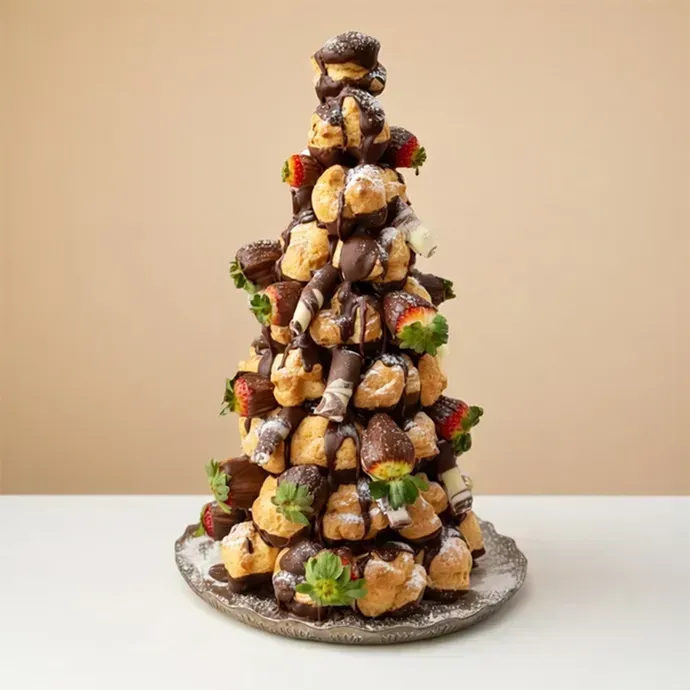
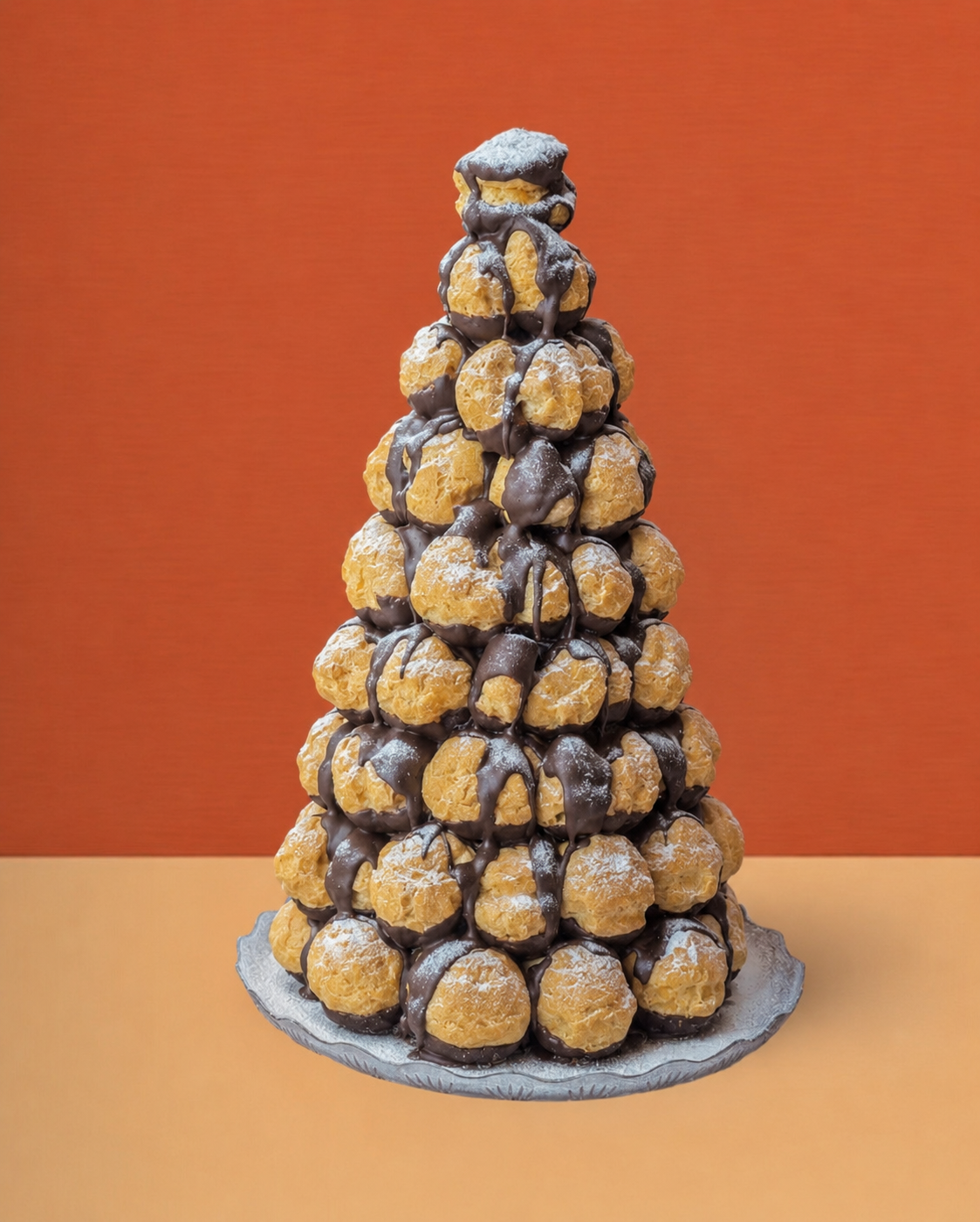
Profiterole Tower - Classic Chocolate
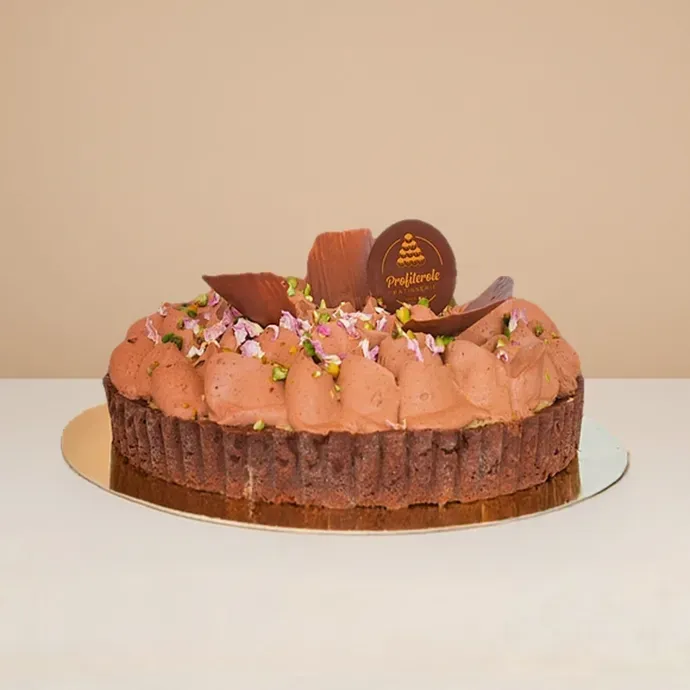
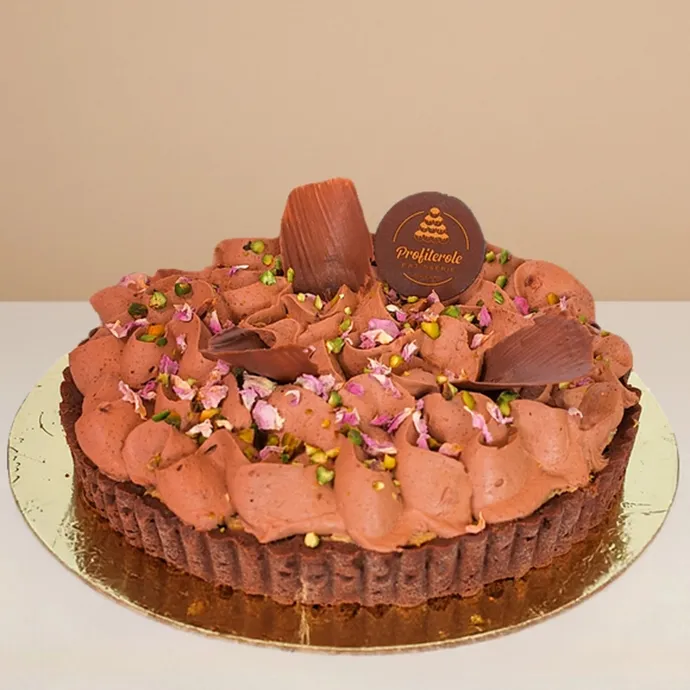
Dubai Chocolate Cake
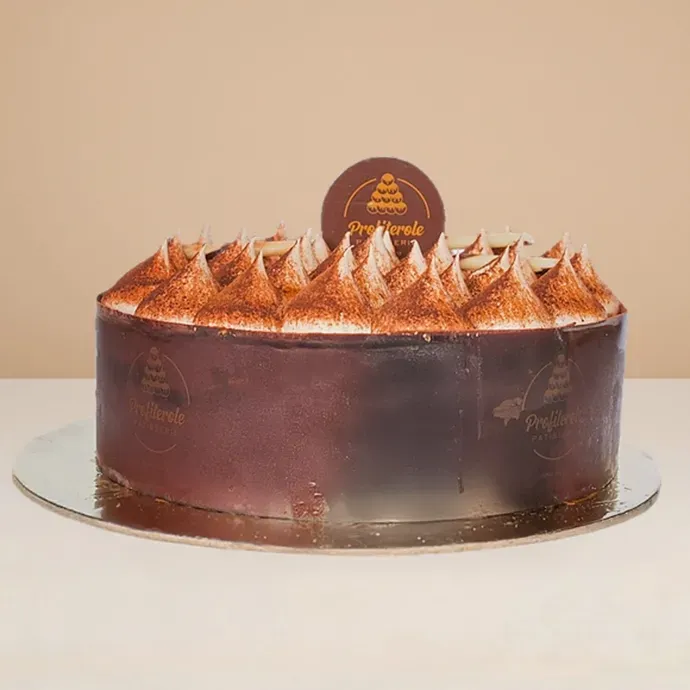
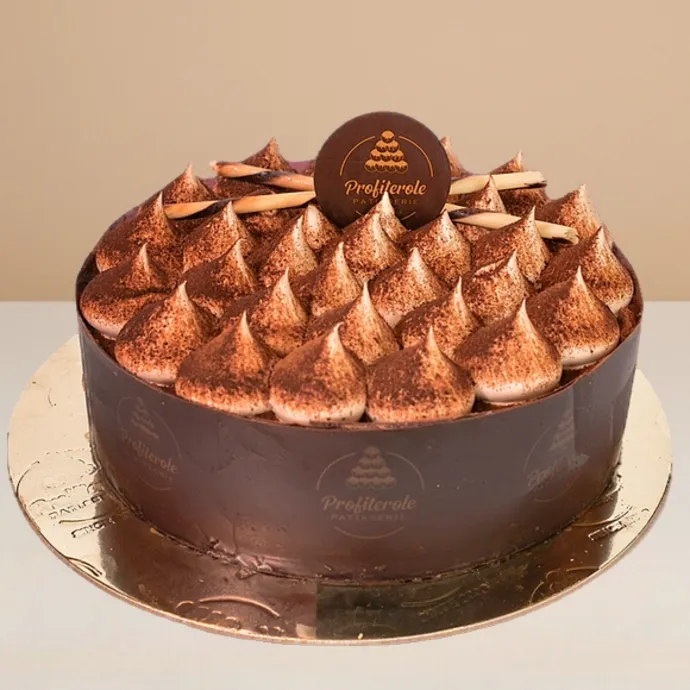
Tiramisu Cake
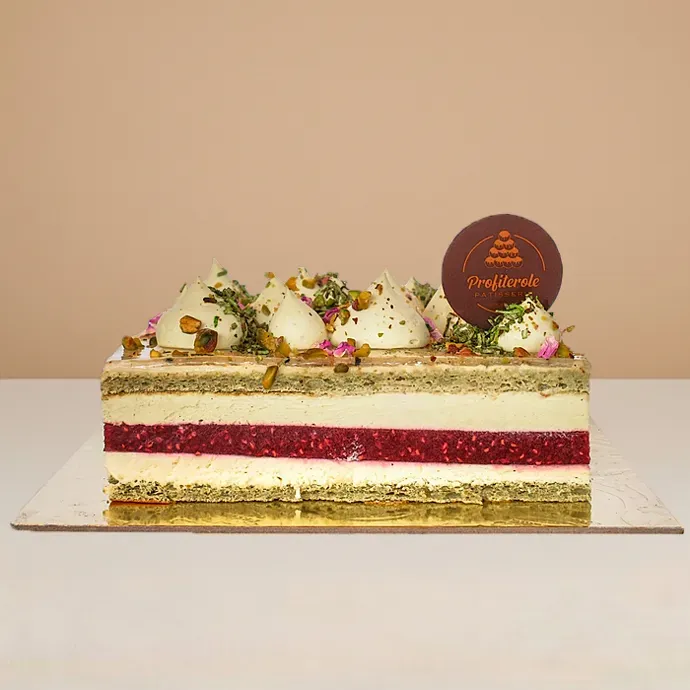
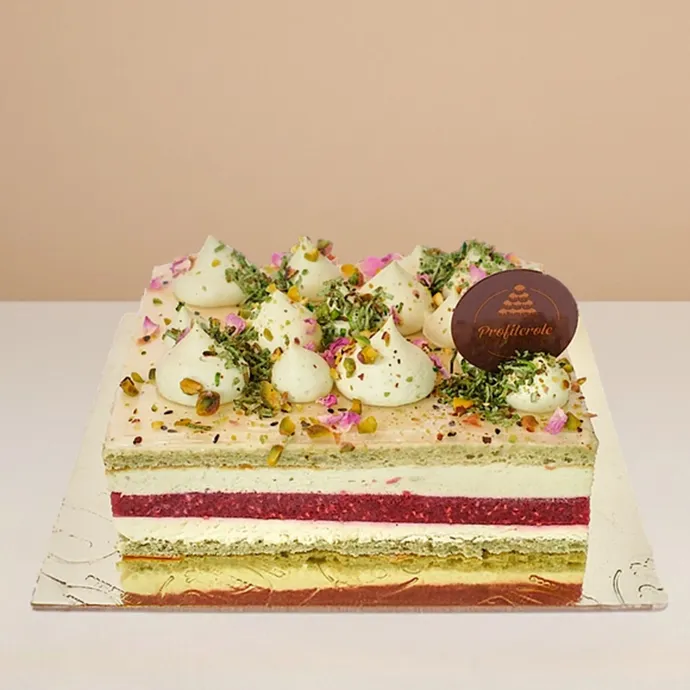
Pistachio Raspberry Bliss Cake
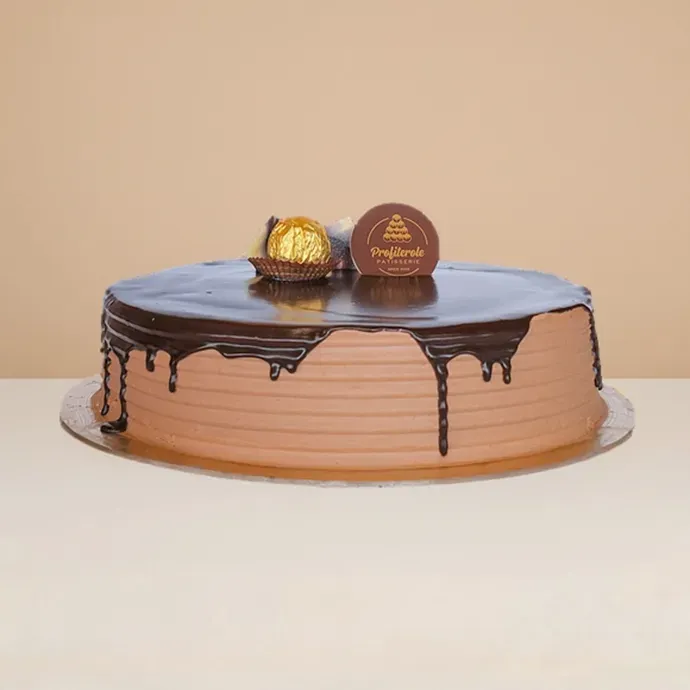
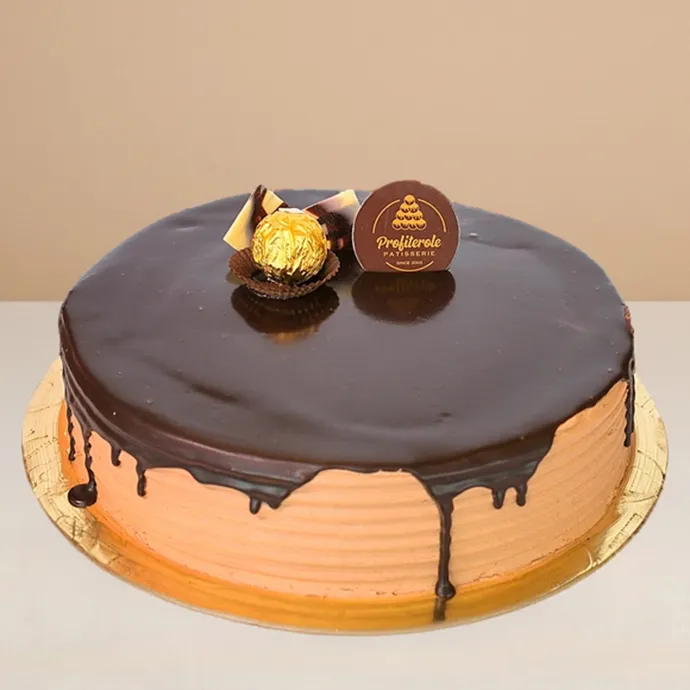
Ferrero Rocher Cake
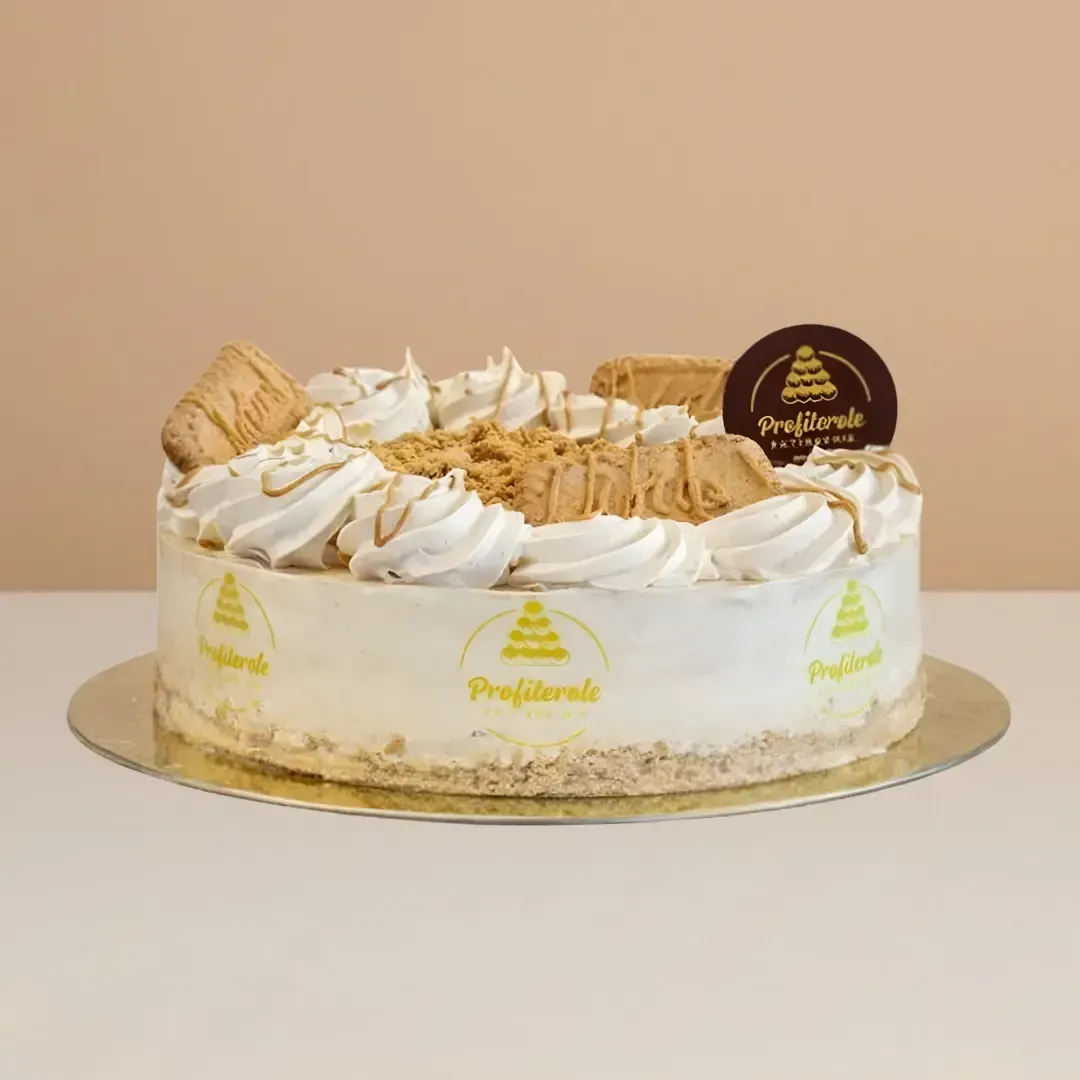
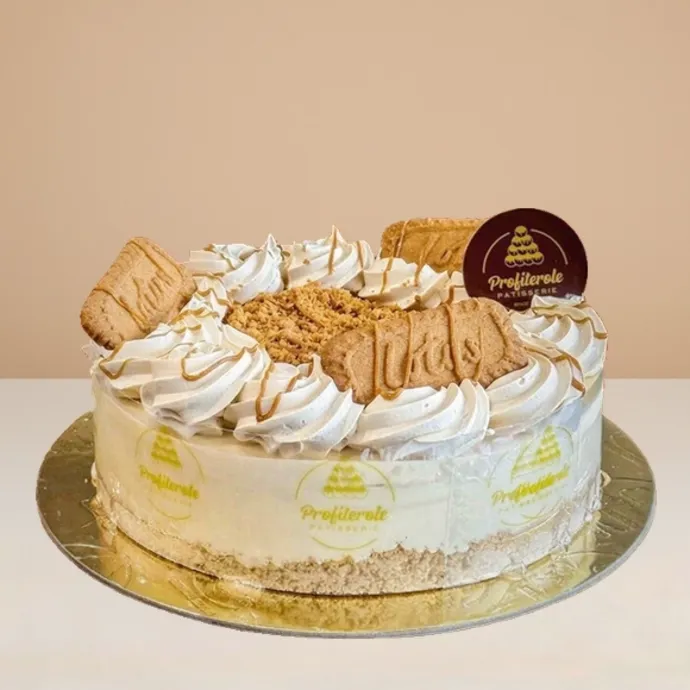
Lotus Biscoff Cheesecake
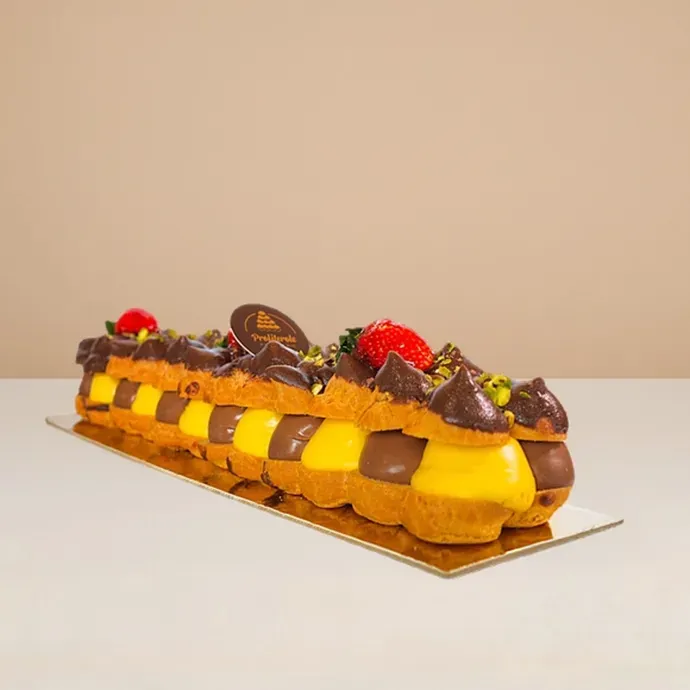
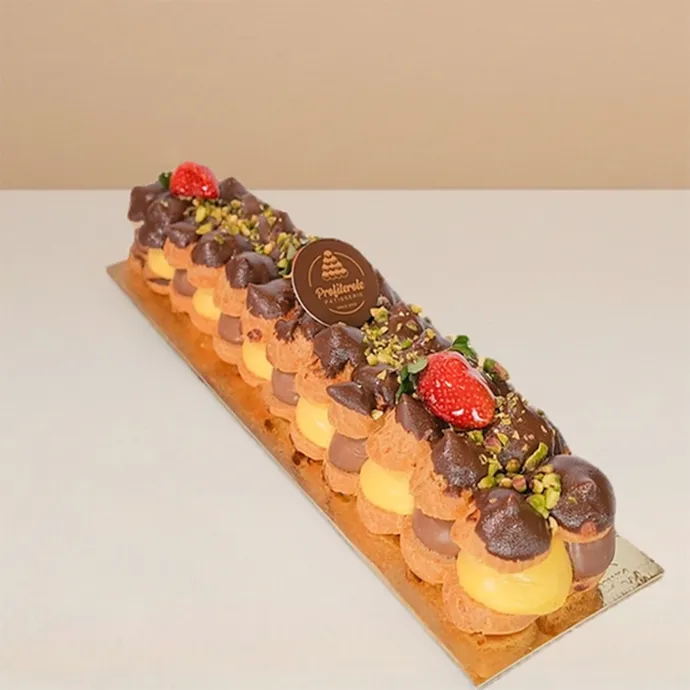
Profiterole Log Cake
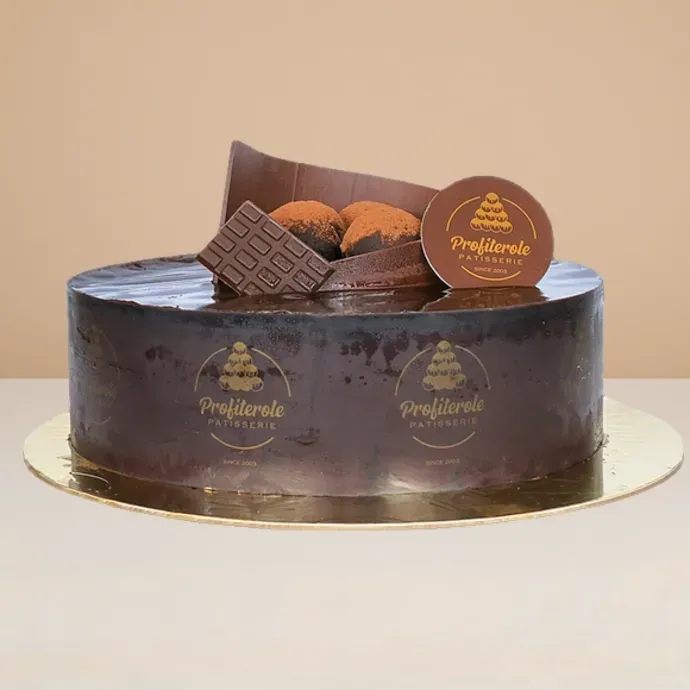
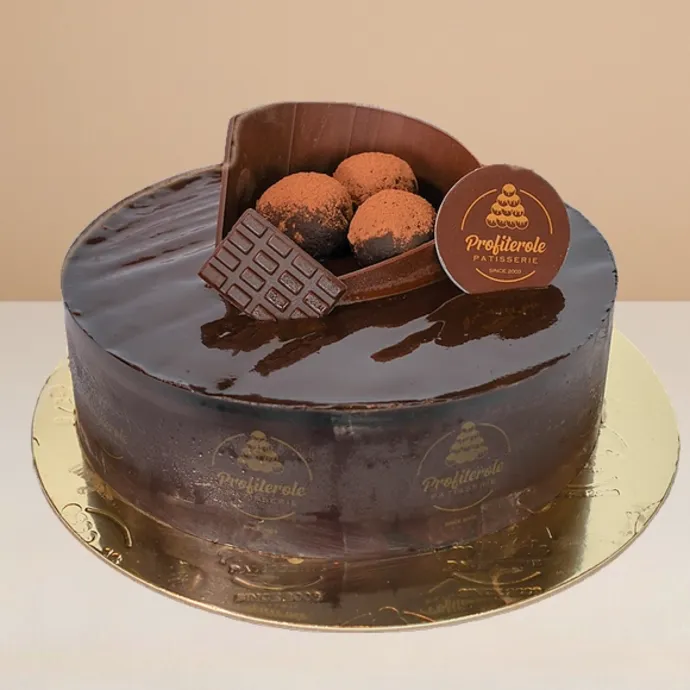
Chocolate Mousse Cake
Red Velvet Cake
Trio Cake - Round
Baked Ricotta Cheesecake
Fruit Cake - Round
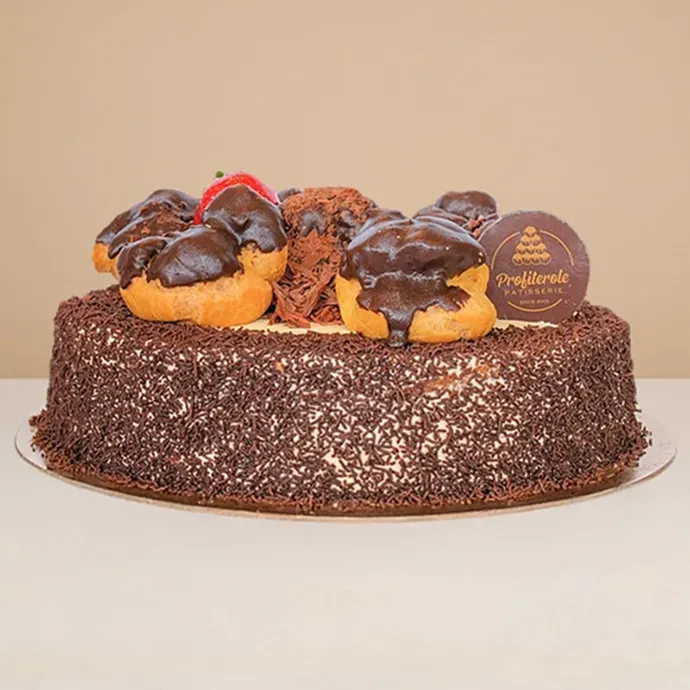
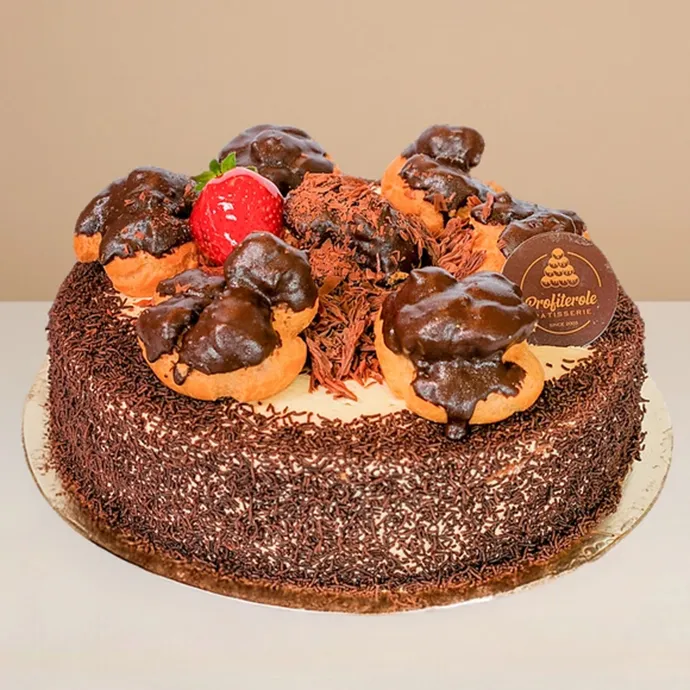
Chocolate Profiterole Cake
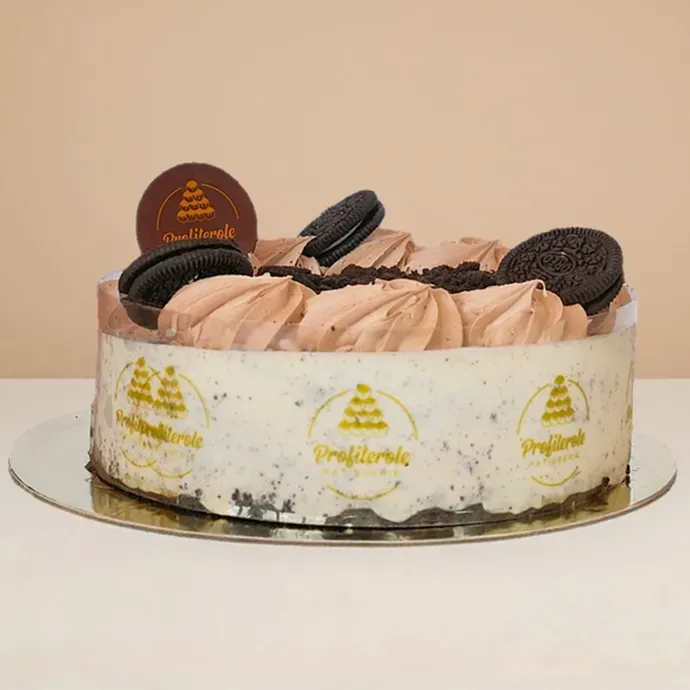
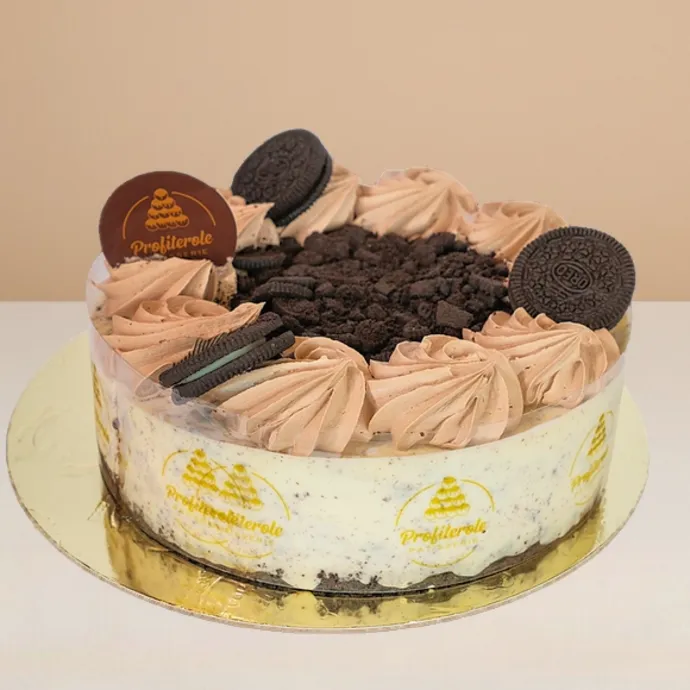
Oreo Cheesecake
White Profiterole Cake
Mousse Profiterole Cake
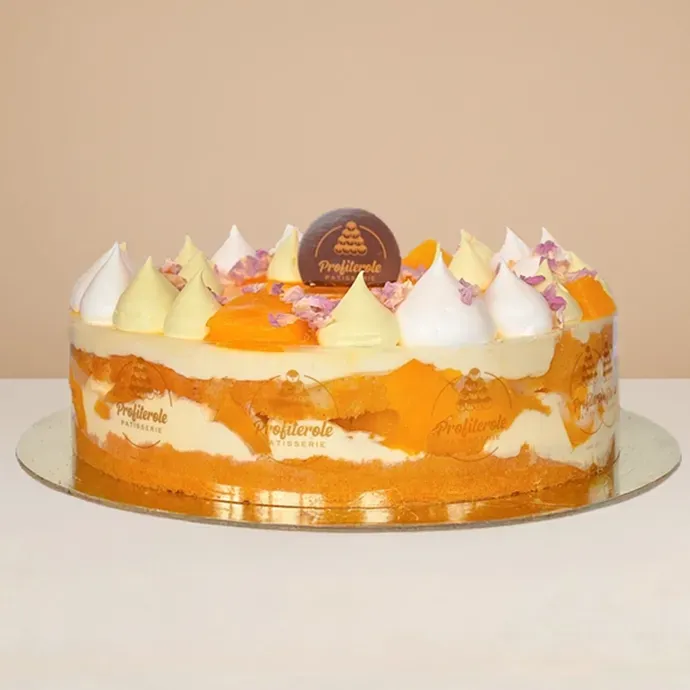
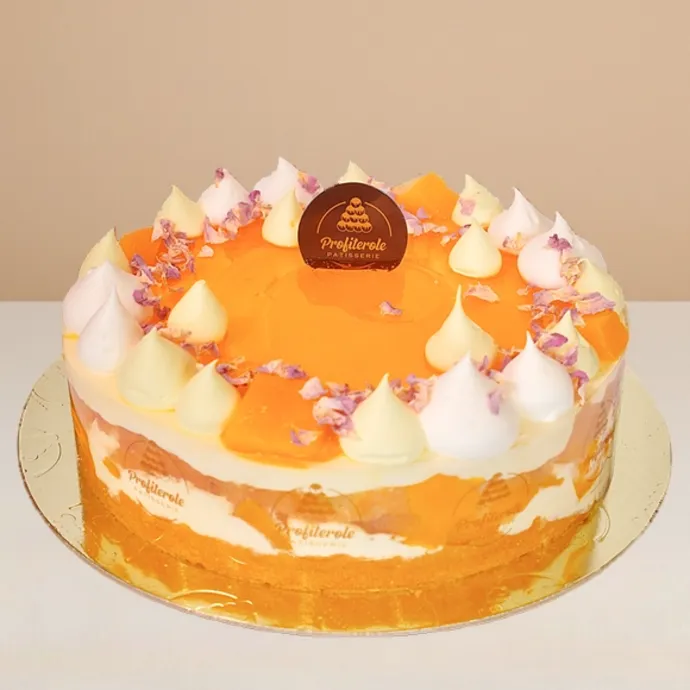
Mango Cake