Essential Baking Tools Every Beginner Baker Needs
One of the most exciting parts of learning to bake is building your collection of baking tools.
The good news is that you do not need a professional bakery setup to make fantastic cakes, cookies, pastries, and desserts at home.
What matters most is understanding which tools genuinely improve your results and which ones can wait until later.
If you’re serious about learning to bake, these are the essential tools worth investing in first.
Every great baker starts with the right tools. And for beginners, this can be overwhelming.
Especially because there is an upfront investment involved.
Quality baking equipment is not always cheap, and building your collection takes time. However, the rewards often far outweigh the initial cost.
Baking at home can save money, create memorable experiences with family and friends, and even become the foundation of a business you genuinely love.
TL;DR:
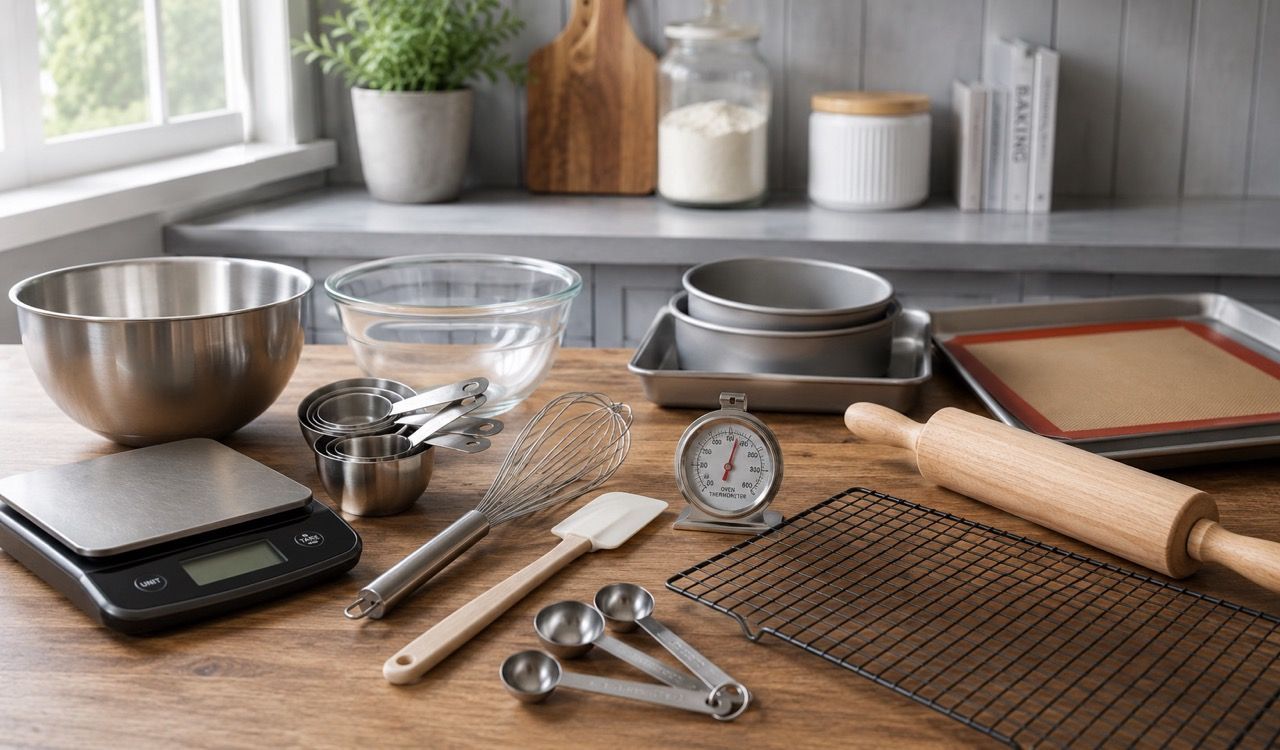
Here is a table of all the beginner baking tools we're about to discuss:
| Baking Tools | Primary Purpose |
|---|---|
| Oven thermometer | Ensures your oven is baking at the correct temperature |
| Digital food scale | Measures ingredients accurately for consistent results |
| Measuring cups and spoons | Measures liquids and small ingredient quantities |
| Sifter or fine mesh sieve | Removes lumps and aerates dry ingredients |
| Spatulas | Scrapes bowls, folds batter, and spreads frosting |
| Whisks | Mixes ingredients and incorporates air into batters |
| Mixing bowls | Holds and combines ingredients during preparation |
| Electric mixer | Speeds up mixing, whipping, and creaming tasks |
| Baking pans | Shapes and supports cakes, loaves, and other baked goods |
| Half sheet pans | Bakes cookies, pastries, and other tray based recipes |
| Silicone baking mats | Provides a reusable non stick baking surface |
| Cookie scoops | Creates evenly sized cookies, muffins, and portions |
| Rolling pin | Rolls dough evenly for pastries, pies, and fondant |
| Pastry cutter or dough blender | Cuts butter into flour for flaky pastry doughs |
| Cooling racks | Allows baked goods to cool evenly and stay crisp |
01. Oven Thermometer
One of the biggest surprises for beginner bakers is discovering that many ovens are inaccurate.
You may set your oven to 180°C only to find that it is actually baking at 170°C or 190°C. This inaccuracy can affect cakes, cookies, and pastries.
An oven thermometer helps verify the actual temperature inside your oven. This allows you to make adjustments and achieve more consistent baking results.
For many experienced bakers, an oven thermometer is one of the most important and affordable upgrades you can make. And it is good practice to learn how to use it in the beginning of your baking journey.
02. Digital Food Scale
If there is one tool that dramatically improves baking accuracy, it is a digital food scale.
Professional bakers measure ingredients by weight rather than volume because weight provides far greater consistency. A cup of flour can vary significantly depending on how it is scooped, but 250 grams is always 250 grams.
In baking, precision matters a lot as it will have a direct impact on the texture and taste of your final product. And once you have the equipment to weigh your components accurately, understanding the core pantry ingredients required for cake baking allows you to bring those precise measurements to life in your batter.
Important tip: Look for a scale that measures in both grams and ounces and offers a tare function for easy ingredient additions.
03. Measuring Cups and Spoons
While a digital scale should be your primary measuring tool, measuring cups and spoons remain essential.
They are convenient for liquids, small quantities, and recipes that use traditional measurements.
A good set of measuring cup should include:
- 1 cup
- ½ cup
- ⅓ cup
- ¼ cup
While a good set of measuring spoon includes:
- 1 tablespoon
- 1 teaspoon
- ¾ teaspoon
- ½ teaspoon
- ¼ teaspoon
- ⅛ teaspoon
Metal measuring sets tend to be more durable than plastic versions and often provide greater accuracy.
04. Sifter or Fine Mesh Sieve
A sifter or fine mesh sieve helps create lighter, smoother baked goods.
It removes lumps from flour, cocoa powder, icing sugar, and other dry ingredients. This helps ingredients blend more evenly and improves texture.
Many bakers prefer fine mesh sieves because they are versatile, easy to clean, and useful for many kitchen tasks beyond baking.
05. Spatulas and Whisks
These simple tools are used constantly in baking.
There are two common types of spatula:
- Silicone Spatulas - Silicone spatulas are ideal for scraping bowls, folding batter, mixing ingredients, and minimising waste. Heat resistant versions can also be used while cooking.
- Offset Spatulas - Offset spatulas help spread frosting smoothly across cakes and cupcakes.
There are also two types of whisks highly recommended for beginner bakers:
- Balloon Whisks - Balloon whisks are excellent for incorporating air into eggs, cream, and batters.
- Flat Whisks - Flat whisks work well for sauces, custards, and shallow mixing tasks.
Have these spatulas and whisks in your beginner baking starter pack and you’ll realise their importance as you progress.
06. Mixing Bowls
Mixing bowls form the foundation of nearly every baking project.
A useful set should include multiple sizes:
- Small bowl for ingredients and flavourings
- Medium bowl for fillings and frostings
- Large bowl for cake batters and doughs
Stainless steel bowls are durable, lightweight, and easy to clean. Glass bowls allow you to see ingredient incorporation more clearly.
Many bakers eventually own both. But for a start, we recommend using stainless bowls because they are cheaper and more durable. Do not skimp on buying these as these will make your life easier as a beginner baker.
07. Electric Mixer or Hand Mixer for a Start
While some recipes can be mixed by hand, an electric mixer saves time and effort. But if you don’t have the budget yet for a high-quality electric mixer, a hand mixer is a good place to start with.
- Hand Mixer - A hand mixer is affordable, compact, and suitable for most beginner baking projects.
- Stand Mixer - A stand mixer is a larger investment but offers greater power and versatility. It is especially useful for bread doughs, large batches, and frequent baking.
08. Baking Pans
Cake pans are essential for obvious reasons. And picking out the right pan for your baking needs is important.
- Round pans are commonly used for layer cakes.
- Square and rectangular pans work well for sheet cakes and bars.
Many bakers start with:
- Two 20cm round cake pans
- One loaf pan
- One square baking pan
These cover a surprisingly wide range of recipes.
09. Half Sheet Pans
Half sheet pans are among the most versatile baking tools available.
They can be used for:
- Cookies
- Roasted nuts
- Sponge cakes
- Pastries
- Cooling baked goods
A sturdy half sheet pan with rolled edges resists warping and lasts for years.
10. Silicone Baking Mats
Silicone baking mats provide a reusable non-stick surface. They reduce the need for baking paper and help ensure even heat distribution.
They’re particularly useful for cookies, macarons, pastries, and delicate baked goods that tend to stick.
Many bakers also use parchment papers instead of baking mats as they are very easy to use and you can discard them right after using them.
11. Cookie Scoops
By having this simple tool, you baking immediately becomes more versatile as it will allow you to create smaller sized baked goods.
They help create evenly sized:
- Cookies
- Cupcakes
- Muffins
- Cake pops
- Dessert fillings
Consistent sizing means more even baking and a more professional appearance.
Small, medium, and large scoops each serve different purposes.
12. Rolling Pin
If you plan to make pastry, pie dough, biscuits, or fondant decorations, a rolling pin becomes essential.
Traditional wooden rolling pins remain popular because they are simple and reliable. On the other hand, french rolling pins, which have no handles, offer greater control and are preferred by many pastry chefs.
The best option often comes down to personal preference.
13. Pastry Cutter, Also Known as a Dough Blender
A pastry cutter is designed to incorporate cold butter into flour.
This technique is essential for:
- Pie crusts
- Scones
- Biscuits
- Shortcrust pastry
The tool helps create small pockets of fat throughout the dough, which results in flaky baked goods.
While it may seem specialised, it becomes invaluable once you start making pastries.
14. Cooling Racks
Many beginners overlook cooling racks, but they play an important role in texture.
When baked goods cool directly on a tray, trapped steam can make the bottom soggy.
Cooling racks allow air to circulate around the entire item, helping preserve crispness and preventing condensation. They’re particularly important for cookies, pastries, and cakes.
And once your freshly baked cake has completely cooled and is ready to slice, discovering what beverage and side accompaniments to serve with cake transforms your homemade bake into a café-quality dessert.
Recommended Basic Baking Tools Beginner Bakers Must Purchase First
The thought of purchasing all these tools at once can be intimidating, especially when you’re just starting out. If you’re starting from scratch and working within a budget, prioritise these five tools first:
- Digital Food Scale
- Measuring Cups and Spoons
- Mixing Bowls
- Whisk and Silicone Spatula
- Baking Pans
With just these essentials, you can successfully bake a wide range of cakes, muffins, cupcakes, cookies, and simple desserts while gradually building your collection over time.
Good Quality Baking Tools Make the Beginner Journey More Enjoyable
Every baker remembers their first successful cake, batch of cookies, or loaf of bread. Those moments often spark a lifelong passion for baking.
The right tools will not automatically make someone a great baker, but they do make learning easier, more enjoyable, and more consistent. Investing in quality baking equipment is really an investment in your skills, creativity, and confidence.
Whether your goal is to bake for family, create memorable celebrations, or eventually build a baking business of your own, these tools provide a strong foundation to start that journey. And on those occasions when you prefer to step away from the oven and focus entirely on entertaining, ordering a spread of elegant cakes to impress your guests ensures your party table looks spectacular with zero effort.
At Profiterole Patisserie, we have immense appreciation for the craftsmanship behind every baked creation. Whether you’re baking your first sponge cake at home or developing professional skills, understanding the tools of the trade is one of the best ways to build confidence and enjoy the process.
Publish date: 08/06/2026
Joey Yaccoub
Head Baker & Operations Manager, Profiterole Patisserie
Joey Yaccoub is the Head Baker at Profiterole Patisserie, bringing over a decade of hands-on experience in artisan cake design and pastry craftsmanship.
He oversees recipe development, product quality, and daily operations across all store locations, ensuring every cake meets the brand’s standards for flavour, presentation, and consistency.
FAQs
What equipment do beginner bakers need?
Most beginner bakers should start with the following equipment:
- digital scale
- measuring cups and spoons
- mixing bowls
- whisk and spatula
- baking pans
These tools cover the majority of basic baking recipes and help create more consistent results.
Is baking equipment worth the investment?
While quality baking equipment requires an upfront investment, it often lasts for many years and helps produce more reliable results.
Many home bakers find that the enjoyment, skill development, and potential cost savings quickly justify the expense.
Can I bake without an electric mixer?
Absolutely. Many classic cakes, muffins, cookies, brownies, and quick breads can be made using nothing more than a whisk, spatula, or wooden spoon.
An electric mixer simply makes certain tasks faster, particularly when whipping cream, beating egg whites, or creaming butter and sugar.
If you’re just starting out, don’t feel pressured to buy one immediately. Plenty of excellent bakers began with basic hand tools and upgraded their equipment as their skills grew.
Can you use a silicone baking mat instead of parchment?
Yes, in many situations a silicone baking mat can replace parchment paper. Silicone mats provide a reusable, non-stick surface that works particularly well for cookies, macarons, pastries, and other baked goods that tend to stick to trays.
The main advantage is that they can be used hundreds of times, making them a more economical and environmentally friendly option over the long term.
However, parchment paper is still useful when lining cake pans or when you need something disposable for quick cleanup.
What is a half sheet pan used for?
A half sheet pan is one of the most versatile pieces of baking equipment you can own.
It is commonly used for baking cookies, roasting nuts, making pastries, baking sponge cakes, and even cooling baked goods.
Most home ovens are designed to accommodate a half sheet pan comfortably, which is why it has become a favourite among both professional and home bakers.
If you’re only going to invest in one baking tray, a sturdy half sheet pan is usually the best choice.
What to use if you don't have a dough cutter or pastry cutter?
If you don’t have a pastry cutter, there are several simple alternatives.
Two butter knives can be used in a crisscross motion to cut butter into flour, while a fork works well for smaller batches.
Some bakers even use their fingertips to gently rub cold butter into the flour until the mixture resembles coarse crumbs.
Although a pastry cutter makes the job faster and more consistent, these alternatives can still produce excellent pie crusts, scones, biscuits, and pastries when used carefully.
Cakes Made Specially for Your Cravings
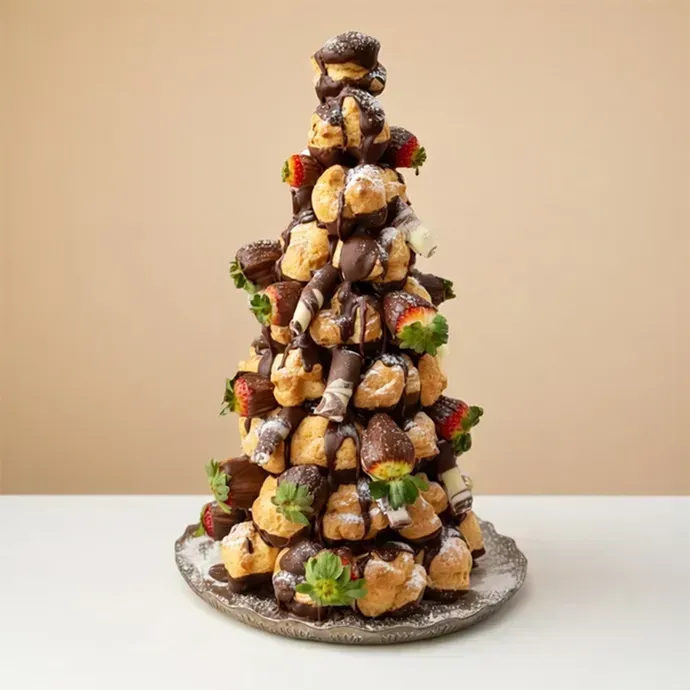
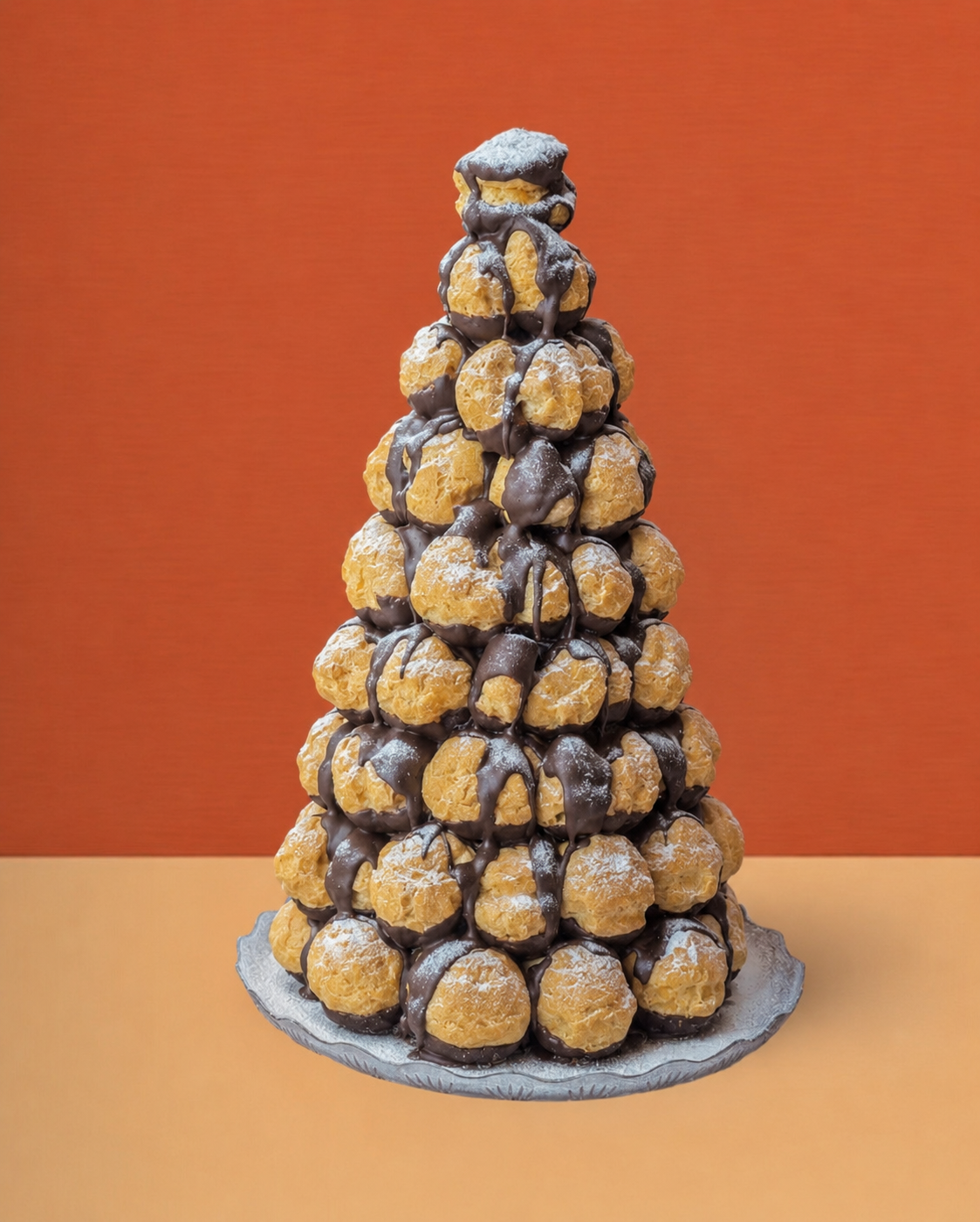
Profiterole Tower - Classic Chocolate
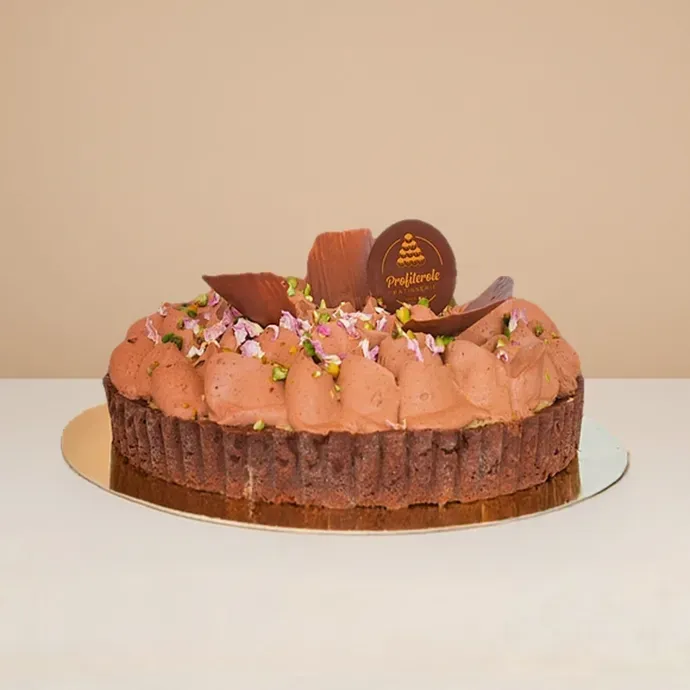
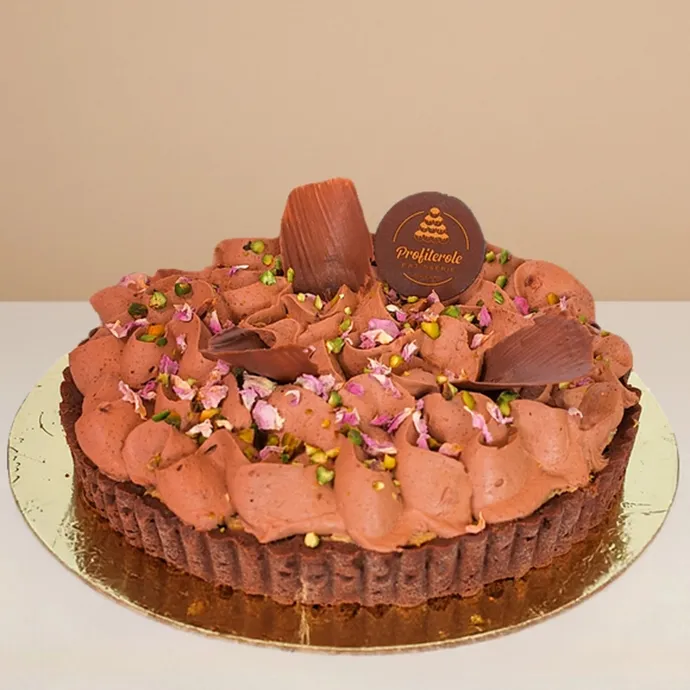
Dubai Chocolate Cake
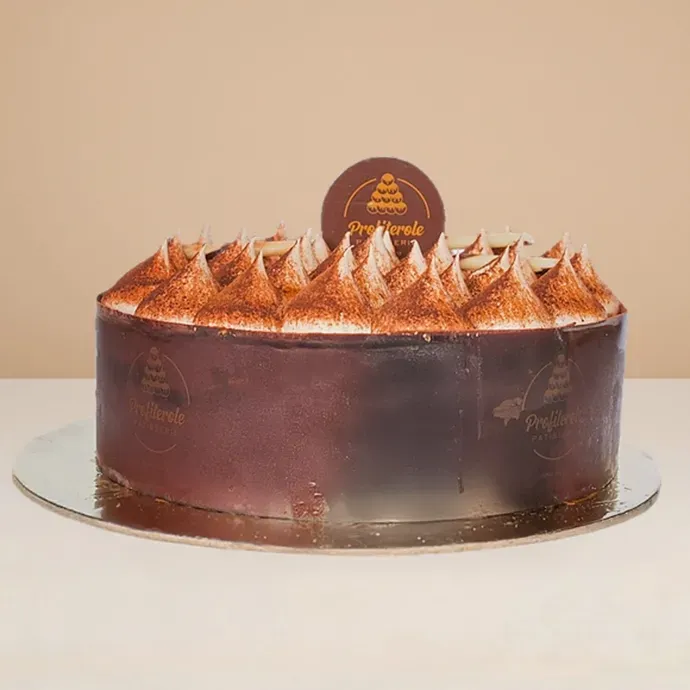
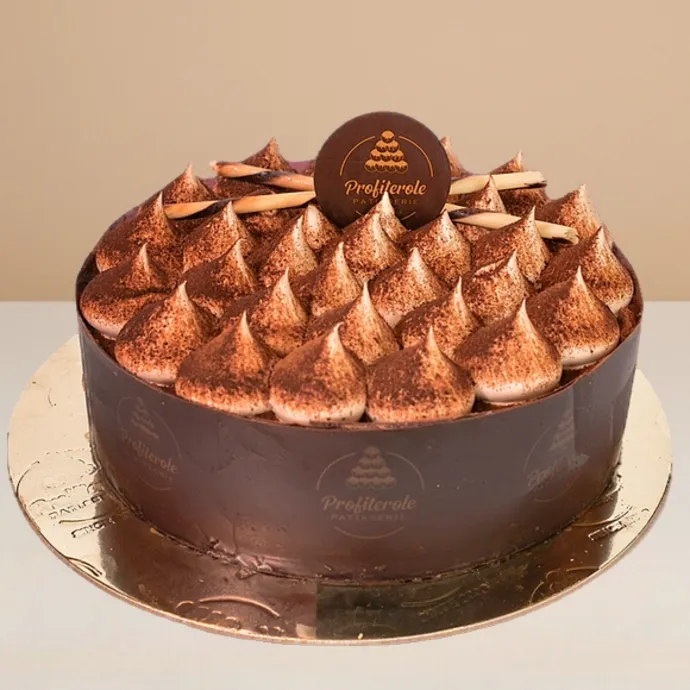
Tiramisu Cake
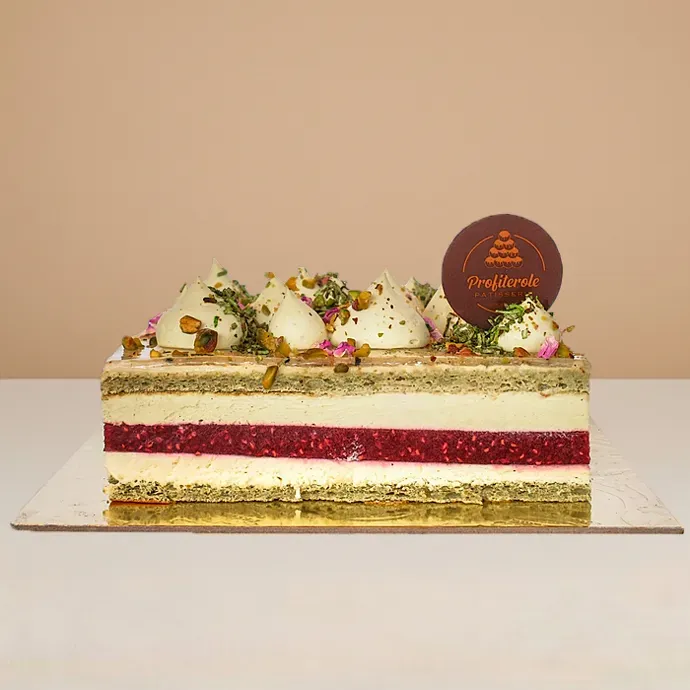
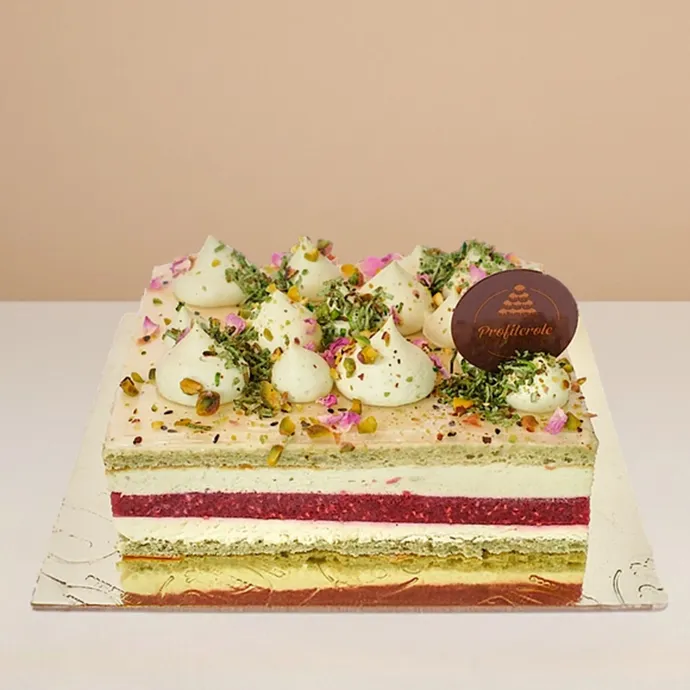
Pistachio Raspberry Bliss Cake
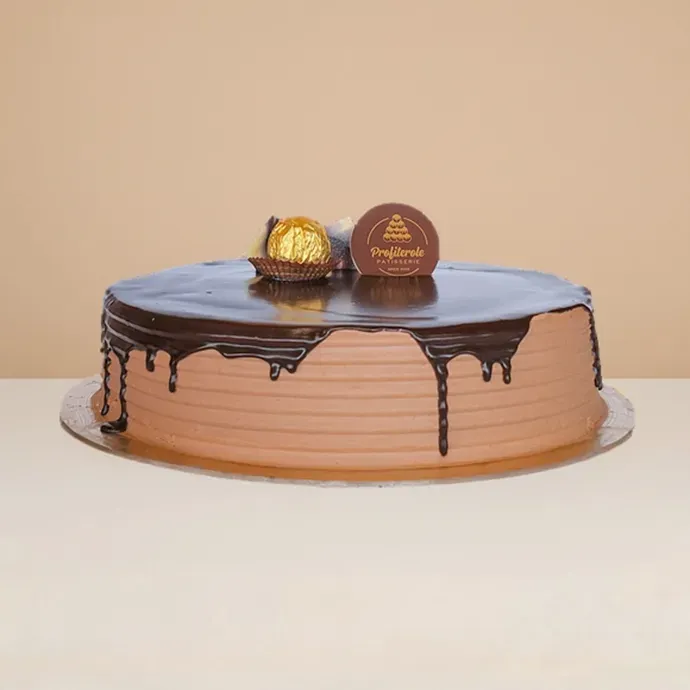
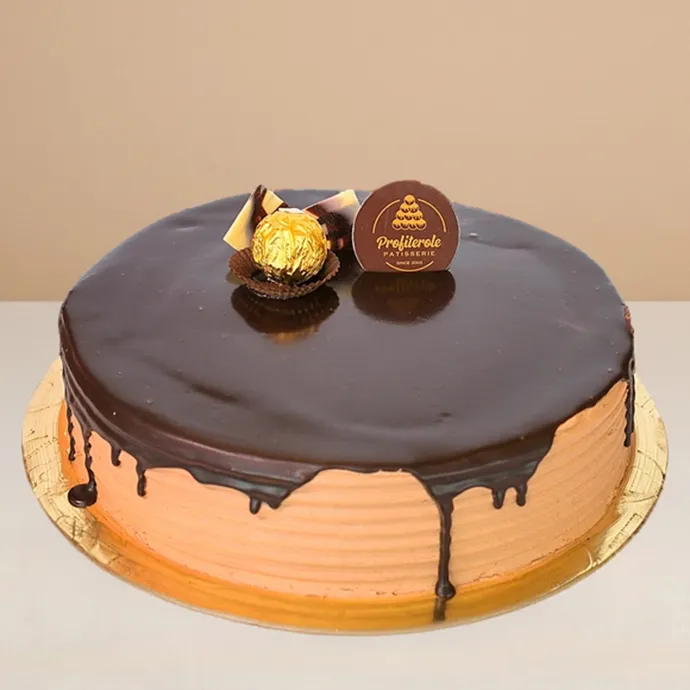
Ferrero Rocher Cake
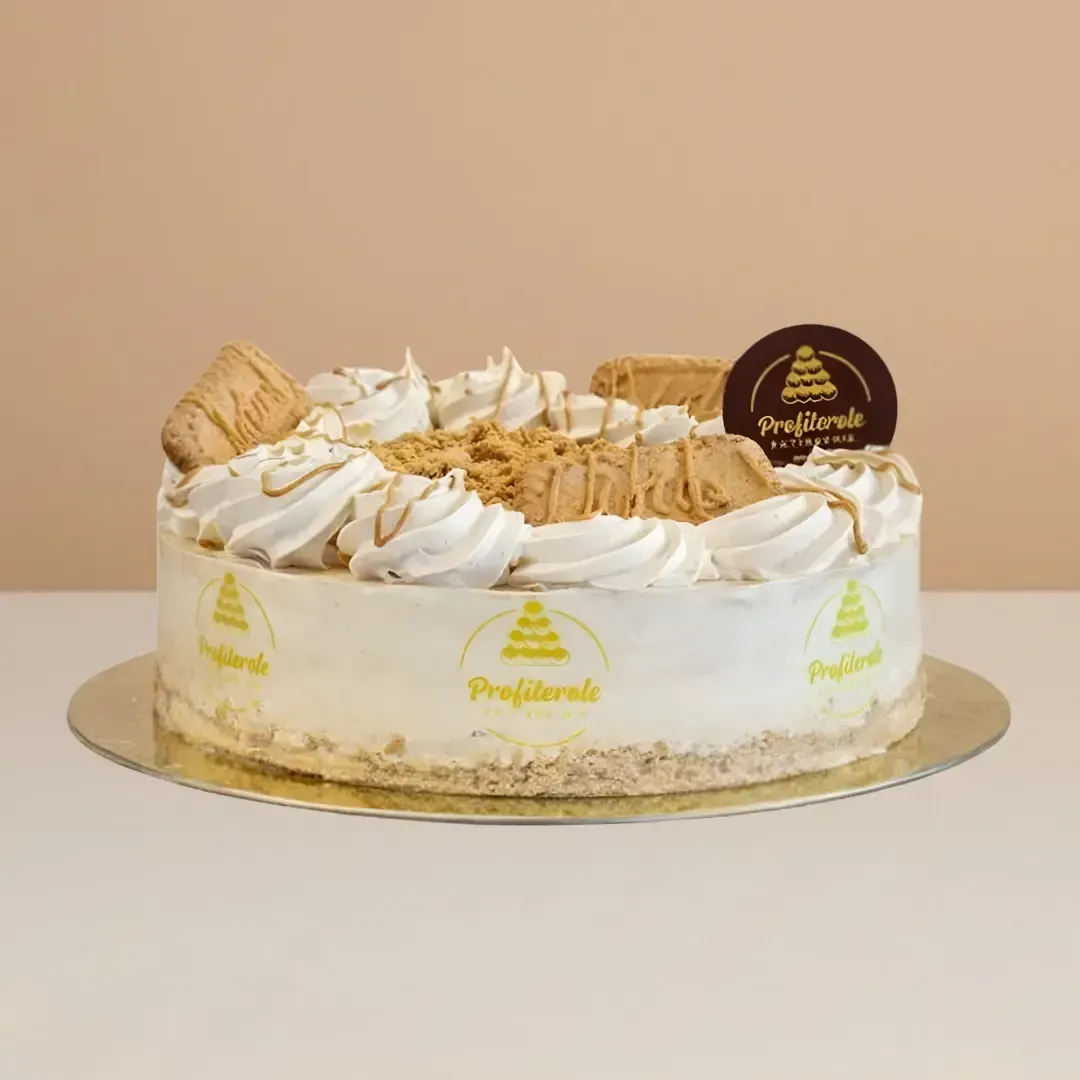
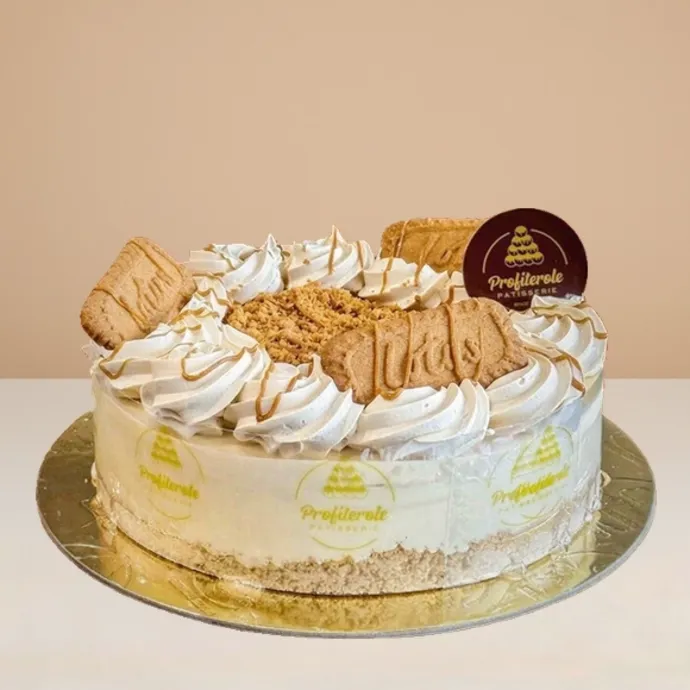
Lotus Biscoff Cheesecake
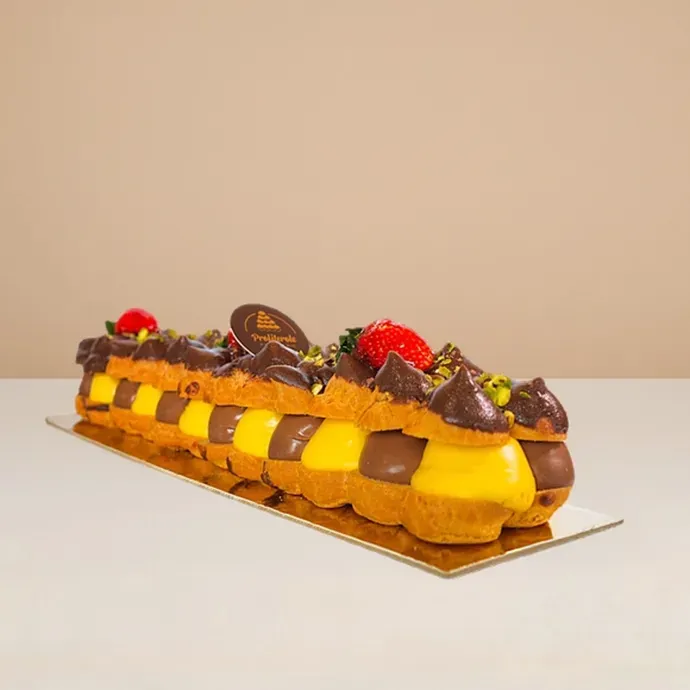
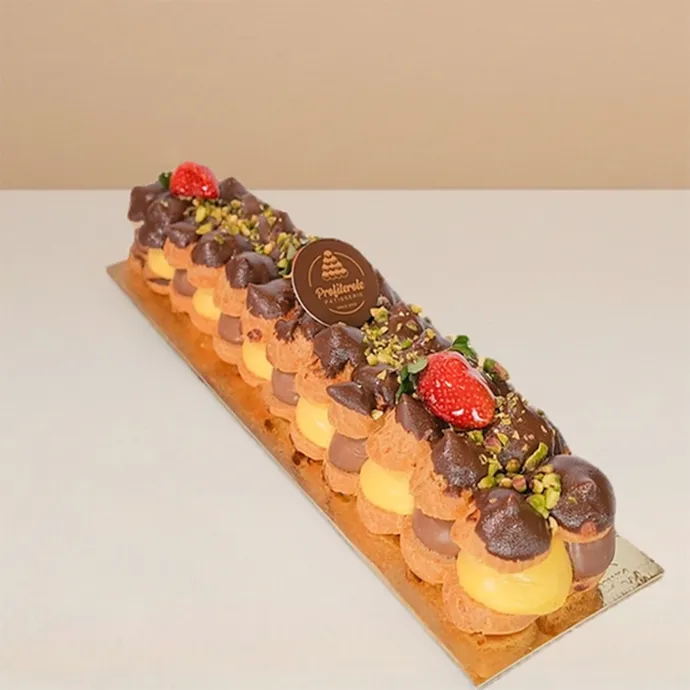
Profiterole Log Cake
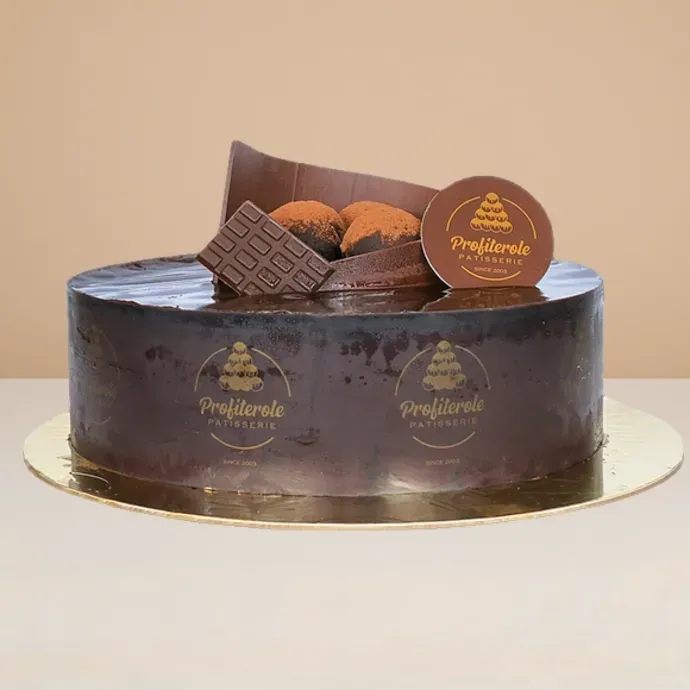
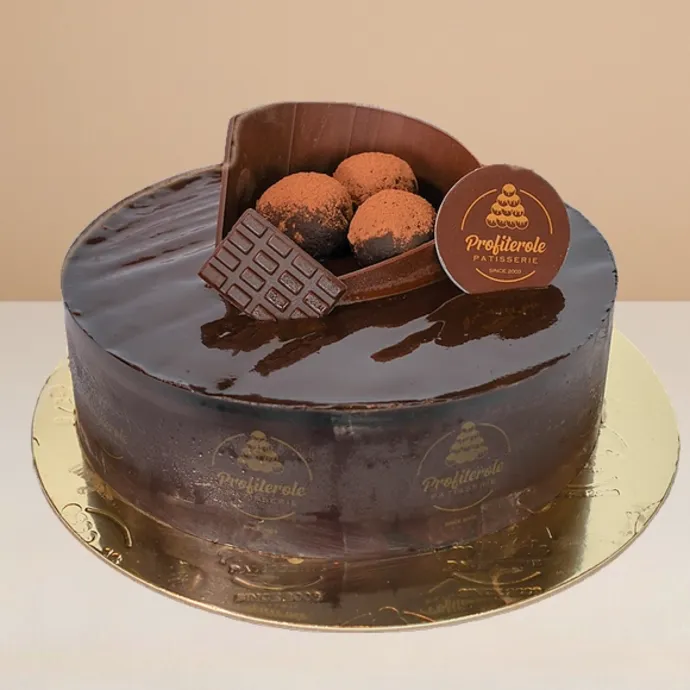
Chocolate Mousse Cake
Red Velvet Cake
Trio Cake - Round
Baked Ricotta Cheesecake
Fruit Cake - Round
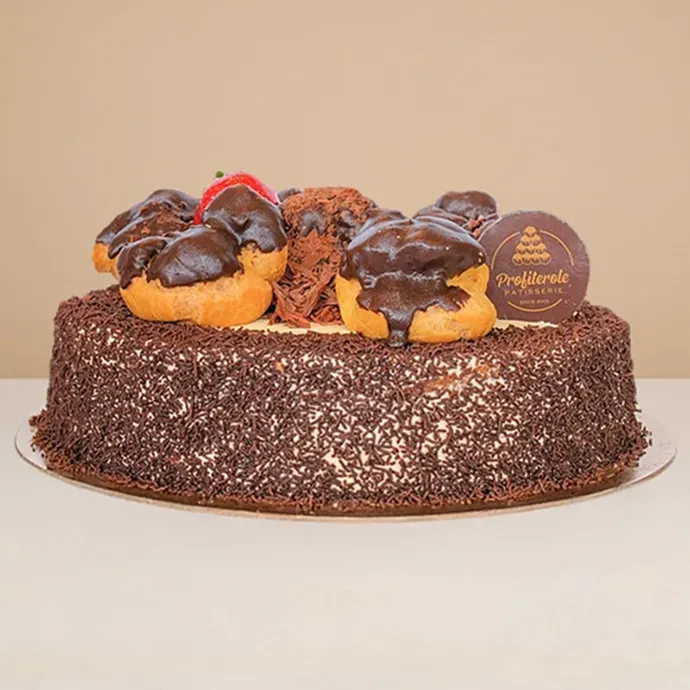
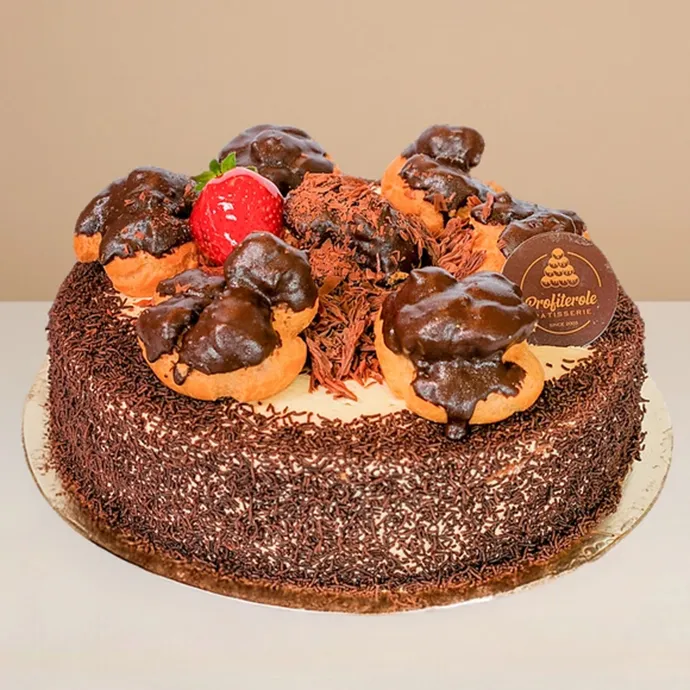
Chocolate Profiterole Cake
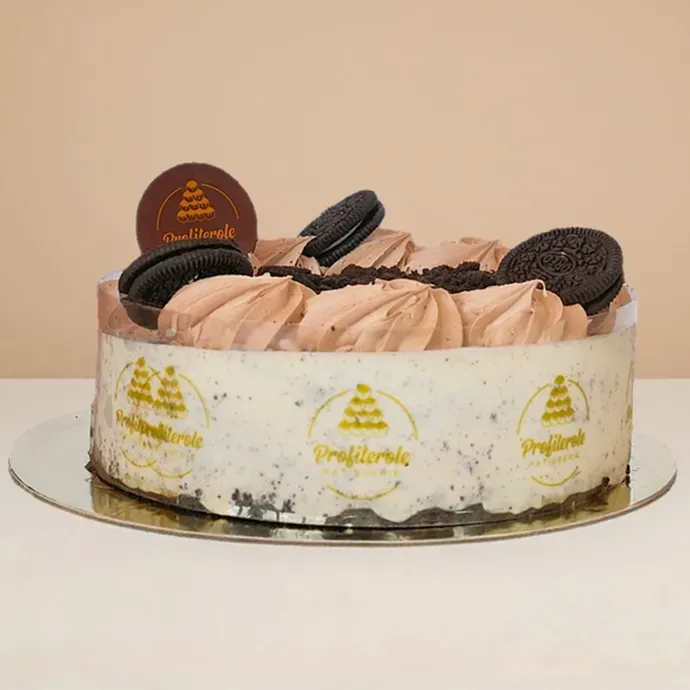
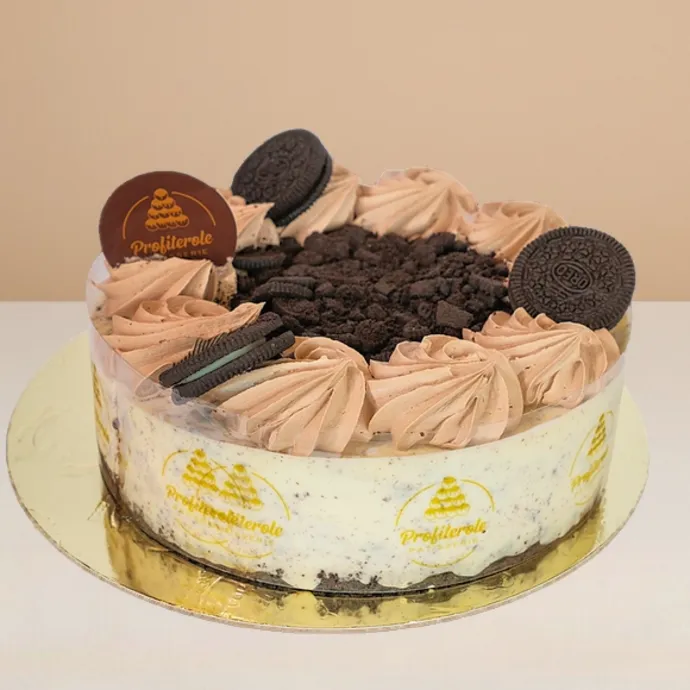
Oreo Cheesecake
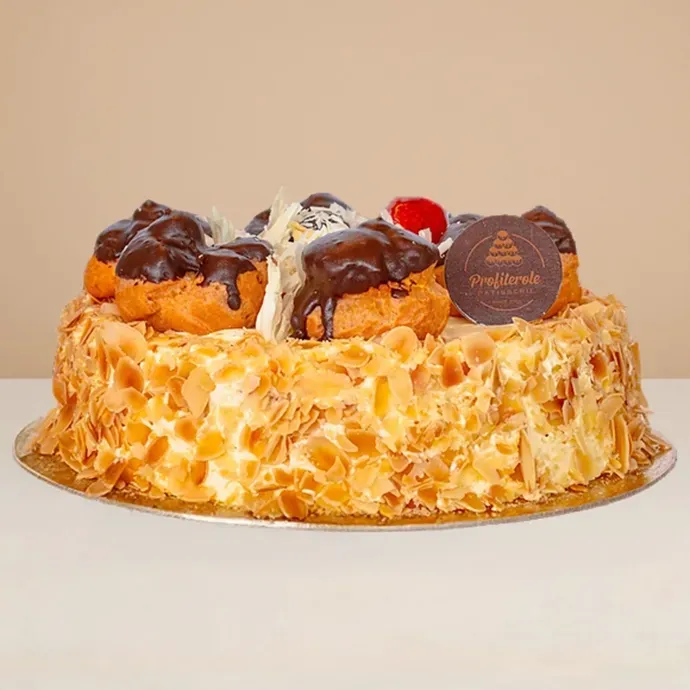
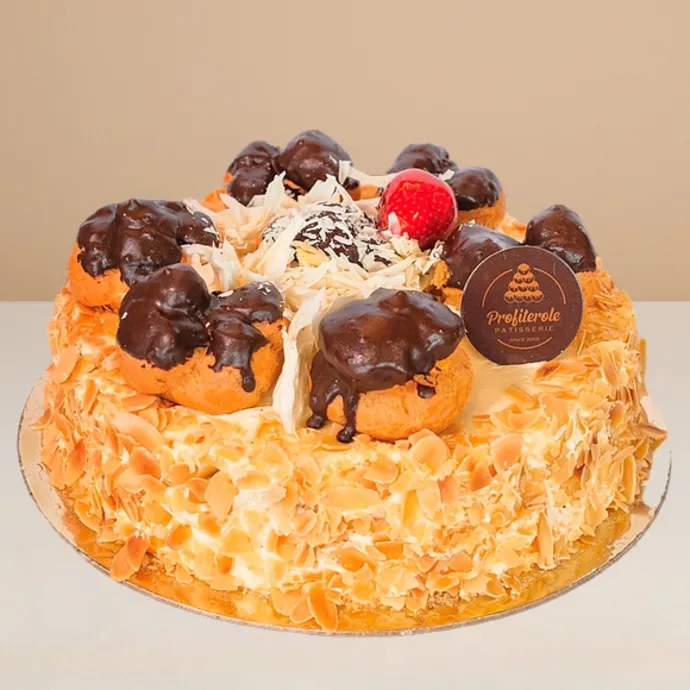
White Profiterole Cake
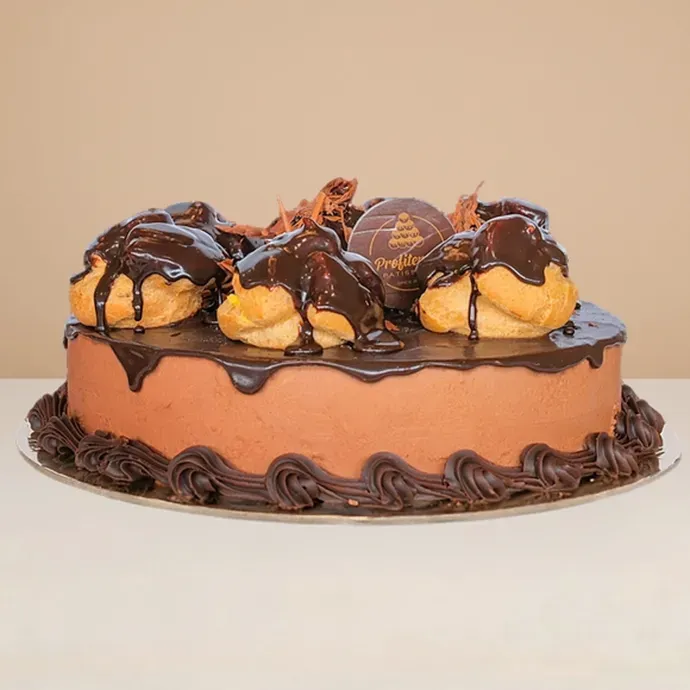
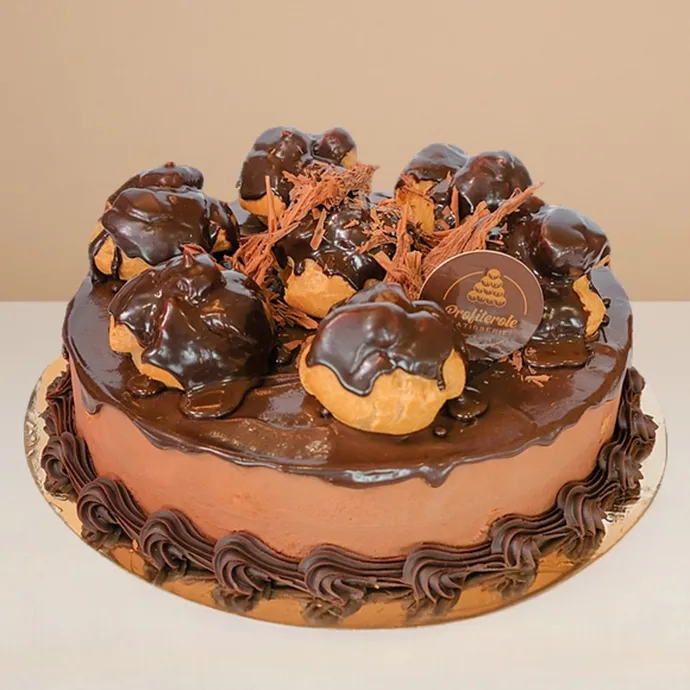
Mousse Profiterole Cake
Mango Cake