French Baking Terms Every Beginner Pastry Chef Should Know
Creating authentic patisserie can feel incredibly intimidating for an apprentice baker. Especially when you open a classic recipe and immediately encounter a wall of foreign terms that you don't understand. The mental friction of not understanding an instruction with foreign terms can easily ruin your rhythm.
But do not worry too much, because your trusted French-inspired bakeshop in Sydney has compiled a list of French baking terms to guide you towards becoming a pastry chef!
TL;DR
This comprehensive glossary of 100 French baking terms serves as your ultimate kitchen toolkit and definitive master guide to the craft. Understanding these essential french pastry terms and meanings will instantly unlock your culinary confidence, stripping away the elitism often associated with classical French baking.
Foundational French Cooking and Baking Techniques
Professional patisserie relies entirely on specific mechanical actions that directly dictate the final texture, lift, and structure of your creations. Mastering these exact hand movements and thermal processes ensures your delicate bakes succeed consistently without guesswork.
- Bain-marie: A gentle water bath setup used to melt delicate ingredients like chocolate or cook custards evenly without scorching.
- Blanchir: Whisking egg yolks and sugar together vigorously until the mixture turns pale, thick, and voluminous.
- Clarifier: Separating pure milk fat from water and milk solids to create beautifully clear melted butter.
- Crémer: Beating softened butter and sugar together until the mixture becomes light, fluffy, and smooth.
- Dorure: An egg wash mixture brushed over unbaked pastries to achieve a rich, deep golden sheen during the baking process.
- Éviter: Gently piercing unbaked pastry dough with a fork to allow steam to escape and prevent blistering in the oven.
- Foncer: Hand-shaping and lining a tart ring or pie tin firmly with a rolled layer of pastry dough.
- Glaçer: Coating a baked dessert with a shiny mirror glaze, melted chocolate, or icing sugar for a sleek finish.
- Laminer: Rolling and folding dough repeatedly with solid layers of cold butter to create hundreds of ultra-thin, flaky pastry layers.
- Monder: Quickly blanching nuts in boiling water and plunging them into ice water to peel off their skins easily.
- Monter au ruban: Whisking eggs and sugar continuously until the batter ribbons cleanly and slowly off your raised spatula.
- Napper: Coating the back of a spoon cleanly with a custard or sauce to verify it has thickened correctly.
- Pocher: Cooking delicate fruits or ingredients by gently simmering them in a flavored sweet sugar syrup.
- Puncher: Soaking baked sponge cake layers with flavored simple syrup using a soft pastry brush to ensure lasting moisture.
- Rubaner: Mixing ingredients together thoroughly until they form a smooth, continuous ribbon-like stream when lifted out of the bowl.
- Sabler: Rubbing cold butter into flour with your fingertips until the mixture resembles fine crumbs or wet sand.
- Tamiser: Passing dry ingredients through a fine sieve to remove large lumps and aerate the flour for lighter crumbs.
- Torréfier: Gently roasting nuts or seeds in the oven to intensify their natural aromatic oils and rich flavors.
- Travailler: Kneading or working a dough mixture vigorously to develop its structural gluten network and overall elasticity.
- Zester: Grating the aromatic outer colored skin of citrus fruits while carefully avoiding the bitter white pith underneath.
Essential French Baking Jargon and Kitchen Terms
Understanding specific organizational terms, chemical changes, physical tools, and raw ingredient states is vital inside a professional pastry kitchen environment. These structural glossary items keep your workspace orderly, prevent mid-recipe panic, and ensure your components are prepared perfectly before assembly begins.
- Abaisse: A piece of pastry dough that has been rolled out to a specific, uniform thickness required by a recipe.
- Appareil: A prepared, ready-to-use background mixture of combined ingredients, such as a cake batter or liquid tart filling.
- Bassinage: Adding a splash of extra water to dough during kneading to adjust its hydration level and final texture.
- Beurre noisette: Butter that is melted and cooked until the milk solids turn a deep, aromatic amber brown.
- Beurre pommade: Unsalted butter softened to a perfectly smooth, creamy, room-temperature consistency resembling face cream.
- Buée: Intentionally introducing moisture or steam into a hot oven environment to give bread crusts a beautiful, glossy shine.
- Chablonnage: Coating the bottom of a baked tart shell with melted chocolate to prevent wet fillings from making it soggy.
- Chemiser: Lining the interior walls of a baking tin or pastry mold with greaseproof paper to prevent sticking.
- Ciseau: Small kitchen scissors used to snip decorative patterns into dough or trim delicate pastry edges cleanly.
- Cloche: A heavy bell-shaped dome placed over baking bread to trap steam and encourage maximum oven spring.
- Corps: The structural elasticity and strength developed in a dough when its gluten network is thoroughly worked.
- Corne: A flexible, half-moon-shaped plastic scraper used to cleanly empty mixing bowls of sticky batters and doughs.
- Cul-de-poule: A traditional round-bottomed stainless steel mixing bowl designed to make manual whisking completely effortless.
- Débarrasser: Transferring a finished preparation out of your warm cooking pans and into a cold container for safe storage.
- Détrempe: The foundational ball of flour, water, and salt mixed together before enclosing cold butter for lamination.
- Dorage: The uniform, brilliant golden-brown coloration achieved on the surface of well-baked pastries and choux shells.
- Douille: A conical plastic or metal piping nozzle inserted into a pastry bag to extrude decorative cream patterns.
- Écume: The cloudy foam or unwanted layer of impurities that rises to the surface of simmering syrups and jams.
- Egoûtter: Placing wet ingredients or cooked fillings into a colander to drain away excess moisture before assembly.
- Feuilletage: The multi-layered structural architecture found inside puff pastry, created by repeating the process of lamination.
- Gousse de vanille: A whole vanilla bean pod that is split open to scrape out the intense, fragrant black seeds.
- Imbiber: Soaking a baked dessert or sponge cake layer extensively with liquor or syrup to add depth of flavor.
- Lame: An ultra-sharp razor blade attached to a handle, used to score intricate decorative patterns across bread loaves.
- Mignardise: A tiny, delicate bite-sized sweet treat traditionally served alongside a rich espresso at the conclusion of a meal.
- Mise en place: The fundamental kitchen practice of measuring, preparing, and organizing all ingredients and tools before cooking begins.
- Plaque de cuisson: A sturdy, flat metal baking sheet or tray used to hold pastries cleanly inside the oven.
- Poche à douille: A triangular fabric or plastic pastry piping bag used to dispense fillings, creams, and batters neatly.
- Pousse: The critical fermentation period where yeasted dough expands and rises to its required final volume.
- Pousser: The active chemical expansion of dough inside the oven caused by yeast activity or trapped steam pockets.
- Rassis: A descriptive term for baked goods that have gone stale, dry, or lost their fresh oven crispness.
- Ruban: The luxurious visual appearance of a cake batter when it falls smoothly back into a bowl without breaking.
- Saccharose: The traditional culinary and scientific term used to identify ordinary granulated white table sugar.
- Sirop de sucre: A clean liquid sweetening base made by dissolving precise ratios of sugar into hot water.
- Tournage: The physical act of rolling, folding, and turning laminated dough at a precise ninety-degree angle.
- Zesteur: A specialized handheld kitchen tool designed to cleanly shave thin strips of aromatic skin from citrus fruits.
Traditional Pastry and Dessert Classifications
These completed sweets, rich fillings, smooth creams, and complex confections form the beautiful backbone of any classic patisserie window display. Each historical classification possesses a distinct structural identity and relies on a specific balance of delicate, temperature-sensitive components.
- Bavarois: A delicate cold dessert made by folding light whipped cream into an egg custard stabilized with gelatin.
- Biscuit: A light, flexible French sponge cake variety frequently used as the structured base for layered mousse cakes.
- Choux: Choux is a unique high-moisture pastry dough that utilizes trapped steam to hollow out into crispy shells when baked.
- Compote: Fresh whole fruits slow-cooked in a sweetened sugar syrup until softened while still holding their structural shape.
- Confiture: Fruit preserves cooked thoroughly with sugar until reaching a thick, spreadable jam consistency perfect for filling layers.
- Coulis: A silky, vibrant, and thick sauce made by pureeing and straining fresh berries or fruits.
- Crème anglaise: A smooth, pourable pouring custard made from cream, vanilla, and egg yolks cooked gently over low heat.
- Crème brûlée: A rich, velvety baked egg yolk custard topped with a brittle layer of hard, caramelized sugar.
- Crème d'amande: A thick, rich almond cream filling made of creamed butter, sugar, eggs, and ground almond meal.
- Crème de marrons: A sweet, smooth puree crafted from boiled chestnuts, vanilla beans, and sugar syrup.
- Crème diplomate: A luxurious filling made by folding light whipped cream into a gelatin-stabilized pastry cream base.
- Crème mousseline: A rich filling created by vigorously beating softened butter into a cooled batch of traditional pastry cream.
- Crème chantilly: Fresh, cold heavy cream whipped together with vanilla bean seeds and icing sugar until smooth peaks form.
- Crème chiboust: A classic pastry cream lightened by gently folding in fluffy hot Italian meringue while still warm.
- Crème pâtissière: A thick, stable, pipeable egg yolk custard thickened with cornflour and flavored strongly with real vanilla. As the classic filling for choux buns, knowing which drinks pair best with profiteroles and cream puffs highlights how coffee or dessert wines complement the rich vanilla custard.
- Dacquoise: A nutty, crisp-yet-chewy meringue cake layer baked with finely folded ground hazelnuts or almond meal.
- Entremet: A sophisticated, modern multi-layered mousse cake showcasing various complex interior textures, inserts, and a smooth glaze.
- Frangipane: A fragrant pastry filling made by blending almond cream smoothly together with traditional pastry cream.
- Ganache: A glossy emulsion created by pouring hot heavy cream directly over chopped chocolate and stirring until smooth.
- Génoise: An airy, classic French sponge cake that derives its entire volume naturally from whipped whole eggs and sugar.
- Glaçage miroir: A highly reflective, glossy gelatin-based mirror glaze poured over frozen mousse cakes for a seamless finish.
- Macaron: A delicate confection featuring a chewy almond-meringue shell sandwiched around a rich ganache or buttercream filling.
- Meringue française: Fluffy egg whites whipped smoothly with granulated sugar at room temperature until stiff, glossy peaks form.
- Meringue italienne: A dense meringue made by slowly streaming boiling hot sugar syrup into whipping egg whites until cooled.
- Meringue suisse: A stable meringue made by gently heating egg whites and sugar over a water bath before whipping thoroughly.
- Mousse: A light, airy dessert base made by folding whipped cream or egg whites into melted chocolate or fruit purees.
- Nougatine: A crunchy confection crafted by stirring sliced toasted almonds into boiling caramelized sugar and rolling it thin.
- Pâte sablée: A rich, sweet, and crumbly shortcrust pastry dough containing a very high ratio of real butter.
- Pâte sucrée: A sturdy, sweet tart dough that relies on creamed butter and sugar to create a crisp, cookie-like shell.
- Petit four: A tiny, bite-sized decorative pastry or cake assortment traditionally served at the conclusion of formal gatherings.
- Praliné: A thick, sweet paste made by grinding caramelized hazelnuts or almonds together until their natural oils release.
- Quatre-quarts: A traditional French pound cake baked using equal quarter weights of flour, butter, sugar, and whole eggs.
- Succès: A crisp meringue cake layer made with ground almonds, closely resembling a dacquoise but featuring an incredibly light texture.
- Tarte Tatin: An upside-down pastry dessert featuring deeply caramelized apples baked under a pastry lid and flipped before serving.
Traditional Bread and Yeasted Dough Categories
These artisanal baked goods cross directly over into traditional bakery territory, requiring advanced knowledge of lamination, hydration, and long fermentation schedules. Mastering these yeasted dough definitions will help you understand how to achieve the perfect golden crust and an open honeycomb interior crumb structure.
- Autolyse: A resting period for flour and water dough before salt and yeast are introduced to encourage natural gluten development.
- Brioche: A highly enriched, golden yeasted bread dough containing immense amounts of real butter and whole eggs.
- Chausson: A flaky turnover pastry made by wrapping a sheet of puff pastry around a sweet, spiced apple compote filling.
- Cramique: A sweet, traditional yeasted brioche bread packed with raisins and pearl sugar.
- Croissant: A laminated, crescent-shaped yeasted pastry featuring a flaky, crisp crust and an airy, honeycomb interior structure.
- Croustade: A crispy pastry casing or crust designed to hold savory fillings or warm, sweet cooked fruit preparations.
- Feuilleté: A flaky puff pastry shell or envelope baked until puffed to hold various sweet or savory cream fillings.
- Gâche: A traditional yeasted sweet bread loaf enriched with fresh crème fraîche and butter for lasting moisture.
- Kouglof: A classic Alsatian yeasted cake baked inside a high, fluted ring mold, packed with rum-soaked raisins and almonds.
- Levain: An active, natural sourdough starter cultivation made of flour and water used to naturally leaven artisan bread loaves.
- Pain au chocolat: A rectangular sheet of laminated yeasted dough wrapped neatly around parallel bars of dark semi-sweet chocolate.
- Pain au lait: A soft, tender sweet milk bread roll traditionally baked for children's afternoon snacks in France.
- Pain aux raisins: A spiraled laminated yeasted pastry filled with smooth pastry cream and dotted with plump, sweet raisins.
- Pain de mie: A soft, fine-crumbed white sandwich bread baked inside a closed Pullman loaf pan to prevent top crusting.
- Poolish: A wet, liquid pre-ferment made of equal parts flour and water with a pinch of yeast left to bubble overnight.
- Pointage: The initial bulk fermentation period where yeast dough rests in a bowl to build up complex organic flavors.
- Rabat: The gentle physical act of folding dough over onto itself during bulk fermentation to redistribute gas bubbles.
- Tourte: A traditional large, round crusty rustic loaf of bread or a deeply encased, fully double-crusted pie preparation.
- Viennoiserie: A luxury category of sweet, yeasted baked goods made using enriched doughs or advanced pastry lamination techniques.
Bake French Pastries With Knowledge and Confidence
Reviewing this foundational glossary gives you the essential baseline knowledge to approach complex French pastry formulas without a single moment of hesitation. True confidence in the kitchen does not come from trying to memorize all one hundred technical definitions overnight. Instead, real mastery is built by growing stronger every time you step up to your workbench with a clear plan.
And when you encounter a French term that you don’t quite understand, be sure to go back to our list to give yourself some clarity. Whether you are baking small treats at or creating towering cakes made from French pastries, mastering the language of patisserie is your first step towards true culinary confidence.
At Profiterole Patisserie, we hold an immense appreciation for the precise craftsmanship and heritage behind traditional French baking. Whether you are piping your very first batch of crispy choux shells at home or developing advanced lamination skills for artisanal loaves, understanding the language of pastry builds genuine culinary confidence. We love sharing the timeless joy of exceptional desserts, inspiring home creators across our local communities to embrace the art of premium, bakery-level baking.
Publish date: 23/06/2026
Joey Yaccoub
Head Baker & Operations Manager, Profiterole Patisserie
Joey Yaccoub is the Head Baker at Profiterole Patisserie, bringing over a decade of hands-on experience in artisan cake design and pastry craftsmanship.
He oversees recipe development, product quality, and daily operations across all store locations, ensuring every cake meets the brand’s standards for flavour, presentation, and consistency.
FAQs
How do you say “to bake” in French?
While English has one universal word, French splits the action based on what specific item is being cooked in your kitchen. Use the phrase “cuire au four” (literally to cook in an oven) for general pastry baking, or panifier specifically for the craft of baking artisan bread.
Is there a word for baking in French?
There is actually no singular literal noun translation for the general English word "baking" in the French language. Instead, French speakers refer directly to the distinct professional disciplines: “la pâtisserie” for pastry crafting, and “la boulangerie” for the dedicated art of bread-making.
What does c est du gâteau mean?
This common, charming French idiom translates literally to mean "it is cake." It perfectly mirrors the classic English phrase "a piece of cake," which describes an incredibly simple or effortless task.
What does viennoiserie mean?
This represents the luxurious bridge category of baked goods sitting directly between traditional bread and pastry. The word translates to "things from Vienna" and includes rich, yeasted, or laminated morning treats like fresh croissants, brioche, and danishes.
What is "beurre noisette" in baking?
This describes ordinary unsalted butter that has been melted and cooked gently over steady heat. Cooking it until the milk solids caramelize creates a deep amber color and a wonderful, sweet, hazelnut-like flavor profile.
Whether you know how to speak French or not, you'd still love these cakes:
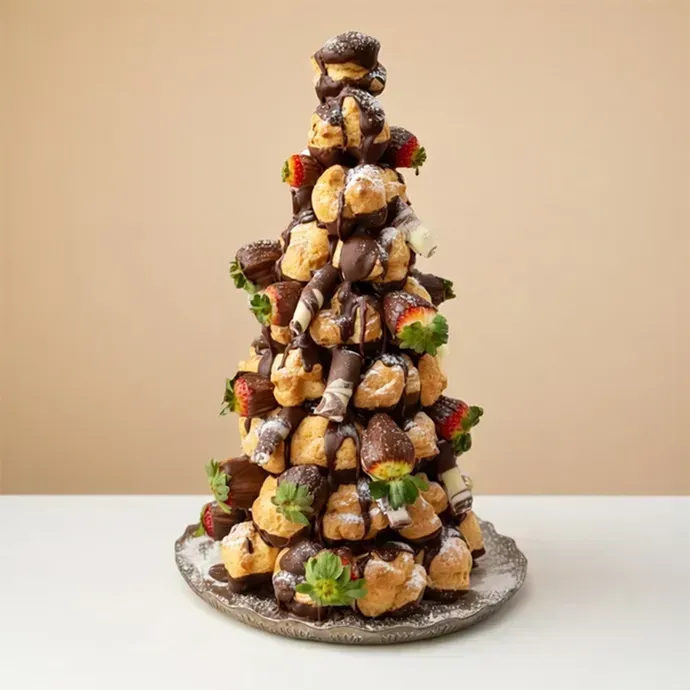
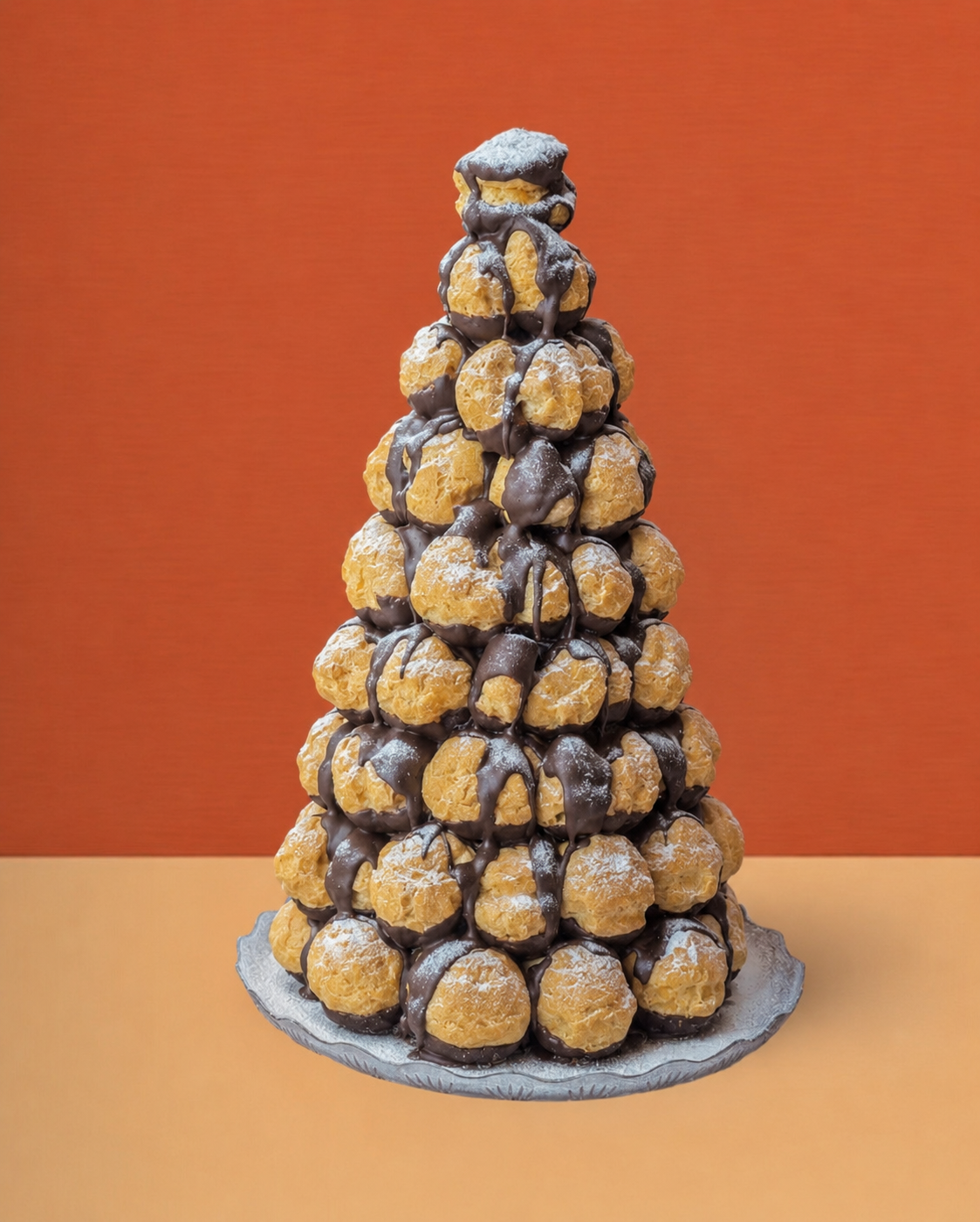
Profiterole Tower - Classic Chocolate
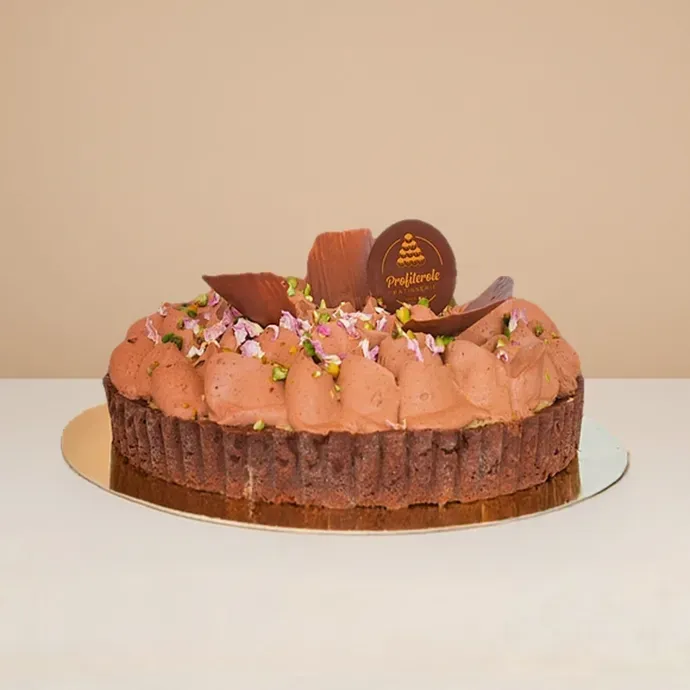
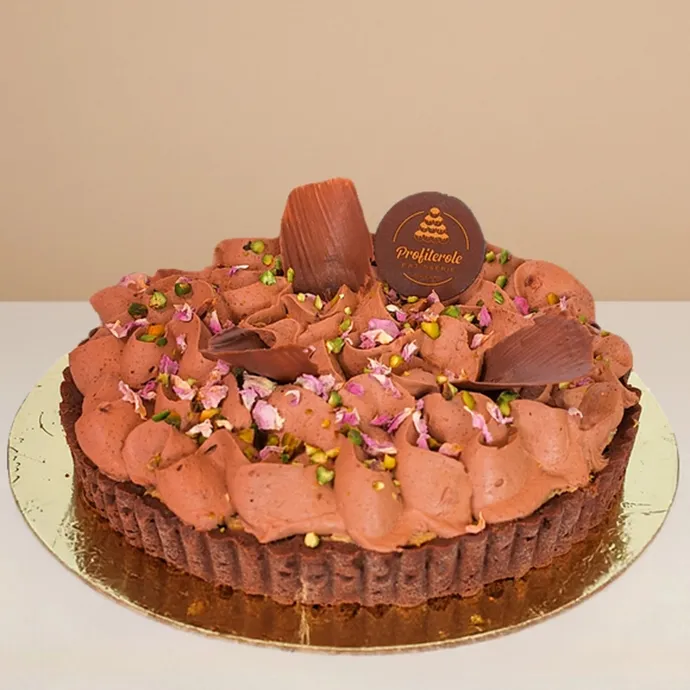
Dubai Chocolate Cake
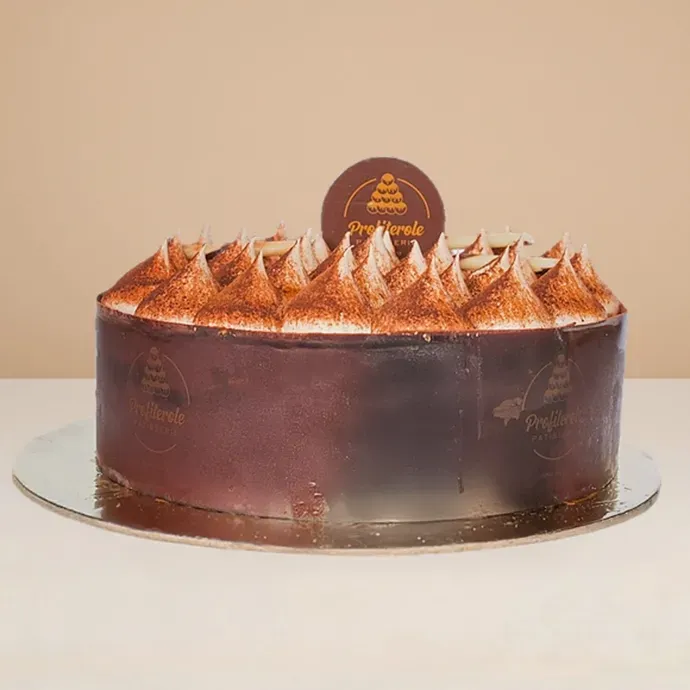
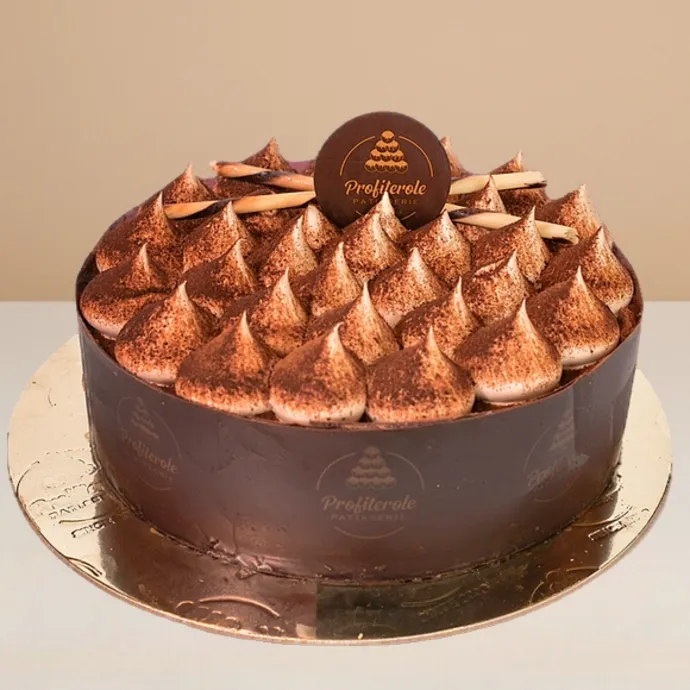
Tiramisu Cake
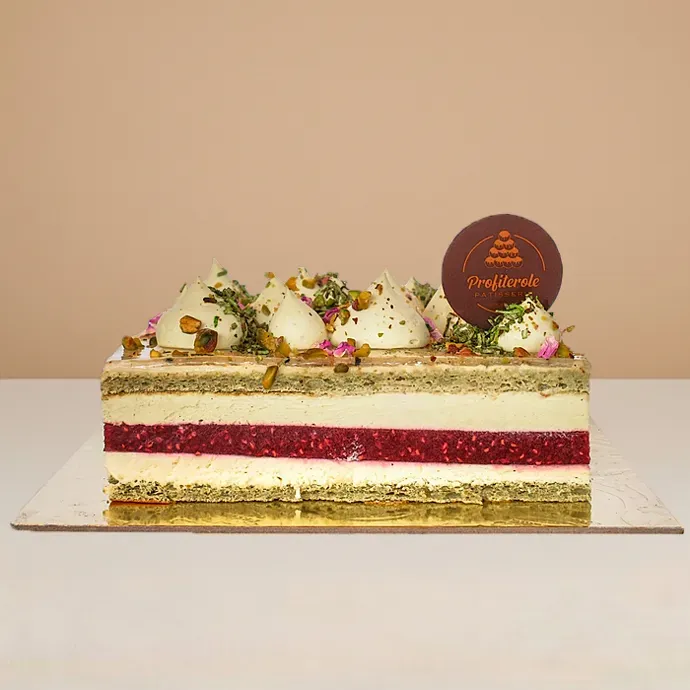
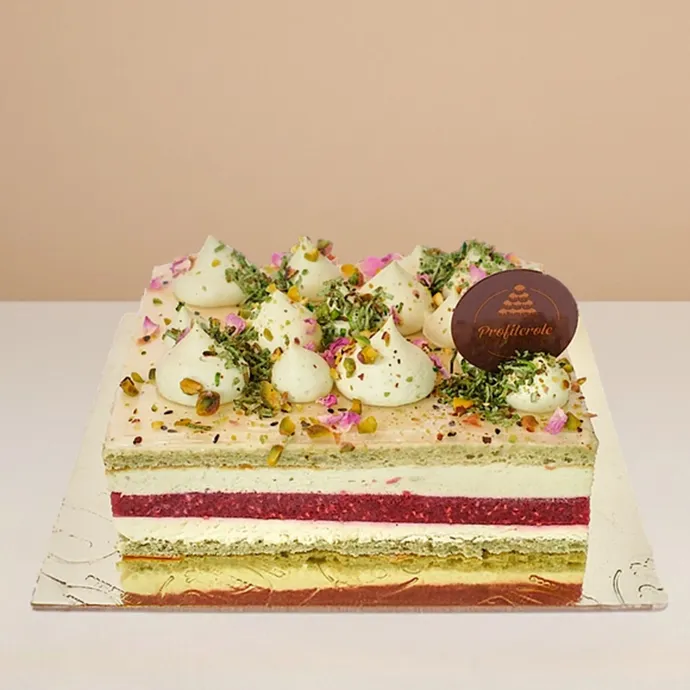
Pistachio Raspberry Bliss Cake
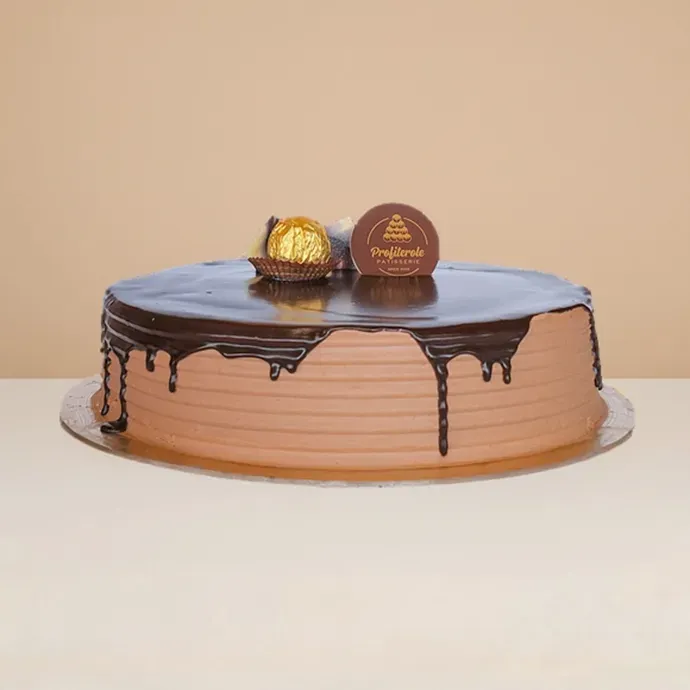
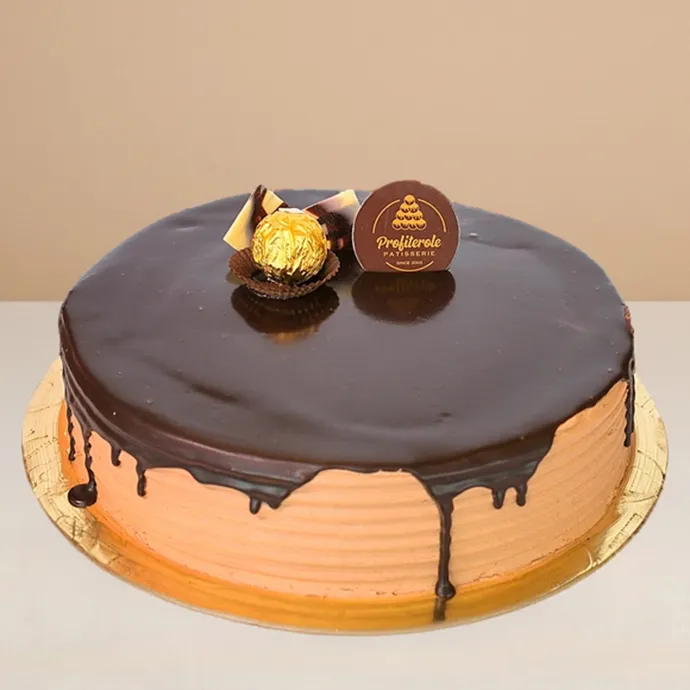
Ferrero Rocher Cake
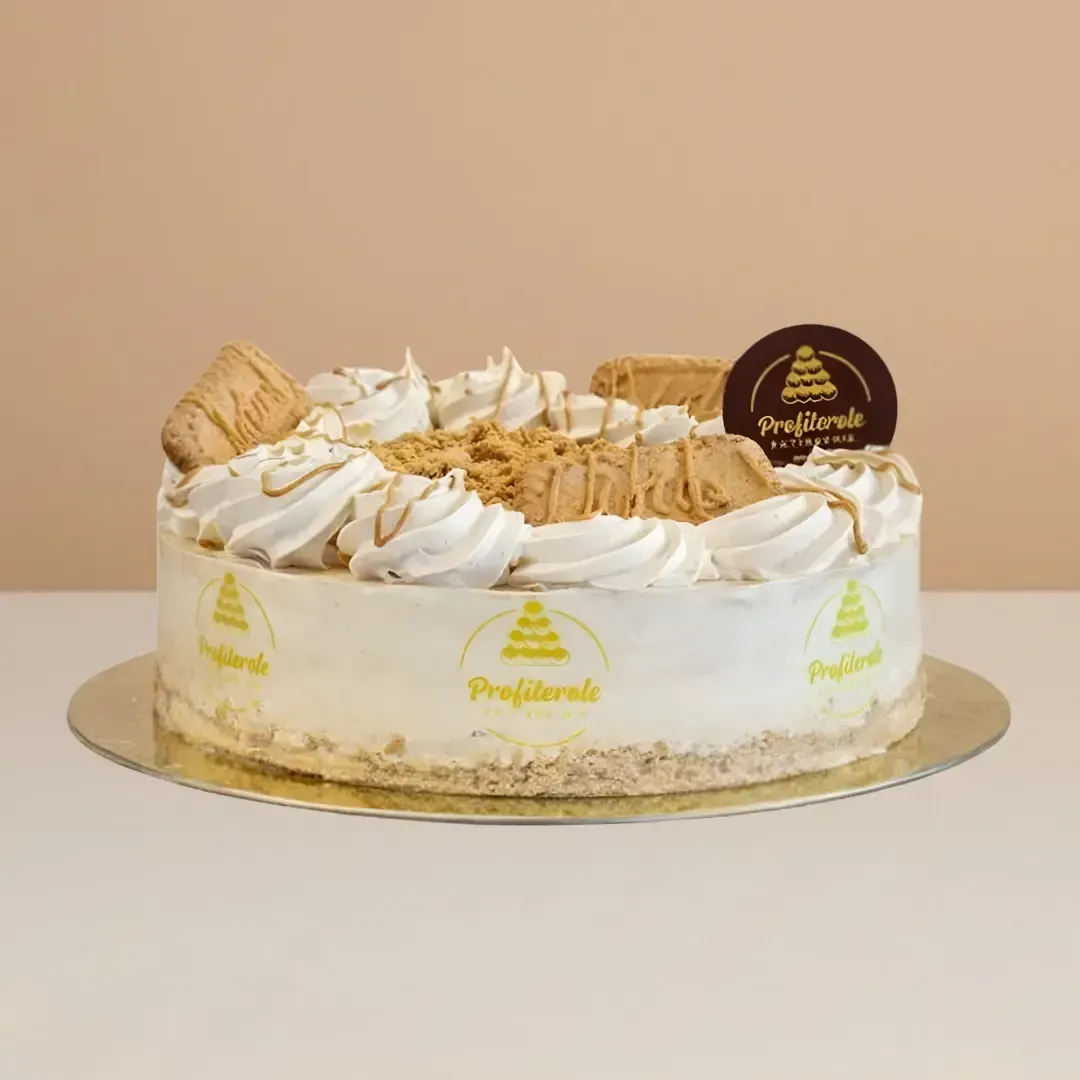
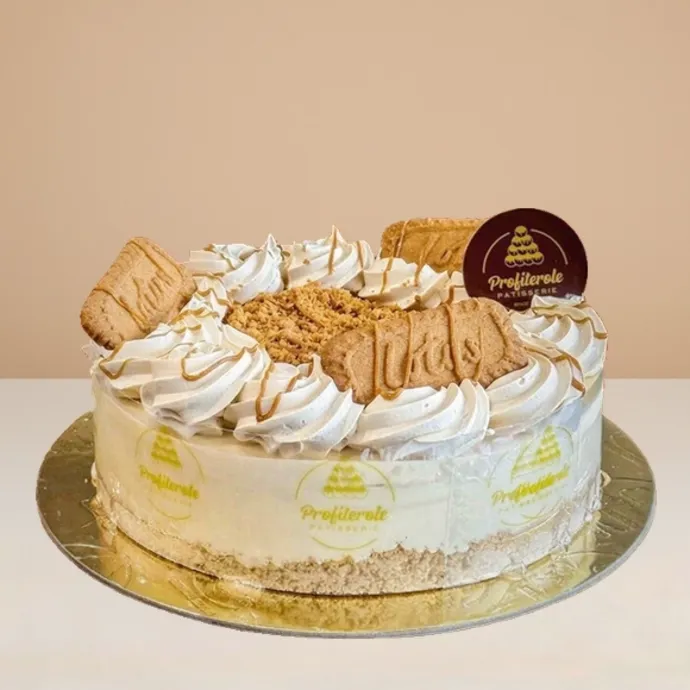
Lotus Biscoff Cheesecake
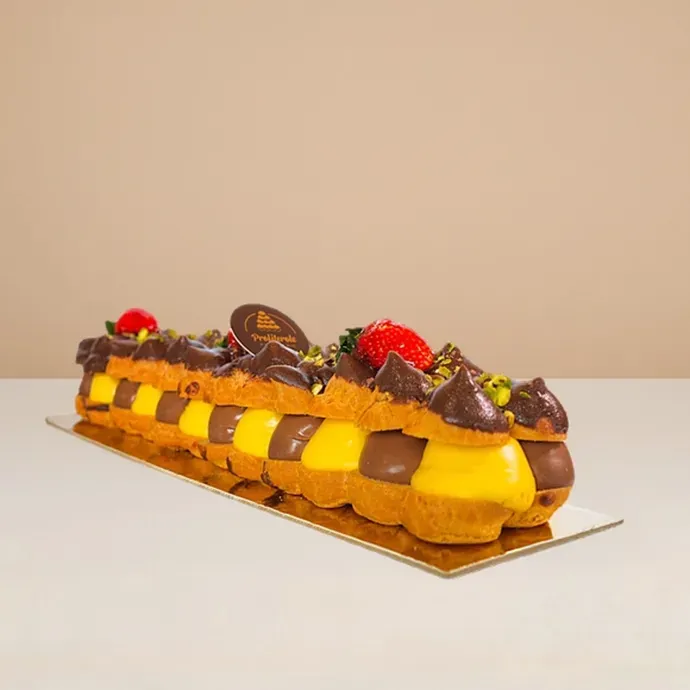
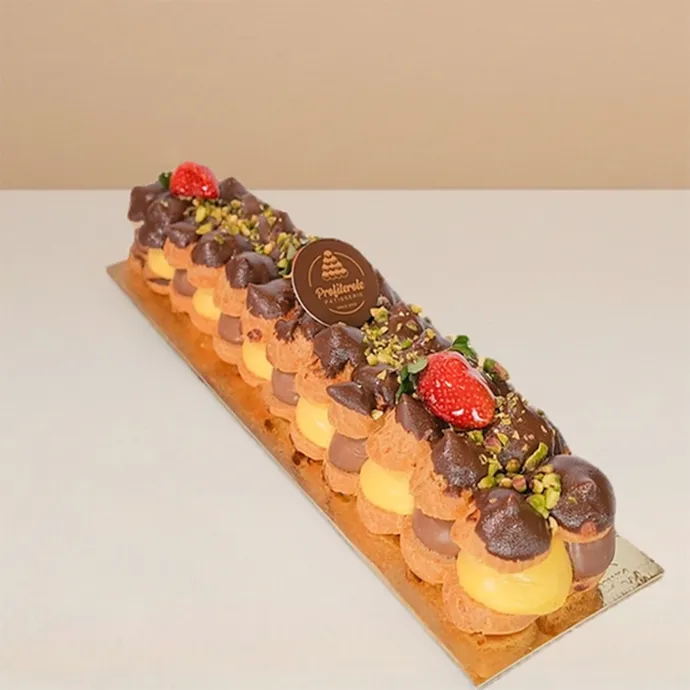
Profiterole Log Cake
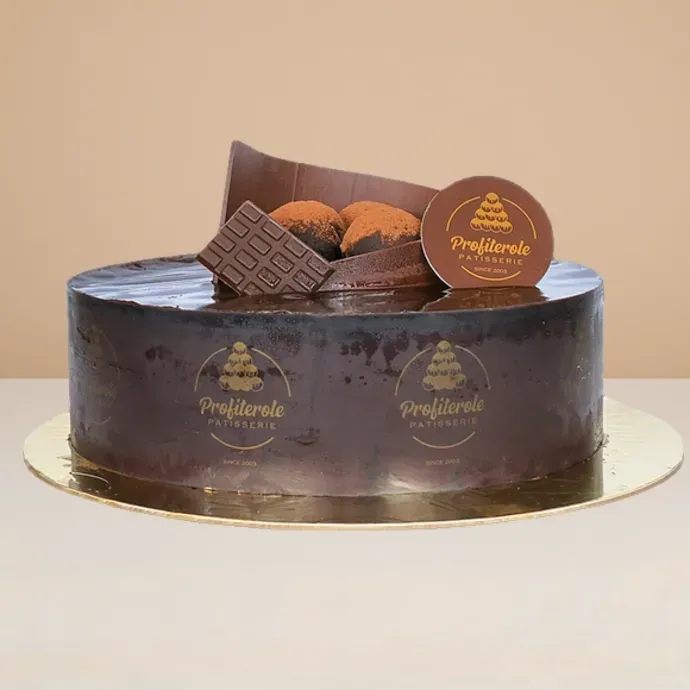
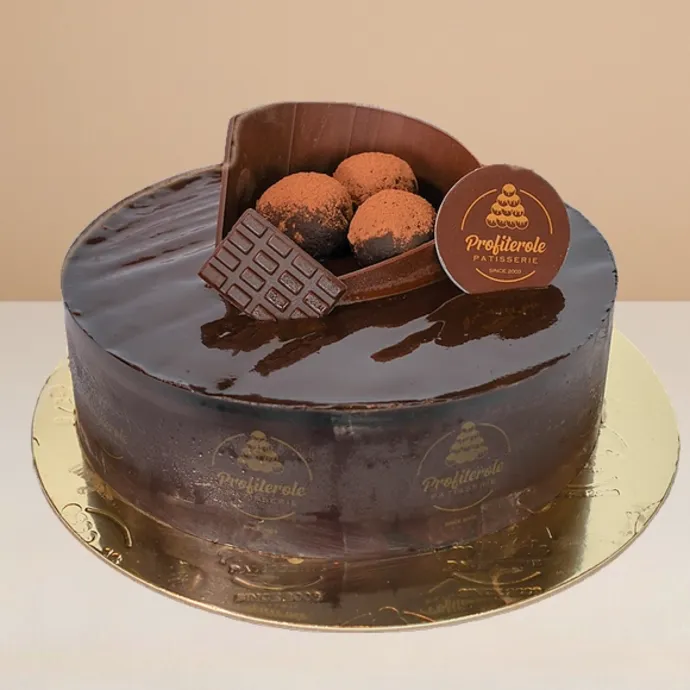
Chocolate Mousse Cake
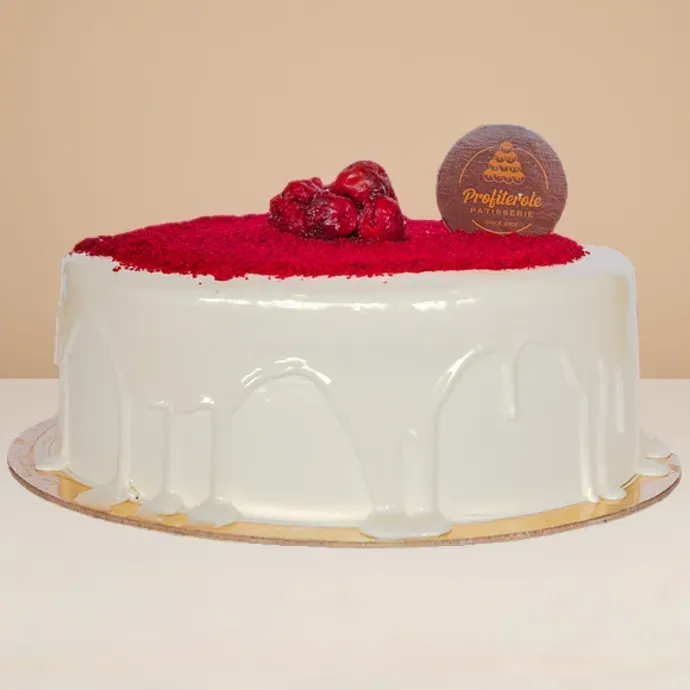
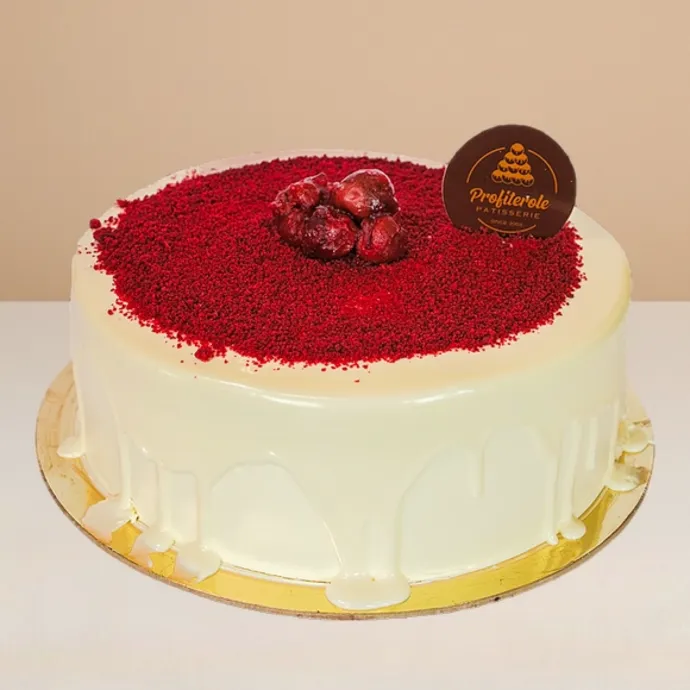
Red Velvet Cake
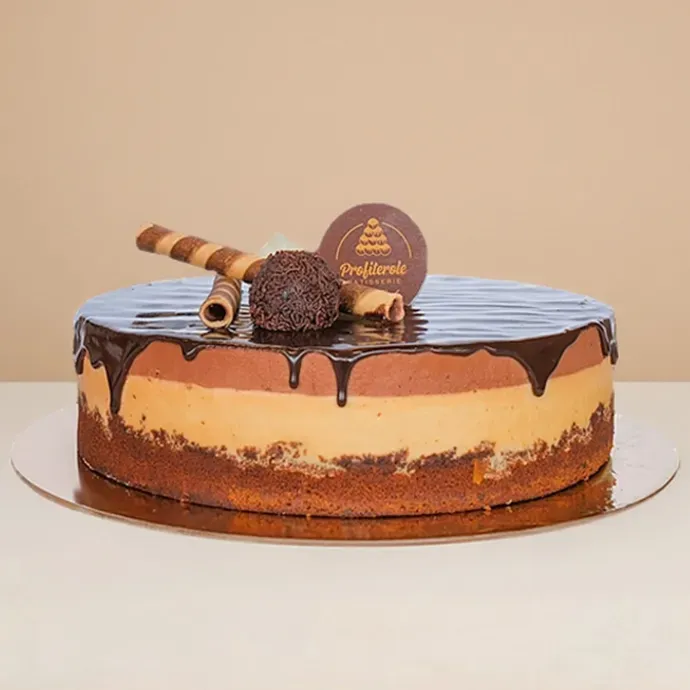
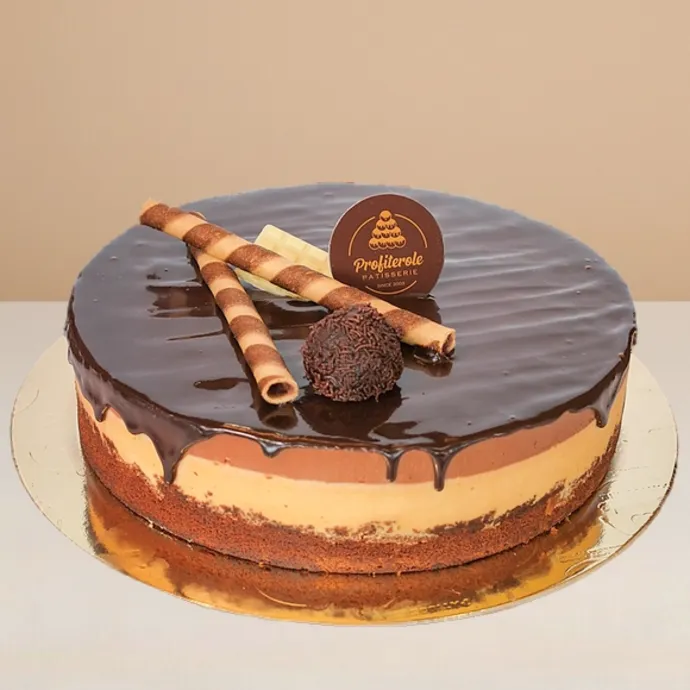
Trio Cake - Round
Baked Ricotta Cheesecake
Fruit Cake - Round
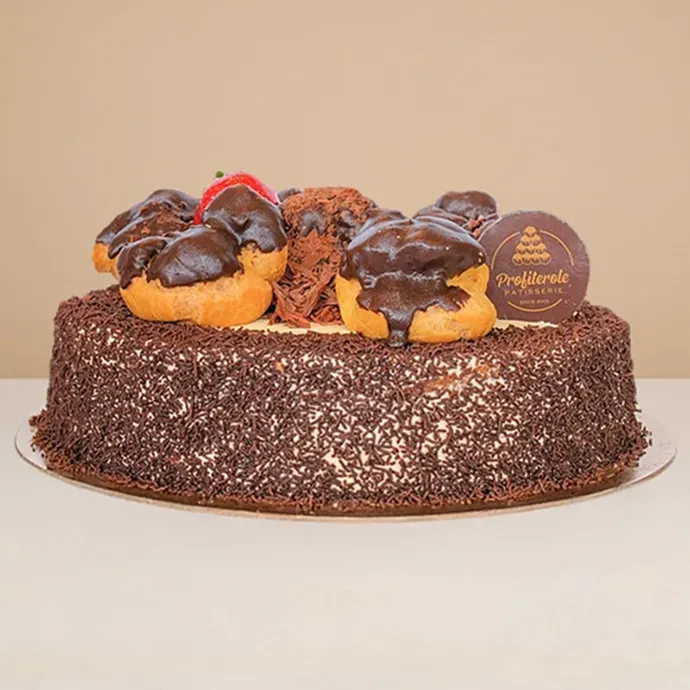
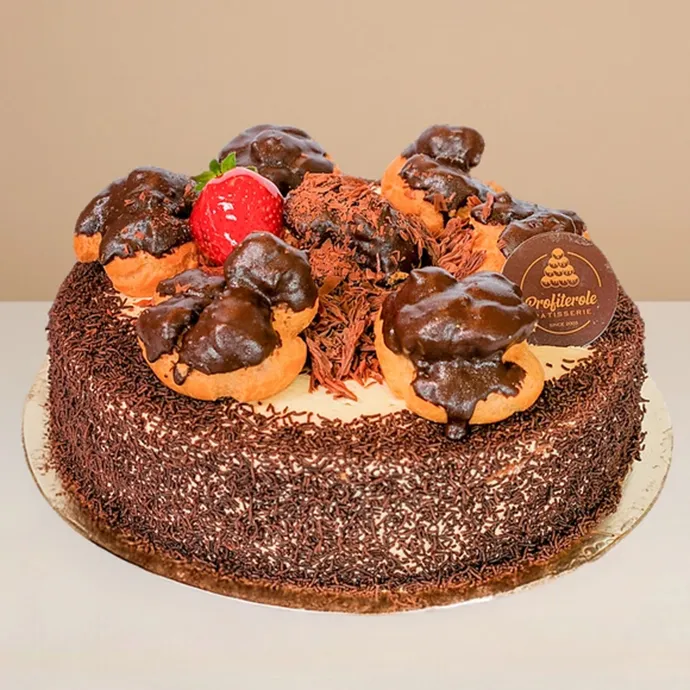
Chocolate Profiterole Cake
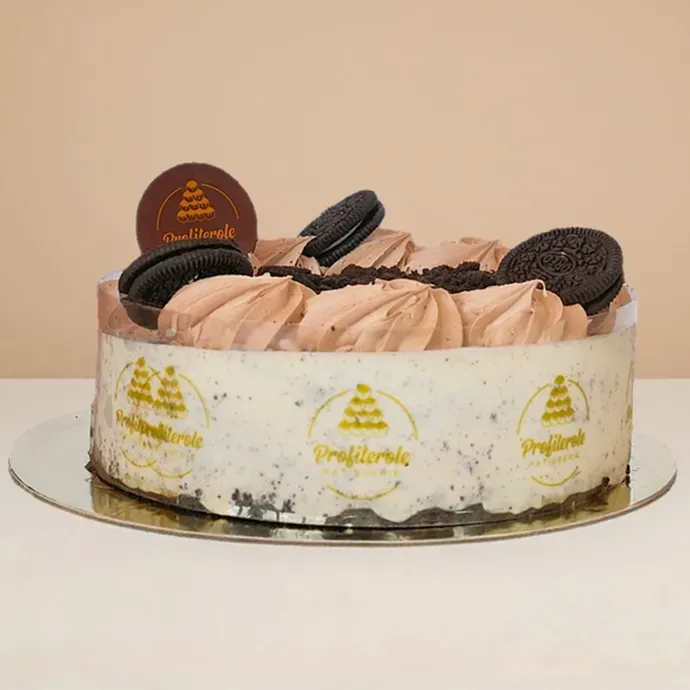
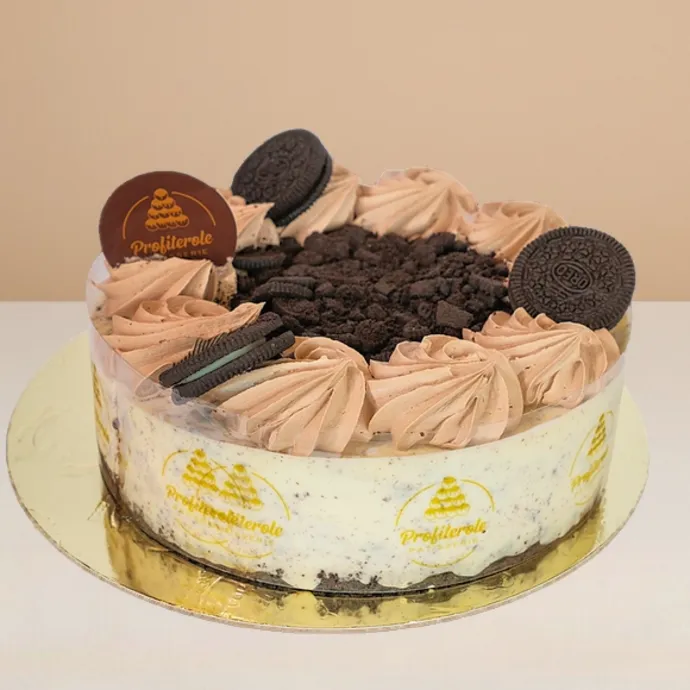
Oreo Cheesecake
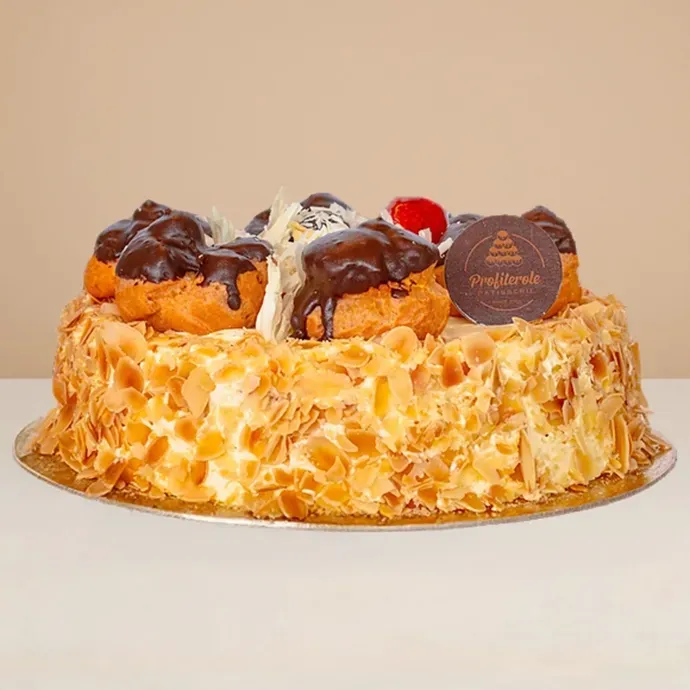
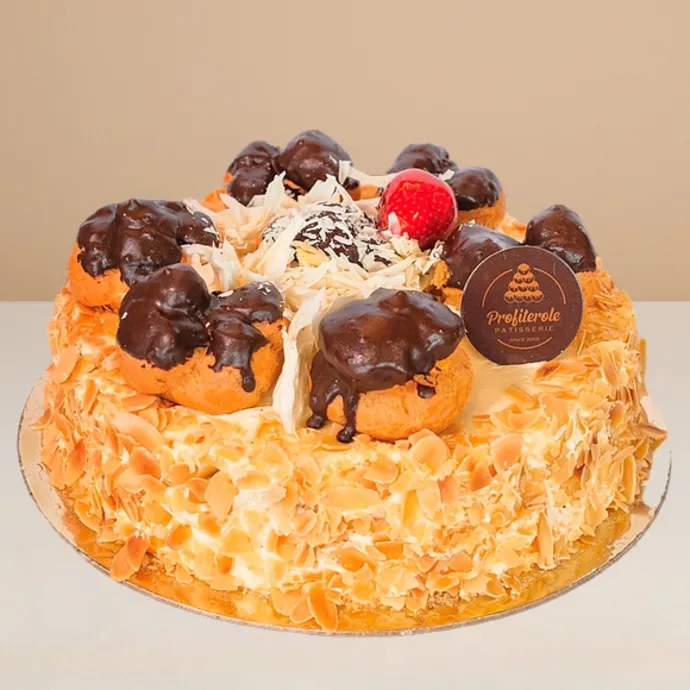
White Profiterole Cake
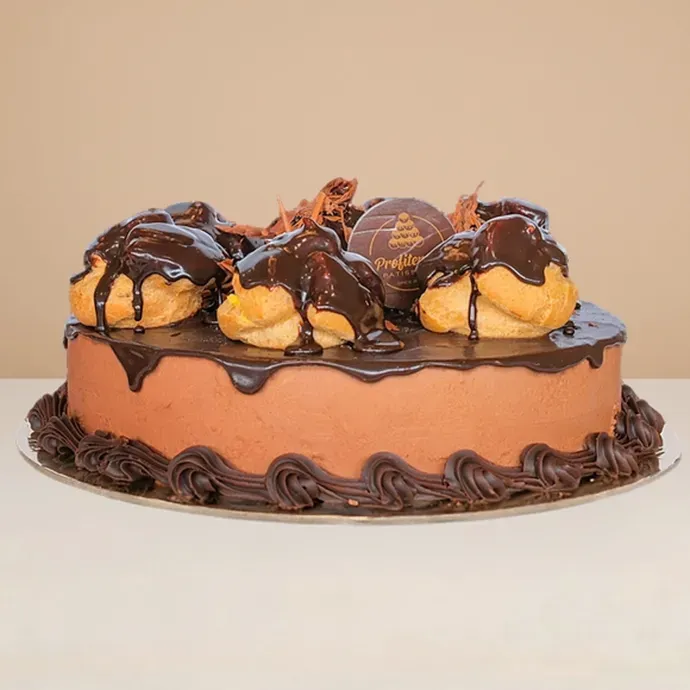
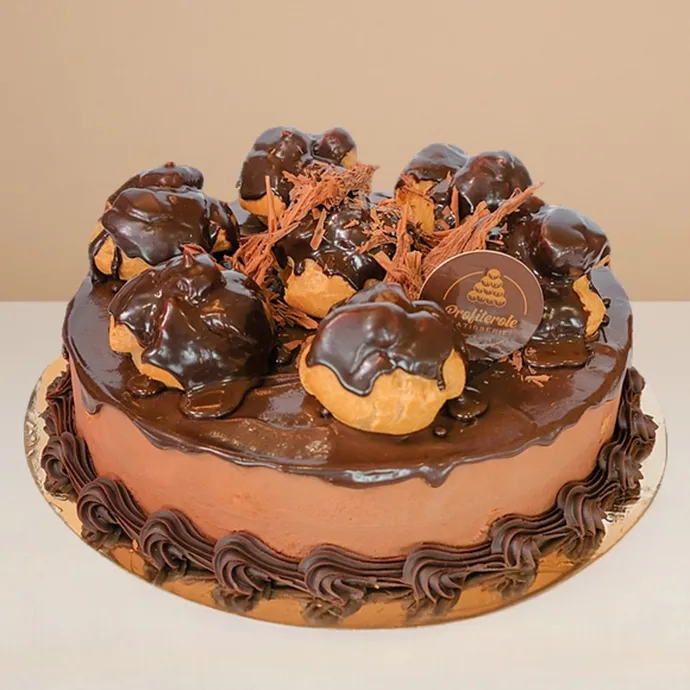
Mousse Profiterole Cake
Mango Cake