How to Store Pastries to Keep Them Fresh: The Baker's Definitive Guide
You finally found a neighbourhood patisserie you adore, but their display cases always empty out before you can get there.
One morning, you arrive right as the bakers pull the fresh trays from the ovens, and you bring home a glorious box of treats.
Then reality hits: how do you store your haul so tomorrow's breakfast tastes as crisp and luscious as today's?
Every pastry demands a tailored environment to protect its delicate fats and moisture balance. Here is my professional baker's guide to keeping every bake bakery-fresh.
TL;DR:
Distinct pastries require specific storage conditions to preserve their crumb and flavour. Keep dry, laminated pastries at room temperature in breathable paper bags to protect their flaky layers. Always refrigerate dairy-filled, custard, and fresh fruit pastries inside airtight containers to ensure food safety and prevent sogginess.
| Pastry Category | Ideal Storage Environment | Freshness Window | Best Revival Method |
|---|---|---|---|
| Dry & Laminated (Croissants, Palmiers) | Room temperature in a breathable paper bag | 1 to 2 Days | Reheat in a 180°C oven for 3–5 minutes |
| Cream & Custard (Profiteroles, Éclairs) | Refrigerator (below 4°C) in an airtight container | 24 to 48 Hours | Serve chilled straight from the fridge |
| Fruit-Topped & Tarts (Fruit Danishes, Berry Tarts) | Refrigerator (3°C–5°C) in a covered dome | 1 to 2 Days | Rest at room temperature for 10 minutes |
| Long-Term Storage (Plain bakes, Croissants) | Freezer (-18°C) wrapped in film and foil | Up to 2 Months | Thaw at room temp, then warm in a 180°C oven |
Storing Dry and Laminated Pastries
Laminated doughs rely on alternating sheets of cold butter and lean dough to create thousands of airy flakes. Managing ambient humidity is the secret to keeping them crisp.
Examples of Dry and Laminated Bakes
- Plain all-butter croissants
- Pain au chocolat (chocolate croissants)
- French palmiers (elephant ears)
- Cinnamon scrolls and puff pastry fruit turnovers (without fresh cream)
- Twice-baked almond croissants
The Best Storage Method: Room Temperature in Breathable Packaging
- Cool completely: Ensure the pastries are fully at room temperature so trapped steam does not create condensation.
- Use a paper bag: Place the bakes inside a clean, brown paper bakery bag or an unsealed bread box. Paper allows minimal airflow to escape while shielding the pastry from dust.
- Store in a cool pantry: Keep the bag in a dry, dark cupboard away from the stove, toaster, or direct sunlight.
- Re-crisp before serving: Warm the pastry in an oven preheated to 180°C for 3 to 5 minutes to restore the butter flakes to peak flakiness.
Alternative Storage Methods (Freezer vs Refrigerator)
- Freezer (Best for long-term): Wrap each individual pastry tightly in plastic cling wrap, followed by a layer of aluminium foil. Freeze for up to two months. Thaw on the counter for 30 minutes, then bake at 180°C for 4 minutes.
- Refrigerator (Avoid entirely): Cold refrigerator air accelerates starch retrogradation (staling) and pulls moisture outward, turning crisp croissant layers rubbery and tough.
Freshness Window
Dry and laminated bakes stay in prime condition for 24 to 48 hours at room temperature, and up to 2 months in the freezer.
Storing Filled Pastries
Pastries featuring rich pastry creams, fresh dairy chantilly, or mousses require strict temperature control to prevent bacterial growth and preserve delicate textures.
Examples of Delicate Filled Bakes
- Profiteroles and choux puffs filled with fresh cream or custard
- Traditional chocolate and coffee éclairs
- Italian cannoli and French mille-feuille (vanilla slices)
- Custard-filled horns and choux buns
The Best Storage Method: Chilled Refrigeration in an Airtight Container
- Line the container: Place a sheet of baking parchment or a dry paper towel along the base of a rigid, airtight glass or plastic container to catch excess moisture.
- Arrange in a single layer: Position the filled pastries in a single flat layer with small gaps between them to prevent delicate glazes or choux shells from sticking together.
- Seal tightly: Snap the airtight lid shut immediately. Dairy creams absorb ambient food aromas like a sponge, so a tight seal is vital.
- Store on a middle fridge shelf: Keep the container on a central refrigerator shelf running consistently below 4°C.
Alternative Storage Methods (Room Temperature vs Freezer)
- Room Temperature: Dairy-filled bakes must never sit at room temperature for more than 2 hours due to food safety guidelines.
- Freezer: You can freeze cream-filled choux buns to make bite-sized ice-cream treats for up to one month, though the pastry shell will soften once thawed.
Freshness Window
Filled pastries deliver their best texture within 24 to 48 hours. Enjoy them as soon as possible before the filling softens the crisp pastry shell.
Storing Fruit-Topped Pastries and Tarts
Fresh fruit tarts and glazed fruit Danishes combine crisp pastry shells, sweet creams, and high-moisture fruits, making moisture control essential.
Examples of Fresh Fruit and Glazed Bakes
- Handcrafted fresh strawberry and raspberry tarts
- Mixed berry and stone fruit Danishes
- Lemon meringue and passionfruit curd tarts
- Glazed apricot galettes
The Best Storage Method: Refrigeration with Moisture Protection
- Inspect the fruit: Ensure the fruit toppings are intact and lightly glazed. If any surface juices have pooled, lightly dab them with a clean paper towel.
- Use a tall container or cake dome: Place the tarts inside a tall, covered container or under a cake dome lined with parchment paper to prevent the lid from damaging the fruit.
- Refrigerate at 3°C to 5°C: Keep the pastries chilled to keep the fruit firm and prevent the pastry cream base from softening.
- Rest before eating: Remove the pastry from the fridge 10 minutes before serving to allow the fruit and butter flavours to bloom.
Alternative Storage Methods (Room Temperature vs Freezer)
- Room Temperature: Only fully baked, dry fruit pies (such as traditional apple pies) can stay at room temperature for up to 24 hours. Fresh fruit and custard tarts must always be chilled.
- Freezer: Avoid freezing fresh fruit tarts. Freezing ruptures the fruit's cell structure, releasing water during thawing and turning the pastry soggy.
Freshness Window
Fruit-topped pastries are best consumed within 1 to 2 days to enjoy the fresh fruit at peak crispness.
When to Fridge, Freeze, or Leave Pastries at Room Temp?
As you’ve read above, different pastries require different storage methods. And utilising the right one is the key to keeping them fresh so you can enjoy them at home.
Here’s a quick refresher:
- Room Temperature (1 to 2 Days): Best for unfilled laminated bakes, plain croissants, sweet buns, palmiers, and cookies.
- Refrigerator (1 to 3 Days): Mandatory for dairy fillings, fresh whipped cream, pastry custard, cheesecakes, and fresh fruit bakes.
- Freezer (Up to 2 Months): Ideal for preserving excess plain croissants, pain au chocolat, and unfilled puff pastry.
Enjoy Bakery-Fresh Pastries Every Day in Sydney
Bringing home a box of handcrafted artisan pastries is one of life's greatest pleasures. And storing each bake correctly protects the hours of butter lamination, precise resting, and oven craftsmanship that went into creating them.
At Profiterole Patisserie, we bake our signature pastries, cakes, and artisan choux fresh every single morning. Stop by our Sydney bakery locations to pick up your favourite treats, or shop online store for next-day delivery within Sydney.
Publish date: 28/08/2026

Joey Yaccoub
Head Baker & Operations Manager, Profiterole Patisserie
Joey Yaccoub is the Head Baker at Profiterole Patisserie, bringing over a decade of hands-on experience in artisan cake design and pastry craftsmanship.
He oversees recipe development, product quality, and daily operations across all store locations, ensuring every cake meets the brand’s standards for flavour, presentation, and consistency.
FAQs
How to store croissants to keep them fresh overnight?
Keep your croissants inside a clean brown paper bag at room temperature away from sunlight. The paper allows just enough breathability to stop the crust from going soft and rubbery. In the morning, warm them in a preheated 180°C oven for 3 minutes to restore full flakiness.
Are croissants ok the next day?
Yes, day-old croissants are perfectly fine to eat. While the butter layers lose some initial crispness overnight, warming them in a standard oven or air fryer will melt the internal butter and bring back that fresh-baked crunch.
How long do pastries stay fresh in the fridge?
Filled and fruit-topped pastries stay fresh in the refrigerator for 2 to 3 days when kept in an airtight container. Storing them in a sealed container prevents the dairy creams from absorbing unwanted food flavours from the fridge.
Is it better to refrigerate pastries or leave them out?
It depends entirely on the pastry's ingredients. Plain, dry pastries like croissants and palmiers belong on the kitchen counter at room temperature. Any pastry made with fresh cream, custard, or raw fruit must always go into the refrigerator for food safety.
How long will pastries stay fresh?
Dry pastries generally stay fresh for 1 to 2 days at room temperature, while refrigerated cream bakes last 2 to 3 days. If you freeze unfilled baked pastries in airtight wrapping, they will keep their quality for up to 2 months.
Cakes and pastries made fresh everyday
Profiterole Tower - Classic Chocolate
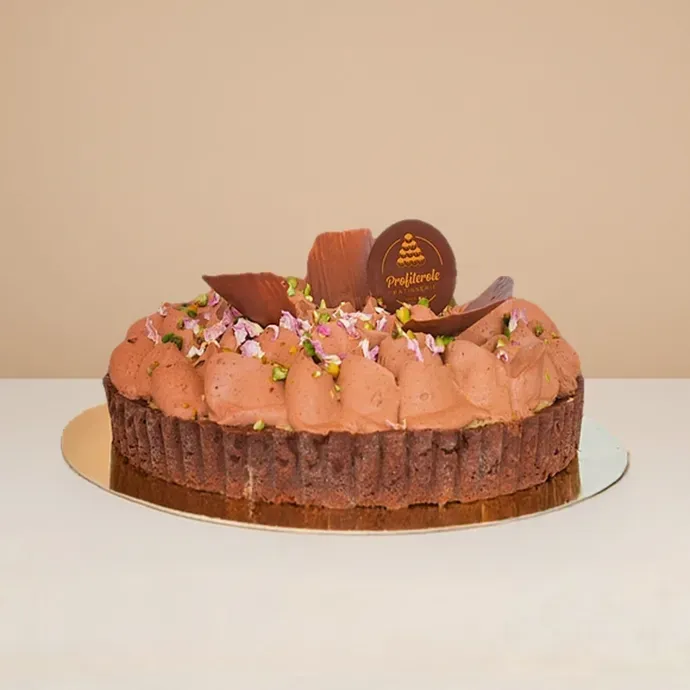
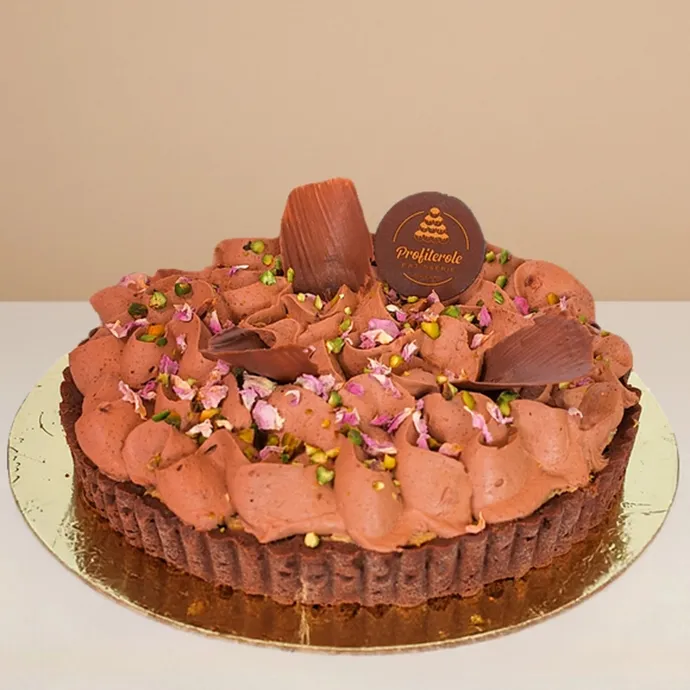
Dubai Chocolate Cake
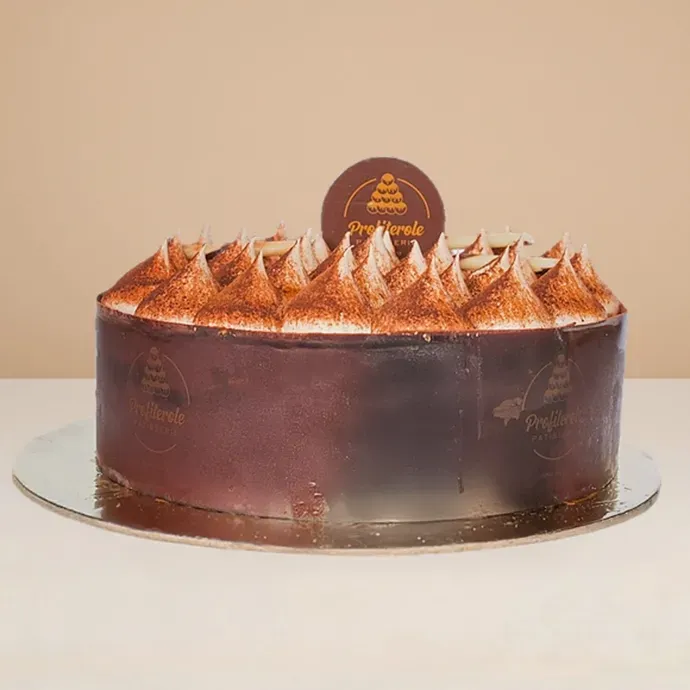
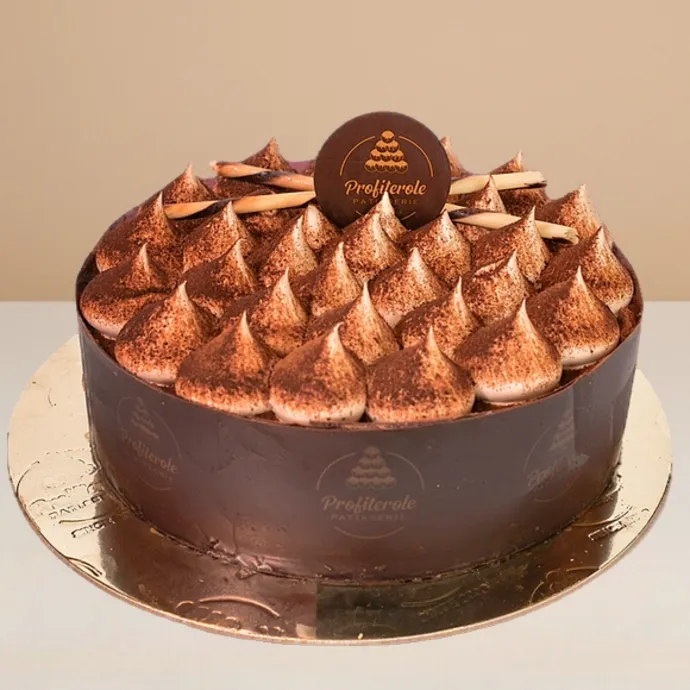
Tiramisu Cake
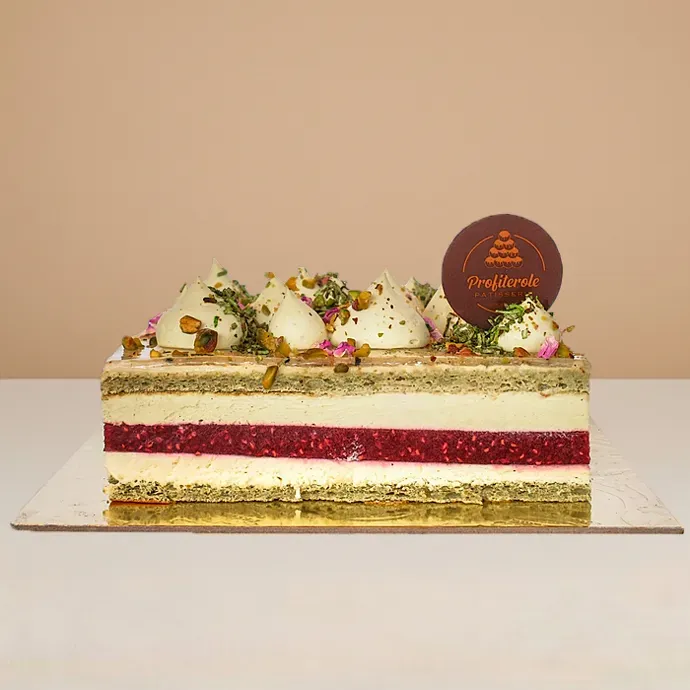
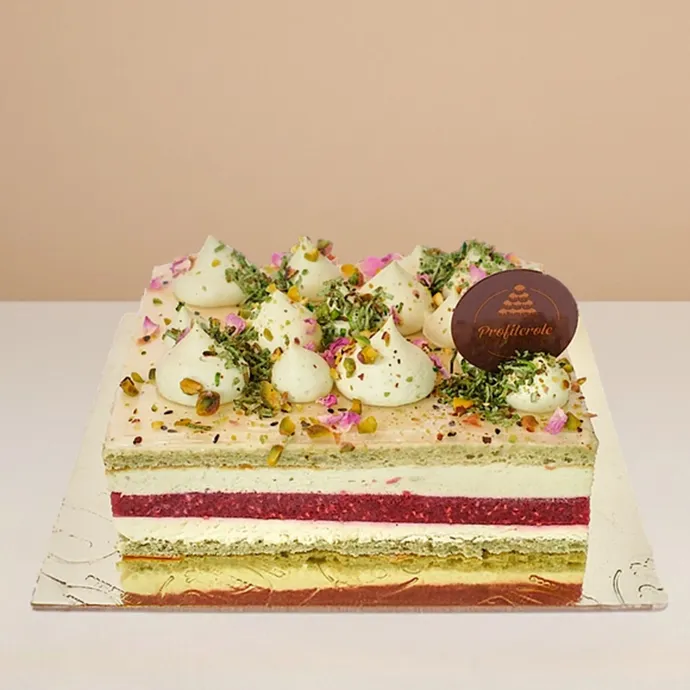
Pistachio Raspberry Bliss Cake
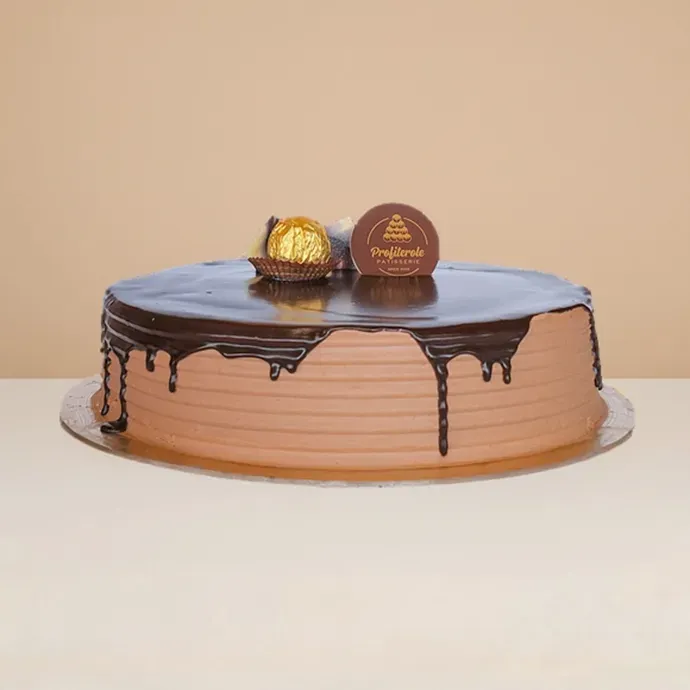
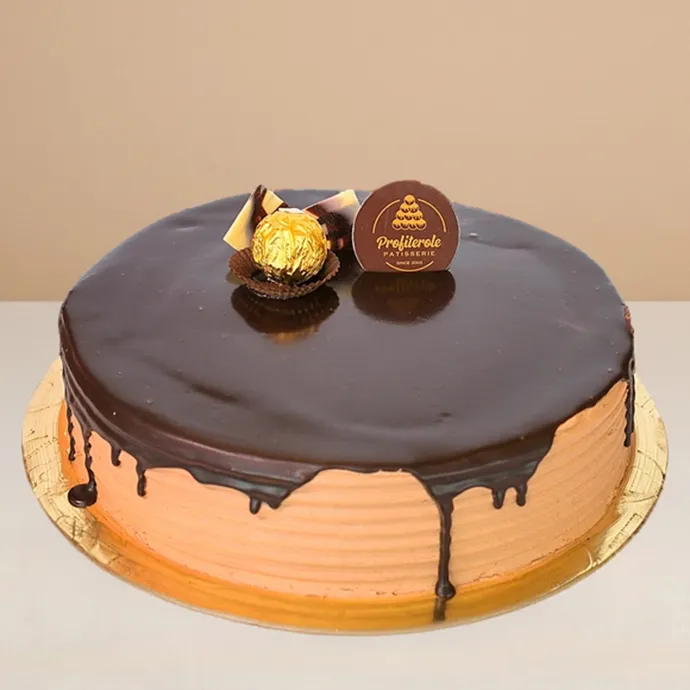
Ferrero Rocher Cake
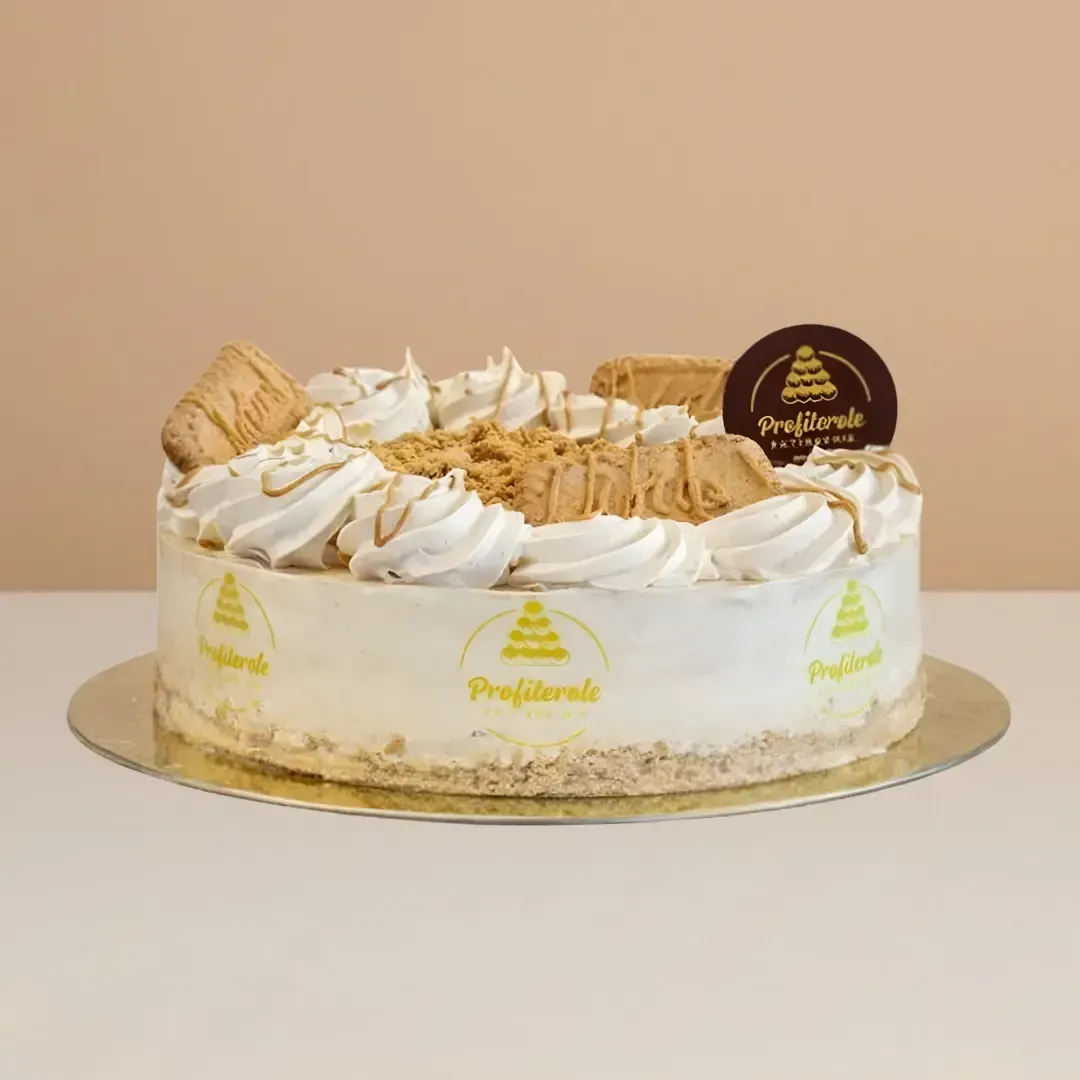
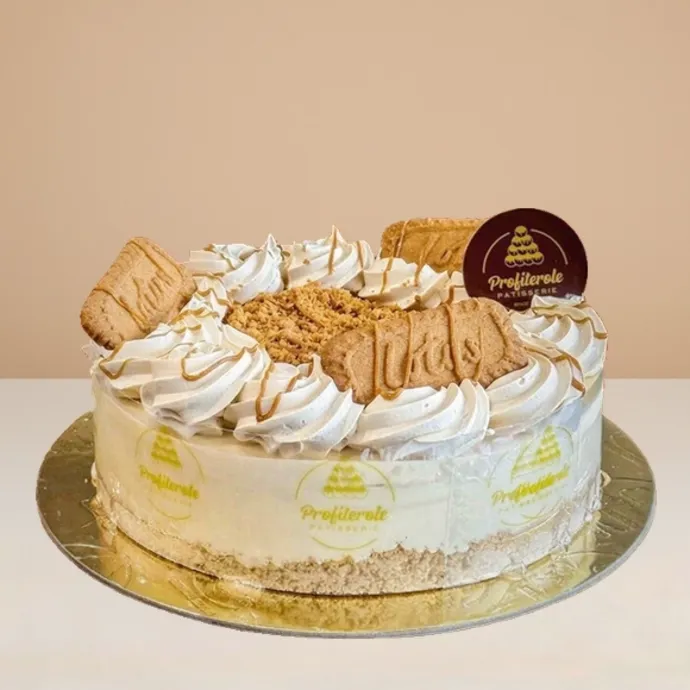
Lotus Biscoff Cheesecake
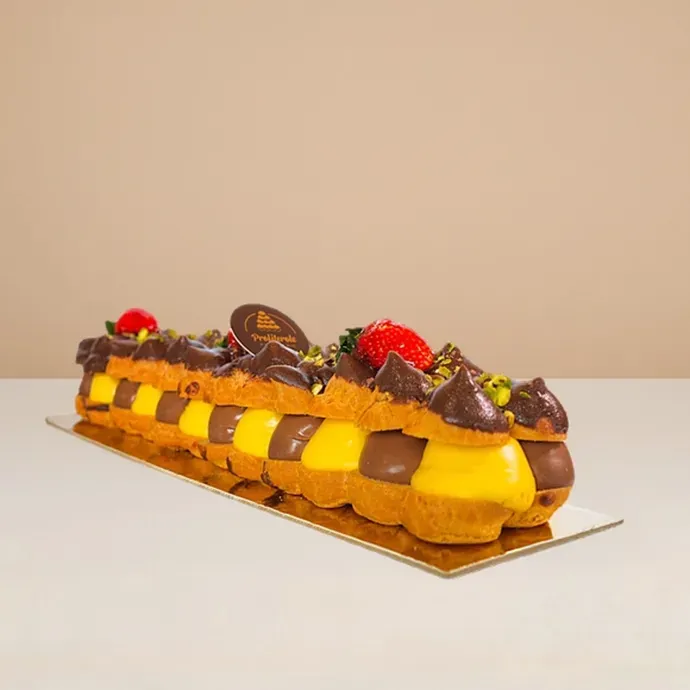
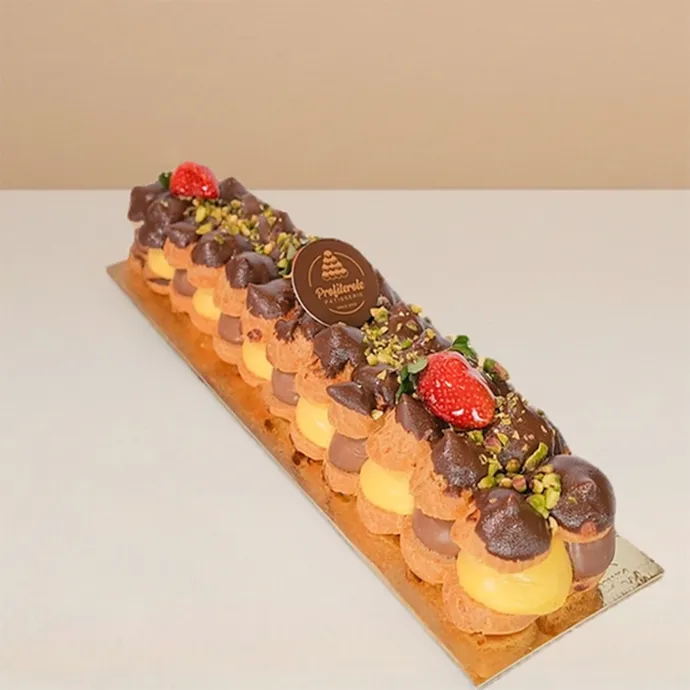
Profiterole Log Cake
Chocolate Mousse Cake
Red Velvet Cake
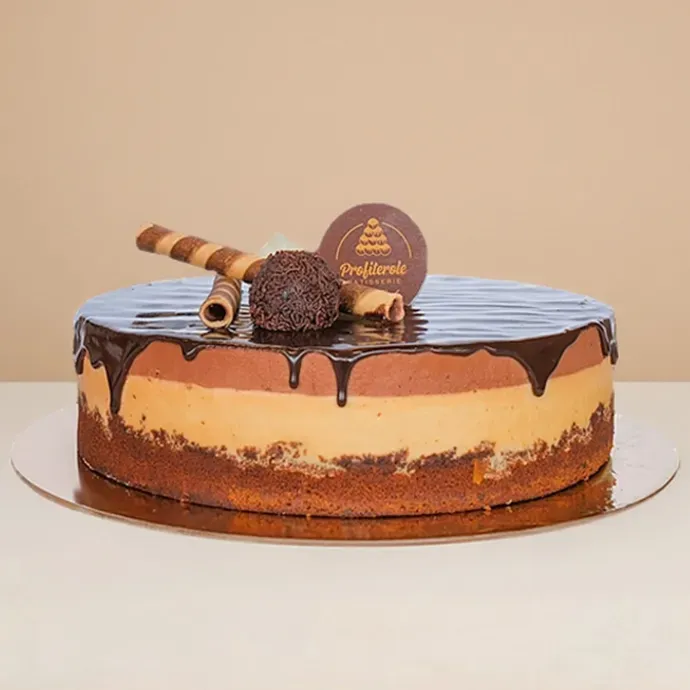
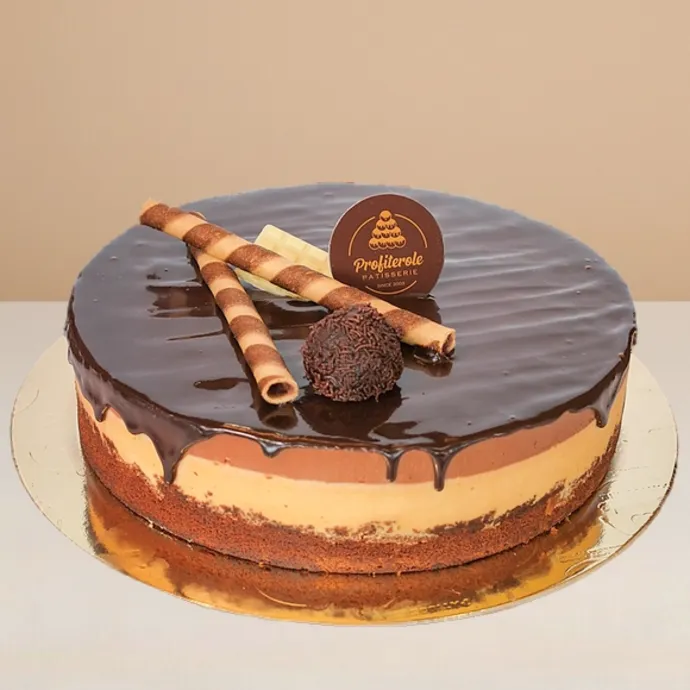
Trio Cake - Round
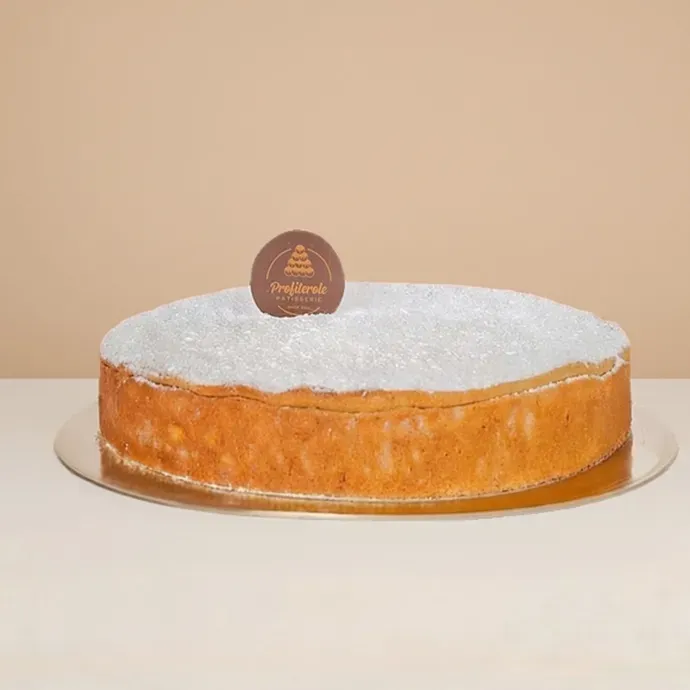
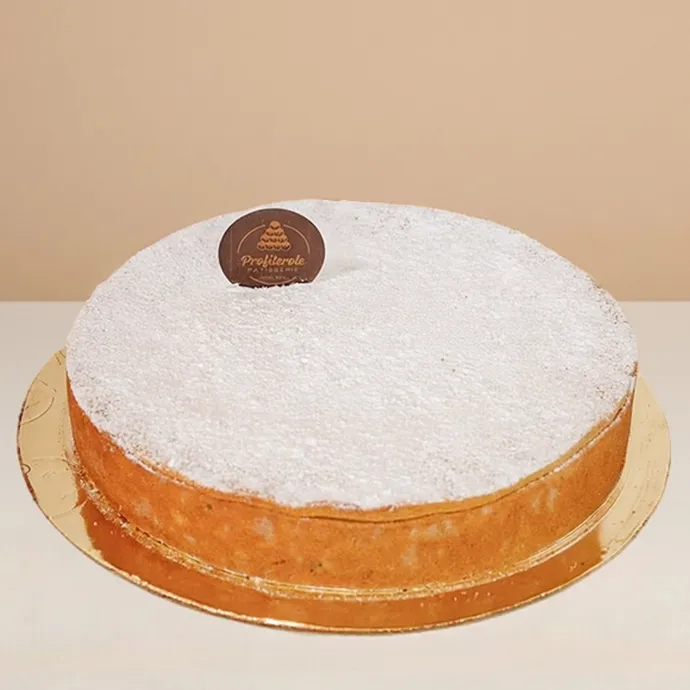
Baked Ricotta Cheesecake
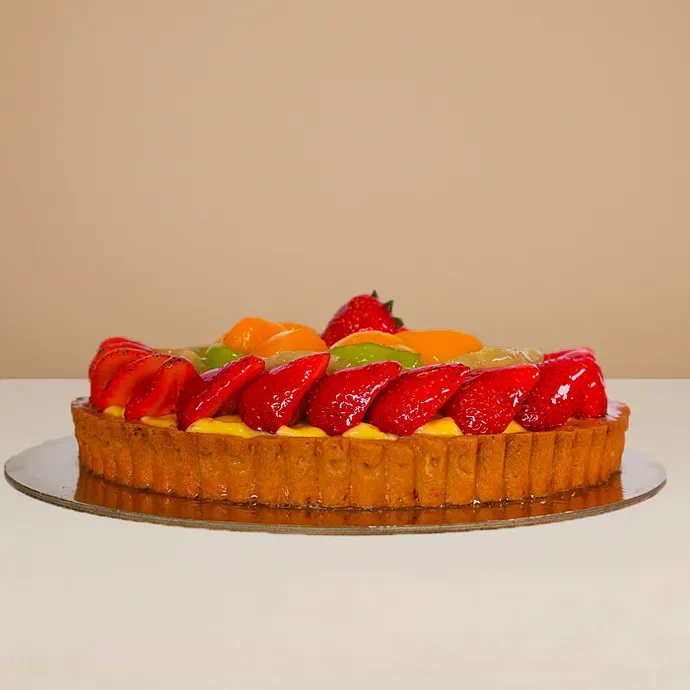
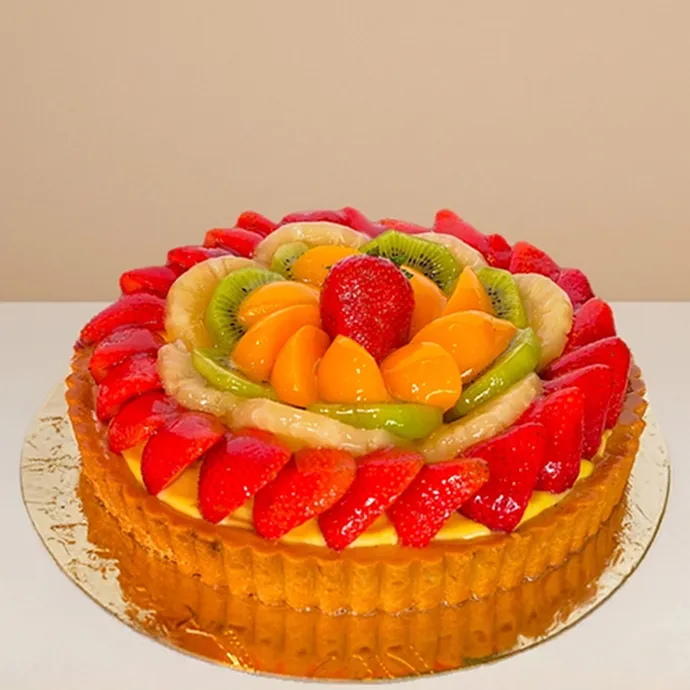
Fruit Cake - Round
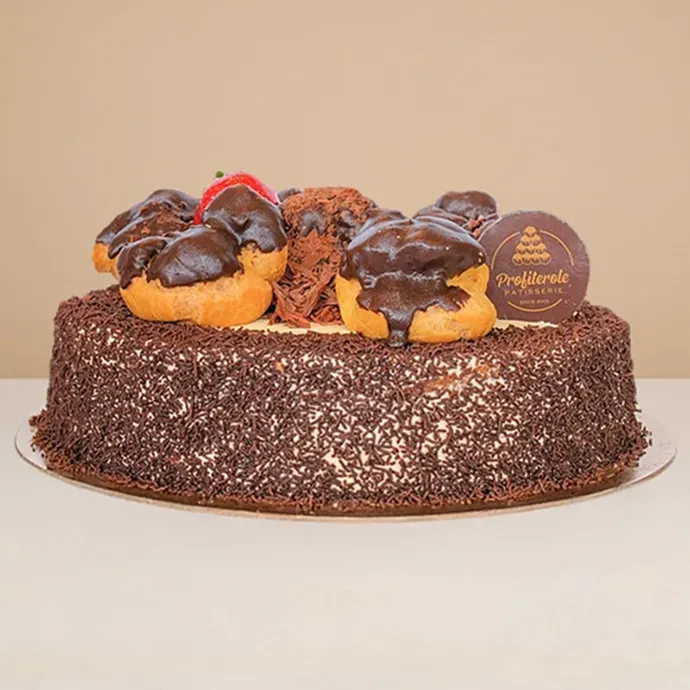
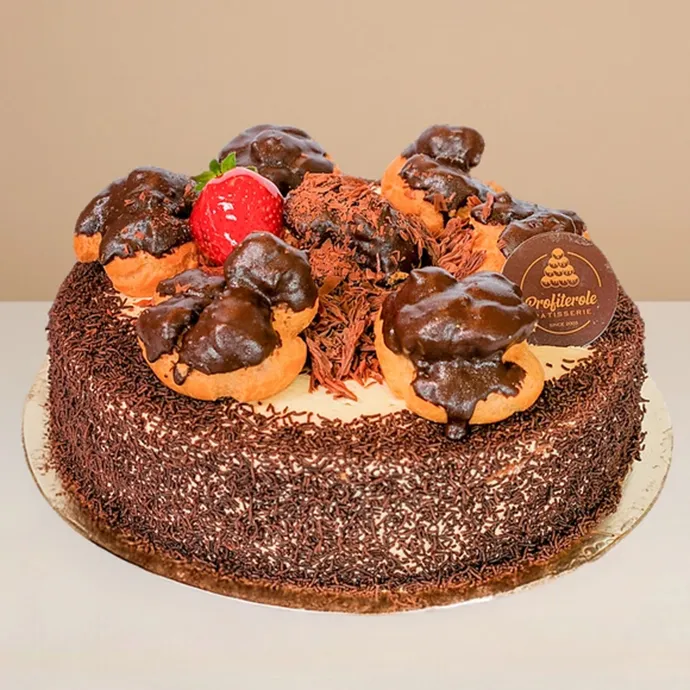
Chocolate Profiterole Cake
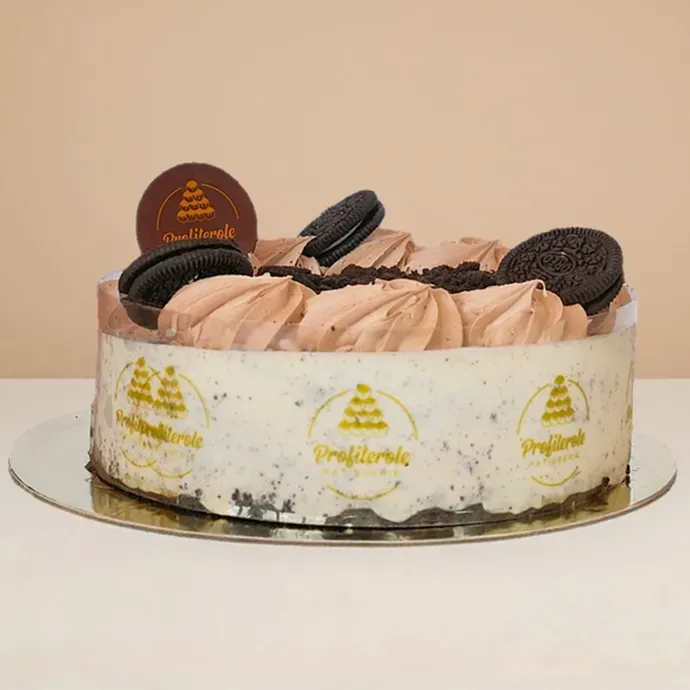
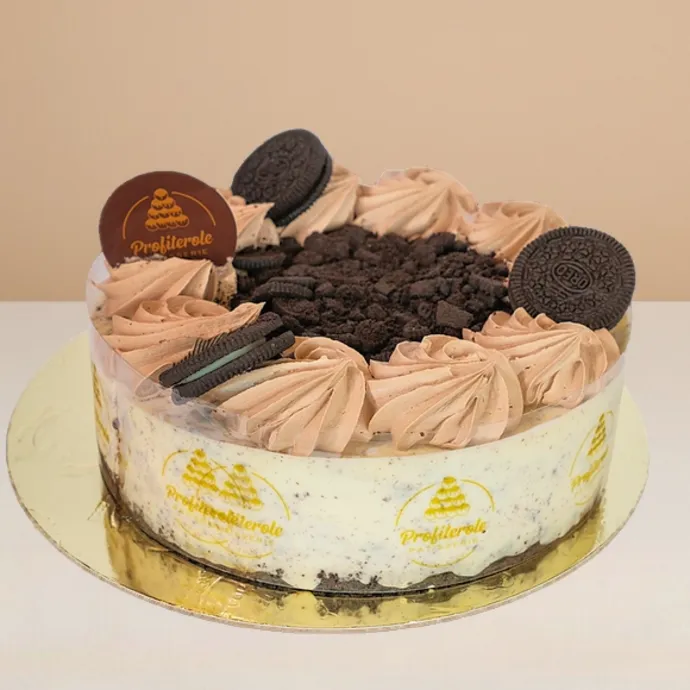
Oreo Cheesecake
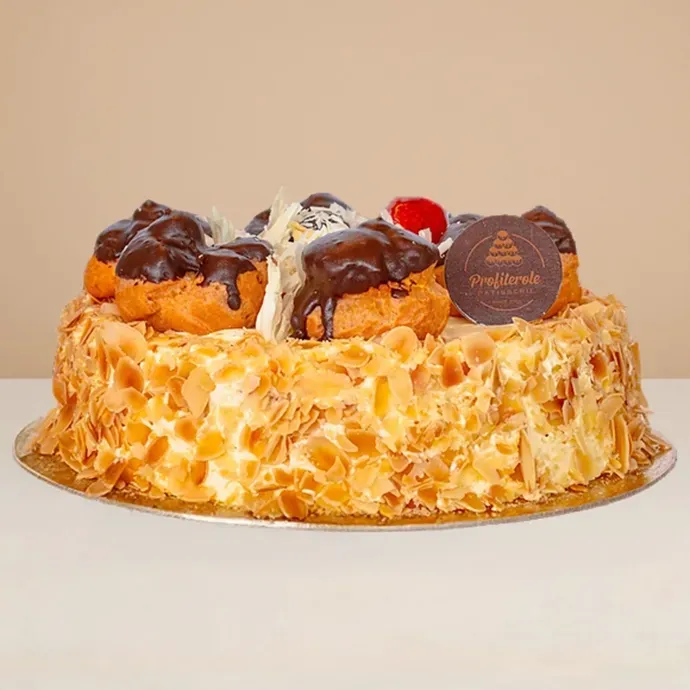
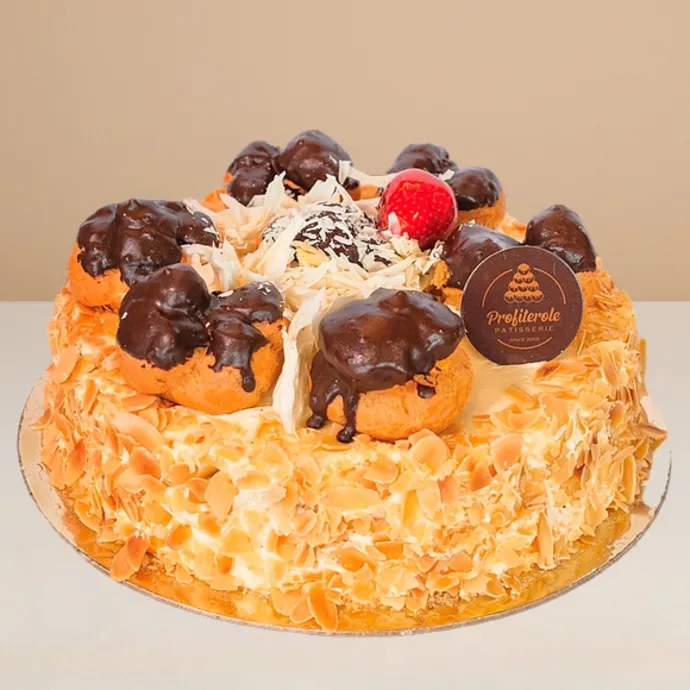
White Profiterole Cake
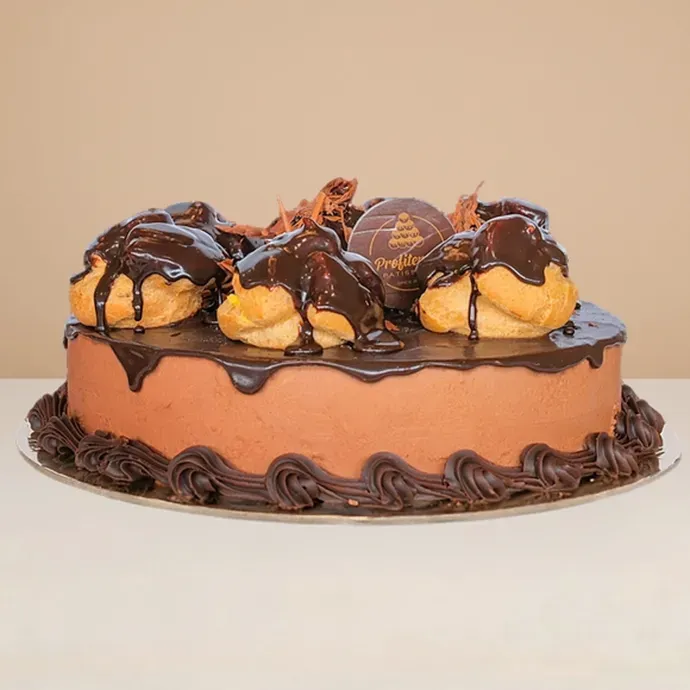
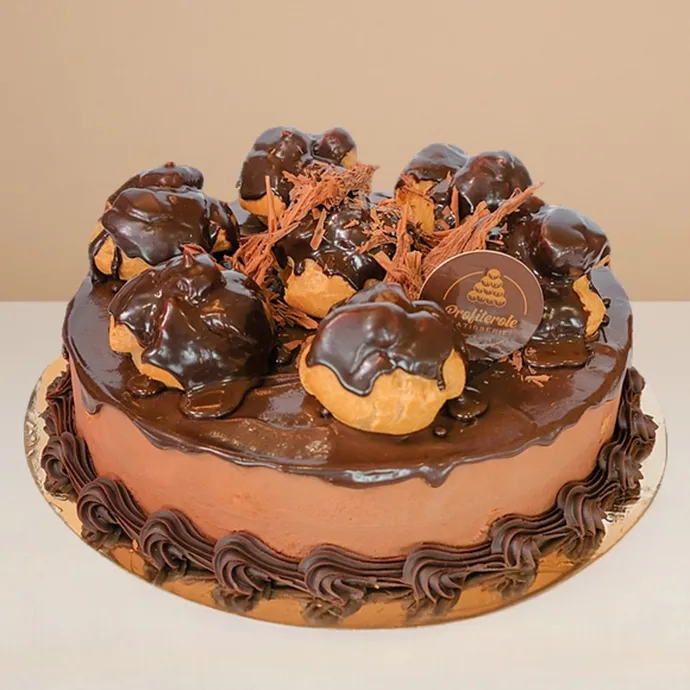
Mousse Profiterole Cake
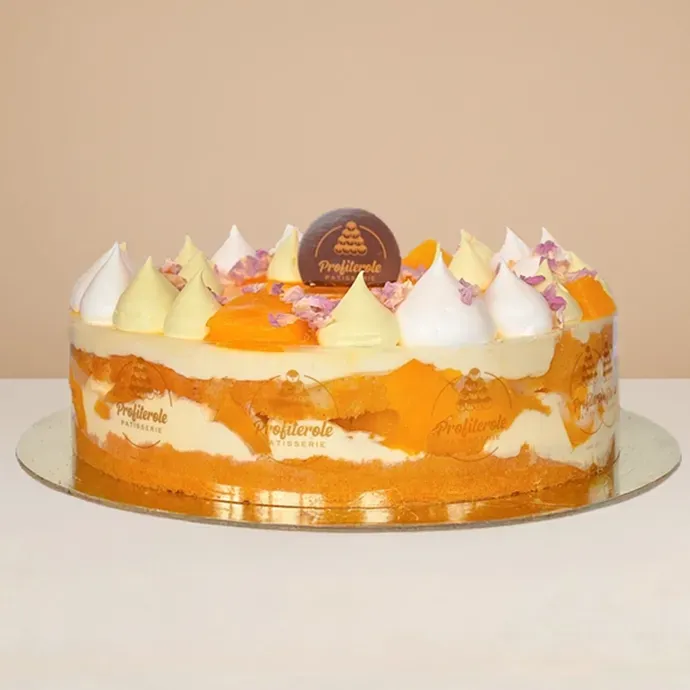
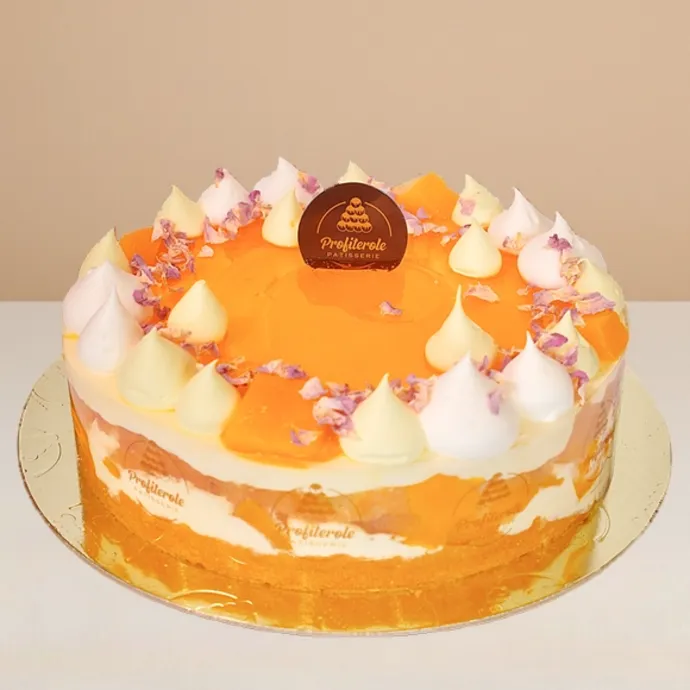
Mango Cake