Most Popular French Pastries in the World: The Definitive Guide from an Artisan Baker
Walking into a traditional patisserie early in the morning is pure magic. The rich scent of caramelised butter, toasted sugar, and fresh espresso fills the air. Yet, standing in front of a glass counter packed with dozens of delicate pastries can feel overwhelming.
French baking looks effortless, but it is a precise craft built on centuries of discipline and pastry physics.
In this guide, I will take you on a curated tour of 18 world-famous French pastries, exploring their historic roots, intricate techniques, and the best ways to enjoy them.
TL;DR
French pastries achieve global fame by combining classic culinary physics with premium ingredients like high-fat European butter. From laminated breakfast treats to delicate choux puffs and caramelised tarts, every classic pastry balances crisp textures with silky creams. Understanding how these treats are made helps you appreciate the skill behind every bite.
| Pastry Name | Pastry Family | Signature Texture | Peak Moment to Enjoy |
|---|---|---|---|
| Classic Croissant | Viennoiserie | Flaky, crisp exterior with an airy honeycomb interior | Early morning alongside a fresh espresso |
| Pain au Chocolat | Viennoiserie | Buttery, layered crumb melting into dark chocolate batons | Mid-morning with a silky flat white |
| Brioche | Enriched Bread | Golden crust with a pillow-soft, featherweight crumb | Sliced thick and toasted for breakfast |
| Kouign-Amann | Viennoiserie | Crunchy, sticky caramelised crust with a soft core | Warmed slightly for an afternoon treat |
| Pain aux Raisins | Viennoiserie | Chewy, spiral crumb pockets soaked in vanilla custard | Leisurely brunch with black drip coffee |
| Profiteroles | Pâte à Choux | Crisp, hollow pastry shell filled with cold cream and warm ganache | Plated fresh for a celebratory dinner dessert |
| Classic Éclair | Pâte à Choux | Snappy choux exterior housing chilled diplomat cream | Afternoon tea eaten straight from the box |
| Paris-Brest | Pâte à Choux | Toasted almond crust filled with nutty, whipped praline cream | Paired with a pour-over coffee or light tea |
| Croquembouche | Pâte à Choux | Hard, crackling toffee shell coating tender custard puffs | Sliced at landmark weddings and milestone events |
| Religieuse | Pâte à Choux | Double-tiered choux balance iced with rich chocolate fondant | Traditional weekend afternoon treat |
| Chouquettes | Pâte à Choux | Light, airy puff crowned with crunchy pearl sugar | Grazed by the handful on an afternoon stroll |
| Mille-Feuille | Feuilletage (Puff) | Shattering, caramelised pastry layers with rich vanilla cream | Plated with dessert cutlery at afternoon tea |
| Tarte Tatin | Caramel Tart | Soft, buttery caramelised apples over a crisp pastry base | Served warm with a dollop of crème fraîche |
| Tarte au Citron Meringuée | Sweet Shortcrust | Crumbly, buttery crust paired with zesty curd and soft meringue | Chilled after lunch as a bright palate cleanser |
| Saint-Honoré Cake | Choux & Puff Hybrid | Caramelised choux balls set against airy crème Chiboust | Showstopping birthday or anniversary centrepiece |
| Parisian Macaron | Meringue Confection | Crisp egg-white shell yielding to a chewy almond ganache core | Paired with delicate floral tea or iced brew |
| Canelé de Bordeaux | Regional Custard | Dark, chewy beeswax-caramel crust with a custardy interior | Mid-morning bite paired with an espresso |
| Madeleines | Sponge Cake | Tender, buttery crumb with a golden crown and ribbed shell | Dipped fresh into hot black tea |
The Golden Icons of Viennoiserie (Laminated and Yeasted Bakes)
Viennoiserie represents the bridge between traditional breadmaking and fine patisserie. These morning bakes rely on yeast fermentation, heavy butter enrichment, and meticulous rolling.
01. The Classic Croissant
While popular myth ties its origins to Austria, Parisian bakers in the 19th century perfected the modern laminated version. They replaced plain brioche dough with pure butter lamination, creating a global standard for morning baking.
Making croissants is a multi-day test of patience and temperature control. 84 percent butterfat dry butter block is enclosed inside yeasted dough, folding it repeatedly to build dozens of micro-layers. During baking, trapped water turns to steam, expanding the gluten walls into an open honeycomb interior.
Eat your croissant within hours of baking while the crust remains audibly crisp. Pair it with an unsweetened short black to balance the rich butterfat on your palate.
02. Pain au Chocolat
This morning classic grew alongside the croissant in Parisian bakeries during the early 1900s. Bakers began tucking dark chocolate batons into offcuts of laminated dough to delight school children.
Two parallel sticks of semi-sweet chocolate are rolled inside proofed croissant dough. The primary challenge is heat regulation in the deck oven. The chocolate must soften without scorching, while the surrounding dough bakes into a crisp, flaky shell.
Enjoy it slightly warm so the chocolate melts against the buttery layers. A velvety flat white makes the ultimate morning partner.
03. Brioche
Originating in Normandy during the 16th century, brioche represents the luxurious boundary between bread and pastry. French bakers took advantage of regional dairy herds to enrich simple doughs with golden butter and fresh eggs.
Crafting authentic brioche requires intensive mechanical kneading on the bench. Large amounts of cold butter is slowly incorporated into the flour until the gluten network turns glossy and elastic. An overnight cold fermentation relaxes the dough, giving the baked loaf a tender, cloud-like crumb.
Slice it thick and toast it lightly under a grill. Spread with a dollop of tart berry jam, or enjoy it plain as an afternoon tea treat.
04. Kouign-Amann
Hailing from Brittany in the 1860s, this pastry takes its name from the Breton words for cake and butter. Baker Yves-René Scordia accidentally created it when experimenting with excess bread dough and high-fat salted butter.
Laminated dough is folded using the same technique as a croissant, but each turn is dusted with granulated sugar. In the oven, melting butter and sugar liquefy and caramelise along the base of the tin. This forms an ultra-crunchy, golden toffee crust around a soft, flaky core.
Warm it briefly in a low oven before serving. The gentle heat revives the sticky caramel, delivering a remarkable contrast of textures.
05. Pain aux Raisins (Escargot)
A beloved fixture in French neighbourhood bakeries, this spiral pastry is often called an escargot due to its snail-shell shape. It has brought comfort to French breakfast tables since the late 19th century.
A wide sheet of laminated dough is rolled and slathered with smooth vanilla bean pastry cream. Next, rum-soaked sultanas are scattered across the surface before rolling the dough into a tight log. The log is then sliced into rounds and baked until the cream caramelises along the spiral edges.
Unwind the pastry slowly, starting from the crisp outer rim and finishing at the soft, custard-soaked centre. It pairs wonderfully with a warm café au lait.
Pâte à Choux Masterpieces (The World of Hollow Pastry Shells)
Pâte à choux is unique because it is cooked twice: first on the stovetop to gelatinise starches, and then in the oven to inflate. It forms the foundation for France's most theatrical desserts.
06. Profiteroles
The roots of choux pastry date back to Italian chef Panterelli in the court of Catherine de' Medici. French patissiers later perfected the hollow puff into the modern dessert we celebrate today. Profiteroles are our flagship products in our cafés (alongside our cakes). Hence, our name.
We cook flour, water, and butter in a saucepan before beating in fresh eggs to trap moisture. When baked, the trapped liquid turns into high-pressure steam, puffing the dough into light, hollow spheres. We fill these crisp shells with cold custard or vanilla gelato and coat them in warm dark chocolate ganache.
We serve them immediately after plating so the cold filling contrasts with the warm, bittersweet chocolate sauce. It is an unforgettable dinner dessert.
07. The Classic Éclair
Legendary chef Antonin Carême developed the modern éclair in Paris during the early 1800s. Its name translates to lightning, supposedly because patrons eat it in a flash.
Piping uniform choux logs requires steady hand pressure on the bench. We bake the shells until dry and firm to prevent them from collapsing. Once cooled, we pipe smooth chocolate or coffee diplomat cream inside, finishing with a mirror-smooth fondant glaze.
Eat it straight from the patisserie box using your fingers. The glossy glaze, crisp pastry shell, and chilled cream balance each other in every bite.
08. Paris-Brest
Pastry chef Louis Durand created this ring-shaped pastry in 1910 to commemorate the Paris-Brest bicycle race. Its circular silhouette represents a bicycle wheel.
A generous ring of choux dough is piped and crowned with toasted flaked almonds before baking. After slicing the baked ring horizontally, generous rosettes of whipped hazelnut and almond praline cream are filled between the layers.
Pair this rich pastry with a delicate pour-over coffee or light black tea. The subtle drink allows the roasted nut aromas to shine without palate fatigue.
09. Croquembouche
Another master creation credited to Antonin Carême, this towering showpiece remains the traditional centrepiece at French weddings and baptisms.
We bake dozens of uniform choux puffs and fill them with vanilla crème pâtissière. We dip each puff into boiling amber caramel, using the molten sugar as mortar to build a tall cone. Finally, we drape the entire structure in delicate spun sugar threads.
Crack the caramelised puffs directly from the tower during celebratory milestones. A glass of vintage champagne provides the perfect celebratory match.
We sell croquembouche towers with several options for dips in our cafés and you can also order them online.
10. Religieuse
Invented in Paris around 1856 at Café Frascati, this tiered dessert resembles the traditional habit of a nun.
A small filled choux bun is stacked on top of a larger one, filling both with rich chocolate or coffee cream. After dipping each in shiny fondant, delicate buttercream ruffles are piped around the neck to secure the two tiers.
Lift off the smaller top puff first to enjoy its concentrated fondant glaze. Afterward, take your time with the larger base puff.
11. Chouquettes
Chouquettes are the quintessential after-school snack for French schoolchildren. Bakeries across France sell them by the paper bag throughout the afternoon.
Miniature choux mounds are piped onto baking sheets and rolled generously in pearl sugar. These dense sugar crystals resist oven heat without melting. As the choux expands, the puffs turn golden and hollow, coated in crunchy sugar jewels.
Graze on them by the handful while they are still warm from the oven. They are light, airy, and delightful alongside an afternoon cup of tea.
Feuilletage and Tarts (Puff Pastry and Sweet Crust Elegance)
French tarts and puff pastries showcase the pastry chef's mastery over butter and blind-baking. They balance structural snap with creamy fillings.
12. Mille-Feuille (The Napoleon)
First recorded by François Pierre de La Varenne in 1651, this dessert translates to a thousand layers. It remains one of the greatest technical achievements in French baking.
An inverted puff pastry sandwiches the dough inside outer layers of butter. Then, pastry sheets are baked between weighted trays to keep them flat and crisp. Three pastry layers are then stacked with rich vanilla crème diplomate and topped with marbled feather icing.
Turn the slice gently onto its side before cutting with your dessert fork. This prevents the crisp pastry sheets from squashing the delicate cream filling.
13. Tarte Tatin
The Tatin sisters accidentally invented this upside-down tart at their hotel in central France during the 1880s. When apples cooked too long in sugar, they topped the pan with pastry and baked it whole.
Quartered apples are caramelised in pure butter and sugar inside a heavy skillet. Once tender, a sheet of puff pastry is tucked over the fruit and bake until crisp. The critical step is inverting the piping-hot skillet onto a platter without burning the sugar or breaking the apples.
Serve it warm straight from the pan. Add a generous dollop of unsweetened crème fraîche to balance the sweet caramelised fruit.
14. Tarte au Citron Meringuée
A timeless fixture on French bistro menus, this dessert combines classic French fruit curds with Italian meringue techniques.
A sweet shortcrust pastry shell is blind-baked until it turns crisp and biscuit-like. Then, it is filled with a velvety, sharp lemon curd made from fresh citrus juice and eggs. Finally, glossy meringue is piped over the top and torched lightly for colour.
Serve it slightly chilled on a warm afternoon. The cold, tart lemon curd cuts through the sweet, pillowy meringue for a refreshing finish.
15. Saint-Honoré Cake
Created in 1847 at the Chiboust bakery in Paris, this cake honours the patron saint of French bakers and pastry chefs.
This elaborate creation combines multiple pastry disciplines. It features a puff pastry base ringed with caramel-glazed choux balls. The centre is finished with delicate crème Chiboust, piped using a distinctive v-notched Saint-Honoré piping tip.
Reserve this regal cake for major milestone celebrations. Slice carefully so each guest receives both crisp choux, puff pastry, and smooth cream.
Petite Pâtisserie and Regional Confections
Small treats require immense precision. In this category, microscopic variations in batter consistency determine whether a bake succeeds or fails.
16. Parisian Macarons
While almond pastes trace back to Renaissance Italy, Parisian tearooms like Ladurée popularised the double-decker sandwich version in the early 20th century.
Egg whites are whipped into a stiff meringue and folded in finely ground almond flour. This delicate folding process, called macaronage, must stop the instant the batter flows like molten lava. Baked shells develop a ruffled foot before being filled with rich ganache or curd.
Let your macarons rest in the fridge for 24 hours before eating. This allows moisture from the filling to soften the meringue into a chewy, melt-in-the-mouth texture.
17. Canelé de Bordeaux
Nuns in Bordeaux created these treats in the 18th century. They used surplus egg yolks left behind by winemakers who used egg whites to clarify local wines.
Thin batter of milk, flour, sugar, dark rum, and vanilla beans, are mixed then rested overnight. After resting, the batter is poured into traditional fluted copper moulds coated in food-grade beeswax. High heat bakes the exterior into a dark, crunchy crust while keeping the centre custardy and soft.
Eat them on the day they are baked alongside a morning double espresso. The rich coffee cuts through the aromatic rum and vanilla custard.
18. Madeleines
Hailing from the Lorraine region of north-eastern France, these scallop-shaped sponge cakes were immortalised by French author Marcel Proust.
Eggs and sugar are whipped into a light foam, folding in lemon zest and nutty browned butter. Chilling the batter overnight creates thermal shock when placed in a hot oven. This temperature shift forces the batter to rise into its signature hump over a fluted shell base.
Eat them warm from the baking tin. Dip the scalloped edge gently into a cup of Earl Grey tea to release its buttery, citrus perfume.
Bringing French Patisserie to Sydney
Baking authentic French pastries demands deep respect for culinary tradition and kitchen patience. There are no shortcuts when lamination requires days of rolling, or when choux pastry demands exact stovetop moisture control.
Yet, when you cut through a golden crust to reveal a tender, buttery crumb, every single minute at the baking bench proves worthwhile.
At Profiterole Patisserie, we pour this same artisan passion and technical precision into our daily bakes. Our bakers roll fresh French viennoiserie, craft crisp profiterole towers, and assemble delicate fruit tarts every morning using the purest ingredients and time-honoured methods.
I invite you to visit any of our stores in Sydney to experience authentic French baking firsthand. And if you’re planning a celebration at home, you can order our cakes online and we’ll have them delivered on the next day.
Publish date: 18/10/2026
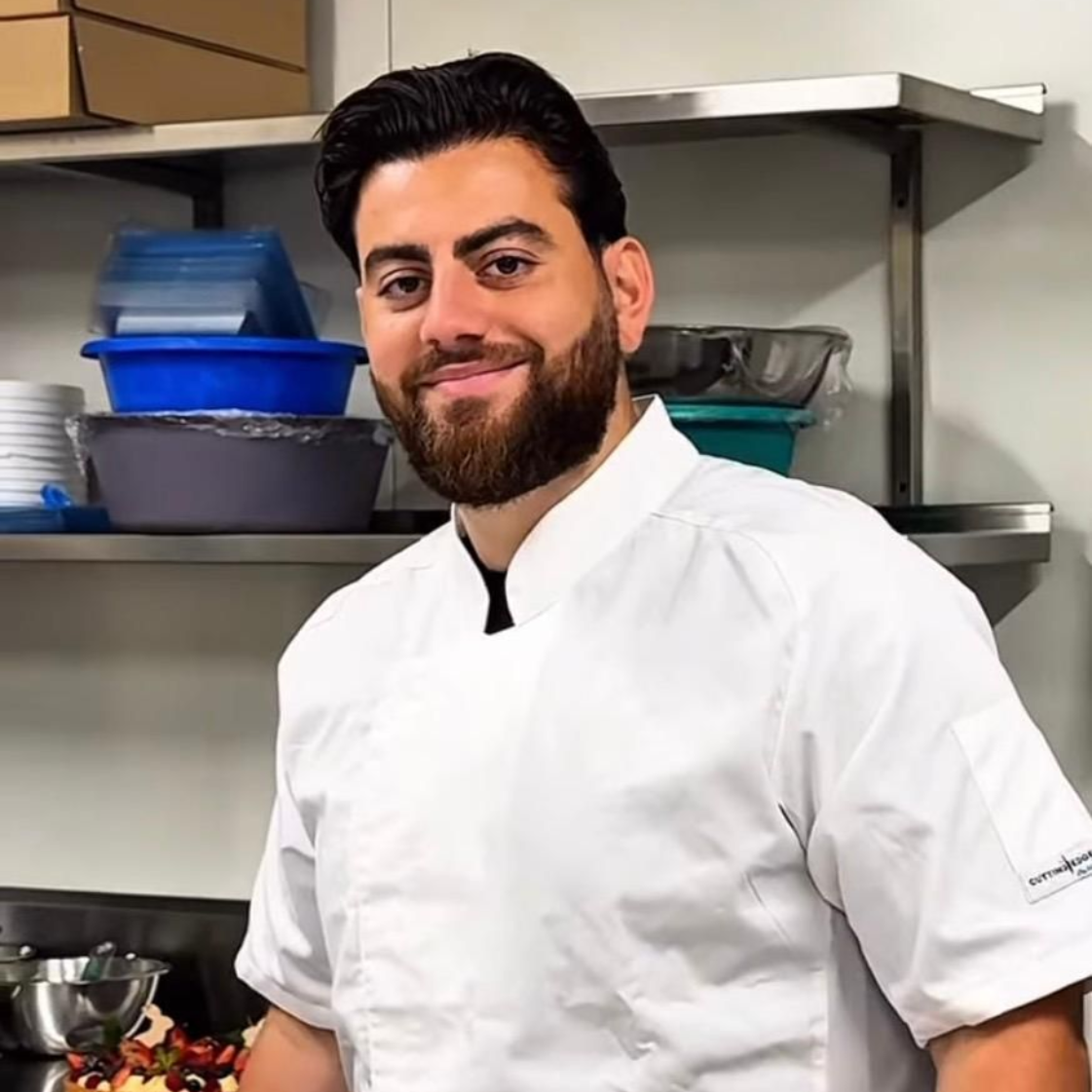
Joey Yaccoub
Head Baker & Operations Manager, Profiterole Patisserie
Joey Yaccoub is the Head Baker at Profiterole Patisserie, bringing over a decade of hands-on experience in artisan cake design and pastry craftsmanship.
He oversees recipe development, product quality, and daily operations across all store locations, ensuring every cake meets the brand’s standards for flavour, presentation, and consistency.
FAQs
Q
Q
Q
Q
Q
--------CTA HERE------------
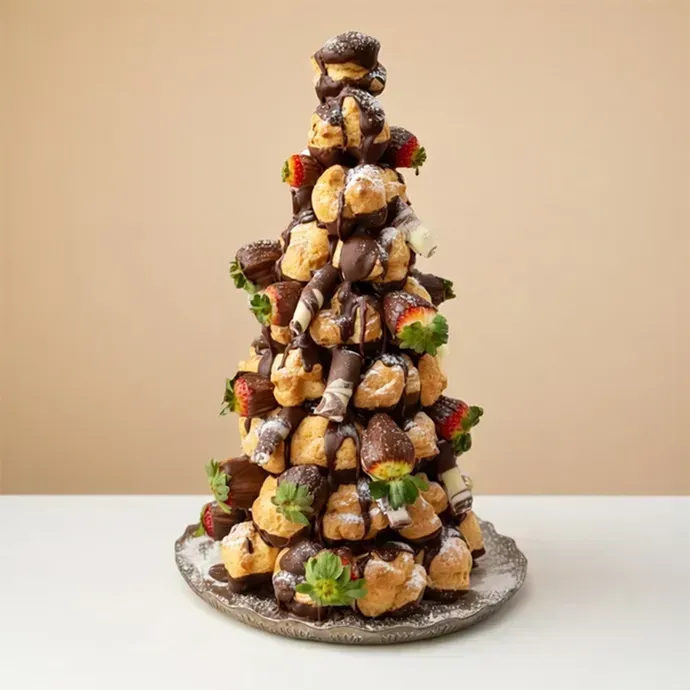
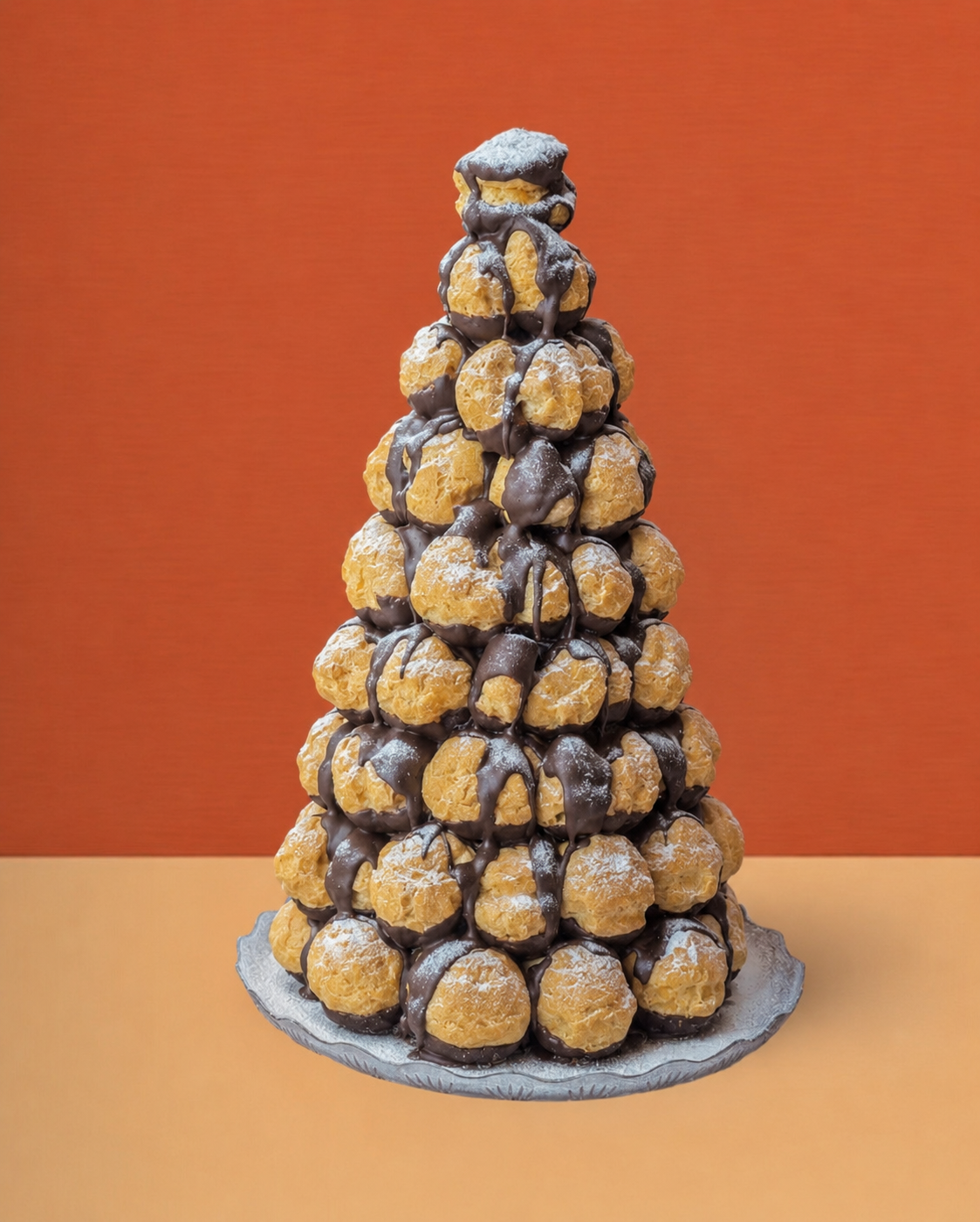
Profiterole Tower - Classic Chocolate
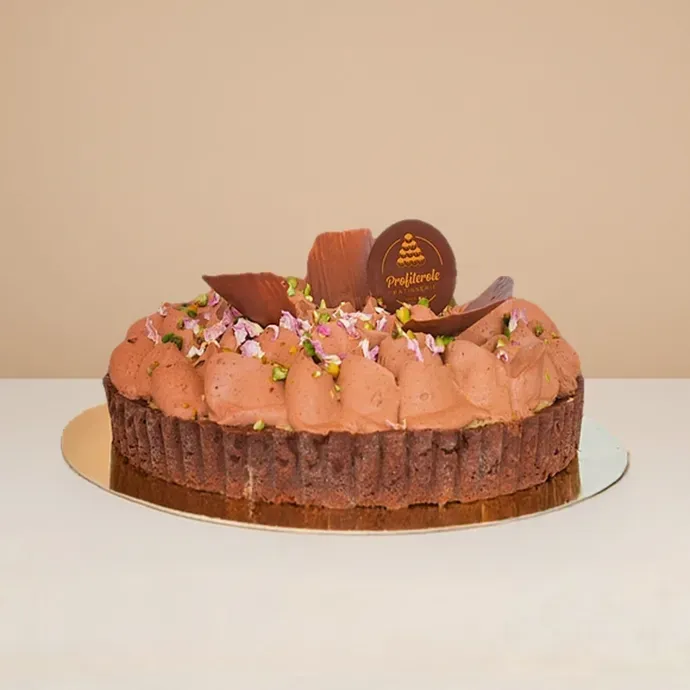
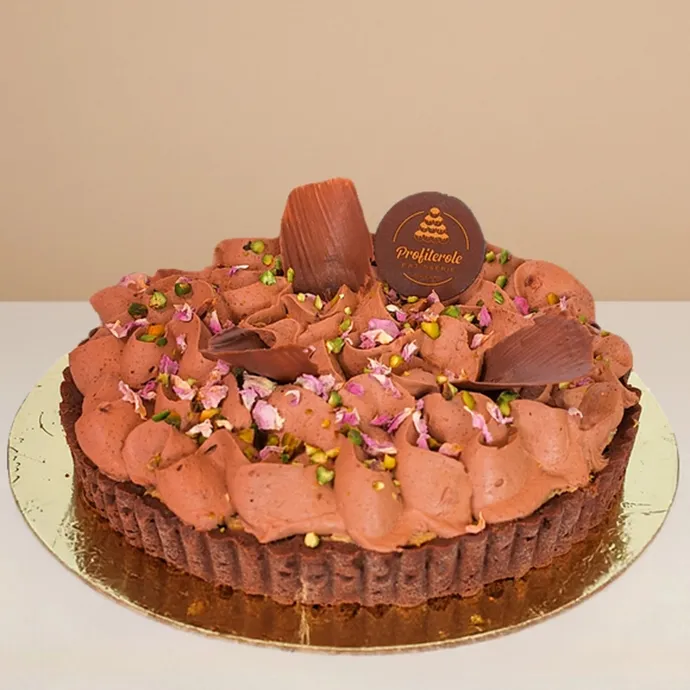
Dubai Chocolate Cake
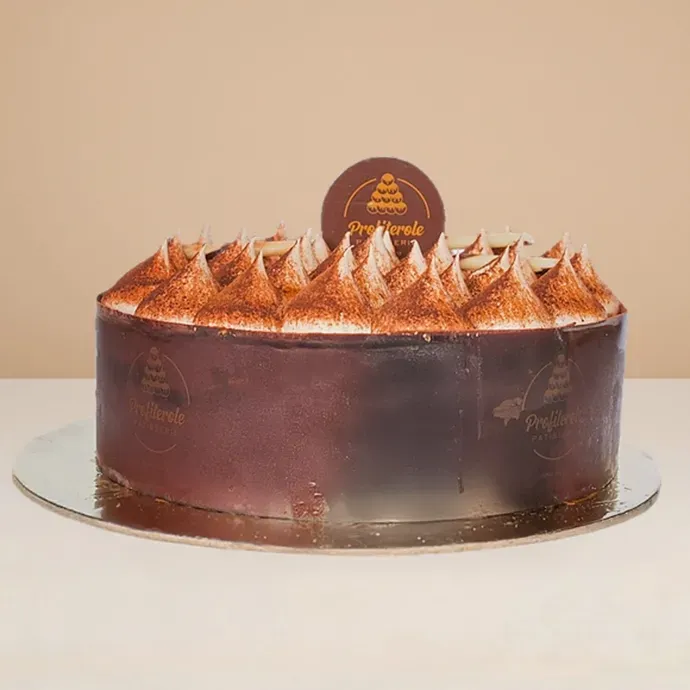
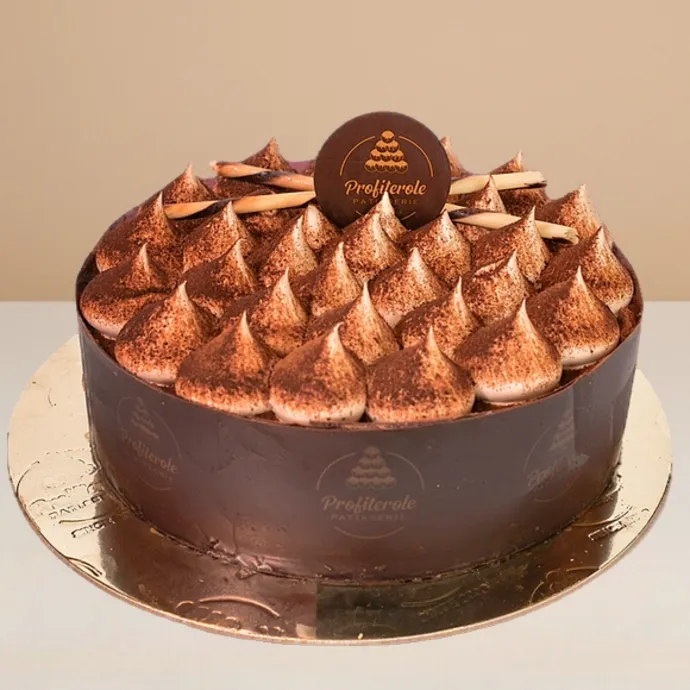
Tiramisu Cake
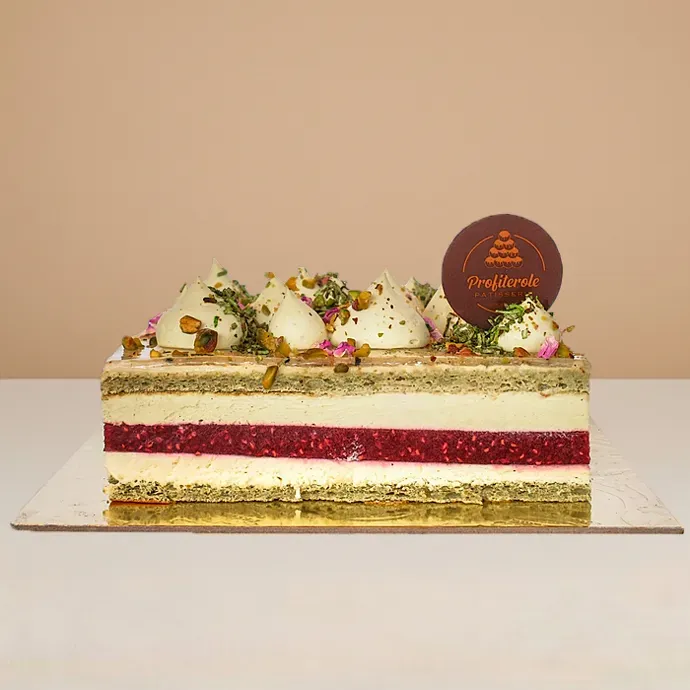
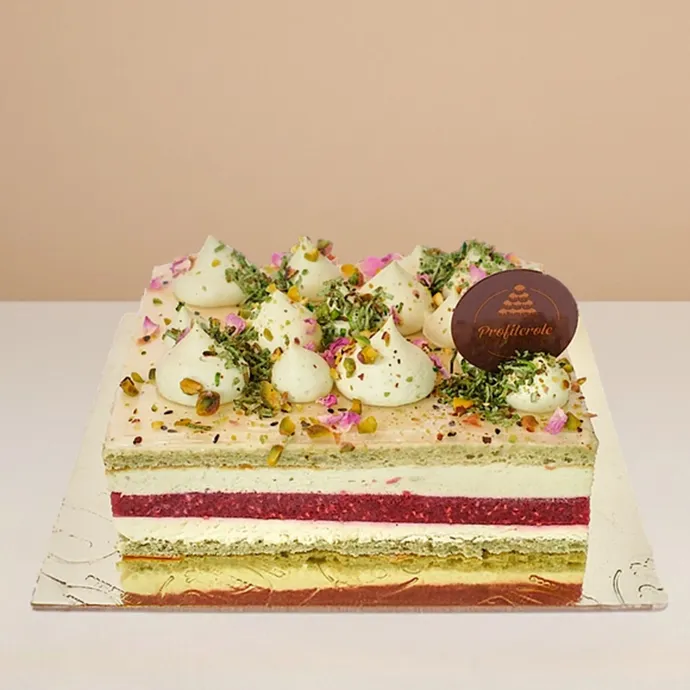
Pistachio Raspberry Bliss Cake
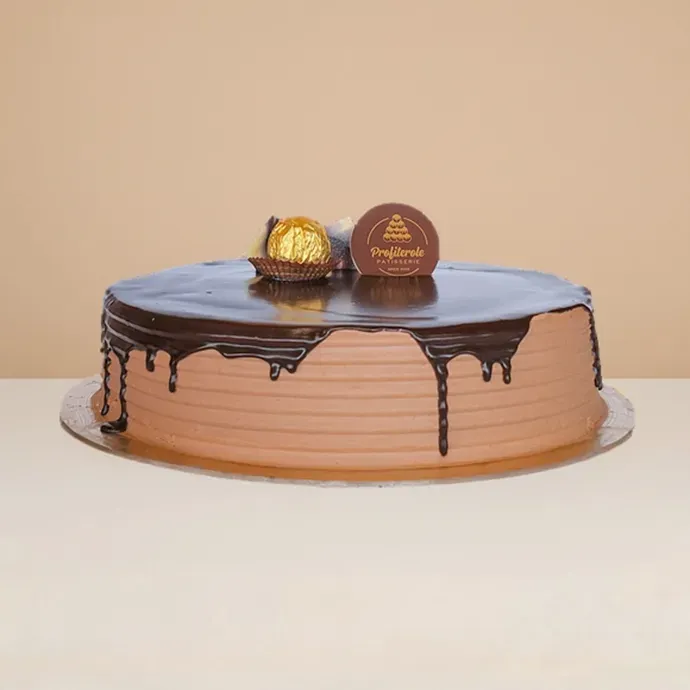
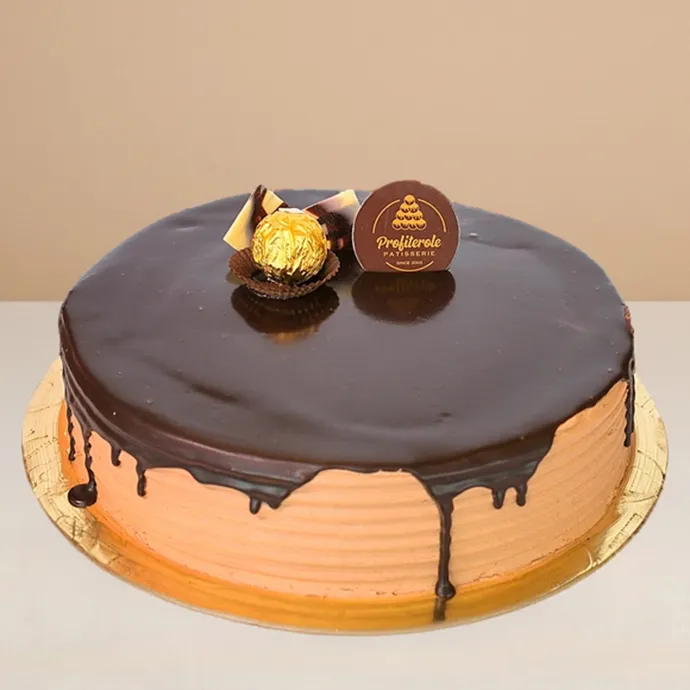
Ferrero Rocher Cake
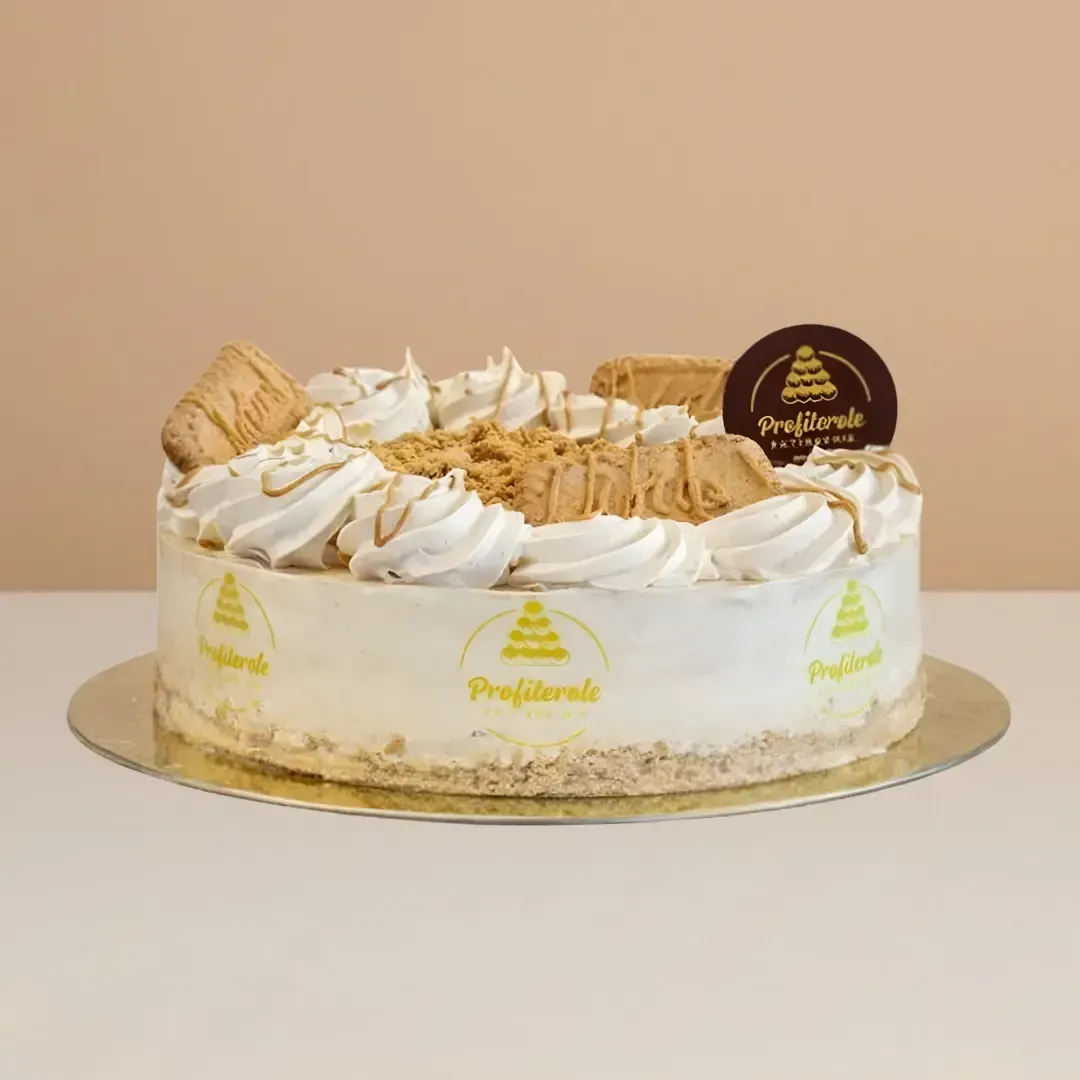
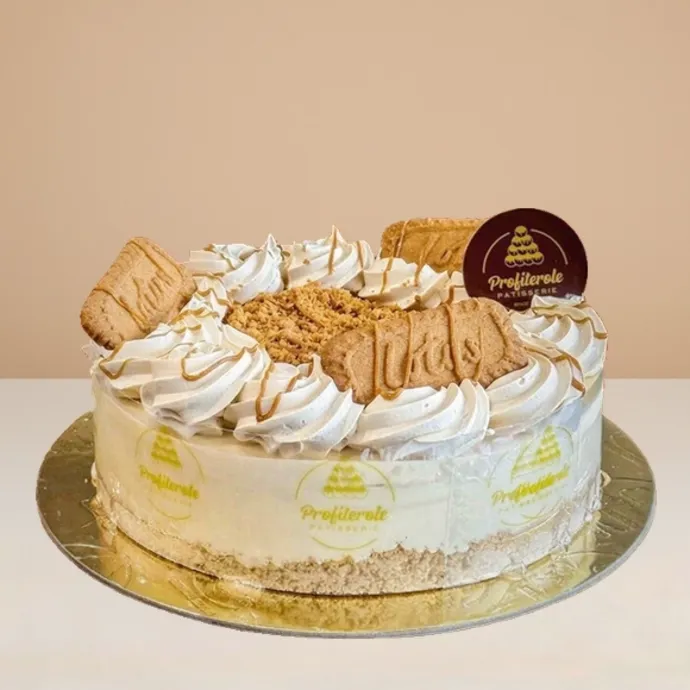
Lotus Biscoff Cheesecake
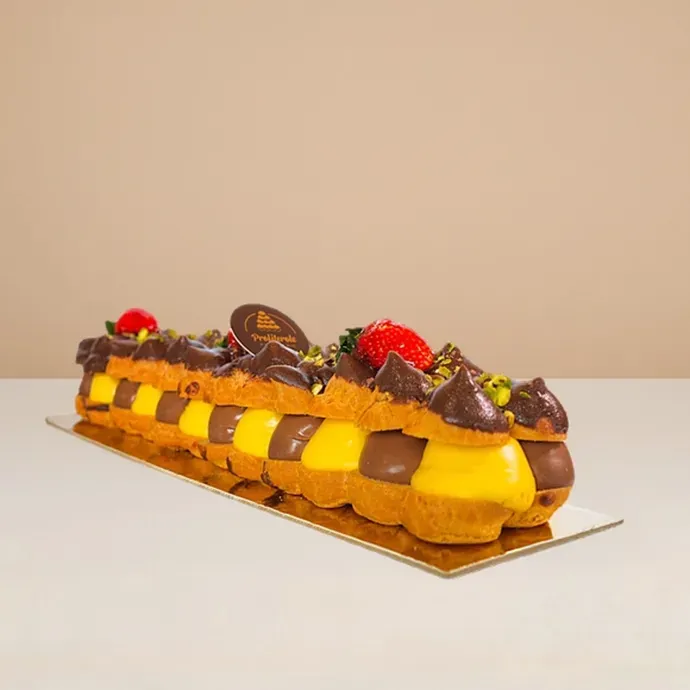
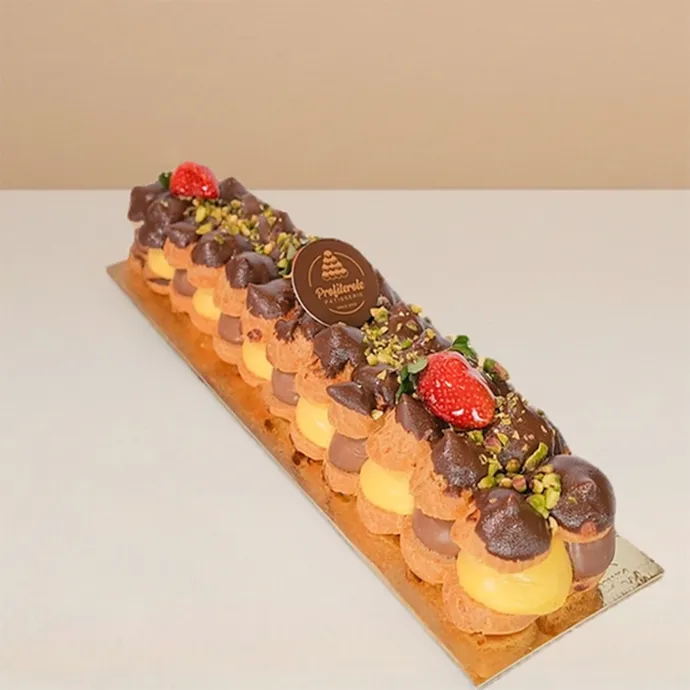
Profiterole Log Cake
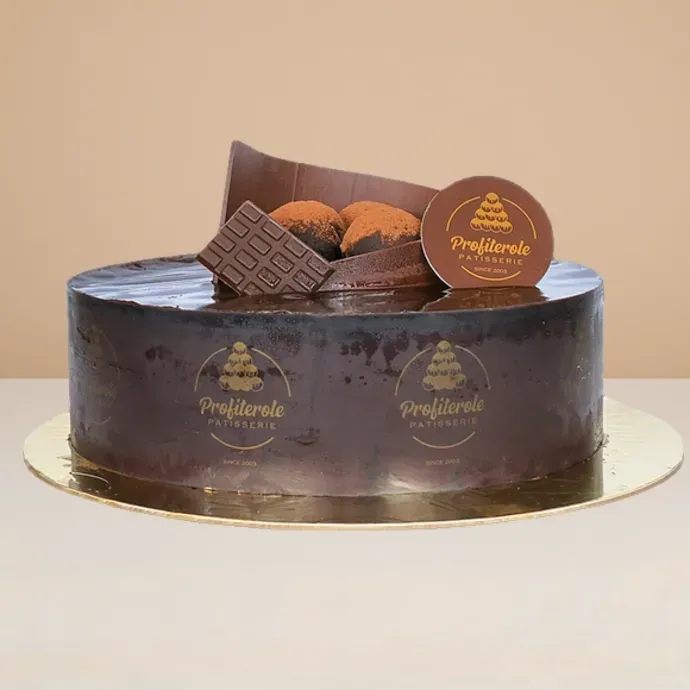
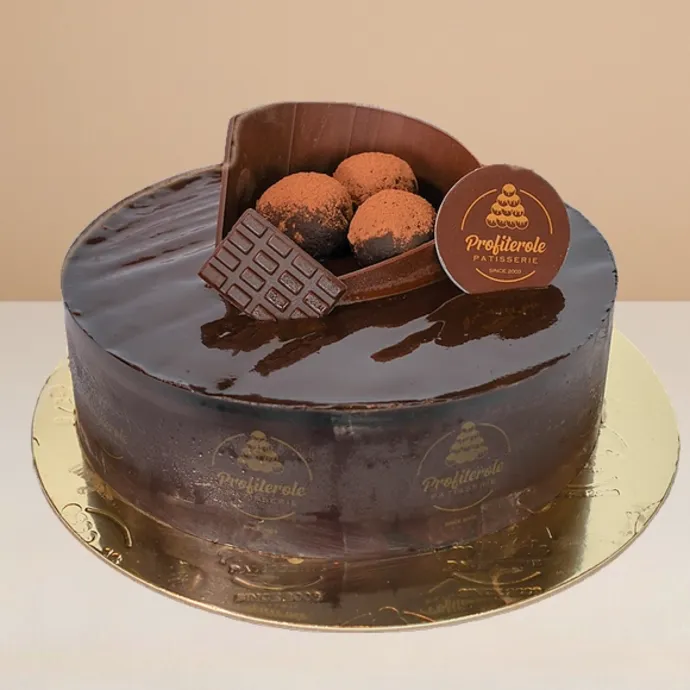
Chocolate Mousse Cake
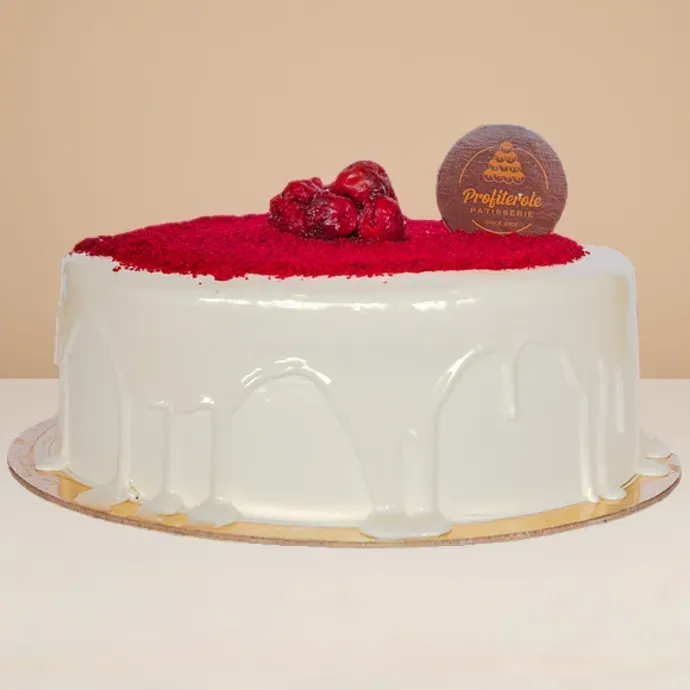
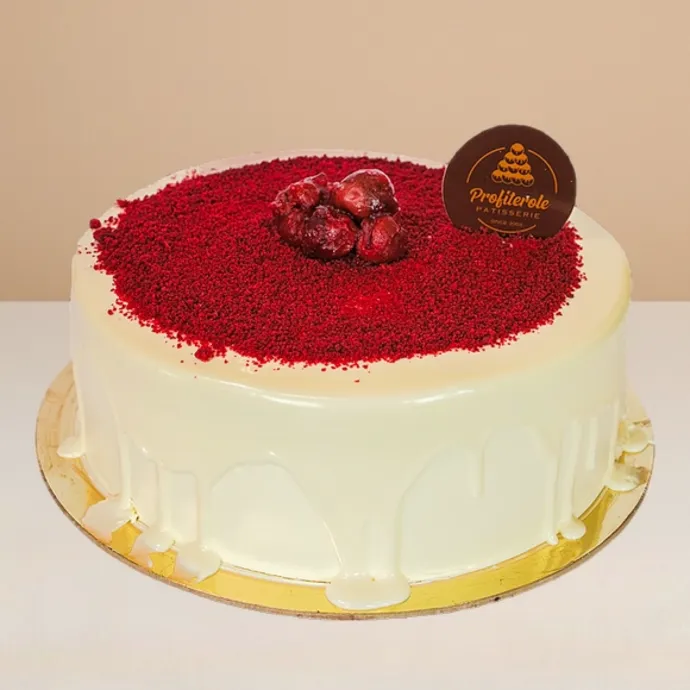
Red Velvet Cake
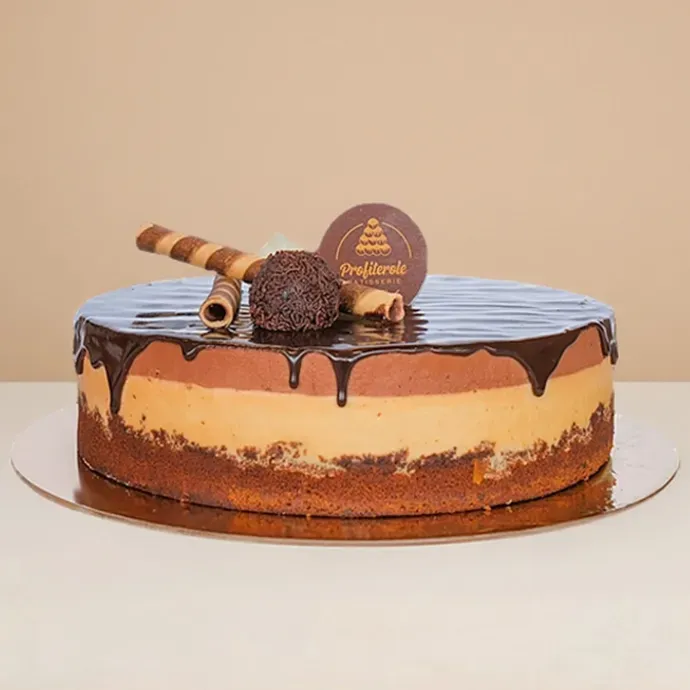
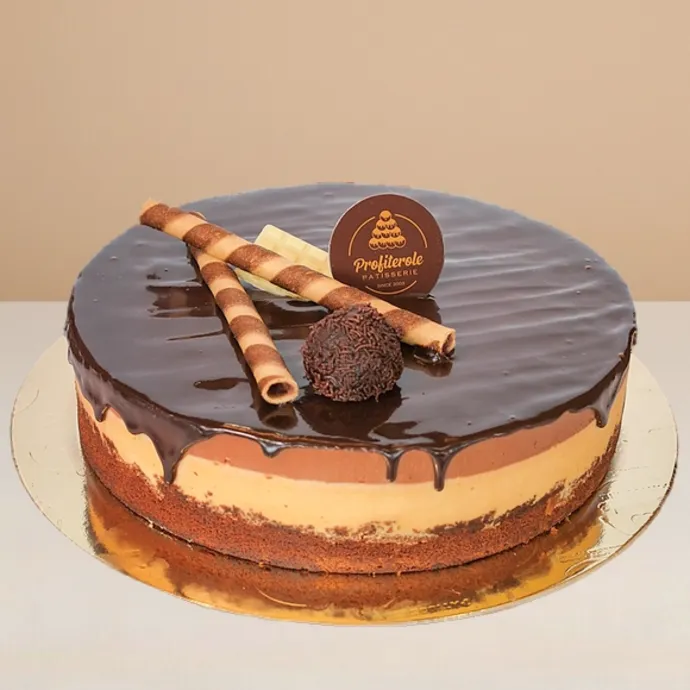
Trio Cake - Round
Baked Ricotta Cheesecake
Fruit Cake - Round
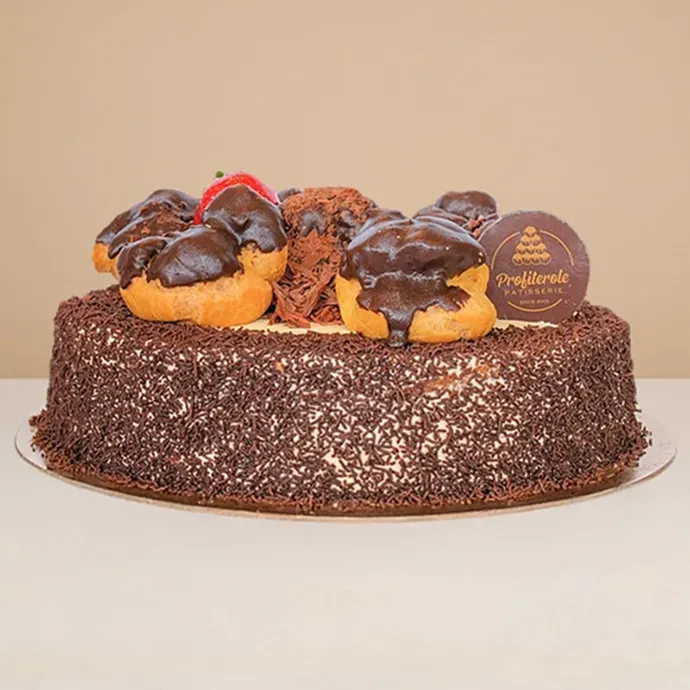
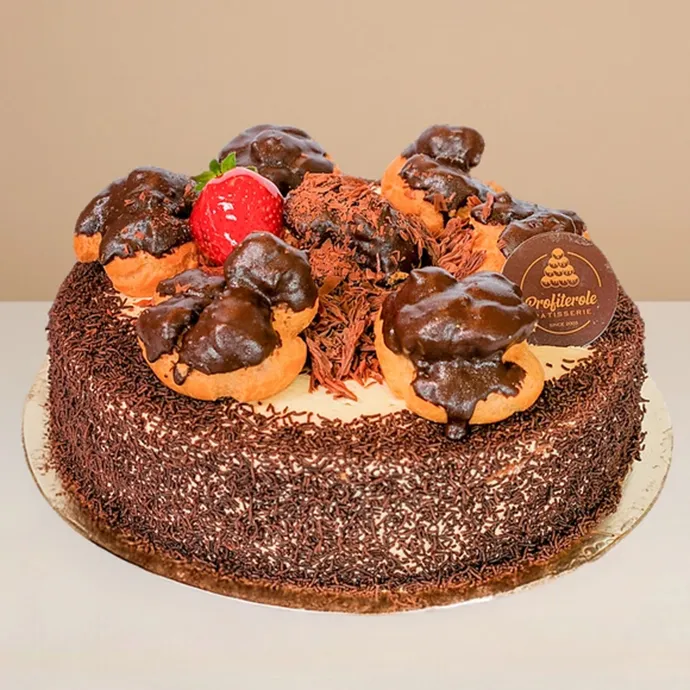
Chocolate Profiterole Cake
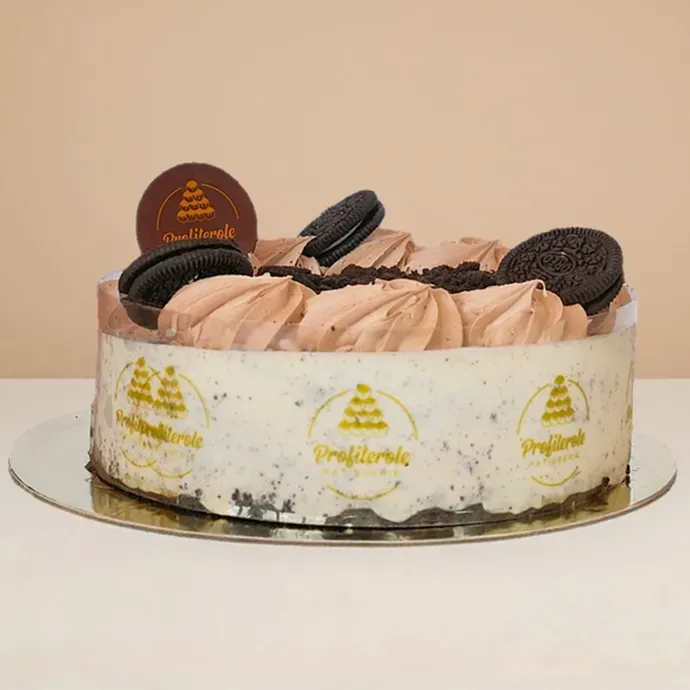
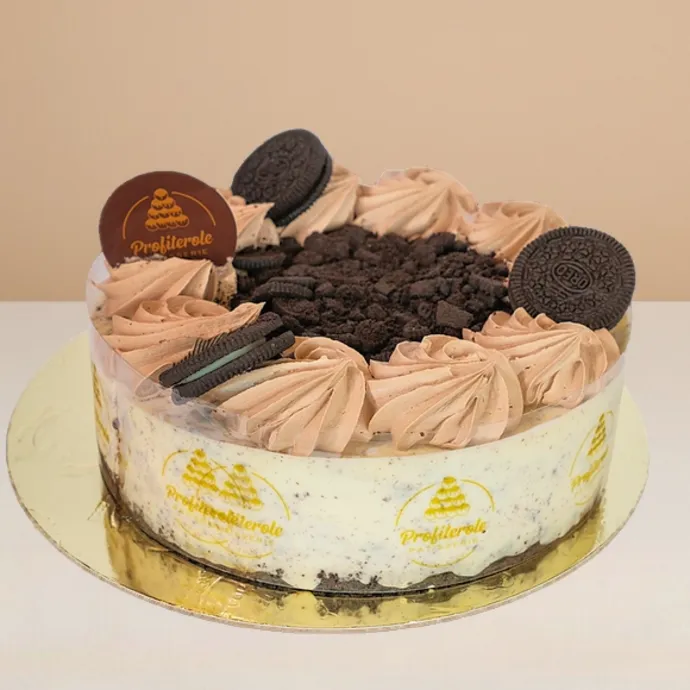
Oreo Cheesecake
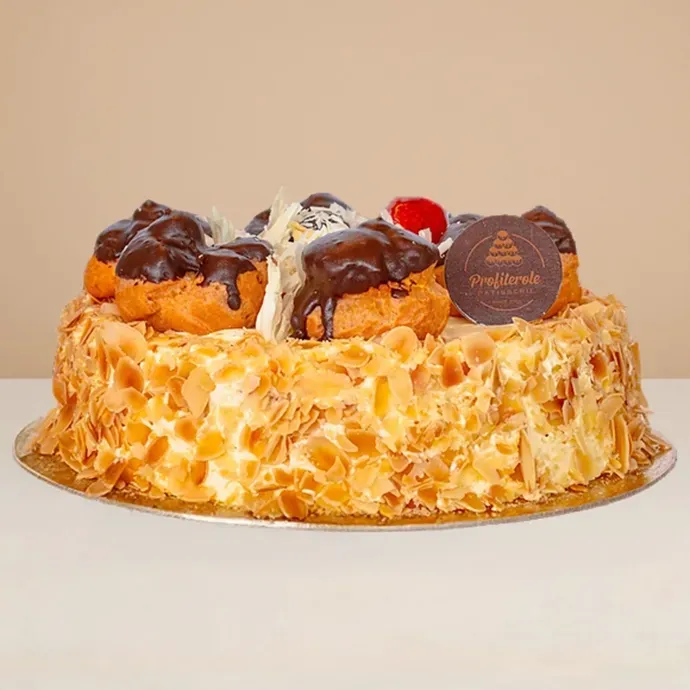
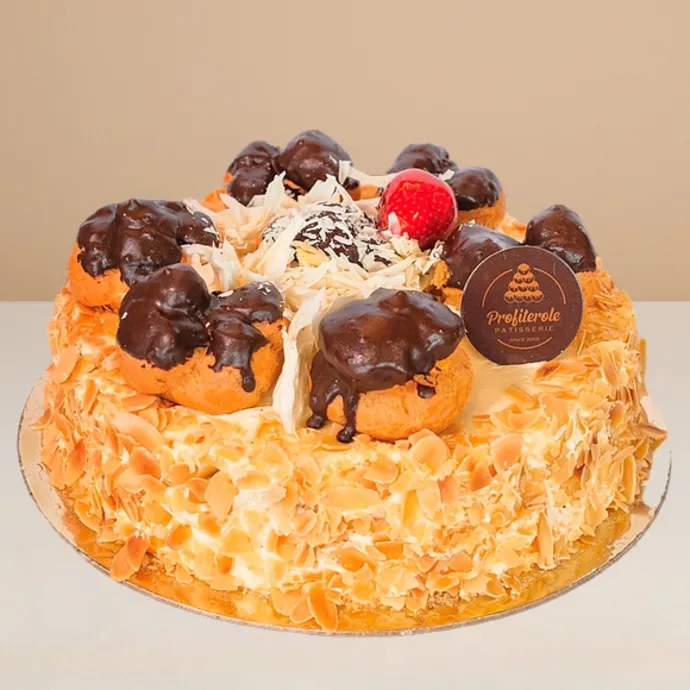
White Profiterole Cake
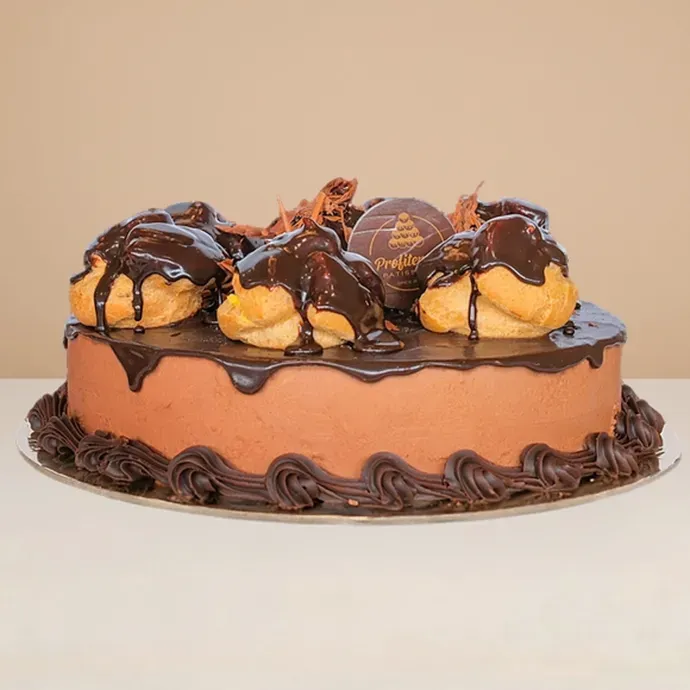
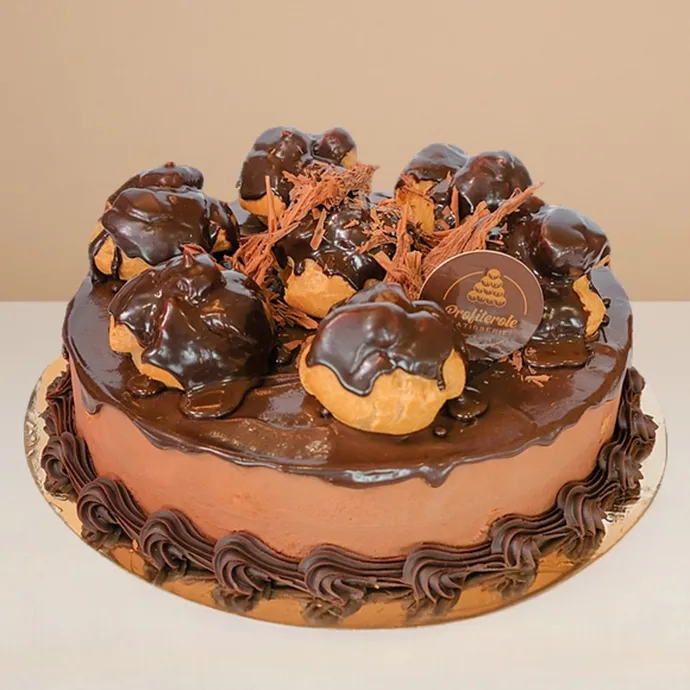
Mousse Profiterole Cake
Mango Cake