Mud Cake vs Chocolate Cake – Is There Really a Difference?
Few dessert debates spark as much passionate discussion as choosing between a traditional chocolate cake and a rich mud cake.
You might assume both bakes simply deliver cocoa flavour in slightly different formats, but the reality in the bakery kitchen is very different.
One is a light, aerated sponge lifted by leaveners, while the other is an ultra-dense, slow-baked masterpiece packed with melted couverture chocolate and butter.
At Profiterole Patisserie, we bake both styles daily so we’ve mastered the key differences between the two. Allow me to explain the food science behind what truly sets them apart.
TL;DR
While both cakes celebrate rich cocoa, their core difference lies in fat composition, aeration, and crumb density. Traditional chocolate cake is a light, springy sponge leavened with baking powder and cocoa powder. Mud cake is a dense, fudgy, slow-baked cake made by melting solid chocolate with butter, producing a tight, sliceable crumb with exceptional structural stability.
| Feature | Traditional Chocolate Cake | Chocolate Mud Cake |
|---|---|---|
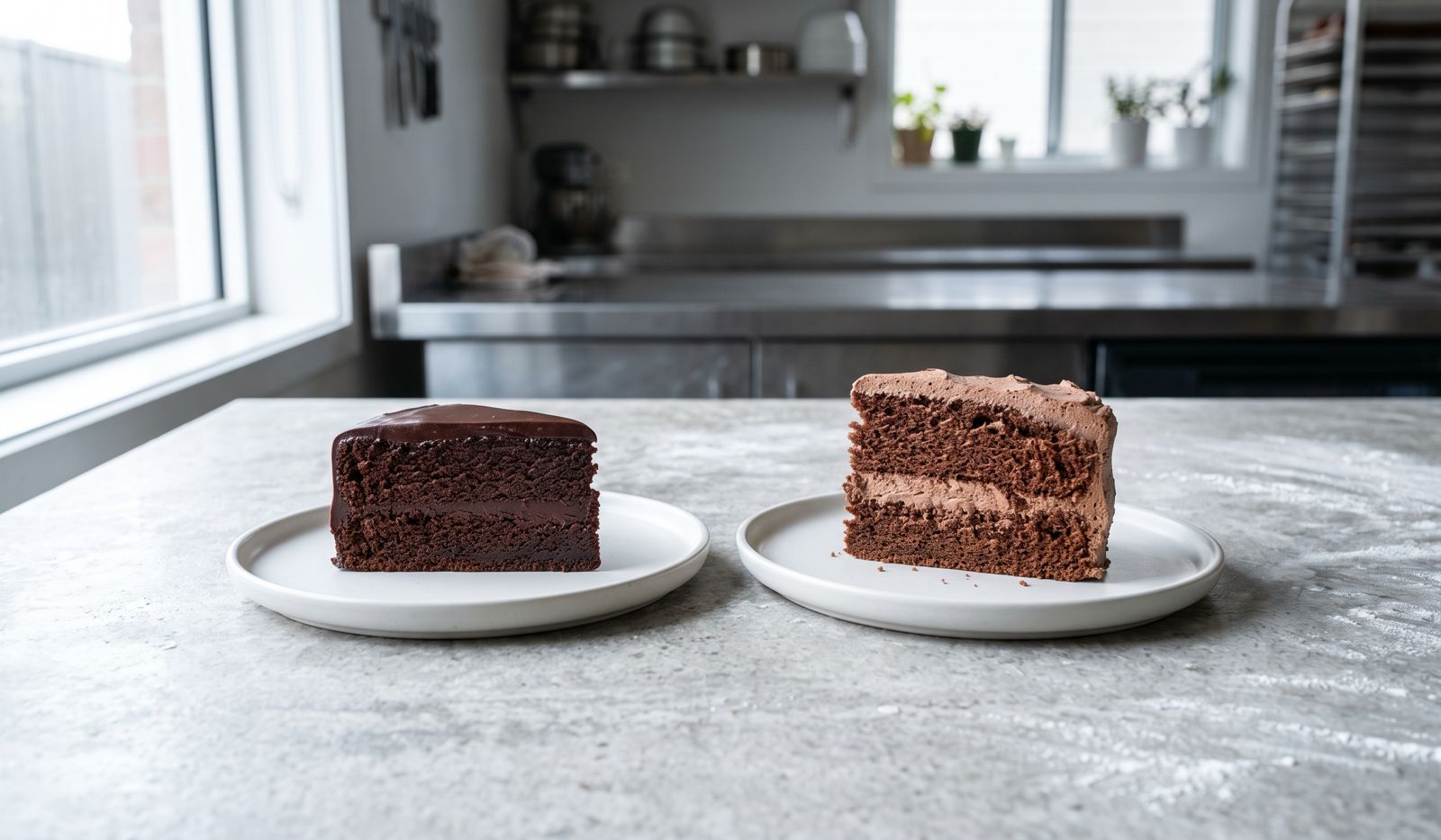
| Crumb Structure | Light, aerated, open sponge | Heavy, dense, velvety, and fudgy |
| Primary Chocolate Source | Unsweetened cocoa powder | High-cocoa-butter real chocolate blocks |
| Fat & Leavening | Creamed butter/oil with baking powder or soda | Melted butter and chocolate with minimal leavening |
| Baking Dynamics | Fast bake at 175°C–180°C (25–35 mins) | Low and slow at 150°C–160°C (60–90+ mins) |
| Shelf Life | 2 to 3 days at room temperature | 5 to 7 days (flavour improves with resting) |
| Best Use Case | Afternoon tea, children's parties, layer cakes | Heavy tiered wedding cakes, sculpted fondant bakes |
Mud Cake vs Chocolate Cake In a Nutshell
To appreciate how these cakes perform on the plate and in the kitchen, we must examine their ingredients, internal crumb physics, and oven dynamics.
First up, here’s a basic distinction between the two:
Traditional Chocolate Cake: An aerated sponge cake that depends on mechanical whipping and chemical leaveners (baking powder or baking soda) for height. Bakers use sifted unsweetened cocoa powder combined with creamed butter or vegetable oil. The resulting cake rises dramatically in the oven, producing a tall, pillowy, and springy crumb.
Chocolate Mud Cake: An ultra-dense, moisture-saturated cake constructed around the "melting method." Rather than creaming room-temperature butter, the baker gently melts blocks of solid dark or milk chocolate together with butter, sugar, and liquids. It incorporates almost no chemical leaveners, intentionally preventing air pockets from forming so the batter bakes into a uniform, sliceable slab.
Texture and Mouthfeel: Velvety Fudginess vs Tender Crumb
The physical bite of each cake could not be more distinct:
Chocolate Cake: Soft, springy, and crumbly. A dessert fork glides through it with zero resistance. In the mouth, the airy crumb breaks down instantly, leaving a light and fluffy impression.
Mud Cake: Substantial, velvety, and luxurious. Because the crumb is tightly knit with cocoa butter and dairy fat, it yields clean, razor-sharp slices that do not shed crumbs. On the palate, it delivers a smooth, fudgy texture reminiscent of a gourmet chocolate fudge or dense European torte.
Do Mud Cake and Chocolate Cake Taste Differently?
While both showcase chocolate, they release flavour across the palate in completely different ways:
Chocolate Cake: Delivers an approachable, sweet cocoa profile. Because standard cocoa powder contains very little residual cocoa butter, the chocolate flavour arrives immediately, satisfies the sweet tooth, and dissipates cleanly without coating the mouth.
Mud Cake: Packs an intense, multi-layered cocoa punch. The high percentage of melted chocolate blocks introduces true cocoa butter into the batter. This fat coats the tongue, releasing complex roasted cocoa notes that linger long after the bite is swallowed.
Are Mud Cake and Chocolate Cake Baked Differently?
The contrast in their crumb structures comes down to distinct mixing and oven dynamics:
The Mixing Process: Chocolate sponge requires mechanical aeration or creaming butter and sugar to trap air bubbles, or whipping whole eggs before gently folding in sifted dry ingredients. Mud cake avoids whipping entirely. The melted chocolate, butter, hot water or coffee, and sugar are stirred into a silky liquid mixture before incorporating flour, guaranteeing an emulsion free from excess air pockets.
Oven Heat and Duration: Traditional chocolate cakes bake at standard temperatures between 175°C and 180°C for 25 to 35 minutes, allowing leavening gases to expand rapidly before the proteins set. Mud cakes require a gentle "low-and-slow" bake, typically between 150°C and 160°C for 60 to 90 minutes. Baking at a lower temperature prevents the outer edges from scorching while the heat slowly penetrates the dense, chocolate-laden centre.
When to Serve Mud Cake or Chocolate Cake?
Each cake shines brightest in specific culinary settings:
Ideal Moments for Chocolate Cake: Casual birthday parties, kids' celebrations, afternoon tea, or as a lighter dessert course following a rich multi-course dinner.
Ideal Moments for Mud Cake: Tiered wedding cakes, milestone celebrations, and sculpted novelty cakes. The sheer physical density of a mud cake gives it structural integrity, allowing it to easily support heavy rolled fondant, thick ganache coats, and stacked tiers without sinking or bowing.
Dessert Pairing Guide for Chocolate Cake and Mud Cake
Knowing that these two kinds of cakes provide a different texture and eating experience, it goes without saying that they match with different sets of desserts too.
Here’s a quick dessert pairing recommendation for you:
- Chocolate Cake Pairings: A cold glass of fresh milk, a scoop of vanilla bean gelato, or tart raspberry coulis to cut through the sweetness.
- Mud Cake Pairings: A bold double espresso, a glass of full-bodied Australian Shiraz, or a generous dollop of unsweetened crème fraîche to balance the decadent chocolate richness.
Which Lasts Longer, Mud Cake or Chocolate Cake?
Chocolate cake stays fresh for 2 to 3 days at room temperature. Its open, aerated sponge structure allows moisture to evaporate relatively quickly once cut, leading to rapid staling.
On the other hand, mud cake stays moist and fudgy for 5 to 7 days at room temperature in an airtight container, and freezes beautifully for up to three months. The dense concentration of sugar, dairy fats, and cocoa butter acts as a natural moisture seal. Many bakers find mud cake actually tastes better on day two or three as the flavours mature.
How About Fudge Cake and Chocolate Cake, Are They Different?
Fudge cake sits directly between a classic chocolate sponge and an artisan mud cake.
A traditional fudge cake is an enriched chocolate cake that achieves extra moisture and chew through brown sugar, melted butter, or sour cream, giving it a denser bite than a fluffy birthday sponge. However, it still incorporates baking soda or powder for lift, keeping it lighter than a true mud cake.
The defining element of a fudge cake is often its exterior finish: it is traditionally paired with a thick, glossy, cooked chocolate fudge icing that adds a fudgy mouthfeel to an otherwise tender crumb.
Airy Classic Chocolate Cake or Dense Mud Cake: We Have Them Both
Every memorable celebration deserves a dessert tailored to the moment. The airy lift of a classic chocolate sponge brings effortless nostalgia to afternoon tea, while the fudgy decadence of an artisan mud cake provides the structural power and rich flavour demanded by milestone celebrations.
At Profiterole Patisserie, our pastry chefs handcraft signature chocolate cakes and mud cakes everyday to give you great enjoyment in each bite.
I’d like to personally invite you to explore our dessert selection in
any of our stores in Sydney. Or if you prefer delivery, simply
order online
and you’ll have it at your doorstep on the next day.
Updated: 07/08/2025
Publish date: 20/08/2025

Joey Yaccoub
Head Baker & Operations Manager, Profiterole Patisserie
Joey Yaccoub is the Head Baker at Profiterole Patisserie, bringing over a decade of hands-on experience in artisan cake design and pastry craftsmanship.
He oversees recipe development, product quality, and daily operations across all store locations, ensuring every cake meets the brand’s standards for flavour, presentation, and consistency.
FAQs
Why is it called a mud cake?
The cake earned its name in the American Deep South near the Mississippi River. Bakers called it "mud cake" because its thick, dark, and clay-like dense crumb resembled the deep mud along the riverbanks.
Is fudge cake the same as mud cake?
No, they are distinct bakes. Mud cake is far heavier and relies on solid melted chocolate blocks baked low and slow with minimal leavening. Fudge cake is an enriched chocolate sponge that gets its moisture from brown sugar or buttermilk, typically paired with a heavy cooked fudge icing.
What is the difference between chocolate cake and chocolate mud cake?
The main differences are crumb density, fat sources, and baking methods. Chocolate cake is a fluffy, springy sponge leavened with baking powder and flavoured with cocoa powder. Mud cake is an un-aerated, dense cake made with real melted chocolate and butter, baking into a fudgy, sliceable texture.
What is the difference between fudge cake and chocolate cake?
Fudge cake has a higher fat and sugar ratio than standard chocolate cake, yielding a stickier, moister crumb. Regular chocolate cake is lighter, springier, and traditionally finished with simple buttercream rather than dense fudge frosting.
What makes a cake a mud cake?
A cake qualifies as a mud cake through its melted-ingredient technique and ultra-dense crumb. Solid chocolate is melted alongside butter and sugar before being combined with flour, then baked slowly at moderate heat with almost no chemical leaveners to create a rich, brownie-like texture.
If you like mud cake, you'll love these chocolate cakes too!
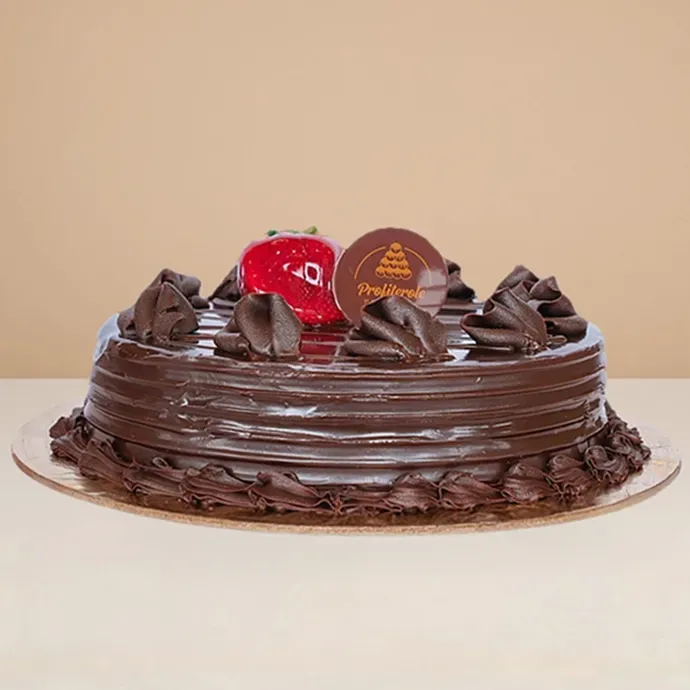
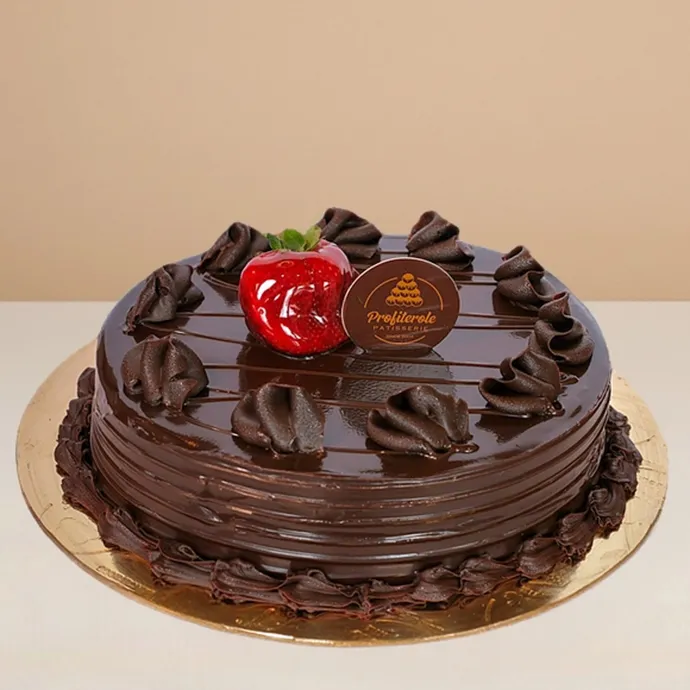
Chocolate Mud Cake
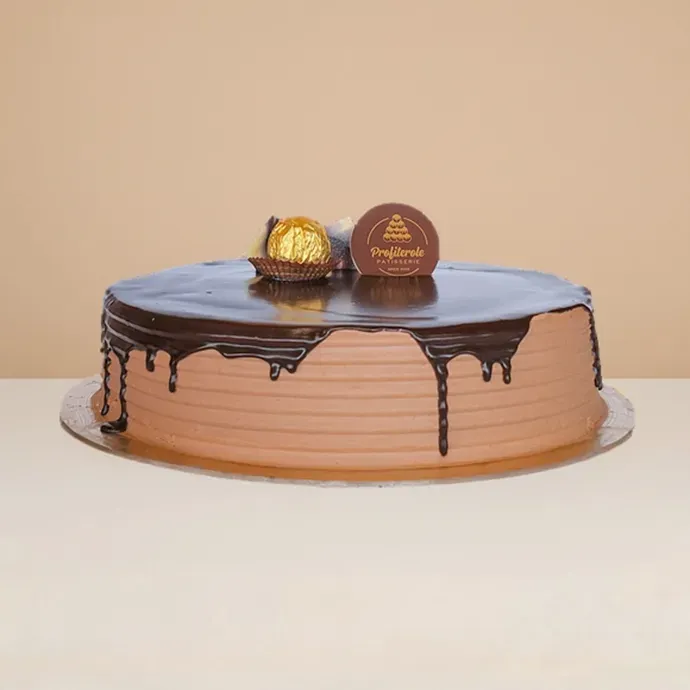
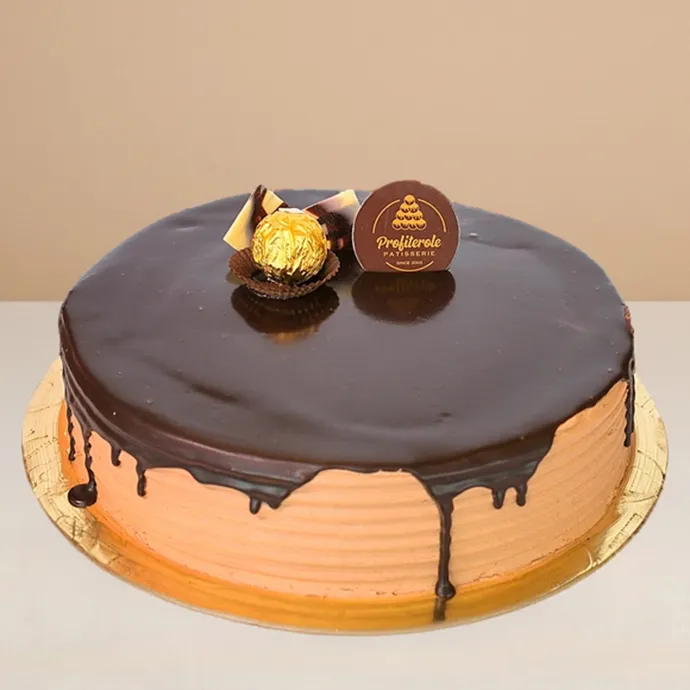
Ferrero Rocher Cake
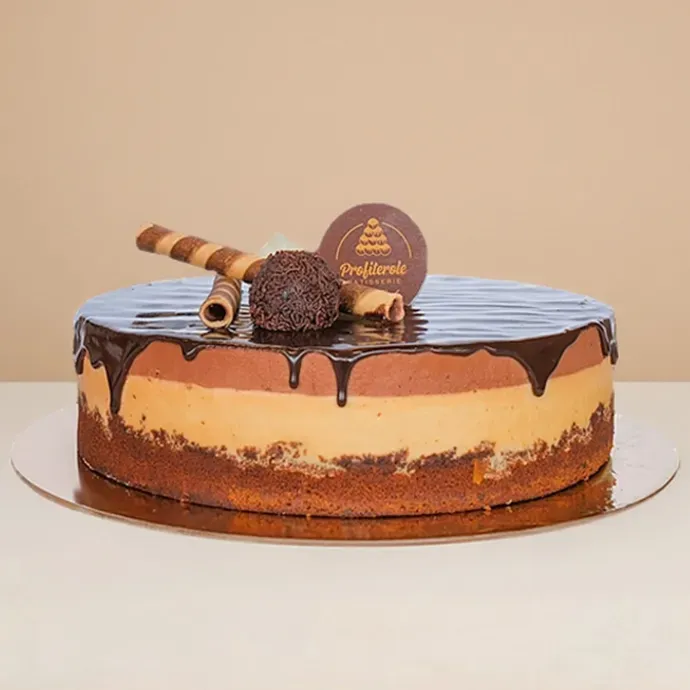
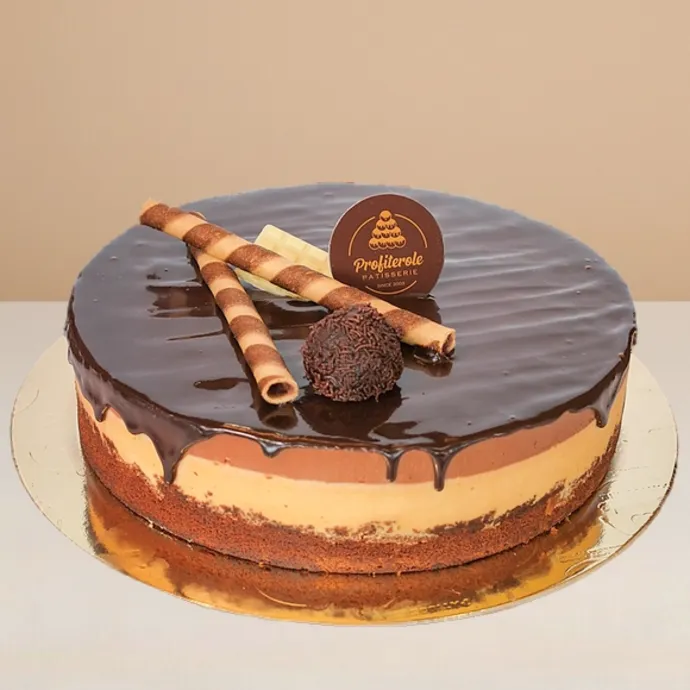
Trio Cake - Round
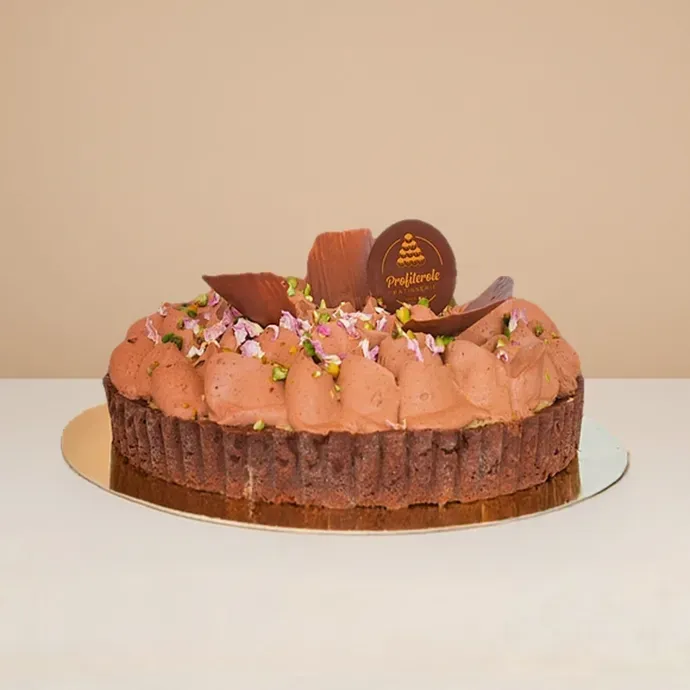
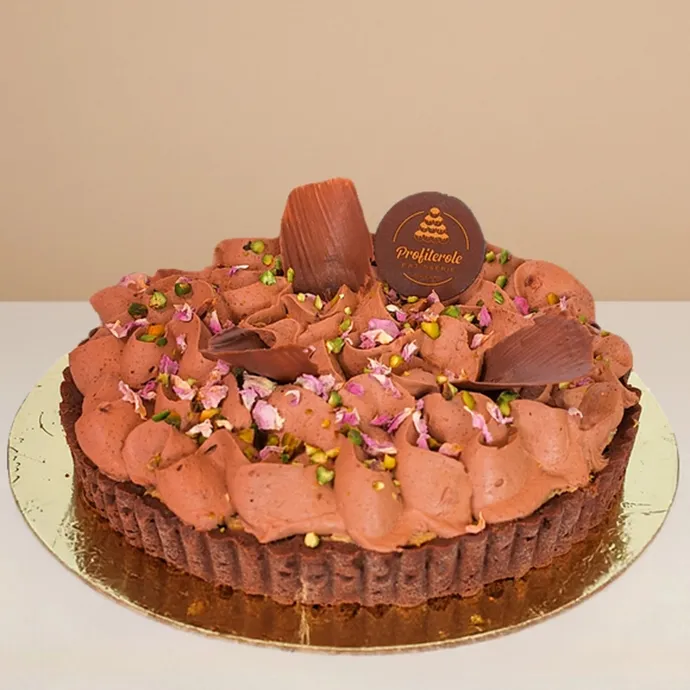
Dubai Chocolate Cake
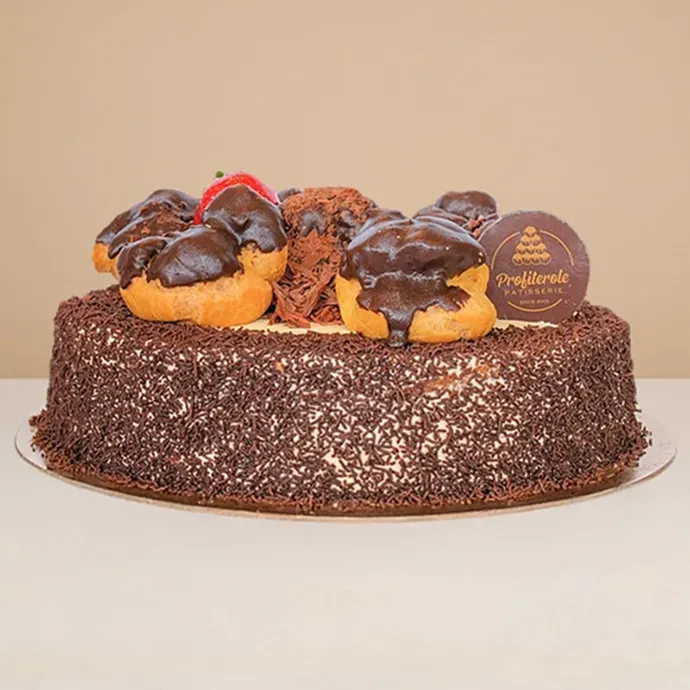
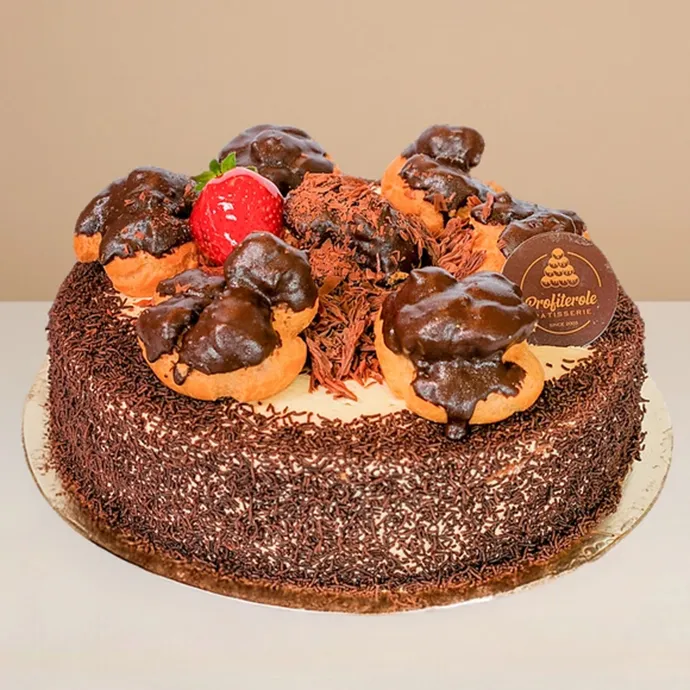
Chocolate Profiterole Cake
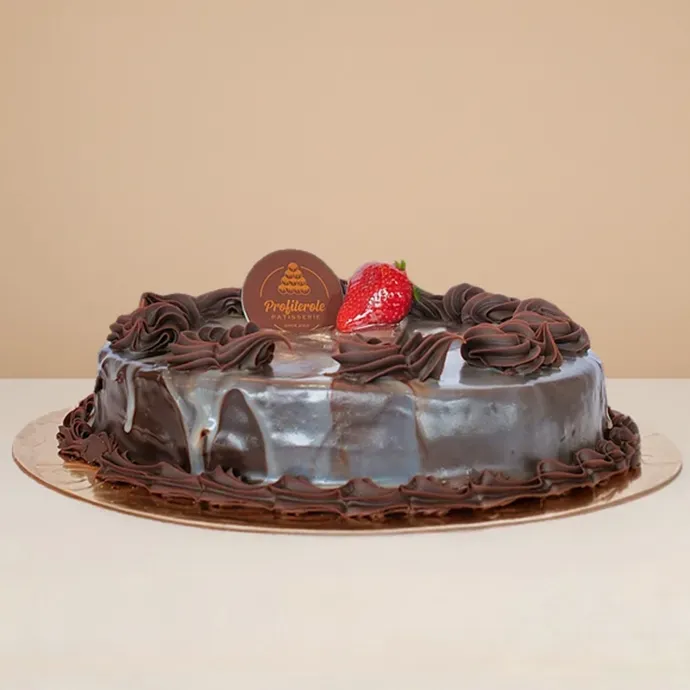
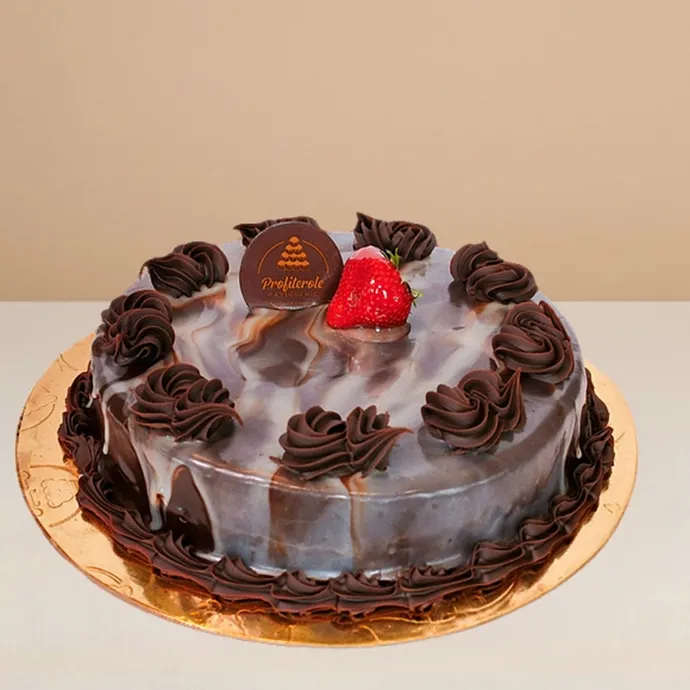
Marble Mud Cake
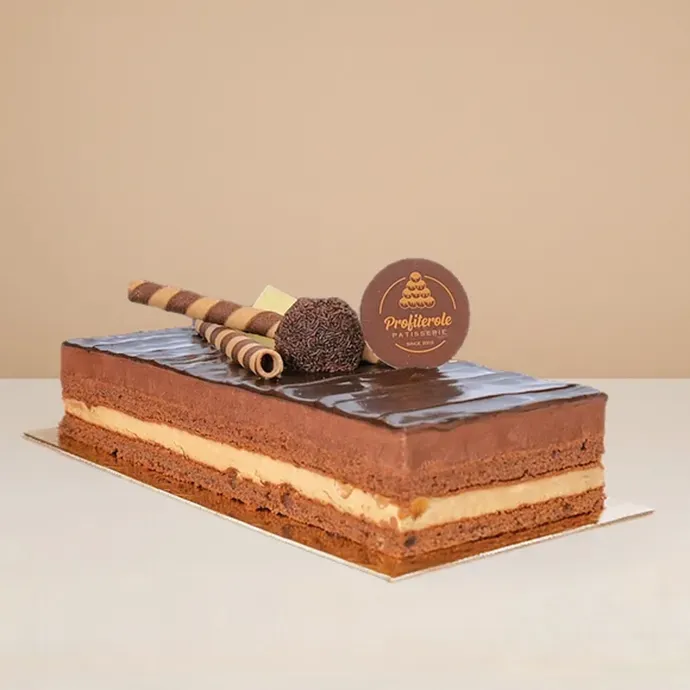
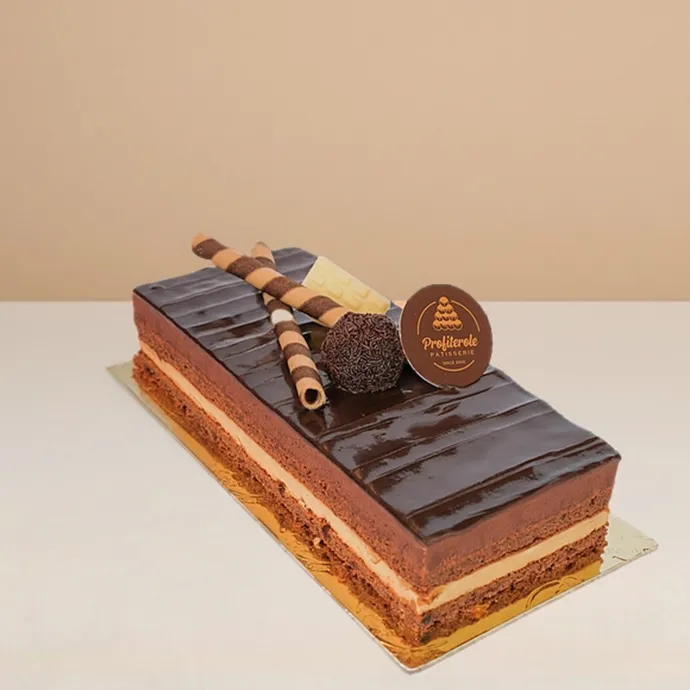
Trio Cake - Log
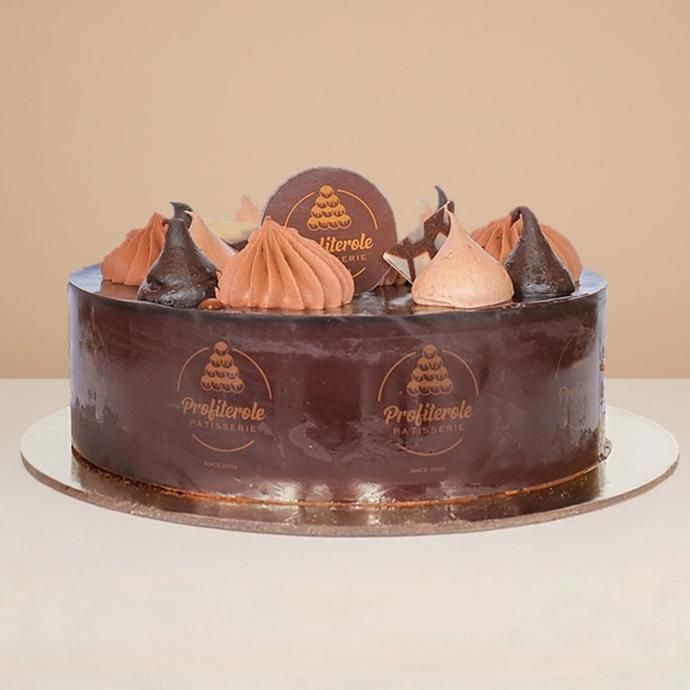
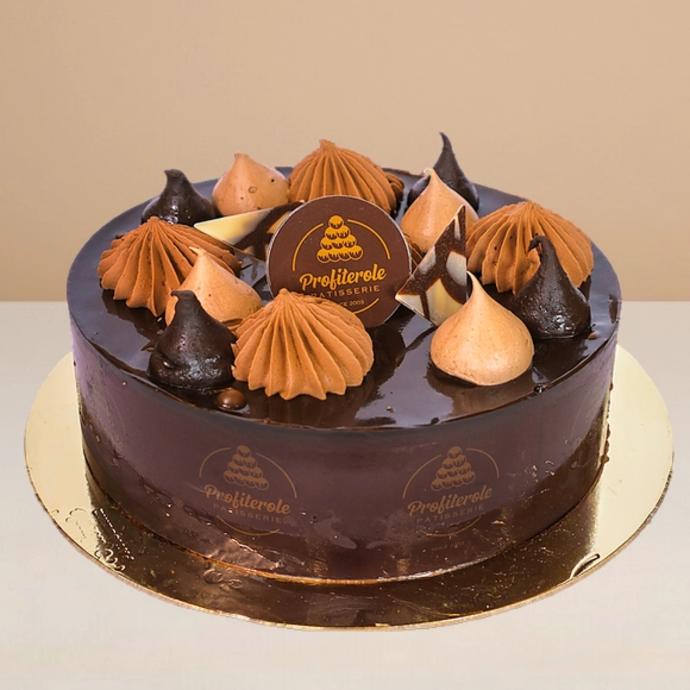
Chocolate Cake
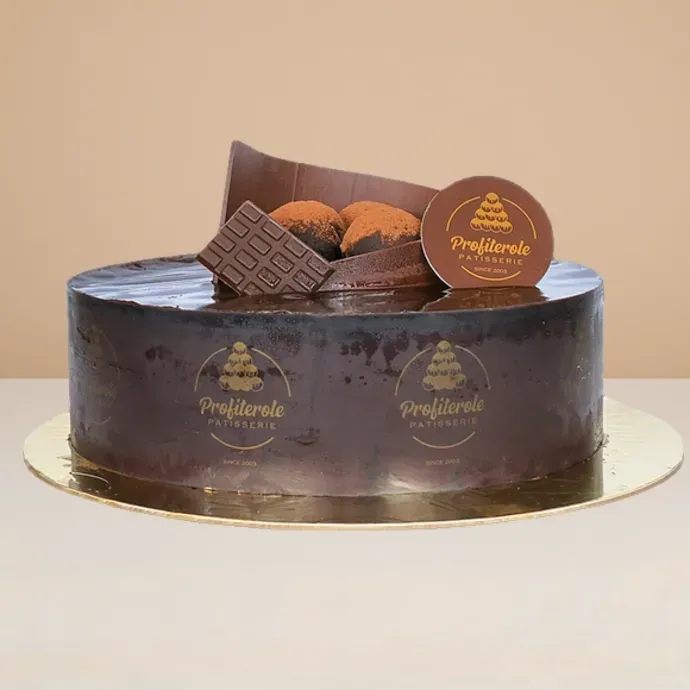
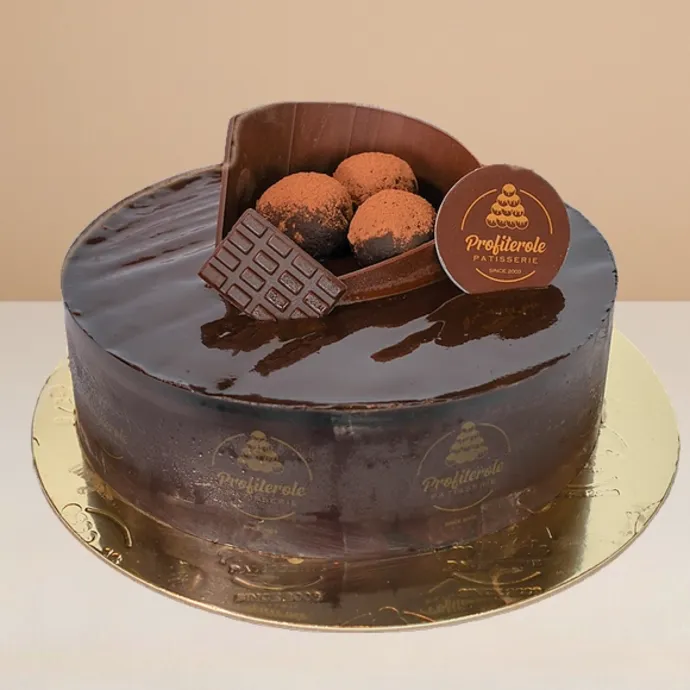
Chocolate Mousse Cake
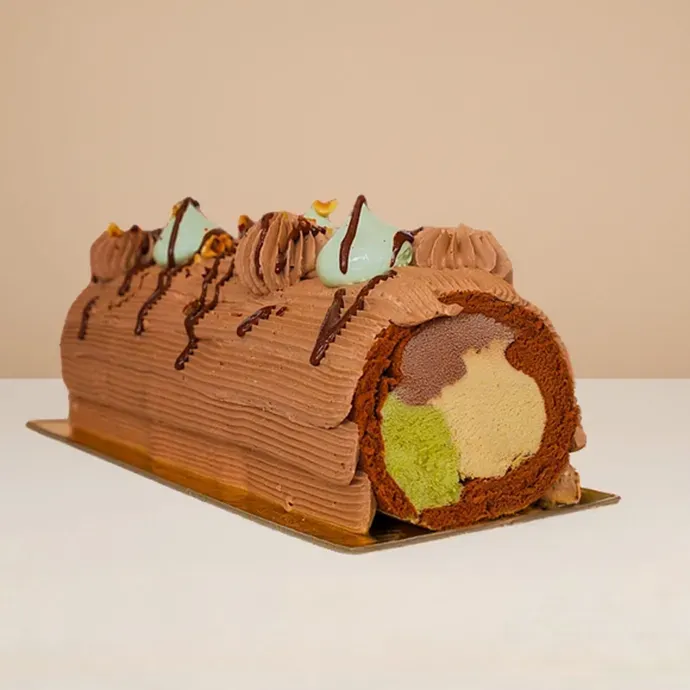
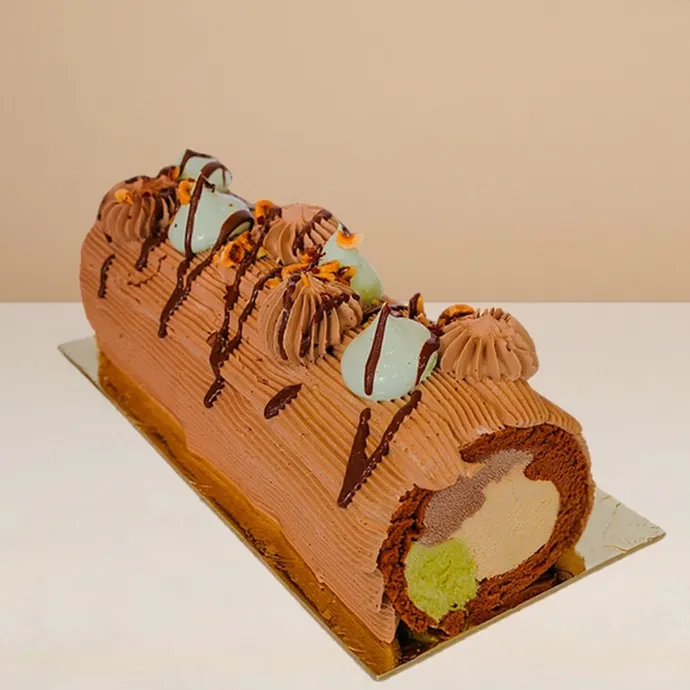
Chocolate Swiss Roll Ice Cream Cake
Black Forest Cake