Should Cake Be Served Cold or Room Temperature? | Serving Guide According to the Chef
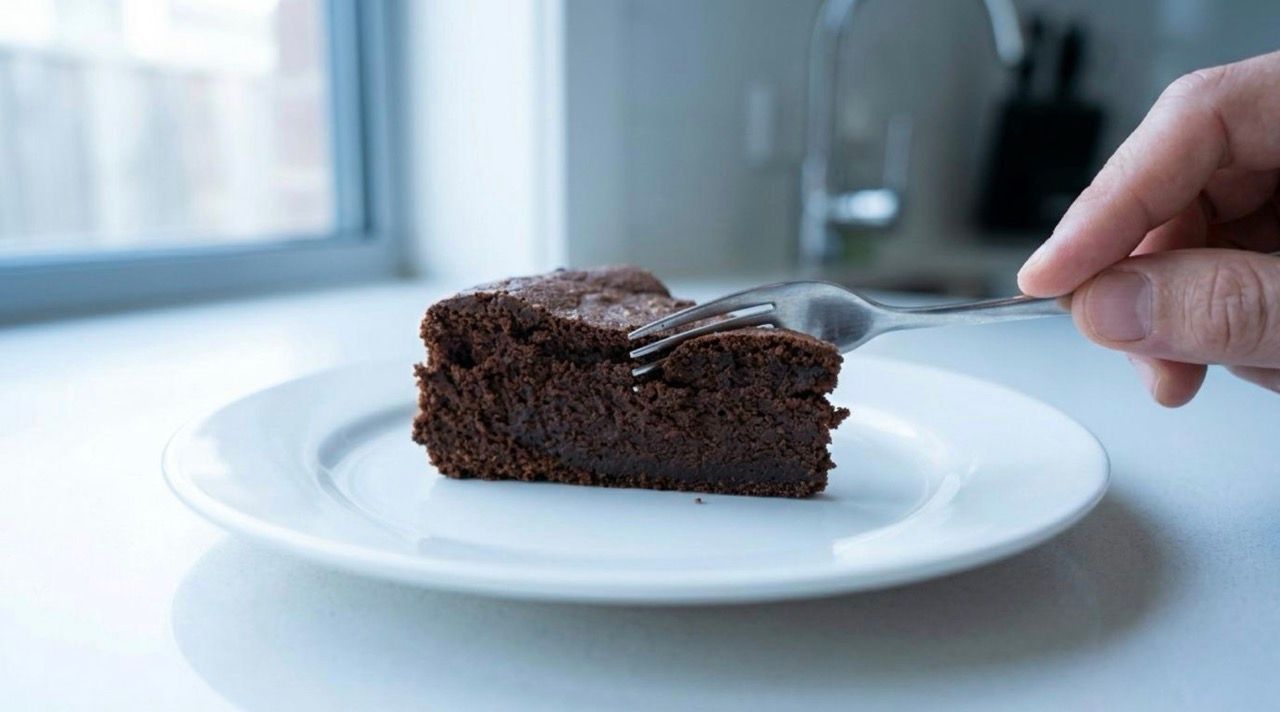
If you have ever pulled a beautiful chocolate mud cake from the fridge, sliced into it with high hopes, and found yourself biting into a dense, wax-like slab that lacks any real flavour, you have experienced the "fridge effect."
Conversely, we have all seen the heartbreak of a delicate cream cake sitting out on a Sydney afternoon until the frosting begins its inevitable, slumped descent toward the cake board.
The question of whether to serve cake cold or at room temperature is one of the most common debates in our kitchens. While many people default to "cold for safety" or "room temperature for softness," the truth is often lost in the middle.
In our experience, the ideal serving temperature is a scientific variable dictated by the specific fats, leavening agents, and fillings used in your cake. It isn't just about how the cake feels in your hand; it is about how the ingredients behave on your palate.
So let's dig dipper into this topic so you can enjoy every slice of cake you eat from now on.
TL;DR: The Golden Rule of Serving
In general, cakes that rely on butter for flavour and texture (like sponges and mud cakes) should almost always be served at room temperature to allow the fats to soften and release their aromatic profile. Conversely, cakes that are "structure-dependent" on dairy or gelatine (like cheesecakes and mousses) must be served chilled to maintain their integrity. For almost everything in between, a "tempering" period of 15 to 30 minutes on the kitchen bench is the secret to a professional-tasting dessert.
The Science of Flavour: Why Temperature Changes Everything
To understand why temperature matters, we have to look at the chemistry of the ingredients. Most professional cakes are built on a foundation of fats: usually butter, oil, or cream.
Butter is a saturated fat that remains solid at refrigerated temperatures (usually around 4°C). When butter is cold, it traps flavor compounds inside its solid structure. If you eat a piece of cold butter-based sponge, your taste buds literally cannot perceive the vanilla, cocoa, or citrus notes because they are locked away. Furthermore, cold butter has a firm, almost waxy mouthfeel that masks the airy lightness the baker worked so hard to achieve.
When a cake is allowed to come to room temperature (ideally between 20°C and 23°C), these fats begin to soften and melt. This process releases "volatile aromatics", the scent molecules that travel from the back of your throat to your olfactory system. Because 80% of what we perceive as "flavour" is actually smell, a room-temperature cake will always taste more intense and complex than a cold one.
Additionally, our taste buds are less sensitive to sweetness and saltiness when food is very cold. By serving a cake at the correct temperature, you are ensuring that the balance of sugar and salt intended by the chef is exactly what you experience.
Serving Temperature Guide: A Breakdown by Cake Type
Not every cake follows the same rules. Depending on whether your cake is oil-based, butter-heavy, or dairy-filled, your strategy should change.
01. Butter-Based Cakes (Pound Cakes, Mud Cakes, and Sponges)
These are the most common victims of "fridge-hardness." Because butter is the primary fat, these cakes become quite firm when cold. When our chefs test a new sponge recipe, the "squish test" is never done straight from the chiller. We wait for it to reach 21°C.
At room temperature, the crumb of a pound cake or a chocolate mud cake becomes tender and velvet-like. If you serve them cold, they will feel dry even if they are perfectly moist simply because the fat hasn't melted on your tongue. Give these at least 30 to 60 minutes on the kitchen bench before serving to reach their peak.
02. Oil-Based Cakes (Carrot Cake, Red Velvet)
Cakes made with vegetable or nut oils are much more forgiving. Unlike butter, oil remains liquid at lower temperatures. This is why a carrot cake or a red velvet cake often feels "moister" than a sponge when eaten cold.
However, even these benefit from about 20 minutes of tempering. While the texture won't change as drastically as a butter cake, the flavours of the spices (like cinnamon or nutmeg) and the subtle cocoa in red velvet will be much more prominent once the chill has lifted.
03. Custard, Cream-Filled, and Fresh Fruit Cakes
Here, we have to balance texture with food safety. Any cake containing fresh whipped cream, pastry cream (custard), or fresh fruit must be kept in the fridge at 5°C or colder to prevent bacterial growth.
The trick is to let the cake sit out for just 15 minutes before serving. This is enough time for the sponge layers to soften slightly so they don't feel like cardboard, but not long enough for the cream to lose its stability or for the fruit to begin weeping.
04. Cheesecakes and Mousse-Based Cakes
These are the exceptions to the "room temperature" rule. A mousse cake relies on a network of air bubbles held together by chilled fat or gelatine. If a mousse reaches room temperature, it can lose its "set" and become a puddle.
Similarly, the dense, creamy appeal of a New York cheesecake or a light Italian ricotta cheesecake is best experienced when chilled. The coldness provides a clean, sharp finish to the richness of the cheese. Serve these straight from the fridge or within 5 minutes of taking them out.
The "30-Minute Rule": How to Properly Temper Your Cake
Transitioning a cake from the fridge to the table is an art form. You want the cake to reach its flavour peak without the edges drying out.
- Keep it covered: Never let a cake sit on the bench uncovered. The air in most kitchens is dry and will zap the moisture from the sponge in minutes. Keep it in its box or under a glass dome while it tempers.
- The Slicing Pro-Tip: This is the most important "Chef’s Move" we use in the patisserie. Slice your cake while it is still cold. Cold cakes have much more structural integrity, allowing you to get those perfect, clean professional edges without the frosting smearing or the layers shifting.
- Individual Tempering: Once the cake is sliced, place the individual serves on plates. Because there is more surface area exposed to the air, individual slices will reach the ideal serving temperature in just 20–30 minutes, compared to an hour or more for a whole cake.
Environmental Factors: When "Room Temperature" is a Mistake
In Australia, "room temperature" is a moving target. On a 35°C day in Brisbane or a humid afternoon in Sydney, leaving a cake on the bench for an hour is a recipe for disaster.
If your kitchen is warmer than 24°C, your tempering time should be halved. Buttercreams, especially those with high butter content, can "split" or melt if the environment is too hot. If you see the surface of your frosting starting to look shiny or greasy, it’s a sign the fat is melting too fast. Get it to the table immediately.
In high humidity, sugar-based decorations like fondant or macarons can also become "tacky" or sticky if left out too long. In these conditions, we recommend keeping the cake in the fridge until 10–15 minutes before the guests are ready to eat.
Conclusion: Temperature is the Final Step in Baking
Most people think the baking process ends when the timer beeps on the oven. In reality, the final stage of "baking" happens on your kitchen bench. By understanding the science of fats and the specific needs of different cake types, you transform a simple dessert into a professional sensory experience.
A little bit of patience, allowing that slice of cake to sit out for a mere 20 minutes, is the difference between a "good" dessert and a "memorable" one. Next time you host a dinner or celebrate a milestone, treat the serving temperature as an essential ingredient, and your guests will certainly taste the difference.
Our Commitment to Texture
At Profiterole Patisserie, we understand that the journey of a cake doesn't end when it leaves our oven. We bake with specific fat ratios designed to hold up in the Australian climate while still delivering that signature melt-in-the-mouth texture our customers expect.
When you purchase a cake from our stores, our staff are always happy to advise you on the "perfect window" for that specific creation. Whether it's one of our robust chocolate mud cakes or a delicate mousse-based celebration cake, we ensure you have the knowledge to serve it exactly as our pastry chefs intended
Publish date: 16/06/2026

Joey Yaccoub
Head Baker & Operations Manager, Profiterole Patisserie
Joey Yaccoub is the Head Baker at Profiterole Patisserie, bringing over a decade of hands-on experience in artisan cake design and pastry craftsmanship.
He oversees recipe development, product quality, and daily operations across all store locations, ensuring every cake meets the brand’s standards for flavour, presentation, and consistency.
FAQs
How long can cake sit out at room temperature?
Based on food safety standards, the "2-hour/4-hour rule" is the best guide. Perishable cakes (with cream or custard) can safely sit out for up to 2 hours and be returned to the fridge.
If they have been out for between 2 and 4 hours, they should be consumed immediately. Beyond 4 hours, they should be discarded for safety.
Should you refrigerate cake after frosting?
Generally, yes. Refrigeration helps the frosting "set" and keeps the structure of the cake stable.
This is particularly important for cakes with heavy decorations or multiple layers. Just remember to take the cake out with enough time to temper before you plan to serve it.
Is it better to put cake in the fridge or leave it out?
For storage beyond a few hours, the fridge is almost always superior for maintaining freshness.
However, for a plain butter-based sponge being eaten on the day of baking, keeping it at room temperature in an airtight container will preserve its soft texture better than the cold, drying air of a refrigerator.
Can I leave my cake at room temperature overnight?
Only if it is a plain sponge, a pound cake, or a cake covered in ganache or fondant with no perishable fillings.
If your cake contains cream, custard, cream cheese frosting, or fresh fruit, it must be refrigerated overnight to remain safe to eat.
Can you eat cake straight from the fridge?
You can, but you shouldn't if you want the best experience. Unless you are eating a cheesecake or a mousse, a cold cake will feel firmer, drier, and significantly less flavourful than its tempered counterpart.
All cakes served or delivered fresh. Check them out here:
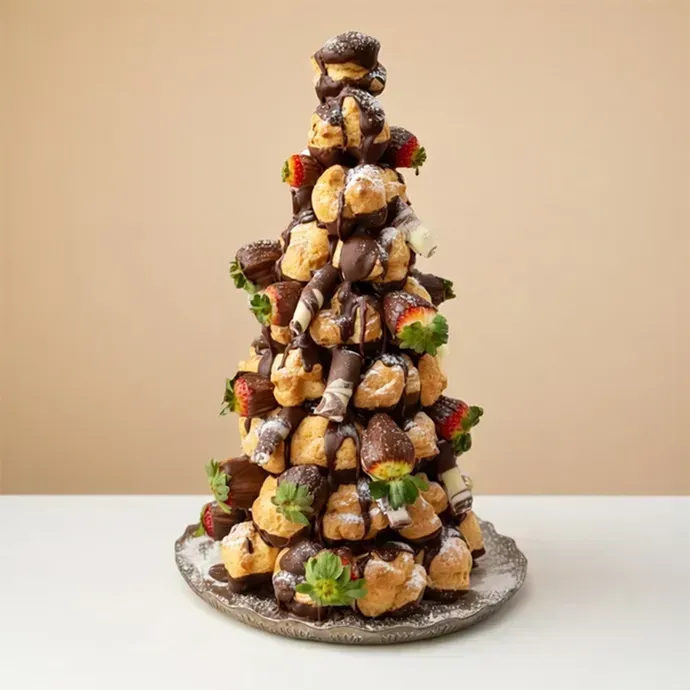
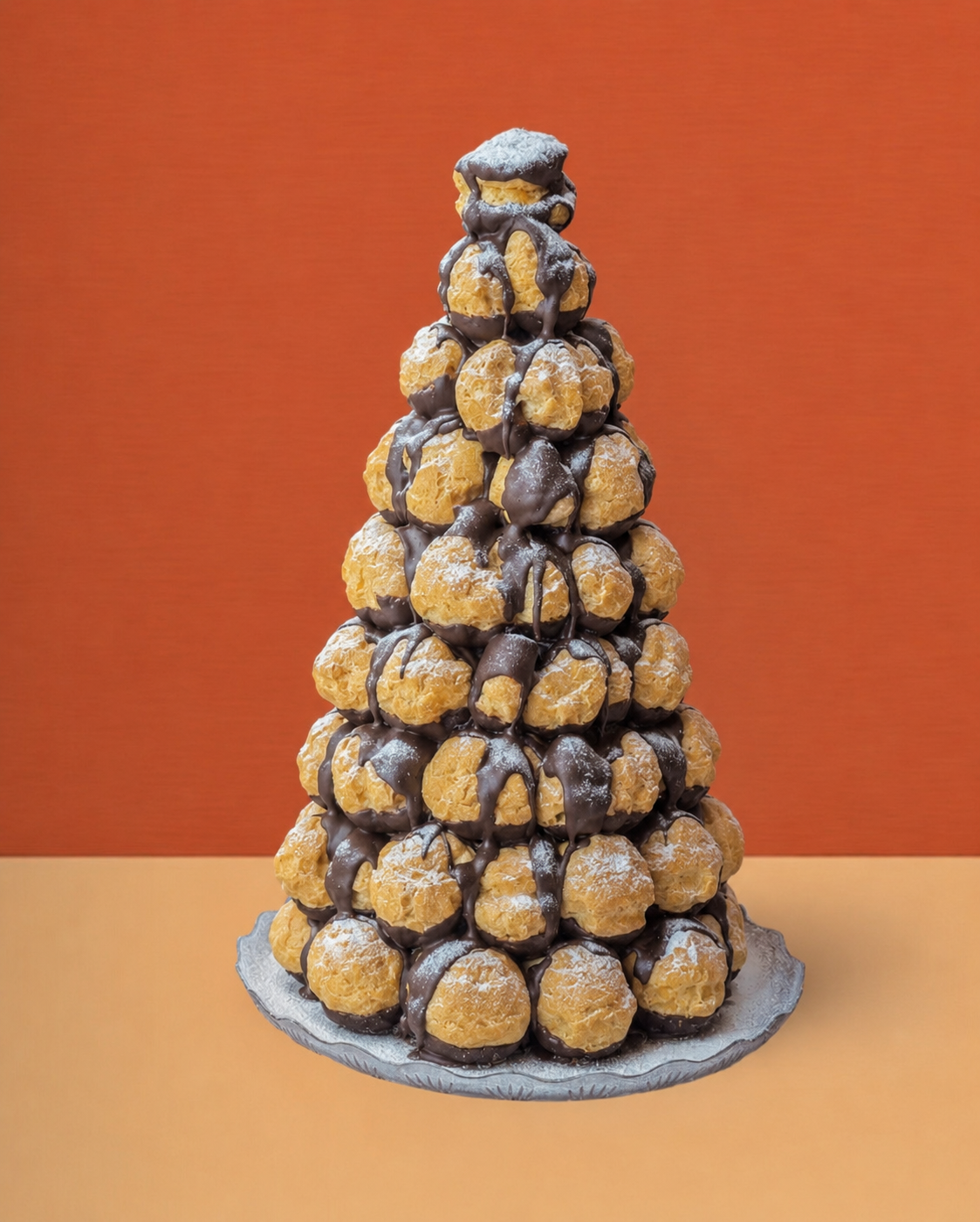
Profiterole Tower - Classic Chocolate
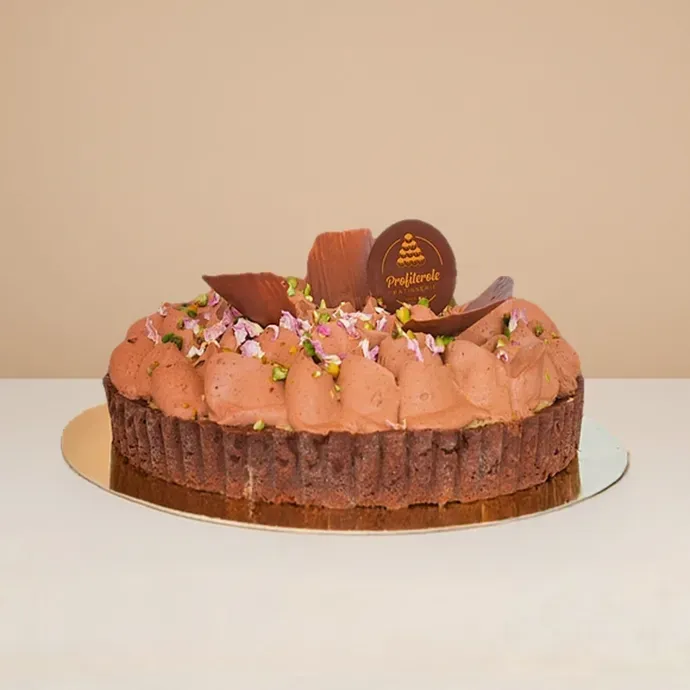
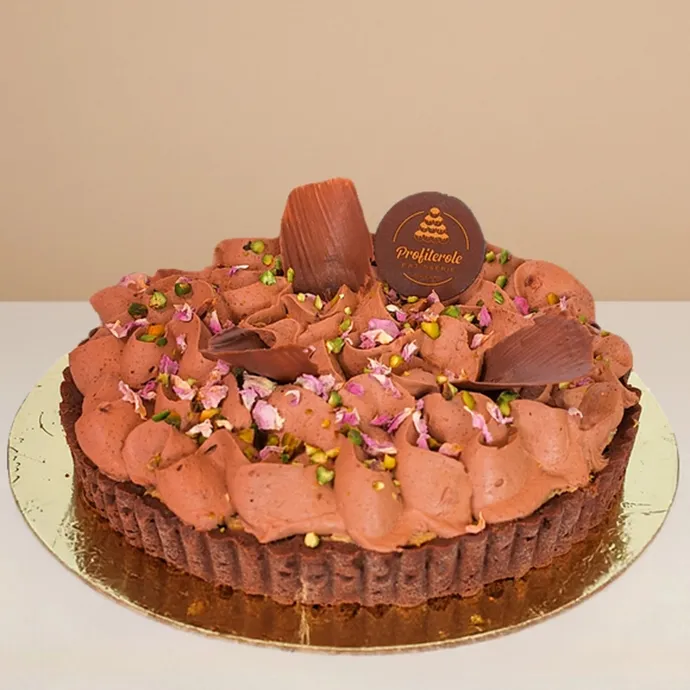
Dubai Chocolate Cake
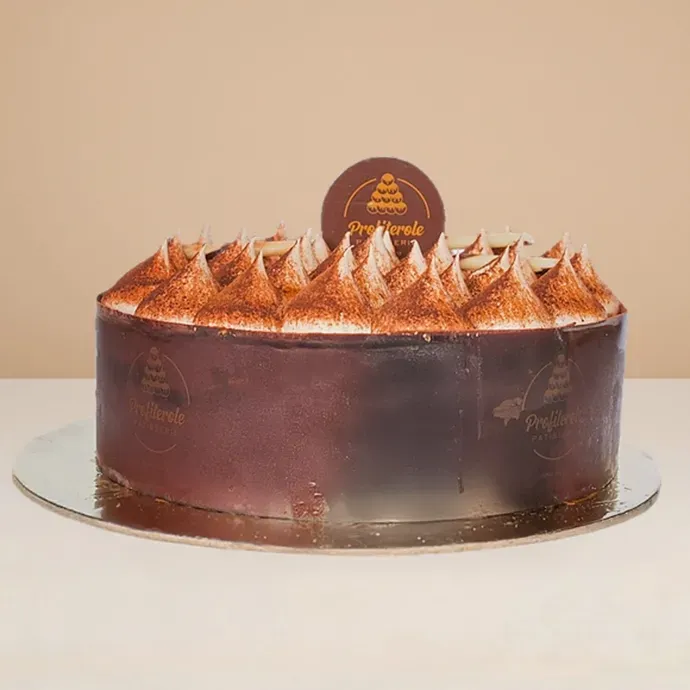
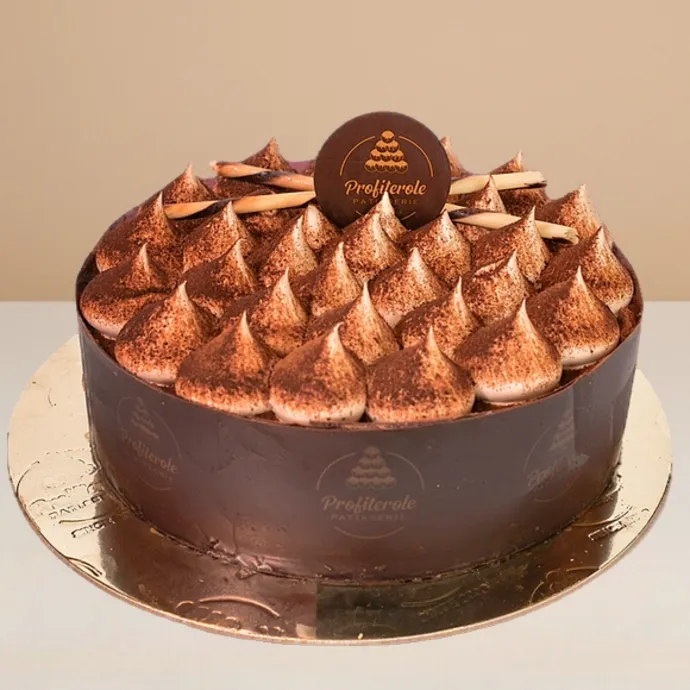
Tiramisu Cake
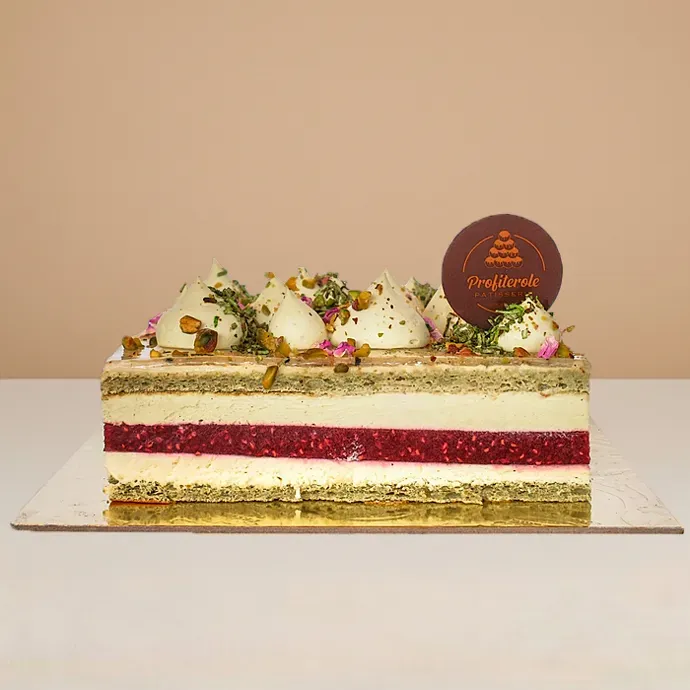
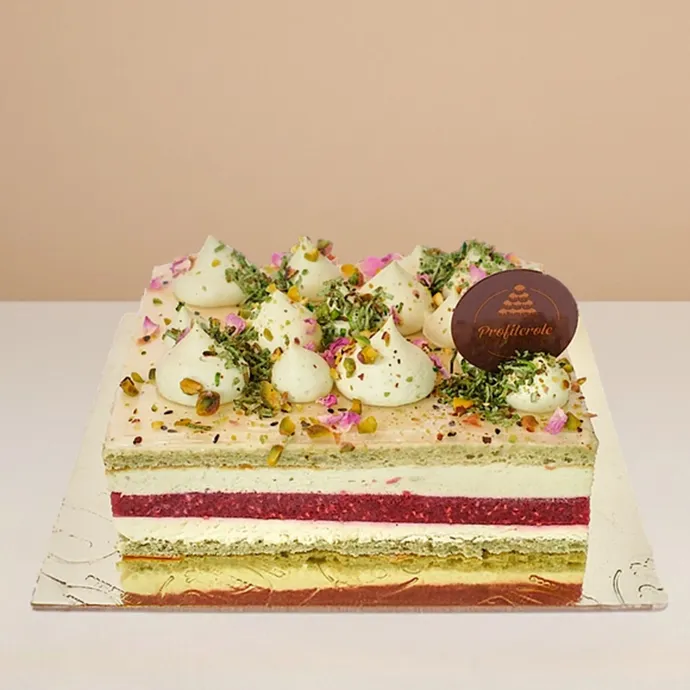
Pistachio Raspberry Bliss Cake
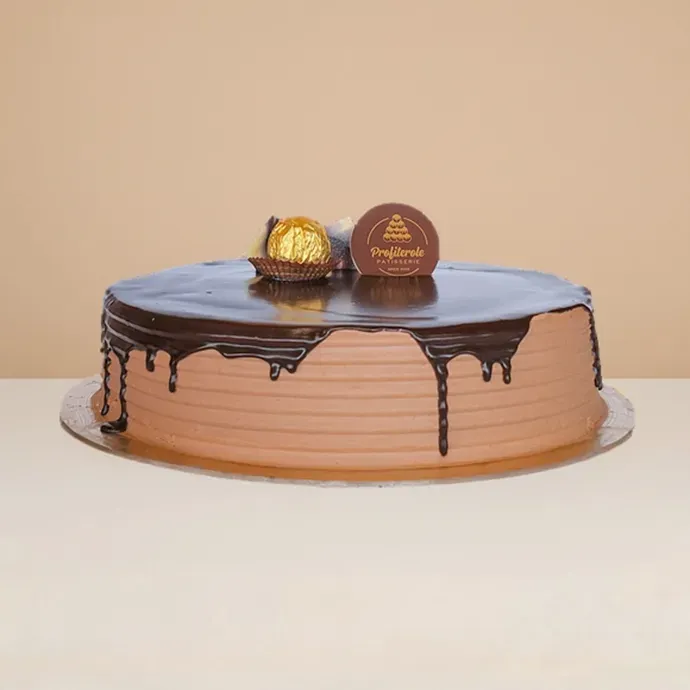
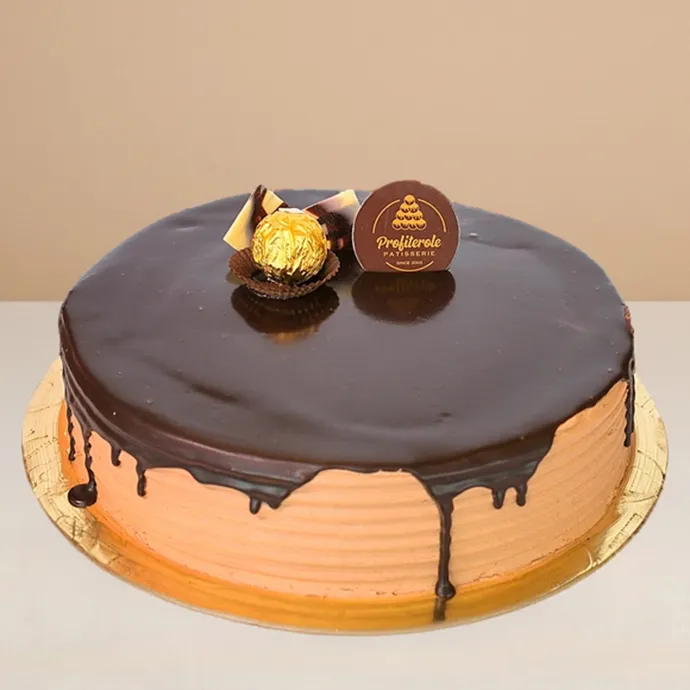
Ferrero Rocher Cake
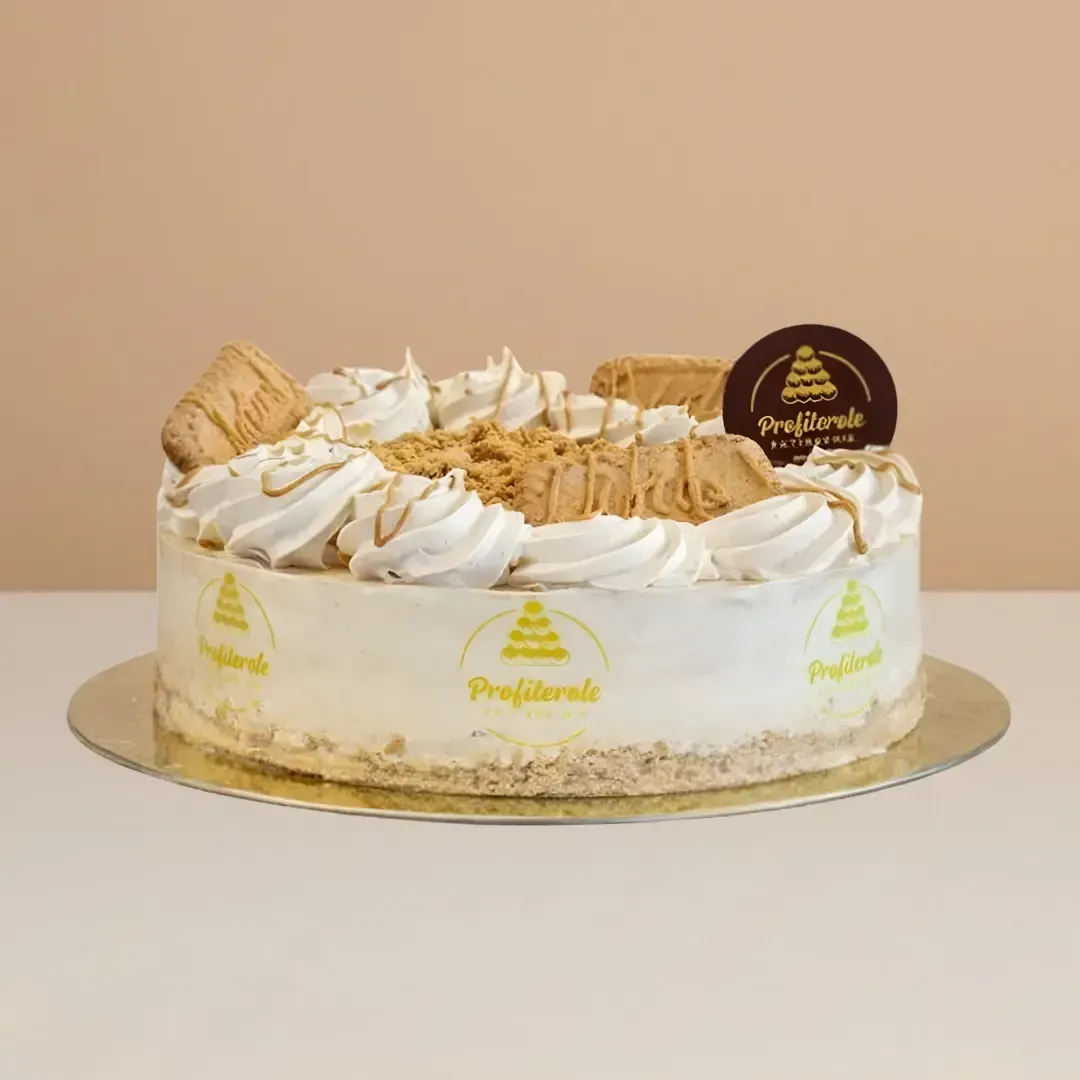
Lotus Biscoff Cheesecake

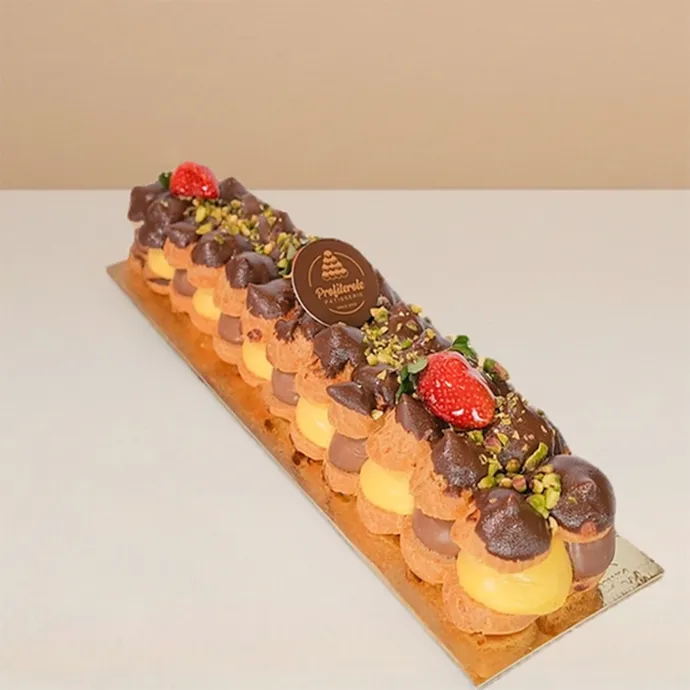
Profiterole Log Cake
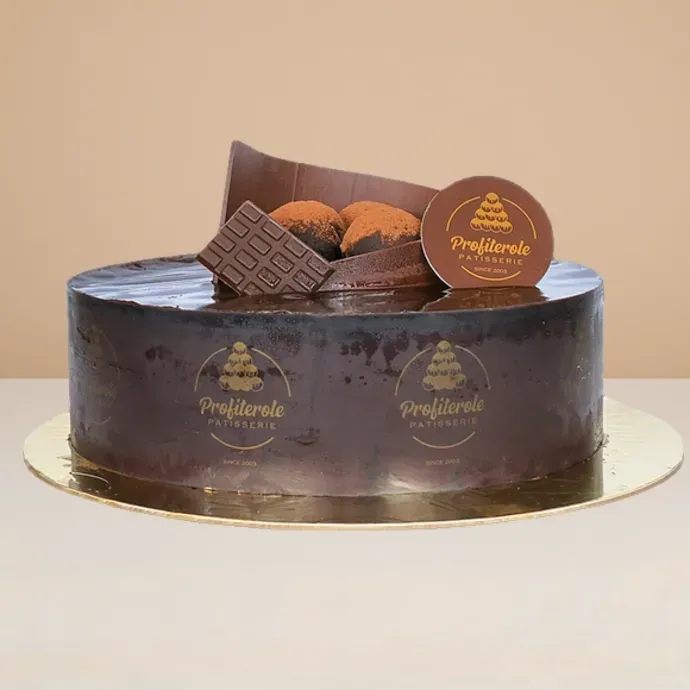
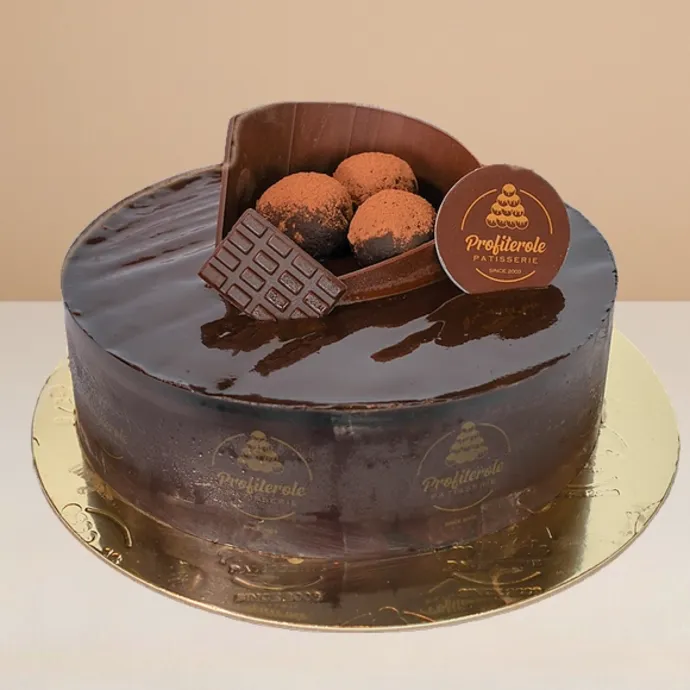
Chocolate Mousse Cake
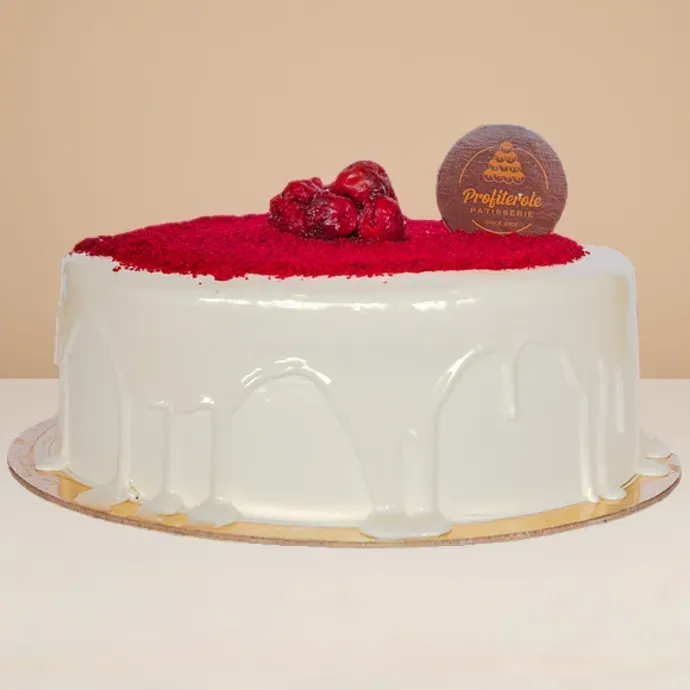
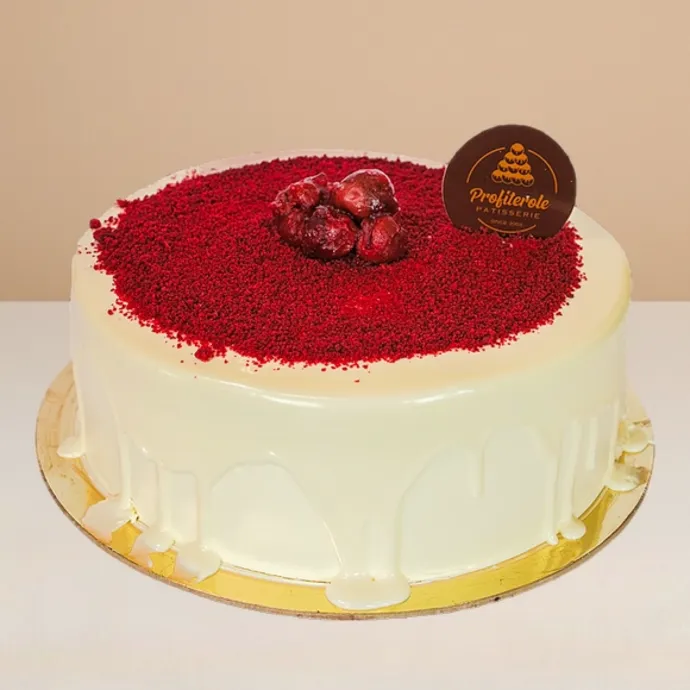
Red Velvet Cake
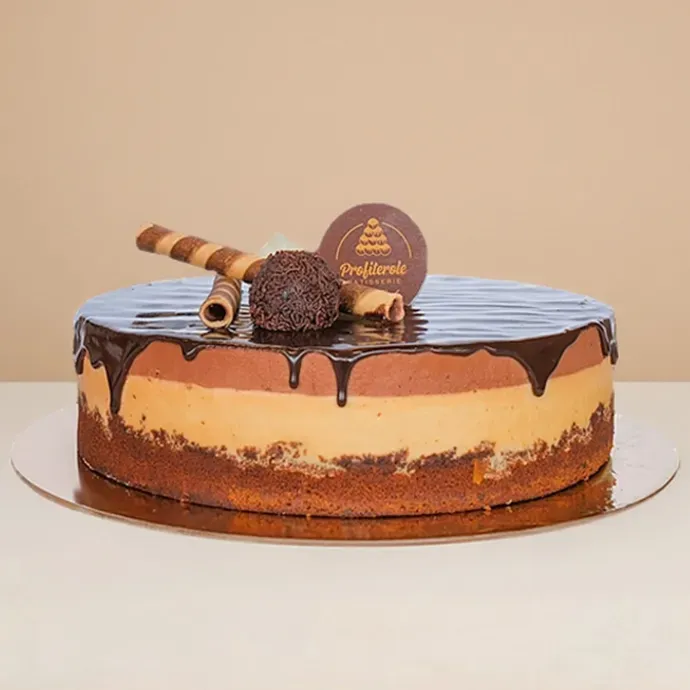
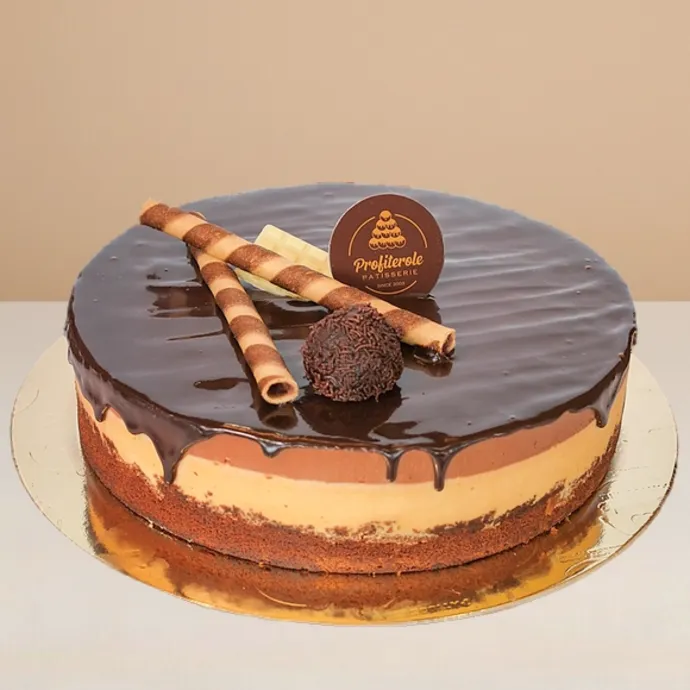
Trio Cake - Round
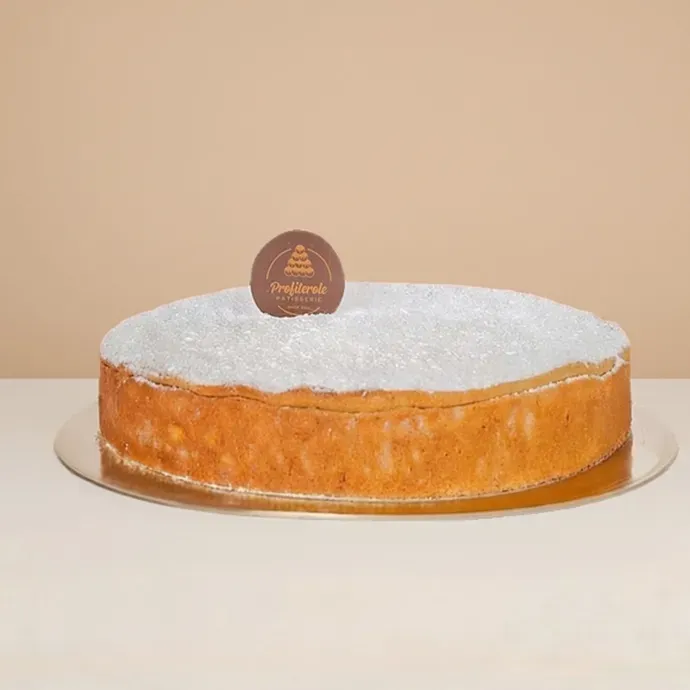
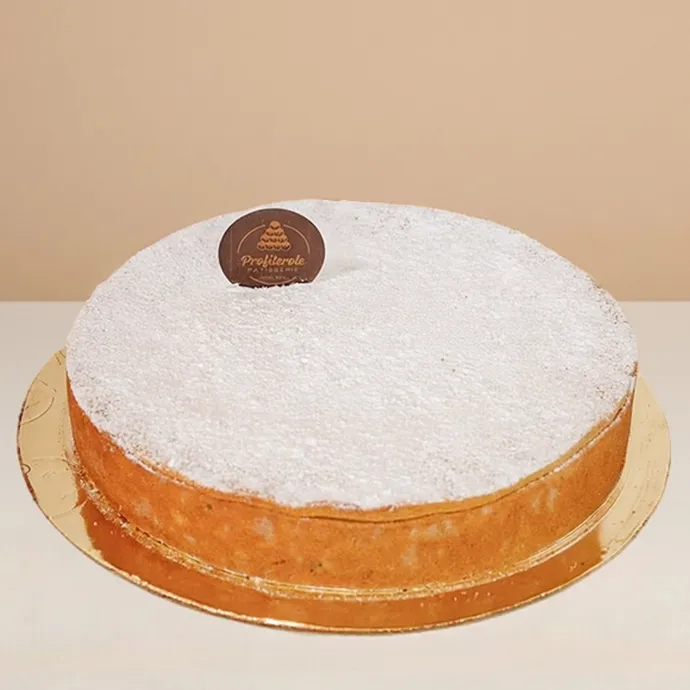
Baked Ricotta Cheesecake
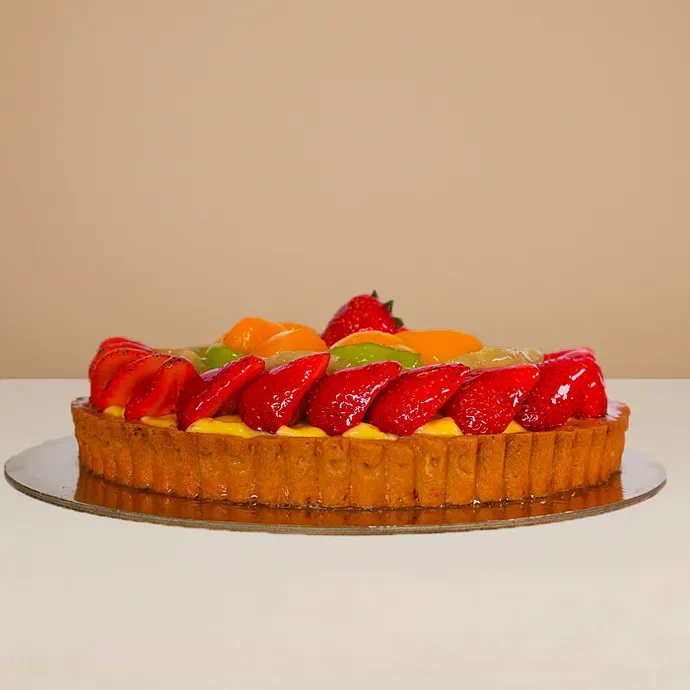
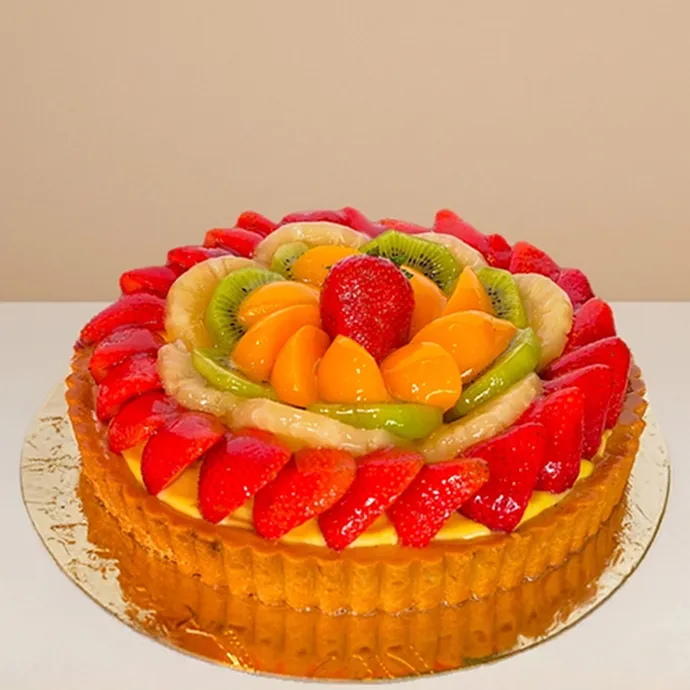
Fruit Cake - Round
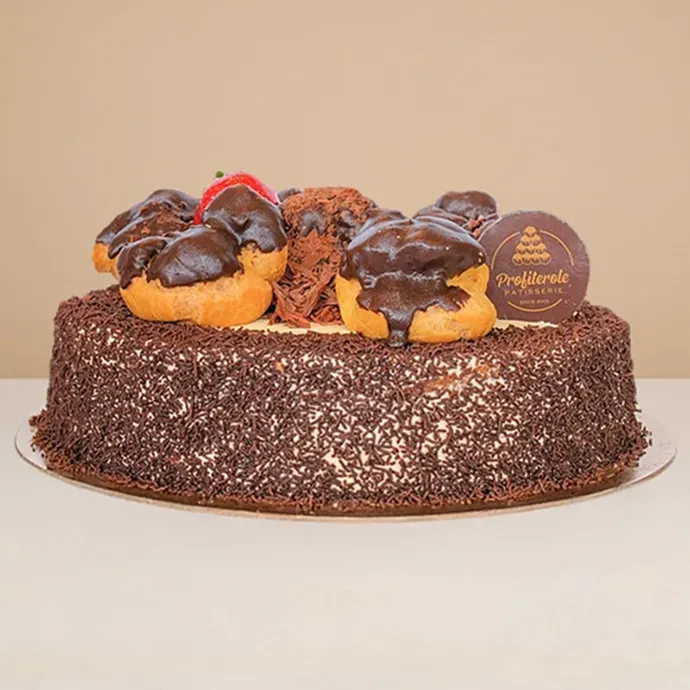
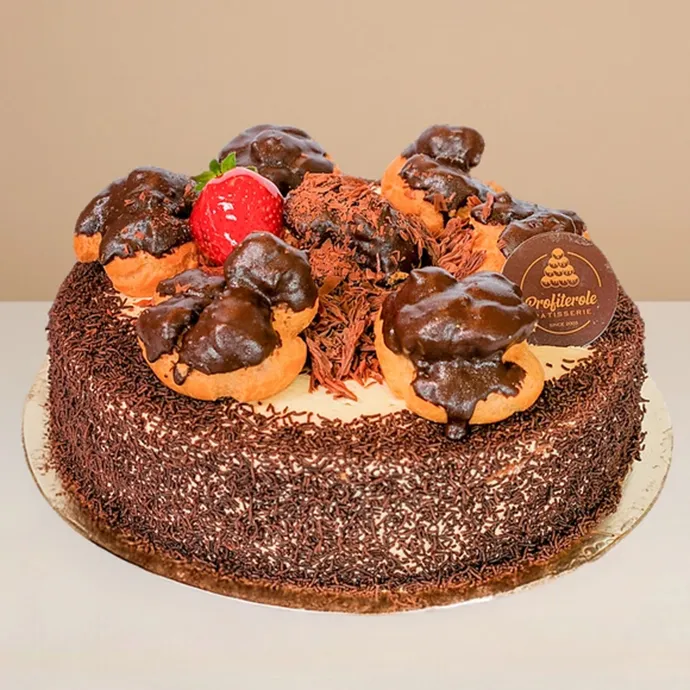
Chocolate Profiterole Cake
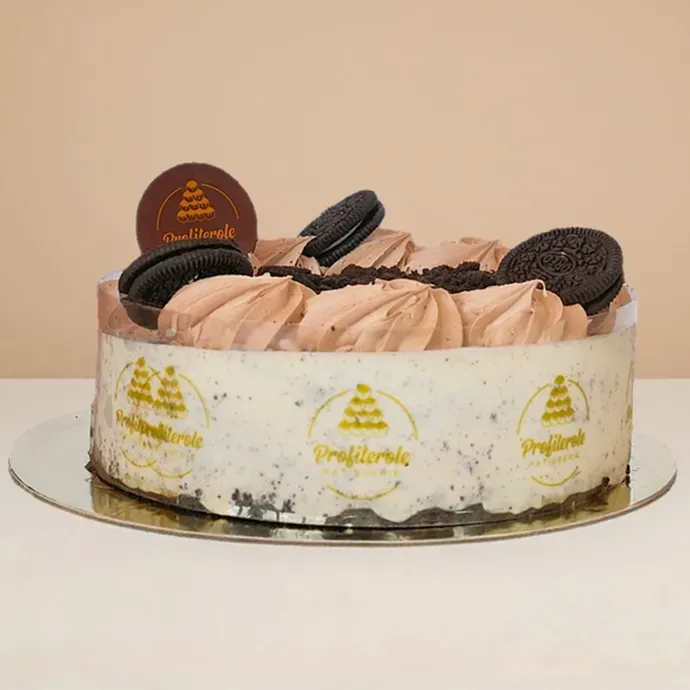
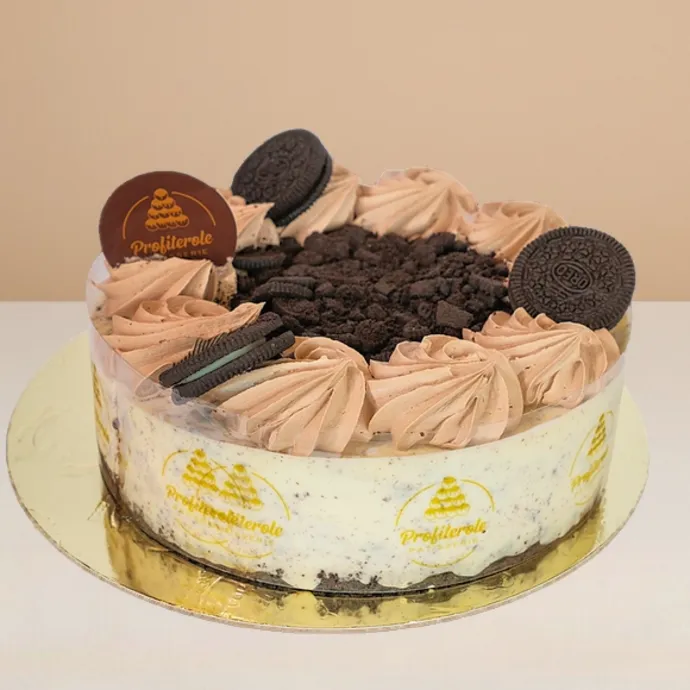
Oreo Cheesecake
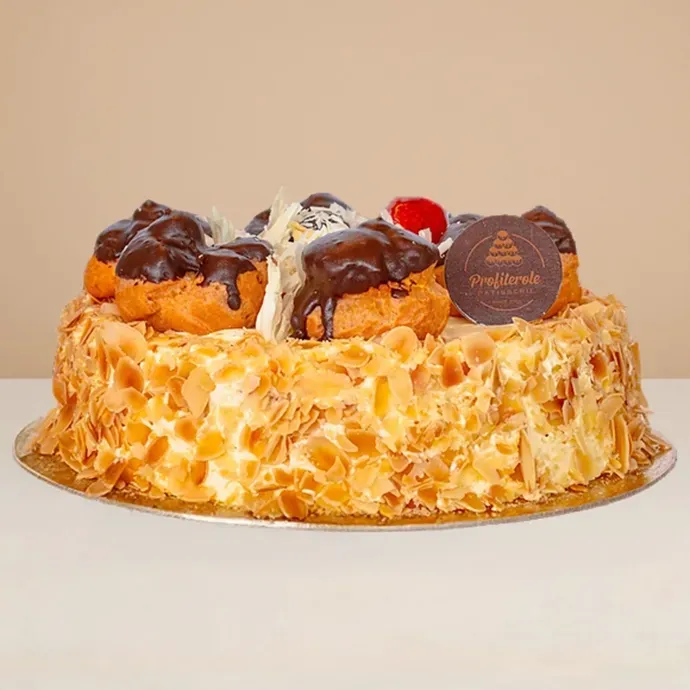
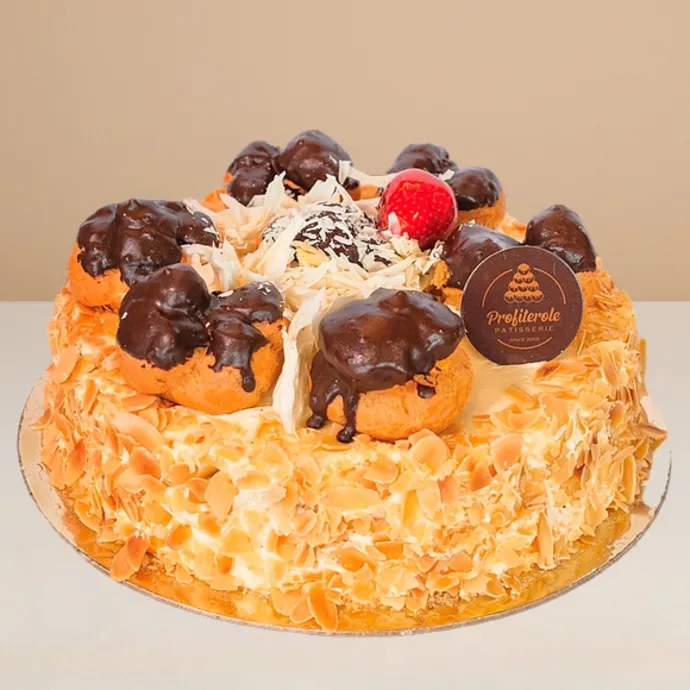
White Profiterole Cake
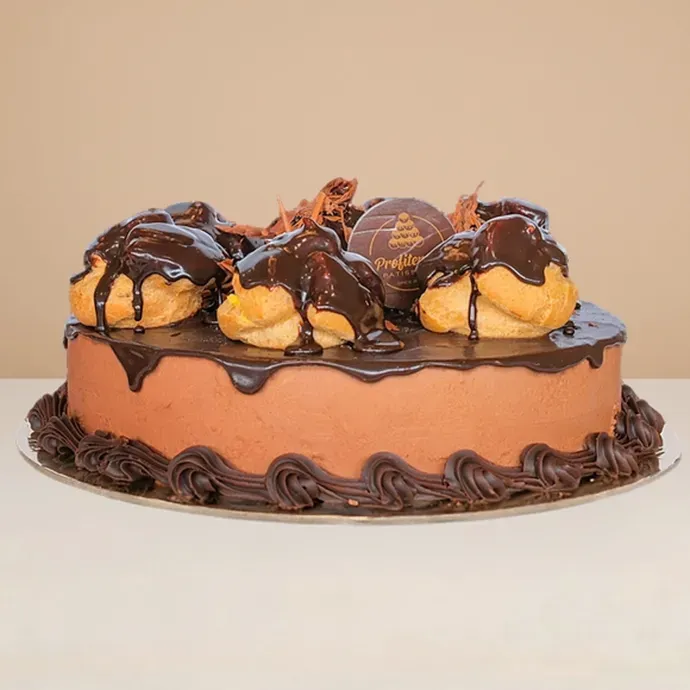
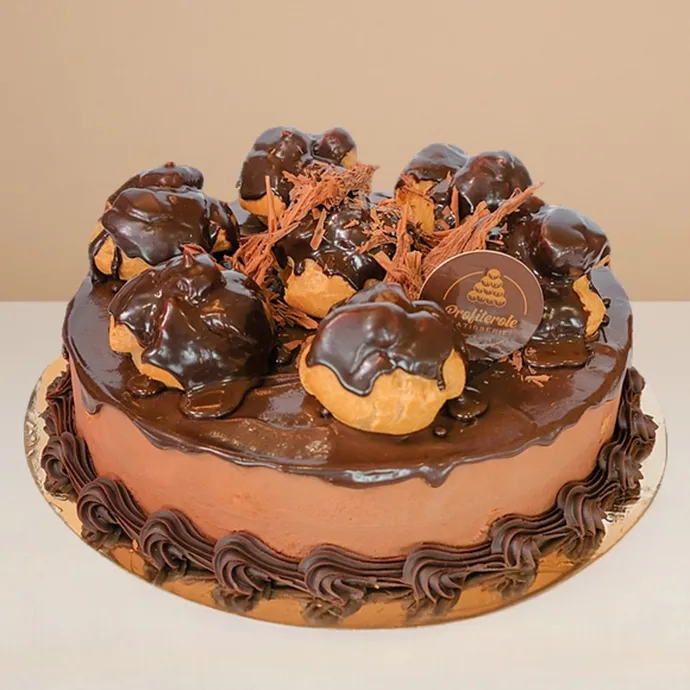
Mousse Profiterole Cake
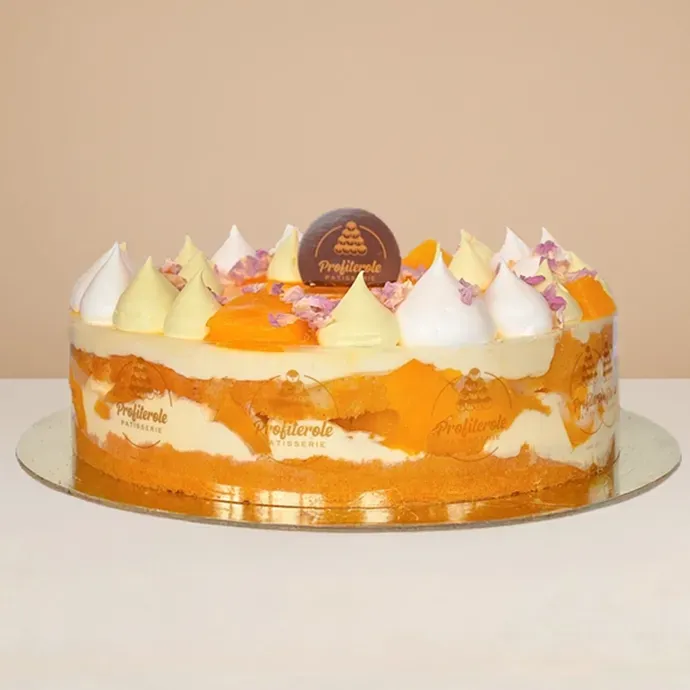
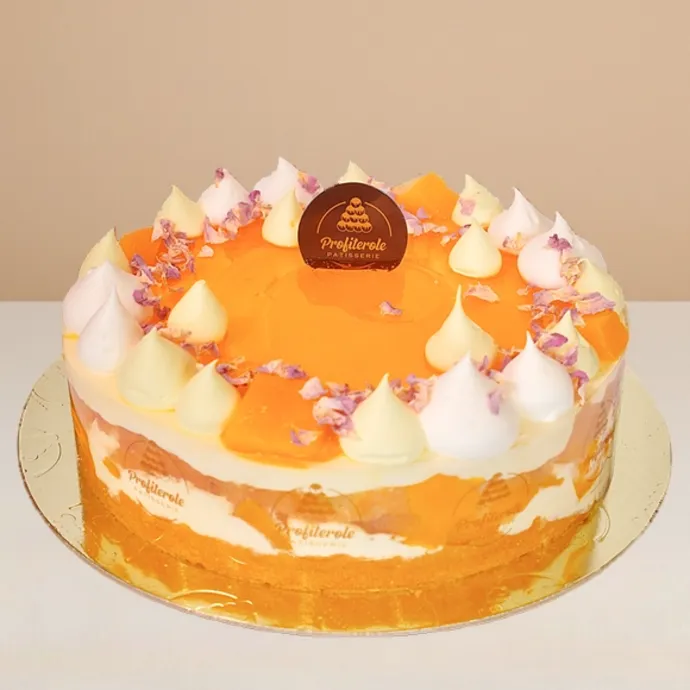
Mango Cake