The 6 Most Essential Ingredients in Cake (You Already Have Them in Your Kitchen)
One of the biggest misconceptions about baking is that you need a pantry full of specialised ingredients before you can make a cake.
In reality, some of the most delicious homemade cakes start with just a handful of everyday staples that many people already have sitting in their kitchen cupboards.
Therefore, if you have these six essential ingredients on hand, you're already well on your way to baking a simple yet delightful cake.
And once you understand what each ingredient brings to the mix, baking becomes less about following instructions and more about creating something confidently.
So let’s talk about these essential ingredients first, and later, we'll give you a basic and easy-to-follow recipe using these ingredients.
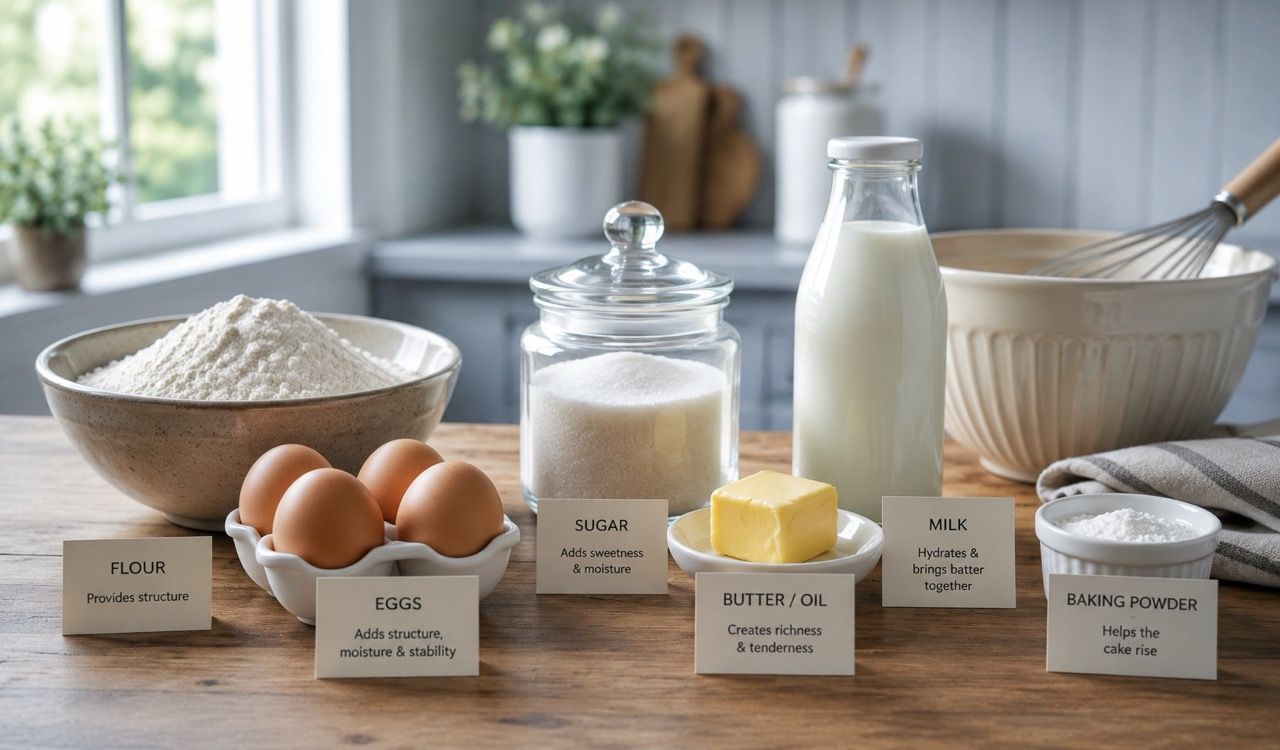
| Ingredient | Primary Role in Cake |
|---|---|
| Flour | Provides structure |
| Eggs | Adds structure, moisture, and stability |
| Leavening Agents | Helps the cake rise |
| Sugar | Adds sweetness and moisture |
| Fat (Butter or Oil) | Creates richness and tenderness |
| Milk or Water | Hydrates and combines ingredients |
01. Flour: The Foundation of Every Cake
Flour is one of the most important main ingredients in baking cakes (and breads!). That’s because it’s the backbone of most cakes and breads because it provides structure and gives the cake its shape. Without flour, cake batter would simply be a liquid mixture with no way to hold together as it bakes.
When mixed with liquid ingredients, flour forms gluten, which helps create the framework that supports the cake. The amount of gluten developed affects the final texture. Too much can make a cake tough, while too little can cause it to collapse.
For most home bakers, plain flour is the go-to option because it delivers reliable results across a wide range of cake recipes.
Think of flour as the skeleton of the cake. Everything else builds upon it.
02. Eggs: The Ingredient That Holds Everything Together
Eggs are one of the hardest working ingredients in baking. They provide structure, moisture, richness, and stability all at once.
The proteins in eggs help strengthen the cake as it bakes, while the yolks add flavour and richness. Eggs also help bind the ingredients together so the batter remains smooth and consistent.
Another important role of eggs is trapping air. When beaten into the mixture, they help create a lighter texture and contribute to the cake's rise.
Egg might be a very basic ingredient, but without it, many cakes would be denser, drier, and far less stable.
03. Leavening Agents: The Secret Behind a Light and Fluffy Cake
A cake that stays flat and heavy is rarely anyone's goal. This is where leavening agents come in.
Baking powder and baking soda help create tiny air bubbles inside the batter. As the cake bakes, these bubbles expand and lift the mixture, creating the soft and airy texture we associate with a good cake.
Even though only a small amount is needed, leavening agents have a huge impact on the final result. If flour creates the structure, leavening agents are what help the cake rise and feel light enough to enjoy.
04. Sugar: More Than Just Sweetness
Most people think sugar is only added for flavour, but it actually plays several important roles in baking.
Sugar helps cakes stay moist by attracting and retaining water. It also contributes to tenderness by limiting gluten development, which prevents the cake from becoming too tough.
As the cake bakes, sugar helps create a beautiful golden colour and enhances flavour through caramelisation.
A cake without sugar would not only taste less sweet. It would also be drier, paler, and less tender.
05. Fat: Butter or Oil Creates Moisture and Richness
Whether you use butter or oil, fat is responsible for much of the cake's softness and richness.
Butter adds flavour and contributes to a tender crumb, while oil often produces a slightly moister cake because it remains liquid at room temperature. Fat also helps coat flour particles, reducing gluten development and creating a softer texture.
This is why cakes with the right amount of fat feel luxurious and melt in your mouth instead of feeling dry or chewy. While butter and oil each bring different qualities, both perform the essential task of keeping cake moist and enjoyable.
06. Milk or Water: Bringing the Batter Together
Every cake needs liquid to activate the dry ingredients and create a smooth batter.
Milk is commonly used because it adds flavour, richness, and additional proteins that contribute to texture. Water can also work in many recipes and provides the hydration needed for the baking process.
Liquid helps dissolve sugar, activate leavening agents, and allow gluten to develop properly. Without it, the ingredients would never combine into the batter that eventually becomes cake.
It may seem like the simplest ingredient on the list, but it is just as important as all the others.
Simple Cake Recipe Using These 6 Ingredients
To prove that baking cake is possible with these basic ingredients, here is a simple recipe that you can follow to practice your baking skills.
This is optional but highly recommended: add a few drops of vanilla extract to your batter for an added layer of flavour.
Note that you can also conduct additional research about the proportions of these ingredients if you’re aiming for a different texture or flavour outcome for your cake.
Ingredients:
- 1½ cups plain flour
- 1 cup sugar
- 2 teaspoons baking powder
- 2 eggs
- ½ cup butter, melted
- ½ cup milk
Method
1. Preheat your oven to 180°C.
2. Grease and line a small cake tin.
3. Combine the flour, sugar, and baking powder in a bowl.
4. Add the eggs, melted butter, and milk.
5. Mix until the batter is smooth.
6. Pour into the prepared tin.
7. Bake for approximately 30 to 35 minutes or until a skewer comes out clean.
8. Allow the cake to cool before serving.
This simple recipe demonstrates just how much can be achieved with a handful of basic pantry ingredients.
Conclusion: Great Cakes Start With Simple Ingredients
Baking can feel intimidating when you look at elaborate recipes filled with specialty ingredients and complicated techniques. But the truth is that many wonderful cakes begin with just six simple essentials.
Understanding the role of flour, eggs, leavening agents, sugar, fat, and liquid gives you a stronger foundation as a baker. It helps you troubleshoot recipes, experiment with confidence, and appreciate how each ingredient contributes to the final result.
The next time you're standing in your kitchen wondering whether you have what it takes to bake a cake, take a look in your pantry. You may already have everything you need to create something delicious.
At Profiterole Patisserie, we appreciate the beauty of both simple baking and expertly crafted desserts. Every cake, whether baked at home or created by professional pastry chefs, starts with understanding the ingredients that make great baking possible. But if you want cake NOW without breaking a sweat, simply order a freshly made cake from the nearest Profiterole Patisserie store to have the best desert experience.
Publish date: 01/06/2026

Joey Yaccoub
Head Baker & Operations Manager, Profiterole Patisserie
Joey Yaccoub is the Head Baker at Profiterole Patisserie, bringing over a decade of hands-on experience in artisan cake design and pastry craftsmanship.
He oversees recipe development, product quality, and daily operations across all store locations, ensuring every cake meets the brand’s standards for flavour, presentation, and consistency.
FAQs
What are the 6 most essential ingredients in cake?
The six most essential ingredients in cake are:
- Flour - the foundation of the cake
- Eggs - holds everything together
- Leavening agents - makes the cake lighter and fluffier
- Sugar - enhances the flavour
- Fat such as butter or oil - creates moisture and richness
- Milk or water - activates the dry ingredients
Together they provide structure, moisture, flavour, and the ability for the cake to rise properly.
Can you make a cake with only basic pantry ingredients?
Yes. Many classic cake recipes rely on just a handful of pantry staples. With flour, eggs, sugar, butter, milk, and a leavening agent, you can create a simple homemade cake that is both delicious and satisfying.
What ingredient makes a cake moist and tender?
Several ingredients contribute to a moist cake, but fat and sugar play particularly important roles.
Butter or oil helps keep the crumb tender, while sugar helps retain moisture throughout the cake.
Why are eggs so essential in baking?
Eggs provide structure, stability, moisture, and richness. They also help bind ingredients together and contribute to the cake’s rise and overall texture.
What happens if I don't use baking powder or baking soda in cake?
Without a leavening agent, most cakes will struggle to rise properly. The result is often a dense, heavy texture rather than the light and fluffy crumb most bakers are aiming for.
Cakes Made Specially for Your Cravings
Profiterole Tower - Classic Chocolate
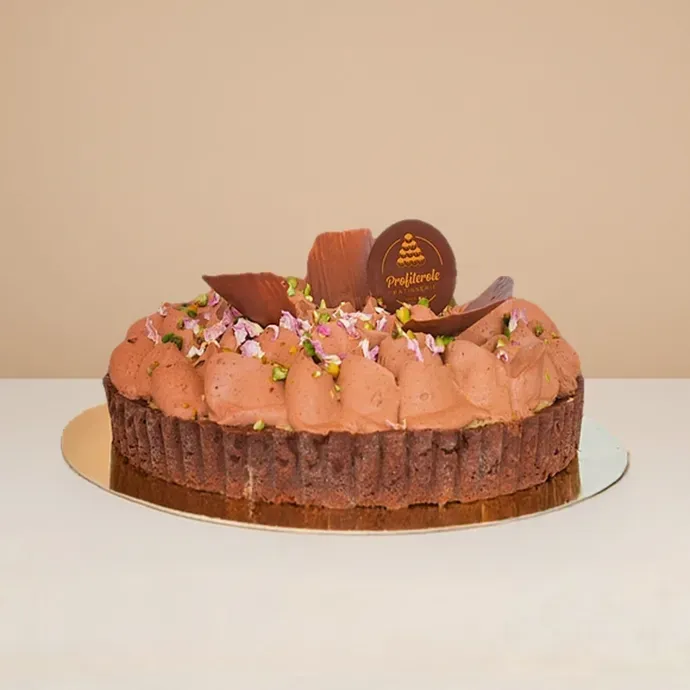
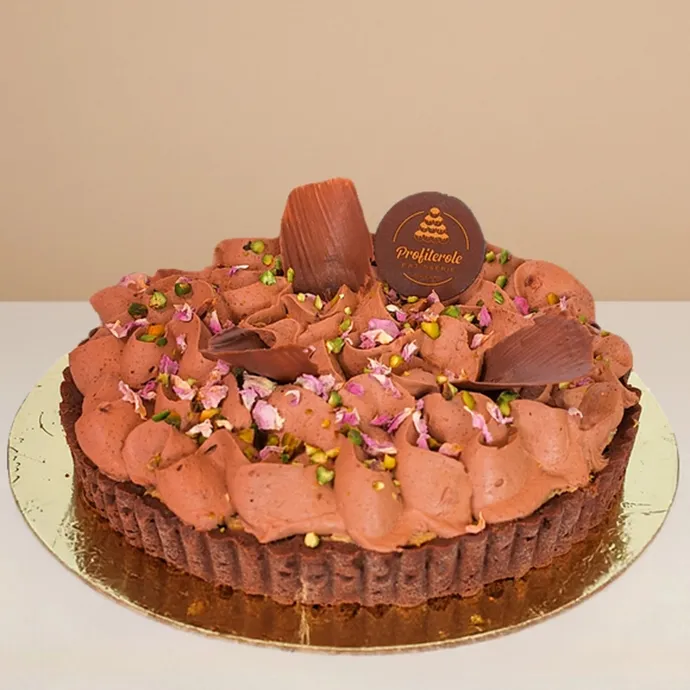
Dubai Chocolate Cake
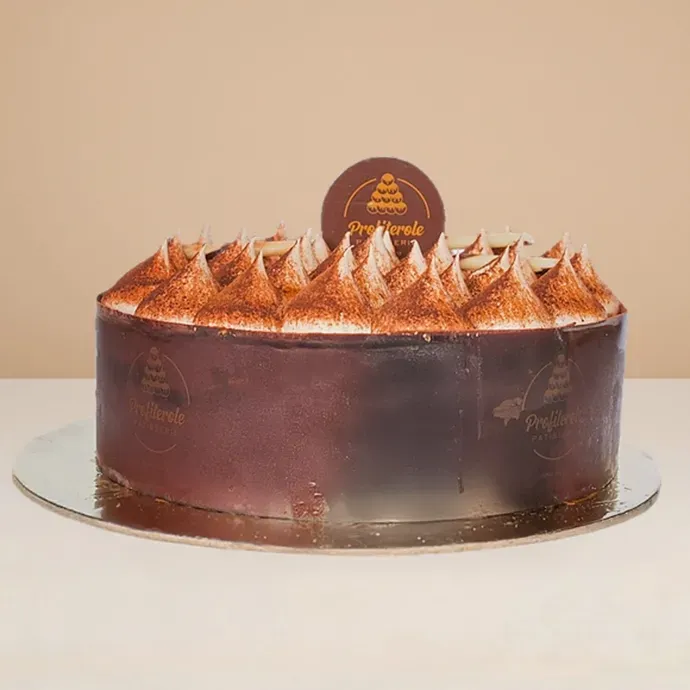
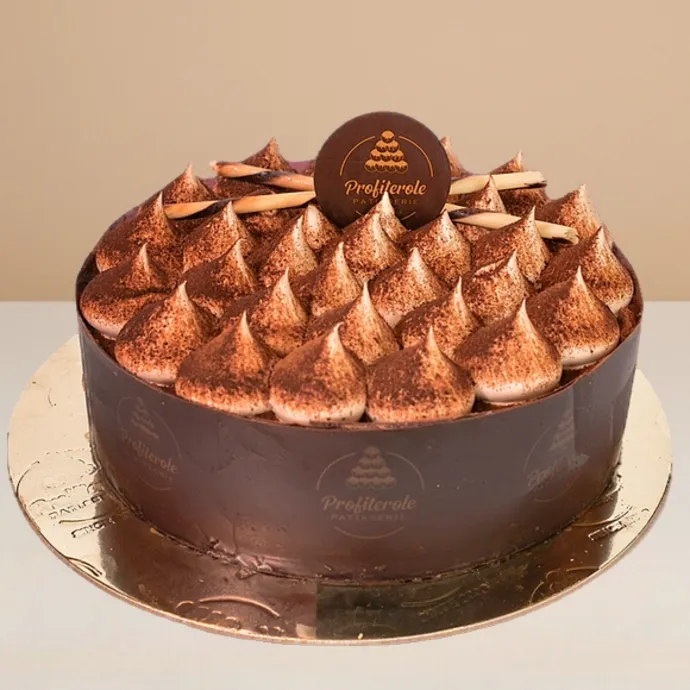
Tiramisu Cake


Pistachio Raspberry Bliss Cake
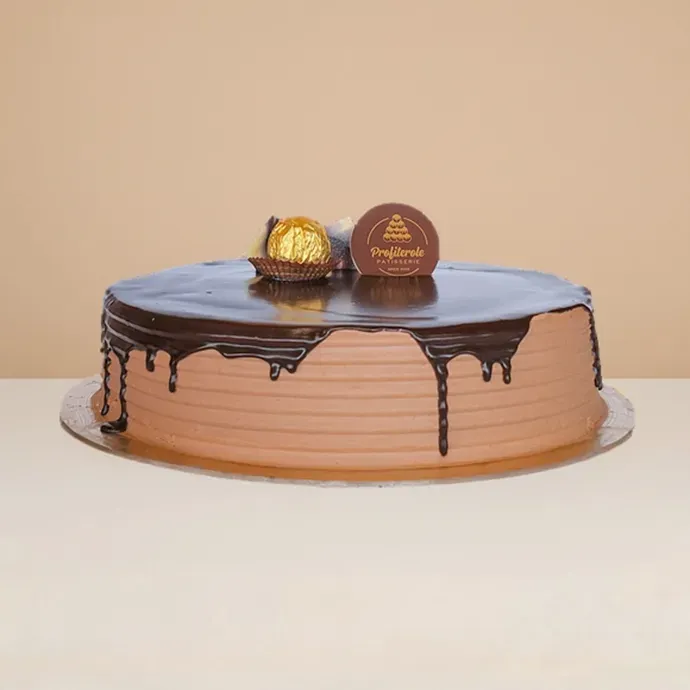
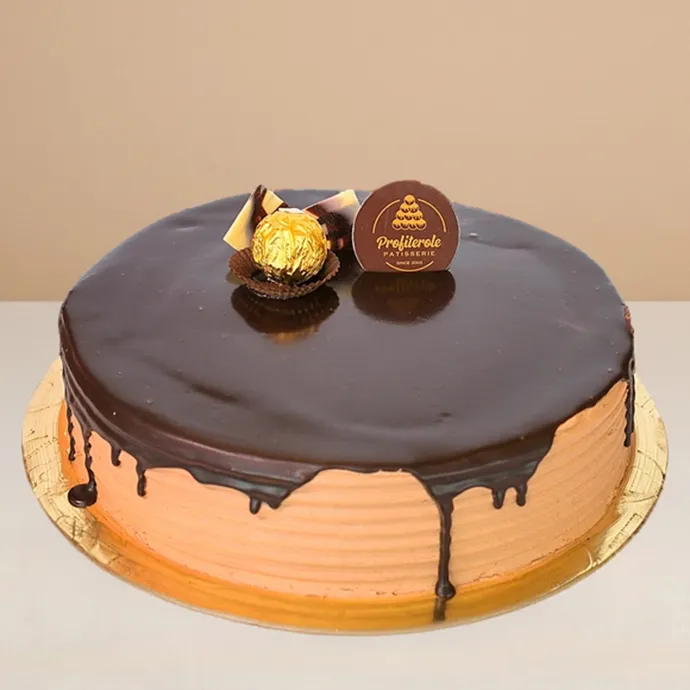
Ferrero Rocher Cake
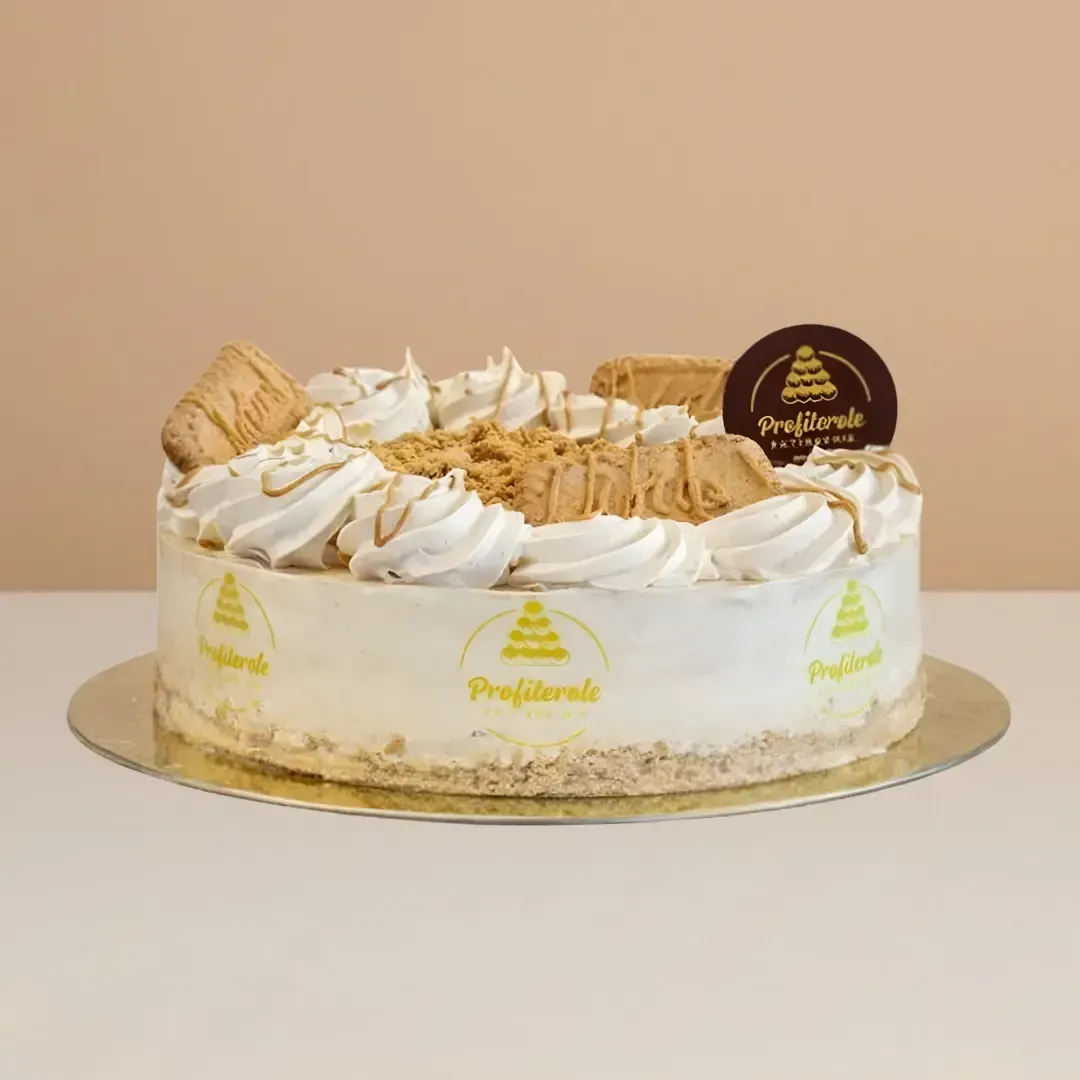
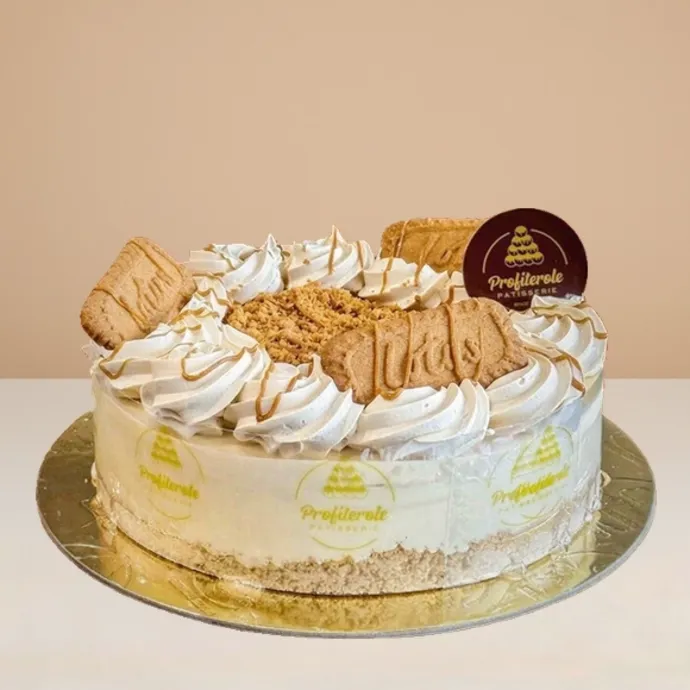
Lotus Biscoff Cheesecake

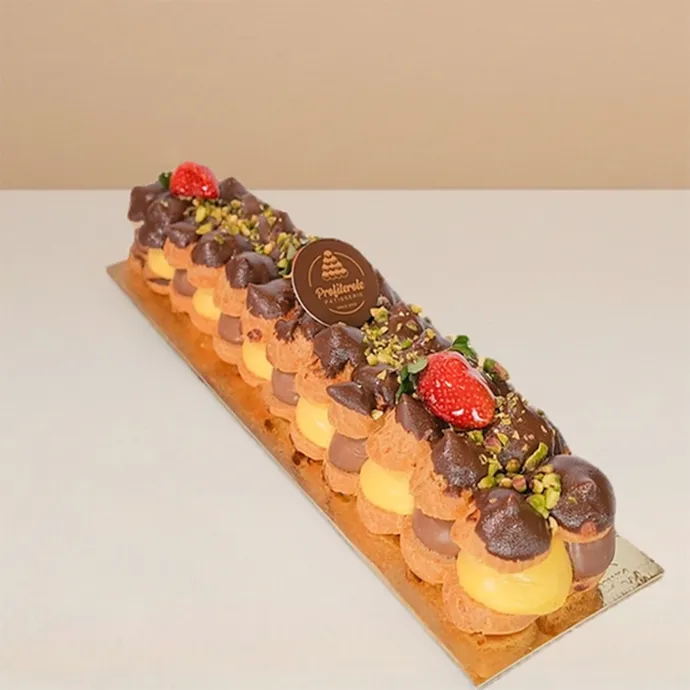
Profiterole Log Cake
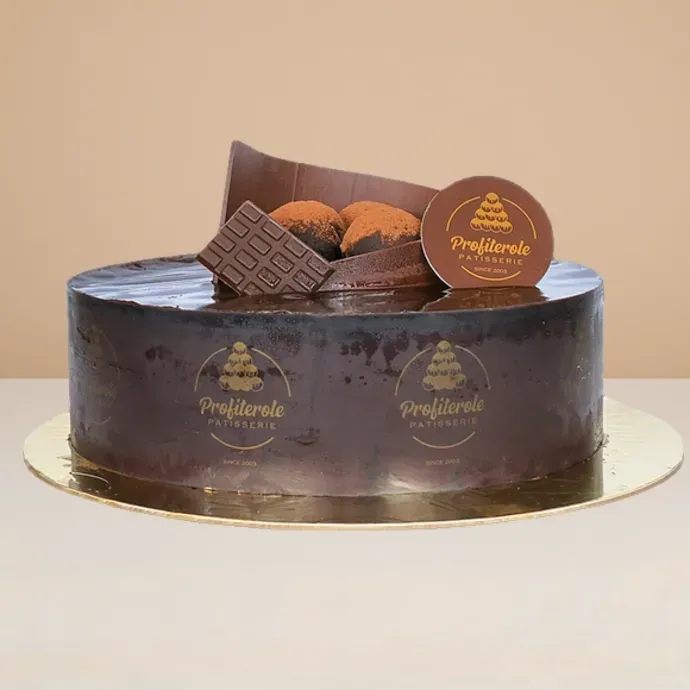
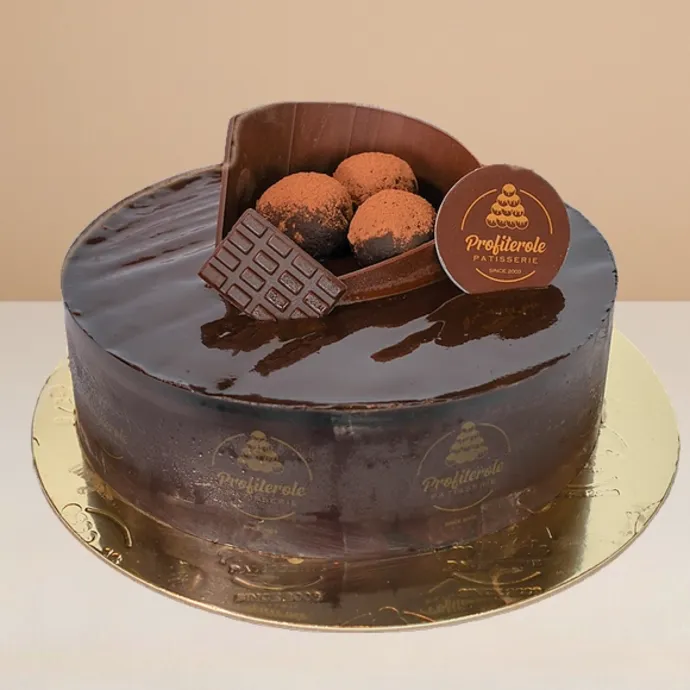
Chocolate Mousse Cake
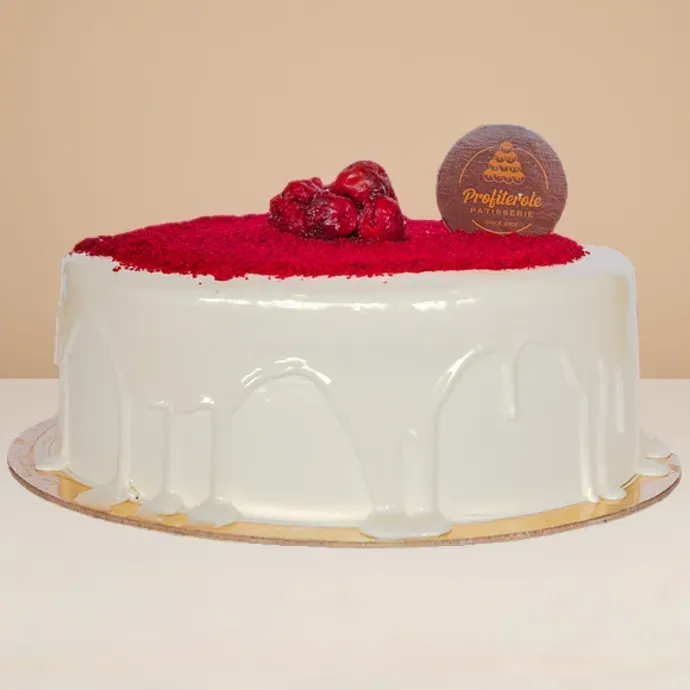
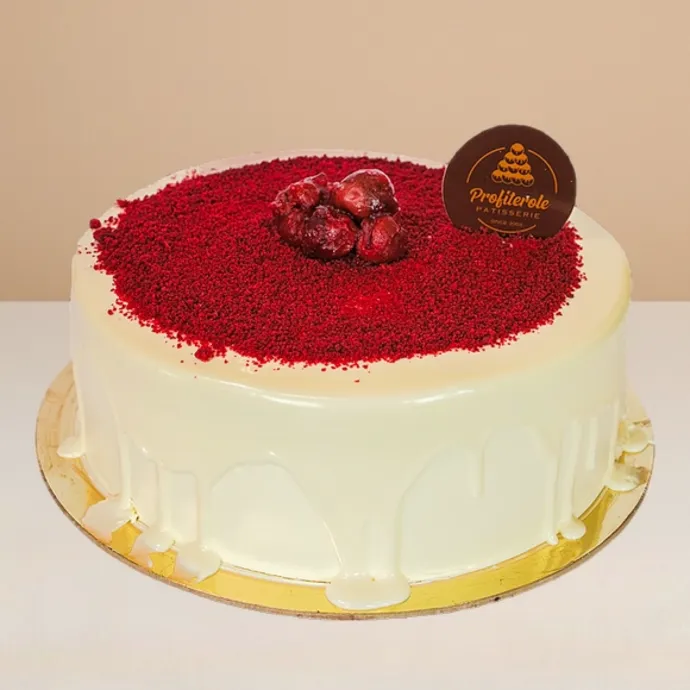
Red Velvet Cake
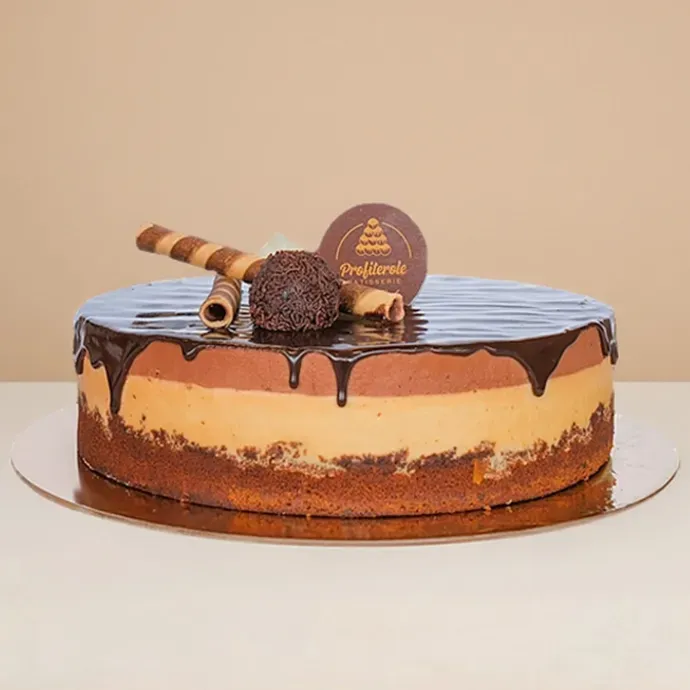
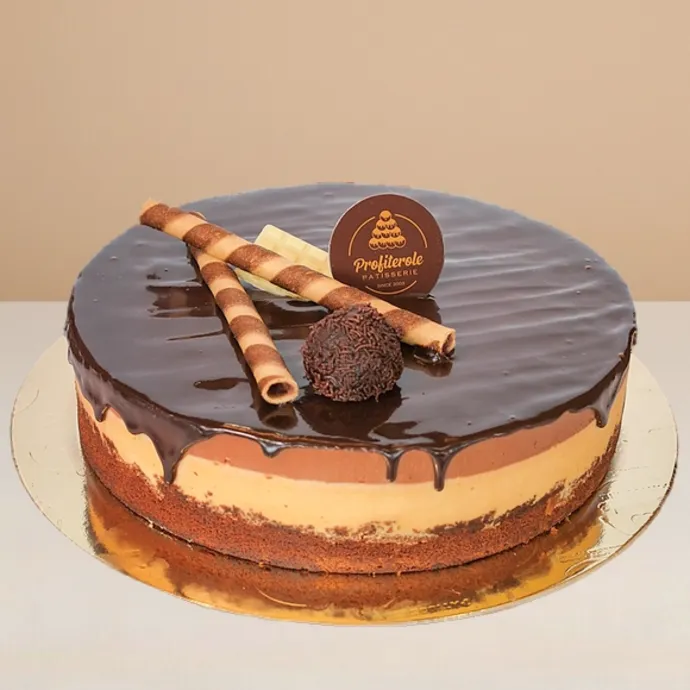
Trio Cake - Round
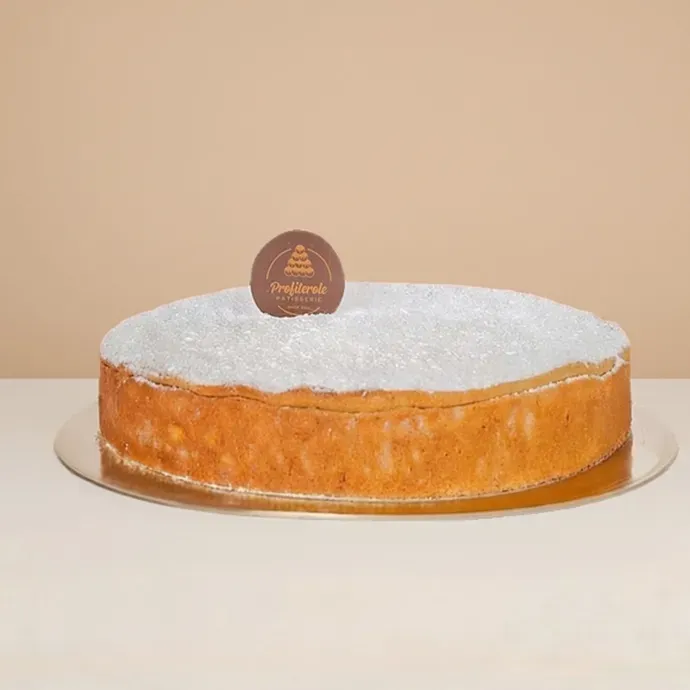
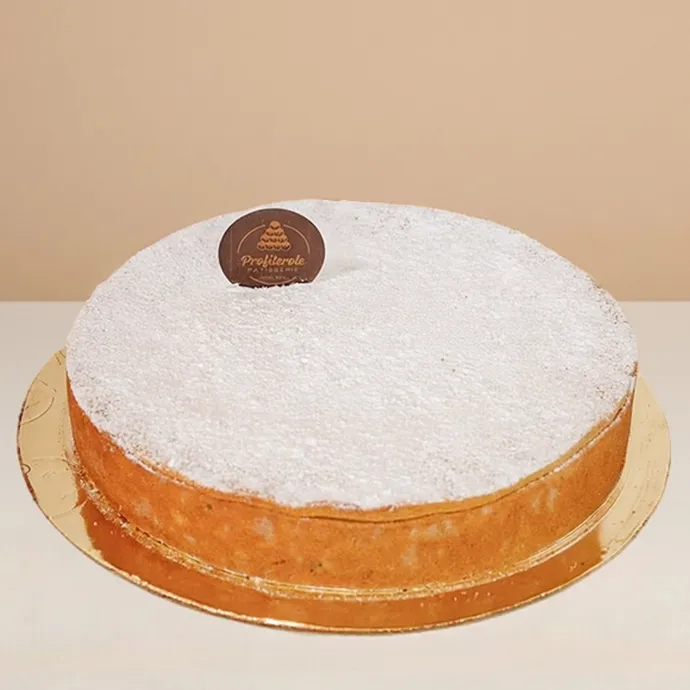
Baked Ricotta Cheesecake
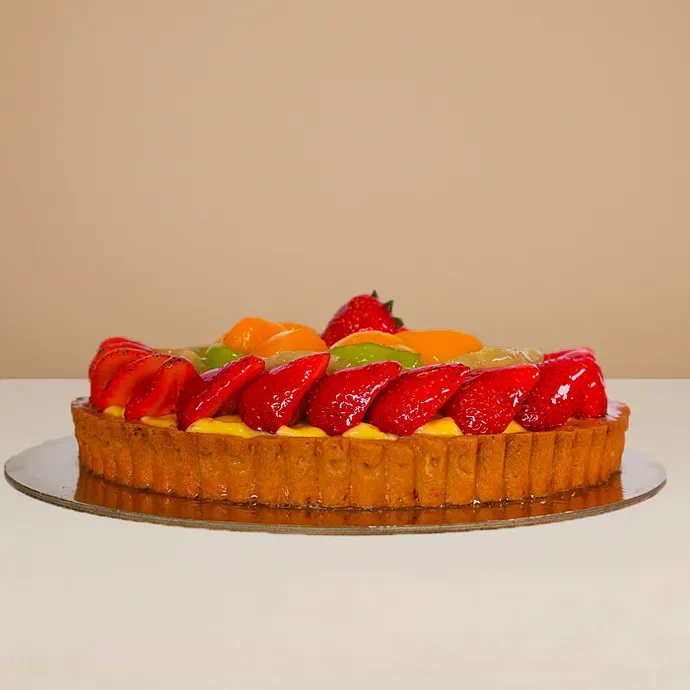
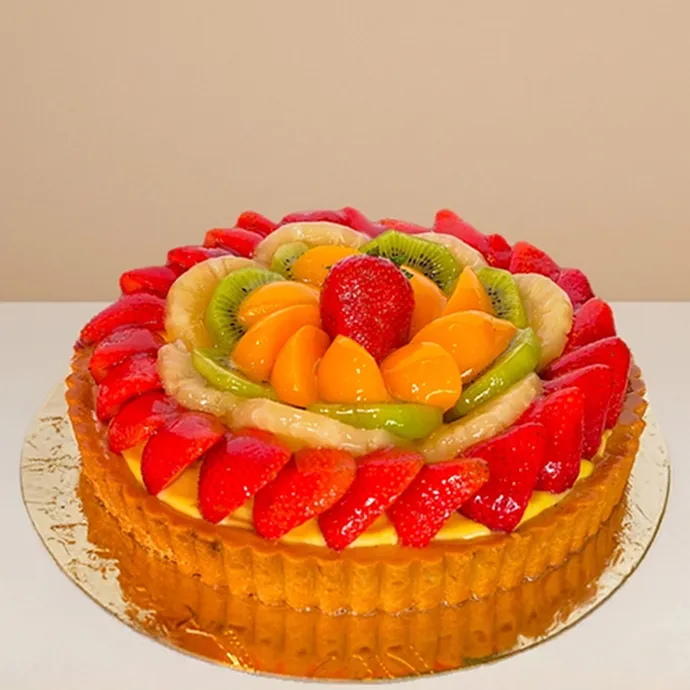
Fruit Cake - Round
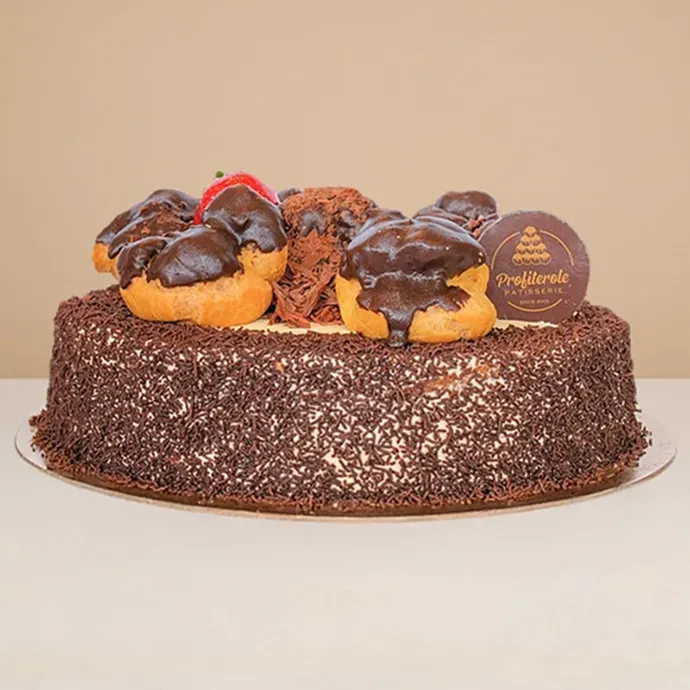
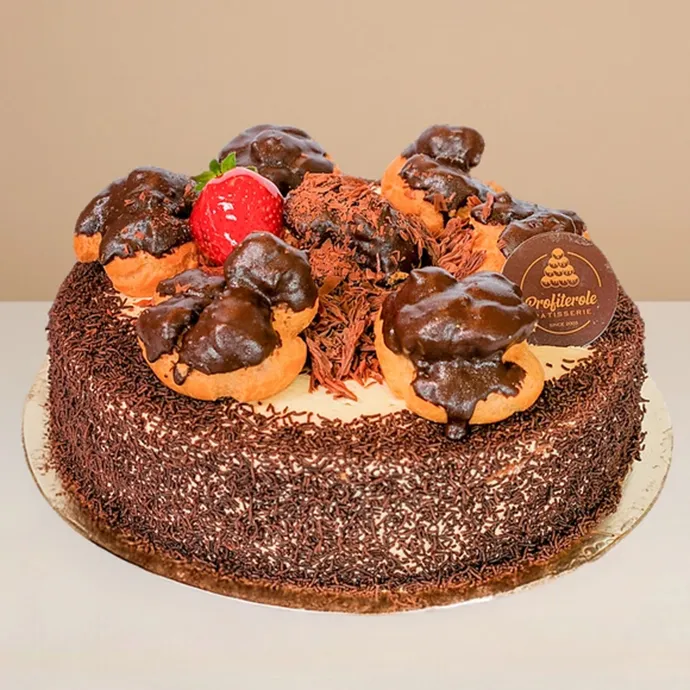
Chocolate Profiterole Cake
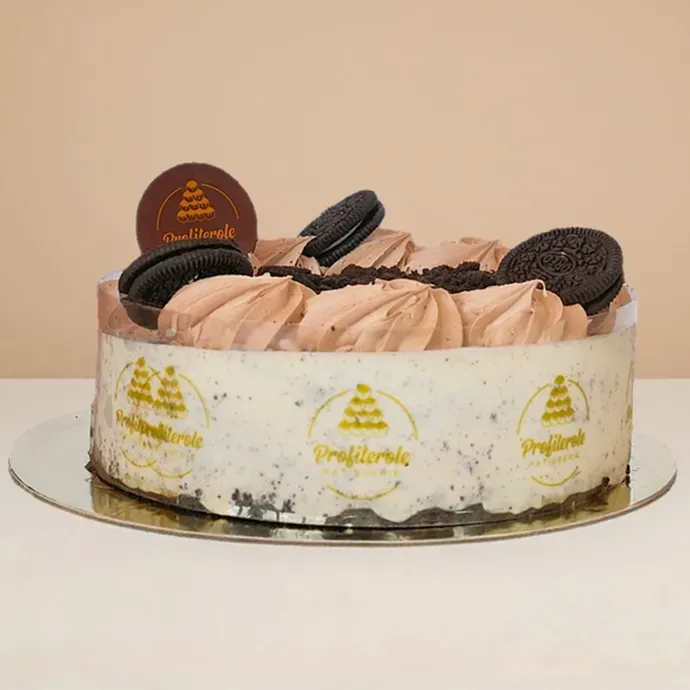
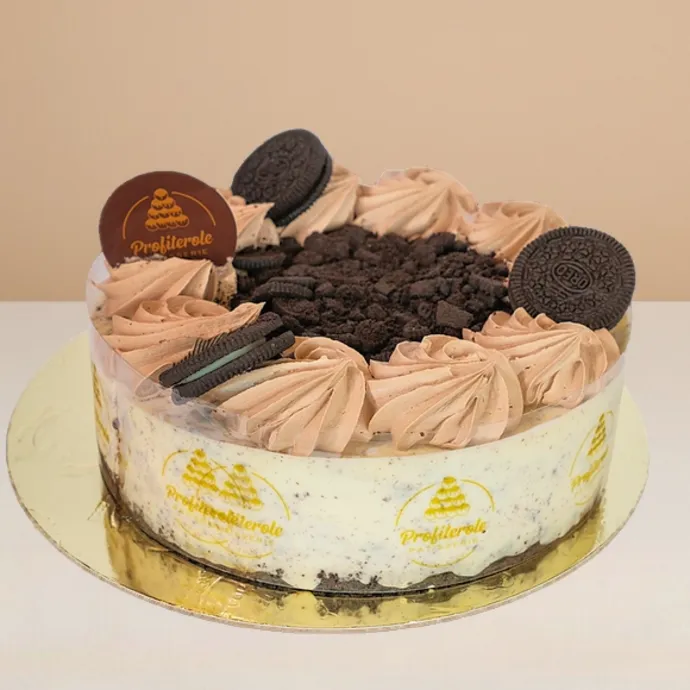
Oreo Cheesecake
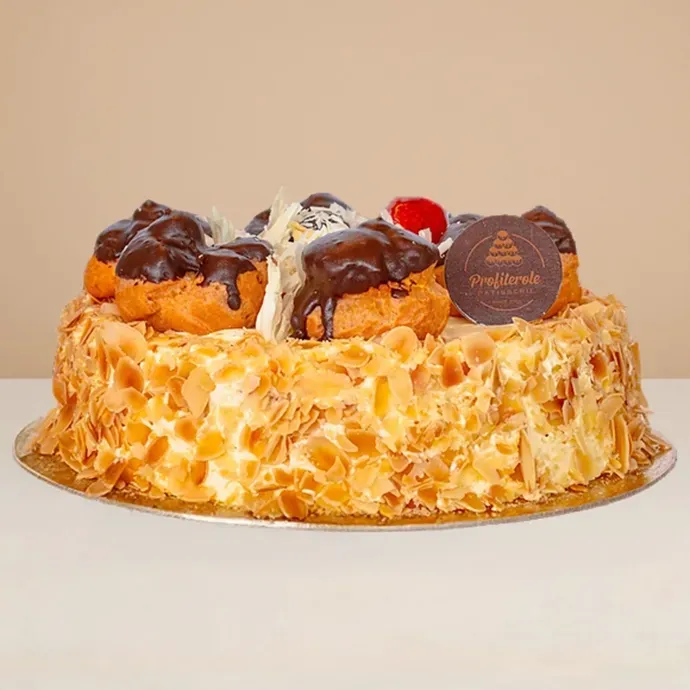
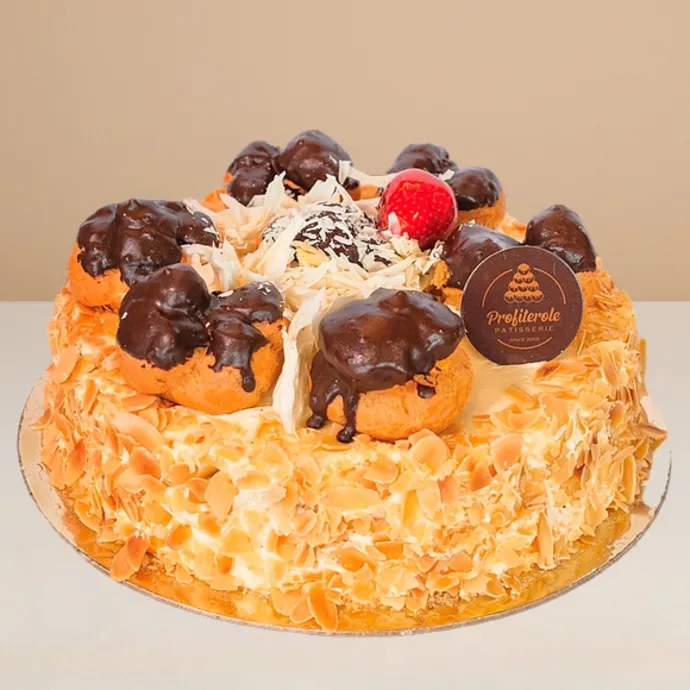
White Profiterole Cake
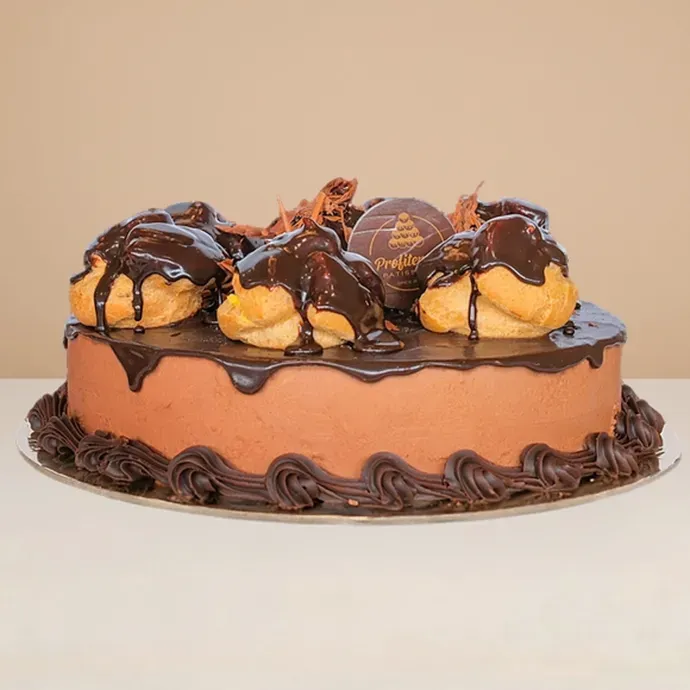
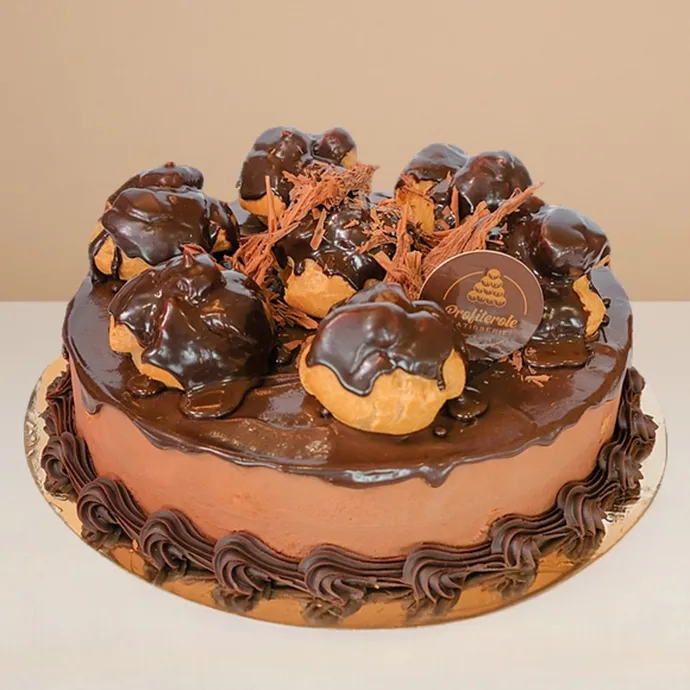
Mousse Profiterole Cake
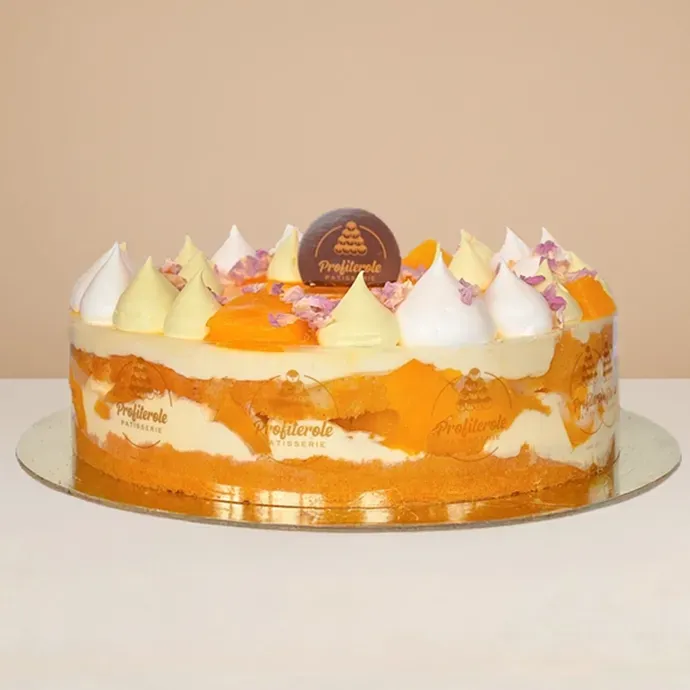
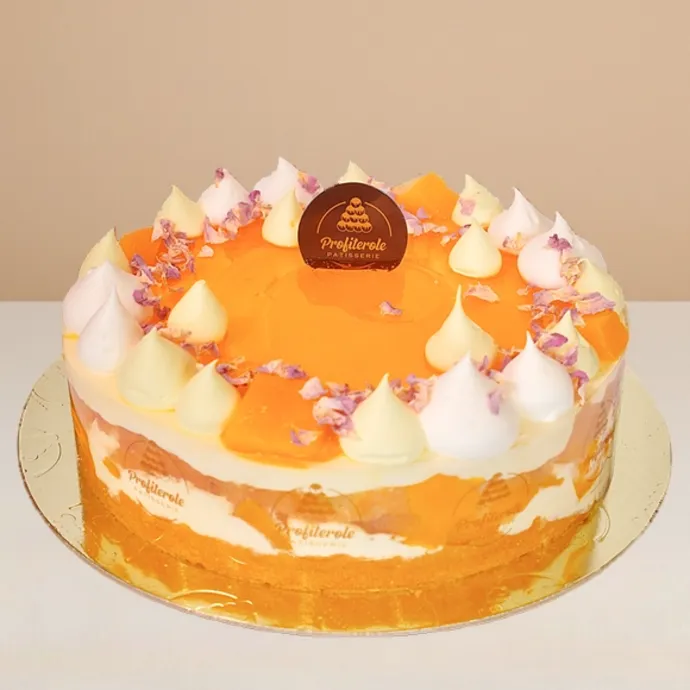
Mango Cake