What Are Madeleines? And What Makes Them So Good & Popular
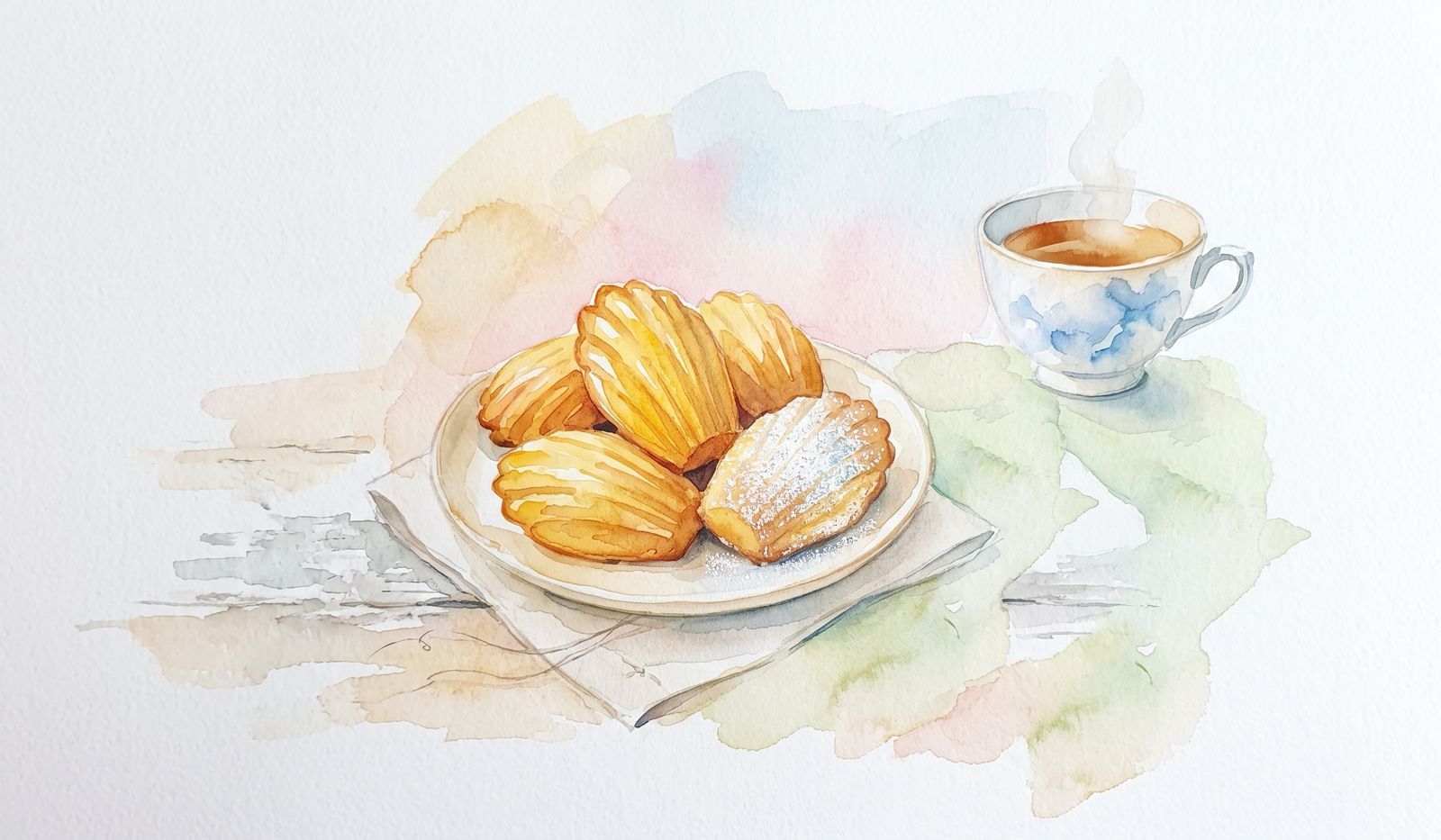
You pull a golden, scalloped pastry from a bakery display, wondering whether it belongs on a morning coffee saucer or an afternoon cake stand. It looks like a cookie, but the moment you take a bite, it yields with the airy, butter-soaked crumb of an exquisite sponge.
If you have ever felt confused by this delicate French treat, you are not alone. Making sense of the madeleine is all about understanding its unique place in French patisserie.
Here is the fascinating history, baking science, and sensory magic behind France’s most beloved petite bake.
TL;DR
Madeleines are traditional French sponge cakes (petits gâteaux) baked in distinctive scalloped, shell-shaped moulds. Unlike crisp cookies, they feature a genoise-style batter leavened by trapped air and high-heat steam, giving them a tender, pillowy interior, caramelised ridges, and a proud central hump (la bosse).
| Pastry | Dough or Batter Base | Leavening Method | Interior Texture | Traditional Shape | Signature Flavour Profile |
|---|---|---|---|---|---|
| Madeleine | Genoise-style egg and butter batter | Trapped air, steam, and baking powder | Light, tender, cake-like sponge | Scalloped seashell with a central hump | Cultured butter, lemon zest, and honey |
| Financier | Egg white and almond meal batter | Steam and whipped egg whites | Dense, moist, slightly chewy crumb | Small rectangular bar (gold ingot) | Beurre noisette (brown butter) and nut |
| Sablé Cookie | Rubbed-in butter and flour short pastry | Minimal to none | Crumbly, sandy, crisp snap | Flat fluted round disc | Sweet cream butter and vanilla |
The Interesting History of Madeleines: From Lorraine to Versailles
The madeleine holds a storied position in European culinary lore, bridging the gap between modest provincial baking and royal banquet halls.
The 18th-Century Legend of Madeleine Paulmier
The most enduring tale traces the pastry back to 1755 in the town of Commercy, located in the northeastern region of Lorraine.
According to historical accounts, Stanisław Leszczyński, the deposed King of Poland and then-Duke of Lorraine, was hosting an elaborate gala at his castle. An argument erupted in the kitchen, prompting the pastry chef to storm out and leave the royal feast without a final dessert course.
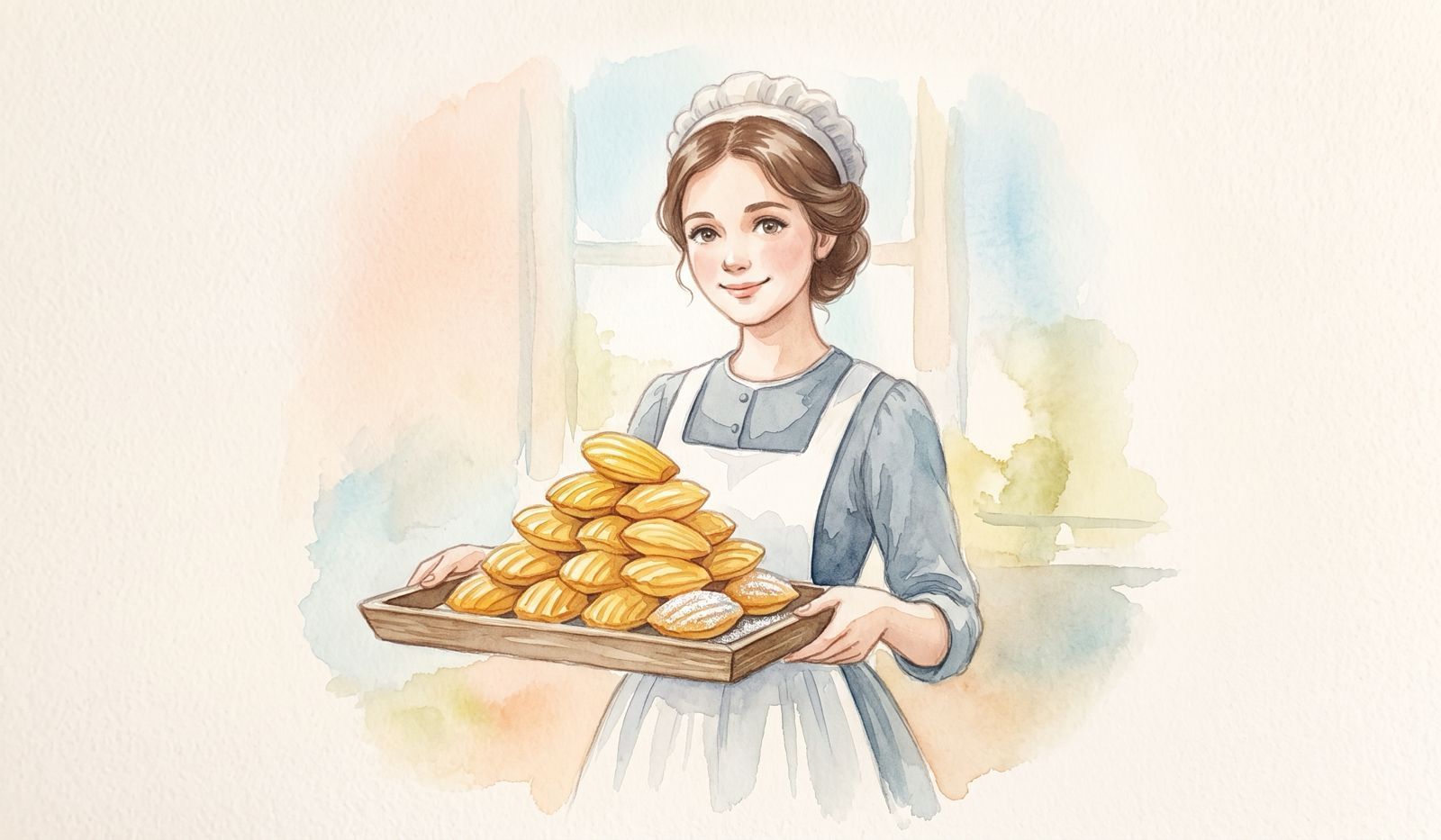
Seeking to avert disaster, a quick-witted young maid named Madeleine Paulmier stepped forward. Working with the ingredients on hand, she whipped up a batch of small, tender sponge cakes using an heirloom family recipe passed down by her grandmother, baking them in fluted scallop shells.
The Duke and his royal guests were so captivated by the golden cakes that he named the confection in her honour.
When the Duke's daughter, Queen Marie Leszczyńska, introduced the little cakes to her husband, King Louis XV, they became an instant sensation throughout the royal salons of Versailles.
The Proust Effect: Involuntary Memory and Literature
While French aristocracy established their status, celebrated French author Marcel Proust immortalised the pastry worldwide.
In his landmark 1913 novel À la recherche du temps perdu (In Search of Lost Time), the narrator dips a morsel of madeleine into a warm cup of lime-blossom tea.
The combination of warm liquid and buttery crumbs triggers an immediate, overwhelming flood of forgotten childhood memories from his village of Combray.
This passage gave rise to the psychological concept known as the "Proustian moment", or involuntary memory, where an everyday taste or scent unlocks deep emotional recollections. The madeleine ceased to be just a tea cake; it became a global symbol of nostalgia.
What Exactly Are Madeleines? Cake or Cookie?
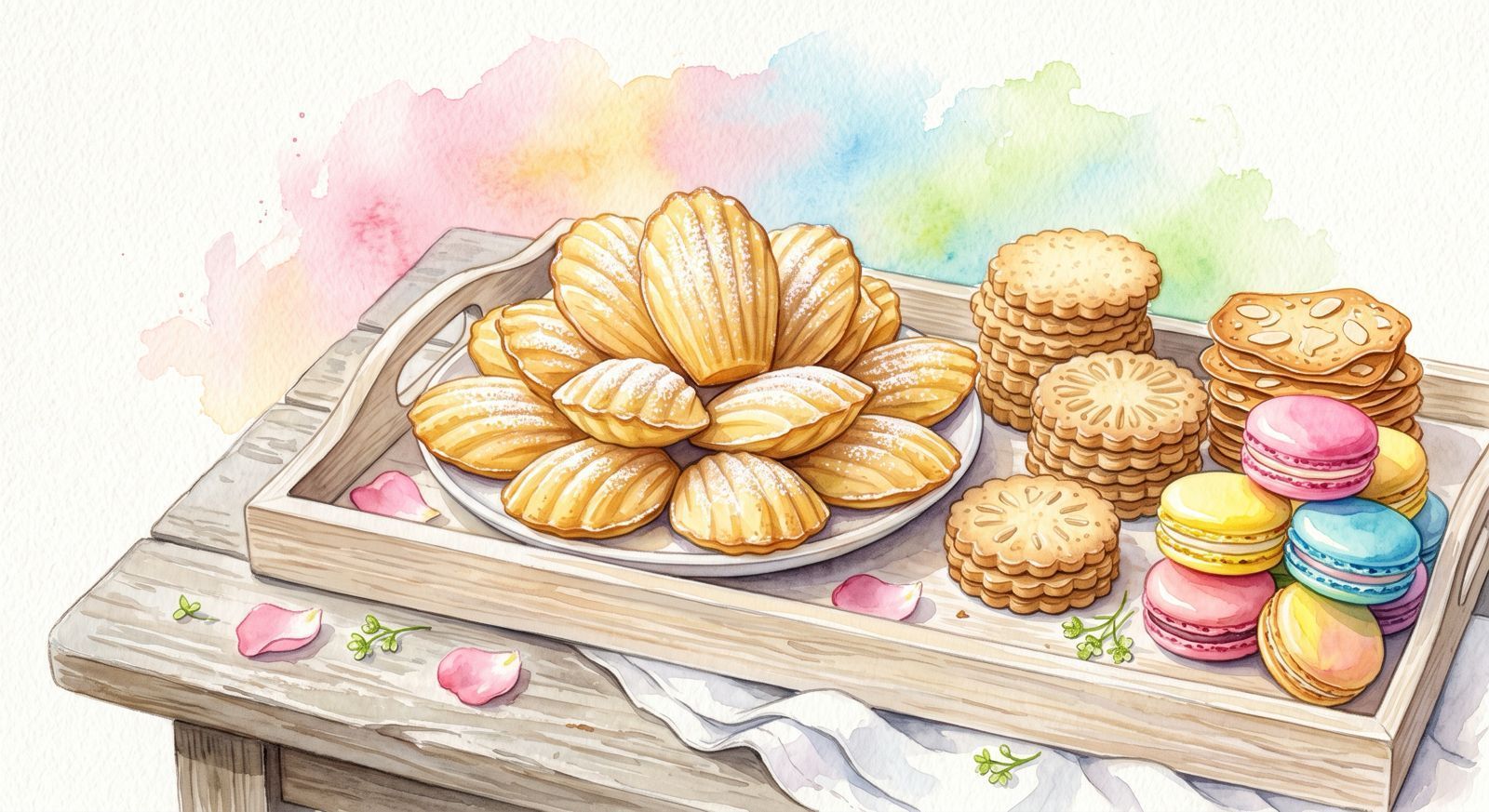
Walk into any bakery, and you may hear customers refer to madeleines interchangeably as cakes, biscuits, or cookies. The pastry world, however, draws a very distinct technical boundary.
The Anatomy of a Sponge Batter
From a culinary science standpoint, madeleines are miniature sponge cakes (petits gâteaux). Cookie doughs generally rely on creaming solid fats with sugar and binding them with minimal liquid, resulting in a dense structure with low moisture.
Madeleines, by contrast, are crafted from a light batter akin to a French genoise. Whole eggs and granulated sugar are aerated vigorously to incorporate volume before flour is folded through. Melted, high-fat butter is gently emulsified into the mix, creating a fluid batter that bakes into an open, tender crumb with a pillowy spring rather than a dry snap.
The Cookie Illusion
Why do so many people mistake them for cookies? The confusion stems from three factors:
Portion Size
Measuring just a few inches in length, they are served as individual, handheld sweets rather than sliced cake wedges.
Serving Occasion
They are traditionally enjoyed alongside afternoon coffee, espresso, or herbal infusions, much like shortbread or biscotti.
Caramelised Outer Rim
Where the batter contacts the fluted metal mould, the butter and sugar brown rapidly, producing a thin, delicate crust that offers a slight crunch before yielding to a soft sponge interior.
Why Are Madeleines Shaped Like Shells (or Boats)?
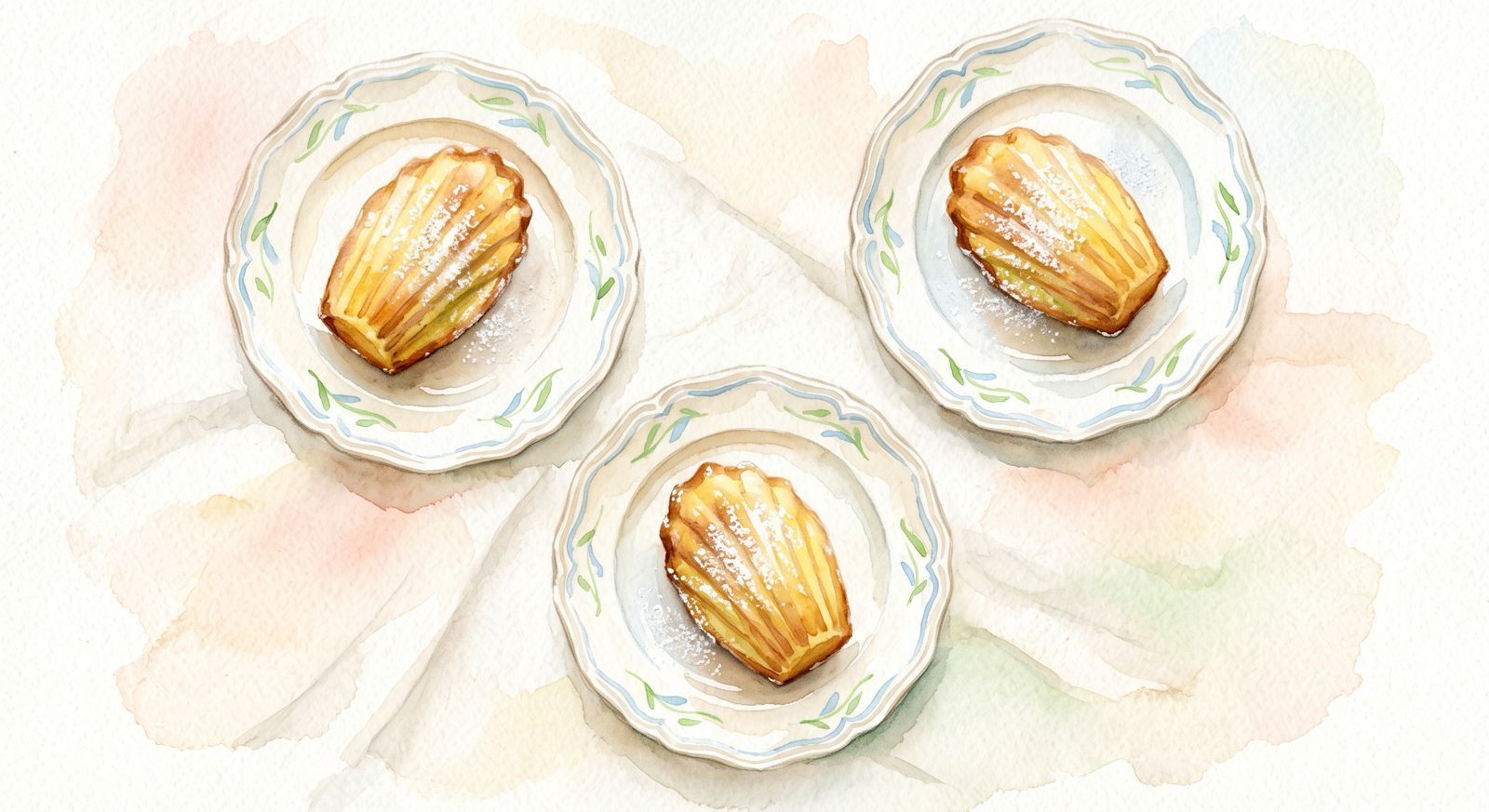
The iconic fluted shell profile is the defining signature of a genuine madeleine. This visual identity is grounded in both cultural pilgrimage and practical thermodynamics.
The Pilgrims of the Camino de Santiago
Long before madeleines became aristocratic tea cakes, the town of Commercy sat along a major European pilgrimage route: the Camino de Santiago (the Way of Saint James).
Pilgrims travelling southward toward Santiago de Compostela in Galicia, Spain, wore scallop shells (coquille Saint-Jacques) pinned to their cloaks as an emblem of faith and safe passage.
Local bakers and convent cooks in Lorraine crafted convenient, portable travel cakes shaped like the sacred scallop shell to nourish passing travellers. In earlier centuries, bakers often poured the batter directly into clean, dried scallop shells gathered from coastal waters before dedicated tinware was manufactured.
The Culinary Mechanics of the Fluted Mould
Beyond its religious heritage, the shell shape serves an essential structural purpose in the oven. The scalloped ridges dramatically increase the surface area of the metal baking tin. As heat radiates through the fluted mould:
The shallow outer perimeter bakes quickly, producing crisp, golden edges.
The deeper central cavity stays cooler for longer, allowing moisture and trapped steam to rise freely into a plump, moist core.
The shape delivers a textural contrast in every bite, balancing crisp ridges with a fluffy centre.
What Makes Madeleines So Popular and What Makes Them So Good?
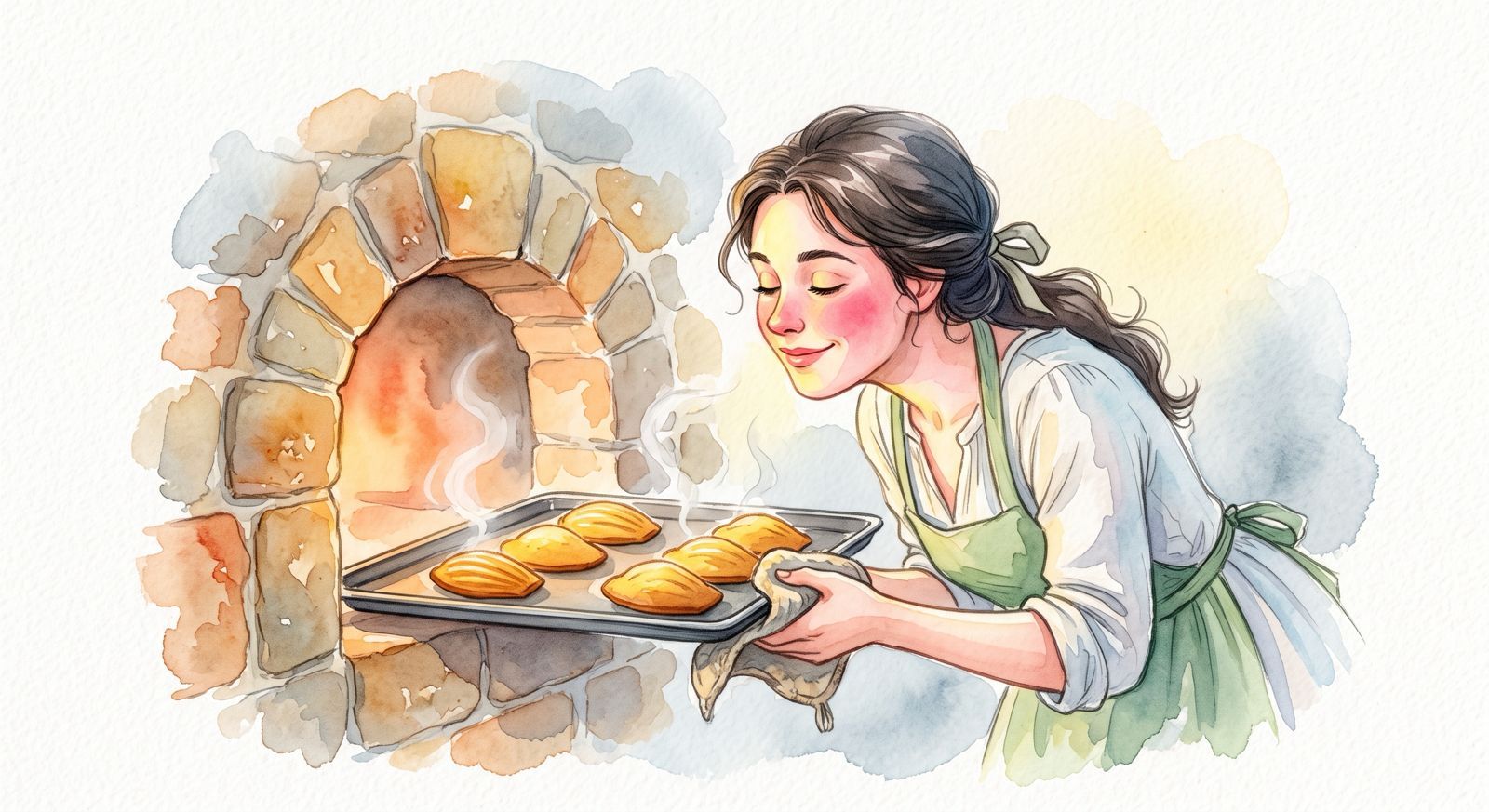
A fresh madeleine is a masterclass in balance: rich without being heavy, fragrant without being perfumed, and crisp without being dry.
The Secret of "La Bosse" (Thermal Shock)
The hallmark of an expertly baked madeleine is la bosse—the proud, rounded hump rising from the centre of its smooth side. Achieving this dome requires intentional temperature control:
Chilling the Batter
The prepared batter is rested in the refrigerator for several hours or overnight. This relaxes gluten strands and allows the flour starches to hydrate, while firming up the butterfat.
The Thermal Shock
Cold batter is spooned directly into greased moulds and thrust into an intensely hot oven (typically 200°C to 220°C). The sudden thermal shock bakes the thin outer perimeter instantly, trapping the remaining unbaked batter in the centre.
The Steam Chimney
As the interior liquid heats up, the expanding steam has only one way to escape: bursting upward through the centre, creating the signature rounded dome.
The Flavour Symphony: Butterfat, Honey, and Citrus
A classic madeleine recipe uses humble pantry staples, meaning the quality of each component is on full display:
Cultured Butter
French butter with 82% butterfat or brown butter (beurre noisette) gives the crumb its rich, melt-in-the-mouth texture.
Pure Honey
Adding a touch of inverted sugar or floral honey retains internal moisture, keeping the sponge soft long after it leaves the oven.
Fresh Citrus Zest
Lemon or orange zest, rubbed into the granulated sugar before mixing, releases aromatic citrus oils that slice through the richness of the butterfat.
The French Ritual of Dipping
In France, madeleines form an integral part of le goûter, the traditional late-afternoon tea ritual. The airy sponge crumb acts like a sponge, designed specifically to be dipped into hot drinks. Dipping a warm madeleine into an espresso or black tea softens the crumb and melts the butterfat directly onto the palate, delivering a velvety, comforting experience.
Madeleines Are Best Eaten Fresh From the Oven
Experiencing a madeleine at its absolute best means tasting it fresh from the oven, when the caramelised ridges are at their crispiest and the vanilla-citrus aromas are at their peak.
It is a timeless reminder of why centuries-old French pastry traditions continue to bring everyday joy to coffee tables around the world.
At Profiterole Patisserie, our bakers bring this same dedication to authentic French baking techniques every morning. From crisp choux buns and rich custard tarts to artisan celebration cakes, every recipe is crafted with premium ingredients and time-honoured technique.
Visit our boutiques in Sydney to enjoy a classic café treat, or place your order online for delivery across Sydney.
Publish date: 22/09/2026
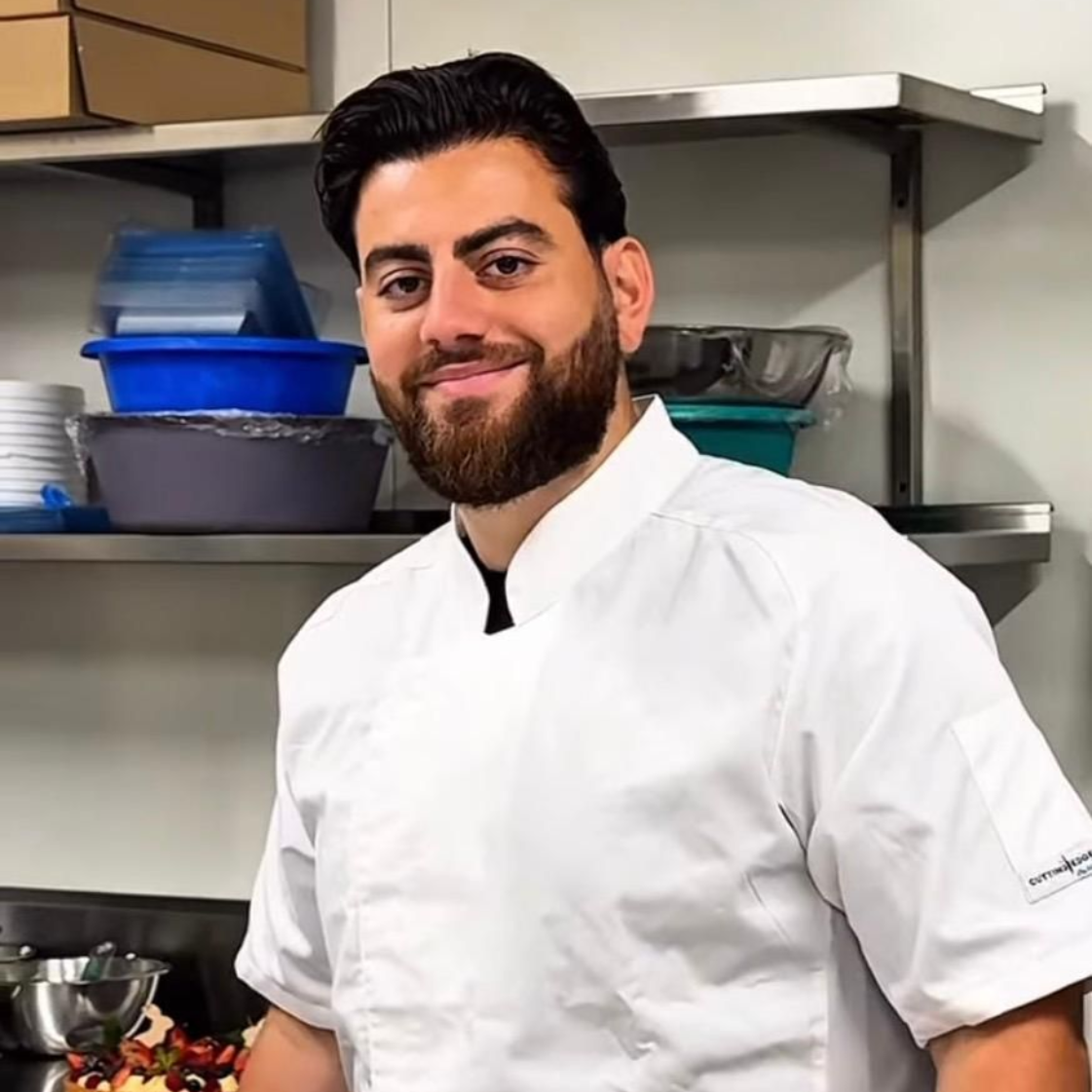
Joey Yaccoub
Head Baker & Operations Manager, Profiterole Patisserie
Joey Yaccoub is the Head Baker at Profiterole Patisserie, bringing over a decade of hands-on experience in artisan cake design and pastry craftsmanship.
He oversees recipe development, product quality, and daily operations across all store locations, ensuring every cake meets the brand’s standards for flavour, presentation, and consistency.
FAQs
What exactly are madeleines?
Madeleines are miniature French sponge cakes (petits gâteaux) baked in distinctive scallop-shaped moulds. Crafted from an aerated genoise-style batter of eggs, flour, sugar, and generous amounts of butter, they are celebrated for their golden ridges, tender interior, and signature central bump.
Why are Madeleine cakes called that?
The cakes are named after Madeleine Paulmier, an 18th-century cook from Commercy in the Lorraine region of France. According to legend, she baked these small family cakes to rescue an aristocratic banquet for Stanisław Leszczyński, Duke of Lorraine, after his head pastry chef abandoned the feast.
Why are madeleines so good?
Their appeal lies in the contrast between crisp, caramelised outer edges and a soft, buttery crumb. Infused with natural vanilla, fresh lemon zest, and honey, the rich butterfat melts on the tongue, especially when enjoyed warm or dipped into a hot beverage.
Why are madeleines shaped like shells?
The shell shape traces back to medieval pilgrims walking the Camino de Santiago through Lorraine, who wore scallop shells as a symbol of Saint James. Bakers originally baked travel cakes in real scallop shells, a design that proved practical because the fluted grooves promote even heat distribution and crisp edges.
Why are madeleines so expensive?
Artisan madeleines require high ratios of premium ingredients, including high-butterfat European-style butter, real vanilla beans, and pure honey. Because they feature a very short shelf life and must be baked fresh in small batches using specialised moulds, their production involves significant hands-on labour.
We might not have Madeleines, but we have these artisan cakes 👇
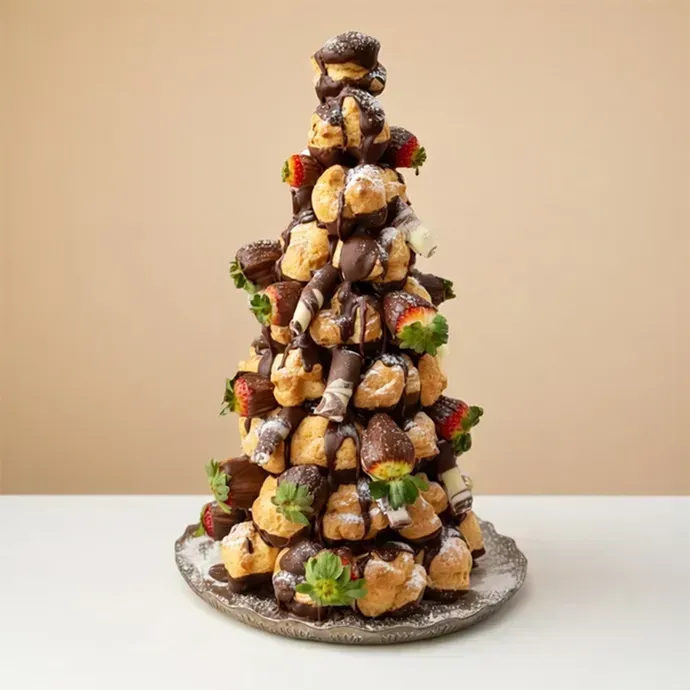
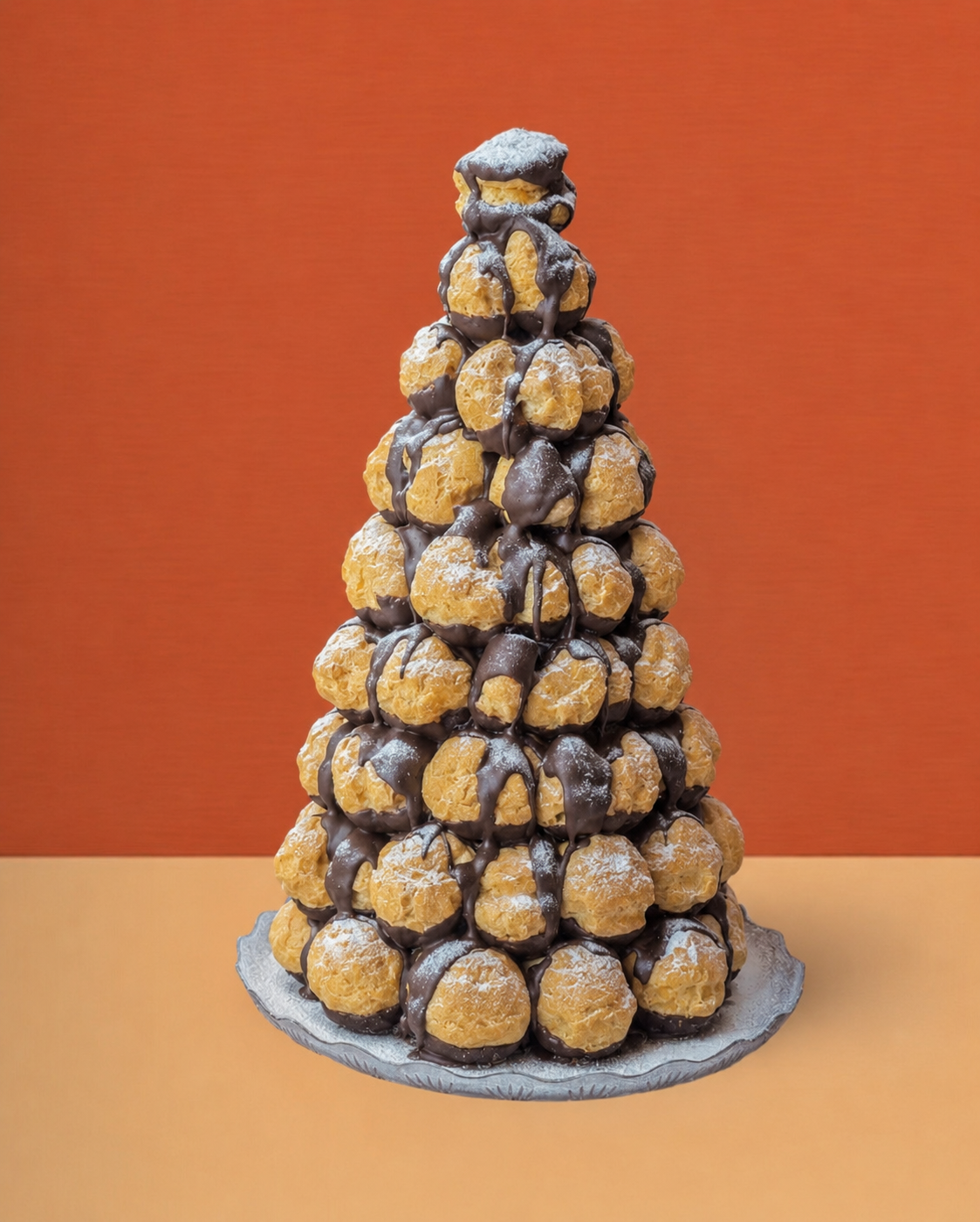
Profiterole Tower - Classic Chocolate
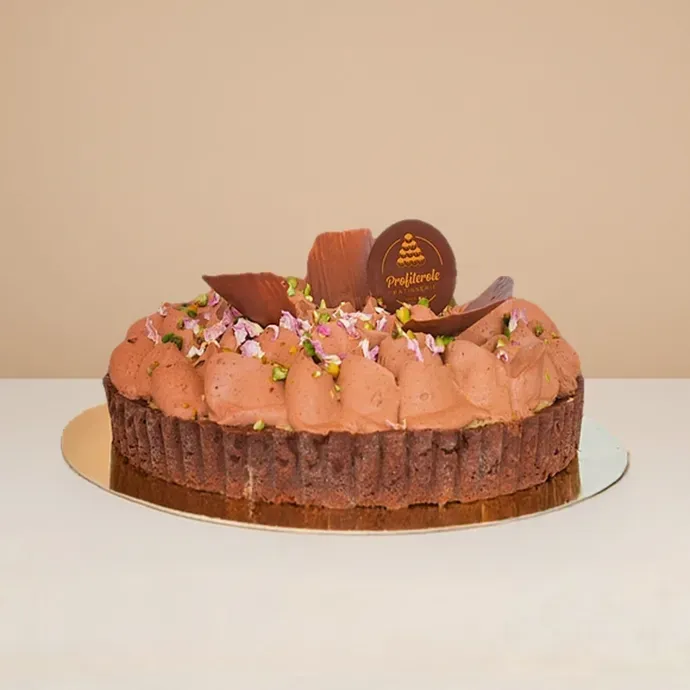
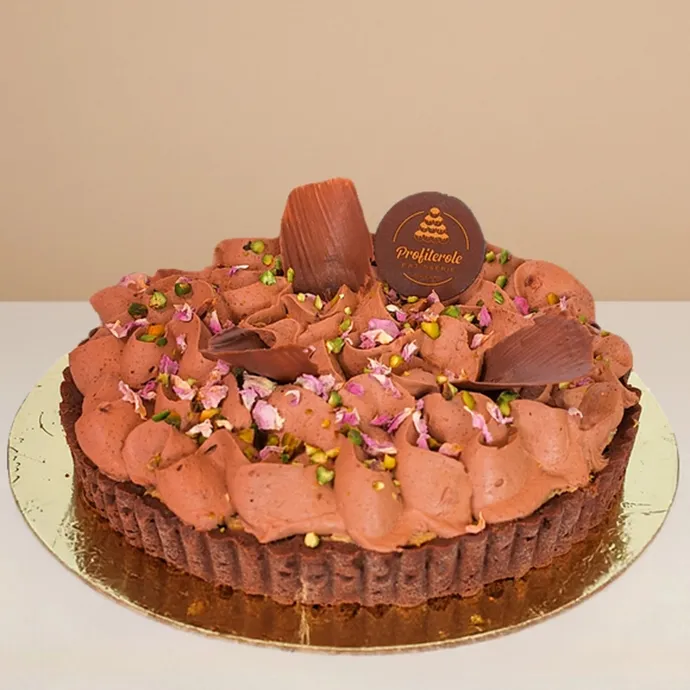
Dubai Chocolate Cake
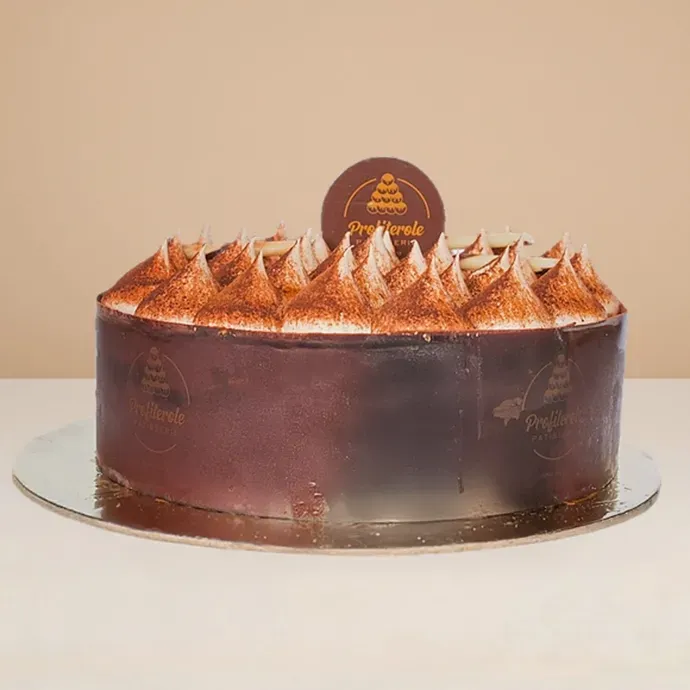
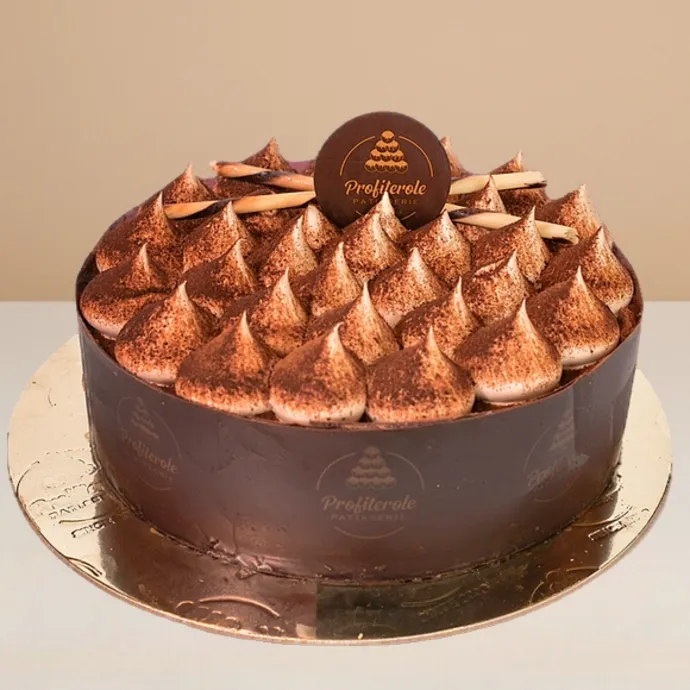
Tiramisu Cake
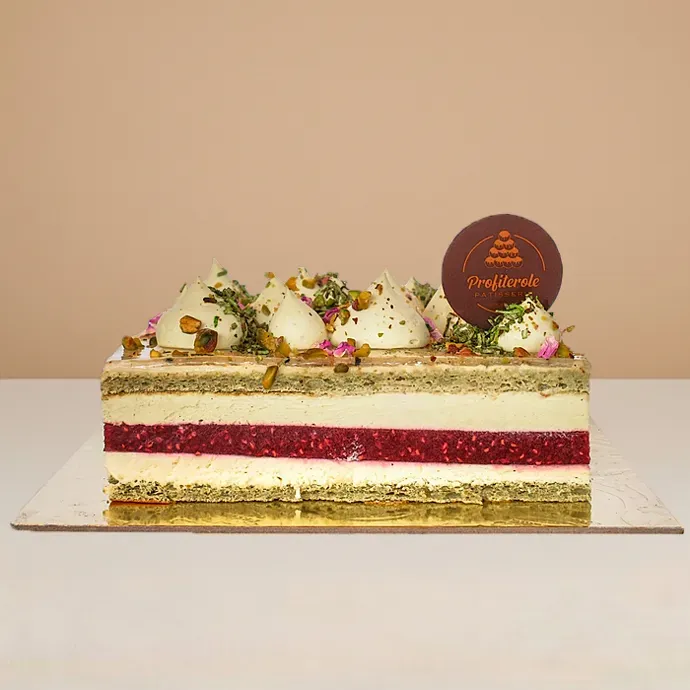
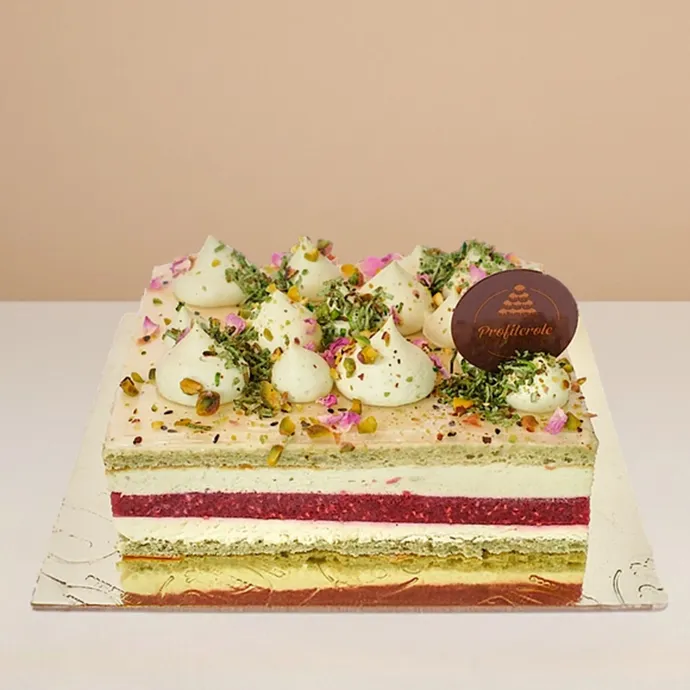
Pistachio Raspberry Bliss Cake
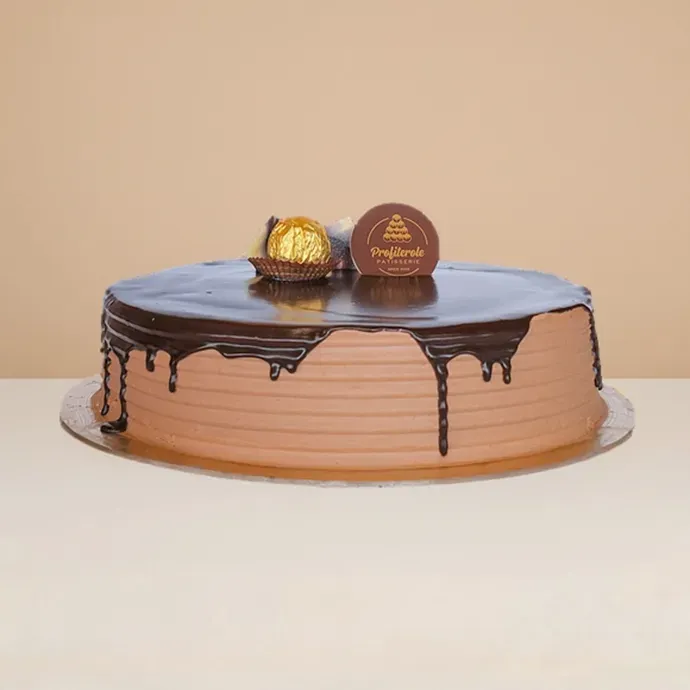
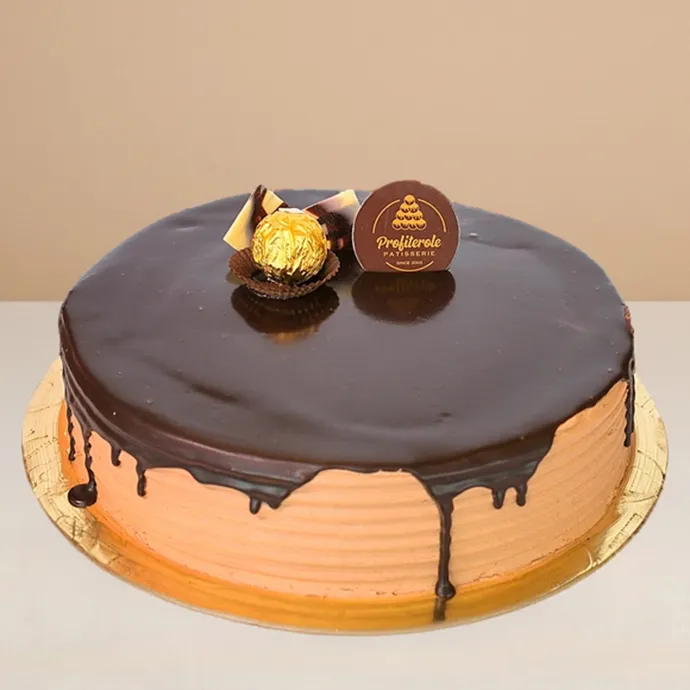
Ferrero Rocher Cake
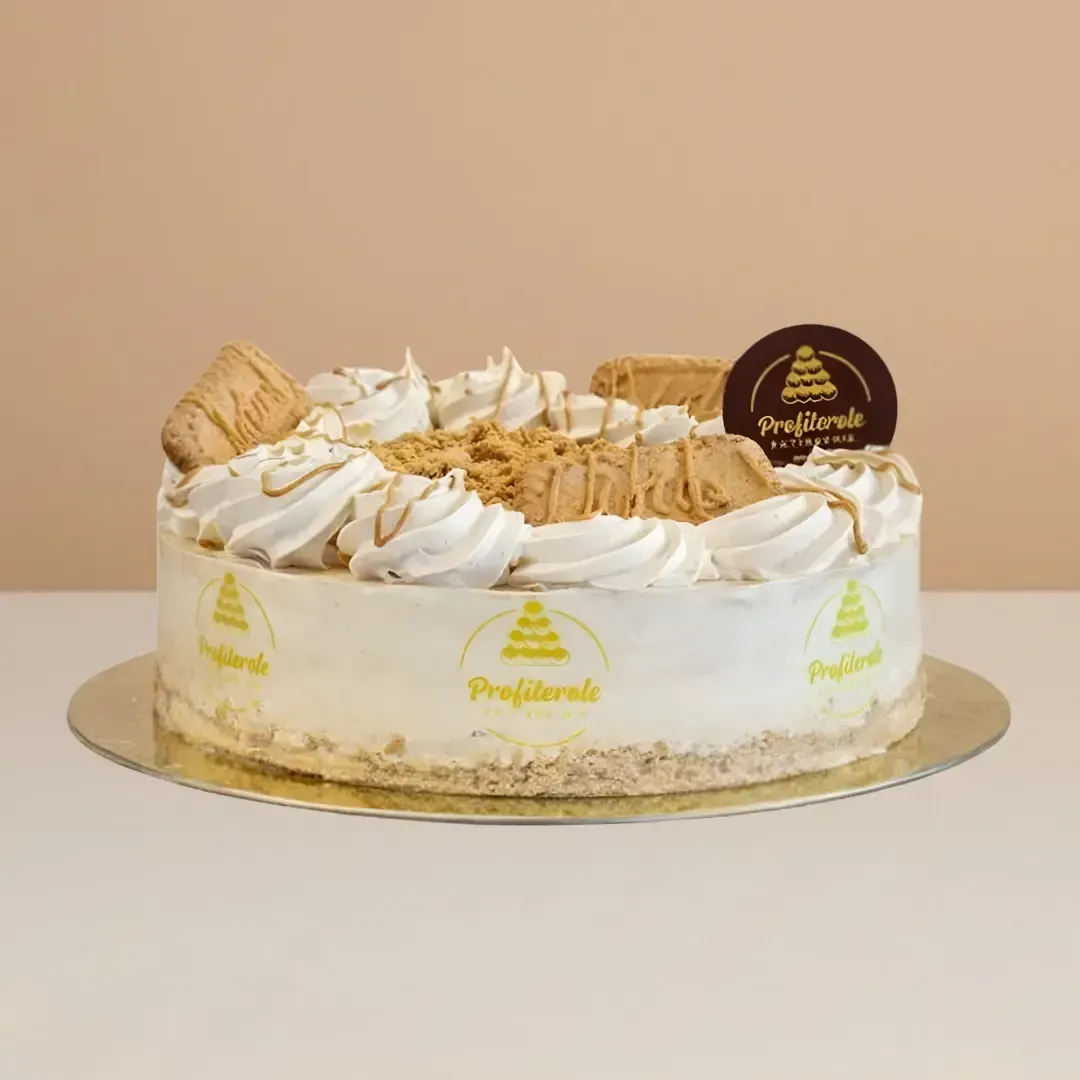
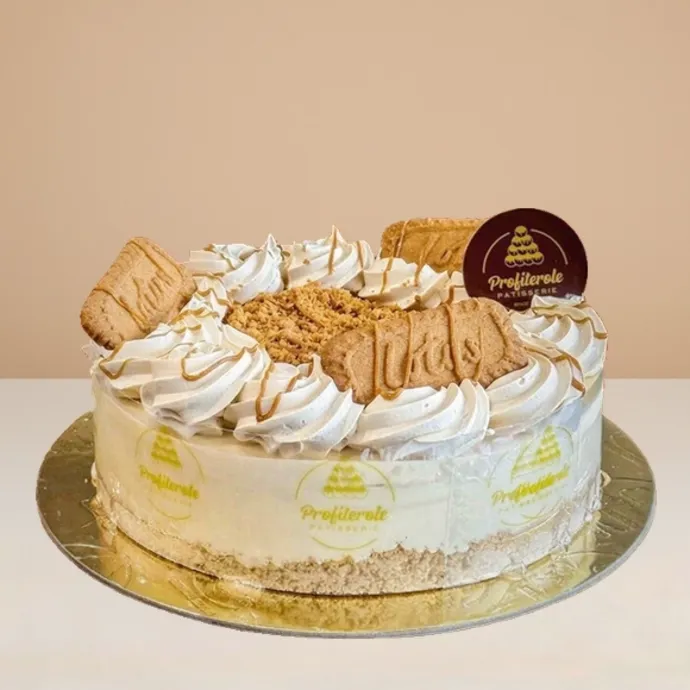
Lotus Biscoff Cheesecake
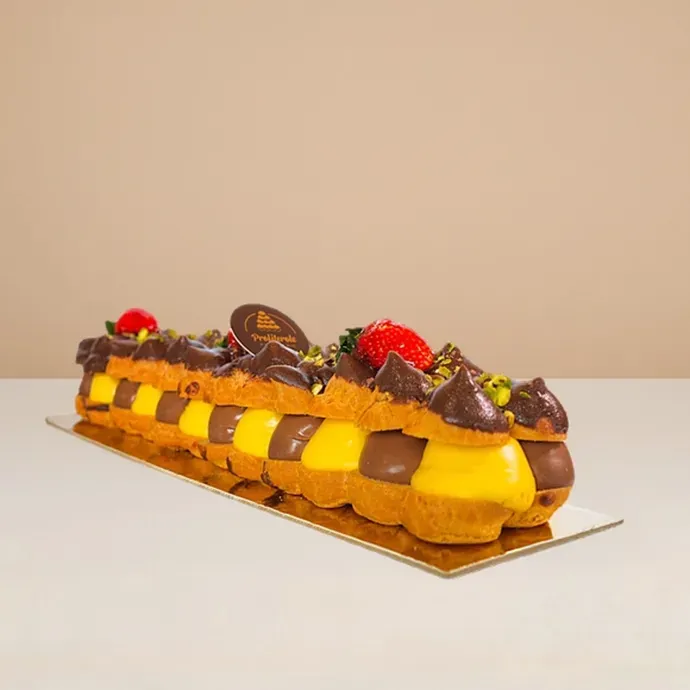
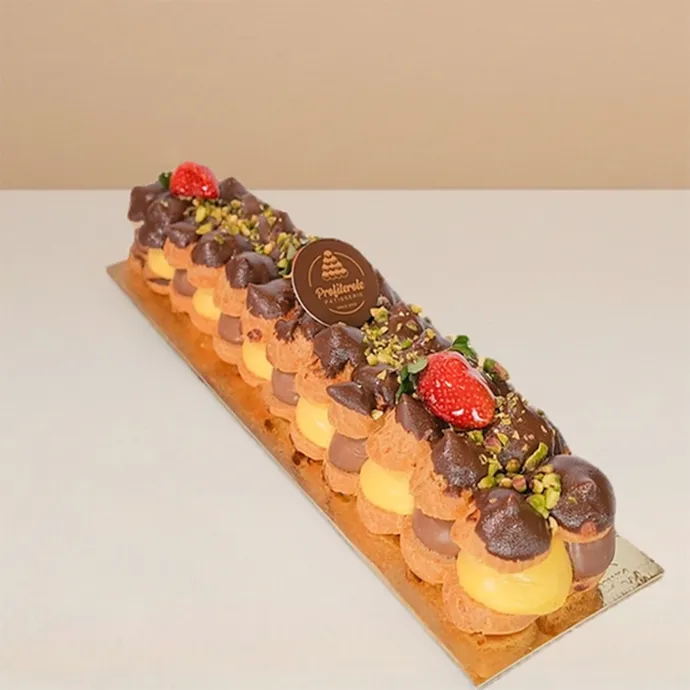
Profiterole Log Cake
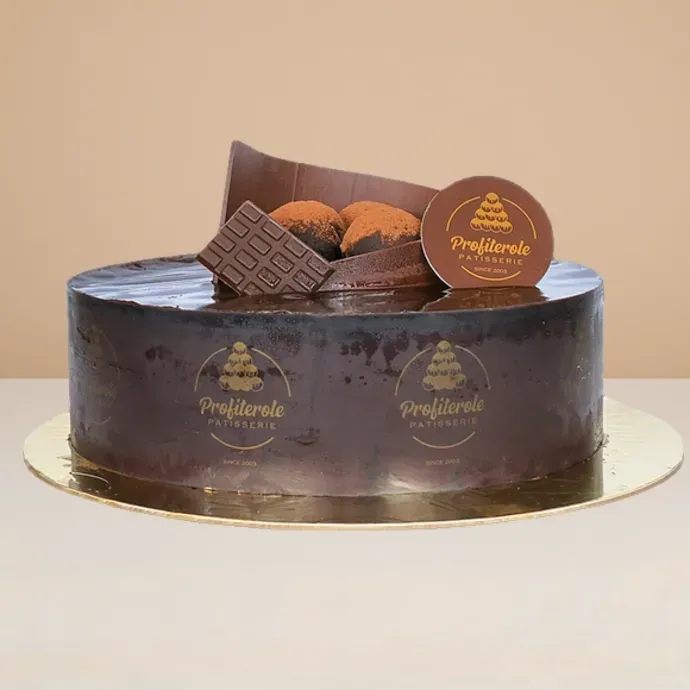
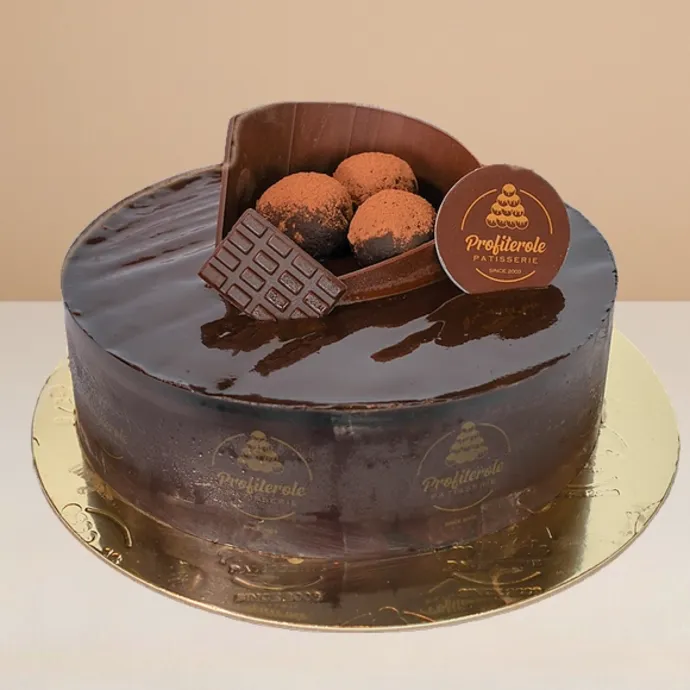
Chocolate Mousse Cake
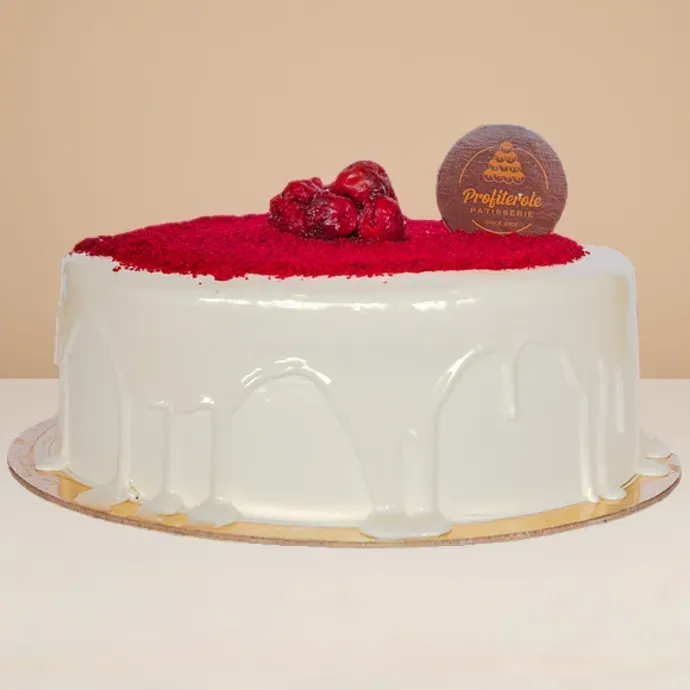
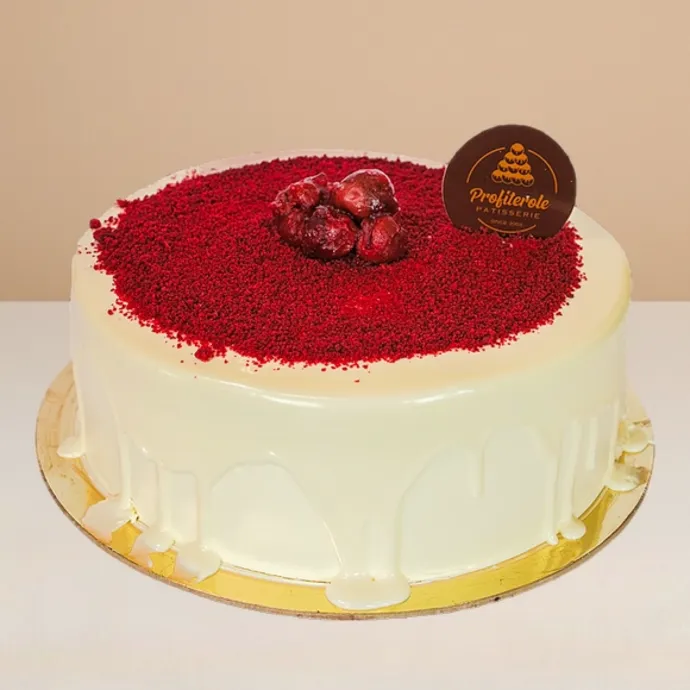
Red Velvet Cake
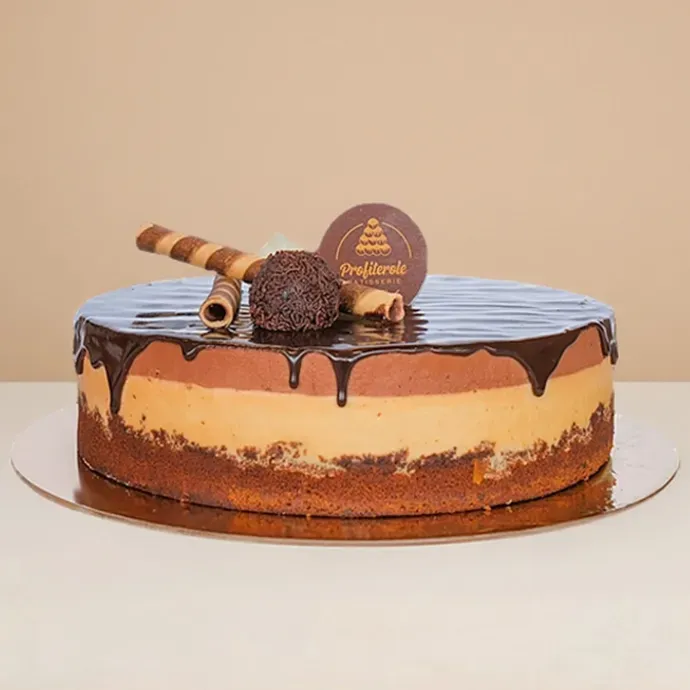
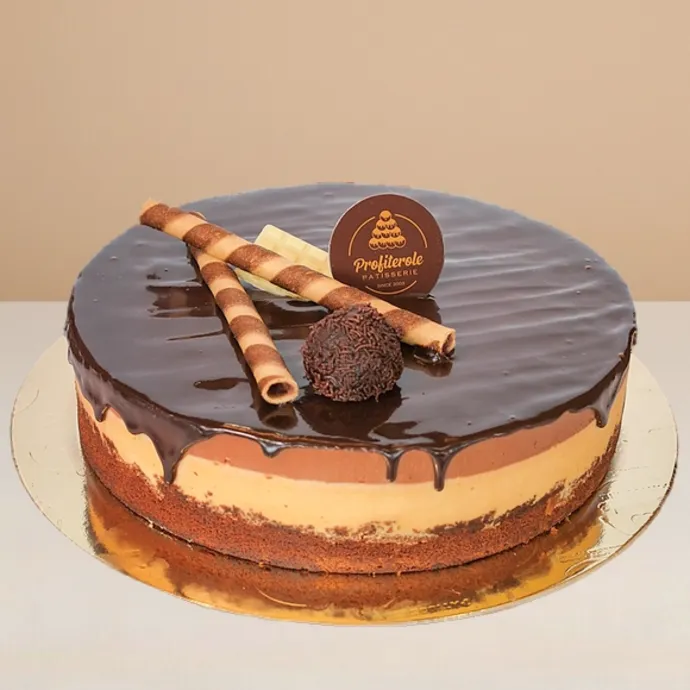
Trio Cake - Round
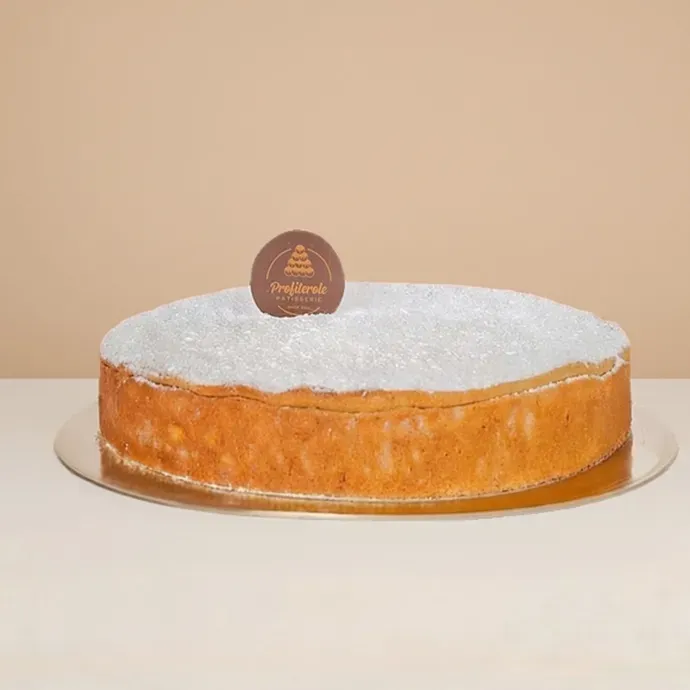
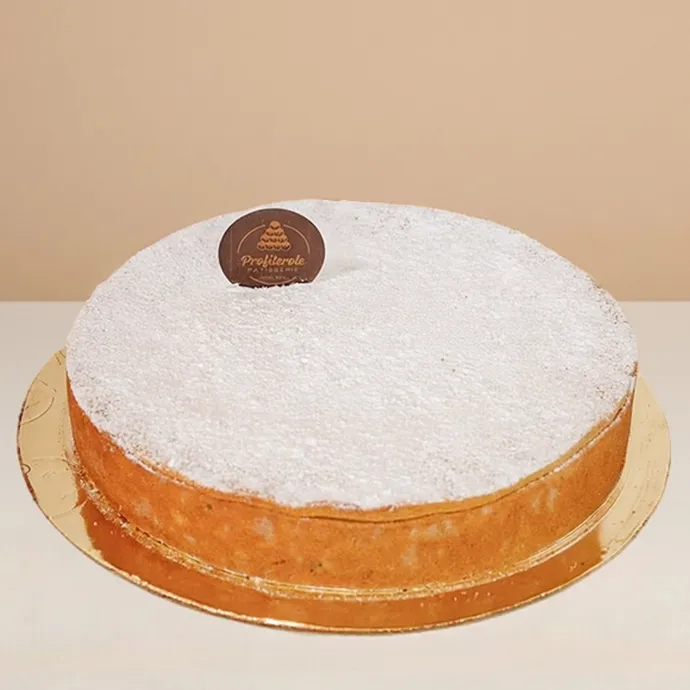
Baked Ricotta Cheesecake
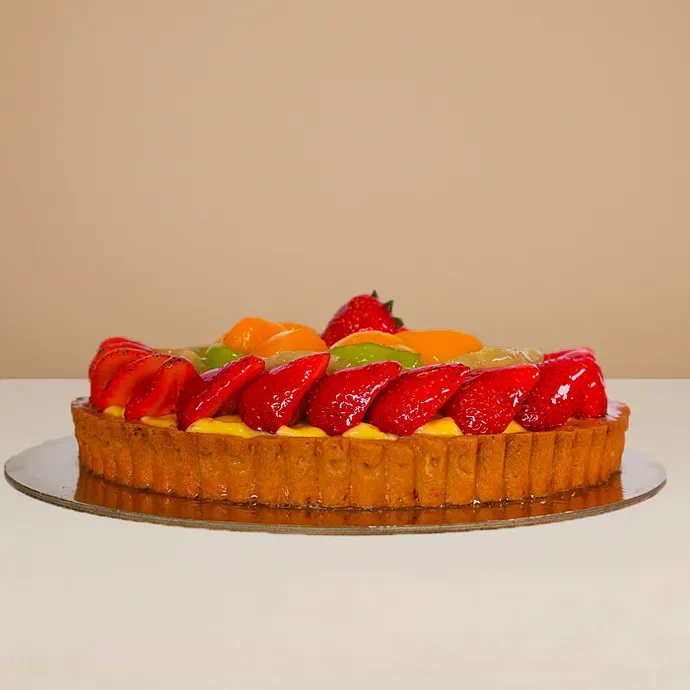
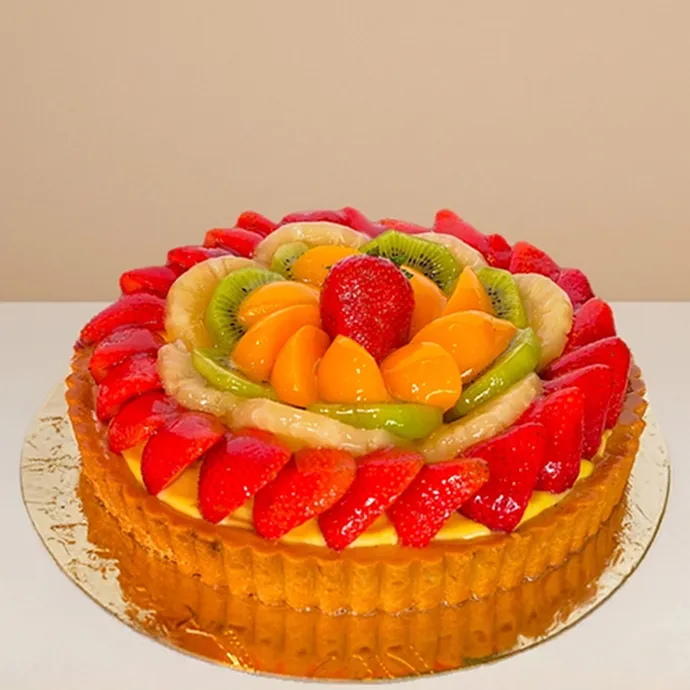
Fruit Cake - Round
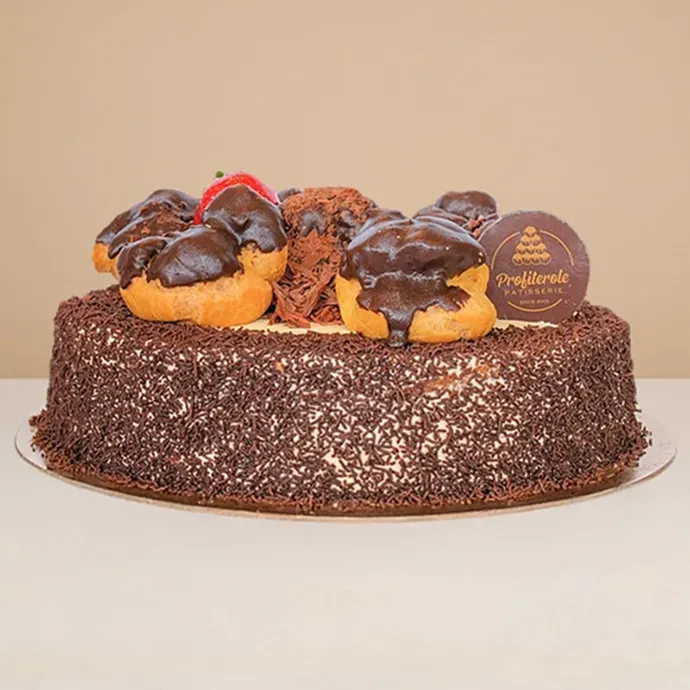
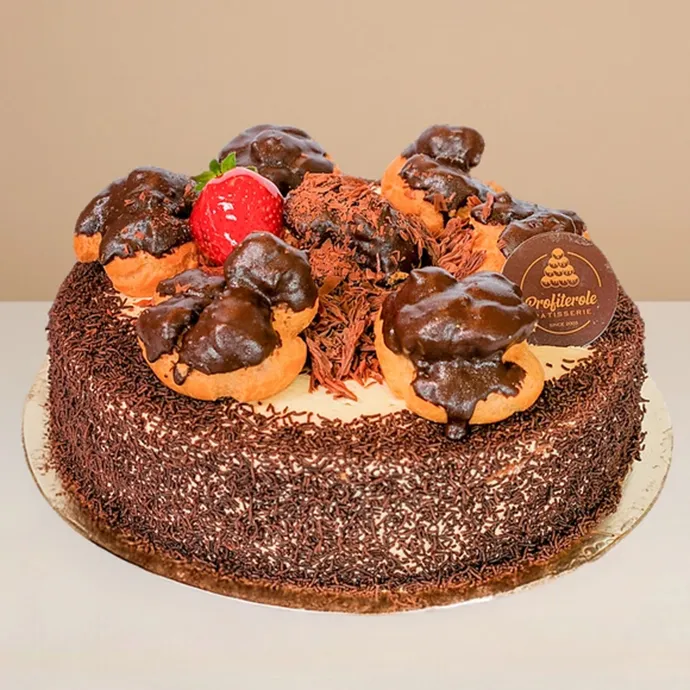
Chocolate Profiterole Cake
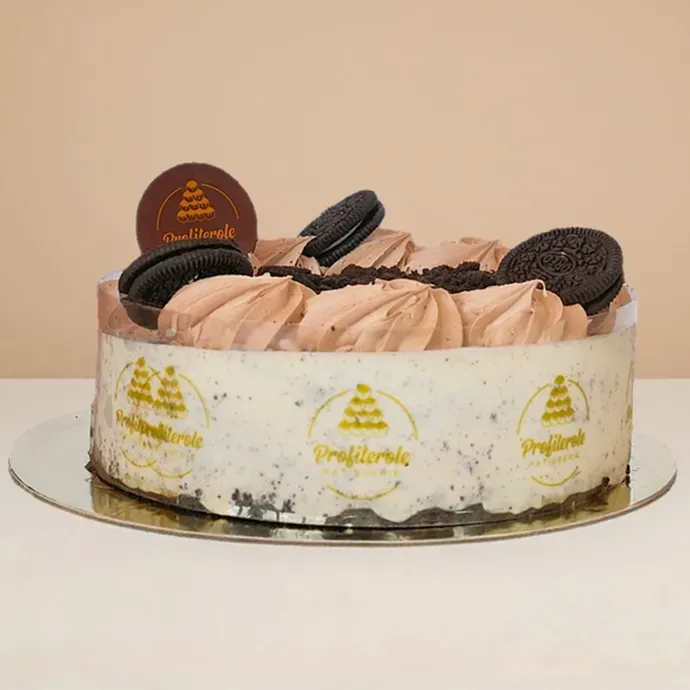
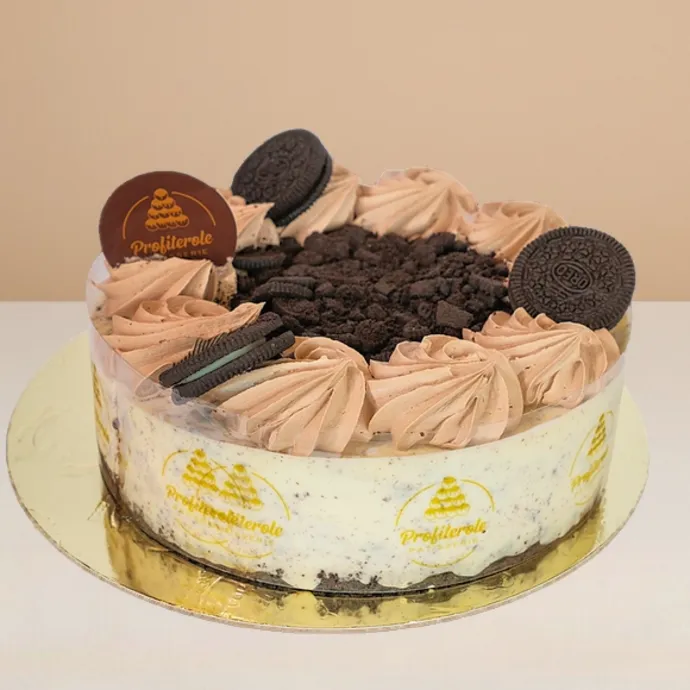
Oreo Cheesecake
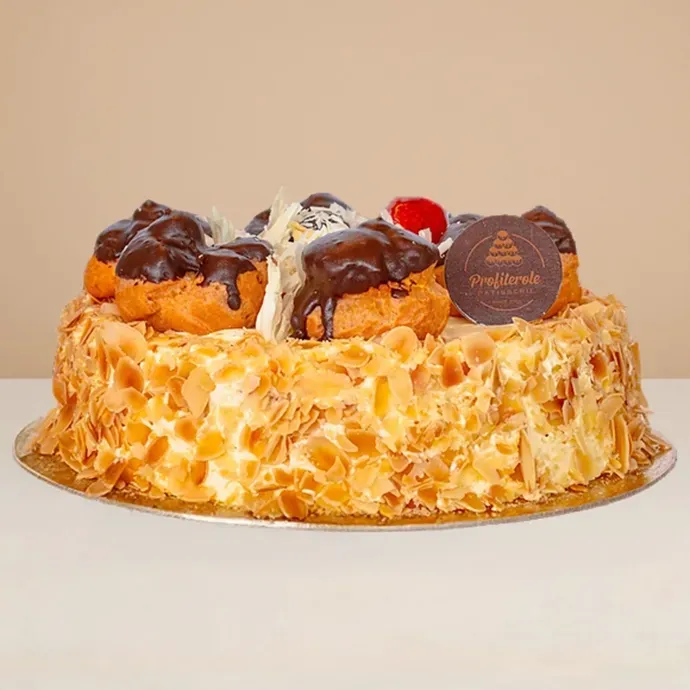
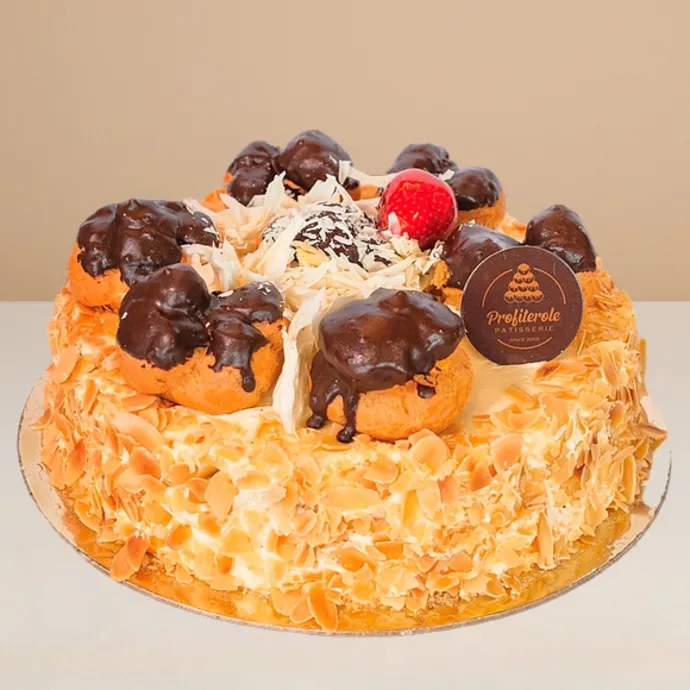
White Profiterole Cake
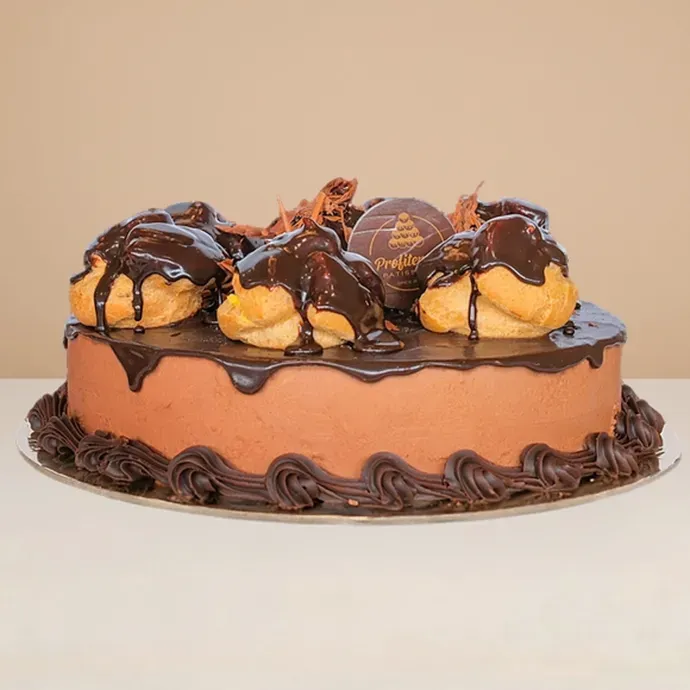
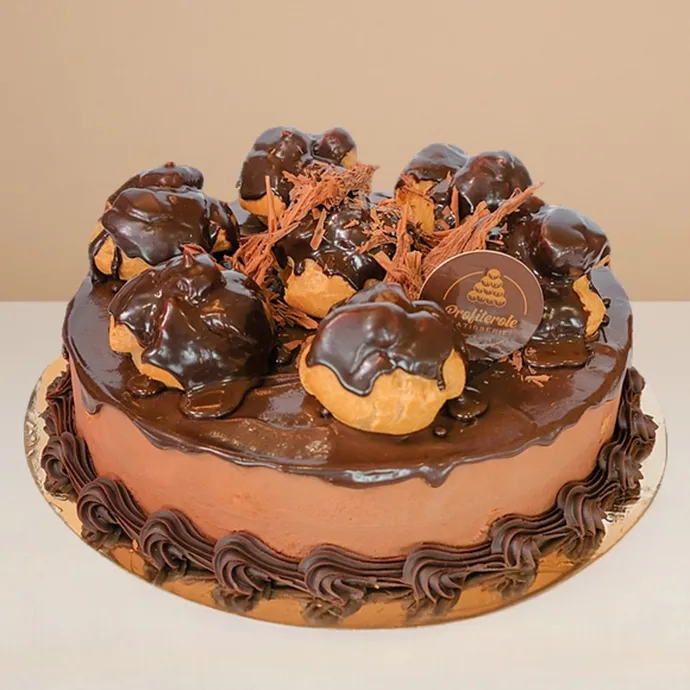
Mousse Profiterole Cake
Mango Cake