What Can I Use for Eggs in Cake? | 7 Easy Swaps for Eggless Baking
Picture this: you have spent your Saturday morning setting up your kitchen bench, measuring out your flour, creaming your butter, and carefully lining your cake tins with baking paper.
You reach into the fridge to grab the final ingredient, only to find the egg carton is completely empty.
In my years at the baking bench, I have seen these scenarios play out countless times, but I always tell people that a missing ingredient should never stop you from baking a beautiful cake. It also shouldn't stop you from using a convenient boxed cake mix for a quick dessert milestone.
This guide is my master manual to help you out, offering seamless ways to swap ingredients so your sponges stay delightfully light, tender, and structurally sound.
TL;DR
Replacing eggs in a cake is simply a matter of matching their underlying food science, meaning you can easily use common household alternatives like unsweetened applesauce or Greek yogurt for moisture, flaxseed gels for structural binding, or a compound mix of baking powder and oil for a light, airy rise. Here's a quick list of these egg substitutes, their impact on cake, and their equivalent in one egg.
| Egg Substitue | Impact on Cake | Baseline Amt. (Per 1 Egg) |
|---|---|---|
| Baking Powder & Oil | Adds light, airy volume; zero background flavour; delicate crumb structure. | 1.5 tsp baking powder + 1.5 tbsp neutral oil + 1.5 tbsp warm water |
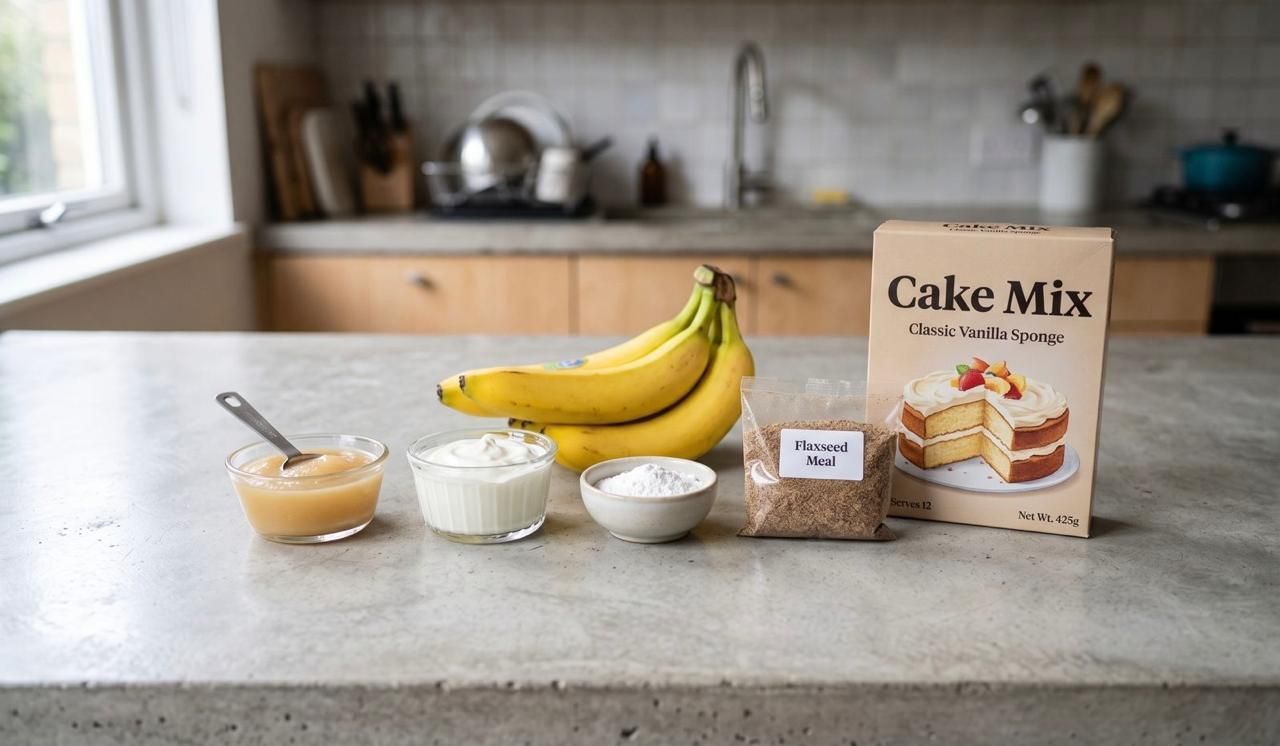
| Mashed Banana | Provides structural binding and heavy moisture; leaves a sweet banana flavour. | 1/4 cup (approx. half a medium fruit, pureed smooth) |
| Unsweetened Applesauce | Adds deep moisture and a tender crumb; completely neutral in flavor. | 1/4 cup (or 4 level tablespoons) |
| Ground Flaxseed Gel | Strong structural binder; creates a slightly nuttier flavor and a denser texture. | 1 tbsp ground flaxseed + 3 tbsp warm water (rest for 7 mins) |
| Greek Yoghurt | Delivers incredible richness and an exceptionally soft, velvety mouthfeel. | 1/4 cup (plain) |
| Silken Tofu | High protein moisture anchor; creates a heavy, dense texture with zero background taste. | 1/4 cup (blended completely smooth and glossy) |
| Chia Seed Paste | High binding strength; leaves small visual specks and a subtle poppy-seed crunch. | 1 tbsp whole or ground chia seeds + 3 tbsp water (rest until thick) |
What Purpose Do Eggs Serve in Baking?
Before we dive into my favorite pantry swaps, let's look at the hidden chemistry of your batter:
Structure and Stability: The Protein Backbone
In my experience, the structural success of a baked sponge depends heavily on how your proteins behave. Whole eggs contain an abundance of structural proteins that remain fluid at room temperature but undergo a major chemical change under the heat of a one-eighty-degree oven.
As your oven temperature climbs, these egg proteins denature and coagulate, weaving a firm, invisible mesh throughout the flour particles. This scaffold locks your crumb into place, giving the slice enough stability to support its own weight and hold onto heavy frostings without falling apart on your plate.
Moisture and Richness: Emulsifying the Fat
Beyond pure strength, eggs are responsible for that luxurious, velvety mouthfeel that makes an indulgent chocolate or vanilla cake so satisfying to eat. This unique tenderness comes from the egg yolk, which contains a high concentration of lecithin, a powerful natural emulsifier.
Lecithin contains molecules that are simultaneously attracted to water and fat, allowing it to bridge the gap between volatile liquids like milk and solid fats like creamed butter or vegetable oil.
Without this natural emulsifier, your cake batter would separate during the baking process, leaking oil into the bottom of your tin and leaving you with a dry, rubbery texture.
Leavening and Lift: The Expansion of Air Pockets
The third vital role that eggs play is providing physical lift and aeration to a delicate sponge structure. When you whip whole eggs or cream butter and sugar together with an electric mixer, the mechanical action forces thousands of microscopic air bubbles into the fat molecules.
Once your lined tin enters the oven, these trapped air pockets catch the steam generated by your liquid ingredients, expanding rapidly to push the batter upwards. Working alongside your chemical raising agents like baking powder, this thermodynamic expansion is what transforms a heavy liquid mixture into a feather-light crumb.
Now that you know the complex function of eggs in cake, let us talk about how it can be substituted in your recipe if you’re looking to bake an eggless cake, or if you’re following a strict vegan diet. Understanding how vegan cakes are made without dairy or eggs gives you broader context into how alternative binding agents perform across an entire recipe.
The Best Egg Substitutes for Baking (And How to Use Them)
Each pantry alternative listed below carries a unique chemical profile that can change the texture, moisture retention, and background flavour notes of your final creation. So be sure to measure accurately and choose the ingredient that suits your recipe best.
Here are my best egg substitutes:
01. Baking Powder and Vegetable Oil: The Ultimate Rise and Crumb Adjustment
I love this clean chemical compound because it bypasses fruit purees entirely, focusing entirely on structural loft and clean moisture retention.
To replace a single large egg, combine one and a half teaspoons of chemical baking powder with one and a half tablespoons of neutral vegetable oil and one and a half tablespoons of warm water. Because this substitution adds plenty of leavening power without introducing heavy starches, it keeps vanilla sponges and white cakes looking beautifully bright and airy.
The final crumb will be slightly more delicate than an egg-based counterpart, so I always advise handling the baked layers gently when stacking your tiers.
02. Mashed Banana: Natural Sweetness and Lasting Moisture
Using ripe bananas is an exceptional way to introduce thick binding starches and rich moisture into dense batters.
My go-to ratio is one-quarter of a cup of thoroughly pureed banana, which equals about half of a medium-sized fruit, to replace one large egg. The natural pectins and thick starches mimic the binding properties of egg whites, keeping the cake remarkably soft for days.
However, you must account for the prominent background banana flavour and sweetness, which makes this method perfect for robust recipes like chocolate mud cakes, caramel cupcakes, and spiced fruit loaves.
03. Unsweetened Applesauce: The Perfect Fat-Mimicking Moisture Booster
For a more neutral fruit-based option that works brilliantly with popular boxed cake mixes, unsweetened applesauce is a fantastic kitchen shortcut.
I use exactly one-quarter of a cup or four level tablespoons of smooth applesauce for every egg called for in your instructions. The natural fruit pectins act as a strong structural binder, trapping moisture within the flour grid without adding any greasy residue or heavy fats.
It creates a beautifully soft, moist crumb that works seamlessly in yellow cakes, spiced apple cakes, or quick breads without altering your intended flavour profile.
04. Ground Flaxseed Gel: The Vegan Binding Champion
If you are aiming for a reliable plant-based option that mimics the structural strength of traditional pastry recipes, ground flaxseeds are the gold standard.
To create a single flax egg, simply whisk one tablespoon of finely ground flaxseed meal into three tablespoons of warm water and let it sit on your bench for seven minutes. During this rest period, the water-soluble gums inside the seed expand to create a thick, gelatinous paste that mirrors the cohesive binding property of raw egg whites.
This substitute adds a slightly nuttier flavour and a denser texture, making it an excellent option for rich carrot cakes, wholesome tea cakes, or muffins.
05. Greek Yogurt: Tangy Protein for a Tender Crumb
Swapping raw eggs for dairy is a wonderful trick for creating a moist, premium mouthfeel.
I recommend using one-quarter of a cup of plain Greek yogurt per large egg, mixing it directly into your wet ingredients. The natural lactic acid present in the yogurt breaks down tough gluten strands within the wheat flour, ensuring an exceptionally tender and velvety crumb structure.
Since yogurt is quite thick and carries its own mild acidity, you may want to add a tiny pinch of extra baking soda to delicate white cake batters to ensure the rise remains perfectly balanced. This yields an exceptionally moist, rich slice. And if you are wondering how to best serve it, we recommend pairing it up with either gelato or ice cream for that cafe-worthy treat.
06. Silken Tofu: Heavy-Duty Density for Mud Cakes and Brownies
When your baking recipe calls for a dense, moist texture rather than a light sponge, silken tofu is an excellent professional option.
Measure out one-quarter of a cup of silken tofu and blend it in a small food processor until it becomes completely smooth and glossy before folding it into your batter. The native soy proteins provide an industrial-strength moisture bridge that mimics the binding of egg yolks without contributing any background flavour.
Because it adds significant structural weight, it should be strictly reserved for dense chocolate mud cakes, fudge brownies, or heavy vegan loaves. (But if you are short on time, ordering a spread of elegant cakes for party guests ensures everyone at your table is catered for effortlessly.)
07. Chia Seed Paste: Structural Binding with a Nutrient Kick
Much like flaxseeds, chia seeds contain unique hydrophilic properties that make them an exceptional vegan alternative for rustic baking.
Whisk one tablespoon of whole or ground chia seeds with three tablespoons of room-temperature water, allowing the mixture to sit until it gelatinizes into a thick mucilage paste. The high soluble fiber content acts as an efficient moisture anchor, holding your flour particles securely together.
Keep in mind that whole chia seeds will leave tiny visual specks and a subtle, poppy-seed-like crunch in your sponge, which pairs beautifully with rustic lemon cakes or berry-filled bakes.
Your Next Successful Bake
Standing in front of your kitchen bench with a missing ingredient or a new dietary requirement should never feel like a baking disaster. The laws of food science are remarkably flexible, and as we have explored, simple everyday staples like applesauce, Greek yogurt, or chemical raising agents can easily rescue your dessert.
By understanding how these alternatives interact with your flour and fats, you can confidently turn any traditional recipe or boxed mix into an eggless success.
The secret to a perfect outcome lies in matching the substitute to your desired cake texture, ensuring you balance density with adequate leavening lift.
So go ahead and preheat your oven, grease your favorite baking tins, and begin mixing your next homemade masterpiece with absolute technical certainty.
At Profiterole Patisserie, we understand that exceptional baking is a perfect harmony of technical precision, reliable ingredients, and pure passion. While our local Sydney kitchens across Guildford, Strathfield, and Penrith specialize in traditional, artisan pastry creations for your unforgettable family moments, we love empowering home bakers to find creative breakthroughs on their own kitchen benches.
Publish date: 06/07/2026

Joey Yaccoub
Head Baker & Operations Manager, Profiterole Patisserie
Joey Yaccoub is the Head Baker at Profiterole Patisserie, bringing over a decade of hands-on experience in artisan cake design and pastry craftsmanship.
He oversees recipe development, product quality, and daily operations across all store locations, ensuring every cake meets the brand’s standards for flavour, presentation, and consistency.
FAQs
What can I substitute for eggs in cake?
You can substitute eggs in a cake by using liquid fruit purees like unsweetened applesauce for deep moisture, thickened plant gels like flaxseed paste for binding, or a blend of baking powder, oil, and water for chemical lift.
The best choice depends entirely on whether your specific recipe requires an airy rise or a dense, moist crumb structure.
Can you use applesauce instead of eggs in cake mix?
Yes, you can confidently use unsweetened applesauce to replace eggs in any commercial boxed cake mix.
Simply swap each large egg with one-quarter of a cup or four tablespoons of smooth applesauce, which keeps the pre-packaged batter wonderfully soft and moist without leaving any heavy, oily residue at the bottom of your tin.
What is a good egg substitute for vegan cakes?
The most effective vegan egg substitutes for a traditional cake structure are ground flaxseed gels and natural aquafaba, which is the whisked liquid from a tin of chickpeas.
These options provide the necessary water-soluble gums to mimic egg white albumins, ensuring your plant-based sponge binds together perfectly without crumbling.
Can I use yogurt as an egg substitute in cake?
Yes, plain Greek yoghurt is an excellent egg substitute that introduces deep richness and structural moisture into cake recipes.
Use one-quarter of a cup of yoghurt per egg to activate your dry ingredients, allowing the natural lactic acid to tenderize the flour and yield a beautiful, velvety mouthfeel.
How much oil to substitute for 1 egg?
To properly substitute one egg using vegetable oil, you should combine one and a half teaspoons of baking powder with one and a half tablespoons of neutral oil and one and a half tablespoons of warm water.
Relying purely on oil without water and a raising agent will make your cake batter excessively heavy and greasy instead of fluffy.
Cakes made without compromises. Find them here:


Profiterole Tower - Classic Chocolate
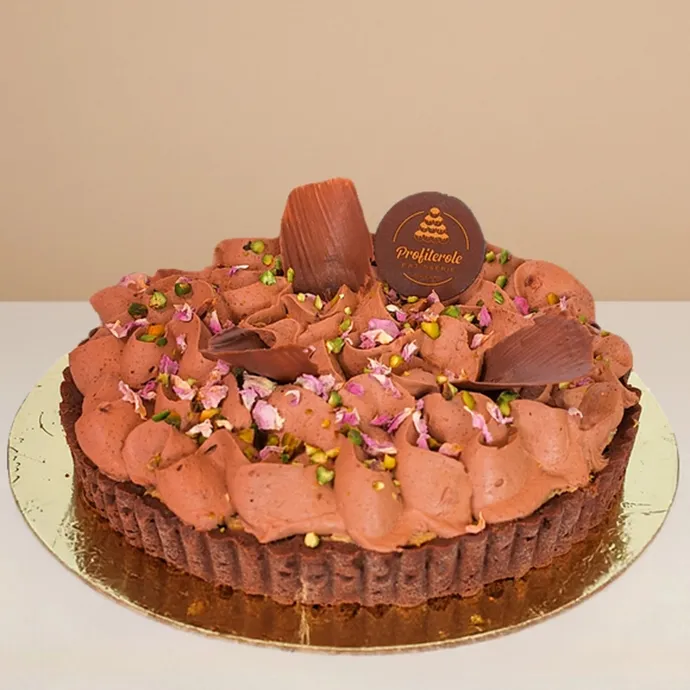
Dubai Chocolate Cake
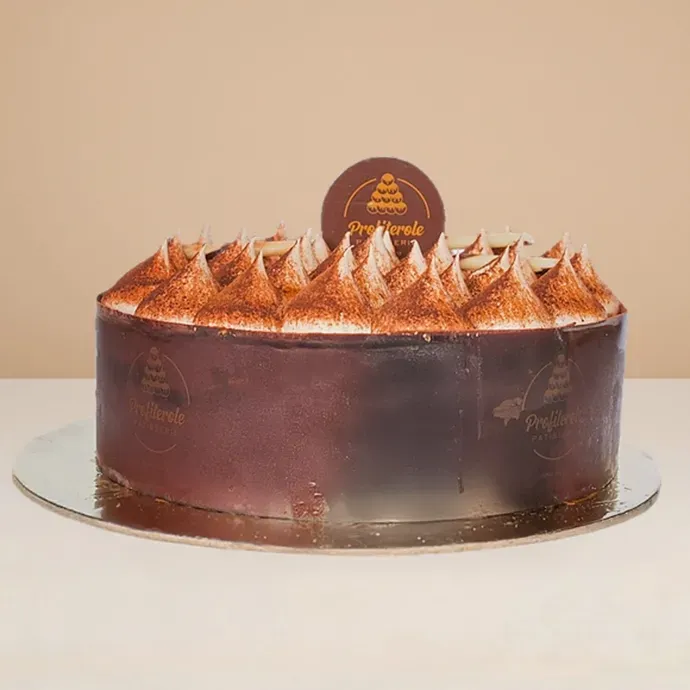
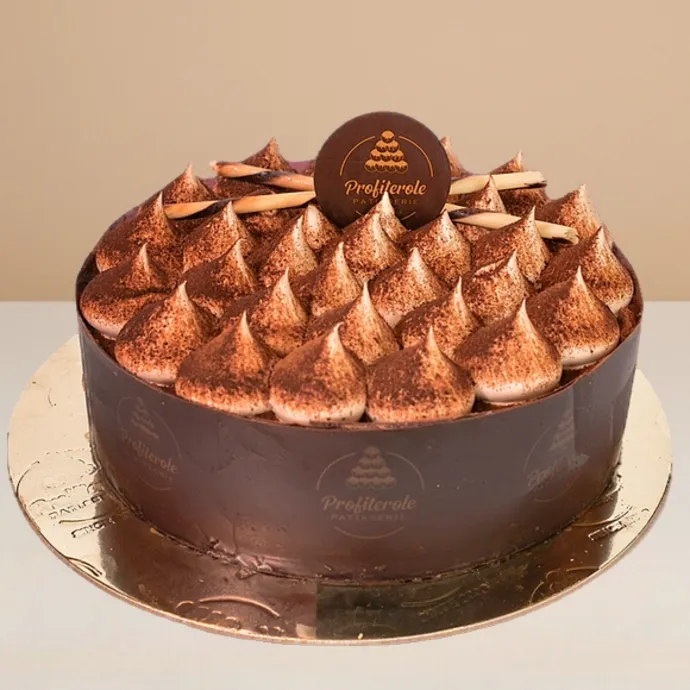
Tiramisu Cake
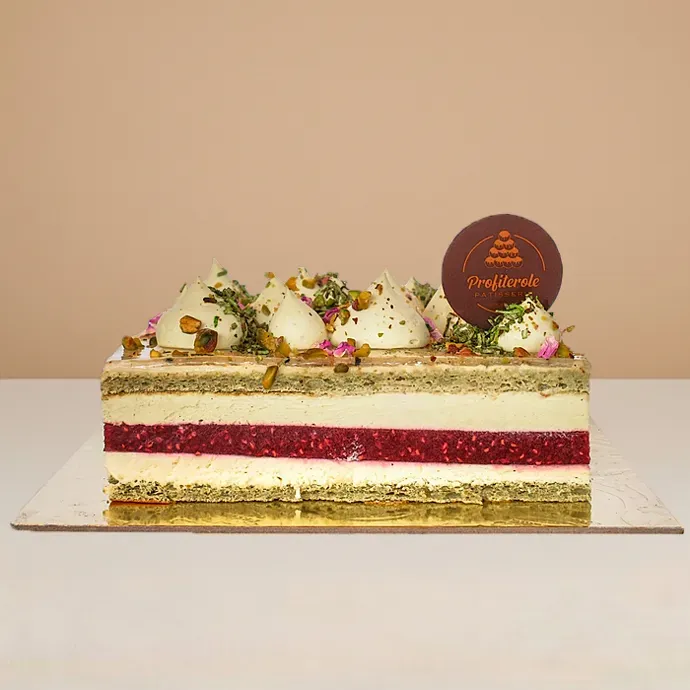
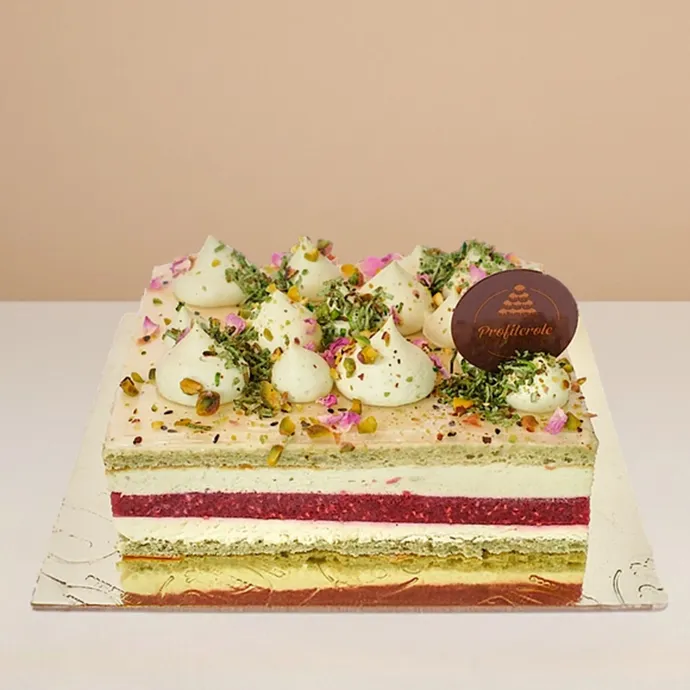
Pistachio Raspberry Bliss Cake
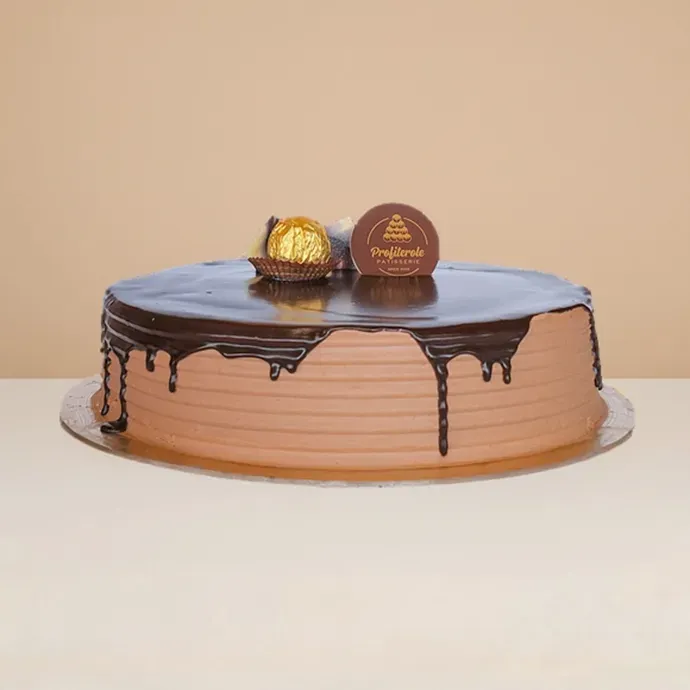
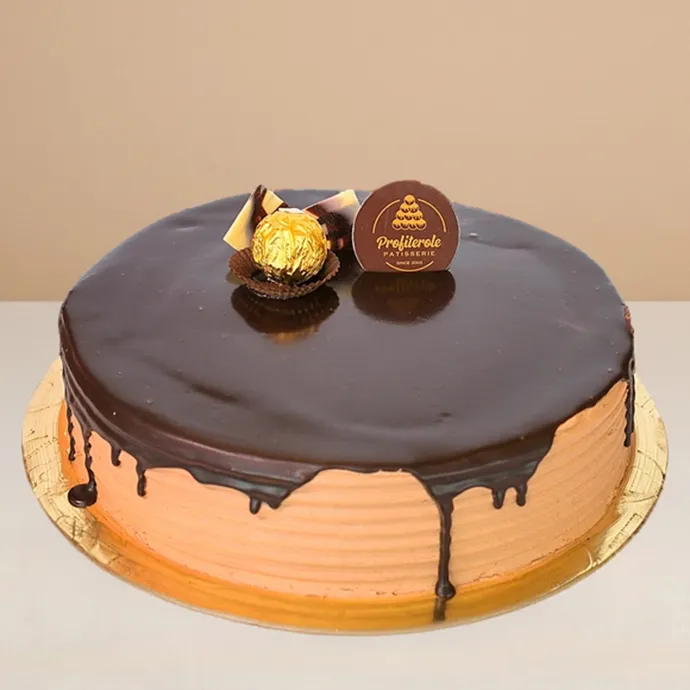
Ferrero Rocher Cake
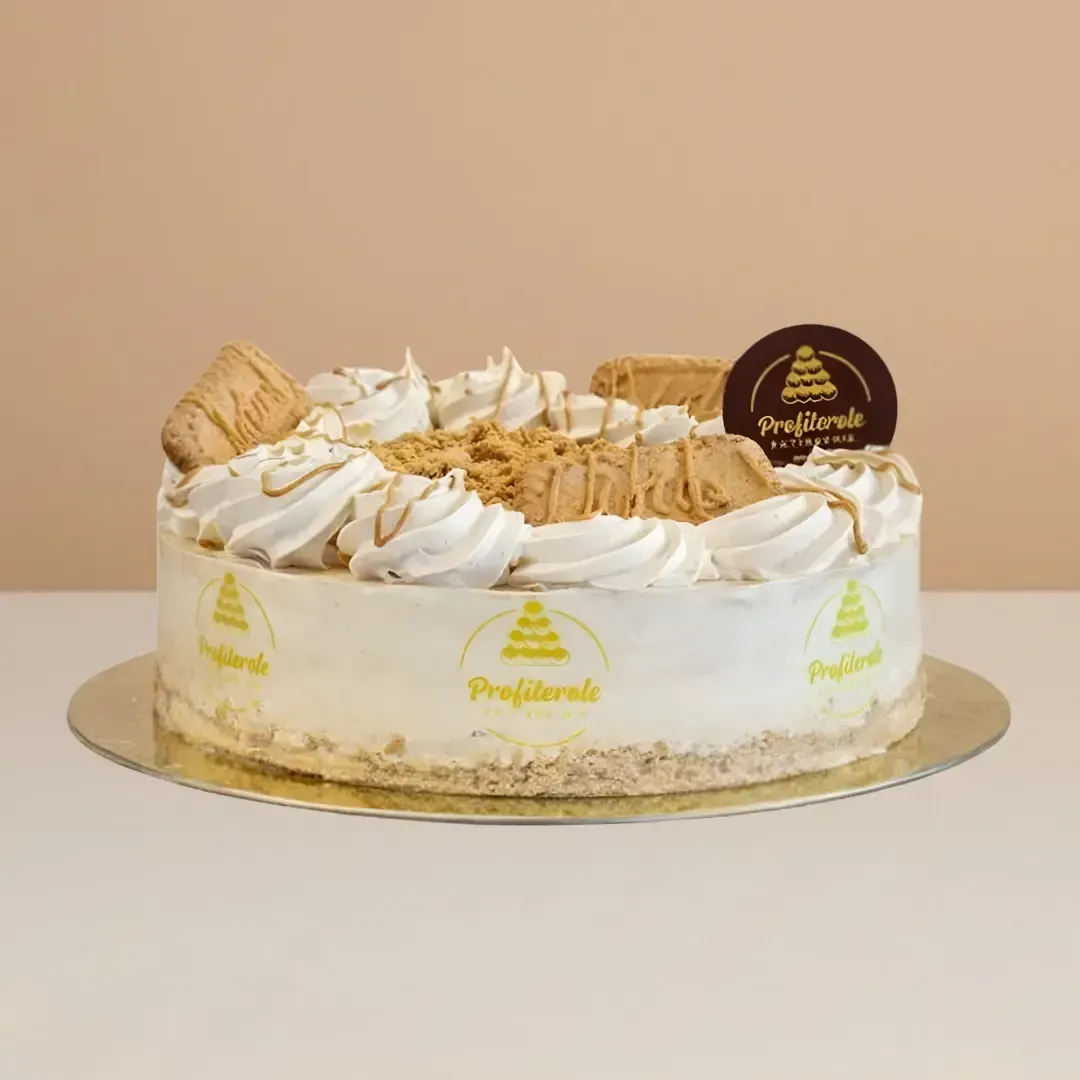
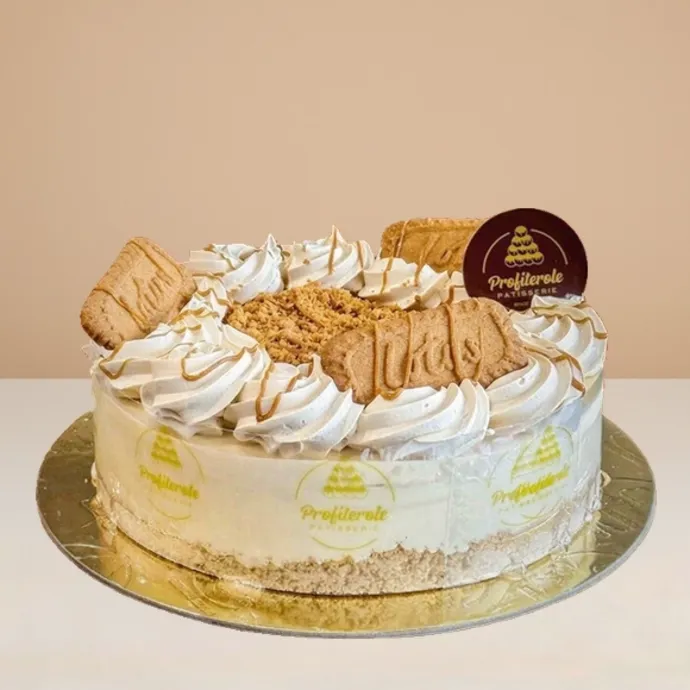
Lotus Biscoff Cheesecake

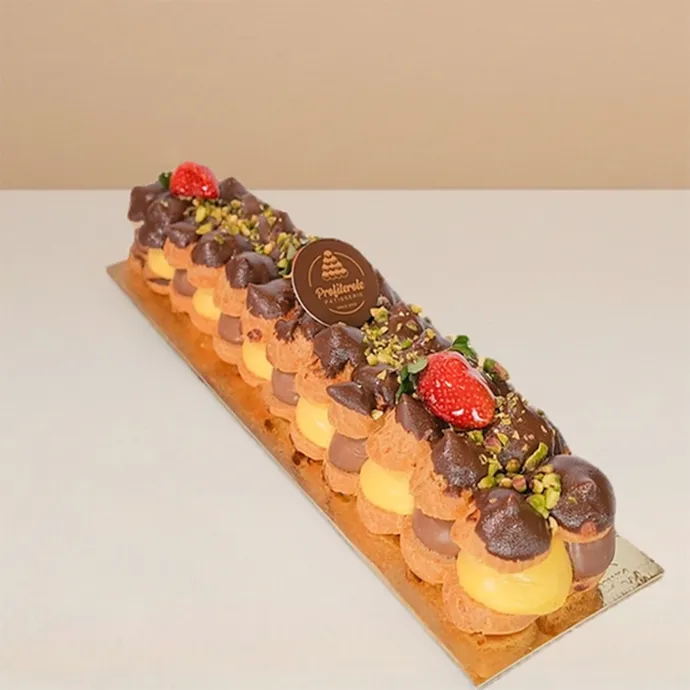
Profiterole Log Cake
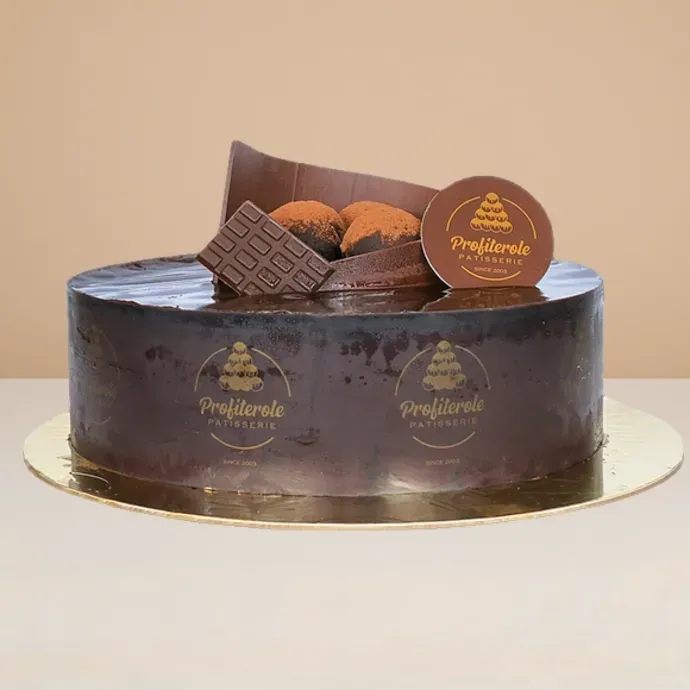
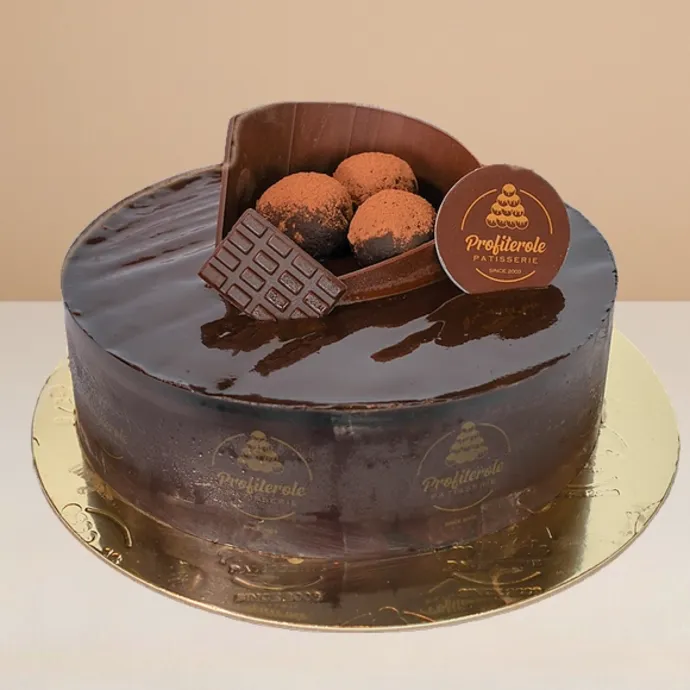
Chocolate Mousse Cake
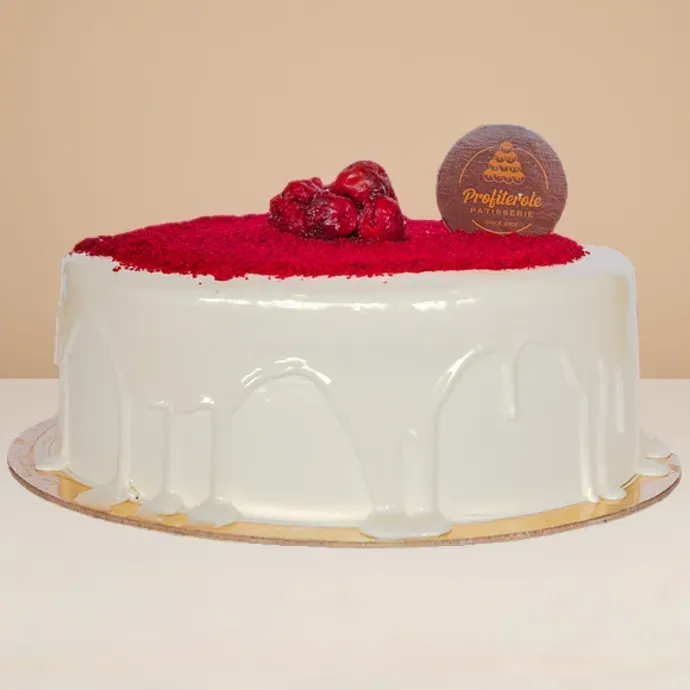
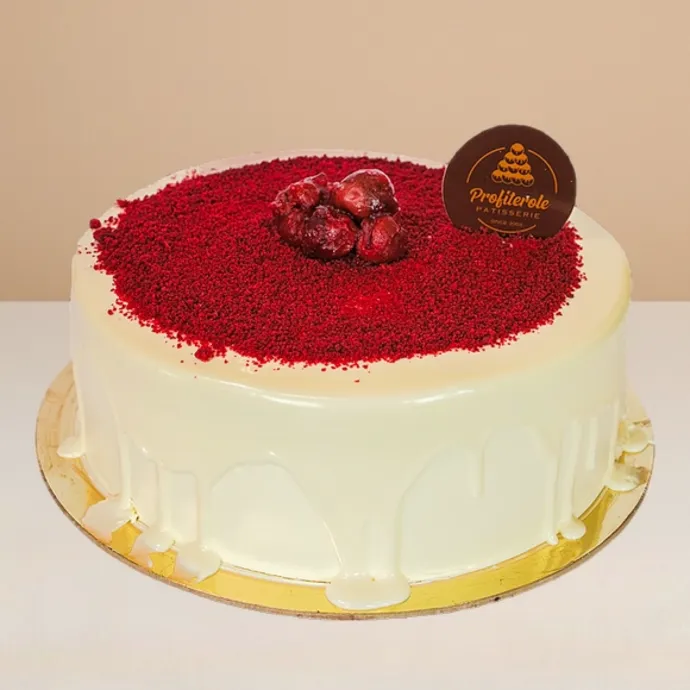
Red Velvet Cake
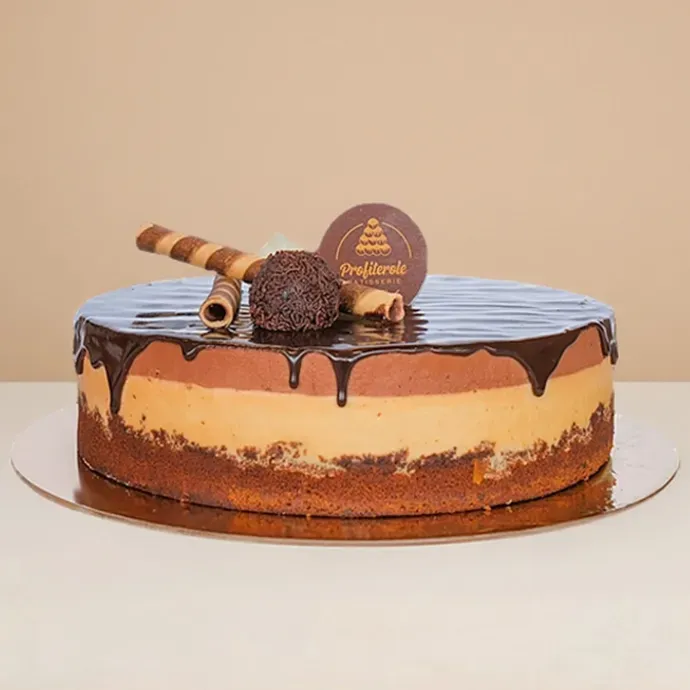
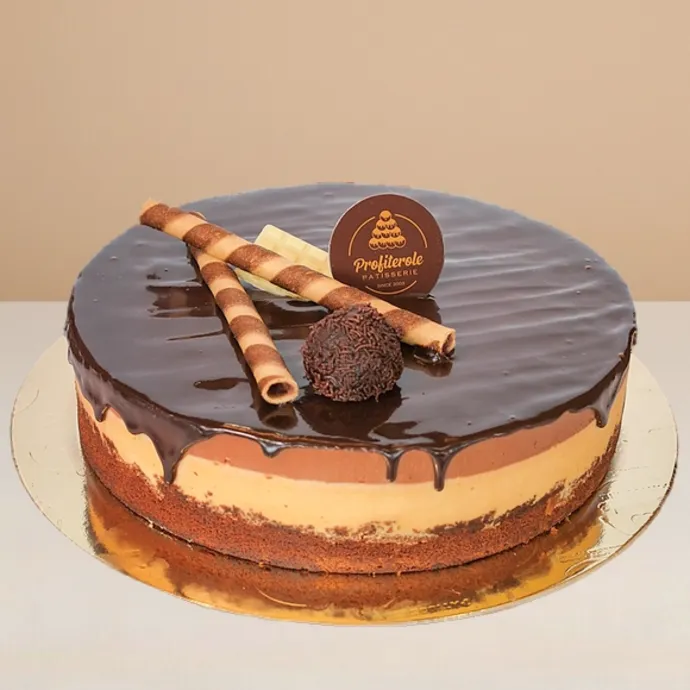
Trio Cake - Round
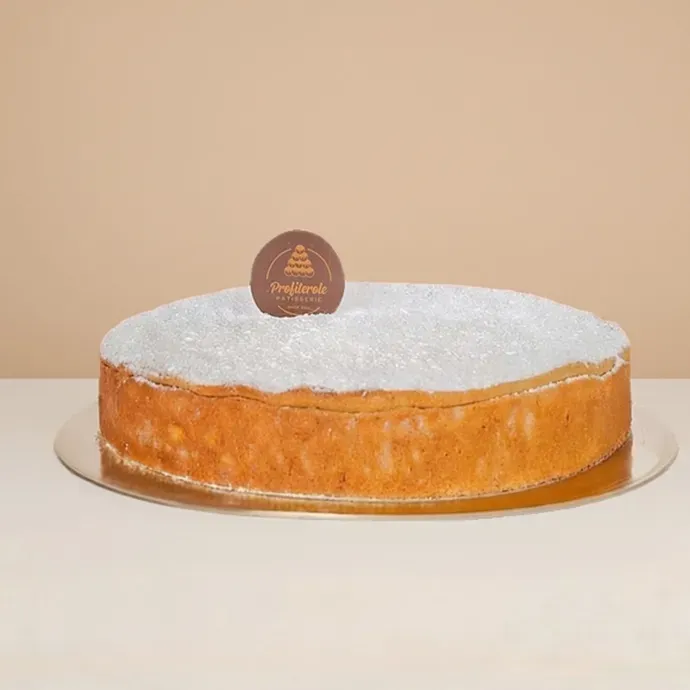
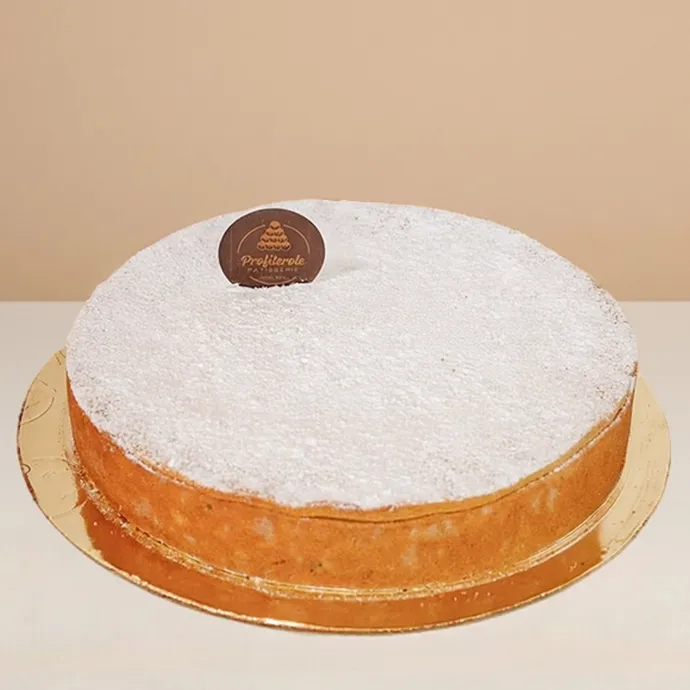
Baked Ricotta Cheesecake
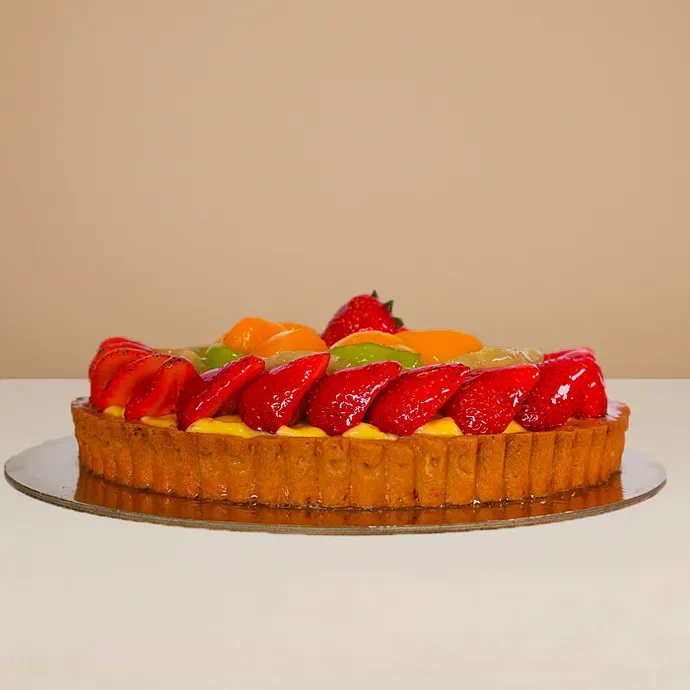
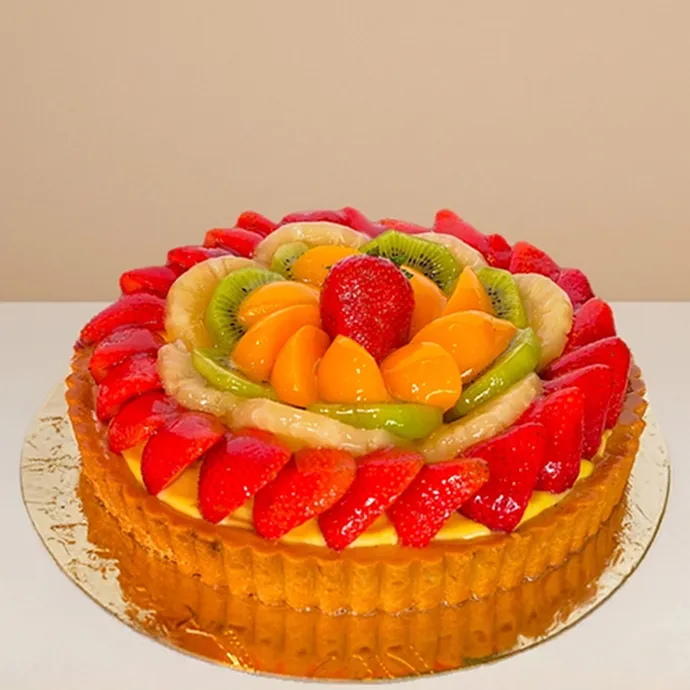
Fruit Cake - Round
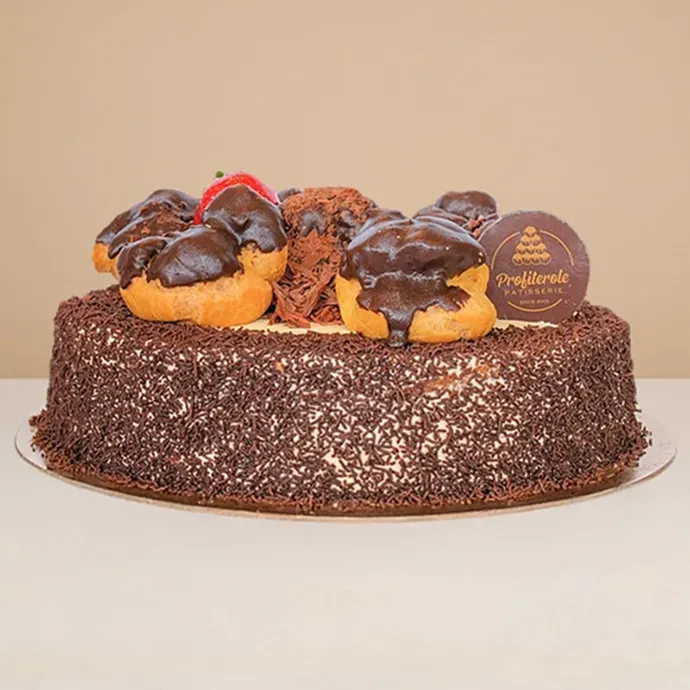
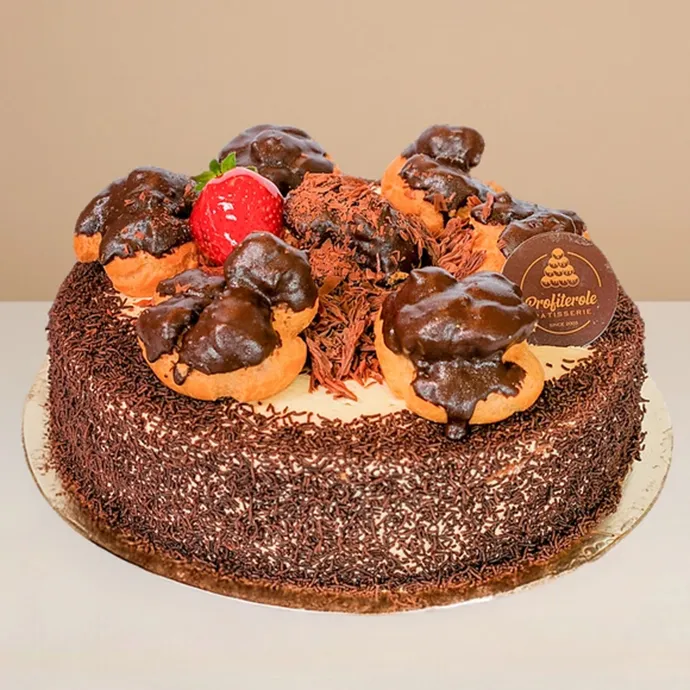
Chocolate Profiterole Cake
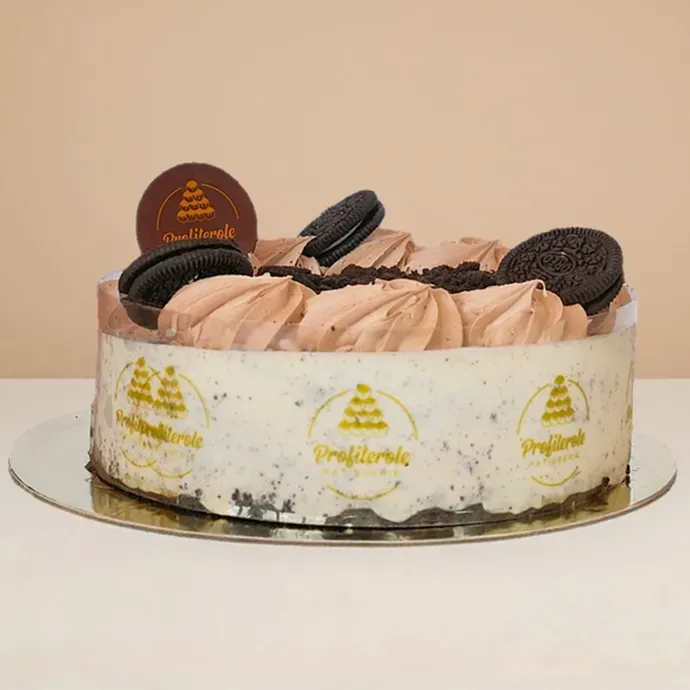
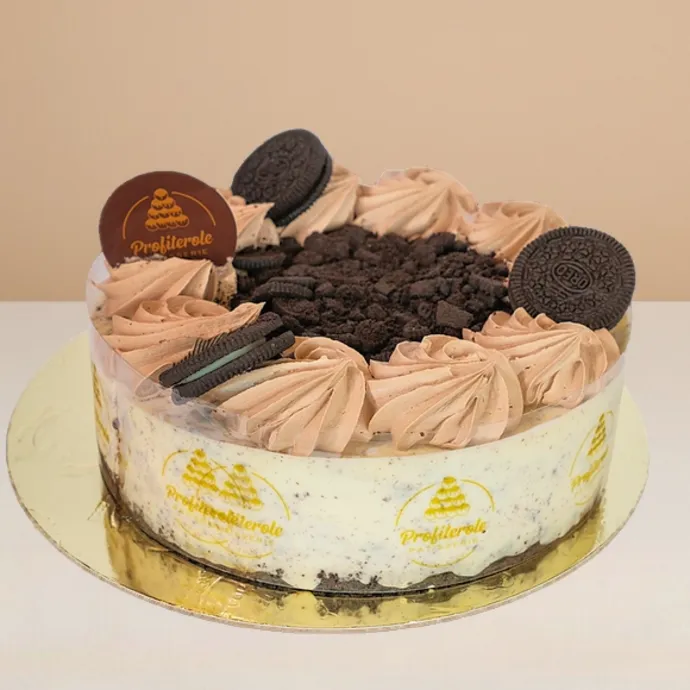
Oreo Cheesecake
White Profiterole Cake
Mousse Profiterole Cake
Mango Cake