What Is Mille-Feuille or Napoleon Pastry? History and Experience
Few desserts capture the architectural precision and sensory drama of French baking quite like the mille-feuille.
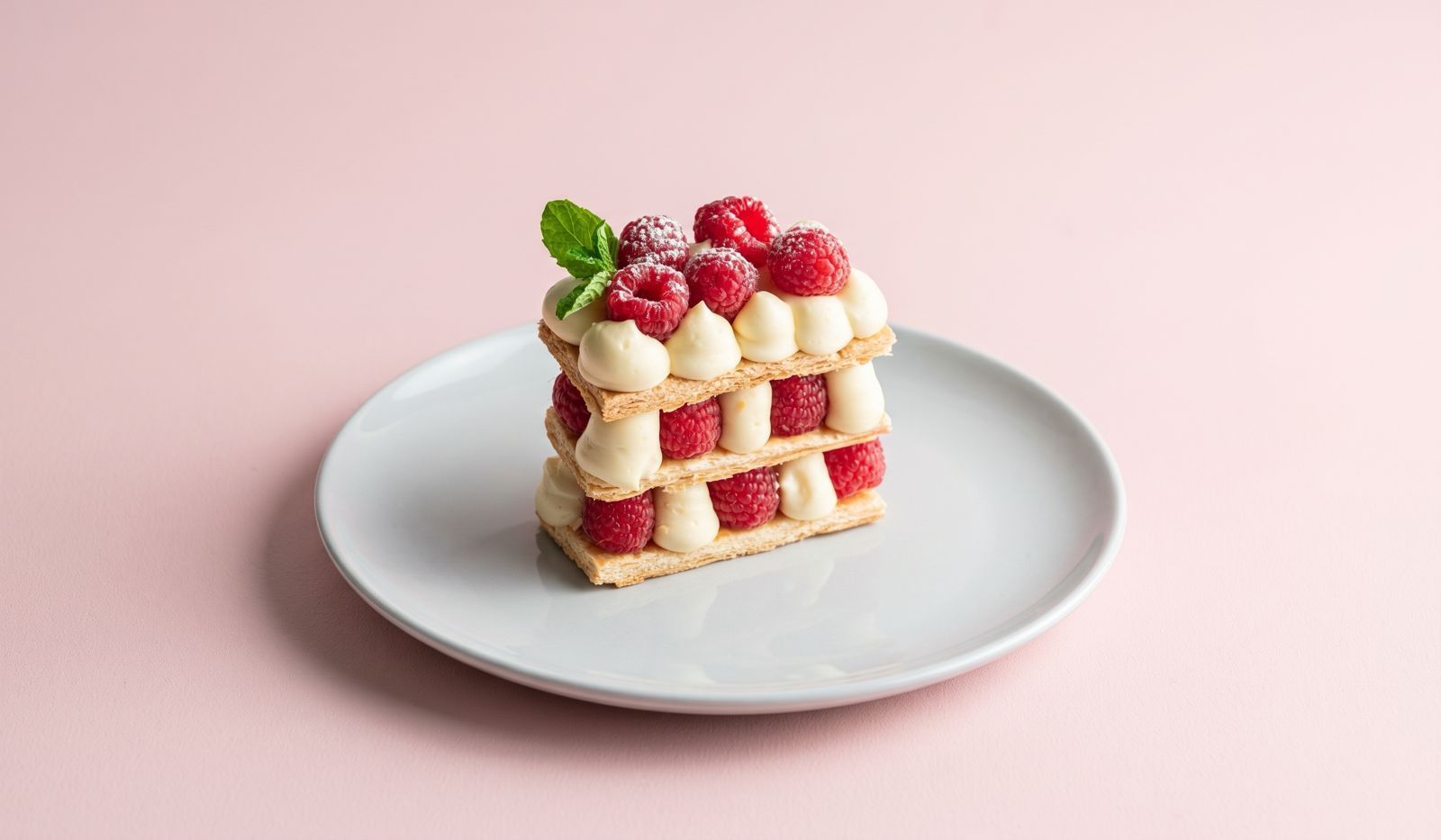
Known across much of the English-speaking world as the Napoleon, this showpiece dessert layers paper-thin, caramelized sheets of puff pastry with cool, silky vanilla bean custard, finished with its unmistakable feathered chocolate-and-vanilla glaze.
While everyday laminated bakes offer buttery morning comfort, the mille-feuille represents the summit of technical patisserie engineering.
And in this article, I’ll share some more knowledge about this classic French piece of baking art.
TL;DR:
A mille-feuille (or Napoleon) is a classic French pastry constructed from three sheets of crisp, unyeasted puff pastry (pâte feuilletée) alternating with two thick layers of vanilla pastry cream (crème pâtissière). Unlike yeasted morning bakes such as croissants and fruit danishes, it relies entirely on steam for its brittle, multi-layered crunch, offering a striking contrast of shattering pastry and velvety chilled cream.
| Pastry | Dough Type | Leavening Agent | Interior Texture | Filling & Finish | Typical Occasion |
|---|---|---|---|---|---|
| Mille-Feuille | Unyeasted pâte feuilletée | Pure water steam | Brittle, crisp, flaky sheets | Vanilla crème pâtissière; feathered fondant or powdered sugar | Afternoon tea, plated dessert |
| Croissant | Yeasted laminated dough | Baker's yeast + steam | Open, pillowy, elastic honeycomb | All-butter crumb; plain golden crust | Morning breakfast |
| Danish Pastry | Sweetened, egg-enriched yeasted dough | Baker's yeast + steam | Soft, tender, bread-like flake | Spiced fruit compotes, cream cheese, or custard glazes | Brunch, breakfast sweet |
A Brief History: From 17th-Century France to the "Napoleon"
The origins of this iconic pastry combine aristocratic French kitchens with centuries of evolving culinary technique.
The 1651 Genesis: François Pierre de La Varenne
The earliest documented recipe for a layered pastry resembling the mille-feuille appeared in 1651 in François Pierre de La Varenne’s revolutionary cookbook, Le Cuisinier François. La Varenne's work marked a turning point in European cooking, moving away from heavy medieval spices toward technique, butter, and refined pastry doughs.
Over a century later, Marie-Antoine Carême, the legendary "chef of kings and king of chefs"—perfected the dessert in the early 19th century, standardizing the three-tier architectural format with set vanilla custard that remains the benchmark in patisseries today.
Mille-Feuille vs. Napoleon: Untangling the Name
The French name mille-feuille translates directly to "a thousand leaves" or "a thousand sheets," referencing the dizzying number of paper-thin pastry layers formed during lamination.
In English-speaking nations and parts of Northern and Eastern Europe, the dessert is commonly ordered as a Napoleon. Contrary to popular folklore, the name is not a tribute to French Emperor Napoleon Bonaparte.
Instead, food historians trace the term to a French mispronunciation of the adjective napolitain, referring to the elaborate layered pastry traditions of Naples, Italy. Over decades of cross-border culinary trade, gâteau napolitain gradually transformed into "Napoleon pastry."
What Makes Mille-Feuille Distinct? Texture, Taste, and Experience
To understand why the mille-feuille occupies such a revered pedestal in pastry arts, one must contrast it with other world-famous laminated French pastries such as Croissants and Danish.
Mille-Feuille vs. Croissants and Danish Pastries
While croissants, danishes, and mille-feuille all share a laminated structure of butter folded repeatedly into dough, their underlying formulas create completely different dining experiences:
The Leavening Difference:
Croissants and Danish pastries are classified as viennoiserie. They use yeast-leavened doughs that ferment, proof, and rise into soft, aerated pastries with a bread-like bite. A mille-feuille, by contrast, uses unyeasted pâte feuilletée (classic puff pastry). Its rise is powered solely by trapped water evaporating into steam in a hot oven, forcing hundreds of microscopic dough layers apart without expanding into a spongy crumb.
Crumb Density and Resistance:
Biting into a fresh croissant yields a soft, tender, and elastic pull. A Danish offers a pillowy, brioche-like sweetness. A mille-feuille rejects chewiness altogether; it delivers an immediate, brittle fracture that shatters under the tooth.
The Sensory Experience: Shatter vs. Silk
The true magic of eating a mille-feuille lies in acoustic and thermal harmony:
The Audible Shatter:
Your fork or teeth break through the rigid, golden, caramelized top pastry wafer with a sharp snap.
The Velvety Cushion:
The brittle pastry yields instantly to the dense, cool, and fragrant creaminess of whole-milk vanilla pastry cream.
The Balance of Sugar and Salt:
Unsweetened, salted butterfat in the puff pastry tempers the natural sweetness of the custard and the sweet crackle of the fondant glaze, preventing the dessert from feeling cloying.
The Artisan Baking Process: How the "Thousand Sheets" Are Born
Crafting an authentic mille-feuille is a rigorous test of a baker's patience, temperature control, and precision.
Master Lamination (Pâte Feuilletée)
The foundation begins with a simple flour-and-water dough (détrempe) wrapped around a chilled block of high-fat cultured butter (beurrage). The baker rolls, folds, and turns the dough through five or six consecutive cycles. Mathematically, this folding sequence creates up to 729 to 2,048 individual, alternating layers of chilled dough and butter. When baked, the water in the dough turns to steam, pushing each butter-crisped layer outward.
The Weighted Bake and Sugar Caramelisation
Unlike standard puff pastry, which is encouraged to balloon into tall, irregular shapes, mille-feuille pastry requires extreme discipline:
The Weighted Sheet:
Bakers place heavy wire racks or perforated baking sheets directly on top of the pastry dough during the initial bake. This restrains the steam, forcing the pastry to bake into dense, uniformly flat, razor-sharp wafers.
Caramelization as a Moisture Shield:
In the final five minutes of baking, the weights are removed, and the sheets are dusted with fine icing sugar before returning to high heat. The sugar melts into a thin, glassy layer of golden caramel. This not only adds a delicate toffee crunch, but also forms a waterproof barrier that prevents the damp custard from turning the crisp pastry soggy.
Assembly and the Iconic Feathered Glaze
Once thoroughly cooled, the pastry sheets are layered:
Crème Pâtissière:
Pastry chefs pipe neat, uniform domes of chilled vanilla bean pastry cream (or crème mousseline, enriched with whipped butter for added structural firmness) across the first two layers.
Feathered Chevron Glaze:
The top pastry sheet is coated in smooth white fondant or royal icing. While the icing is wet, parallel lines of melted dark chocolate are piped across the surface. A baker draws the tip of a paring knife back and forth perpendicularly through the lines, pulling the chocolate into the pastry’s signature marble or feather pattern.
The Pastry Chef's Technique for Slicing
Because the pastry layers are crisp and the custard is soft, cutting down with a dull knife crushes the dessert, squeezing the cream out the sides. To slice a mille-feuille cleanly:
- Use an exceptionally sharp, fine-toothed serrated knife.
- Saw with rapid, light, featherweight strokes rather than pushing downward.
- Alternatively, gently turn the assembled mille-feuille onto its side on a cutting board, slicing through the pastry edges horizontally to preserve the cream layers intact.
That Unforgettable First Crisp, Shattering Bite
Whether ordered in a Parisian salon de thé or discovered at an artisan bakery counter, a freshly assembled mille-feuille invites you to slow down and savour the deliberate contrast between warm, golden flakes and cold, rich vanilla bean cream.
Taking that first crisp, shattering bite is a rite of passage for every dessert lover, revealing why century-old pastry craftsmanship remains truly unforgettable.
If you are looking for a place that serves classic French bakes and more, I’d like to humbly invite you to visit Profiterole Patisserie in Sydney. Our café takes pride in its artisan cakes, coffee, and pastries. I’d be delighted to meet you.
You can also order online and we will have your desserts delivered fresh on the next day.
Publish date: 14/09/2026

Joey Yaccoub
Head Baker & Operations Manager, Profiterole Patisserie
Joey Yaccoub is the Head Baker at Profiterole Patisserie, bringing over a decade of hands-on experience in artisan cake design and pastry craftsmanship.
He oversees recipe development, product quality, and daily operations across all store locations, ensuring every cake meets the brand’s standards for flavour, presentation, and consistency.
FAQs
What is mille-feuille called in English?
In English-speaking countries, mille-feuille is most commonly called a Napoleon or Napoleon pastry. In Britain and Australia, simplified bakery variations are often referred to as a custard slice or vanilla slice.
How do I pronounce mille-feuille?
Mille-feuille is pronounced phonetically in French as meel-foy (or meel-fuh-yuh). The double "l" in French produces a soft "y" sound rather than a hard English "l."
What does mille-feuille mean?
Mille-feuille translates literally from French to "a thousand leaves" or "a thousand sheets." The name describes the hundreds of paper-thin, delicate pastry layers produced when puff pastry dough is repeatedly folded with butter.
Is mille-feuille the same as vanilla slice?
While they are close relatives, they differ in execution. A traditional French mille-feuille features three thin, shatteringly crisp, caramelized puff pastry sheets filled with piping of rich vanilla crème pâtissière. An Australian or British vanilla slice typically features two softer sheets of pastry sandwiching a single, thick, gelatin-set block of firm custard, often topped with plain white or passionfruit icing.
Is mille-feuille hard to make?
Making mille-feuille entirely from scratch is technically demanding because laminating puff pastry and cooking custard without curdling requires precise temperature control. However, home bakers can easily create an impressive version by using high-quality all-butter store-bought puff pastry, baking it weighted beneath a sheet pan to keep it flat, and filling it with homemade vanilla bean pastry cream.
Craving French Artisan Desserts? Check these out 👇
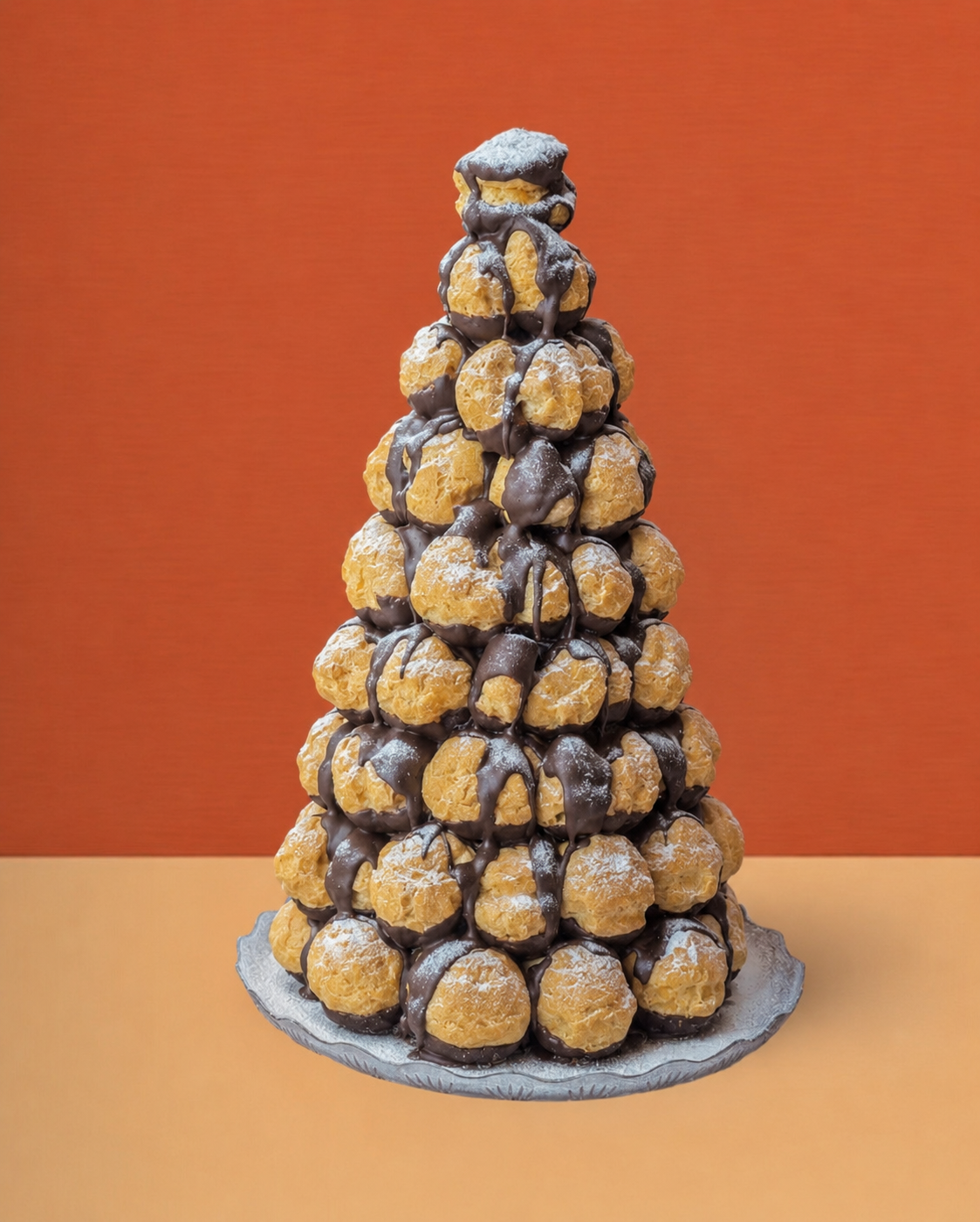
Profiterole Tower - Classic Chocolate
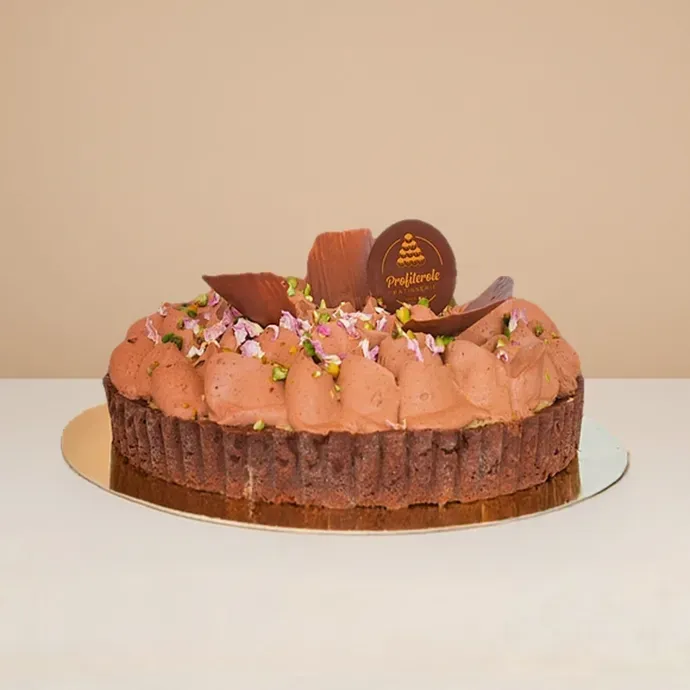
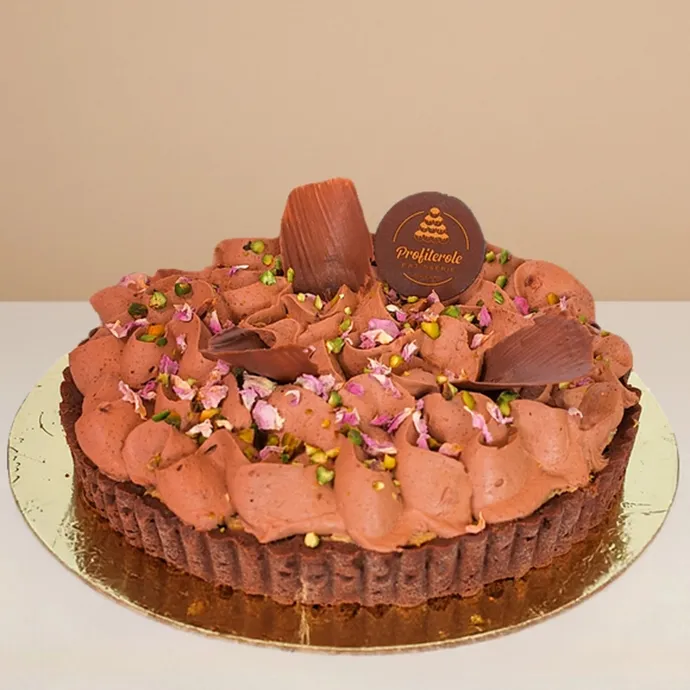
Dubai Chocolate Cake
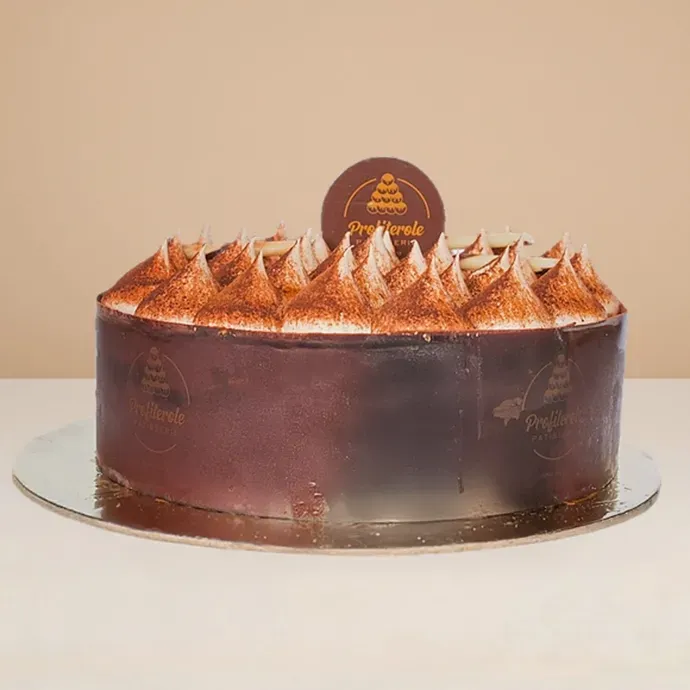
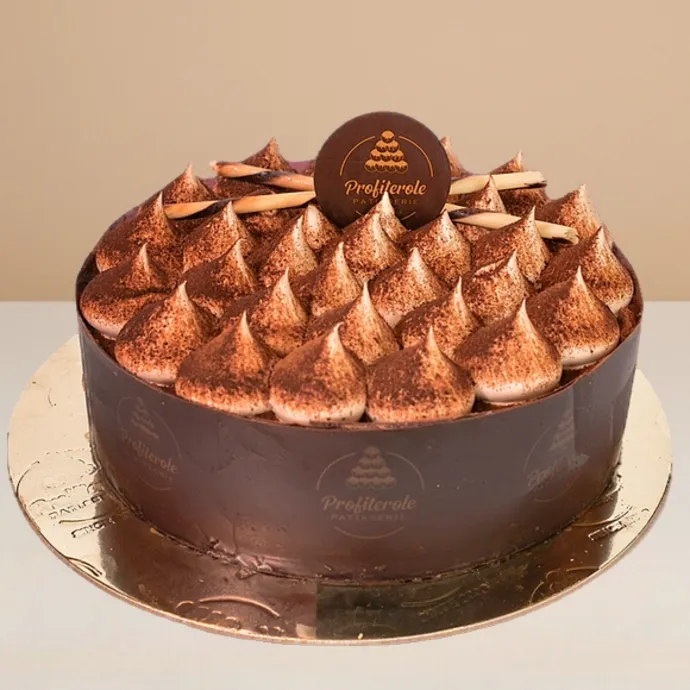
Tiramisu Cake
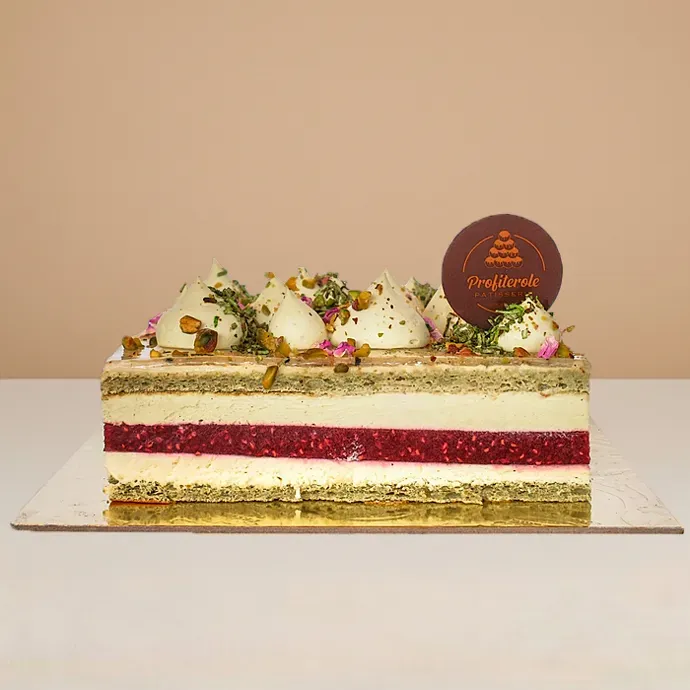
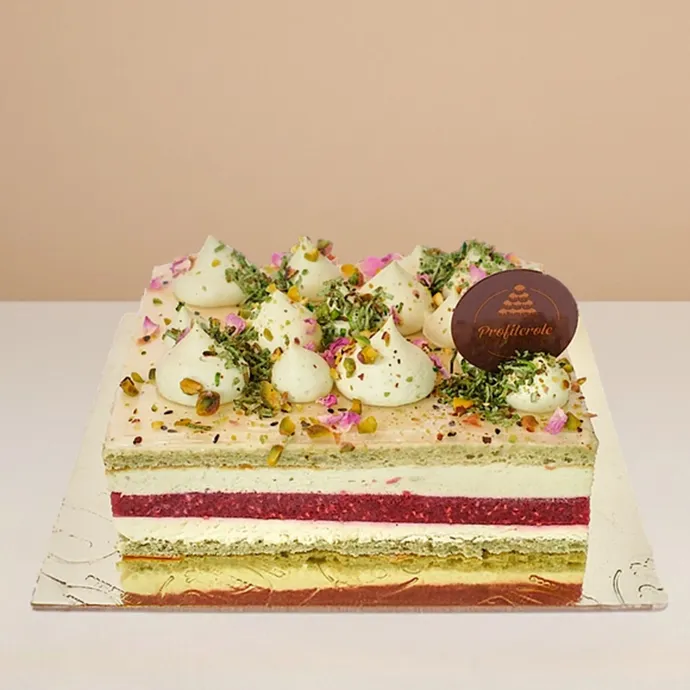
Pistachio Raspberry Bliss Cake
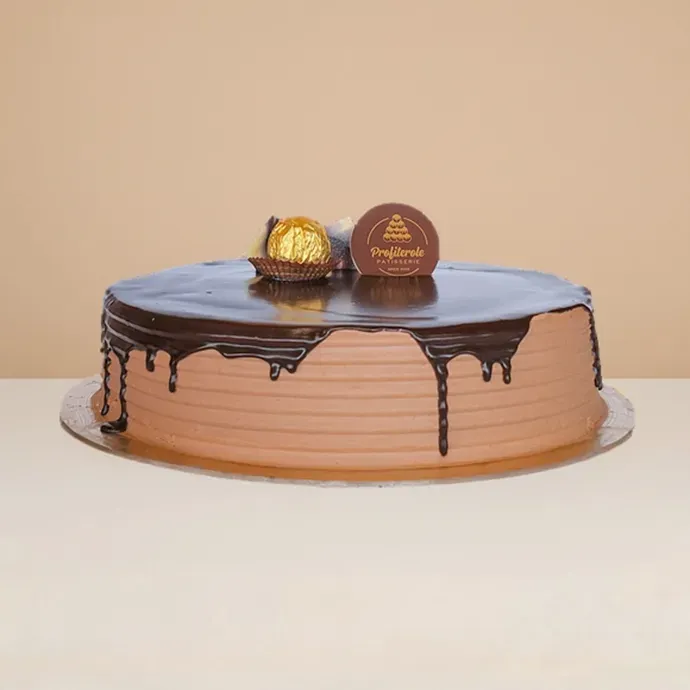
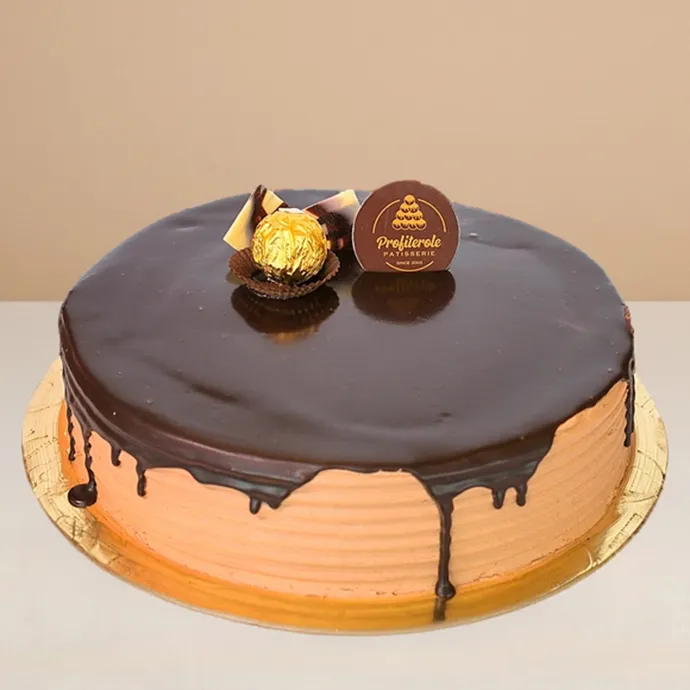
Ferrero Rocher Cake
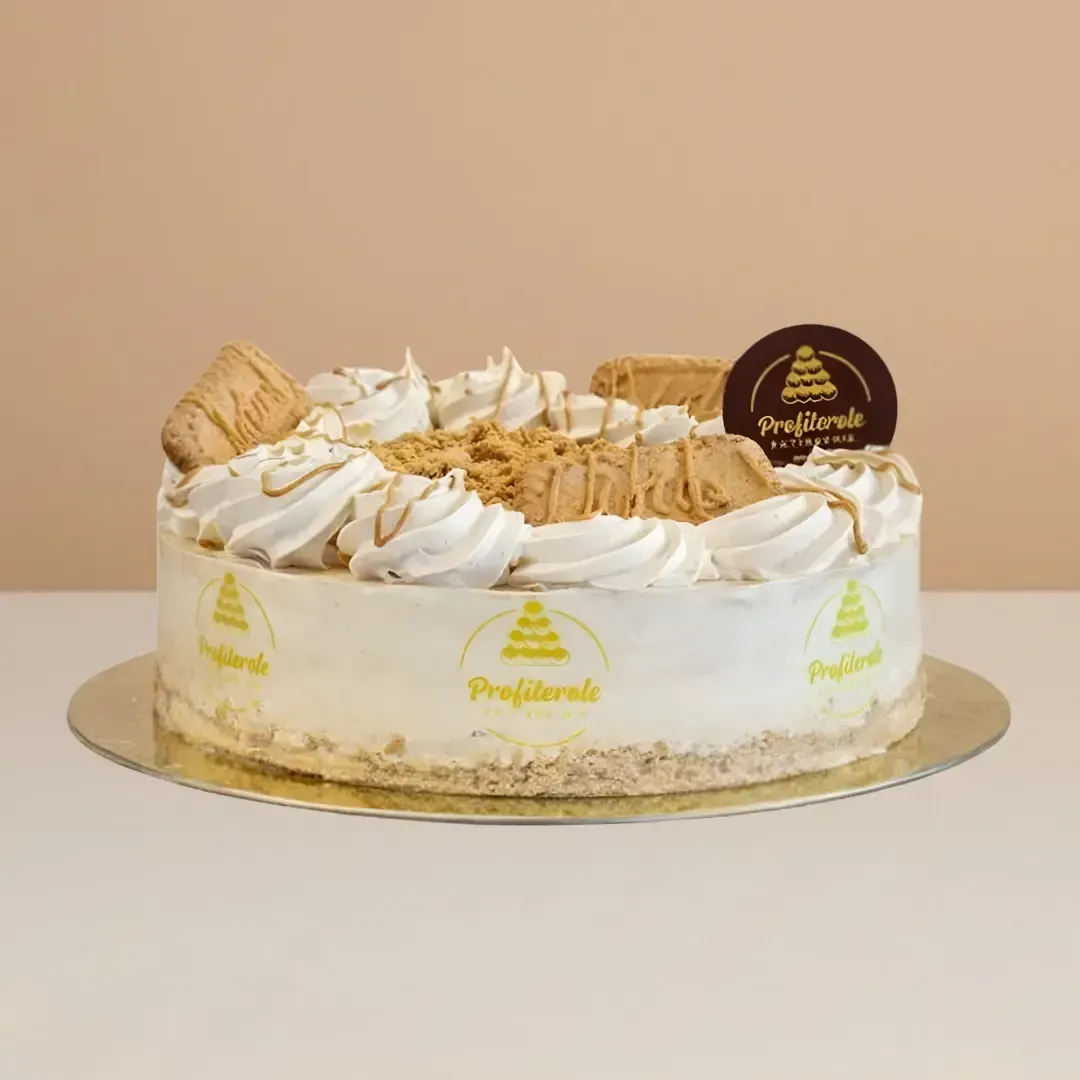
Lotus Biscoff Cheesecake
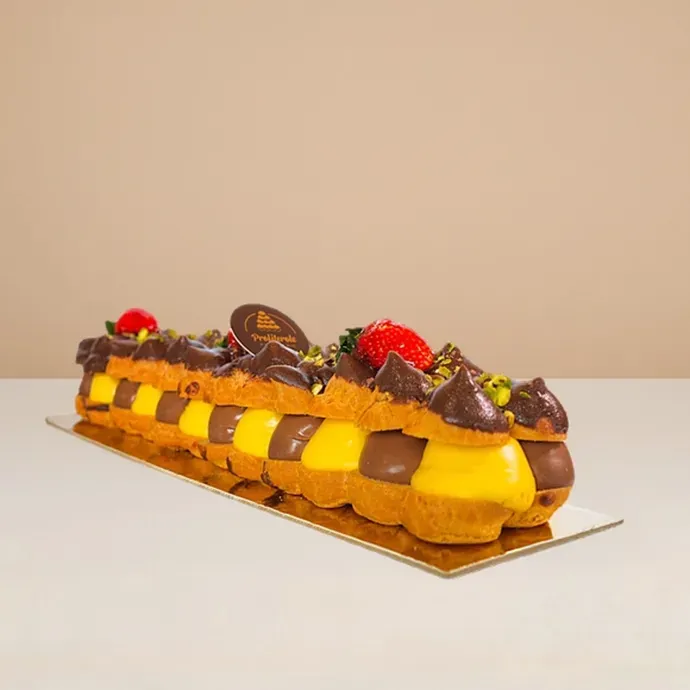
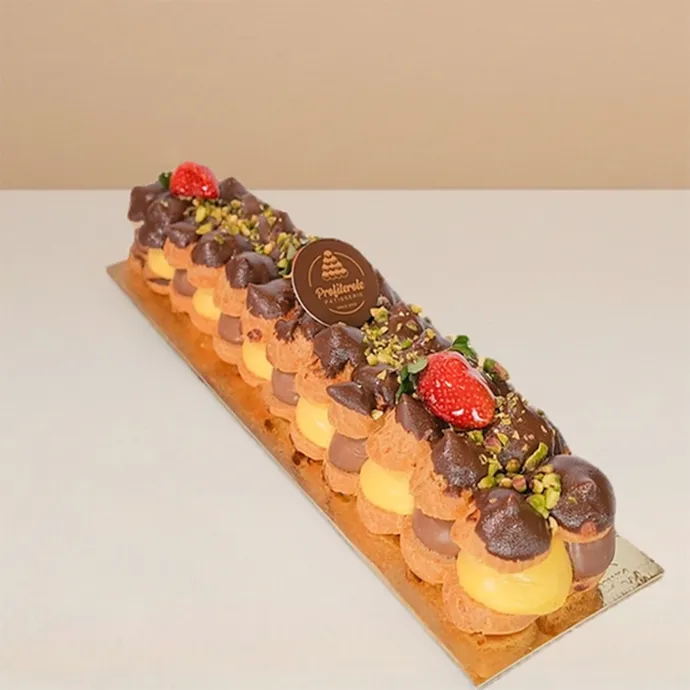
Profiterole Log Cake
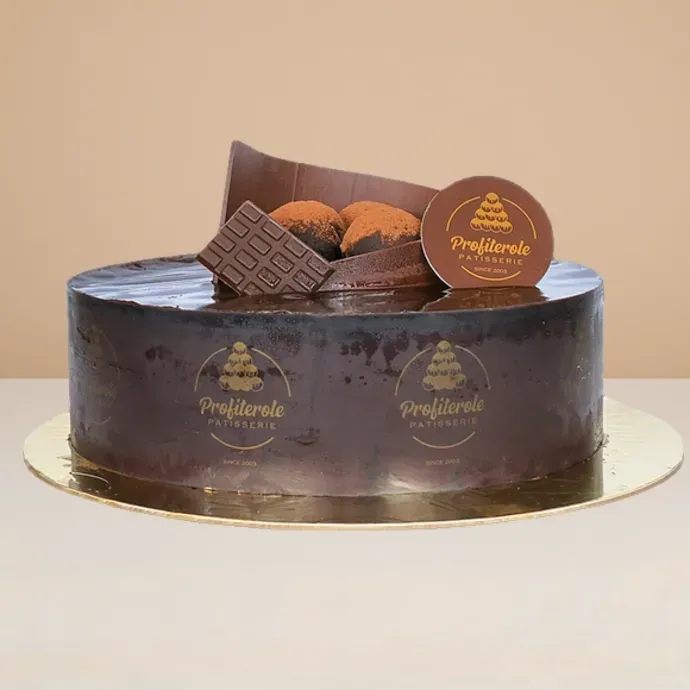
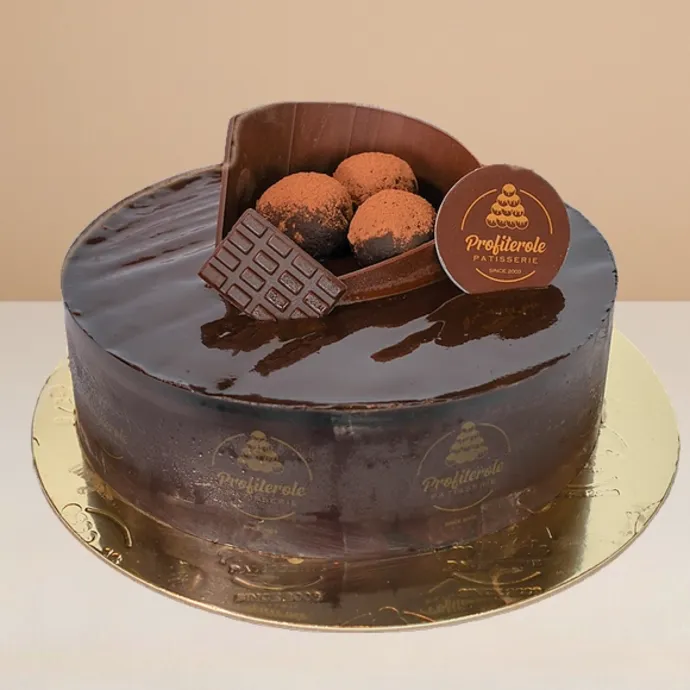
Chocolate Mousse Cake
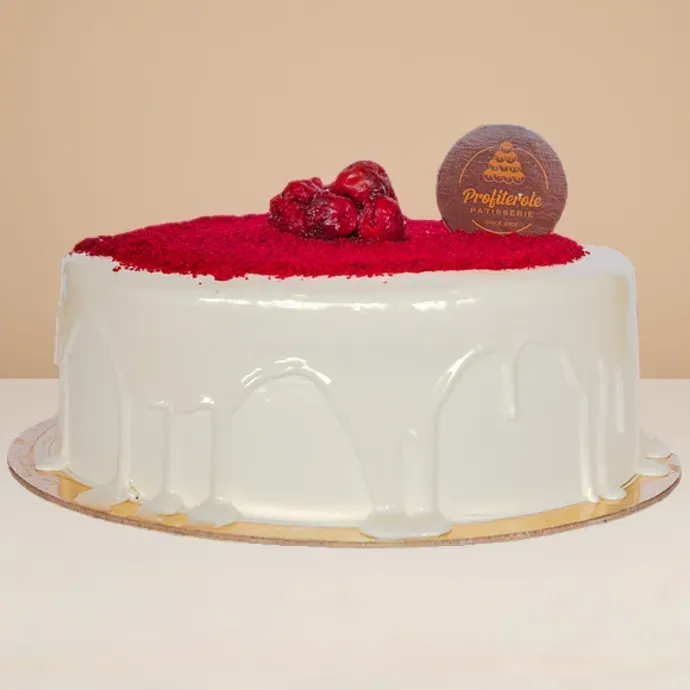
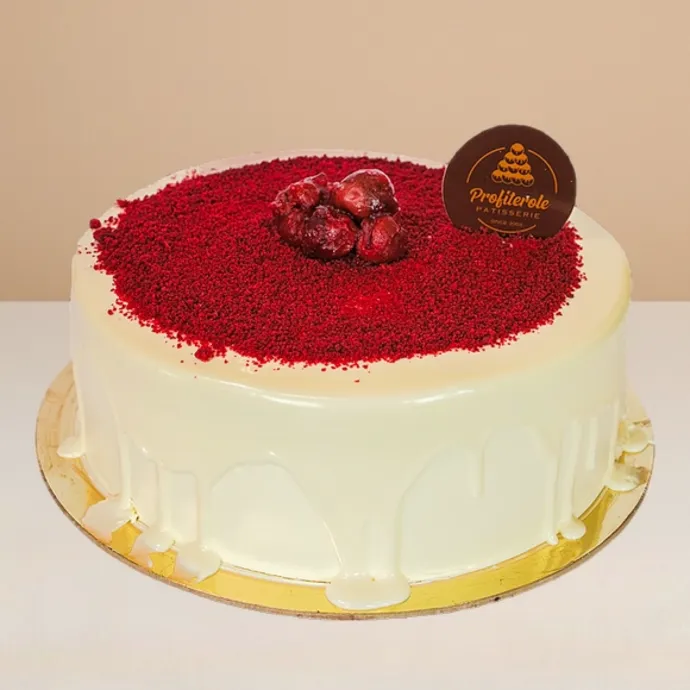
Red Velvet Cake
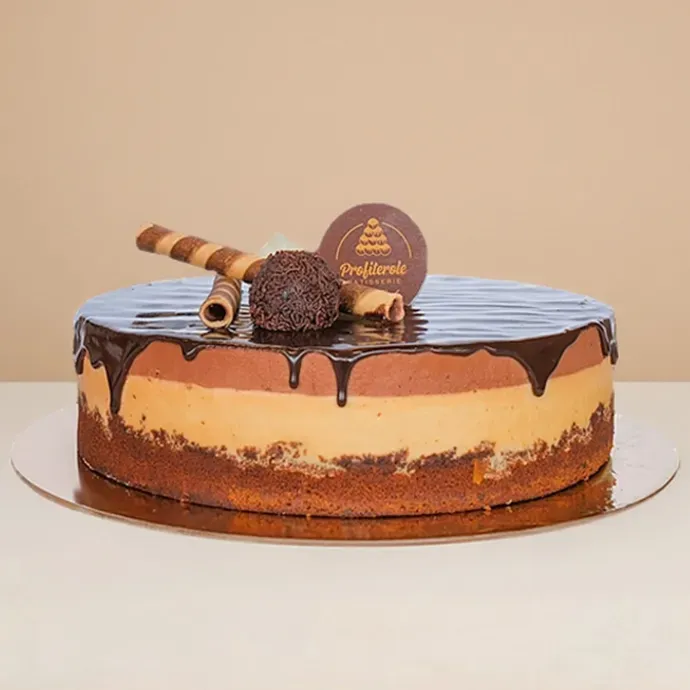
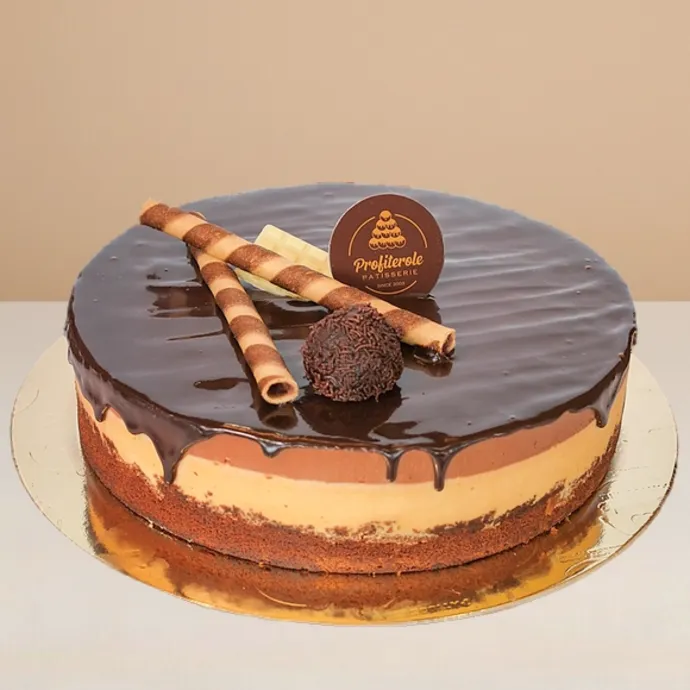
Trio Cake - Round
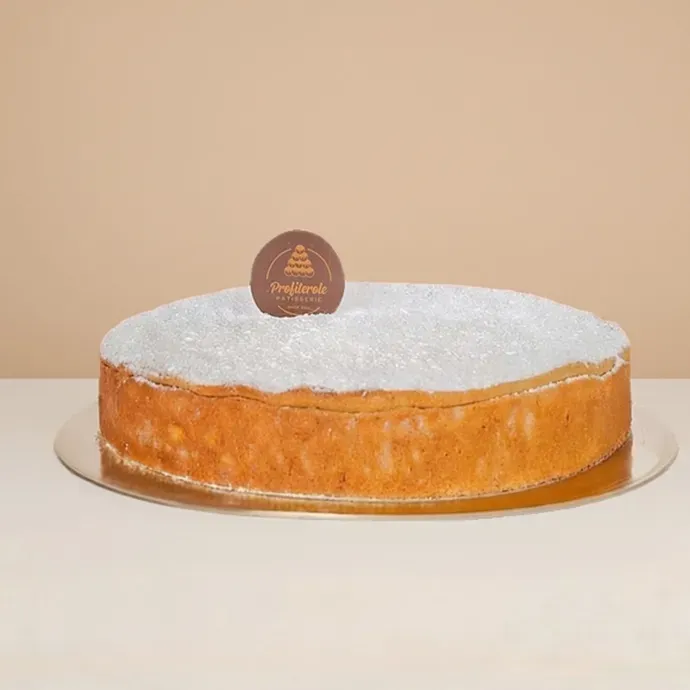
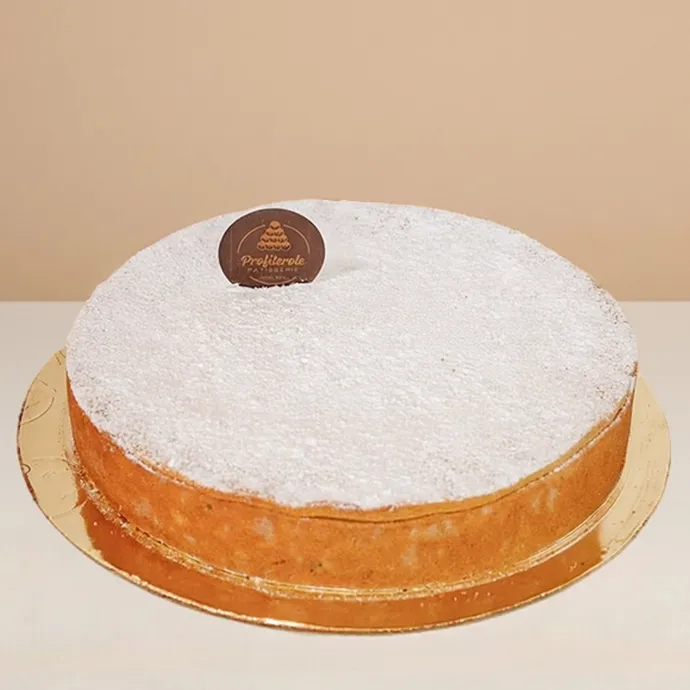
Baked Ricotta Cheesecake
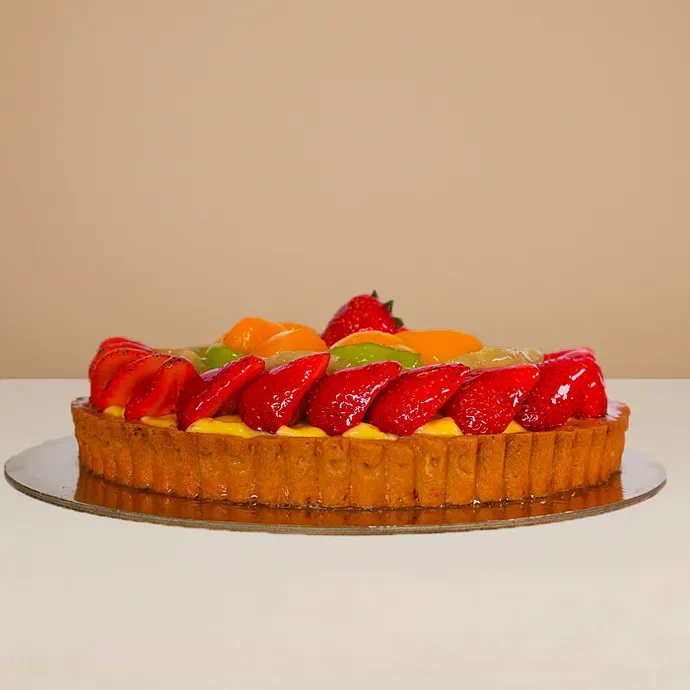
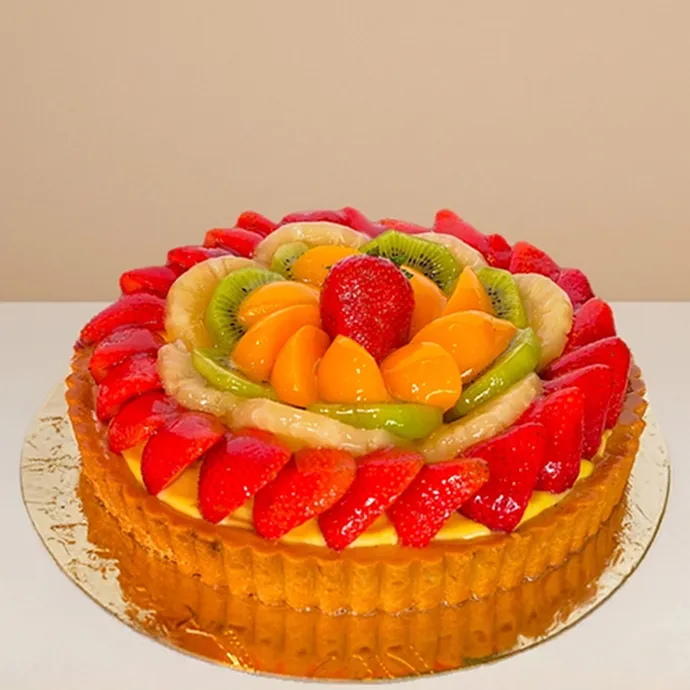
Fruit Cake - Round
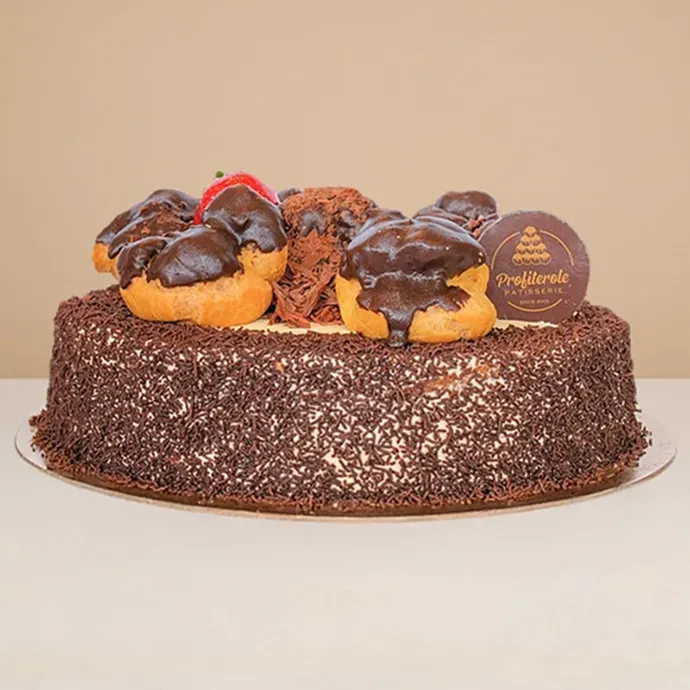
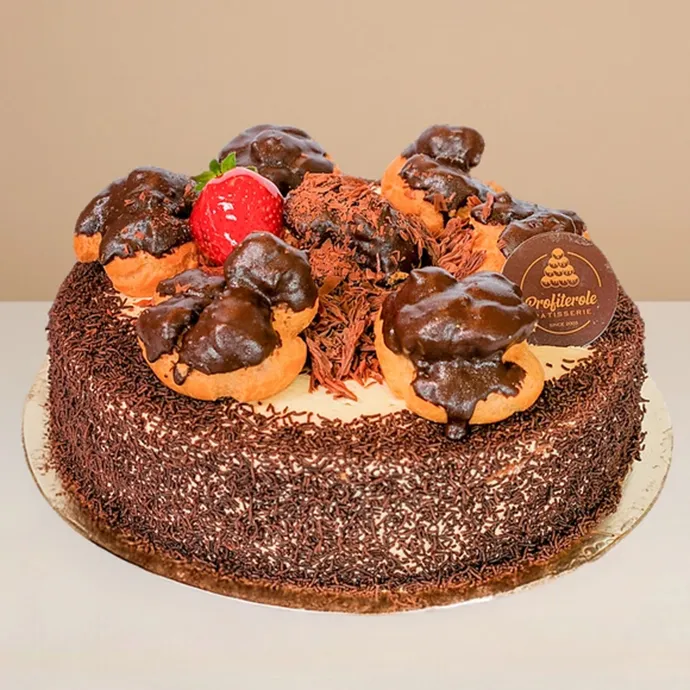
Chocolate Profiterole Cake
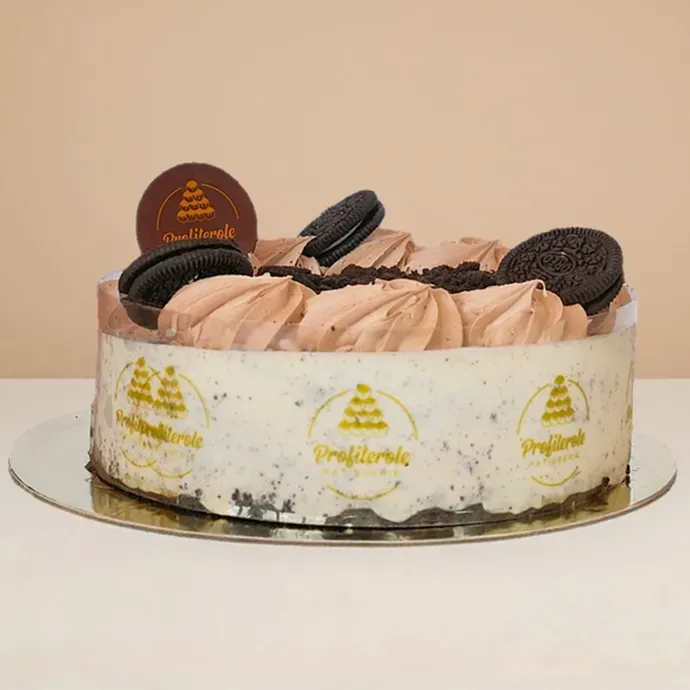
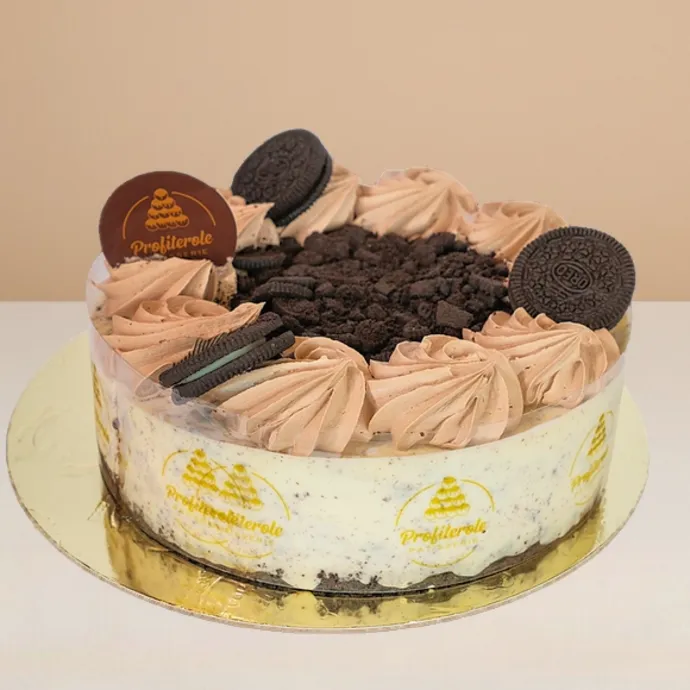
Oreo Cheesecake
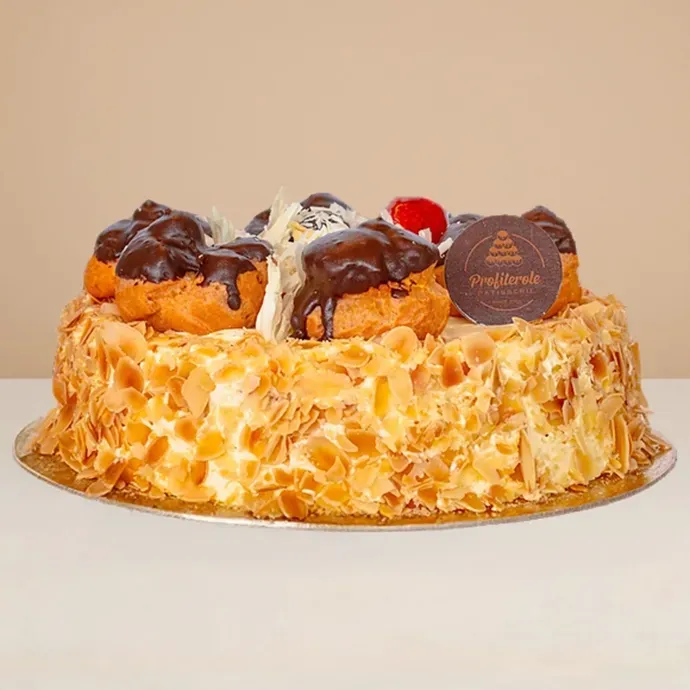
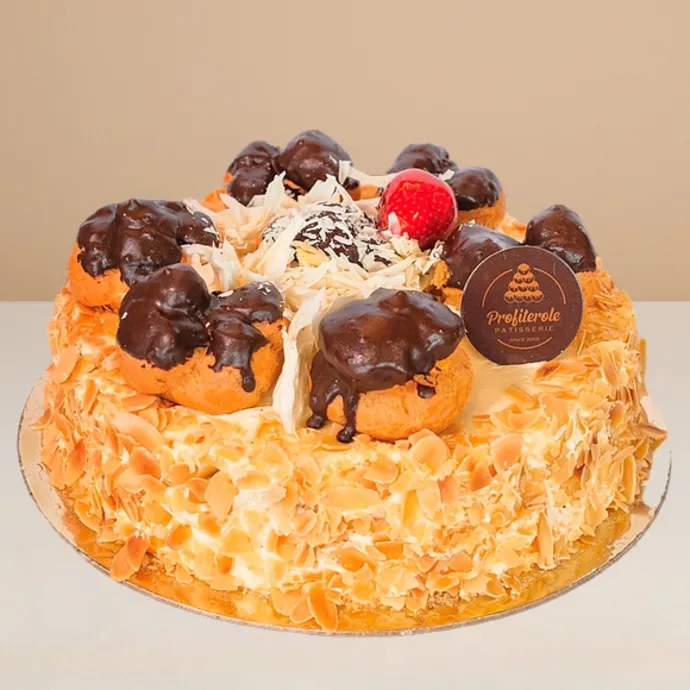
White Profiterole Cake
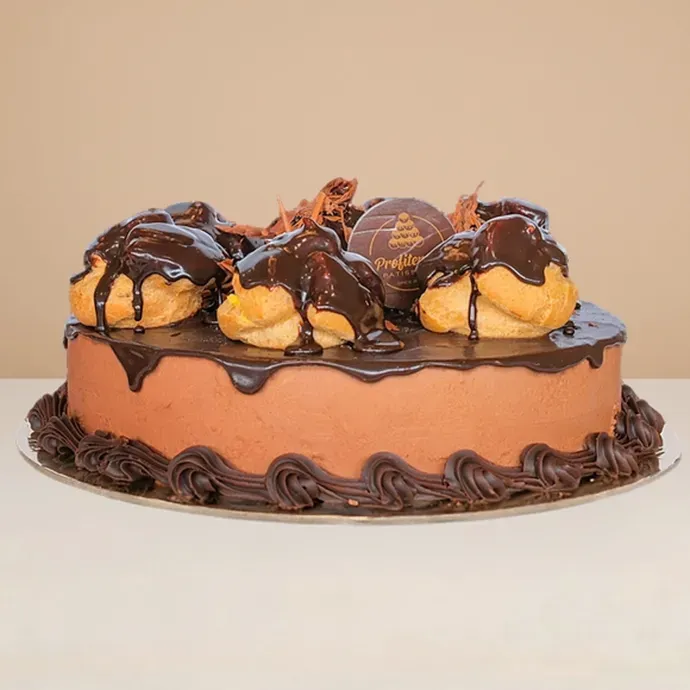
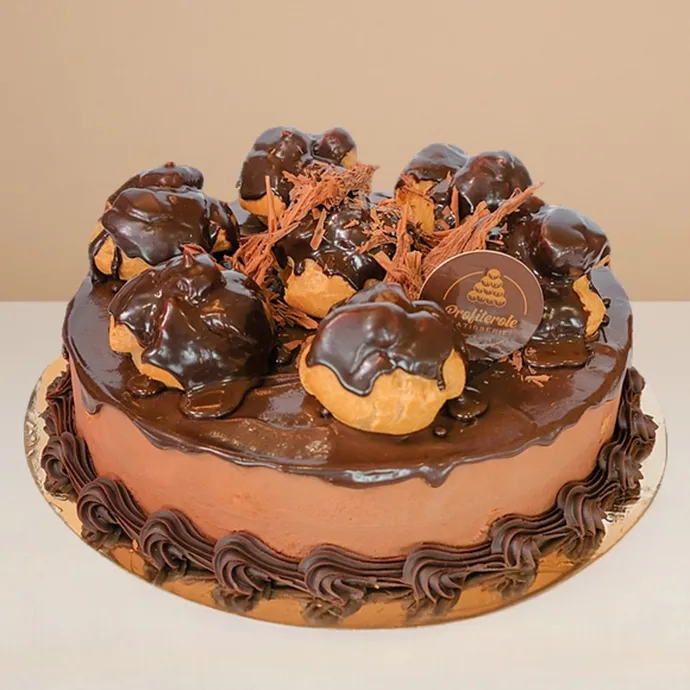
Mousse Profiterole Cake
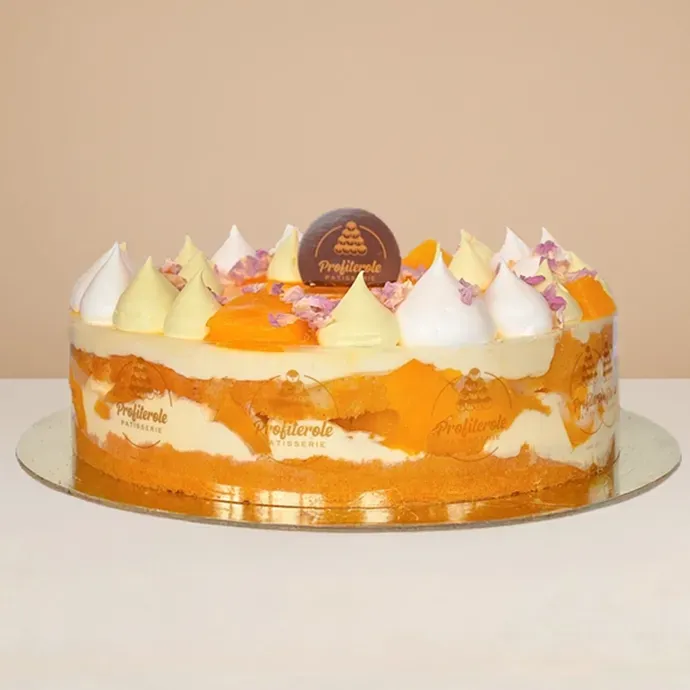
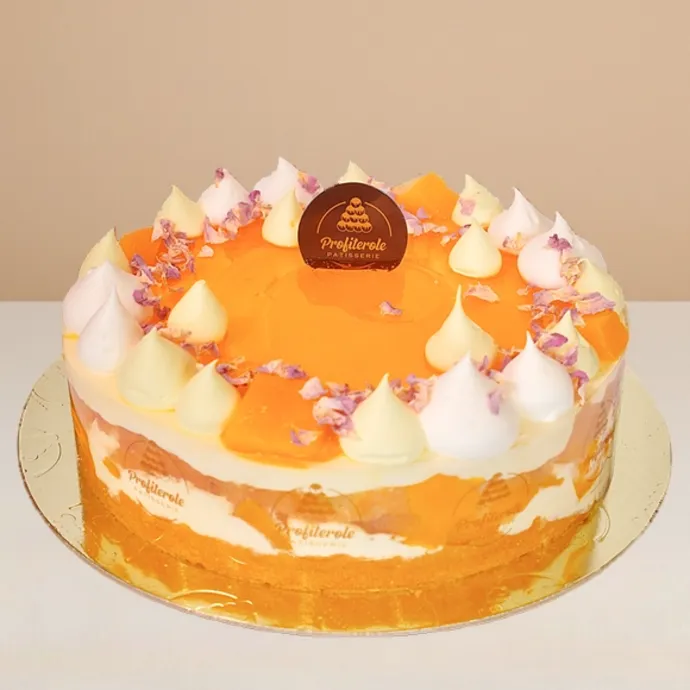
Mango Cake