Mousse Cake 101: Everything You Need to Know
When you picture a celebration cake, your mind might instantly jump to heavy, multi-layered sponges packed with dense buttercream.
But if you are looking for a dessert that feels genuinely luxurious, featherlight, and melts effortlessly on the tongue, nothing compares to an authentic mousse cake.
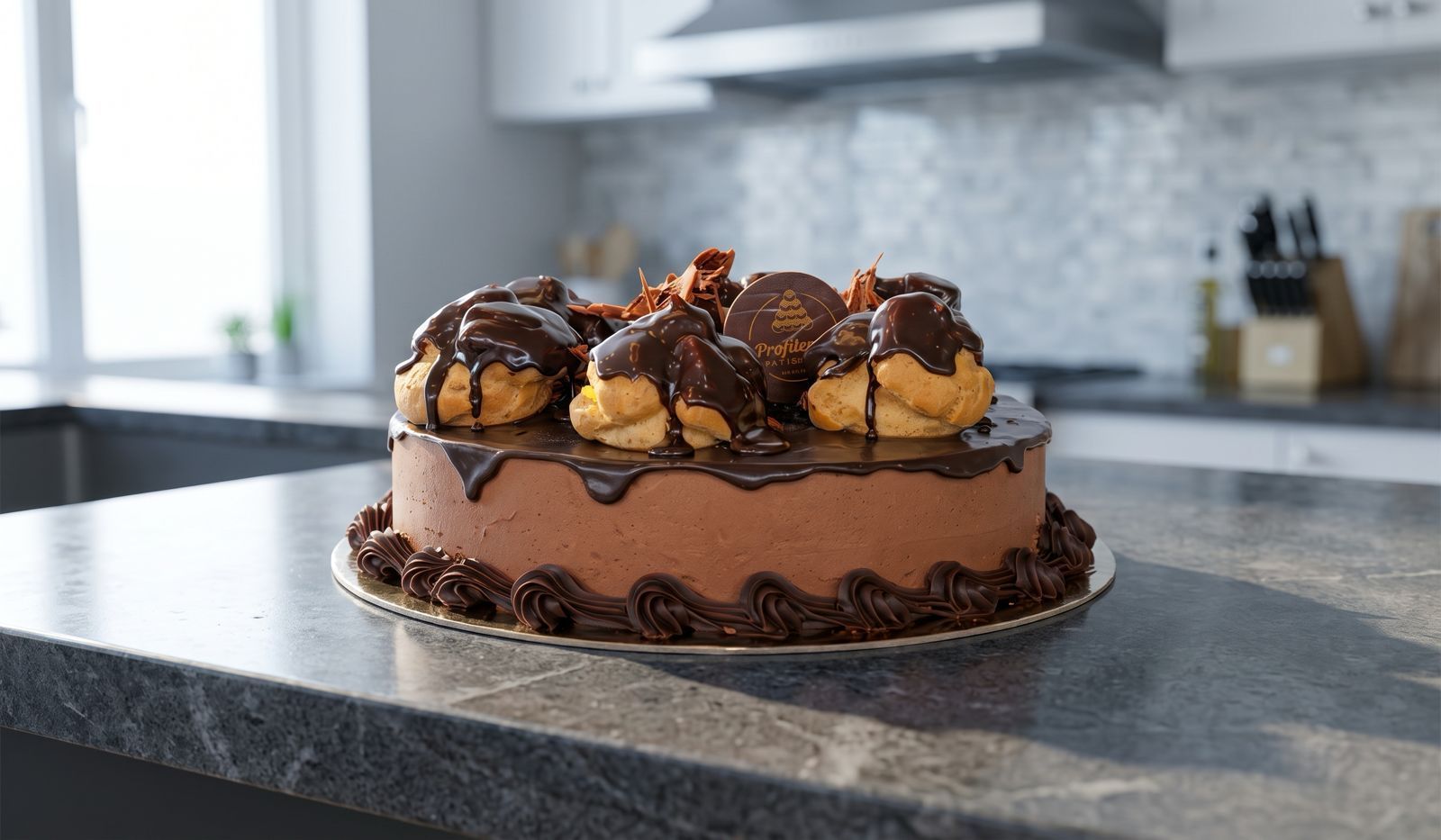
In professional patisseries, crafting a mousse cake is the ultimate test of balance and precision. At Profiterole Patisserie we've perfected that. And that's why our signature mousse profiterole cake remains one of our all-time best sellers.
Let us explore the origins, culinary anatomy, and serving secrets behind this iconic European showstopper.
TL;DR:
A mousse cake (traditionally known as an entremet) is a multi-layered, chilled dessert built on a delicate sponge or crunchy biscuit base, filled with an airy, aerated mousse core, and finished with a glossy glaze.
Unlike baked flour sponges, it relies on whipped cream, egg emulsions, and cold-setting techniques to achieve its signature melt-in-the-mouth silkiness.
| Mousse Cake Feature | Technical Detail |
|---|---|
| Core Classification | French refrigerated entremet (cold-set dessert) |
| Setting Mechanism | Gelatin network and crystallized chilled dairy fats |
| Primary Texture | Featherlight, airy, velvety, and spoonable |
| Anatomy Layers | Crunchy/sponge base, mousse core, fruit/curd insert, mirror glaze |
| Ideal Serving Temp | Chilled directly from fridge (or rested 5 to 10 mins at cool room temp) |
Where Did Mousse Cake Originate?
The story of mousse dates back to 18th-century France. The word mousse literally translates to "foam" or "froth," which describes the airy, whipped texture French chefs originally created using egg whites and sweet creams.
By the late 19th century, renowned French artist Henri de Toulouse-Lautrec famously experimented in the kitchen, popularising a rich chocolate version originally dubbed mayonnaise de chocolat.
Over the decades, French pastry chefs took mousse beyond single-serve glass cups. They began layering these delicate foams inside geometric pastry rings over thin sponge disks and crunchy biscuit layers.
This evolution gave birth to the modern entremet, transforming simple whipped foam into the architectural mousse cakes we adore in patisserie cabinets today.
The Difference Between Mousse Cake and Normal Cake
Mousse cake is not like a traditional sponge cake. It is different from a normal cake from the very process it’s made, as well as the eating experience you get out of it.
What Type of Cake Is a Mousse Cake?
In classical pastry terms, a mousse cake is an entremet. This is a refrigerated confectionery masterpiece assembled cold rather than baked as a single batter in the oven.
It combines contrasting textures across distinct strata to deliver a complete sensory journey in every forkful.
Texture, Density, and Structural Contrasts
A traditional birthday cake relies heavily on wheat flour, butter, and chemical leaveners like baking powder to form a sturdy, crumb-heavy sponge. You chew through moist crumbs and sweet, dense frosting.
A mousse cake, on the other hand, completely flips this dynamic.
The bulk of the dessert is composed of aerated cream and silky emulsions stabilized by cold temperatures. When you take a bite, it dissolves across your palate almost instantly, offering an indulgent flavour without the heavy fullness of traditional baked sponge.
Key Components of a Great Mousse Cake
A masterfully built mousse cake relies on four harmonised structural layers:
01. The Textural Base Layer (Sponge, Biscuit Crumb, or Feuilletine)
Every soft dessert requires a solid anchor. That’s why many mousse cakes start with base layers of delicate genoise sponge, nutty almond dacquoise, or a crisp mix of crushed French feuilletine flakes folded into melted praline chocolate.
This foundation provides structural stability while introducing a satisfying crunch against the velvety filling.
02. The Aerated Mousse Core (Pâté à Bombe, Crème Anglaise, or Fruit Base)
The mousse itself is the star of the show. Depending on the flavour profile, pastry chefs build the base of this mousse from rich cooked egg yolks (pâté à bombe), a silky vanilla custard (crème anglaise), or vibrant fruit purees.
We then fold in precisely whipped double cream and bloomed gelatin, creating a light matrix that holds its shape while remaining cloud-soft.
03. The Hidden Insert or Gelée (Acidic or Creamy Contrast)
Tucked inside the mousse core, you will often discover a hidden layer. This might be a tangy raspberry gelée, a zesty passionfruit curd, or a molten salted caramel centre.
This insert cuts straight through the richness of the surrounding dairy fats, keeping your palate refreshed and eager for the next bite.
04. The Mirror Glaze or Chocolate Velvet Finish
The outer coating provides protection and visual drama. A gelatin-rich mirror glaze delivers a brilliant, glass-like reflection that gleams under bakery lights.
Alternatively, spraying a tempered blend of cocoa butter and chocolate creates a luxurious, matte velvet finish. Both methods seal the cake, locking in internal moisture.
How to Serve and Store Mousse Cake for the Best Experience
Because mousse cakes rely on chilled stability, handling them correctly at home ensures picture-perfect presentation. But in addition to properly storing mousse cake, I’d like to share some tips of proper serving and beverage pairing for your next mousse cake purchase:
01. Professional Slicing and Serving Temperature Tips
To achieve clean, professional edges when slicing, dip a long chef's knife into a jug of hot water for a few seconds. Wipe the blade completely dry with a clean towel before making a single, decisive downward cut. Always wipe the blade clean between every slice.
For the ideal mouthfeel, let the cake sit at room temperature for roughly five to ten minutes before serving so the mousse softens slightly.
02. Proper Refrigerator and Freezer Storage Practices
Always keep your mousse cake stored inside its bakery box in the coldest part of your refrigerator. It will maintain its freshness and delicate texture for three to four days.
If you need to freeze a mousse cake, wrap the box tightly in plastic wrap to avoid freezer burn. Always thaw it slowly overnight inside the fridge to prevent condensation from dulling the glossy glaze.
03. Harmonious Beverage Pairings
The right drink balances the luxurious fats in the cream. A bold, single-origin espresso or long black cuts through decadent chocolate or hazelnut mousse effortlessly.
On th other hand, if you are enjoying a fruit-forward or vanilla creation, a fragrant Earl Grey tea or crisp sparkling mineral water enhances the bright notes beautifully.
Experience Artisan Mousse Cakes at Profiterole Patisserie
Crafting an exceptional mousse cake demands precise temperature control, expert ingredient emulsification, and genuine pastry artistry. When balanced correctly, it transforms a simple afternoon treat into an unforgettable culinary moment.
At Profiterole Patisserie, we pour decades of hands-on baking passion into our full range of handcrafted cakes. Whether you are craving our signature profiterole mousse cake or exploring our artisan dessert collections, we craft every layer fresh daily.
Drop by any of our stores to pick up your favourite dessert, or order online for next-day delivery in Sydney.
Updated: 25/08/2026
Publish date: 06/08/2025

Joey Yaccoub
Head Baker & Operations Manager, Profiterole Patisserie
Joey Yaccoub is the Head Baker at Profiterole Patisserie, bringing over a decade of hands-on experience in artisan cake design and pastry craftsmanship.
He oversees recipe development, product quality, and daily operations across all store locations, ensuring every cake meets the brand’s standards for flavour, presentation, and consistency.
FAQs
Where did mousse cake originate?
Mousse originated in 18th-century France as a culinary froth for sweet and savoury dishes. French pastry chefs later layered these chilled mousses over sponge bases inside pastry rings. This technique evolved into the modern, multi-layered entremet cakes we enjoy today.
What type of cake is a mousse cake?
In professional patisserie, a mousse cake is classified as a French entremet. It is a cold-set dessert combining a base, aerated cream mousse, and a glossy glaze. Unlike traditional bakes, it sets inside a refrigerator rather than baking in an oven.
What is the difference between mousse cake and normal cake?
Traditional cakes are oven-baked flour sponges layered with thick, sweet buttercream. Mousse cakes consist mostly of whipped creams, chocolate, or fruit purees set with gelatin. They dissolve effortlessly across the tongue instead of requiring you to chew through heavy crumbs.
Is mousse considered a cake?
Mousse alone is a dessert cream, but it becomes a cake when assembled with structural layers. Building it over a biscuit base with flavour inserts and a glaze makes it an entremet cake. It serves the exact same celebratory purpose as a standard sponge cake.
Does mousse cake melt easily?
Yes, authentic mousse cakes contain whipped dairy fats and gelatin that soften quickly in warm ambient heat. Keep your mousse cake refrigerated until ten minutes before serving to protect its neat shape. Never leave it sitting in direct sunlight or in a hot room.
We have mousse cakes, and MORE! Check out our complete selection.
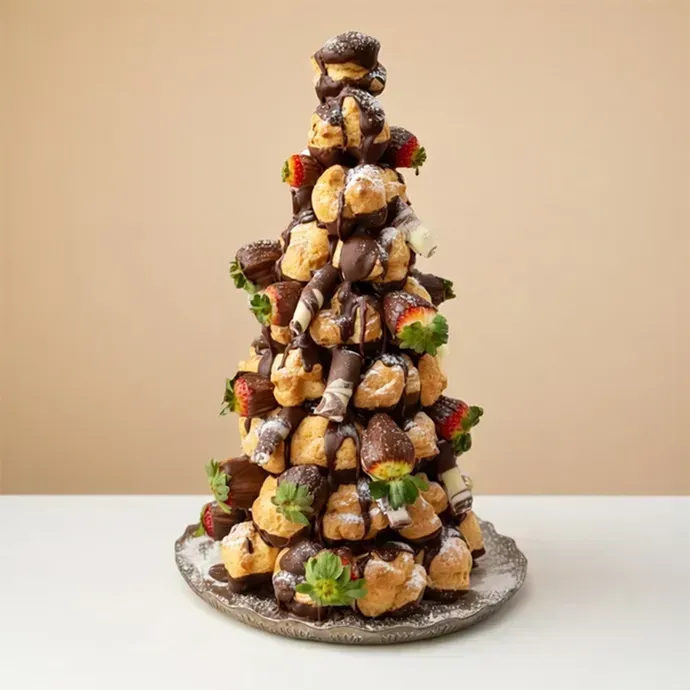
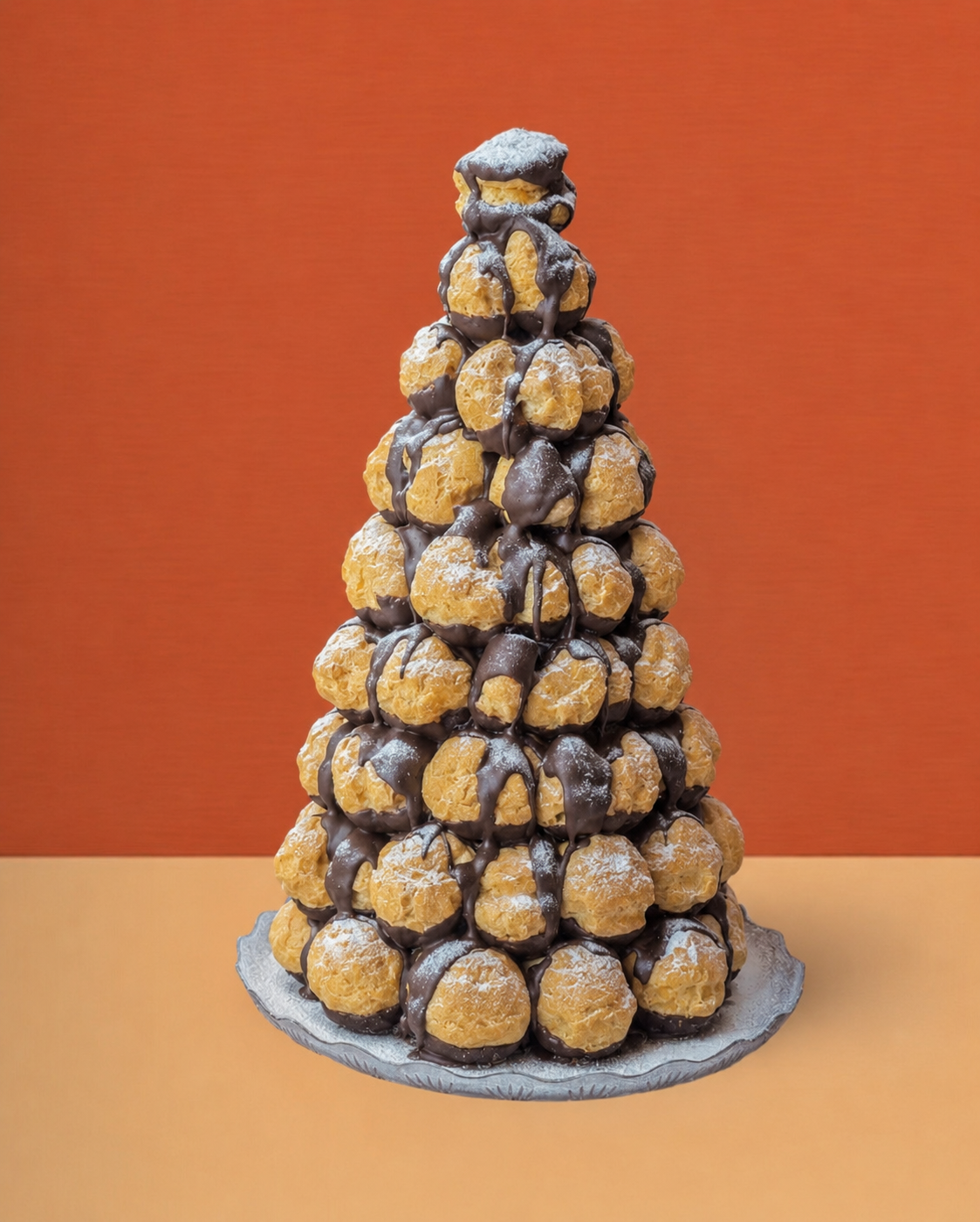
Profiterole Tower - Classic Chocolate
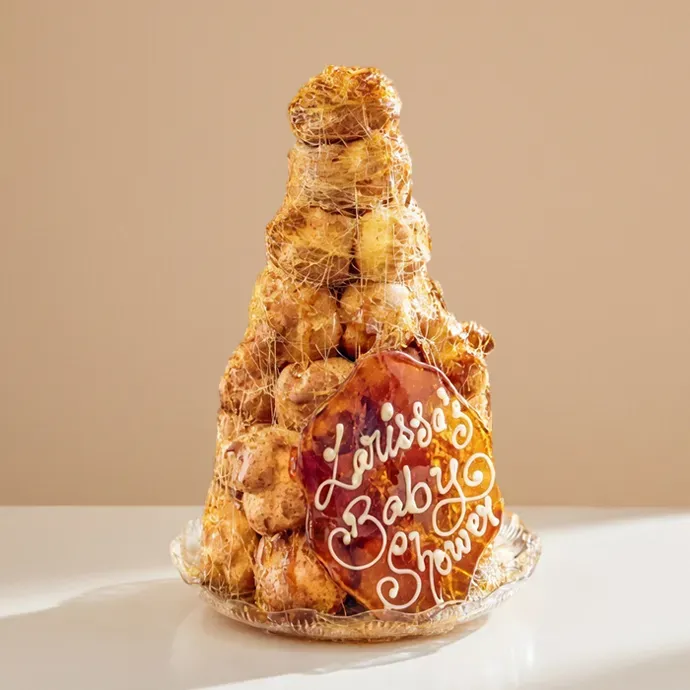
Profiterole Tower - Toffee
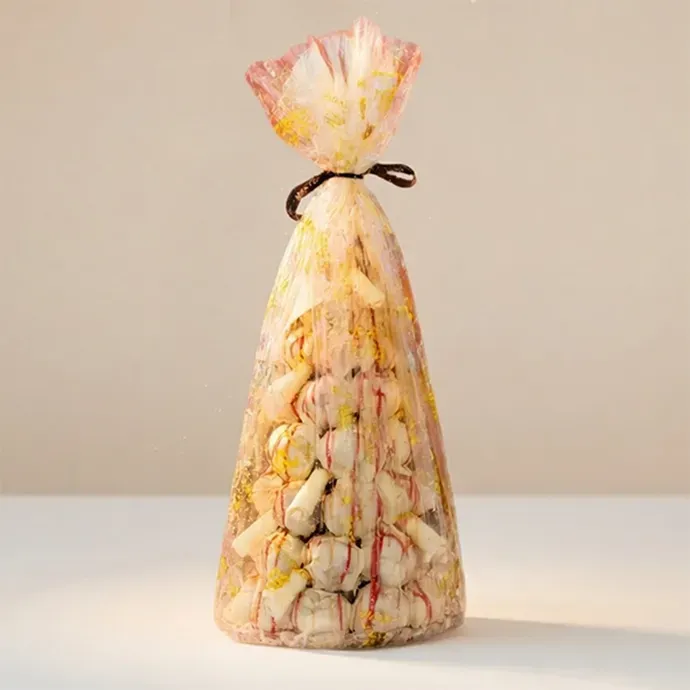
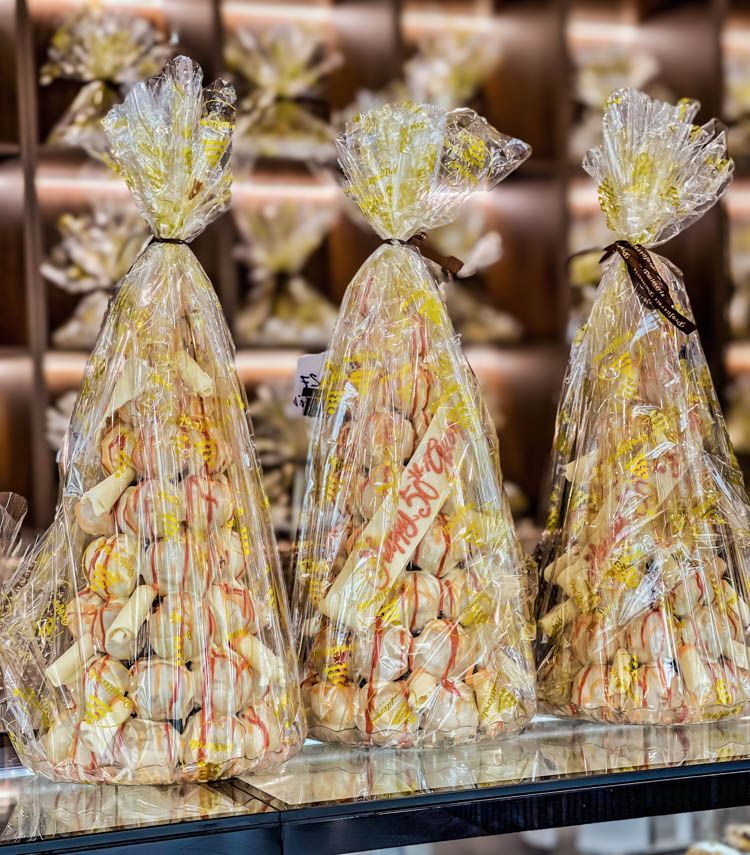
Profiterole Tower - White Chocolate
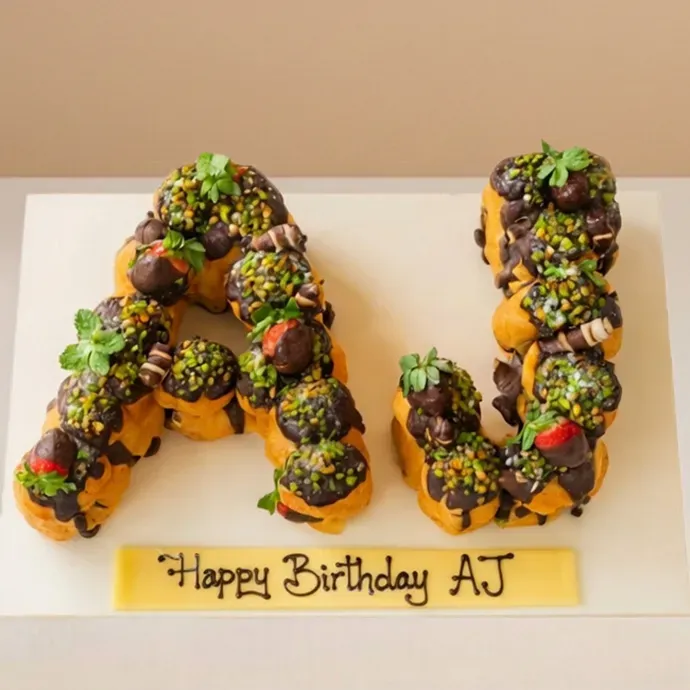
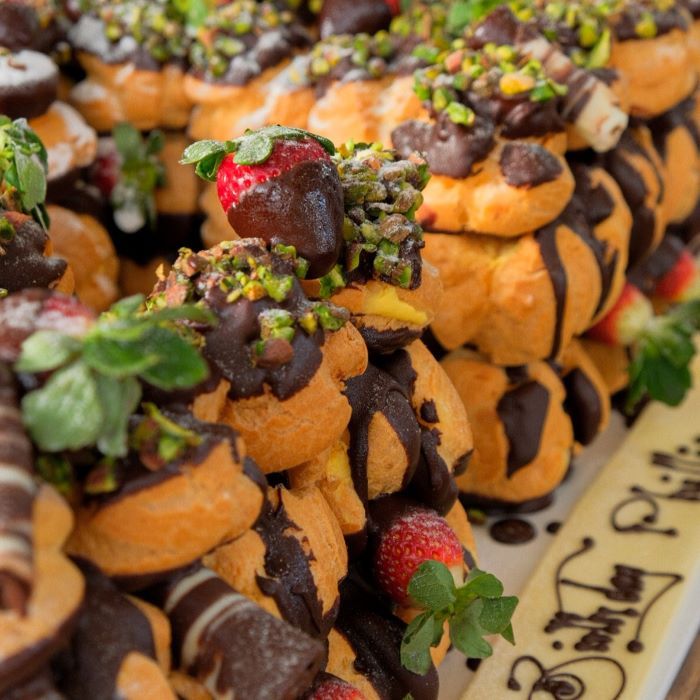
Profiterole Double Letters Cake
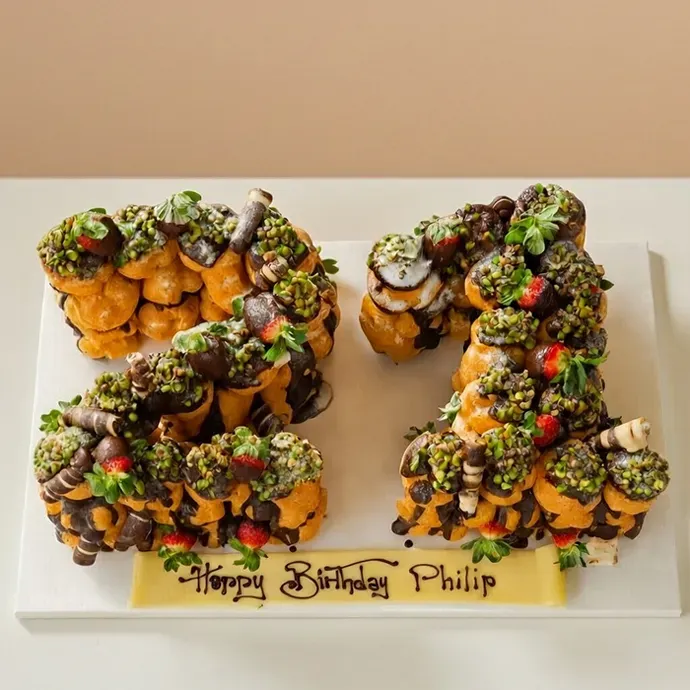
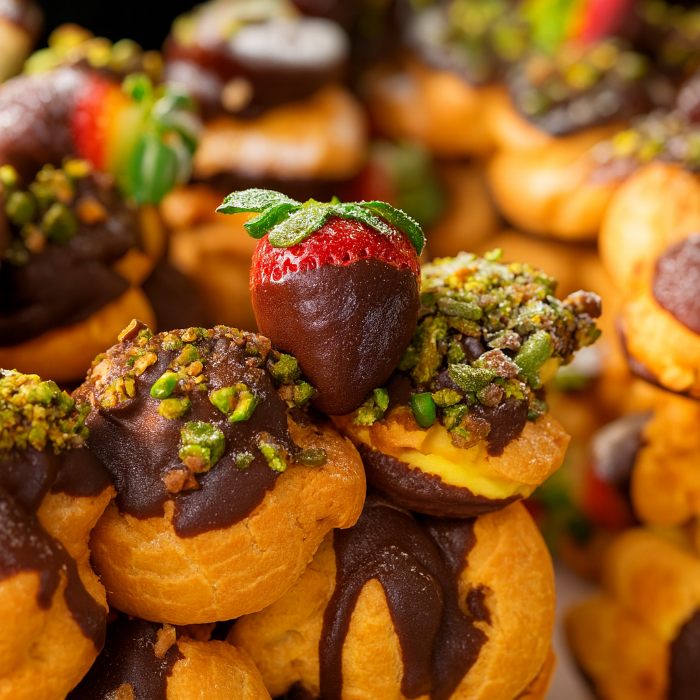
Profiterole Double Numbers Cake
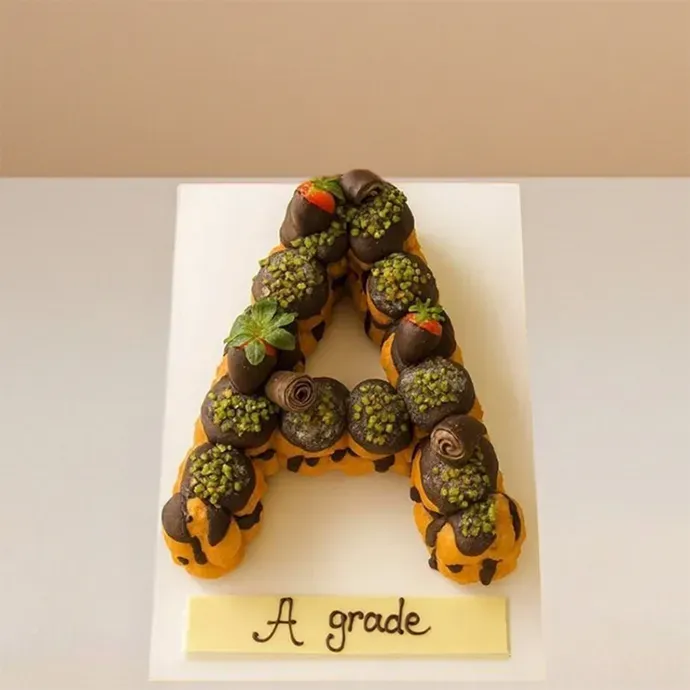
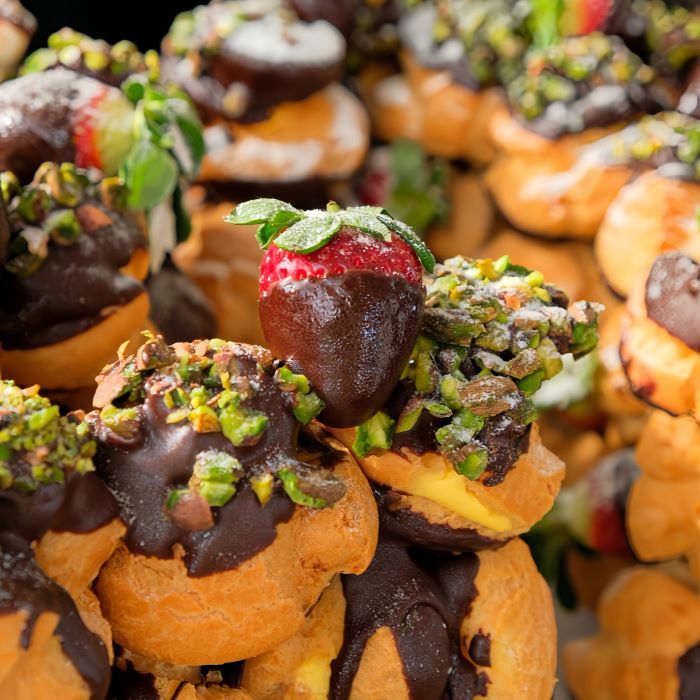
Profiterole Single Letter Cake
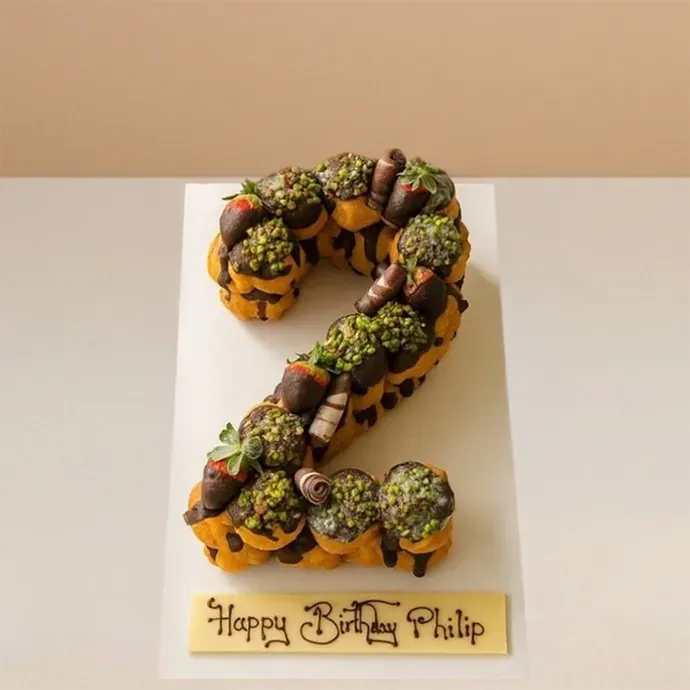
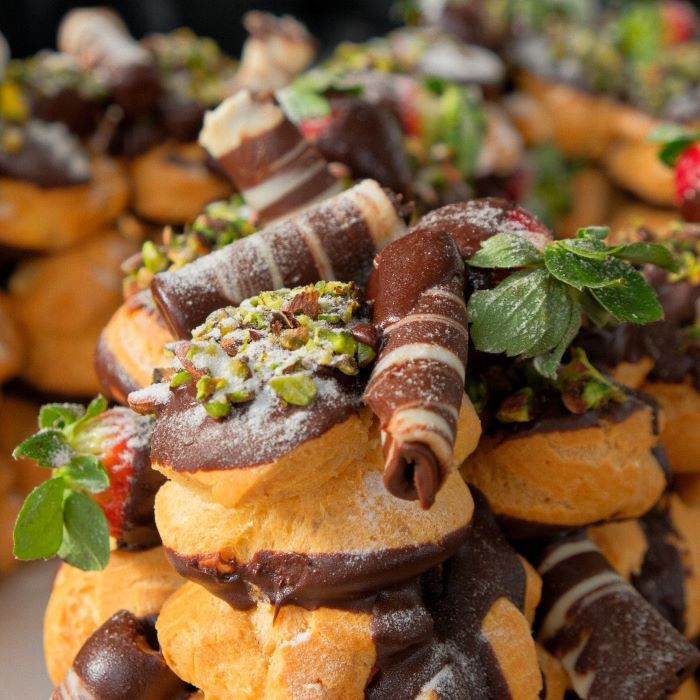
Profiterole Single Number Cake
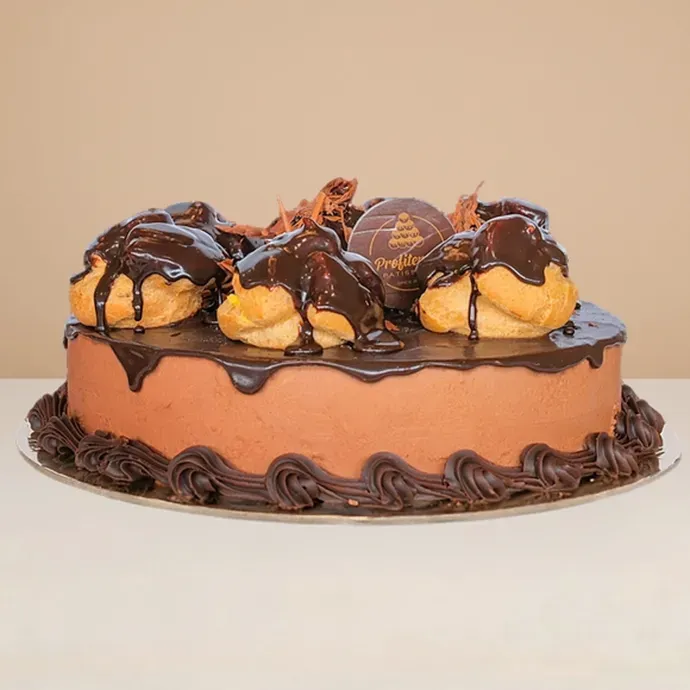
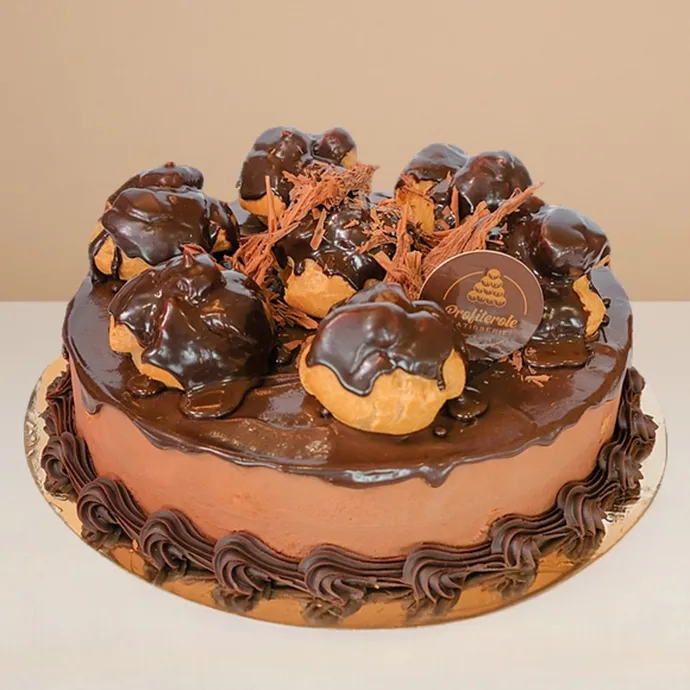
Mousse Profiterole Cake
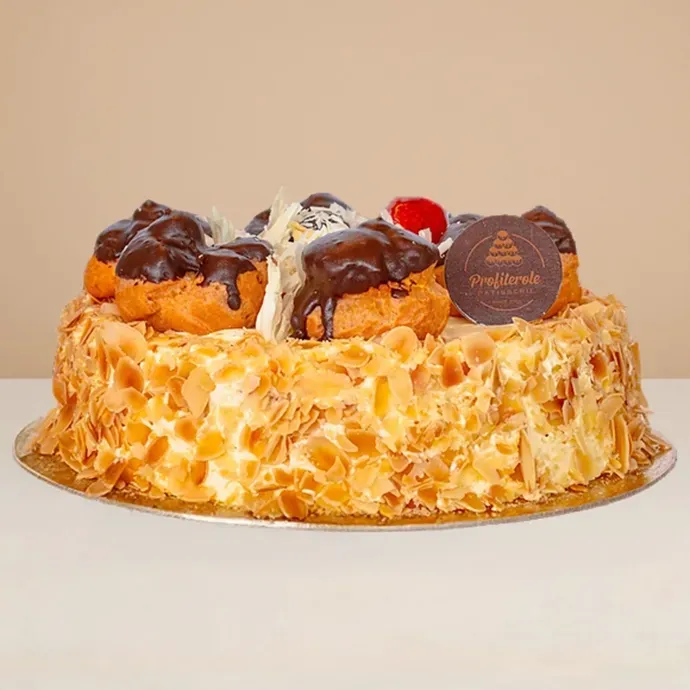
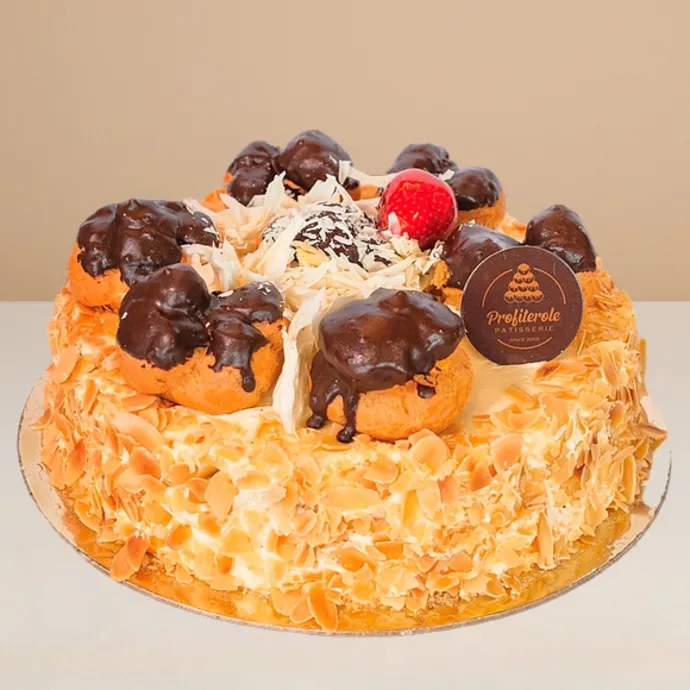
White Profiterole Cake
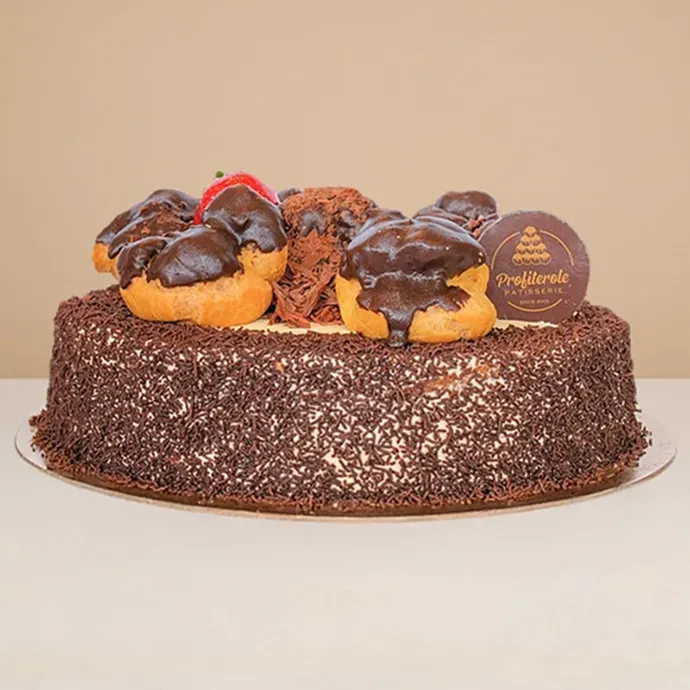
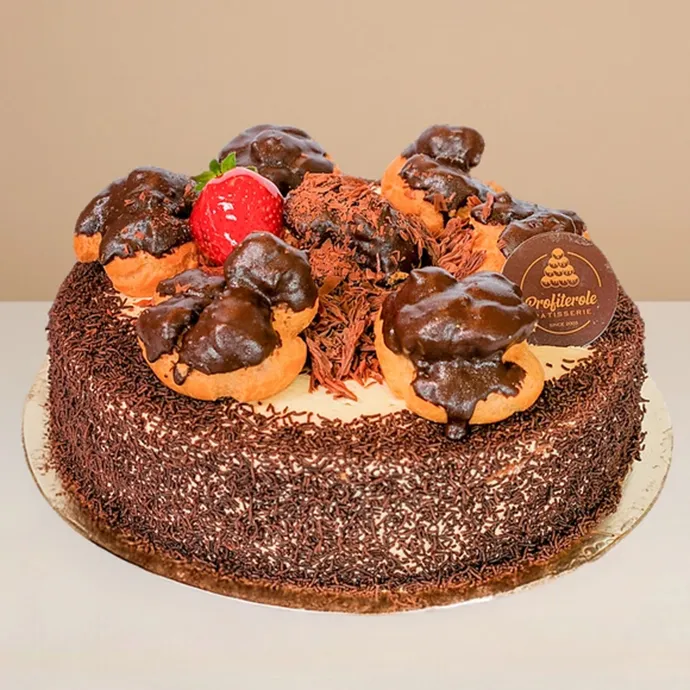
Chocolate Profiterole Cake
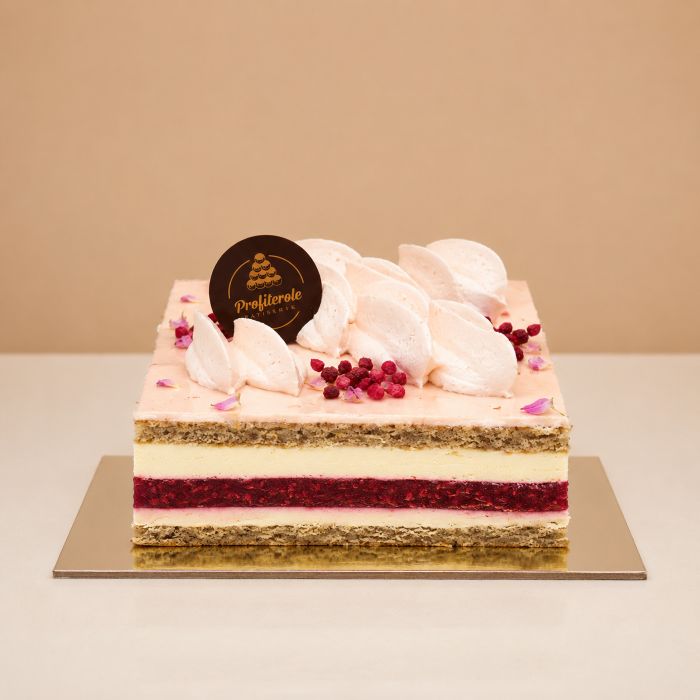
Strawberry Lychee Blossom Cake
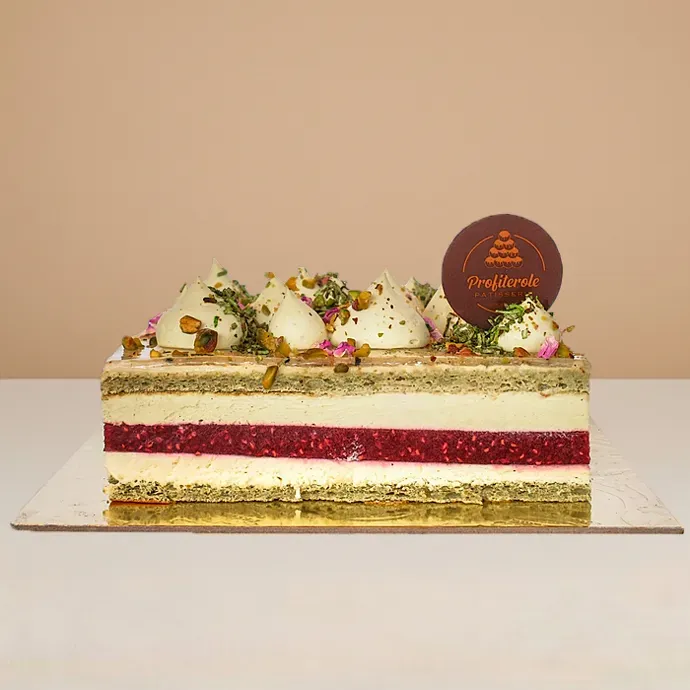
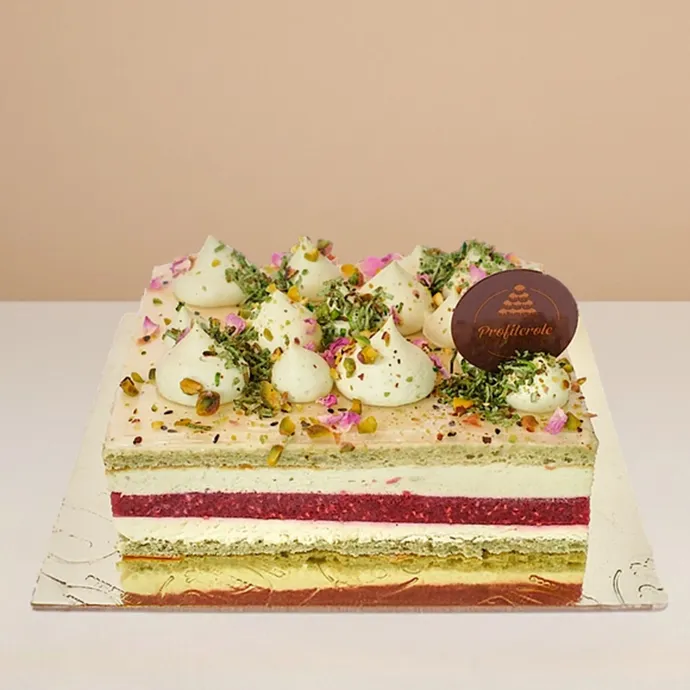
Pistachio Raspberry Bliss Cake
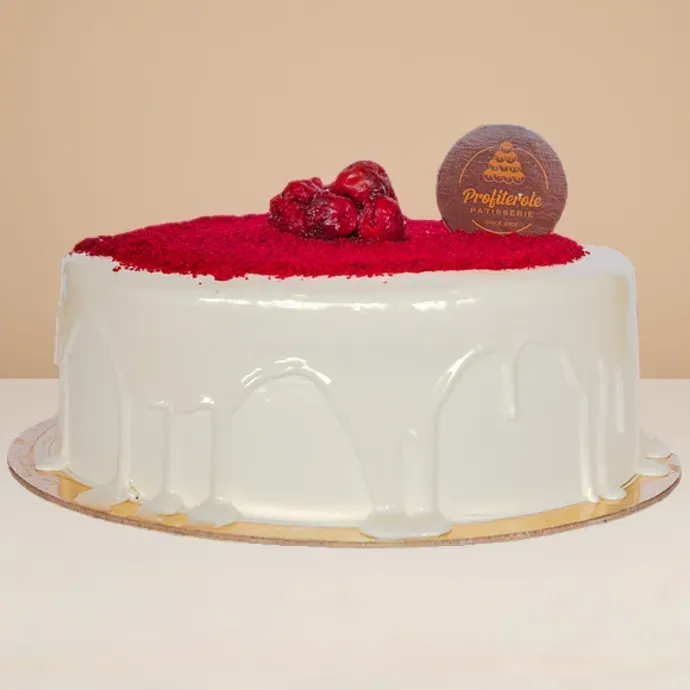
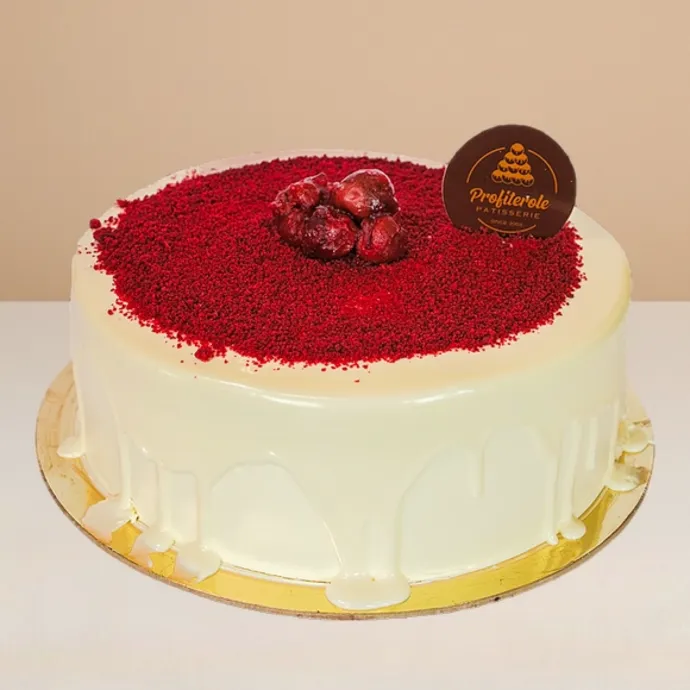
Red Velvet Cake
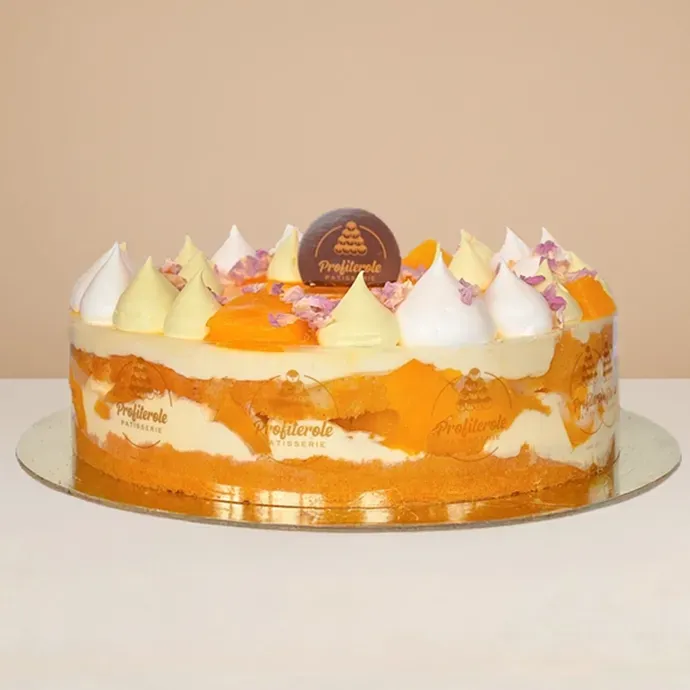
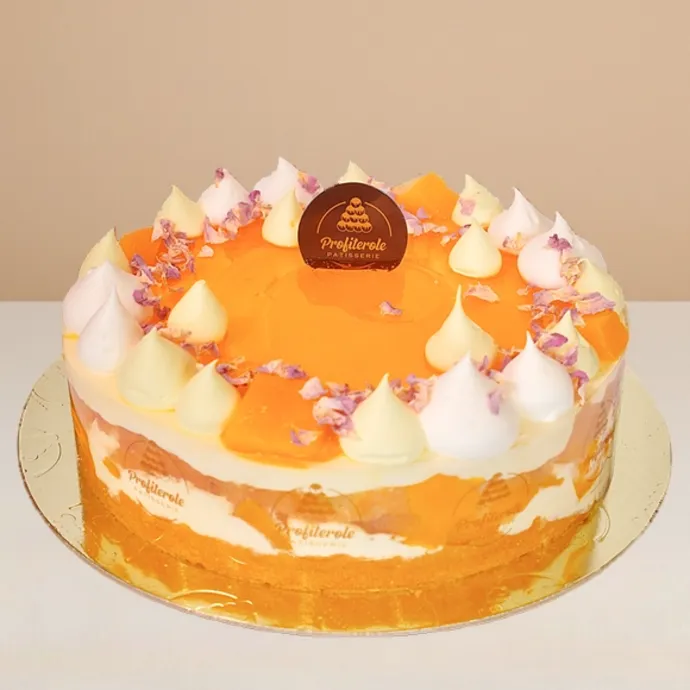
Mango Cake
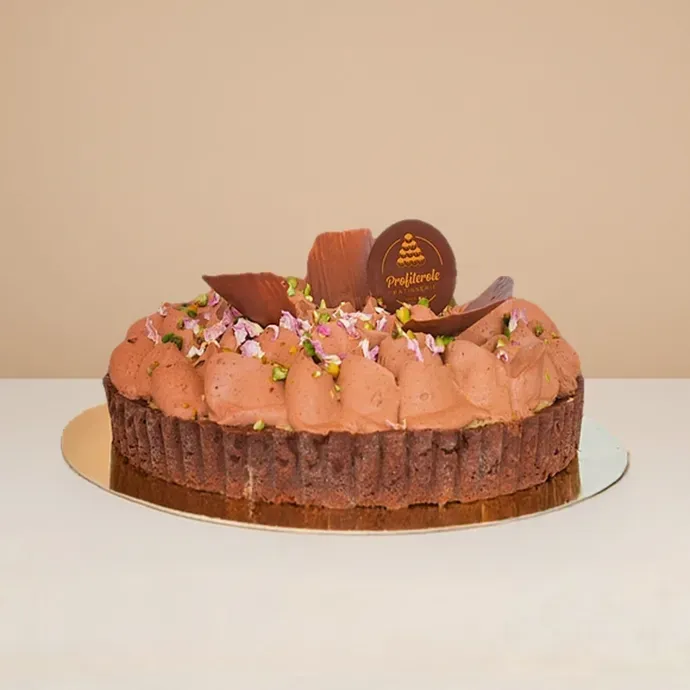
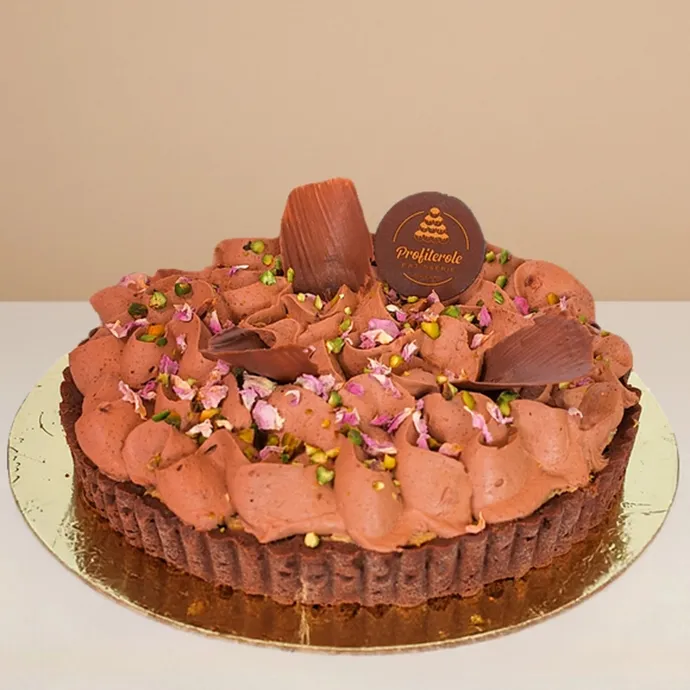
Dubai Chocolate Cake
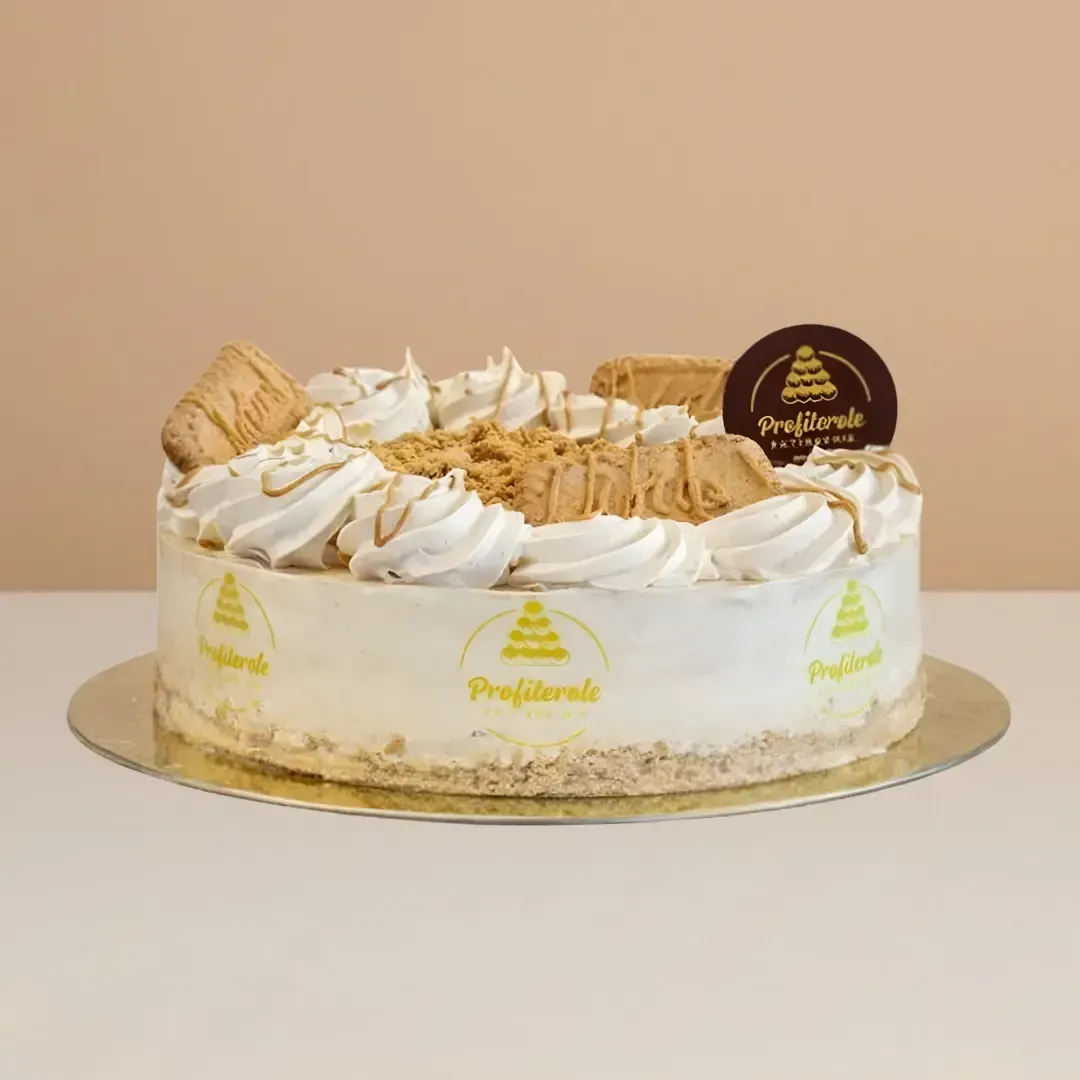
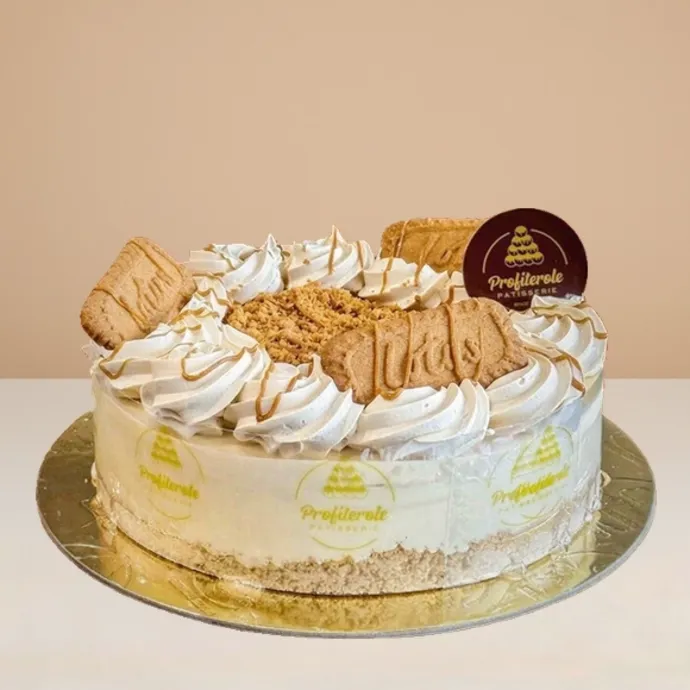
Lotus Biscoff Cheesecake
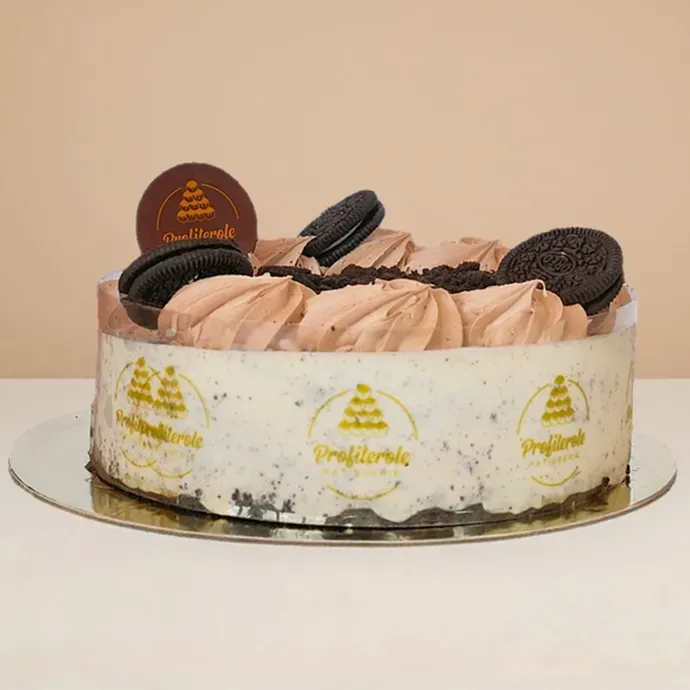
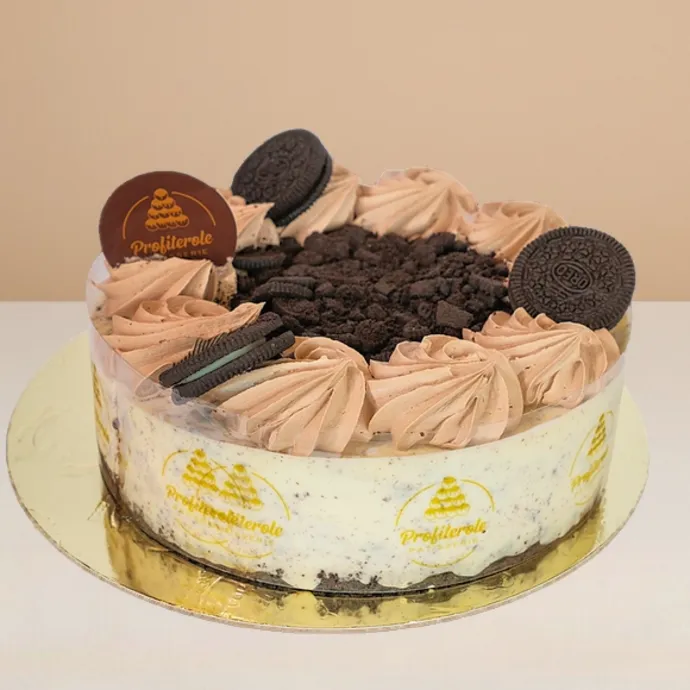
Oreo Cheesecake
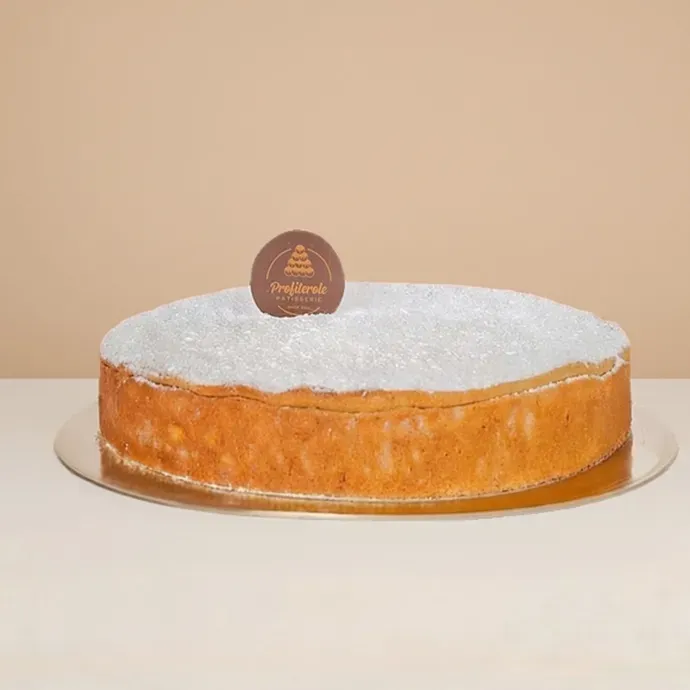
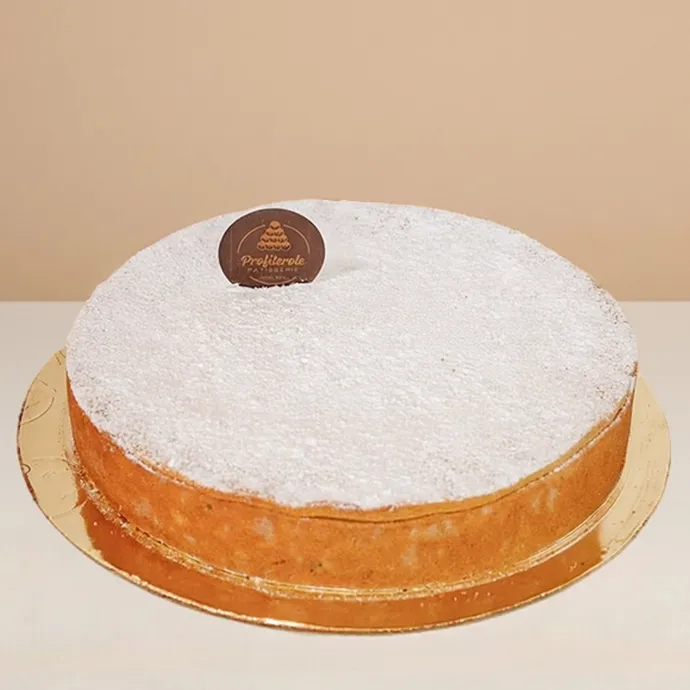
Baked Ricotta Cheesecake
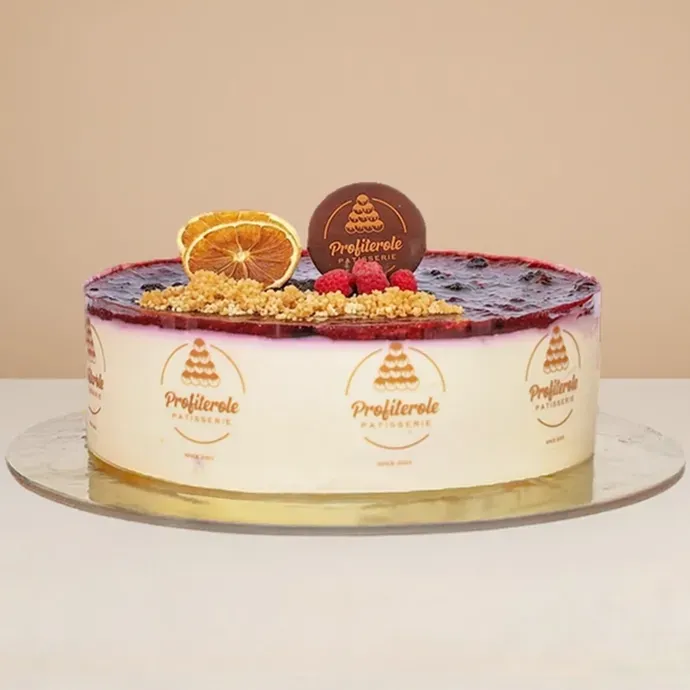
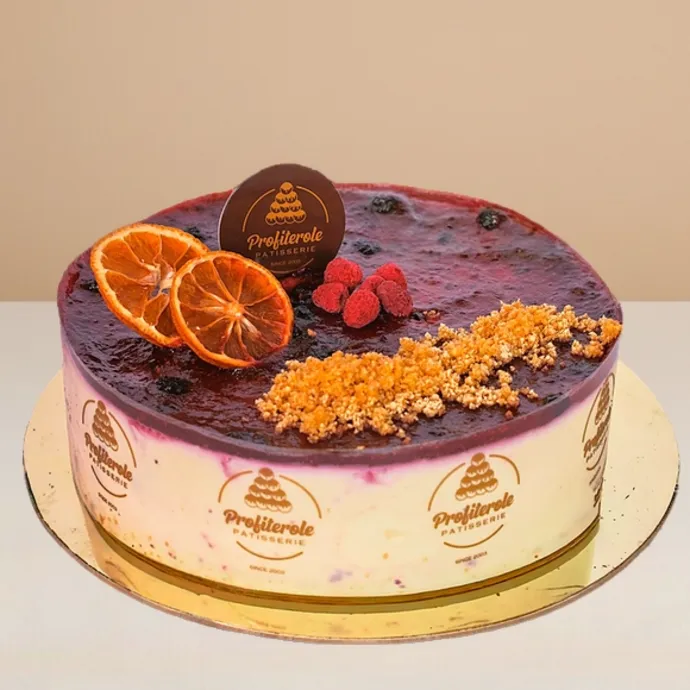
Blueberry Cheesecake
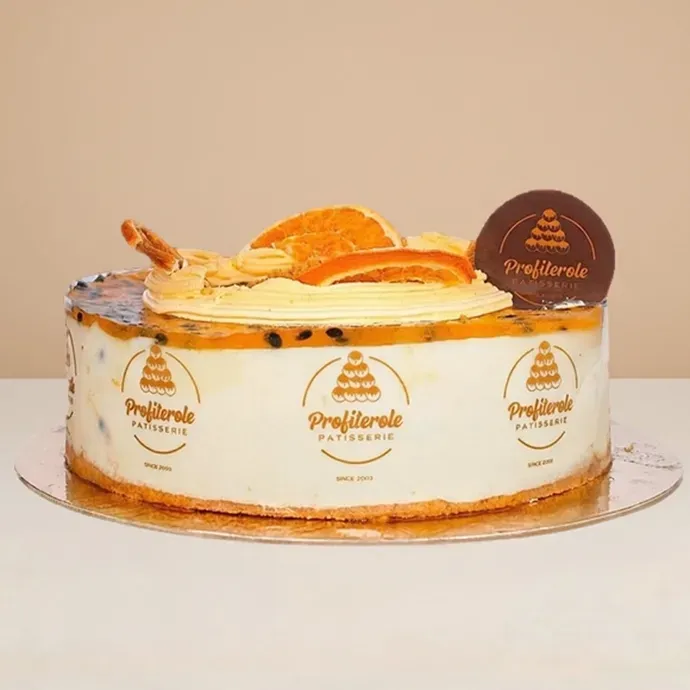
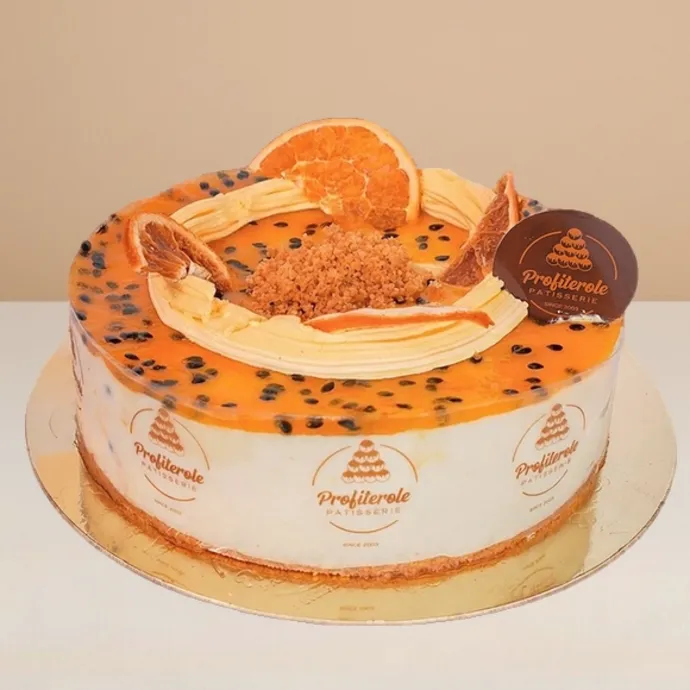
Passionfruit Cheesecake
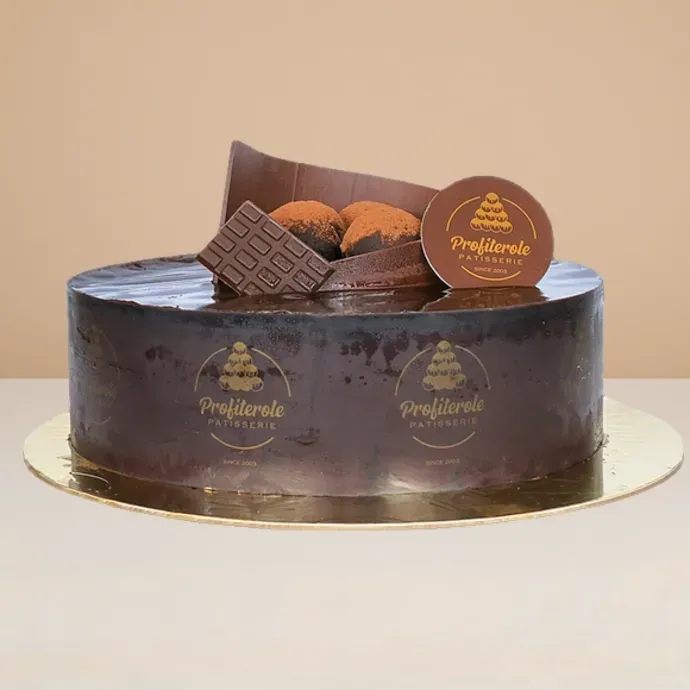
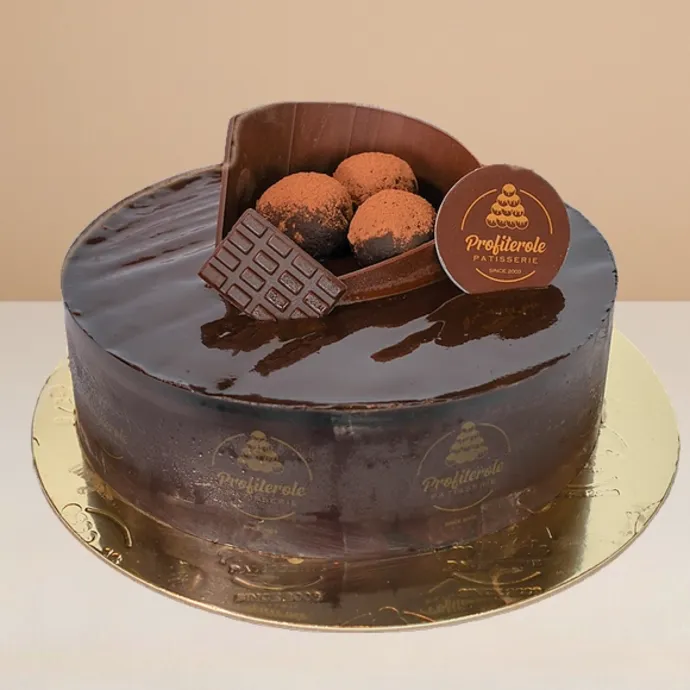
Chocolate Mousse Cake
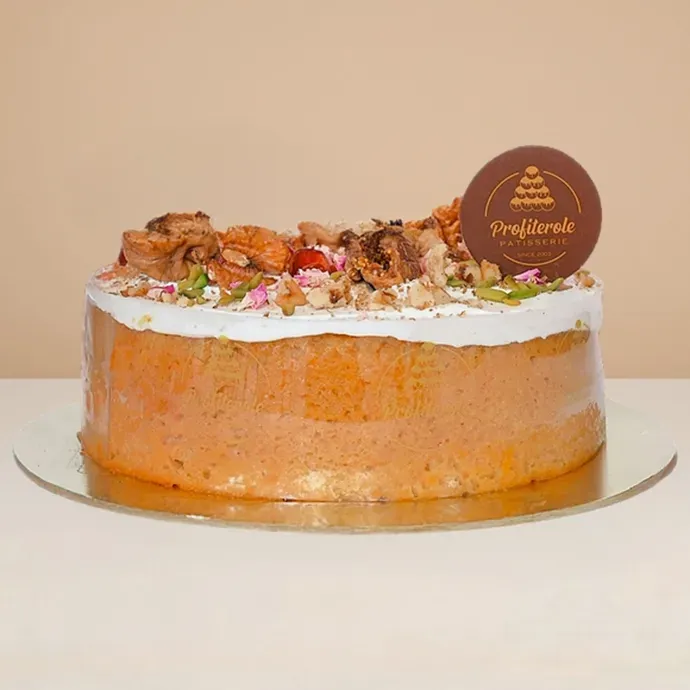
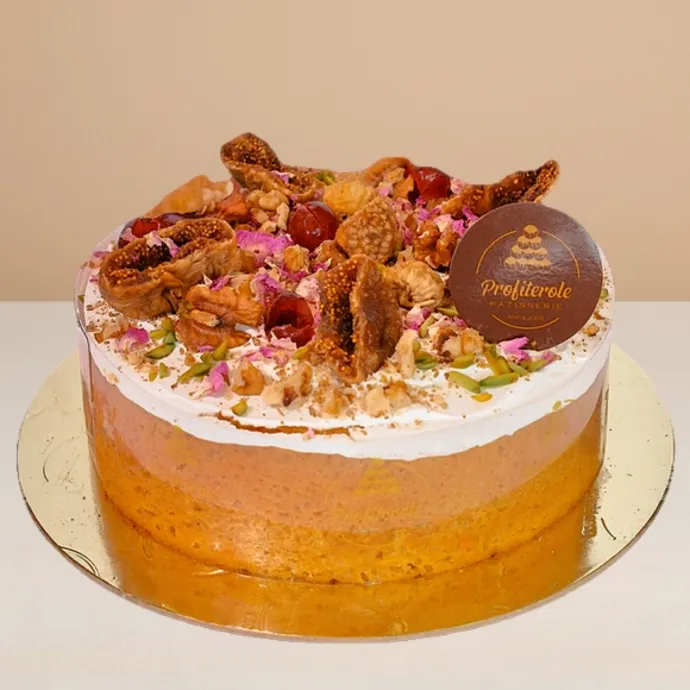
Orange Vegan Cake
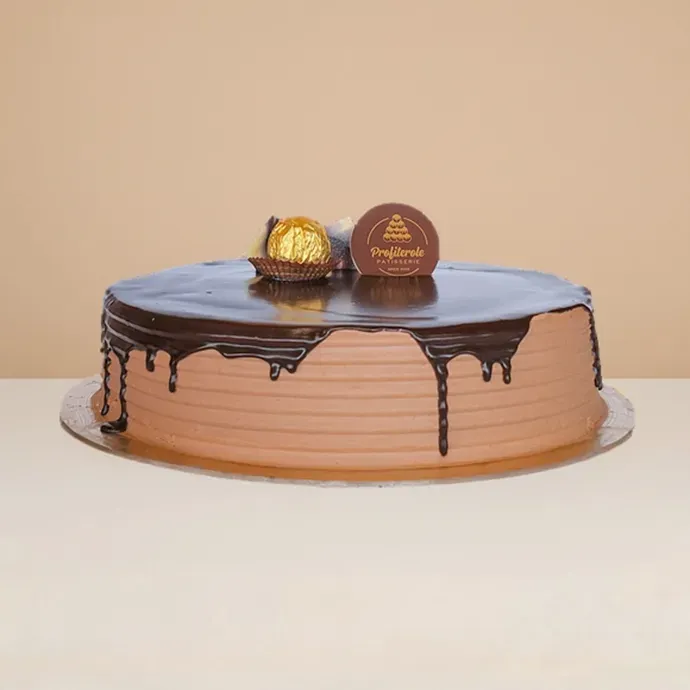
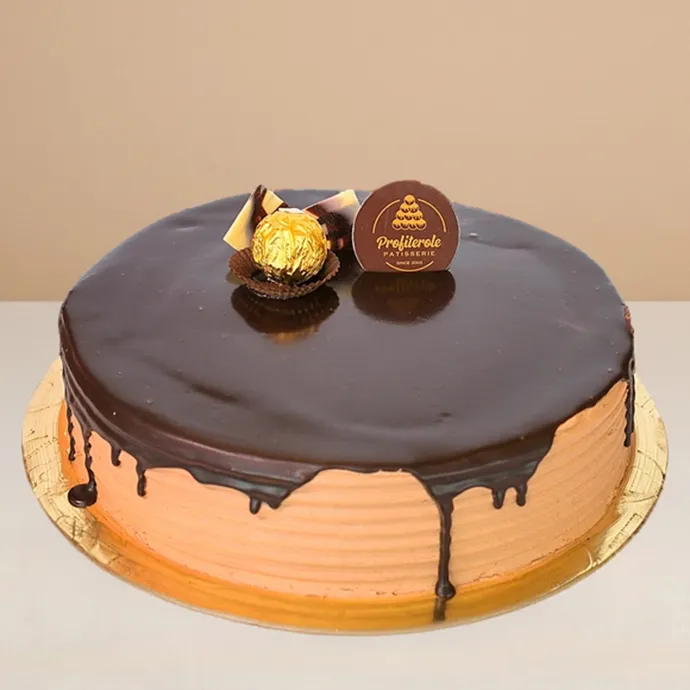
Ferrero Rocher Cake
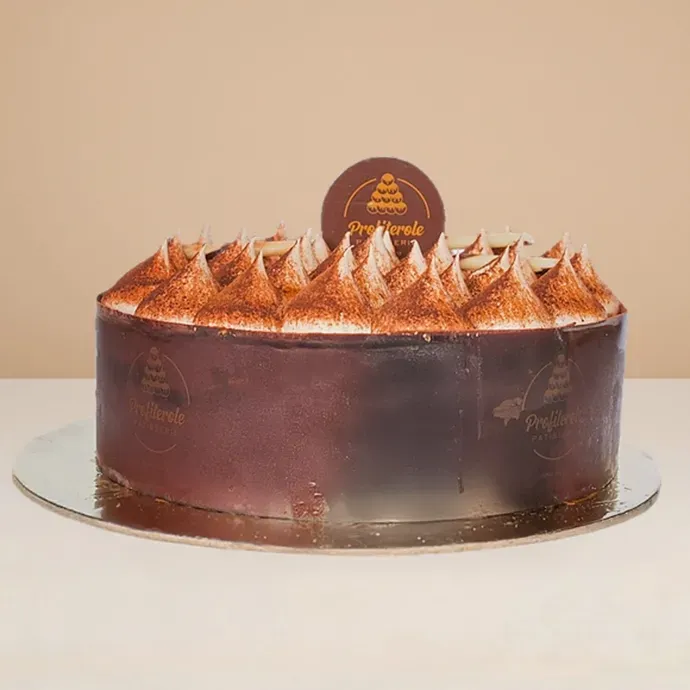
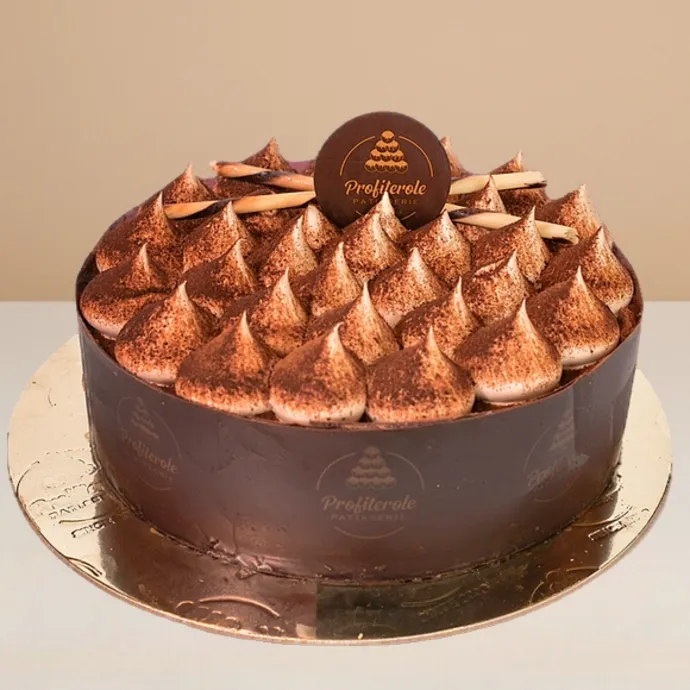
Tiramisu Cake
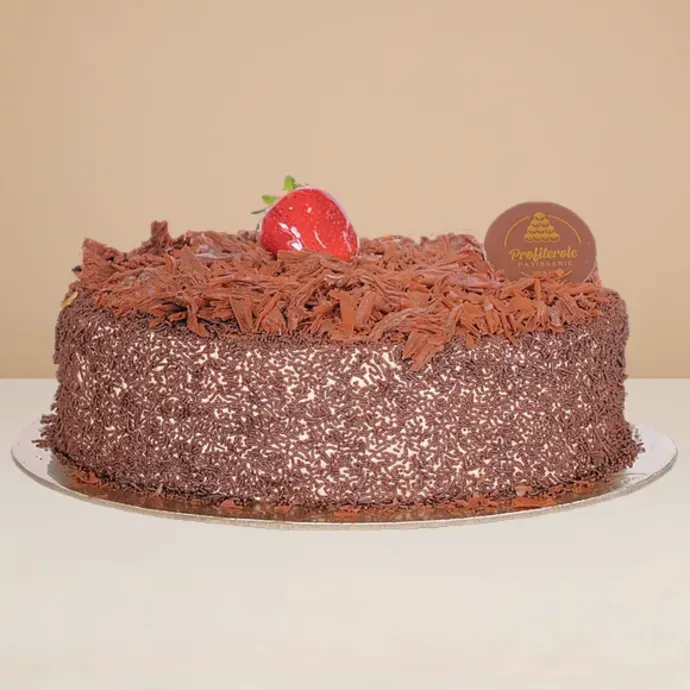
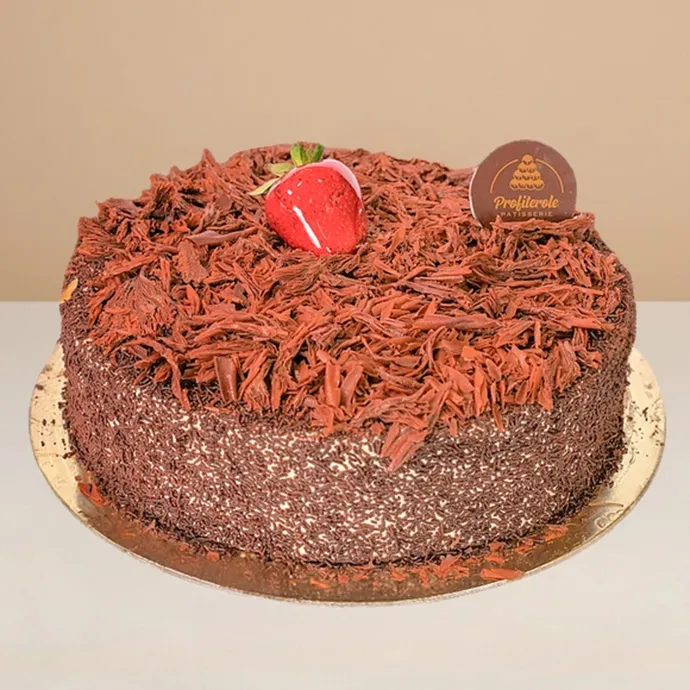
Black Forest Cake
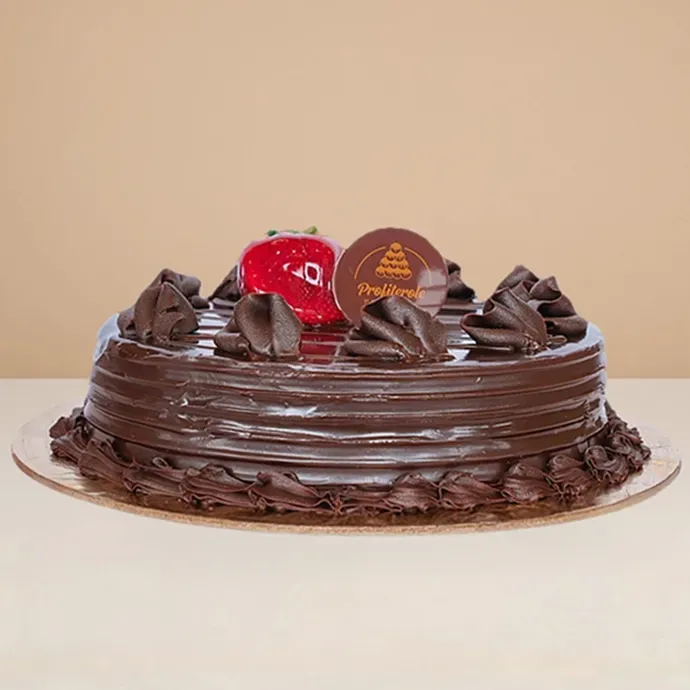
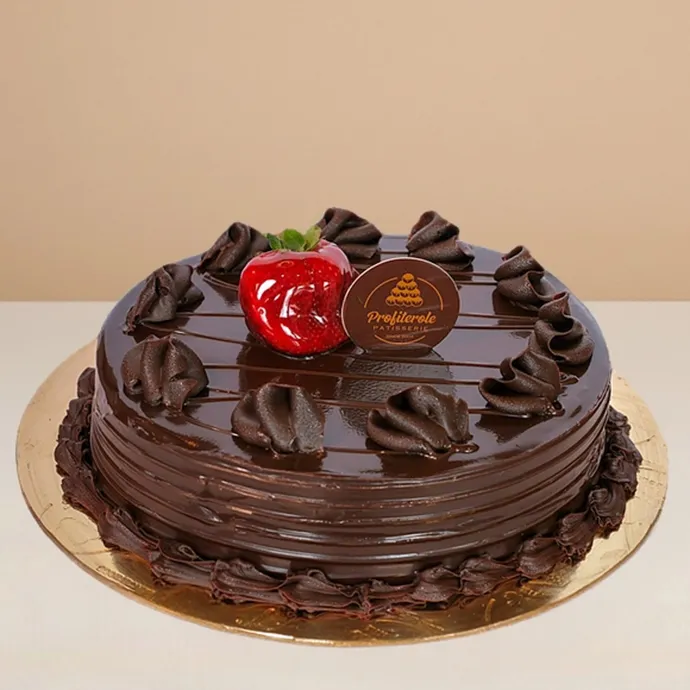
Chocolate Mud Cake
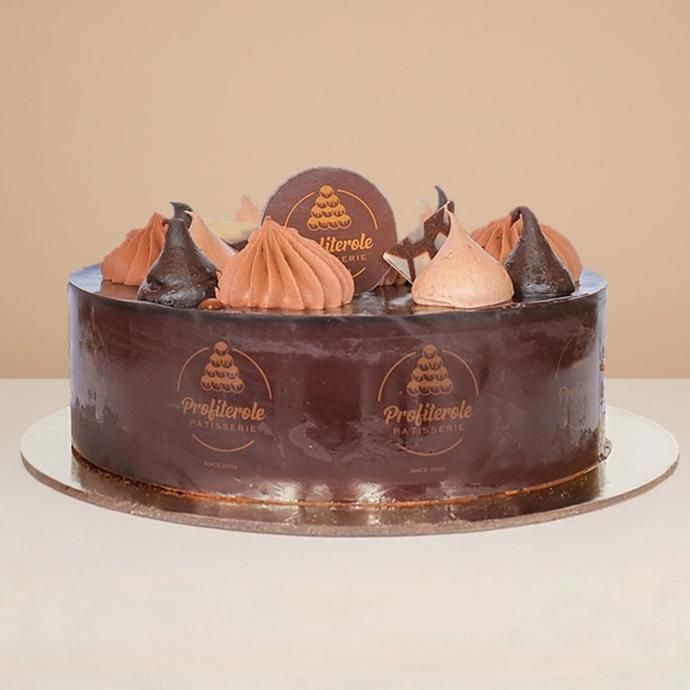
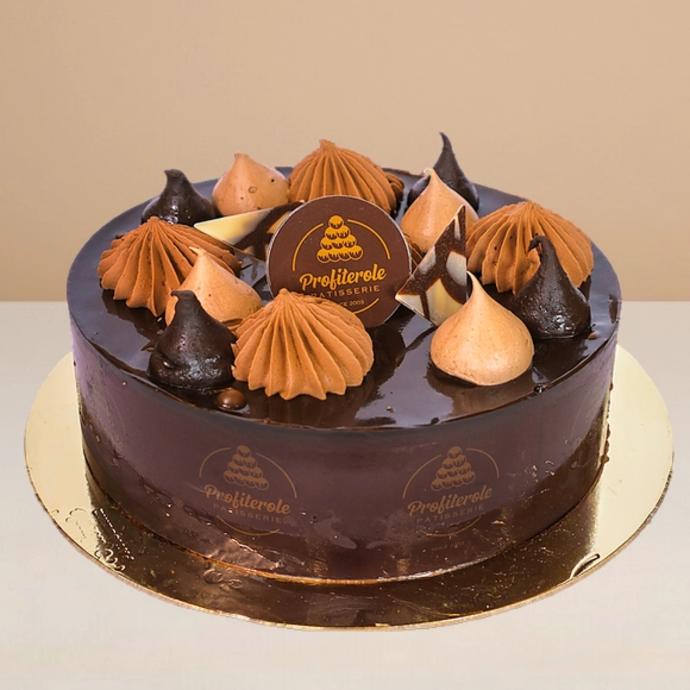
Chocolate Cake
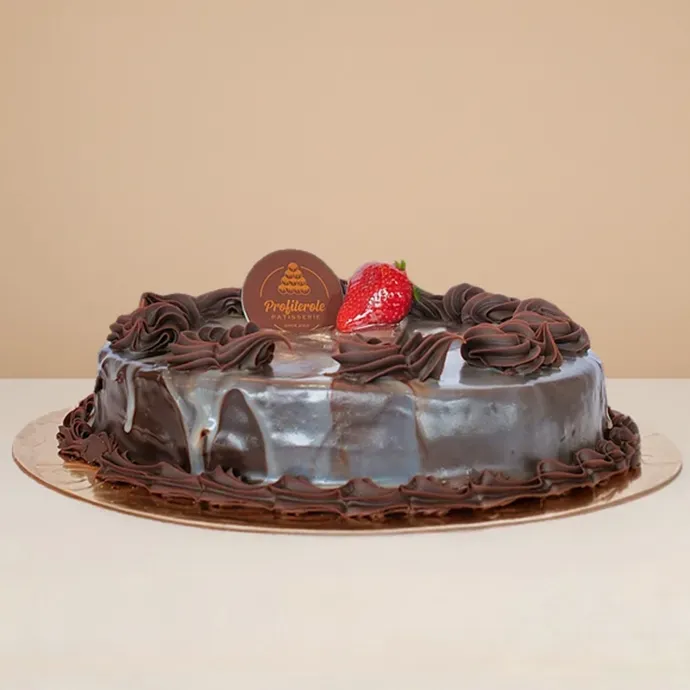
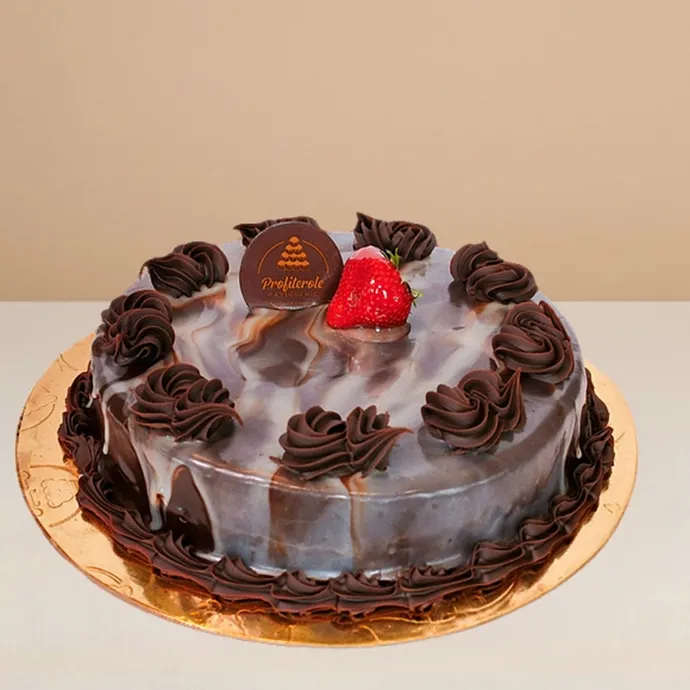
Marble Mud Cake
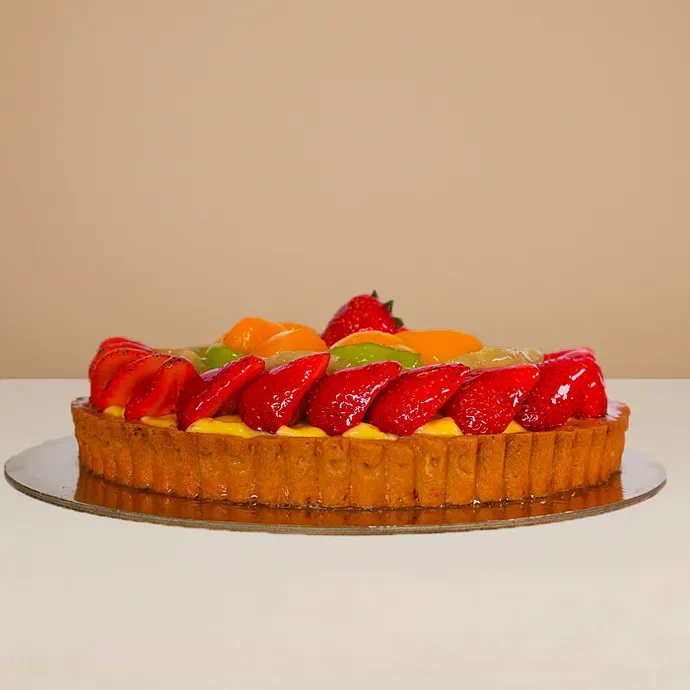
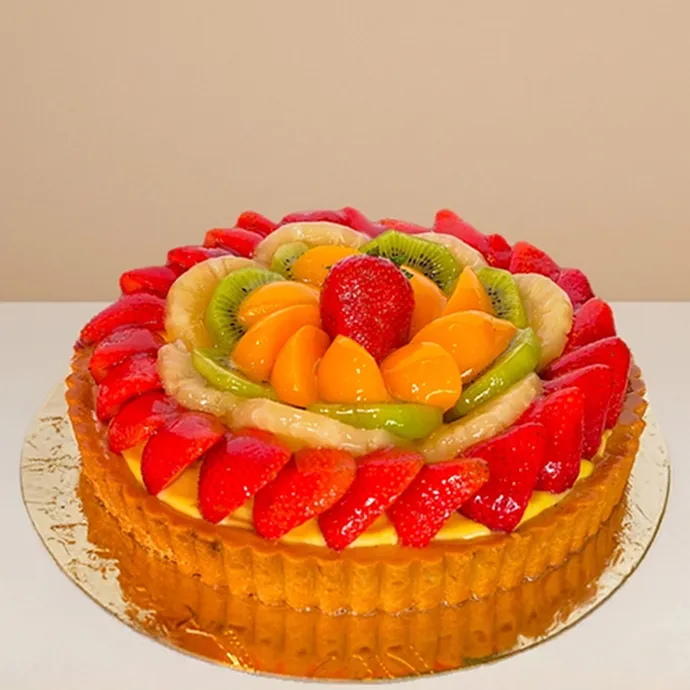
Fruit Cake - Round
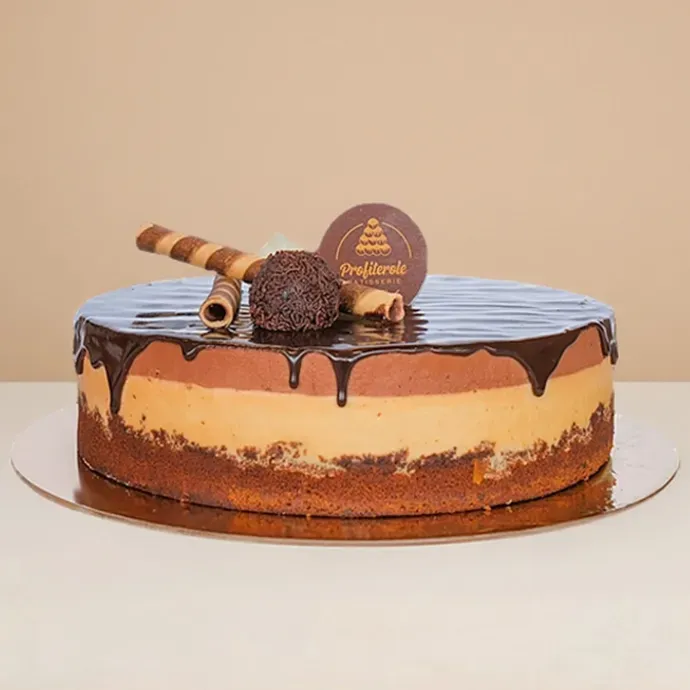
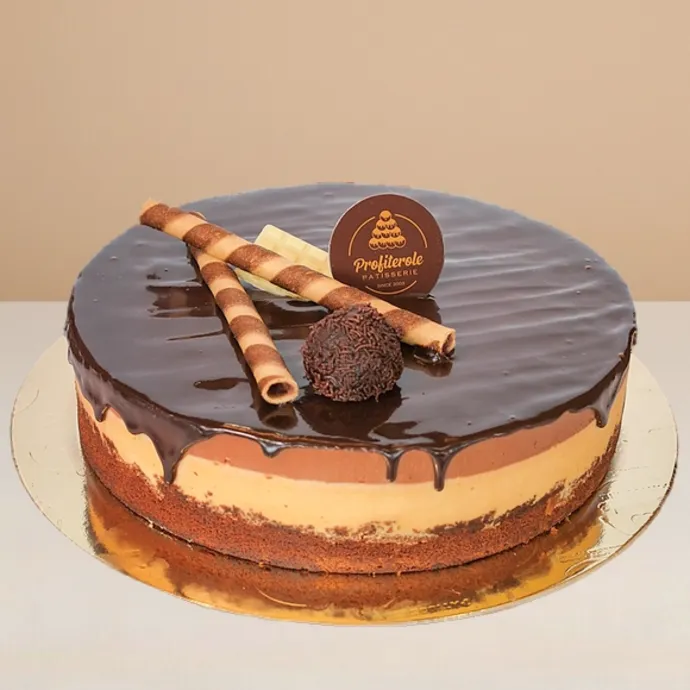
Trio Cake - Round
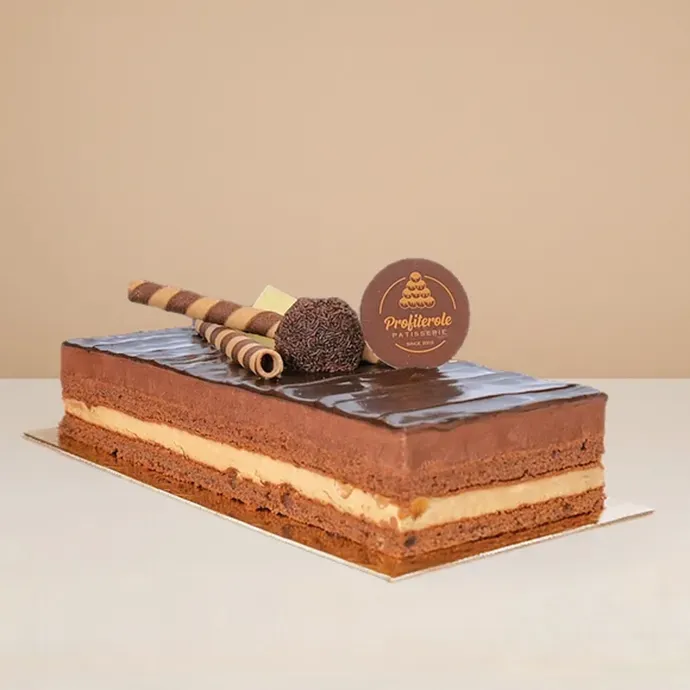
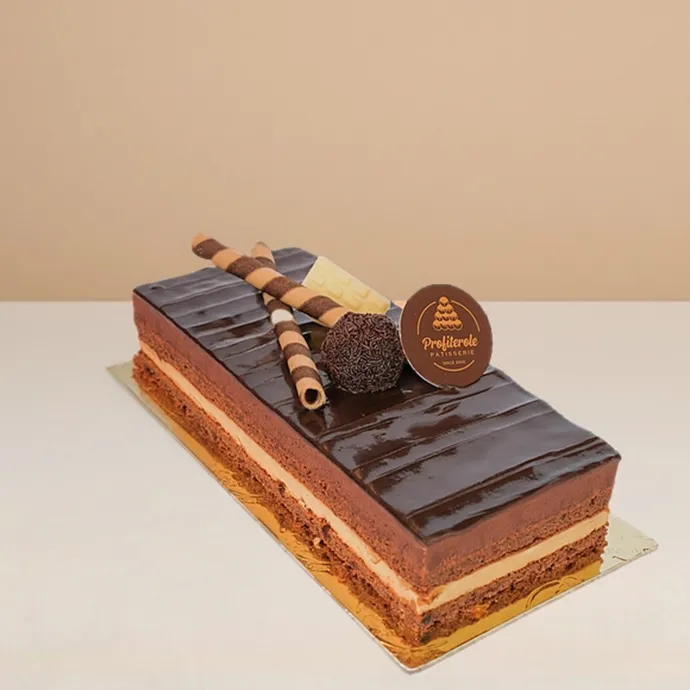
Trio Cake - Log
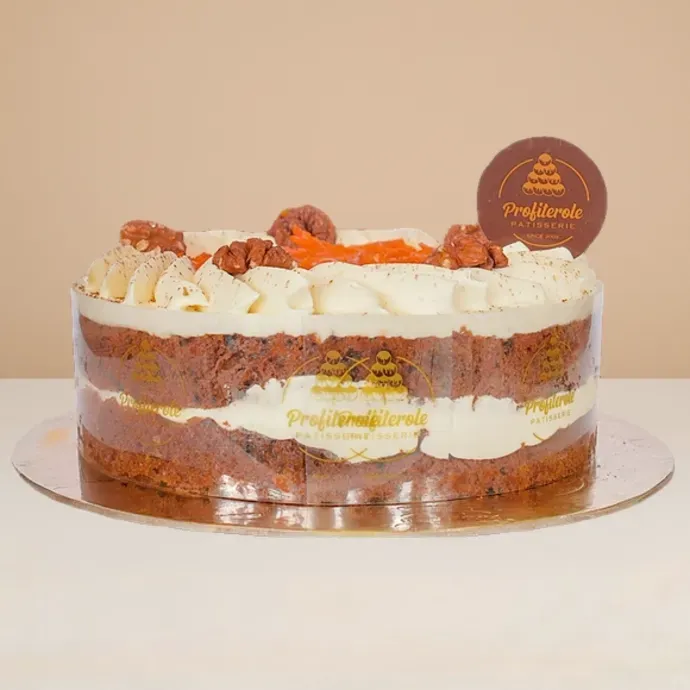
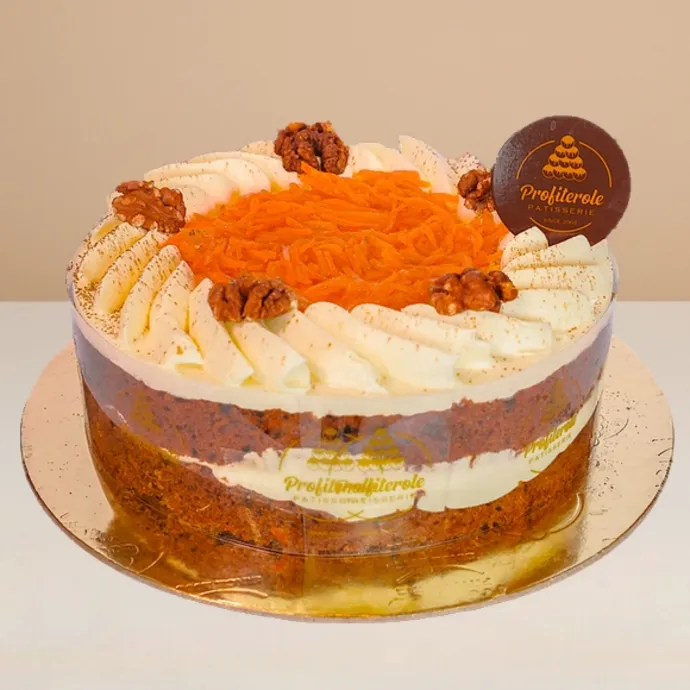
Carrot Cake
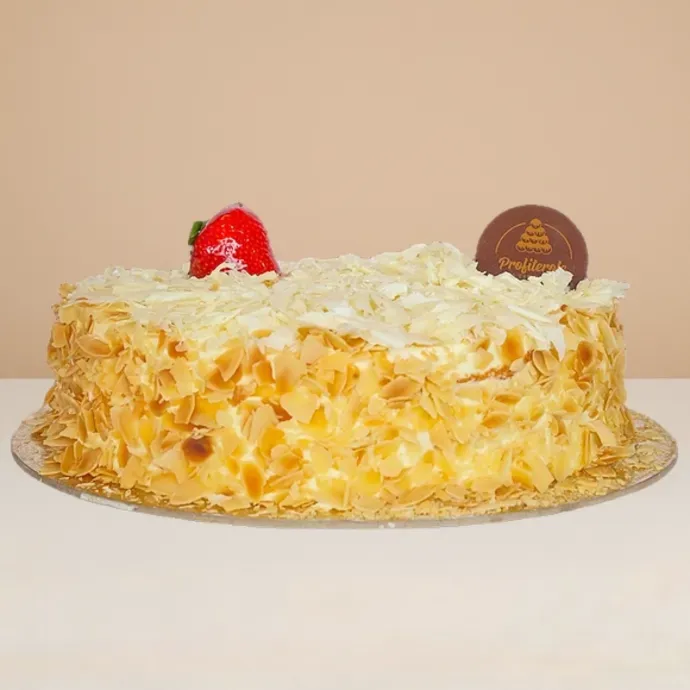
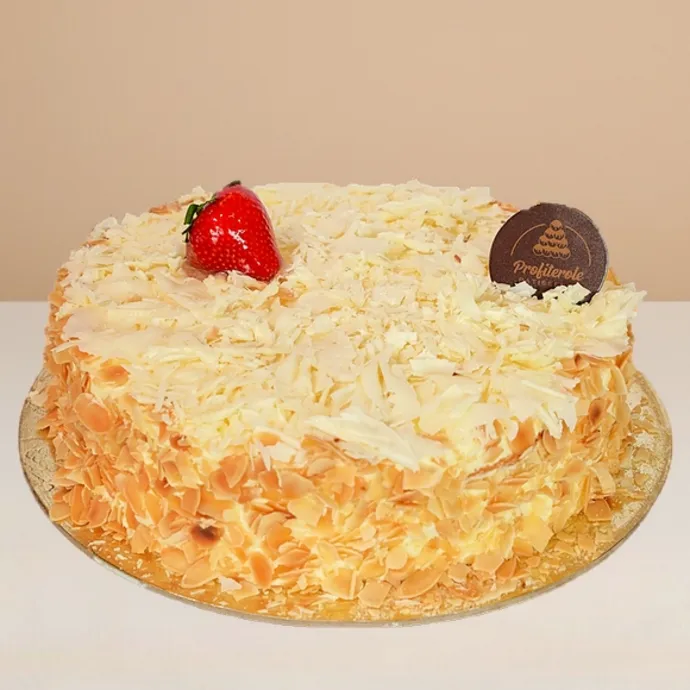
White Forest Cake
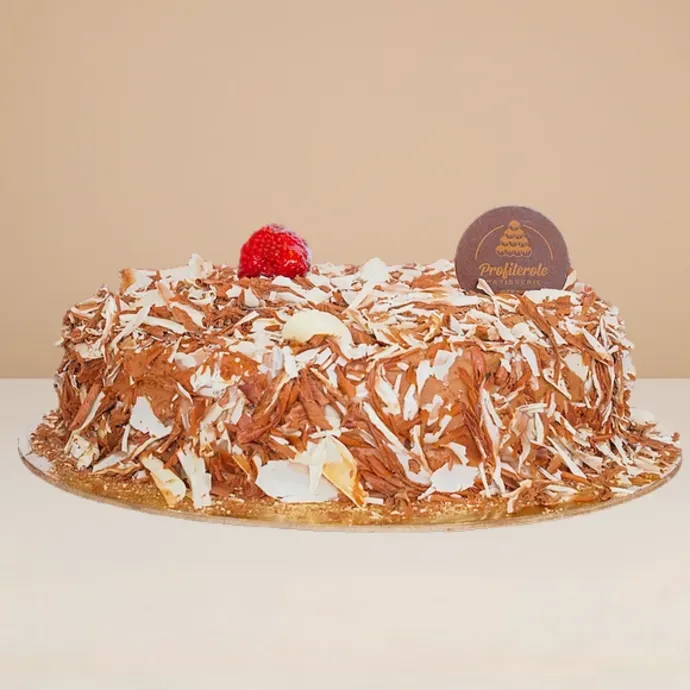
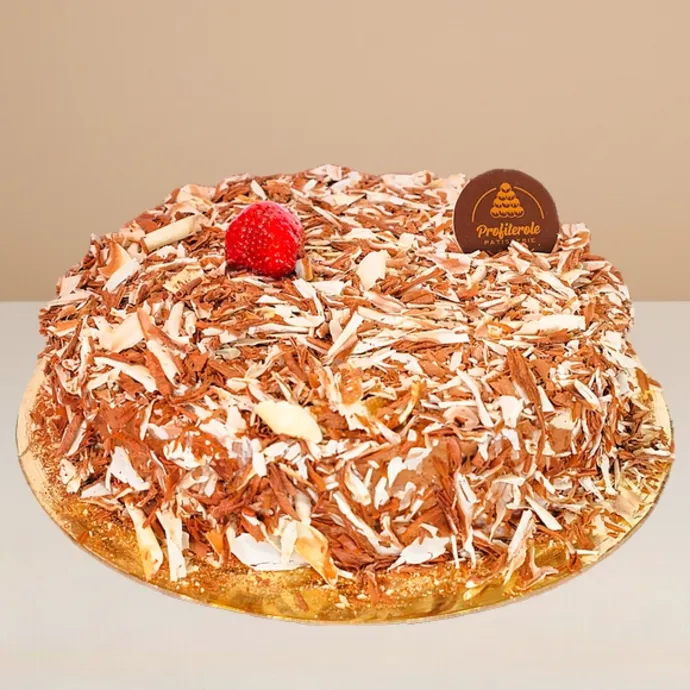
Double Custard Cake
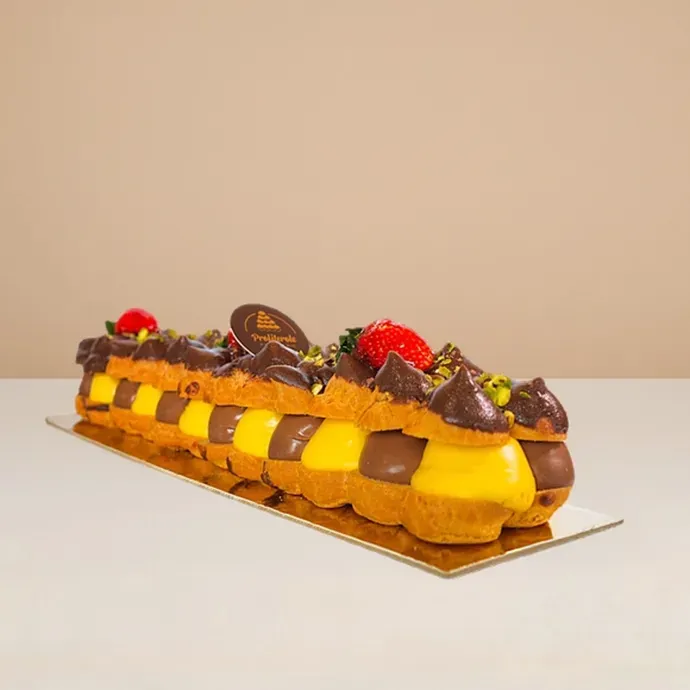
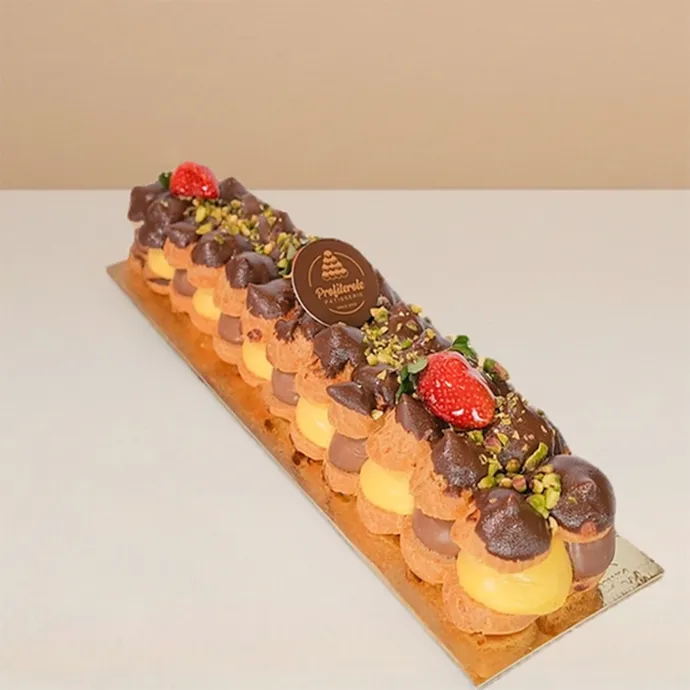
Profiterole Log Cake
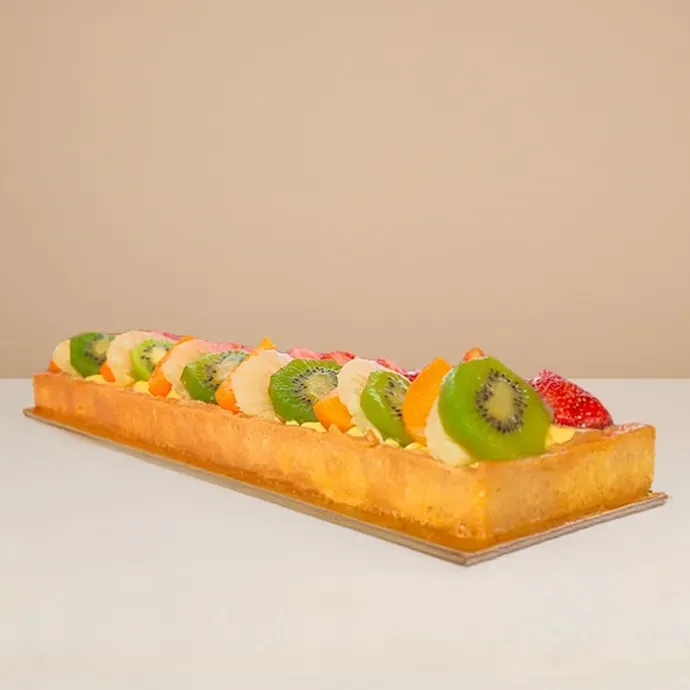
Fruit Cake - Log
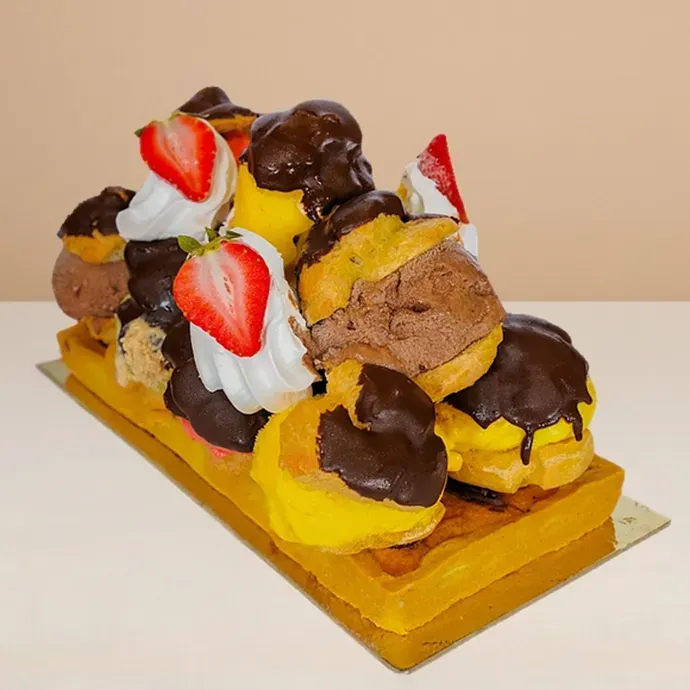
Profiterole Ice Cream Cake - 11 Pieces
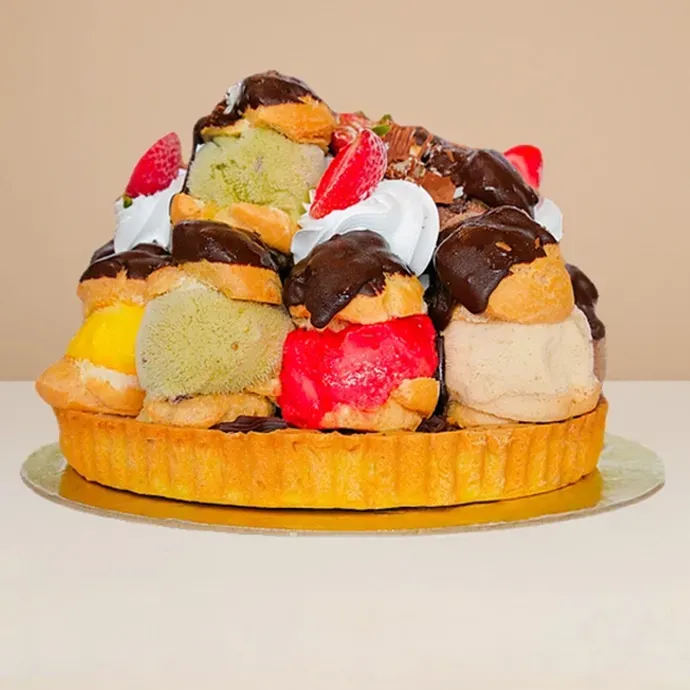
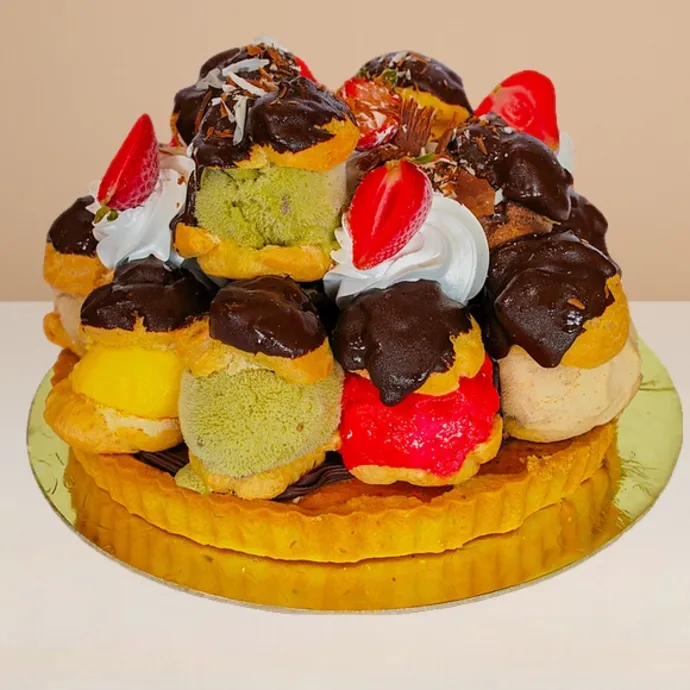
Profiterole Ice Cream Cake - 14 Pieces
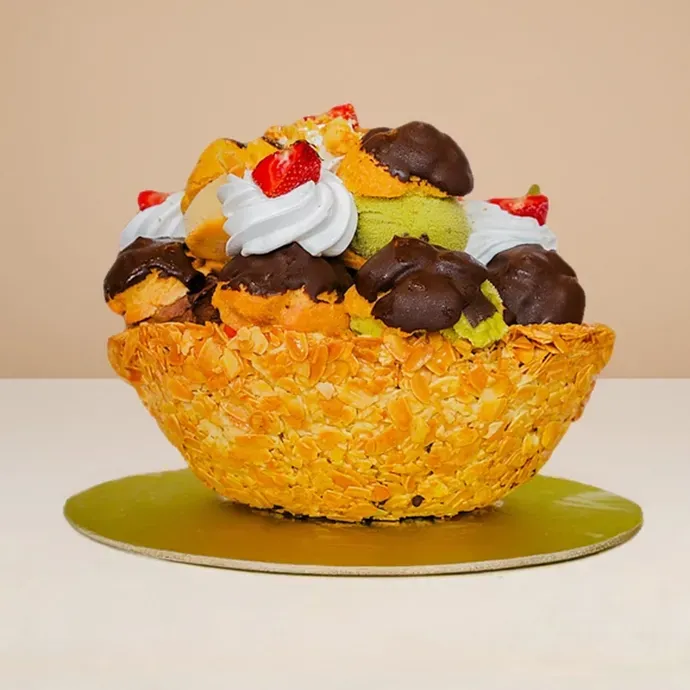
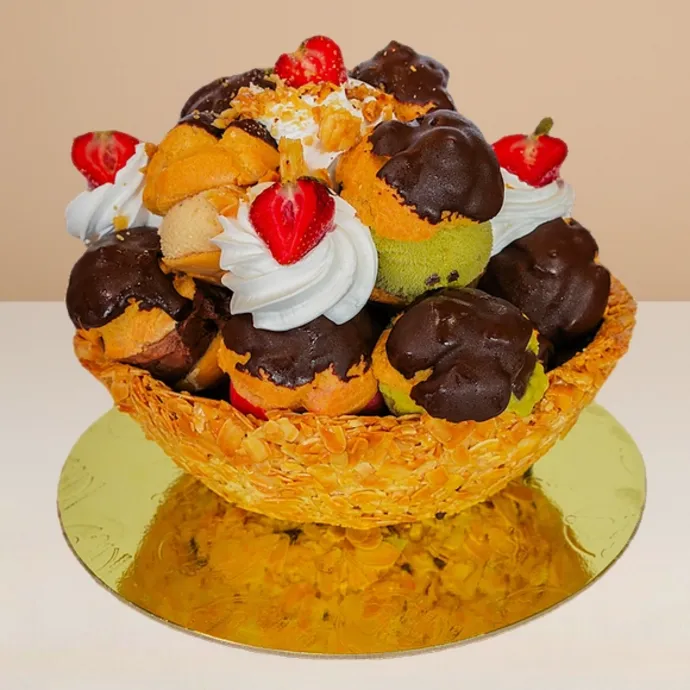
Profiterole Ice Cream Cake - 17 Pieces
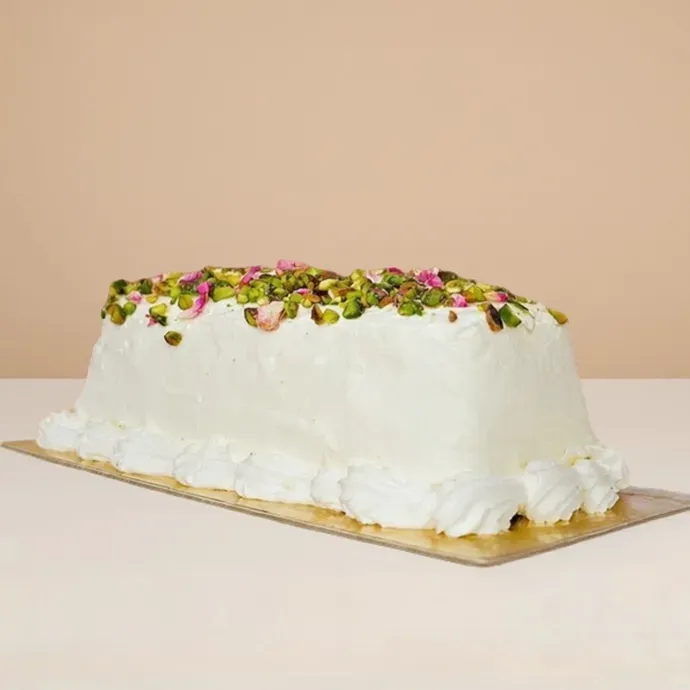
Ashta Ice Cream Cake
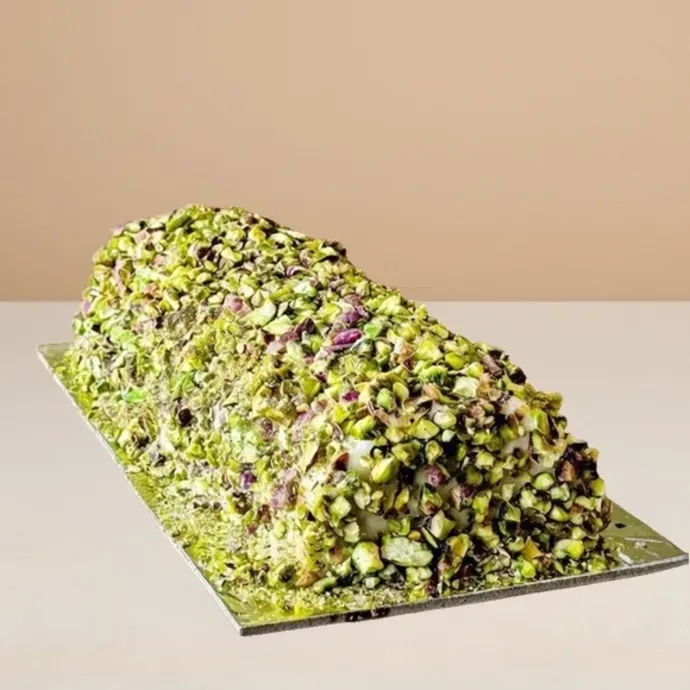
Ashta Ice Cream Cake - Pistachio
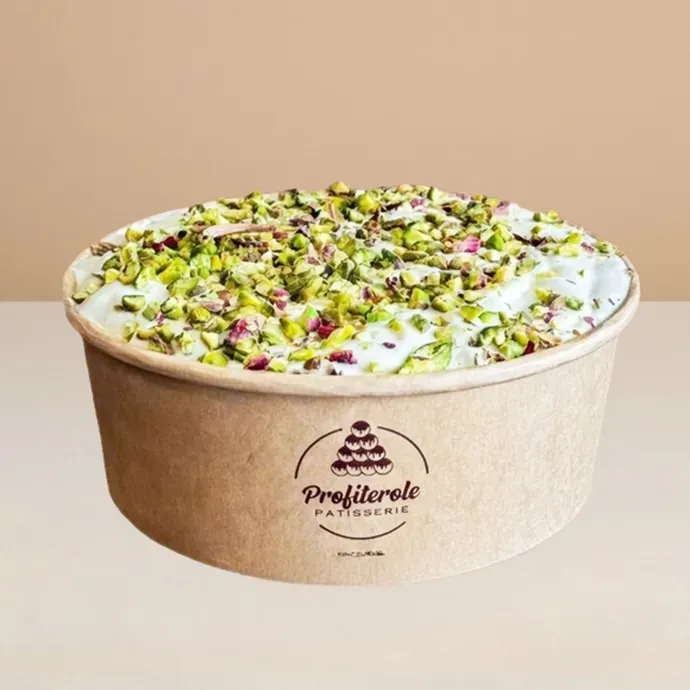
Ashta Ice Cream Bowl
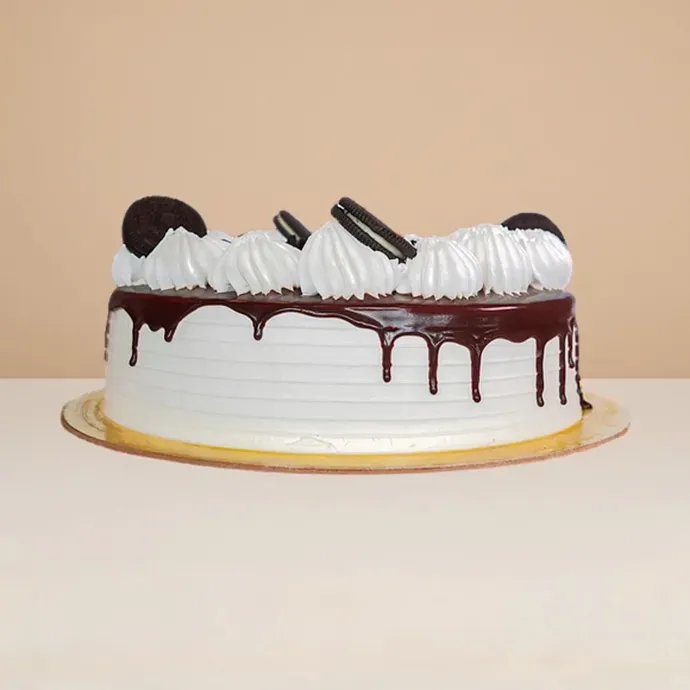
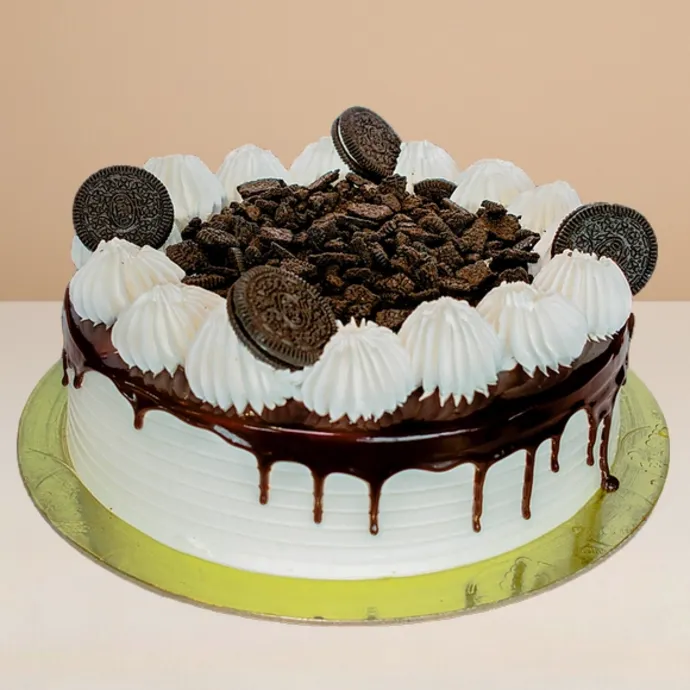
Oreo Ice Cream Cake
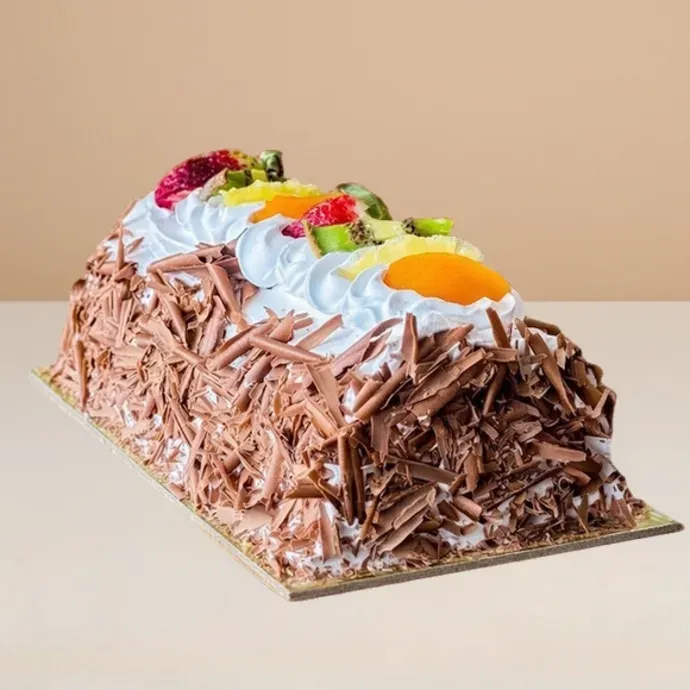
Ice Cream Cake - Log
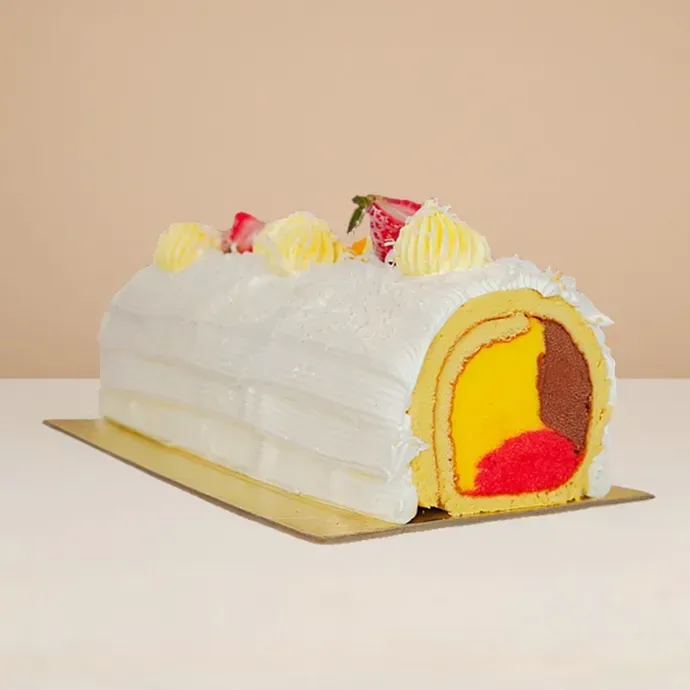
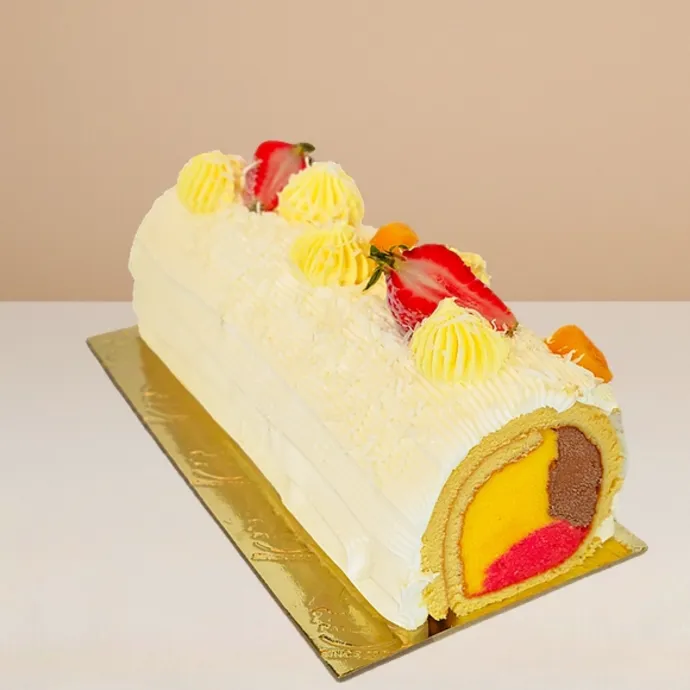
Mango Swiss Roll Ice Cream Cake
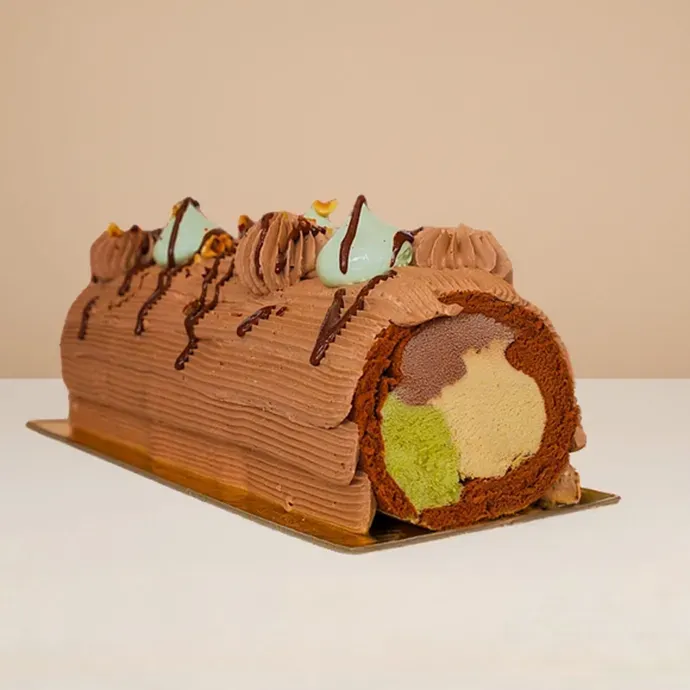
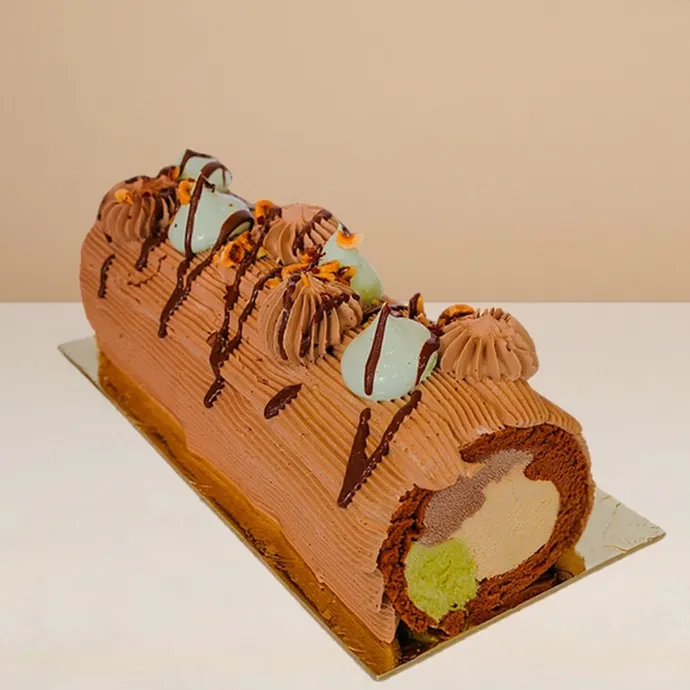
Chocolate Swiss Roll Ice Cream Cake
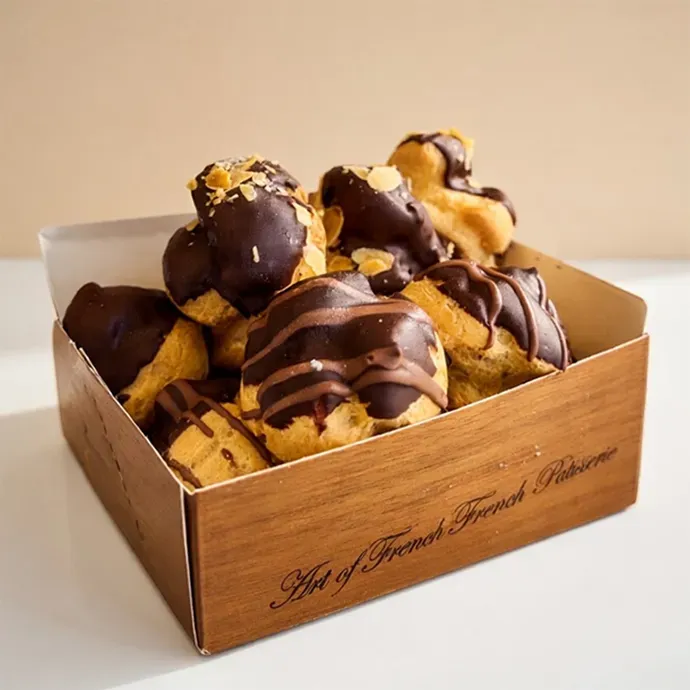
Assorted Profiteroles
Cannoli Box
8 Classic Sweet Pieces Box
8 Deluxe Sweet Pieces Box
8 Exotic Sweet Pieces box
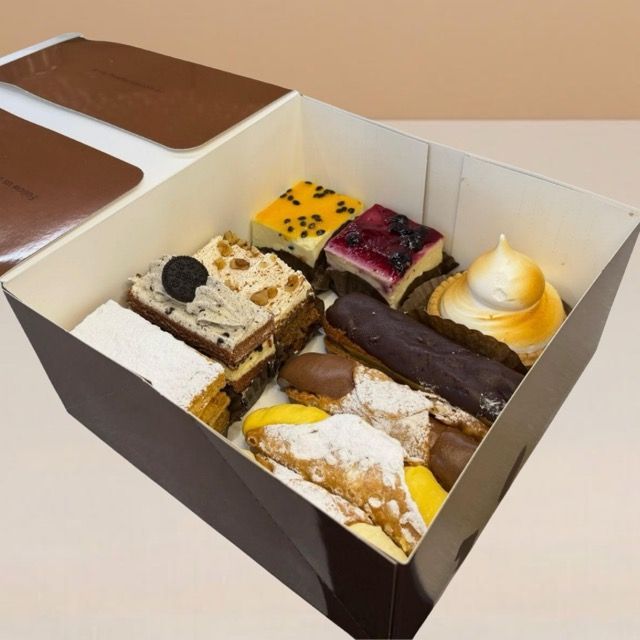
10 Classic Sweet Pieces box
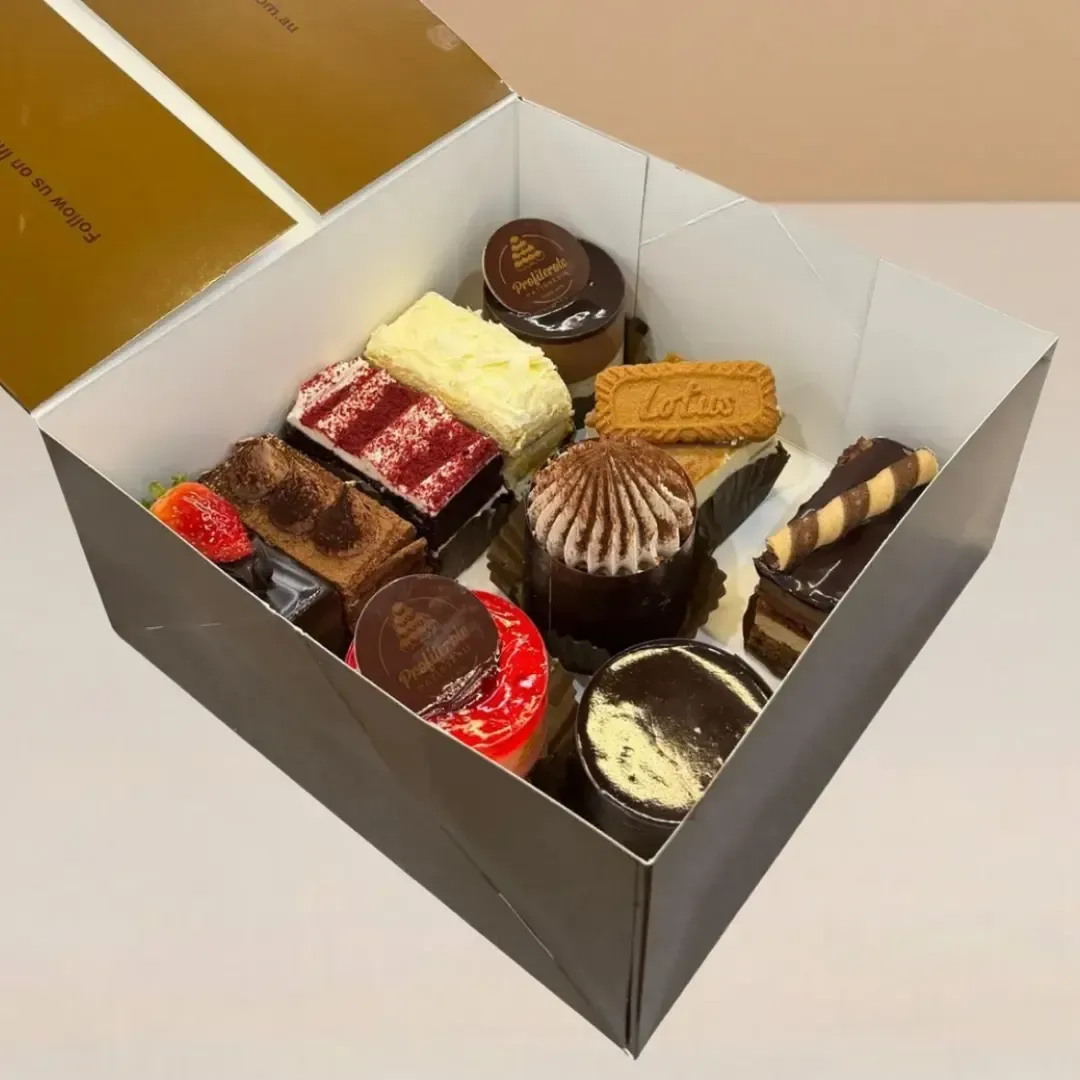
10 Deluxe Sweet Pieces Box
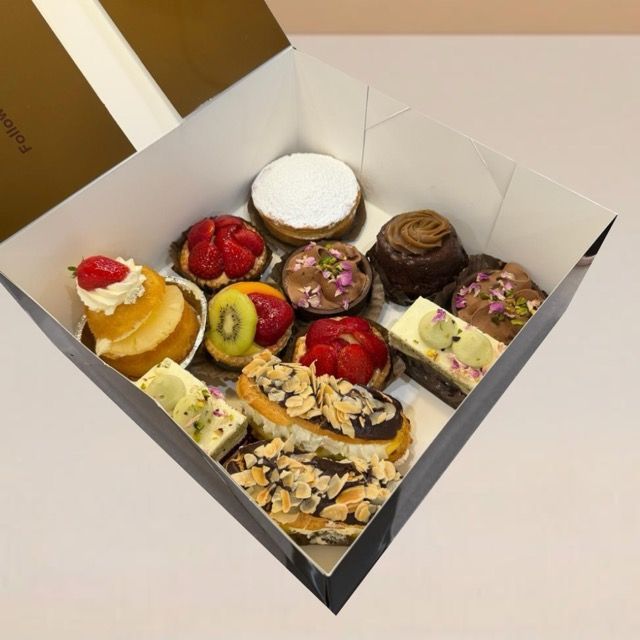
10 Exotic Sweet Pieces box
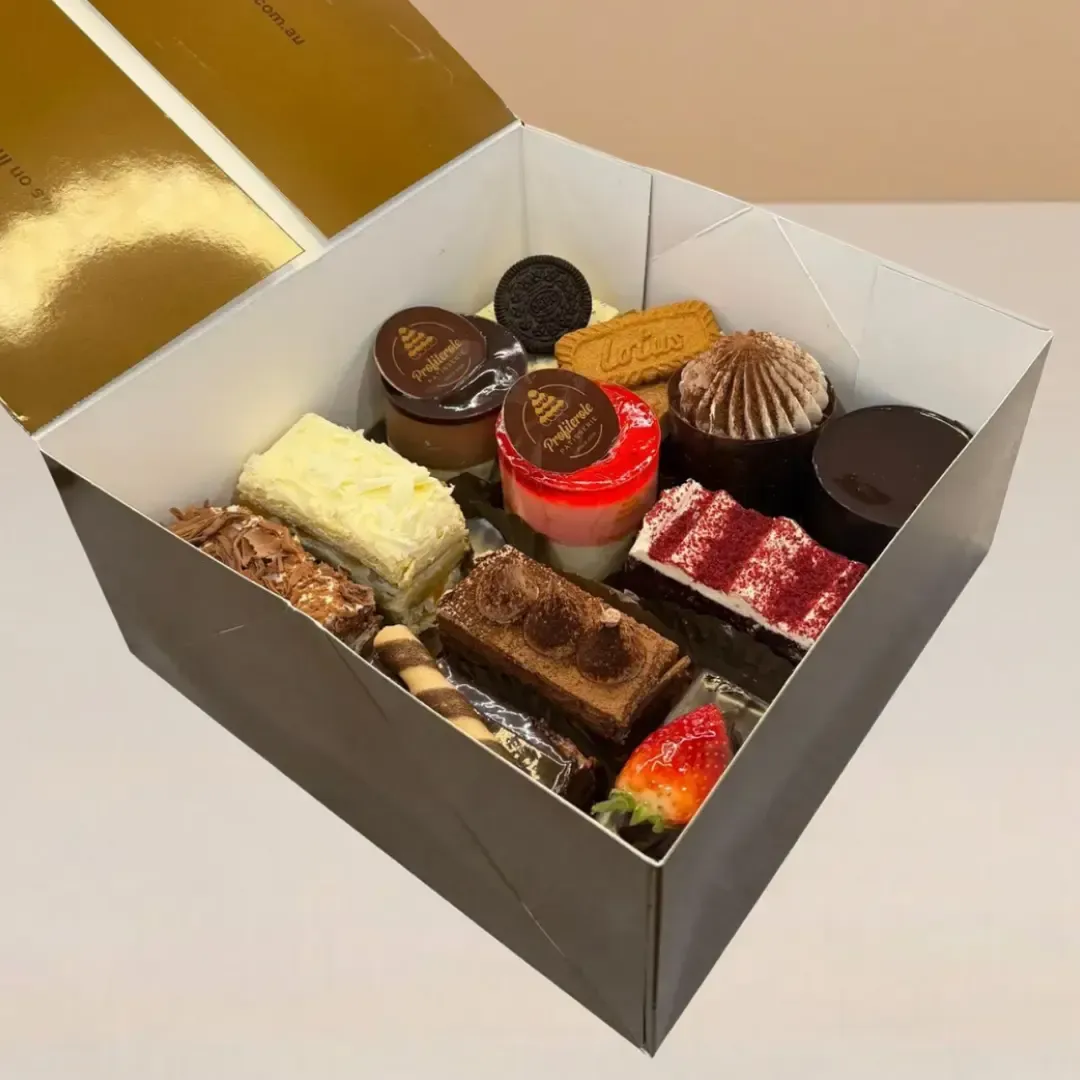
12 Deluxe Sweet Pieces Box
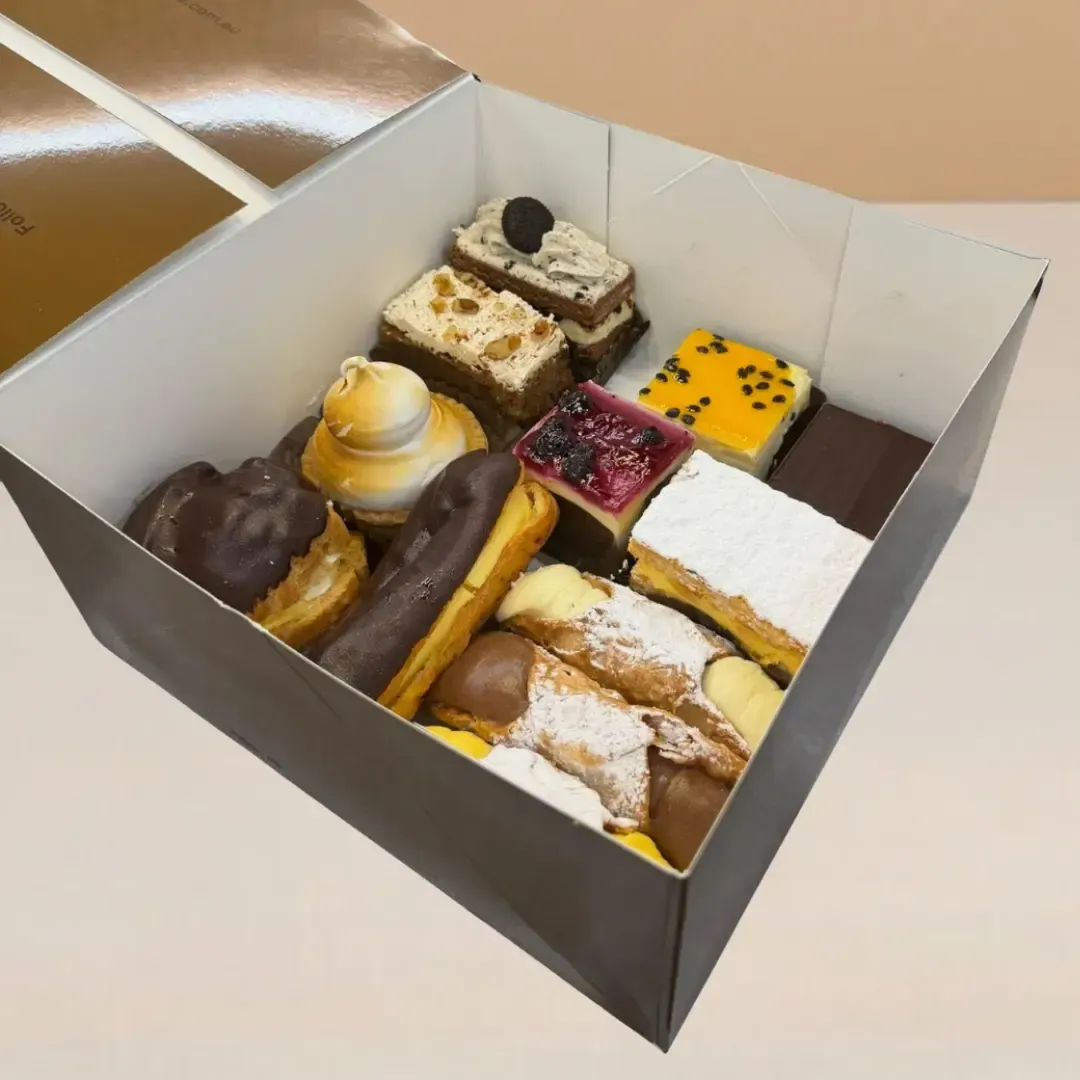
12 Classic Sweet Pieces box