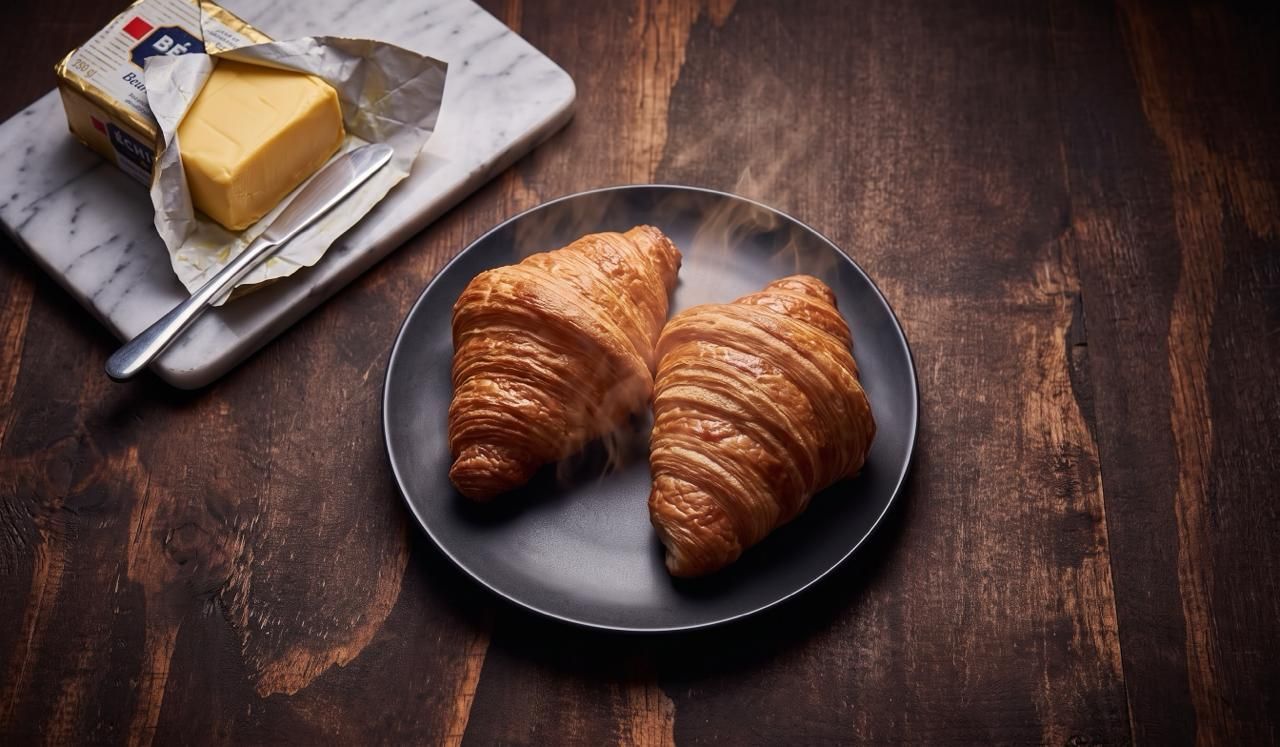
Why Butter Quality Matters in Croissants: Because Not All Butters Are the Same
Few things in the kitchen are as heartbreaking as spending days rolling, folding, and resting croissant dough, only to watch a greasy puddle leak onto your baking tray while your pastries collapse into dense, heavy rolls.
If you have ever blamed your folding technique or oven temperature for flat, greasy layers, you might be looking in the wrong place.
More often than not, the culprit is the block of butter sitting on your kitchen bench.
Here is the bakery science behind why butter quality makes or breaks your croissants, and how choosing the right dairy transforms your bake.
TL;DR
Butter quality determines whether a croissant bakes into a crisp, open honeycomb or a leaden, oily bun. Authentic viennoiserie requires unsalted, European-style dry butter (beurre de tourage) with at least 82% to 84% butterfat. Standard table butters contain up to 18% to 20% water, which releases prematurely during rolling, hydrates gluten into a gummy paste, and causes butter leakage in the oven. For crisp, distinct layers, prioritize butter with high plasticity, low moisture, and natural lactic fermentation.
| Butter Type | Butterfat Content | Water Percentage | Pliability & Plasticity | Final Crumb Outcome |
|---|---|---|---|---|
| European Dry Butter (Beurre de Tourage) | 82% to 84%+ | 14% to 16% | Exceptional; bends cleanly without cracking or softening | Open, airy honeycomb crumb with a crisp, shattering crust |
| Standard Table Butter | 80% to 81% | 18% to 20% | Poor; tears easily or melts rapidly on warm benches | Dense, bread-like crumb with visible grease pooling on the tray |
| Commercial Salted Butter | 80% | 18% to 20%+ | Unpredictable; high moisture leads to layer seepage | Heavy, salty layers with compromised yeast rise and soggy pockets |
| Plant-Based Margarine / Shortening | 80% (vegetable oil) | Variable | Pliable, but lacks natural dairy melting point | Greasy, waxy film on the palate with zero authentic butter aroma |
The Mechanical Role of Butter in Croissant Dough
In my kitchen, I always remind our apprentice bakers that lamination is applied physics. Butter is never just a flavouring agent; it is the physical engine driving the entire rise.
Creating the Alternating Matrix (Détrempe Meets Beurrage)
Classic croissant dough begins with two separate components: the yeast-leavened flour base (détrempe) and a flat, chilled block of butter (beurrage).
The lamination process involves enclosing the butter block inside the dough envelope and executing a series of precise turns and folds. With three single folds, you create 27 distinct sheets of butter separated by 28 micro-thin layers of dough. Throughout this rolling process, the butter must act as an impenetrable physical barrier.
If the butter is too soft or watery, the dough absorbs the fat, turning the mixture into standard brioche dough. If it is high in quality, it stays completely separate, creating a microscopic multi-tiered architecture.
The Steam Engine Effect and Honeycomb Formation
When you place a proofed croissant into a hot oven, the physical magic begins:
Steam Release:Trapped moisture within the butter turns to high-pressure steam at 100°C.
Hydraulic Lift: Because the butter acts as an airtight seal, the expanding steam cannot escape downward. It pushes the overlying sheets of flour dough upward, functioning like thousands of tiny hydraulic lifts.
Crumb Setting: As the steam inflates the pockets, the fat melts and bakes into the surrounding dough sheets. Flour starches gelatinize and gluten proteins coagulate around the air pockets, permanently locking the open, gossamer honeycomb structure into place.
Fat vs. Water Content: The Food Chemistry That Dictates Flakiness
The single most important metric on any butter wrapper is the ratio of butterfat to water. A variance of just two or three percent might seem negligible on paper, but on the pastry bench, it completely alters the physical outcome.
Why Excess Water Destroys Laminated Layers
Standard domestic butters, particularly everyday supermarket blocks, often contain 18% to 20% water. This excess moisture presents serious mechanical problems:
Premature Hydration: As you roll the dough with a rolling pin, the pressure squeezes free water out of low-grade butter. This water hydrates the raw flour along the contact planes, forming sticky, gummy gluten strands that glue adjacent dough layers together.
Torn Lamination: Once layers fuse, the distinct separation is lost. Instead of dozens of paper-thin sheets, you end up with thick, uneven patches of dough that cannot expand evenly.
Oven Leakage: Excess water turns into steam too rapidly before the gluten structure has time to set. The steam ruptures the fragile dough walls, allowing the melted butter to bleed out onto the baking pan, frying the bottom of the pastry in a puddle of grease.
Butter Plasticity and the Melting Point Sweet Spot
Professional pastry chefs prize butter for its plasticity or its ability to bend, stretch, and flatten under mechanical pressure without snapping or melting into a greasy smear.
Butter is an emulsion of solid fat crystals, liquid oil, and water droplets. High-grade pastry butters undergo specialized churning and temperature conditioning to produce smaller, tighter fat crystal networks.
This gives the butter a broad plastic range: it stays firm yet pliable at a cool bench temperature of 14°C to 16°C. Furthermore, pure butterfat has a natural melting point of 32°C to 35°C.
Because this falls just below human body temperature (37°C), authentic croissant layers dissolve the moment they hit your tongue, leaving a clean, luxurious finish rather than a waxy coating.
European Butter vs. American Butter: Which Belongs in Your Croissants?
If you have ever wondered why French croissants possess an unmistakable, rich aroma and shattering crispness, the answer comes down to dairy standards.
The Butterfat Threshold (82% to 84% vs. 80%)
In North America and many standard commercial dairy systems, table butter is legally required to contain only 80% milkfat. The remaining 20% consists of water and non-fat milk solids.
By contrast, European regulations require butter to contain a minimum of 82% butterfat, with professional dry butters (beurre sec or beurre de tourage) regularly reaching 84%.
That extra 2% to 4% of fat represents a massive reduction in free water. With less water to cause gumminess, the baker can roll the dough significantly thinner, achieving the paper-like sheets necessary for an airy, featherweight bake.
Cultured vs. Sweet Cream: The Flavour Chemistry
Beyond fat percentages, the production method dictates flavour:
Sweet Cream Butter: Made from fresh, pasteurized cream. It produces a clean, sweet, and neutral dairy flavour that is pleasant on toast but can taste flat inside a multi-layered pastry.
Cultured Butter: The gold standard in France. Before churning, the cream is inoculated with live lactic acid bacteria and allowed to ferment slowly over several hours. This biological fermentation produces diacetyl, an organic compound responsible for the deep, hazelnut, slightly tangy aroma that defines genuine Parisian viennoiserie.
The gentle acidity also helps relax gluten slightly, making the dough easier to roll.
Salted vs. Unsalted Butter: The Delicate Balance of Seasoning and Control
Walking down the dairy aisle, you will see both salted and unsalted options side by side. For laminated pastry, this is never an interchangeable choice.
Why Professional Pastry Chefs Never Use Salted Butter for Lamination
The golden rule of artisan baking is complete control over your formula. Commercial salted butters vary wildly in sodium concentration, ranging anywhere from 1.5% to more than 2.5% salt depending on the brand.
Croissant dough relies on active baker's yeast for its fermentation and open texture. Salt is hygroscopic, meaning it draws water away from yeast cells and retards fermentation.
If you fold an unmeasured, heavily salted butter block into your dough, the salt will leach into the dough sheets, stunting yeast activity unevenly and resulting in a dense, tight rise.
Always use unsalted butter so you can measure your salt precisely into the initial flour mix.
The Water Factor in Salted Butter
There is a practical dairy secret behind salted butter: salt acts as a natural preservative. Because of this, dairy manufacturers historically tolerated higher moisture content in salted varieties, as the salt prevents spoilage.
Higher moisture means more free water weeping onto your pastry bench, which increases the likelihood of torn dough and greasy baking sheets.
How to Test Butter Quality and Spot Low-Grade Fats on the Bench
Before you commit hours to preparing dough, you can run three quick bench tests to evaluate whether your butter is fit for lamination.
The Bend Test for Bench Plasticity
Cut a cold slab of butter roughly 1cm thick directly from the refrigerator and let it rest on the counter until it reaches roughly 14°C (it should feel cool to the touch, not greasy). Gently bend the slab around your fingers:
High-Quality Butter: Curves smoothly into an arch without breaking, demonstrating the elasticity needed to stretch beneath a rolling pin.
Low-Quality Butter: Snaps cleanly in half or crumbles into brittle chunks, indicating large water pockets and poor crystal structure.
The Palate-Melt Test
Place a small sliver of chilled butter directly onto your tongue and press it against the roof of your mouth without chewing:
High-Quality Butter: Melts rapidly and completely within seconds, coating your mouth in a silky, clean liquid that leaves zero residue after swallowing.
Low-Quality or Adulterated Fat: Takes noticeably longer to soften and leaves a heavy, greasy film clinging to the roof of your mouth, indicating high moisture, vegetable oil fillers, or chemical stabilizers.
Visual and Physical Indicators
Pay attention to the physical appearance of the block before rolling:
Check for Weeping: Slice through the butter block with a sharp chef's knife. If tiny beads of water appear along the cut line, the butter contains excess free moisture and will tear your dough.
Check the Colour: High-grade butter made from pasture-raised cows displays a rich, natural golden tint derived from beta-carotene in fresh grass. Chalky, pale-white butter often signals grain-fed dairy with lower fat density.
So What Kind of Butter Is Best for Croissants? The Pastry Chef's Verdict
When you examine the food chemistry, mechanics, and sensory results, the verdict is absolute: the best butter for croissants is an unsalted, European-style cultured dry butter (beurre de tourage) containing between 82% and 84% butterfat.
Using a dry cultured butter gives you the exact physical properties required for bakery-level results. Its low moisture content protects your delicate dough layers from becoming gummy, while its superior plasticity allows you to roll paper-thin sheets without tearing or shattering.
At the same time, the lactic acid fermentation delivers the complex, nutty, and hazelnut-like aroma that separates an ordinary morning roll from an unforgettable French masterpiece. Investing in high-grade dairy respects the hours you spend at the bench, rewarding you with an audibly crisp crust and an open, gossamer honeycomb interior.
Looking to taste some high quality croissants?
I’d like to recommend my humble brand, Profiterole Patisserie. We hold an immense appreciation for the uncompromising craftsmanship behind authentic French viennoiserie.
Every morning before dawn, our bakers roll, fold, and laminate our pastries using time-honoured techniques and premium butter to bring genuine bakery excellence to Sydney.
I would like to personally invite you to visit any of our Profiterole Patisserie stores to taste our bakes that I’m very proud of. You can also order online and I'll have your desserts delivered the next day.
Publish date: 21/09/2026

Joey Yaccoub
Head Baker & Operations Manager, Profiterole Patisserie
Joey Yaccoub is the Head Baker at Profiterole Patisserie, bringing over a decade of hands-on experience in artisan cake design and pastry craftsmanship.
He oversees recipe development, product quality, and daily operations across all store locations, ensuring every cake meets the brand’s standards for flavour, presentation, and consistency.
FAQs
Does the quality of butter matter in baking?
Yes, butter quality directly influences both the texture and flavour of baked goods. In laminated pastries like croissants, high-fat butter creates distinct structural sheets and generates steam for an airy rise. In cakes and cookies, premium butter provides natural emulsification, moistness, and a clean melt-in-the-mouth sensation that low-grade fats cannot duplicate.
Are you supposed to put butter on croissants?
A properly made, freshly baked croissant does not require additional butter. High-quality croissants already contain roughly 25% to 30% butter by dough weight, providing rich internal flavour and moisture. However, spreading a touch of cultured butter or fruit jam on a warmed croissant remains a classic breakfast option for those who enjoy an extra layer of richness.
What type of butter is best for croissants?
The best butter for croissants is unsalted, European-style cultured butter (beurre de tourage) with an 82% to 84% butterfat content. This style offers low water content, high elasticity for easy rolling, and a deep, nutty flavour profile derived from natural cream fermentation.
What makes butter high quality?
High-quality butter is defined by a high butterfat ratio (at least 82%), minimal water content, and cream sourced from pasture-raised cows. Traditional slow churning methods and natural culturing with lactic bacteria also give premium butter its superior plasticity and rich, fragrant aroma.
How can I test the quality of butter?
You can test butter quality by performing the cold bend test and the palate-melt test. At around 14°C, a high-quality pastry butter bends smoothly without cracking. When placed on the tongue, it dissolves quickly and cleanly, leaving no waxy film or visible beads of water on the cut surface.
High-quality ingredients in every cake. Try them out here 👇
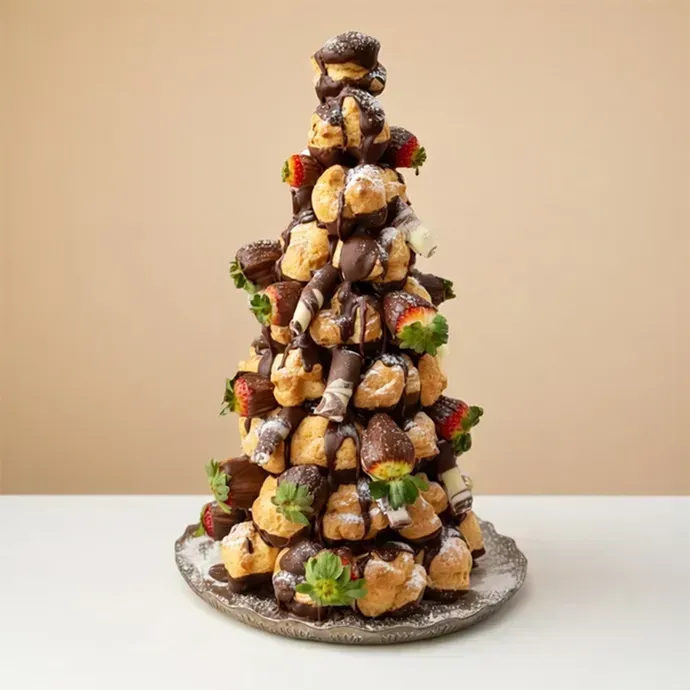
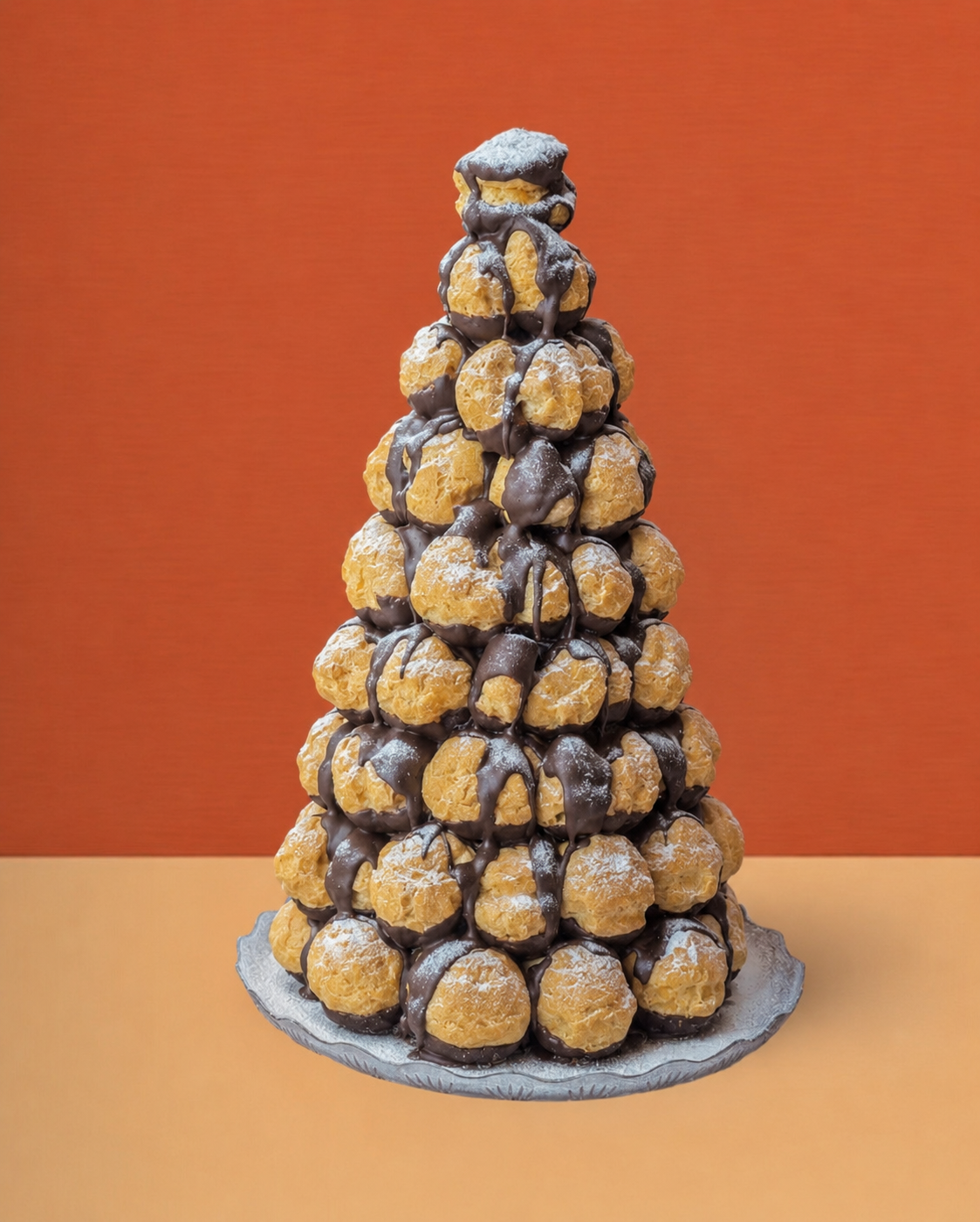
Profiterole Tower - Classic Chocolate
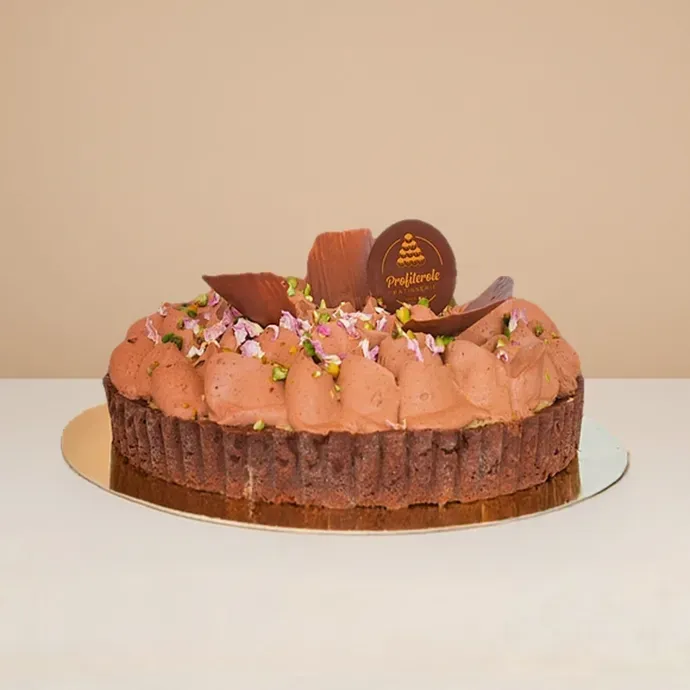
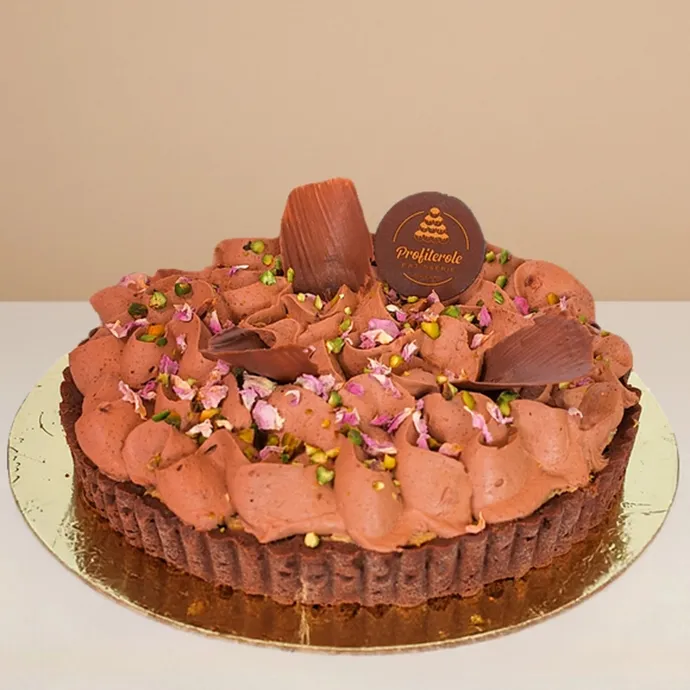
Dubai Chocolate Cake
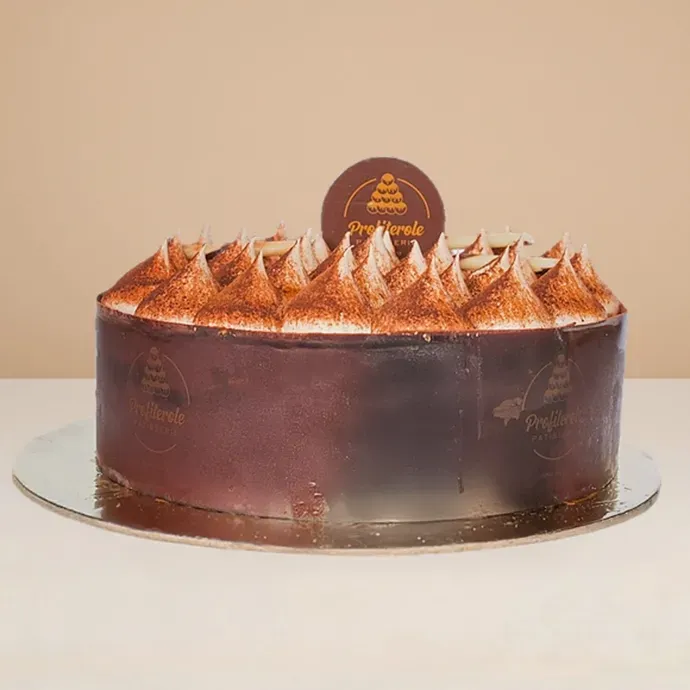
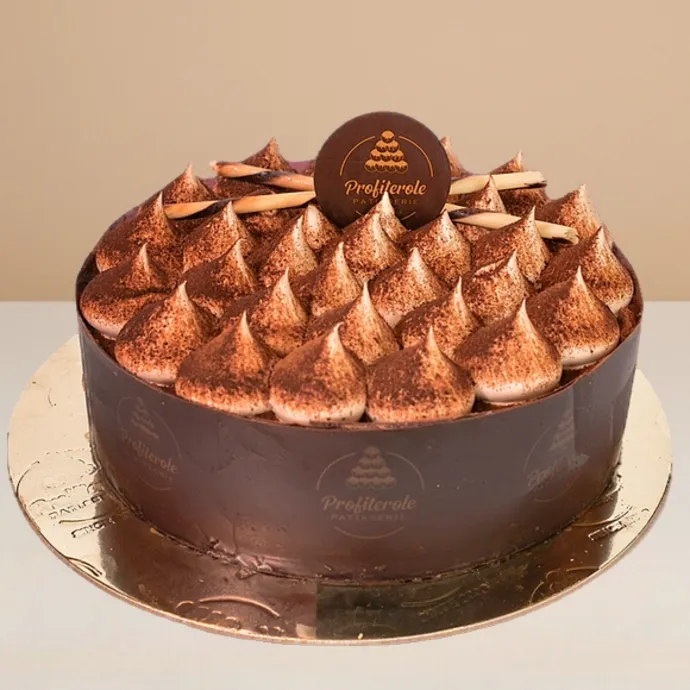
Tiramisu Cake
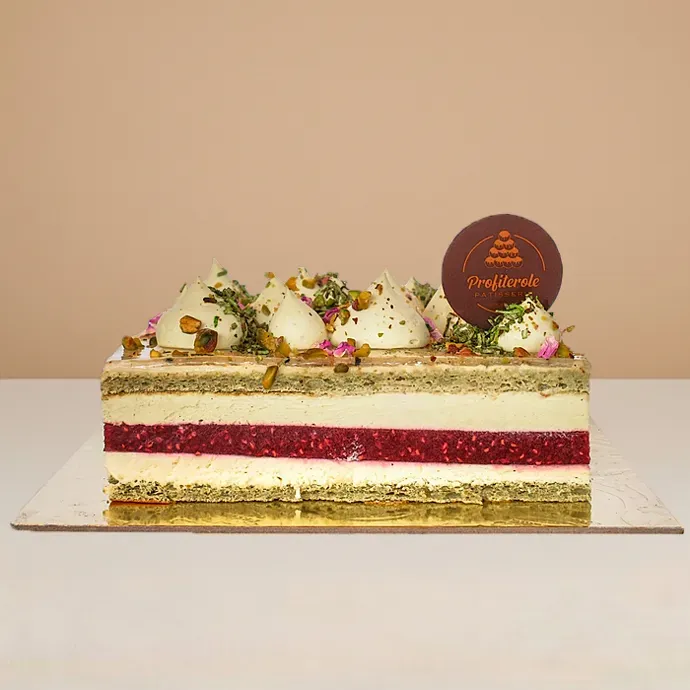
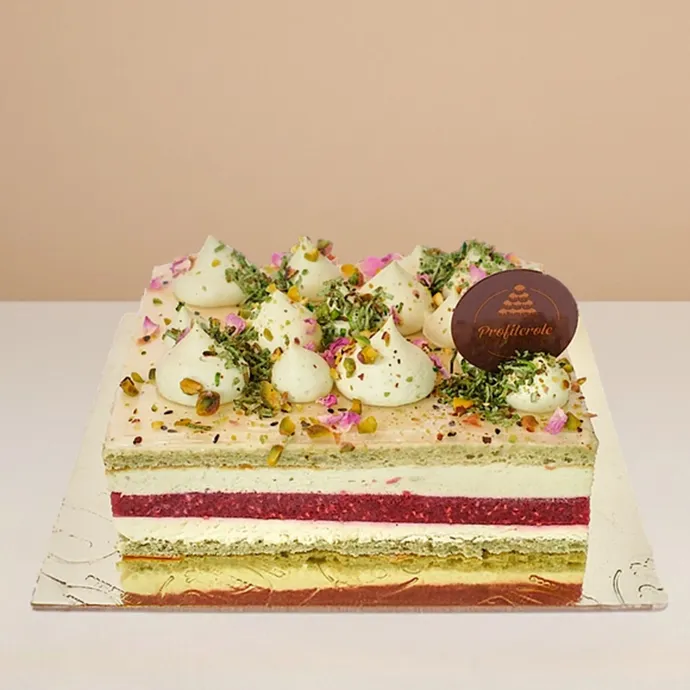
Pistachio Raspberry Bliss Cake
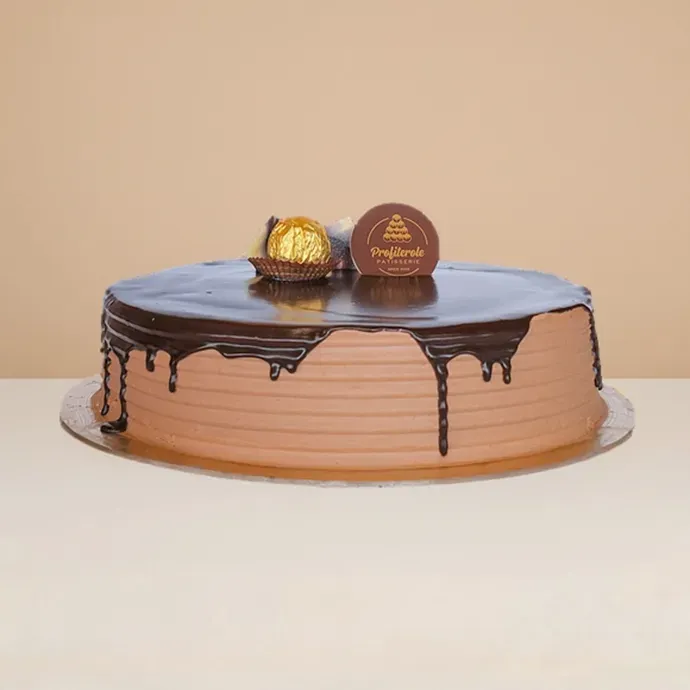
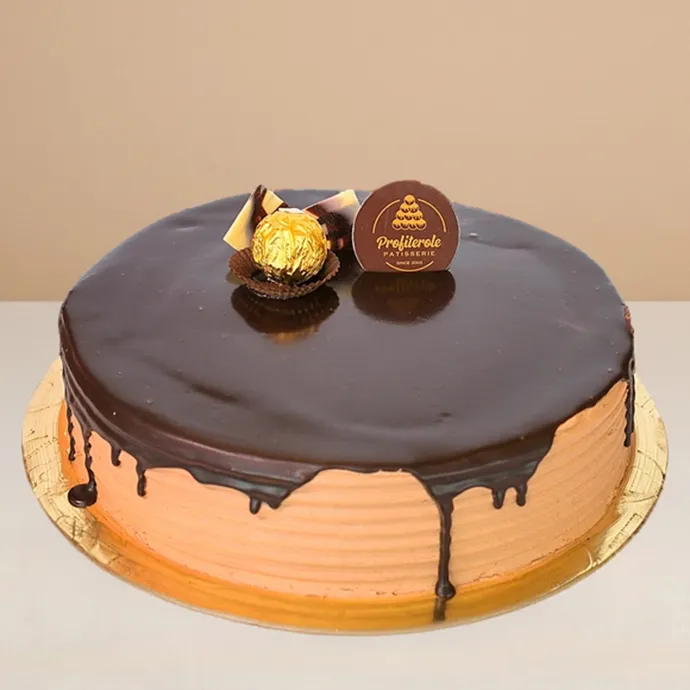
Ferrero Rocher Cake
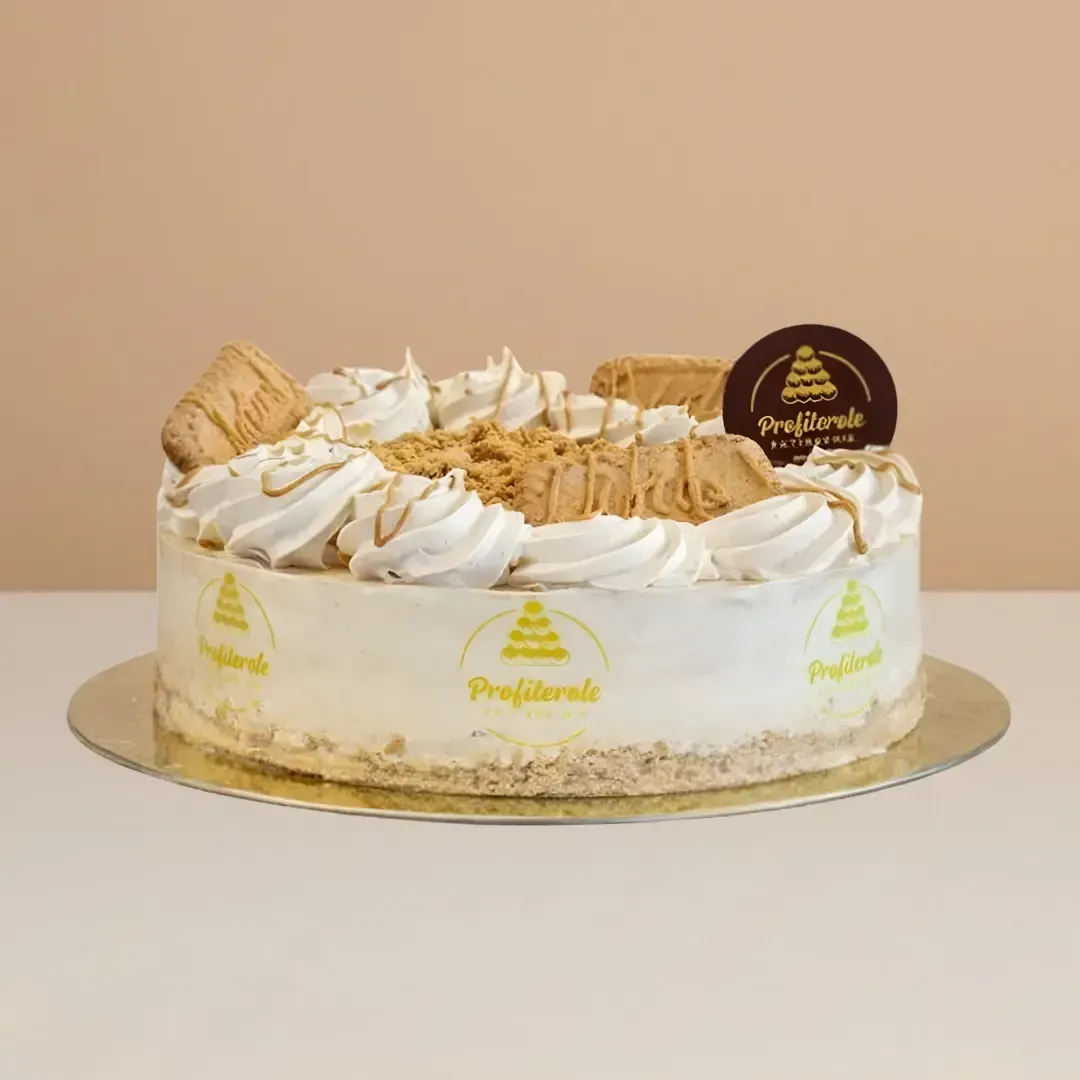
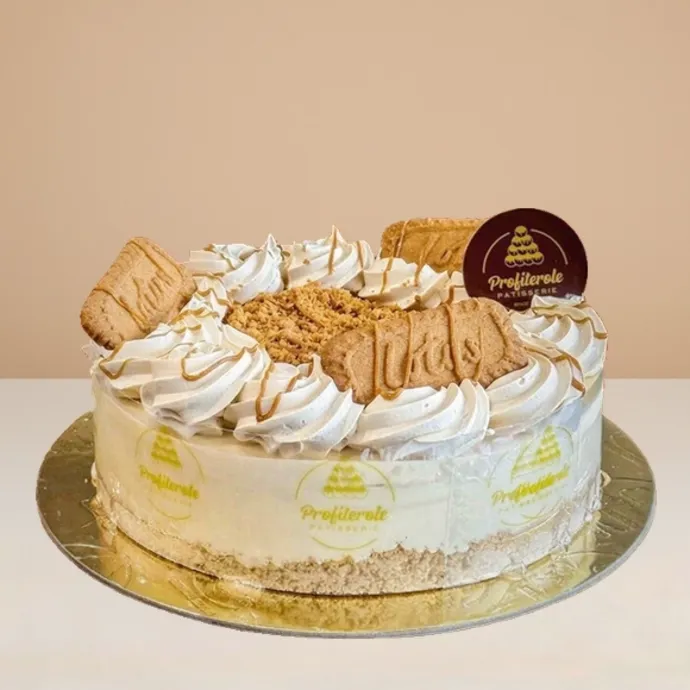
Lotus Biscoff Cheesecake
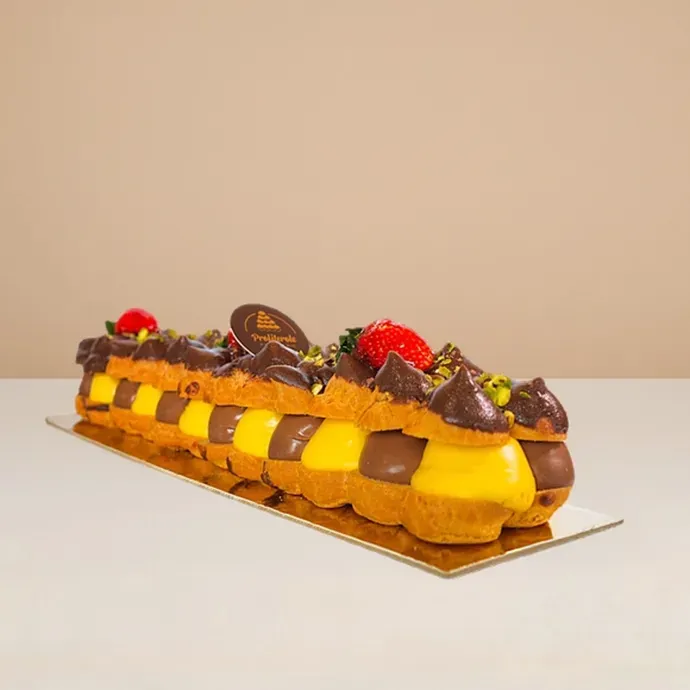
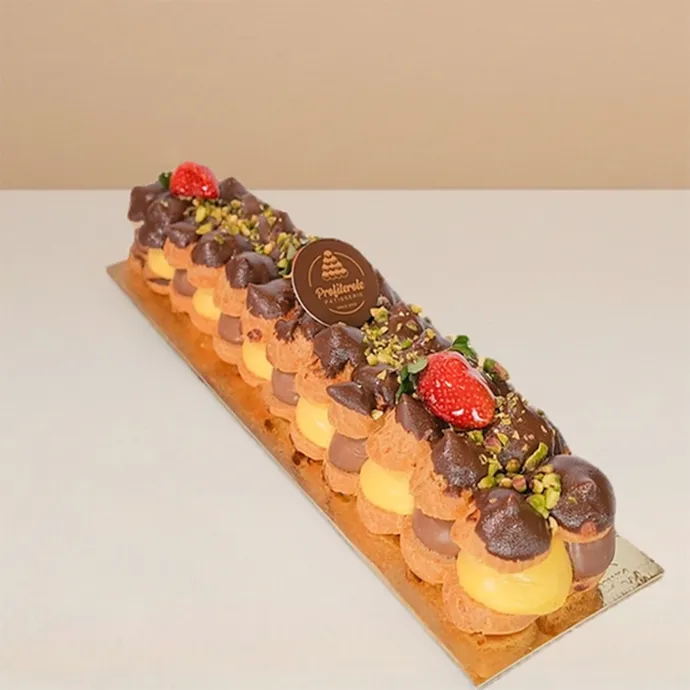
Profiterole Log Cake
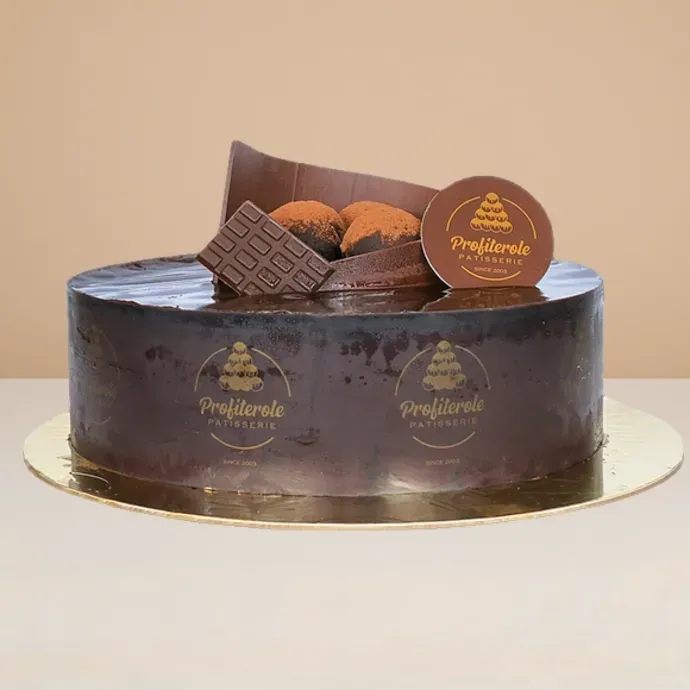
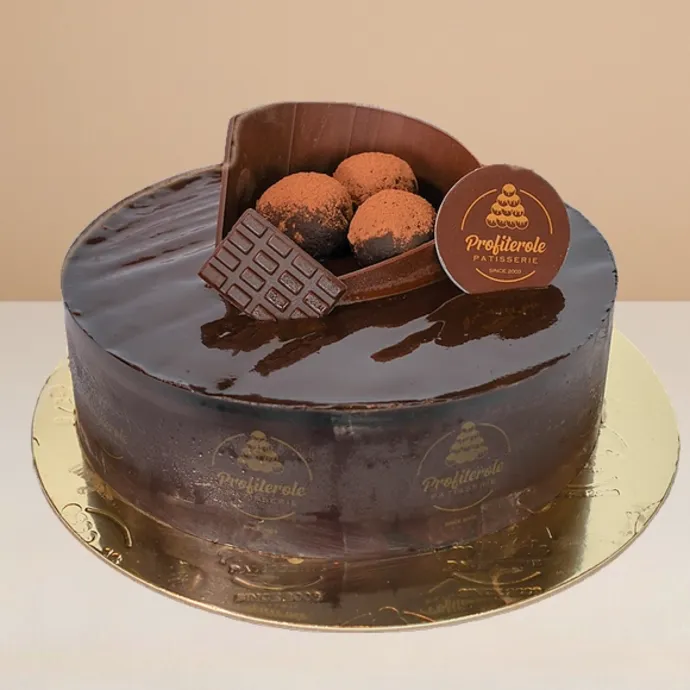
Chocolate Mousse Cake
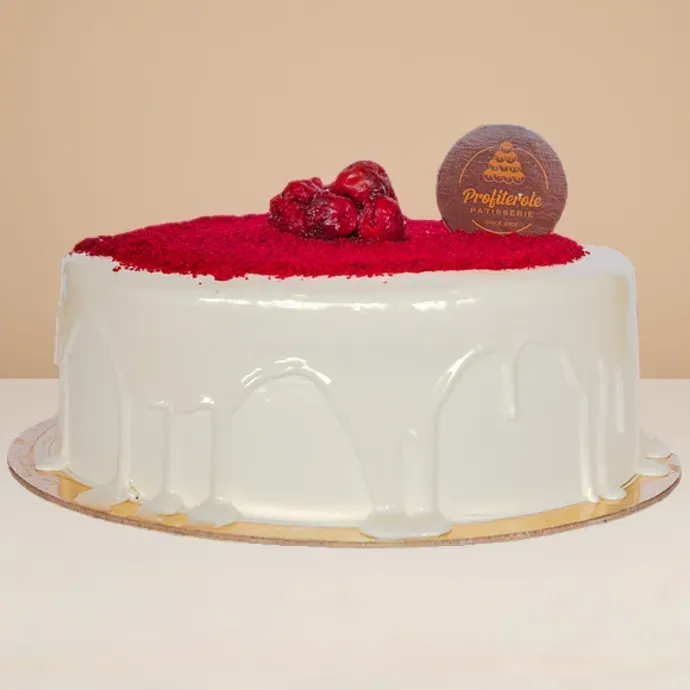
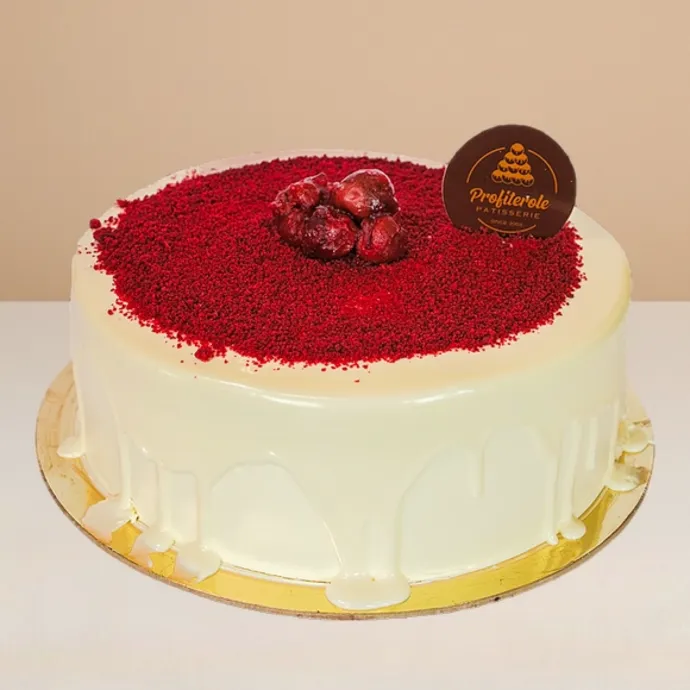
Red Velvet Cake
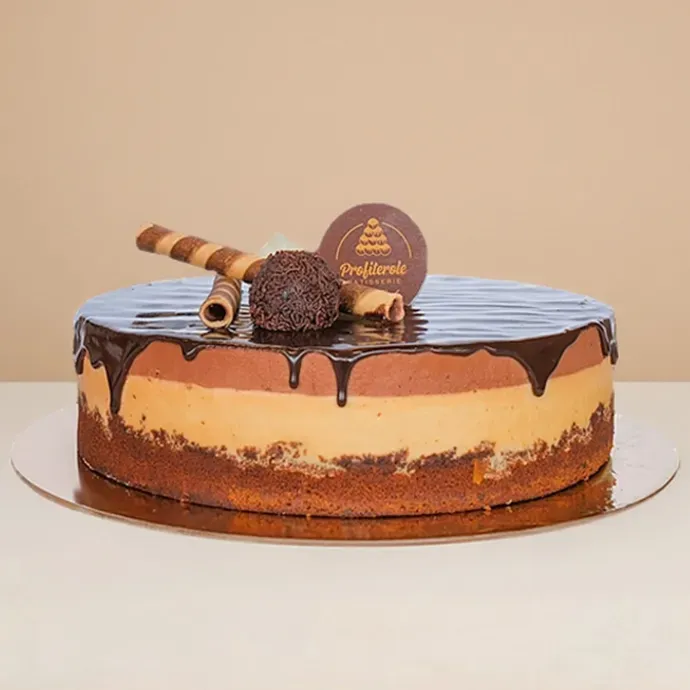
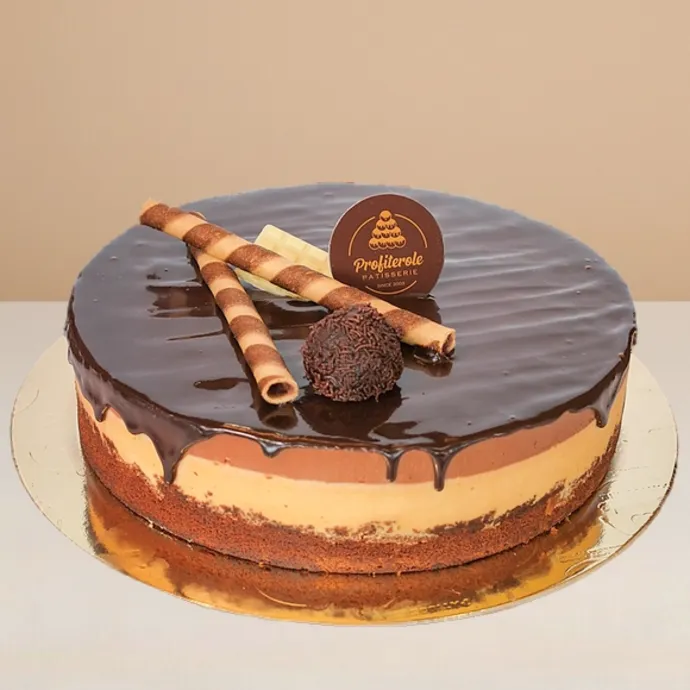
Trio Cake - Round
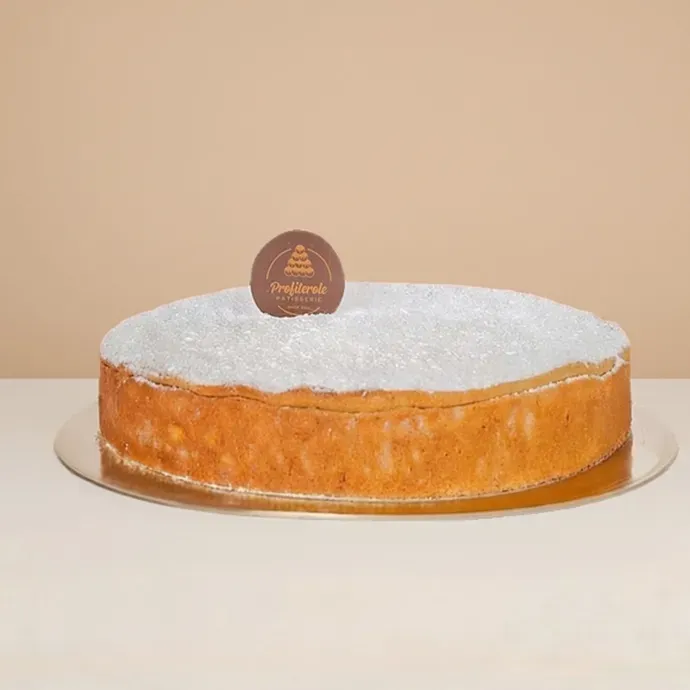
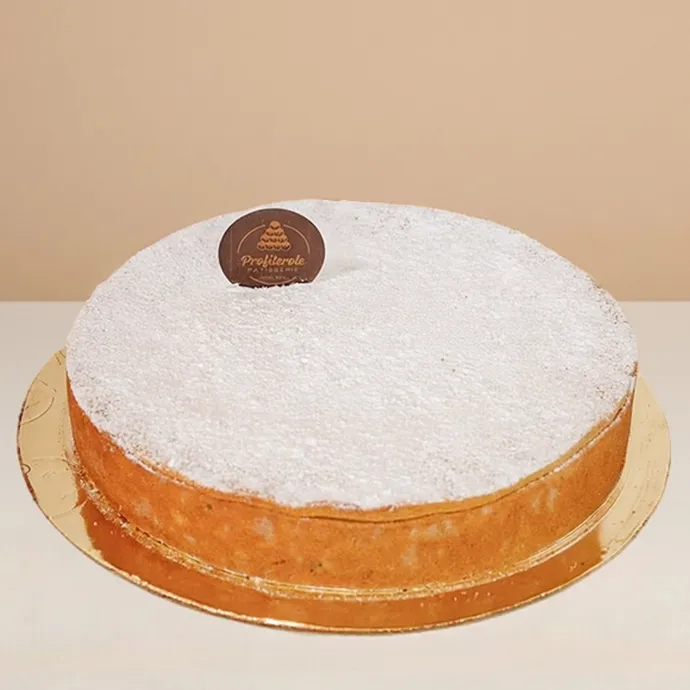
Baked Ricotta Cheesecake
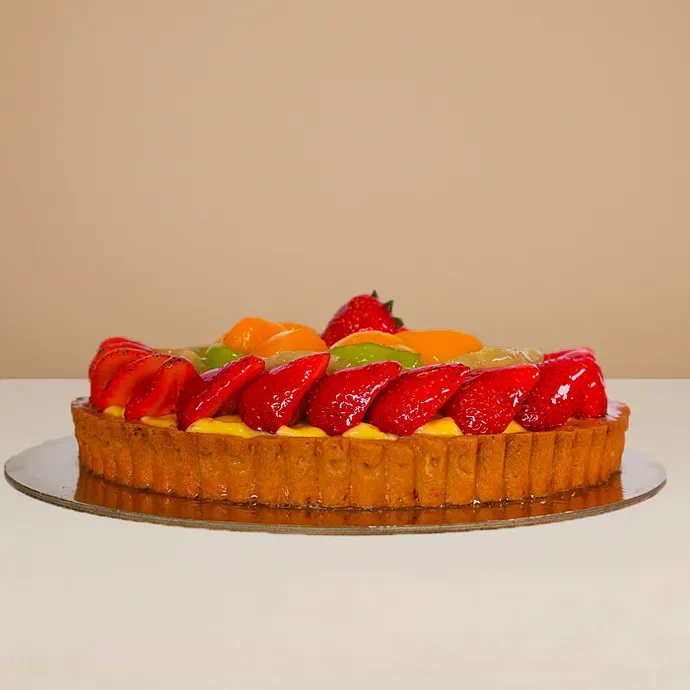
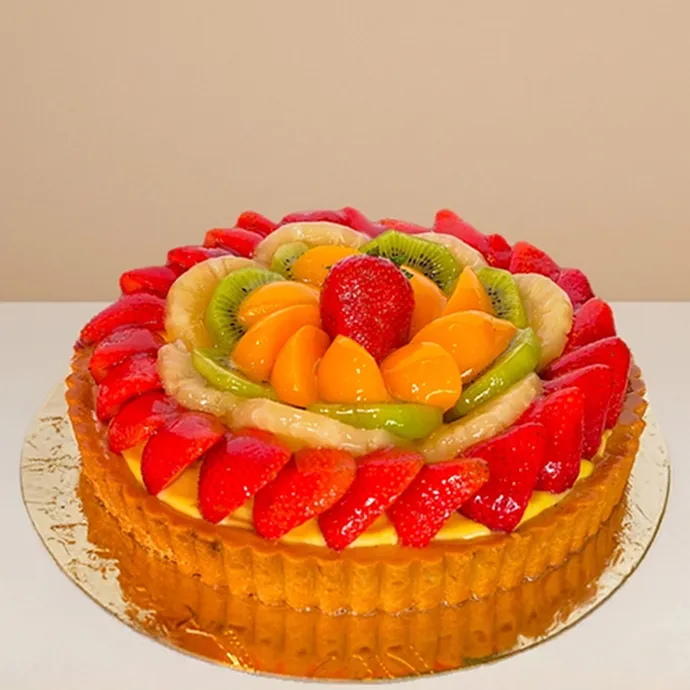
Fruit Cake - Round
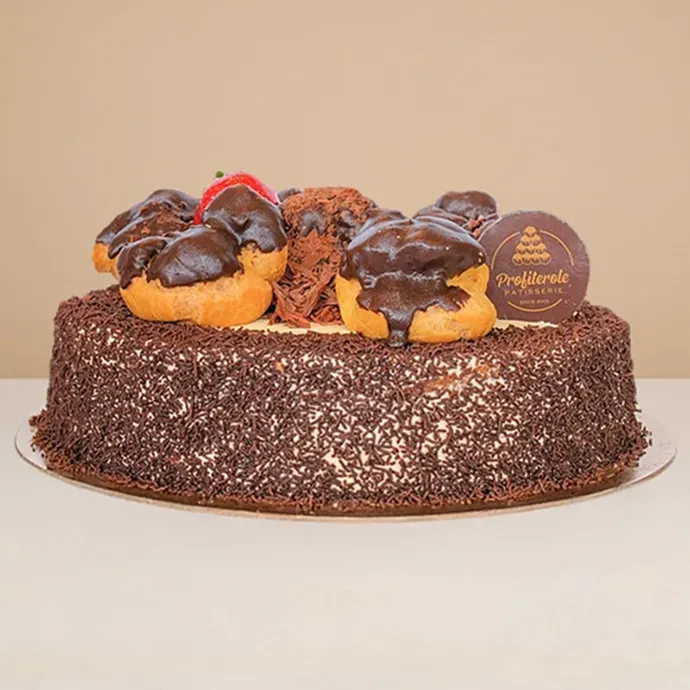
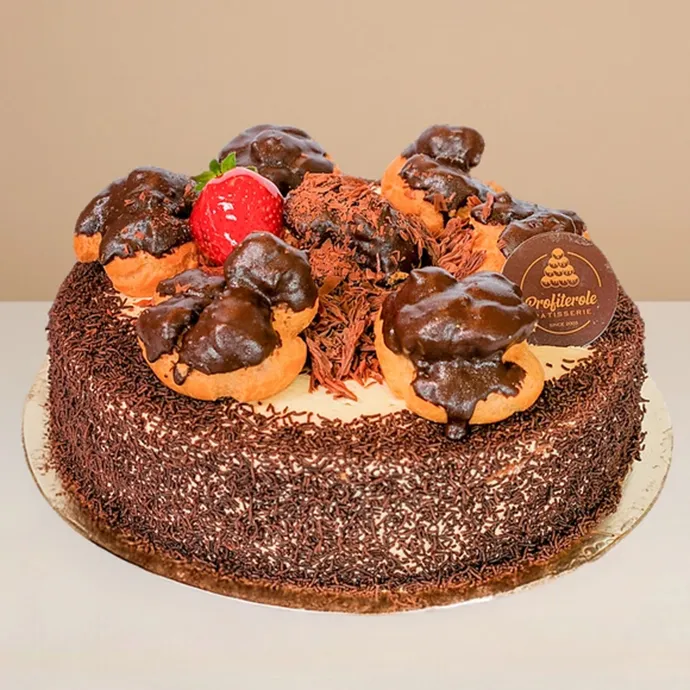
Chocolate Profiterole Cake
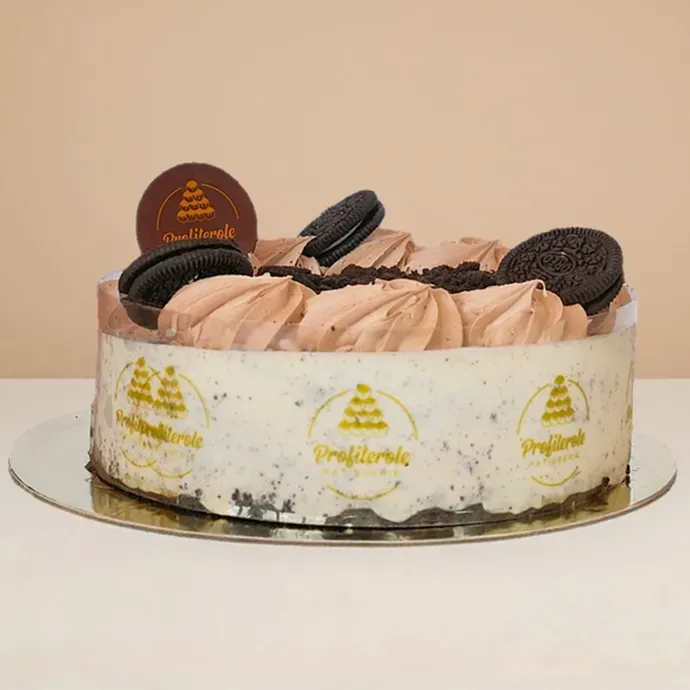
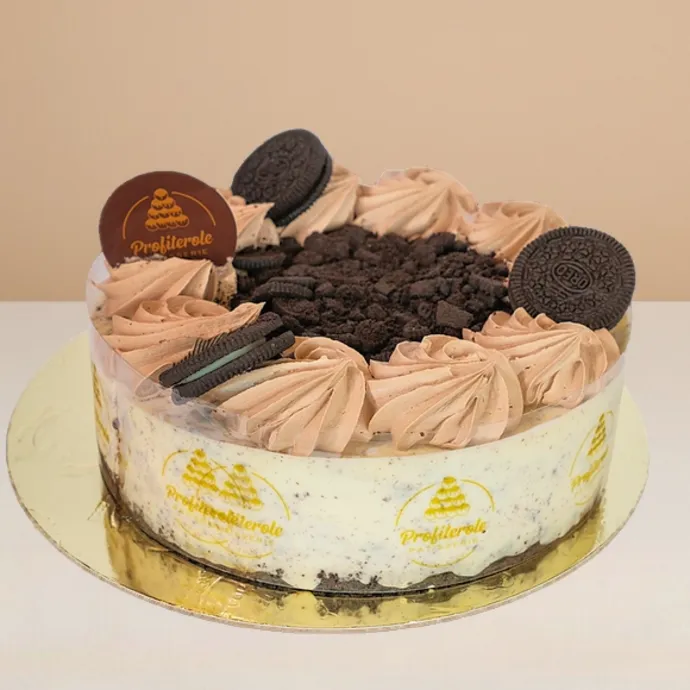
Oreo Cheesecake
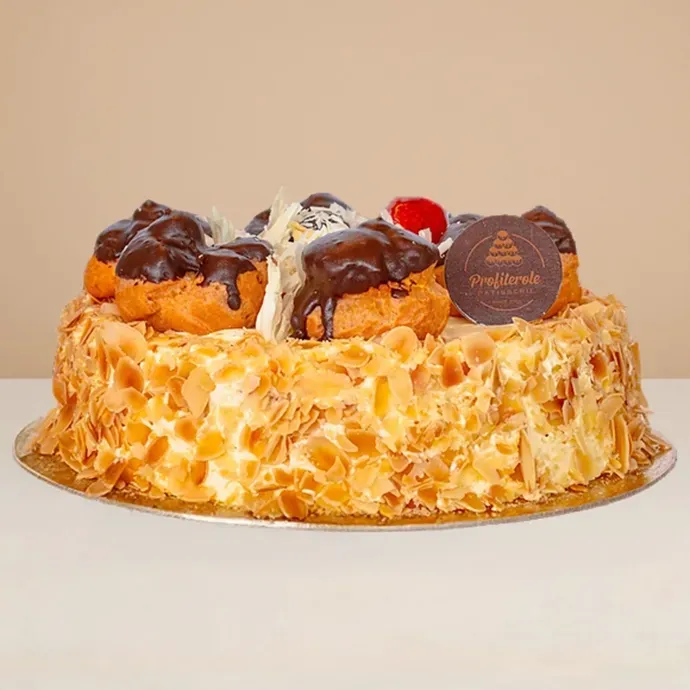
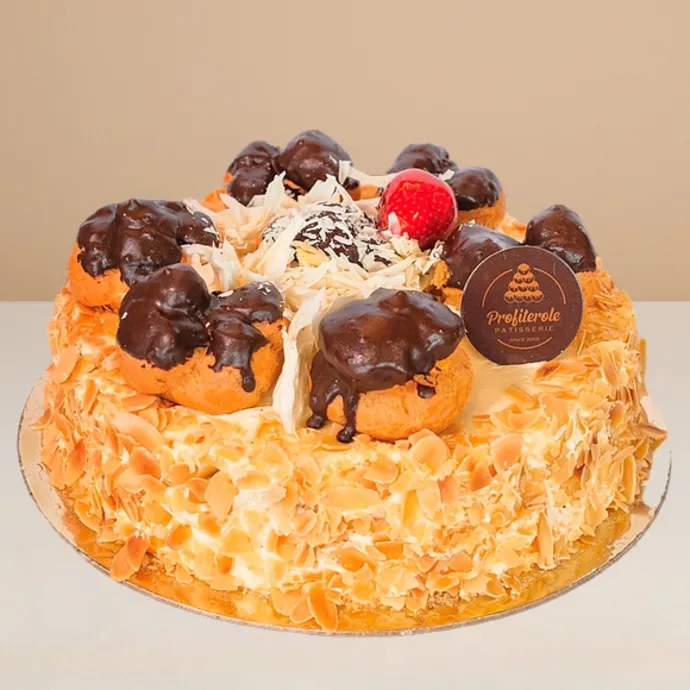
White Profiterole Cake
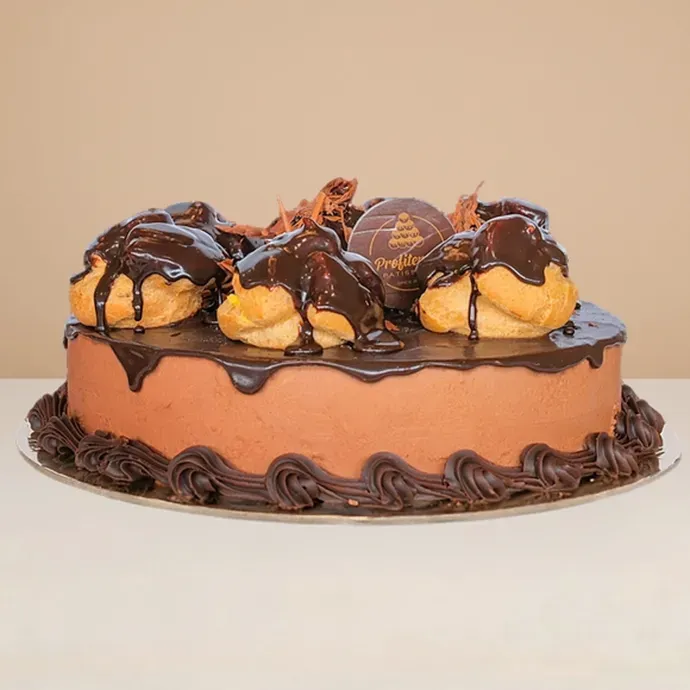
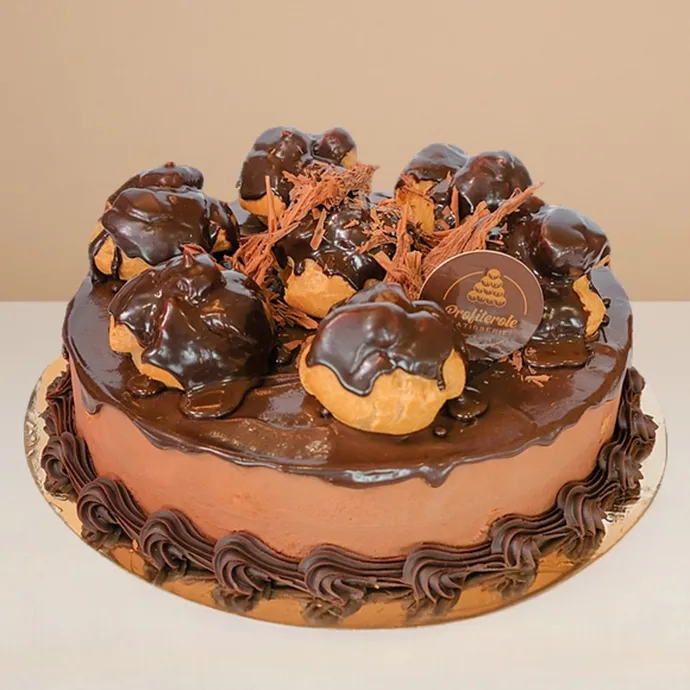
Mousse Profiterole Cake
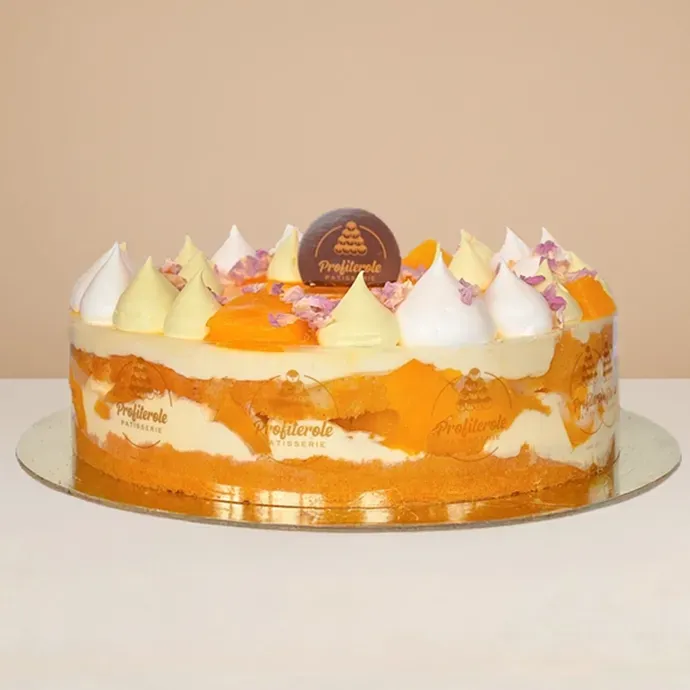
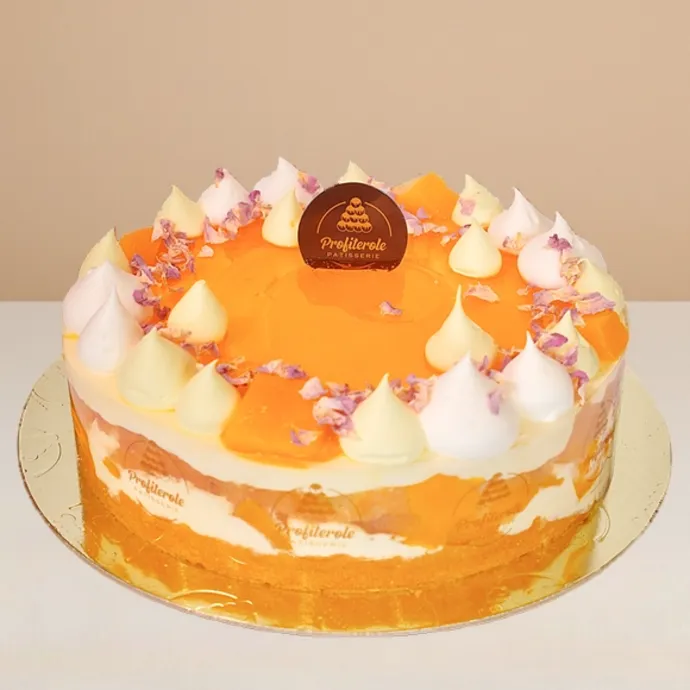
Mango Cake