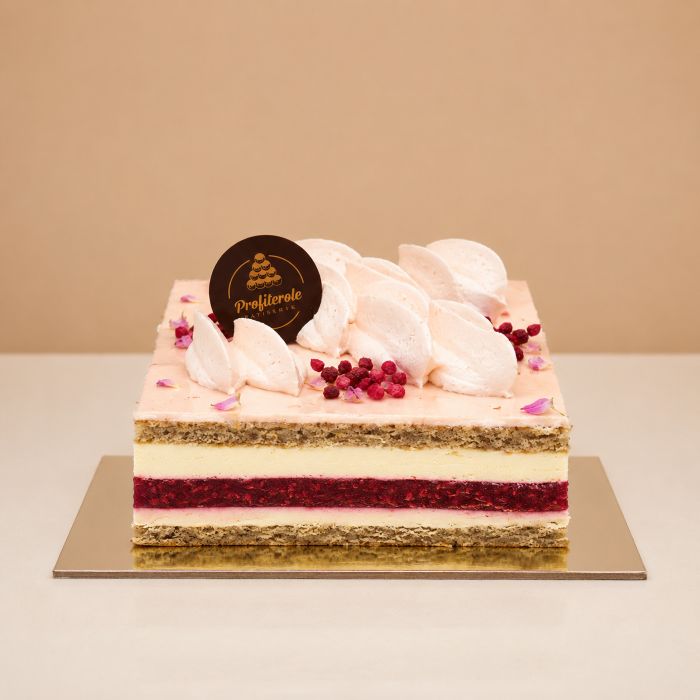

Why Cakes Sink in the Middle: 10 Common Culprits and 5 Ways to Fix It
You pull a golden cake tin from the oven, marvel at the domed sponge, and step away to let it cool. Ten minutes later, you return to find a crater where that beautiful rise used to be.
Watching a cake sink in the centre is one of the most frustrating moments in home baking. The good news is that a collapsed cake is not a mystery, and it certainly does not mean your baking skills are lacking.
Once you understand the basic physics behind baking, you can diagnose the problem and save your bake with confidence.
So in this article, I will explain the 10 common culprits why cakes sink in the middle and I will share with you 5 ways to fix it.
TL;DR
Cakes sink in the middle when internal gas bubbles expand faster than the flour starches and egg proteins can bake and set into a firm structure. The most common triggers include underbaking, opening the oven door too early, mismeasuring leaveners like baking powder, and over-creaming butter. If your cake has already caved in, you can easily rescue it by levelling the top, filling the hollow with fruit curd or ganache, or turning it into an elegant layered trifle.
| Baking Issue | What Happened on the Bench | Crumb Impact | The Prevention Rule |
|---|---|---|---|
| Underbaking | Core did not reach setting temperature | Wet, gummy centre that collapses under cooling air | Test centre with a skewer until it comes out clean |
| Oven Drafts | Door opened before structure set | Rapid thermal drop deflates fragile hot air pockets | Keep oven door shut until 75% of bake time passes |
| Excess Leavener | Too much baking powder or bicarb | Giant gas bubbles pop and cave in under their own weight | Level off measuring spoons with a flat knife blade |
| Over-Creaming | Butter and sugar beaten too long | Trapped excess air pockets expand too fast to hold | Cream only until pale and fluffy, about 3 to 4 minutes |
| Wrong Tin Size | Tin is too small or too deep | Outer rim bakes dry while deep centre stays liquid | Match exact tin dimensions specified in your recipe |
10 Reasons Why Cakes Sink in the Middle After Baking
Whenever an apprentice baker at our pastry counter asks me why their sponge collapsed, I always tell them to look at cake baking as structural engineering.
Batter is a network of flour proteins, egg starches, fats, and air bubbles. If those air pockets grow faster than the surrounding batter can cook and firm up, the middle will inevitably drop.
Here are the ten most common culprits.
01. Underbaking the Centre (The Core Was Not Set)
Heat enters a cake tin from the outside and travels slowly toward the centre. Because the outer rim touches the hot metal, it bakes, browns, and solidifies first.
If you pull the tin from the oven before the heat has fully penetrated the core, the centre remains a pool of liquid starch and uncoagulated egg protein.
While it is hot, steam keeps it slightly puffed, but the moment cooler room air hits the sponge, the trapped steam contracts. Without a rigid crumb structure to hold it up, the middle drops into a dense, gummy valley.
02. Opening the Oven Door Too Early (The Sudden Temperature Drop)
I know how tempting it is to crack open the oven door and peek at your cake, but this is one of the quickest ways to ruin a rise.
During the first half of the baking process, the cake relies on delicate air bubbles held aloft by expanding steam. At that point, the batter has not set yet.
And opening the oven door lets in a blast of cooler kitchen air, dropping the internal oven temperature instantly by 10°C to 20°C. That sudden temperature drop cools the steam inside those fragile pockets, causing them to deflate before the flour starches have locked into place.
03. Too Much Leavening Agent (Baking Powder or Soda Overload)
It is natural to assume that adding an extra spoonful of baking powder will create a taller, fluffier cake, but chemistry works in strict ratios.
Leaveners produce carbon dioxide gas when exposed to moisture and heat. When you add too much baking powder or baking soda, the batter produces far more gas than the flour protein can support.
What happens then is that the tiny bubbles swell into oversized gas pockets, merge together, and eventually rupture. Just like an over-inflated balloon, the top caves in under its own weight.
04. The Oven Temperature Is Too High (The False Dome Trap)
If your oven runs too hot, the exterior of the cake bakes and caramelises at high speed. The crust puffs up into what looks like a glorious, fully baked dome.
Unfortunately, that rapid crust formation acts as an insulating blanket, slowing heat from reaching the middle. You see a golden, cracked crust and assume the cake is ready, but underneath lies raw, heavy batter.
Once taken out of the oven, the heavy, unbaked core pulls the centre down, leaving a sunken hollow.
05. The Oven Temperature Is Too Low (Sluggish Lift)
On the flip side, an oven that runs too cool presents the opposite dilemma.
For a cake to rise properly, leavening gases must expand while the heat simultaneously sets the flour starches. If the oven temperature is too low, the leaveners activate sluggishly and the batter takes far too long to firm up.
By the time the heat finally penetrates the centre, the lifting power of the baking powder has completely fizzled out, leaving you with a flat, sunken centre.
06. Over-Creaming the Butter and Sugar (Trapping Too Much Fragile Air)
Creaming butter and sugar is a fundamental baking step, but more is not always better.
When you beat softened butter with granulated sugar, the sharp sugar crystals carve microscopic pockets into the butterfat, trapping air.
You want this process to take about three to four minutes on medium speed until the butter turns pale and creamy. If you let the mixer run for seven or eight minutes, you trap far too much air.
In the oven, that excessive air expands aggressively, stretches the delicate gluten walls past their breaking point, and causes the centre to collapse.
07. Overmixing the Batter After Adding Flour (Weakened Gluten Balance)
Once your dry ingredients hit the wet batter, gentle handling is essential.
Mixing flour with liquid activates glutenin and gliadin, the proteins that form gluten.
A light hand creates just enough gluten to hold the cake together while keeping the crumb tender. If you overmix on high speed, you develop strong, elastic gluten strands.
As the cake bakes, these tight gluten networks trap steam unevenly, forming tall rubbery tunnels that burst and fall inward as the cake cools.
08. Expired or Inactive Leaveners (Lacking Sufficient Lift)
Baking powder and baking soda sit quietly in the pantry, but they lose their chemical punch faster than most home bakers realise.
Humidity and air exposure gradually neutralize the active acids in baking powder. And if you use a tin that has been open for more than six months, it might not generate enough gas pressure to push the heavy batter upward against gravity.
As a result, the edges will set because they are shallow, but the heavy centre will stay flat and depressed.
09. Using the Wrong Cake Tin Size (Depth and Surface Area Mismatch)
Cake recipes are calculated for specific surface areas. If a recipe calls for an 8-inch round tin and you pour the batter into a 6-inch tin, the batter will sit twice as deep.
A deeper batter layer means heat has to travel through a much thicker wall of insulation to reach the core. Long before the middle gets hot enough to bake through, the outer crust begins to dry out and burn.
You are forced to pull the cake early, resulting in an unbaked, sunken centre.
10. Ingredient Proportion Errors: Too Much Liquid, Sugar, or Fat
Baking is a balancing act between structural builders (flour and eggs) and tenderisers (sugar, fat, and liquids).
Sugar and butter make cakes moist and soft, but they also weaken gluten formation. If you scoop flour with a measuring cup rather than using a kitchen scale, you can easily add too much sugar or milk in proportion to the flour.
The resulting batter is simply too heavy and soft to support its own height, causing the top to cave in.
5 Ways to Fix and Rescue a Sunken Cake (Troubleshooting Tips)
Finding a crater in your freshly baked cake does not mean you need to toss it in the bin. In professional patisseries, we treat cosmetic flaws as creative opportunities. Here is how you can salvage your bake.
01. Level the Top and Invert (The Classic Disguise)
If the cake is fully baked through and only dipped slightly in the centre, a serrated bread knife is your best friend.
Wait until the cake has cooled completely to room temperature. Slice the raised outer perimeter down to match the height of the sunken centre, creating a flat top.
Better yet, flip the cake upside down when decorating. The bottom of the cake was pressed against the flat base of the baking tin, giving you a smooth surface that looks pristine under a layer of buttercream.
02. Fill the Centre Crater with Curd, Mousse, or Whipped Ganache
Instead of hiding the dip, turn it into a deliberate showstopper.
A sunken centre creates a bowl ready to be filled. Pipe a ring of buttercream around the rim of the hollow, then fill the cavity with tangy lemon curd, rich salted caramel, velvety chocolate ganache, or fresh vanilla mascarpone cream. Top the filling with fresh raspberries or toasted nuts.
When you slice into the cake, your guests will think the molten centre was part of your master plan.
03. The Foil-Tent Return (If Caught Fresh Out of the Oven)
If you pull your cake from the oven, give it a gentle nudge, and see a wobbly, liquid centre, you can still save the bake if you act within two minutes.
Loosely tent a piece of aluminium foil over the cake tin to shield the top crust from burning. Slide the tin straight back into the oven, reducing the heat by 10°C to allow gentle heat penetration.
Give it another 10 to 15 minutes, checking with a clean skewer until the centre comes out with moist crumbs rather than wet batter.
04. Repurpose into an Elegant Trifle or Parfait
If the centre of your cake is too uneven to salvage as a whole cake, pivot to a dessert bowl.
Cut the baked portions of the cake into neat cubes. Layer the cake pieces in a glass trifle dish with vanilla pastry cream, berry coulis, and freshly whipped Chantilly cream.
The soft sponge will soak up the fruit juices and cream, transforming a baking hiccup into a stunning dessert that tastes incredible.
05. Roll into Cake Pops or Truffles
No one ever says no to chocolate-covered cake pops.
Crumble the cooled cake into fine crumbs using your hands or a food processor. Mix the crumbs with two or three spoonfuls of cream cheese frosting or chocolate ganache until a workable dough forms.
Roll the mixture into bite-sized balls, chill them in the fridge for 30 minutes, and dip them in melted dark or white chocolate.
Turn Sunken Disasters Into Confident Bakes
Every seasoned baker has pulled a sunken cake from the oven at some point. Rather than feeling defeated when a sponge drops, treat it as a practical clue.
Check your oven calibration, use a digital scale for your dry ingredients, keep that oven door shut during the rise, and you will see your sponges turn out golden and level.
At Profiterole Patisserie, precision baking and thoughtful craftsmanship guide everything we create. Be it cake, cookies, or waffles. And I’d love to invite you to stop by any of our stores in Sydney so you can taste what baking perfection is.
If you have a special occasion coming up,
explore our online range and let us deliver fresh patisserie treats right to your door.
Publish date: 29/09/2026

Joey Yaccoub
Head Baker & Operations Manager, Profiterole Patisserie
Joey Yaccoub is the Head Baker at Profiterole Patisserie, bringing over a decade of hands-on experience in artisan cake design and pastry craftsmanship.
He oversees recipe development, product quality, and daily operations across all store locations, ensuring every cake meets the brand’s standards for flavour, presentation, and consistency.
FAQs
How do you stop a cake from sinking in the middle?
To prevent a cake from sinking, weigh your ingredients with a digital kitchen scale, ensure your baking powder is fresh, and keep the oven door closed for at least the first 75% of the bake time. Always test the centre with a thin wooden skewer before taking the tin out of the oven.
Is a cake still good if it sinks in the middle?
Yes, a sunken cake is still delicious and safe to eat, provided it is fully cooked through. If the centre is dense rather than raw, it will have a fudgy texture that tastes great with frosting, fruit curds, or repurposed into trifles and parfaits.
How to get a cake to rise evenly?
To achieve an even, flat rise, wrap wet fabric cake strips around the outside of your cake tin before baking. These strips insulate the metal edges, allowing the entire cake to bake and rise at the same rate rather than doming aggressively in the middle.
Why do my cakes not rise in the middle?
If a cake does not rise in the middle at all, the issue is usually expired leavening agents, an oven temperature that is too cold, or heavy batter caused by too much liquid and fat. Without sufficient carbon dioxide production and heat lift, the core stays flat.
Is it better to level a cake when it's hot or cold?
Always level a cake when it is completely cold, or even better, lightly chilled in the refrigerator. Leveling a warm cake will tear the delicate crumb structure, leaving you with ragged edges and lots of loose crumbs that ruin your icing.
Perfectly baked cakes everyday at Profiterole Patisserie:

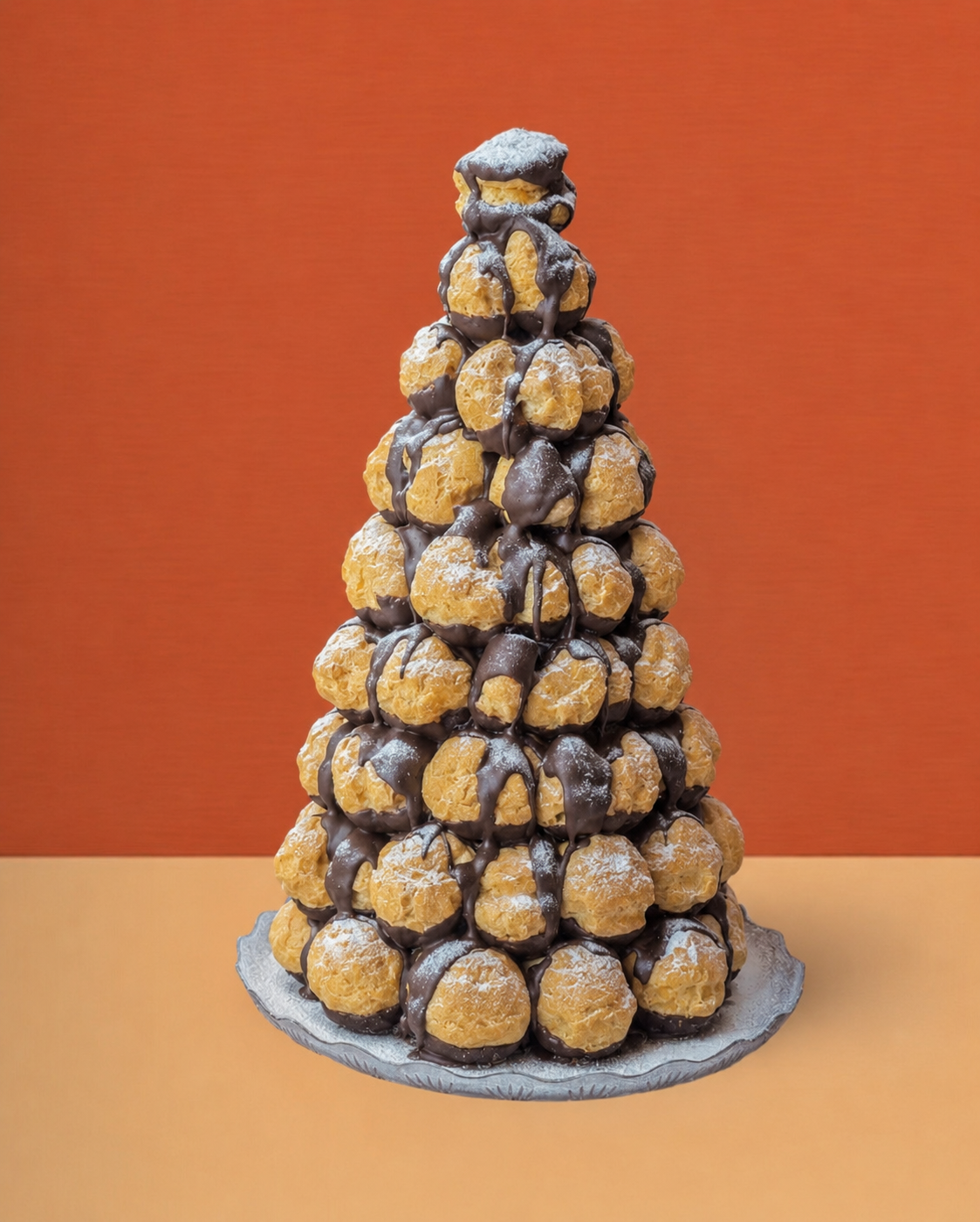
Profiterole Tower - Classic Chocolate
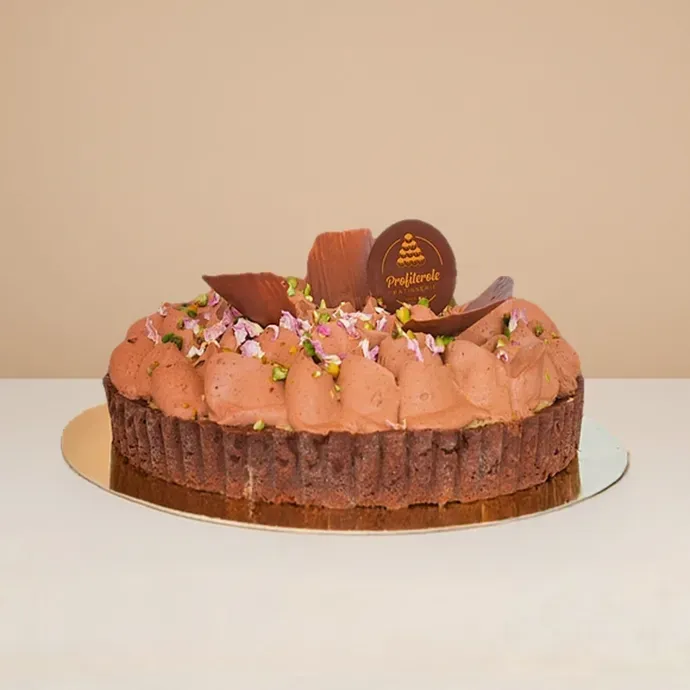
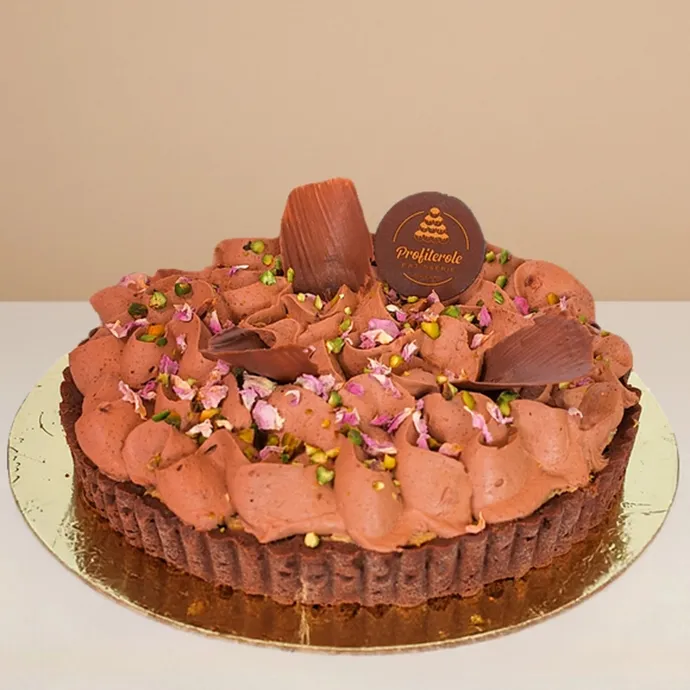
Dubai Chocolate Cake
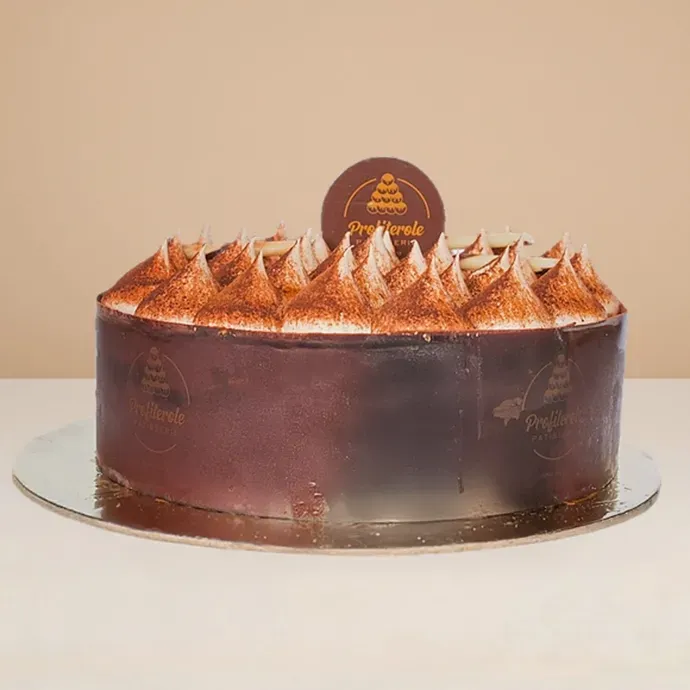
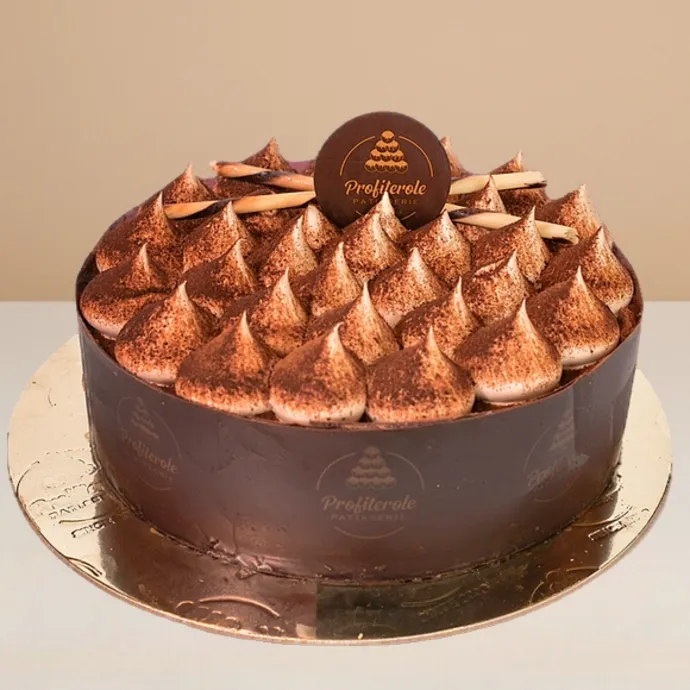
Tiramisu Cake
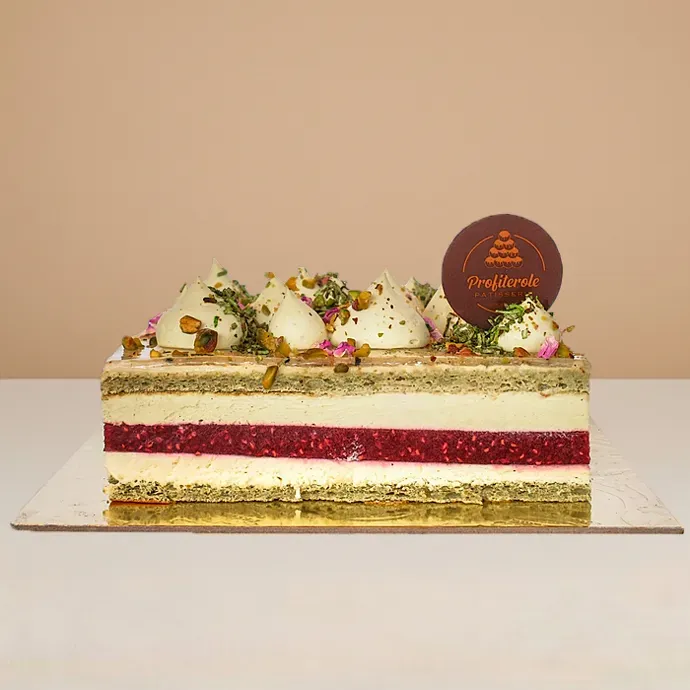
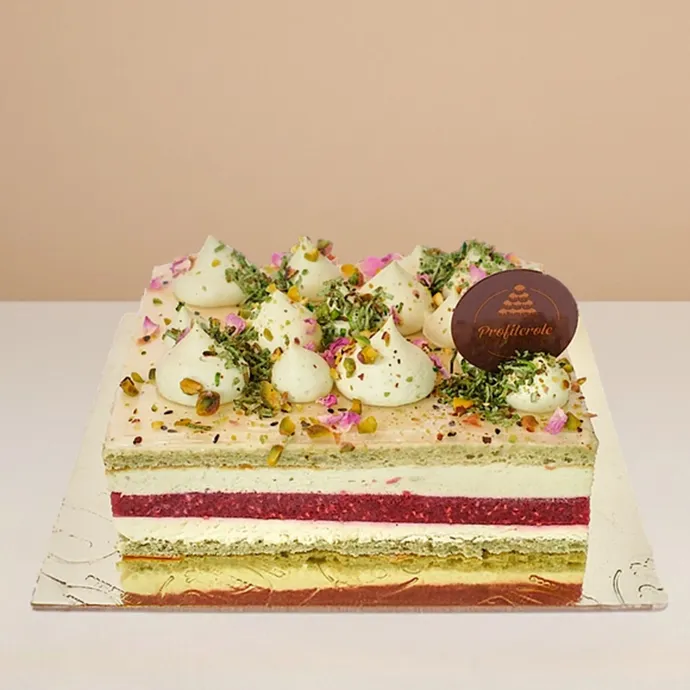
Pistachio Raspberry Bliss Cake
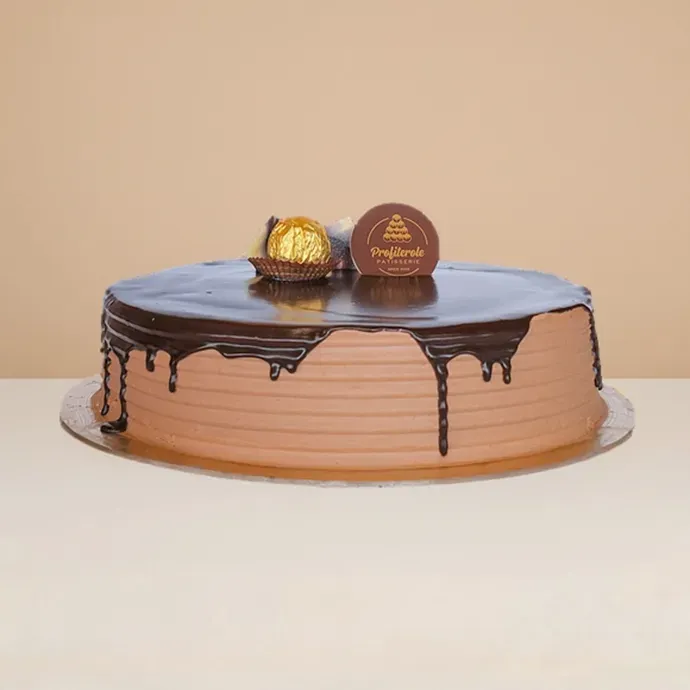
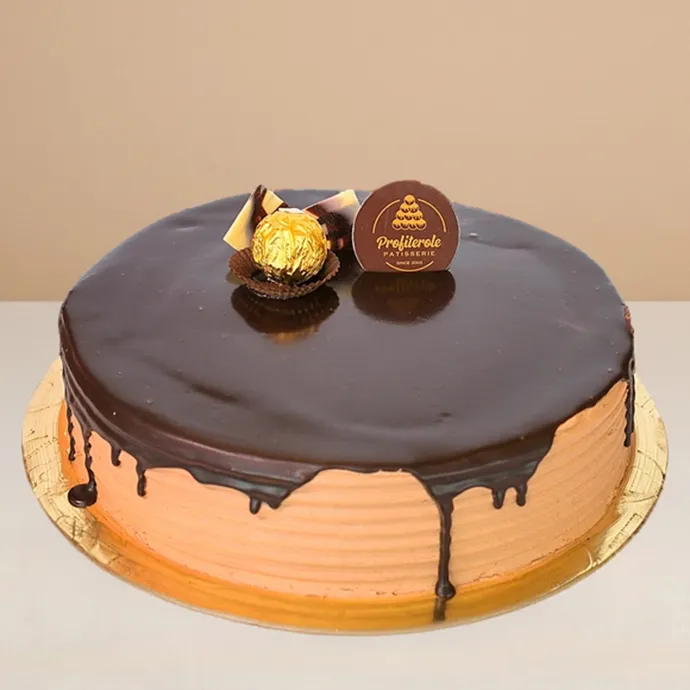
Ferrero Rocher Cake
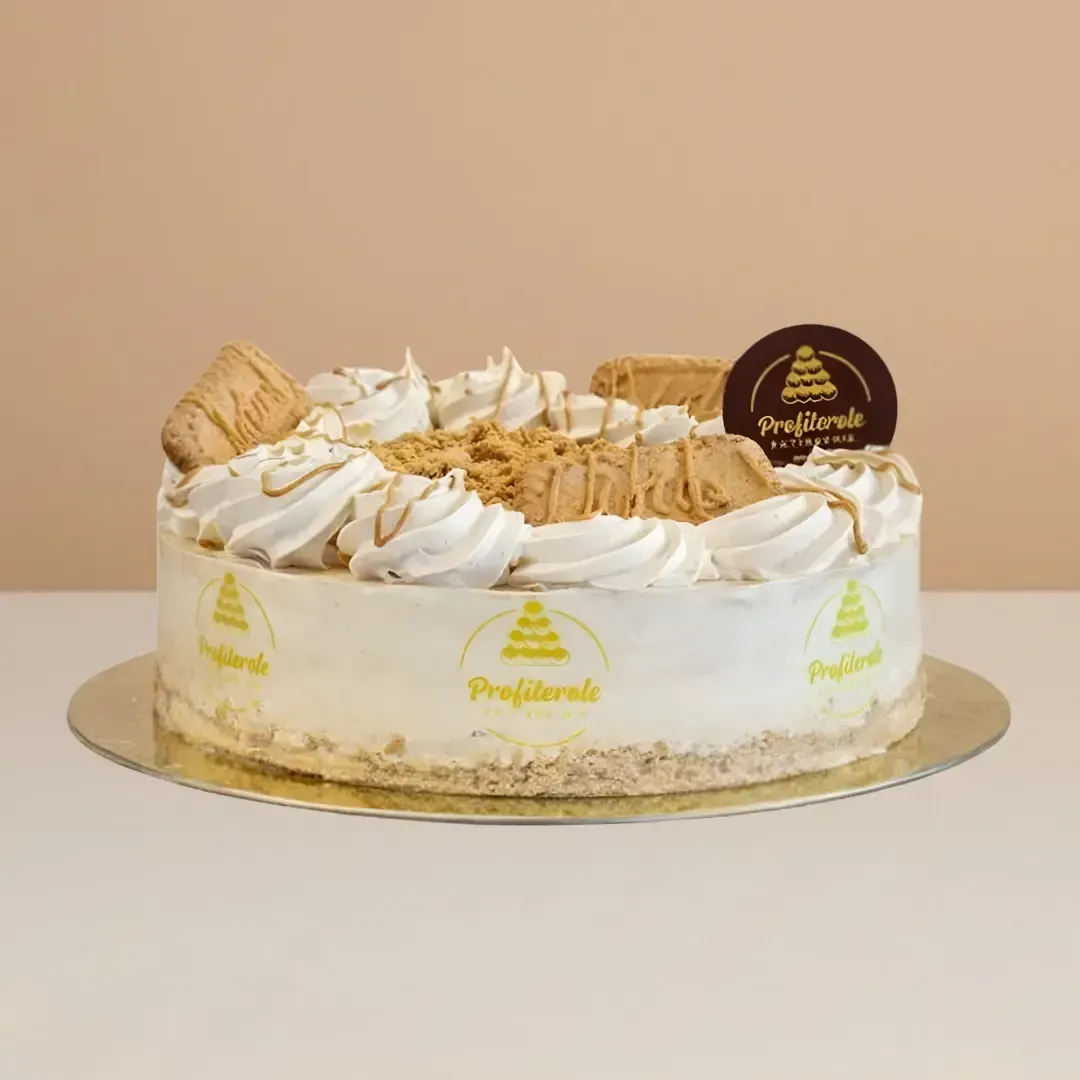
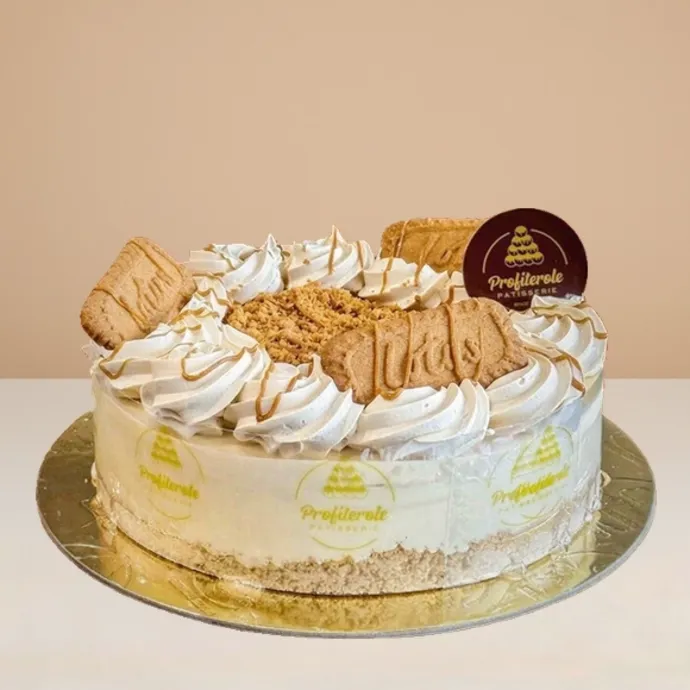
Lotus Biscoff Cheesecake

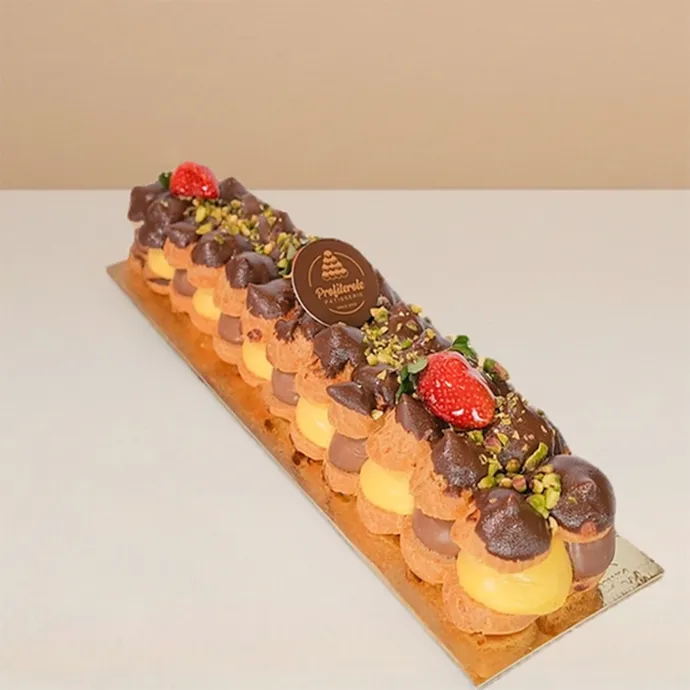
Profiterole Log Cake
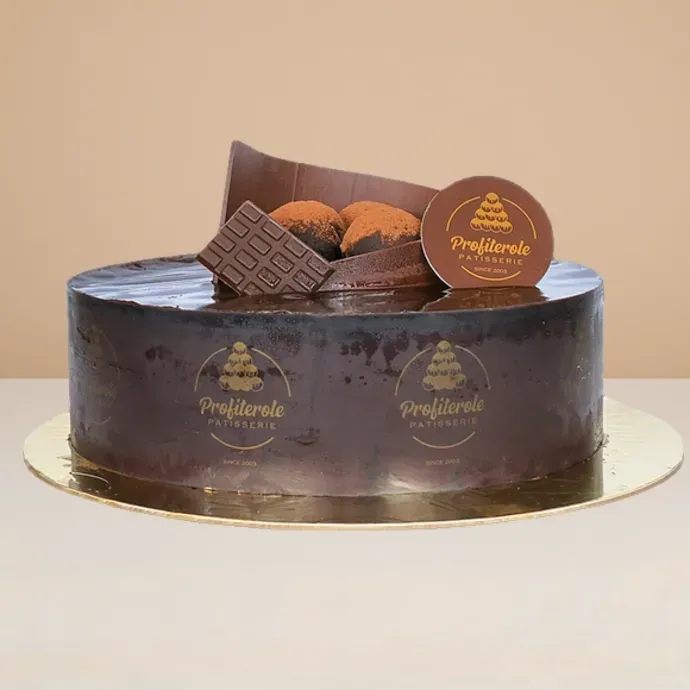
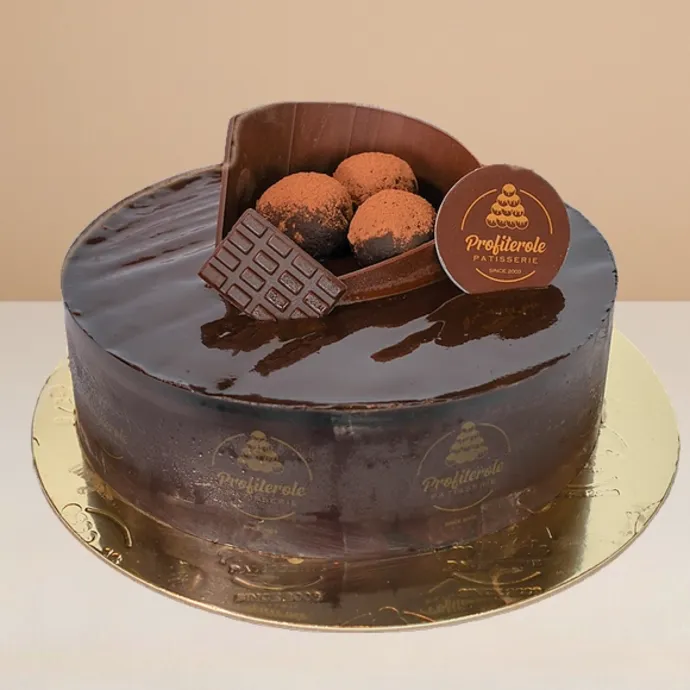
Chocolate Mousse Cake
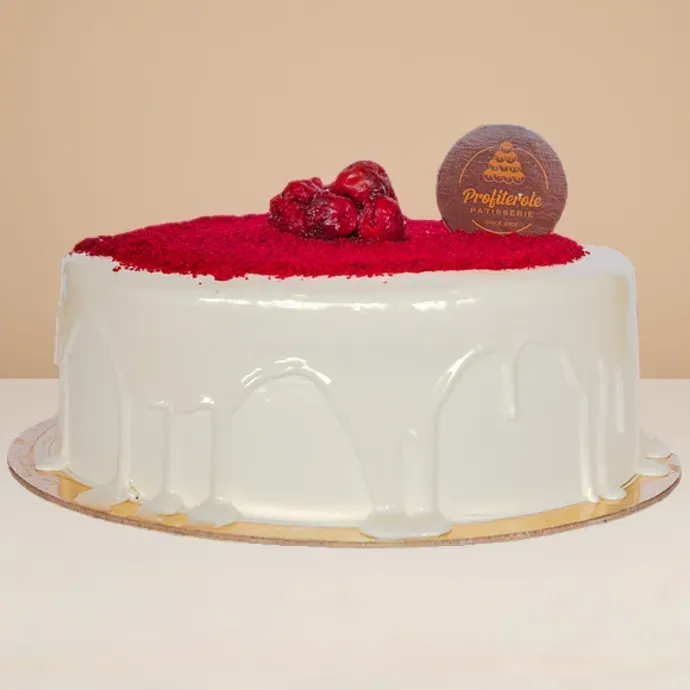
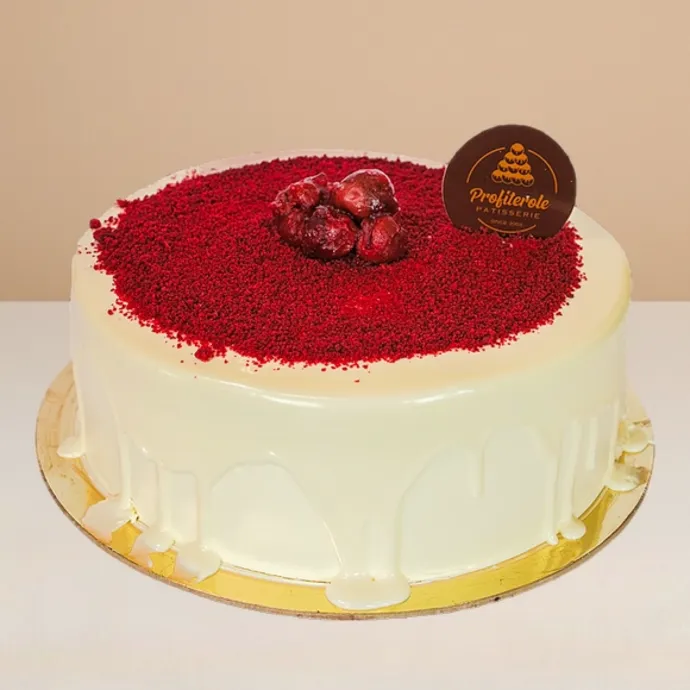
Red Velvet Cake
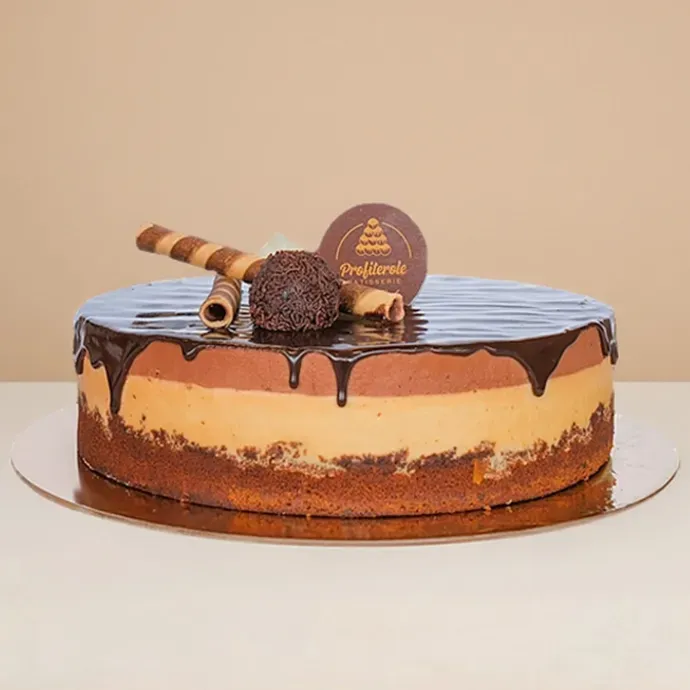
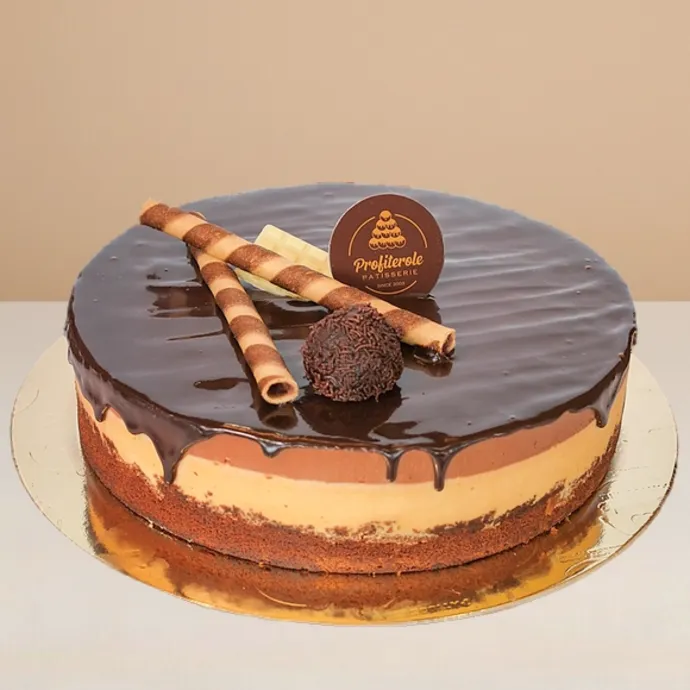
Trio Cake - Round
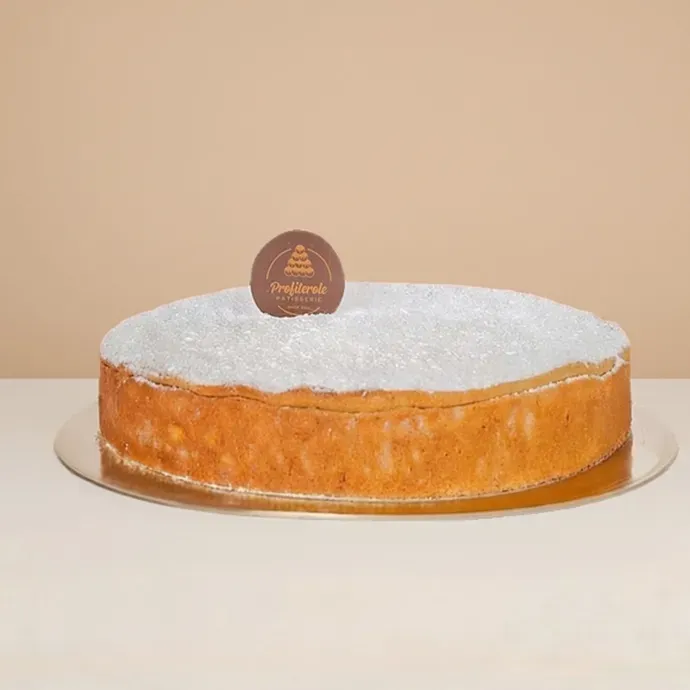
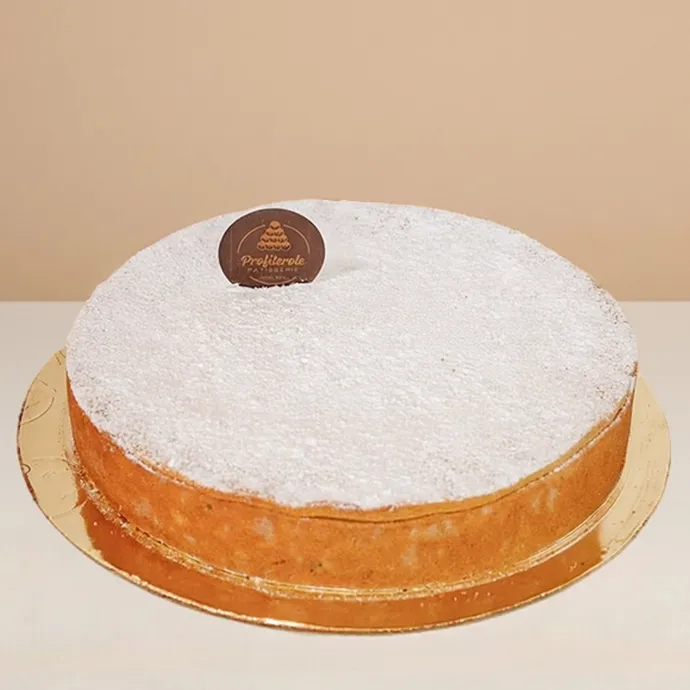
Baked Ricotta Cheesecake
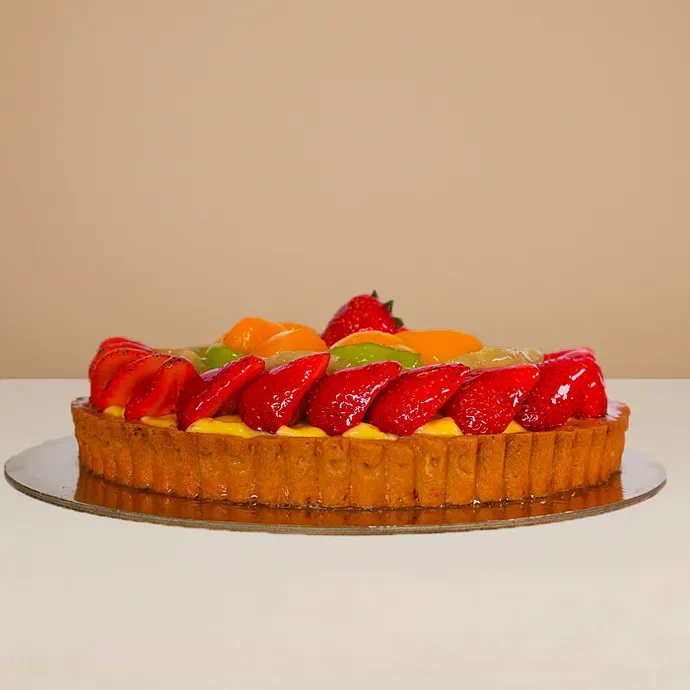
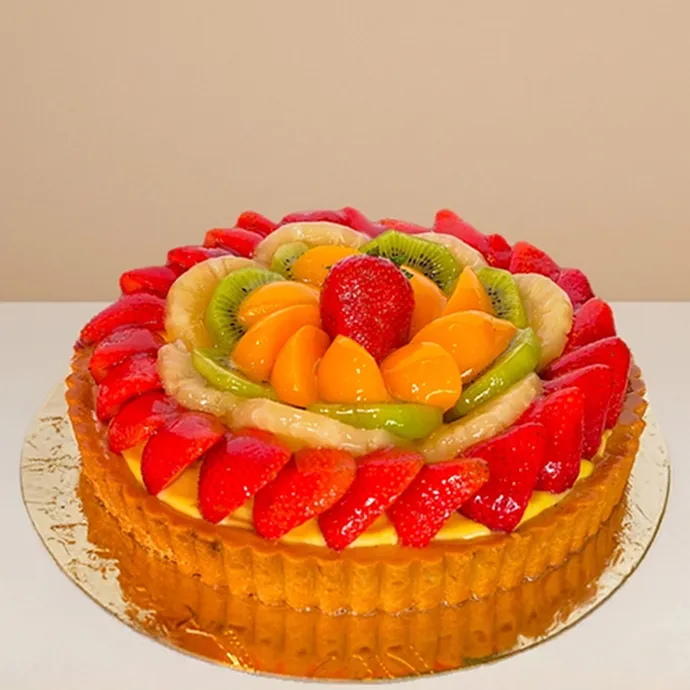
Fruit Cake - Round
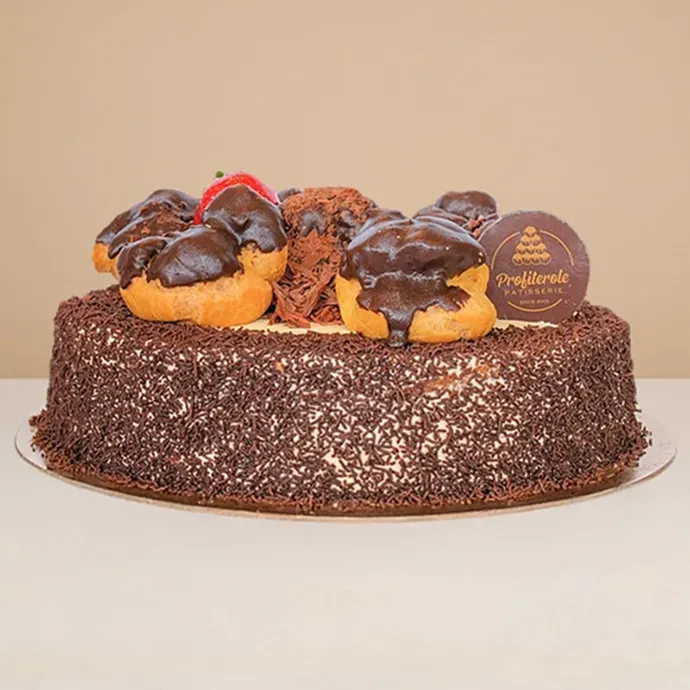
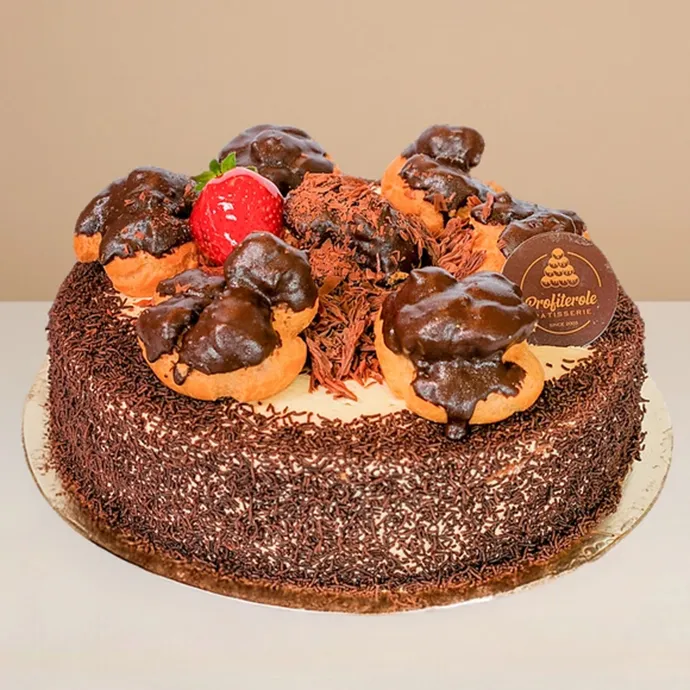
Chocolate Profiterole Cake
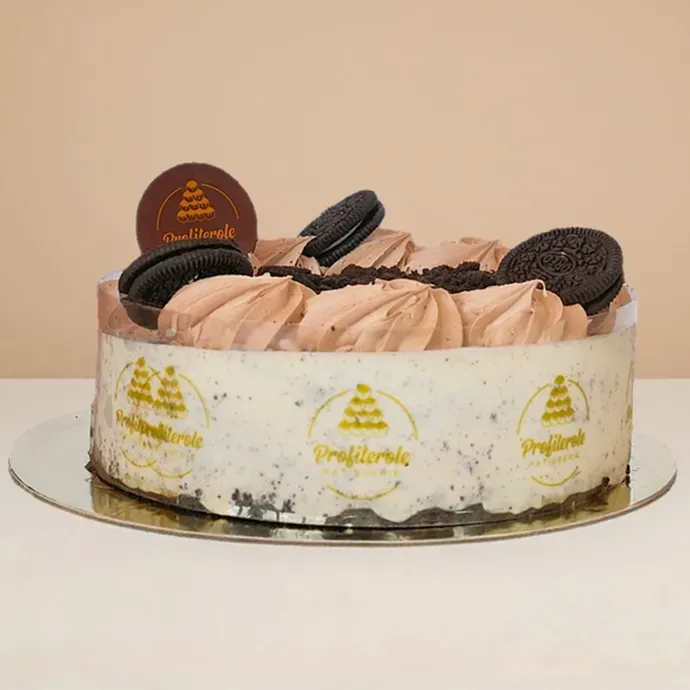
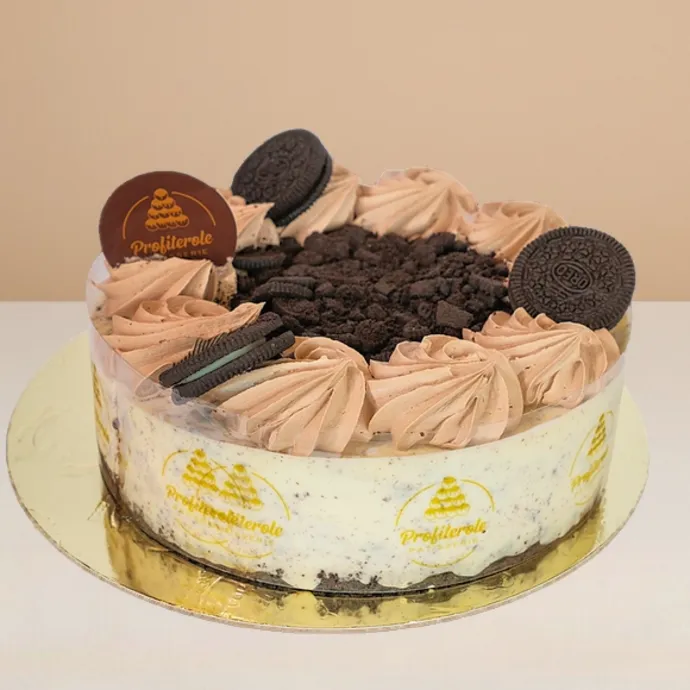
Oreo Cheesecake
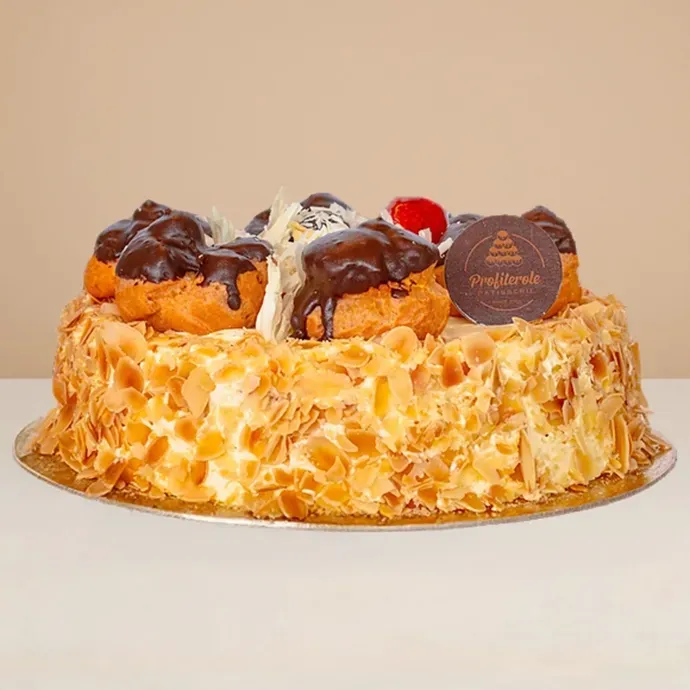
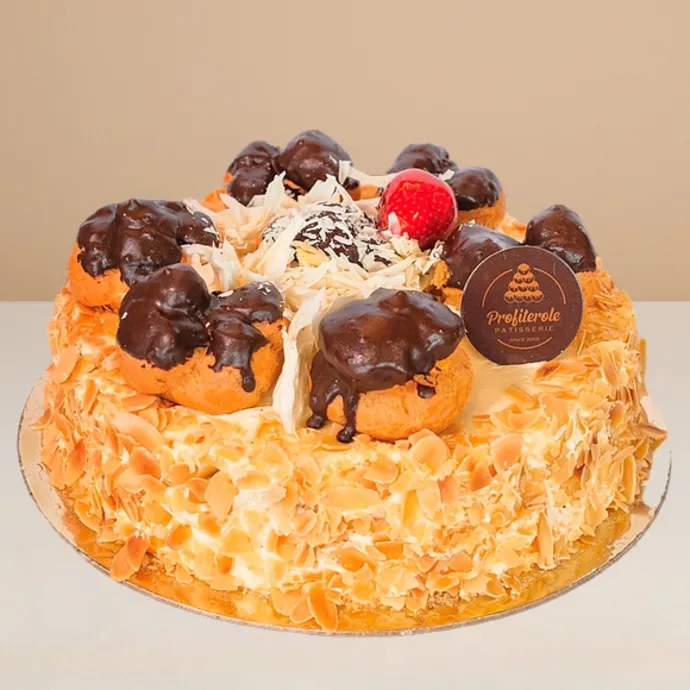
White Profiterole Cake
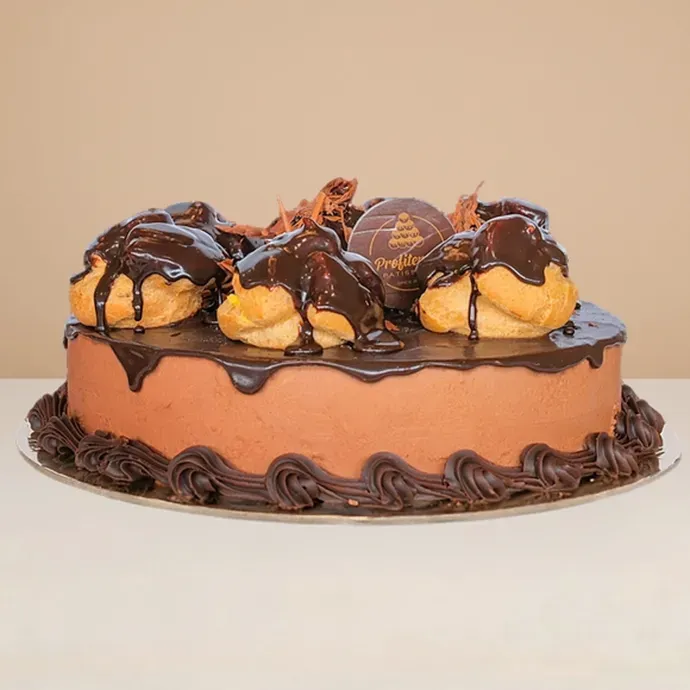
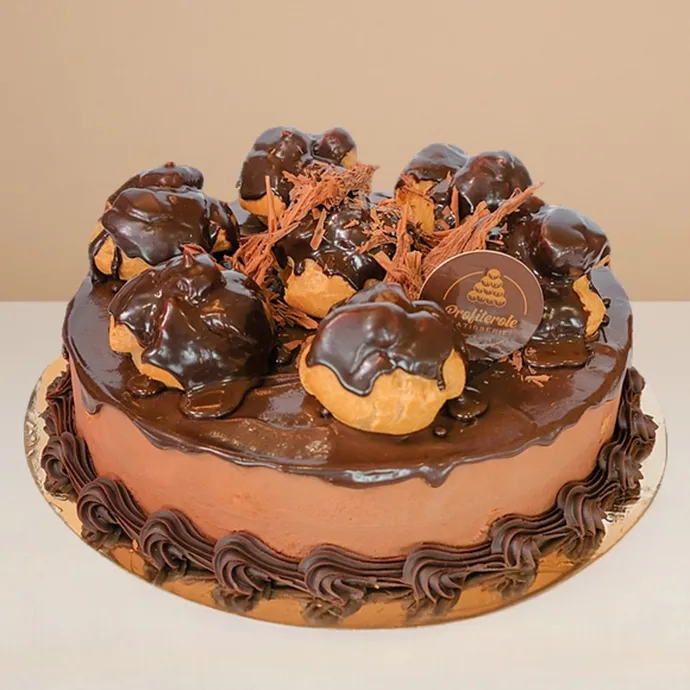
Mousse Profiterole Cake
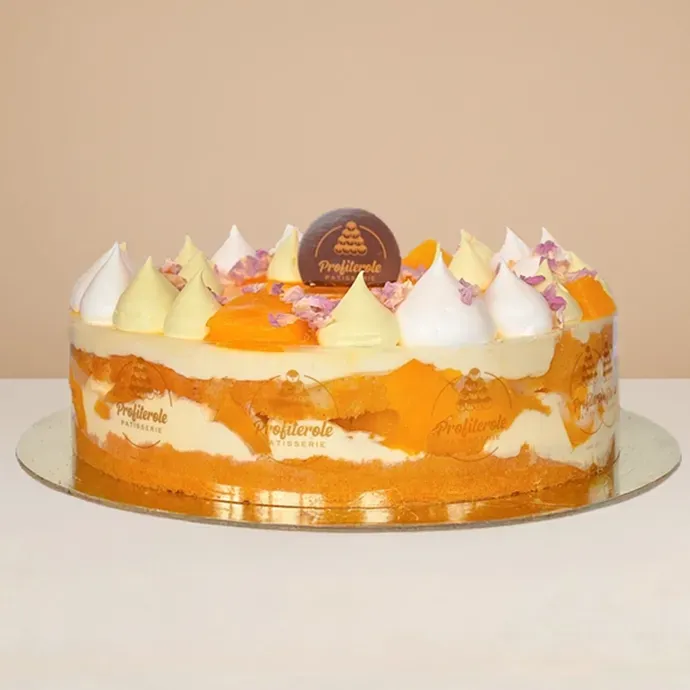
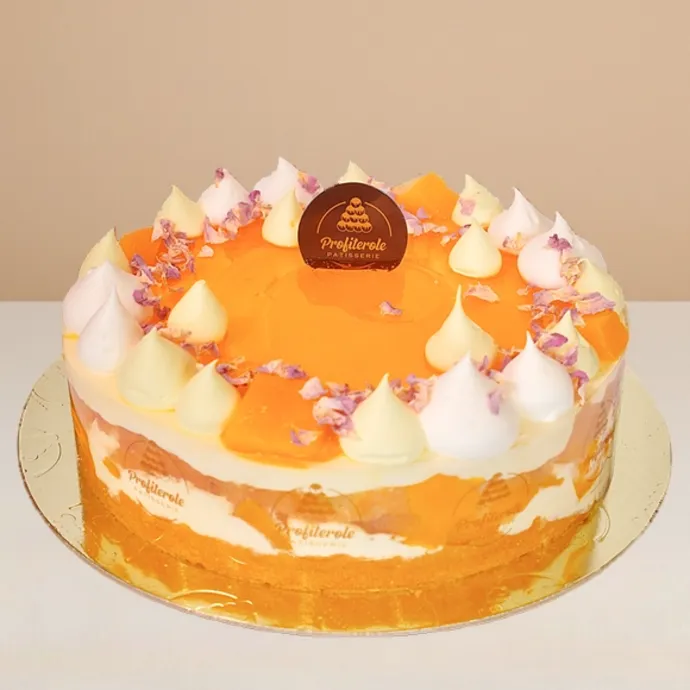
Mango Cake