Why Do Cakes Get Hard in the Fridge
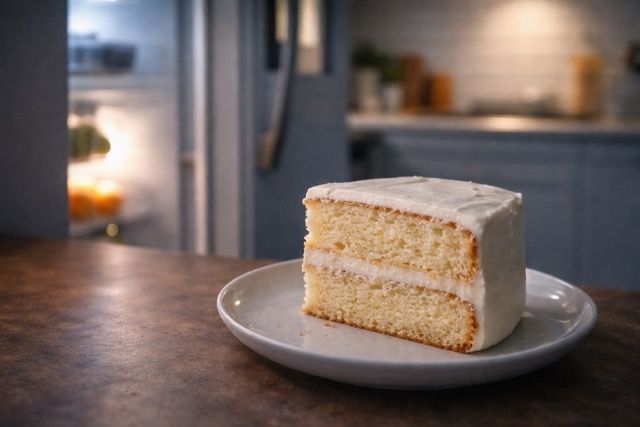
You slice into a beautiful cake you just got out from the fridge. But instead of the same soft, fluffy texture, you get something firmer, slightly dry, and not quite as enjoyable. It is one of the most common frustrations when refrigerating a cake.
So what actually happens? The answer lies in how cakes respond to cold temperatures. While refrigeration helps prevent spoilage, it can also change the structure of the cake itself.
Understanding why this happens can help you store cakes properly and bring them back to life when needed. So let's talk about that.
Quick answer: Why does my cake get hard after refrigeration?
Cake gets hard in the fridge because cold temperatures change the structure of starch and reduce moisture. This causes the crumb to firm up and lose its softness.
Scientifically speaking, when cake is stored in the refrigerator, the starch molecules inside the sponge begin to change. This process is known in food science as starch retrogradation, where the soft structure of the cake firms up as it cools.
At colder temperatures, moisture inside the cake moves away from the starch and redistributes. As a result, the crumb becomes tighter and less tender. This is why cake often feels firmer and slightly dry straight from the fridge, even if it was perfectly soft the day before.
This process happens faster in the fridge than at room temperature, which is why cakes left on the bench often stay softer for longer, at least for a short period.
The role of moisture loss in cake texture
Another major reason cakes get hard in the fridge is moisture loss. Refrigerators are designed to remove humidity from the air, which helps preserve food, but this also draws moisture out of cakes.
When a cake is not properly covered, it dries out quickly. The exposed surface becomes firm, and the crumb loses its softness.
Even cakes with frosting are not completely protected. Over time, the cold air can still affect the internal texture, especially if the cake has been sliced and the inner layers are exposed.
This is why storing cakes properly is just as important as deciding where to store them.
So, how to store cakes in the fridge properly to prevent hardening?
Proper storage makes a significant difference in how your cake holds up in the fridge. The most important step is to keep the cake sealed. Use an airtight container, a cake box, or wrap the cake carefully to prevent exposure to dry air.
For sliced cakes, cover the cut side to lock in moisture. This simple step helps preserve the softness of the crumb.
If the cake does not contain perishable ingredients, storing it at room temperature for a short period may actually be the better option for maintaining texture. However, cakes with cream, fruit, or custard should always be refrigerated for safety.
Can I freeze my cake instead? When is freezing better than refrigerating?
Important tip: The key is to wrap the cake tightly so it does not get exposed to air. This prevents freezer burn and keeps the texture intact.
Freezing is often the better option when you want to preserve both the freshness and texture of a cake for longer than a few days. While refrigeration can dry out the cake and make it firm, freezing slows down moisture loss and helps maintain the soft crumb.
If you are planning to eat the cake within one to two days, refrigeration is usually enough, especially for cakes with cream or fresh fruit. But if you want to save cake for later in the week or even the next month, freezing is the smarter choice.
Cakes freeze surprisingly well when stored properly. Plain sponge cakes, butter cakes, and even layered cakes can be frozen without losing much quality.
For best results, wrap the cake in baking paper or plastic wrap, then place it in an airtight container. If the cake is already sliced, wrap individual portions so you can thaw only what you need.
When you are ready to serve, let the cake thaw slowly at room temperature. This helps the moisture redistribute evenly, bringing back that soft and tender texture.
To guide you in choosing the best storage method for you cake, here's a table explaining the best use case scenario for freezing and refrigerating.
| Refrigerating | Freezing | |
|---|---|---|
| Best use case | Short term storage, especially for cakes with cream, custard, or fresh fruit | Long term storage when you want to preserve freshness and softness |
| How long it lasts | 2 to 5 days depending on ingredients | Up to 2 to 3 months when well wrapped |
| Effect on texture | Can make cake firm and slightly dry if not stored properly | Maintains moisture and softness when thawed correctly |
| Ideal for | Cheesecakes, fruit cakes, cream filled cakes | Sponge cakes, butter cakes, layered cakes, leftover slices |
Which cakes are most affected by refrigeration
It is worth noting that not all cakes react the same way to the fridge. Some hold their texture better, while others are more sensitive to cold storage.
Butter cakes, sponge cakes, and chiffon cakes tend to firm up more noticeably because of their lighter structure. These cakes rely heavily on air and moisture to maintain softness, so any change in temperature can affect their texture.
Cakes with high fat content, such as mud cakes or dense chocolate cakes, usually hold up better. Their richness helps retain moisture and slows down the hardening effect.
Cakes with cream, custard, or fresh fruit fillings still need refrigeration for safety, even if it affects their texture. In these cases, proper storage and serving techniques become even more important.
How to soften cake from the fridge
The good news is that a firm cake is not a lost cause. In most cases, you can bring back its softness with a simple step. Here's how you do it.
- For whole cakes:
Let the cake sit at room temperature before serving. This allows the fats and moisture inside the cake to relax, restoring a softer texture. Depending on the size of the cake, this can take around 20 to 30 minutes.
- For cake slices: Let the cake sit at room temperature for about 5 to 10 minutes. The process is faster because of its smaller size. You will notice the difference as the crumb becomes more tender and the flavours become more pronounced.
Important: Avoid microwaving unless necessary, as it can unevenly heat the cake and affect the texture.
Storing cake the right way makes all the difference
Refrigeration is useful for keeping cakes safe, especially those with dairy or fruit, but it does come with a trade off in texture. The key is knowing when to use the fridge and how to minimise its effects.
By storing cakes properly and giving them time to warm up before serving, you can enjoy the same soft and satisfying texture you expect from a freshly made cake. With the right approach, even leftover cake can still feel like a treat worth looking forward to.
But why store cake for so long when you can simply have a cake delivered to you on the day you need it? At Profiterole Patisserie, we deliver freshly made cakes everyday so you don't have to deal with all the nuances of cake storage. Simply order online and we can deliver the cake as early as the next day. You can also opt for in-store pick-up from any of our five branches across Sydney.
Publish date: 16/03/2026

Joey Yaccoub
Head Baker & Operations Manager, Profiterole Patisserie
Joey Yaccoub is the Head Baker at Profiterole Patisserie, bringing over a decade of hands-on experience in artisan cake design and pastry craftsmanship.
He oversees recipe development, product quality, and daily operations across all store locations, ensuring every cake meets the brand’s standards for flavour, presentation, and consistency.
FAQs
Why do cakes get hard in the fridge?
Cakes get hard in the fridge because cold temperatures cause the starch in the cake to firm up and moisture to redistribute. This changes the texture of the cake, making it feel denser and less soft.
The effect is temporary and can often be reversed by letting the cake sit at room temperature.
How do you soften cake after refrigeration?
The best way to soften cake is to let it rest at room temperature for about 20 to 30 minutes before serving. This allows the fats and moisture to return to a softer state, improving both texture and flavour.
Avoid overheating as it can damage the structure of the cake.
Does refrigeration dry out cake?
Yes, refrigeration can dry out cake because the fridge removes moisture from the air. If the cake is not properly covered, it can lose moisture quickly and become firm.
Using airtight storage helps prevent this.
Should all cakes be refrigerated?
Not all cakes need refrigeration. Cakes without perishable ingredients can often be stored at room temperature for a short time.
However, cakes with cream, custard, or fresh fruit should always be refrigerated for safety.
How do you store cakes properly to keep them soft?
Store cakes in an airtight container or wrap them well to prevent moisture loss. Cover any exposed areas, especially cut sides.
For best texture, allow refrigerated cakes to sit at room temperature before serving.
No need to store cake in the fridge. Simply buy a fresh one! Check out our collection.

Profiterole Tower - Classic Chocolate
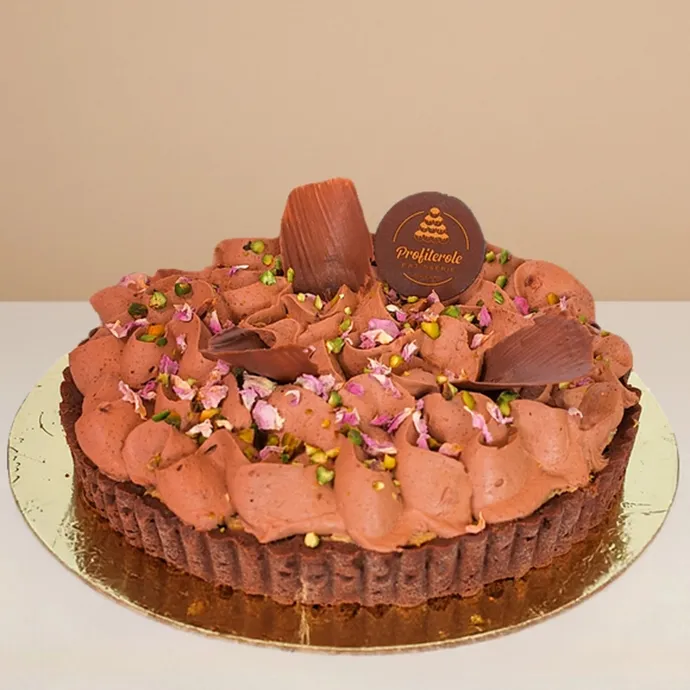
Dubai Chocolate Cake
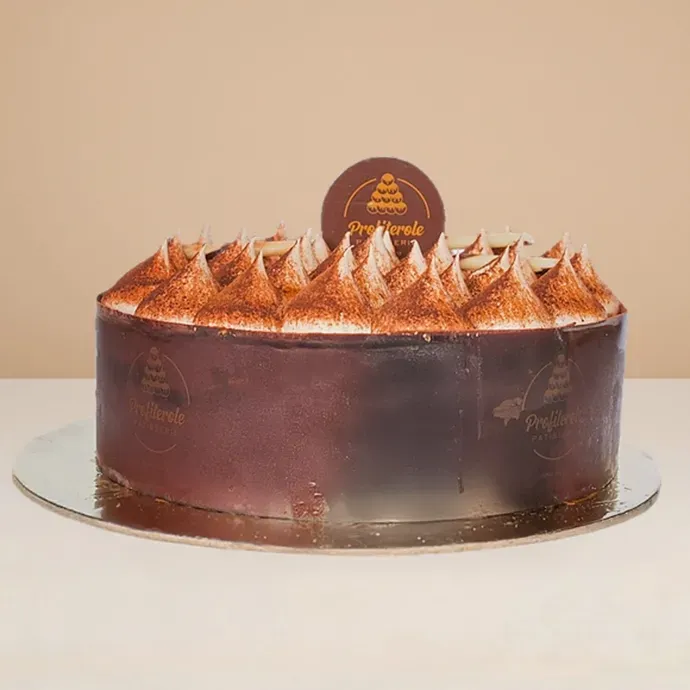
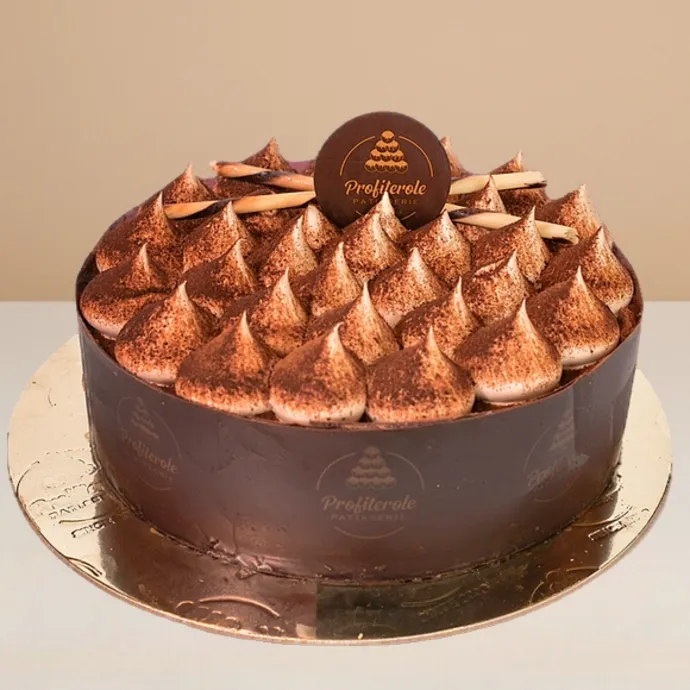
Tiramisu Cake
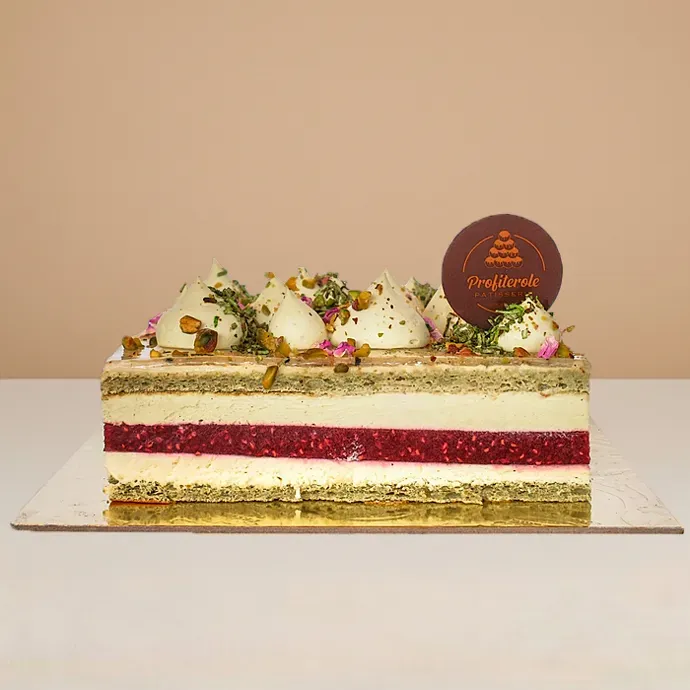
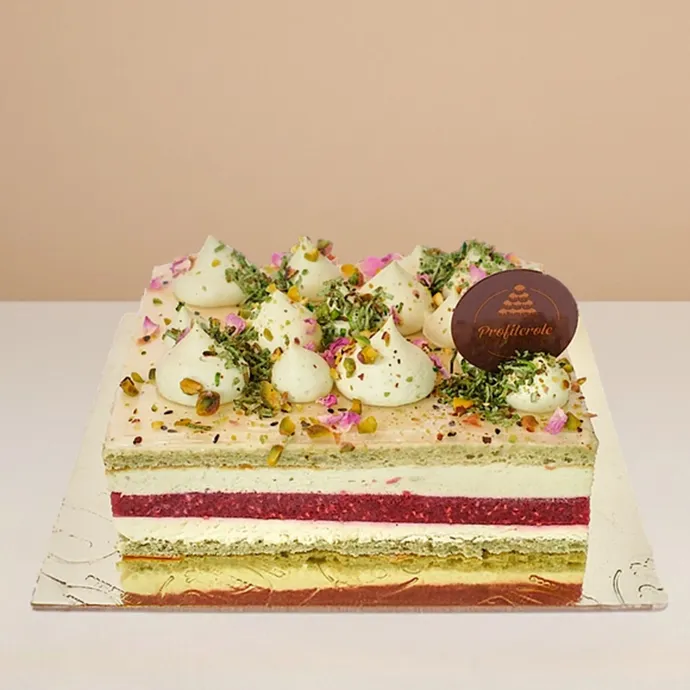
Pistachio Raspberry Bliss Cake
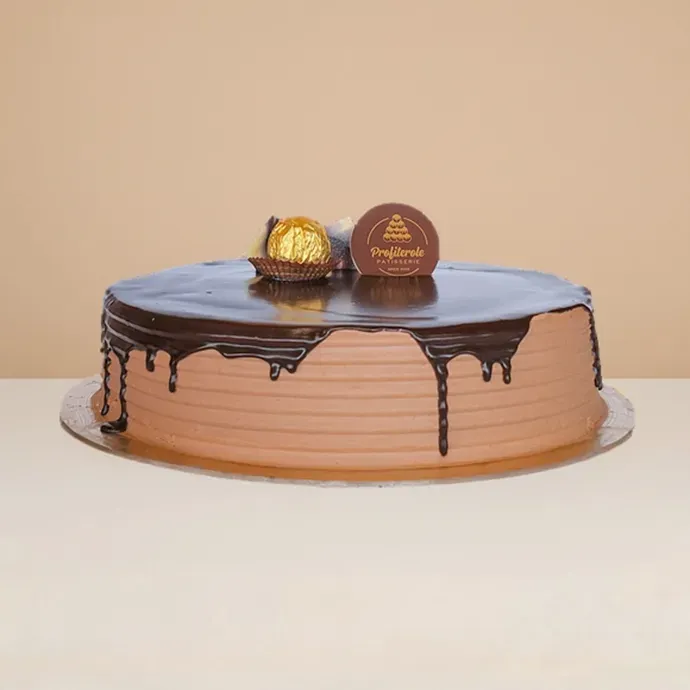
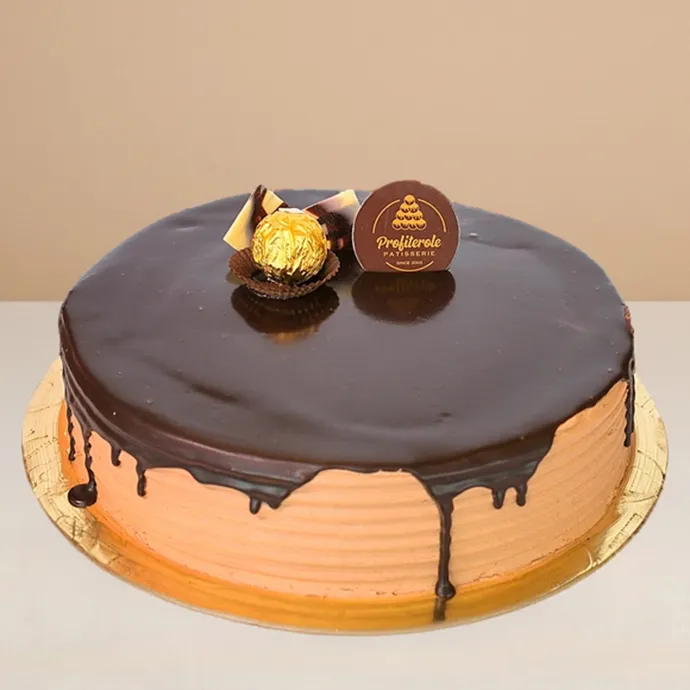
Ferrero Rocher Cake
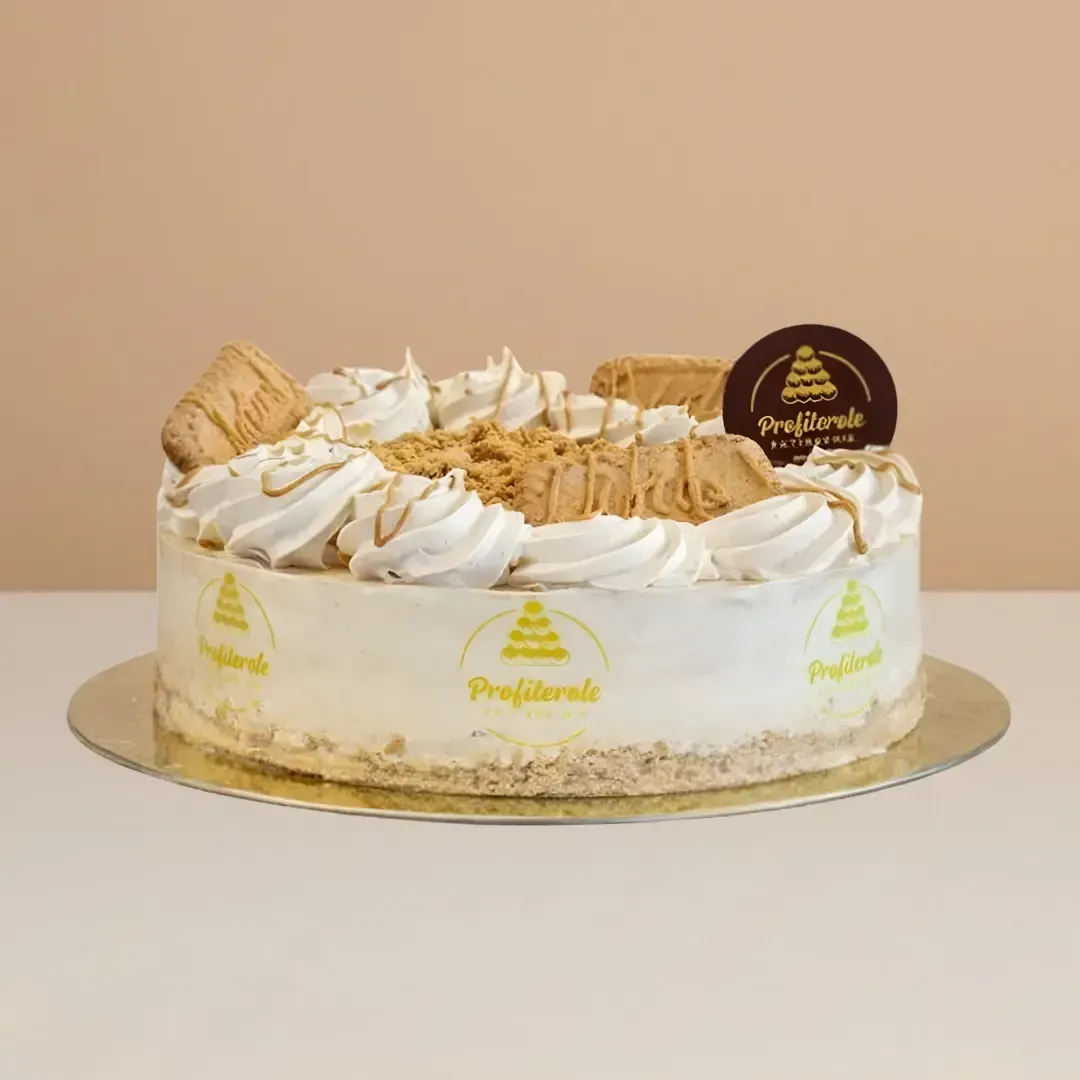
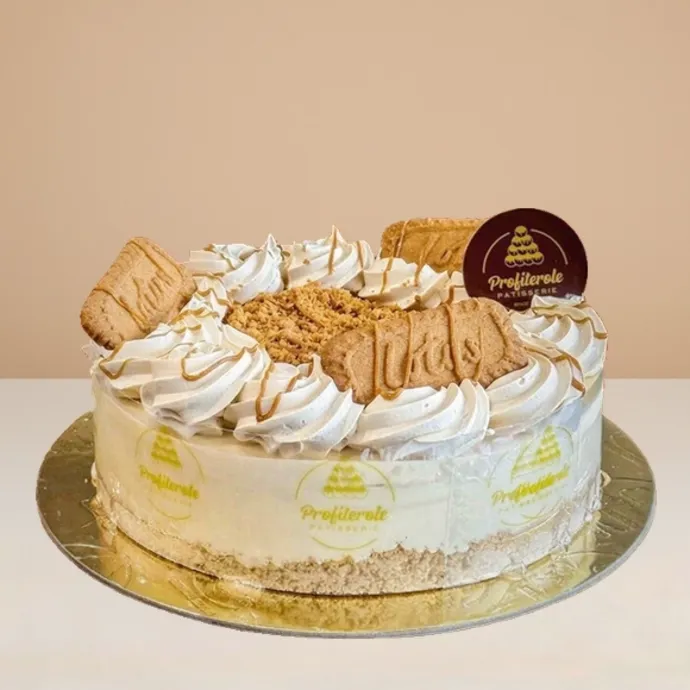
Lotus Biscoff Cheesecake


Profiterole Log Cake
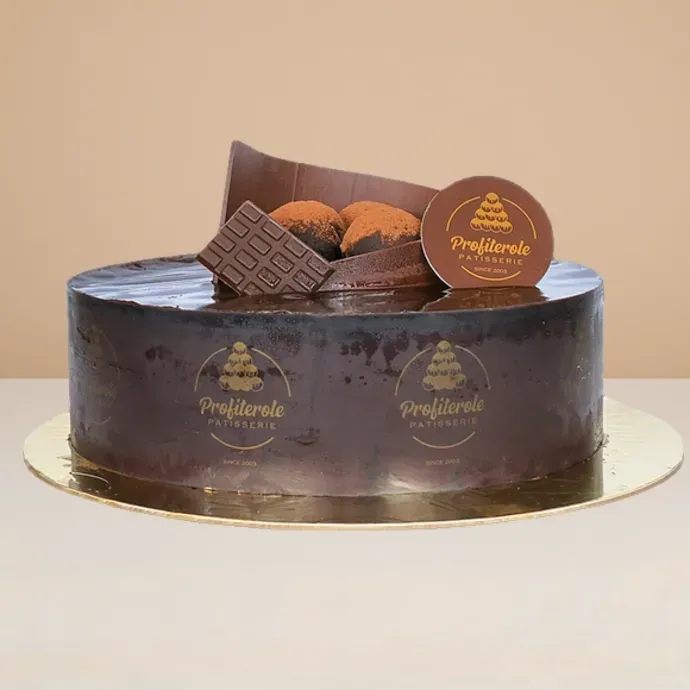
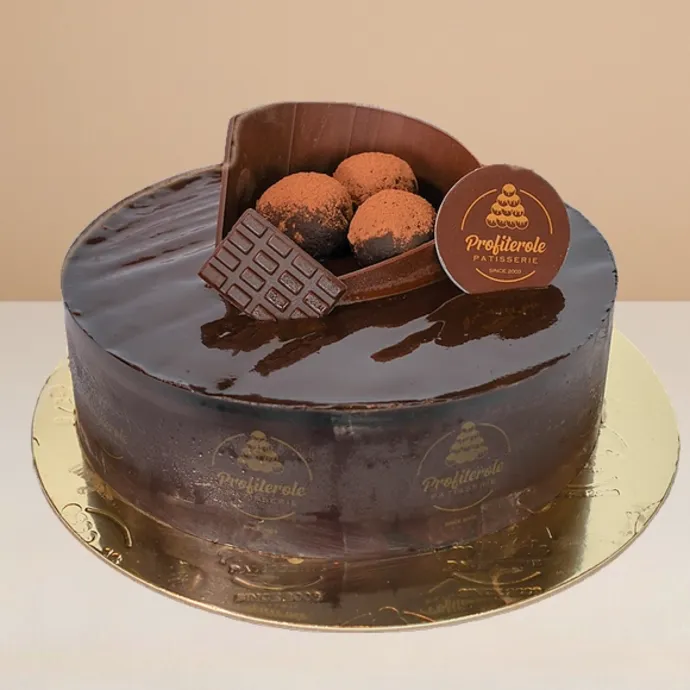
Chocolate Mousse Cake
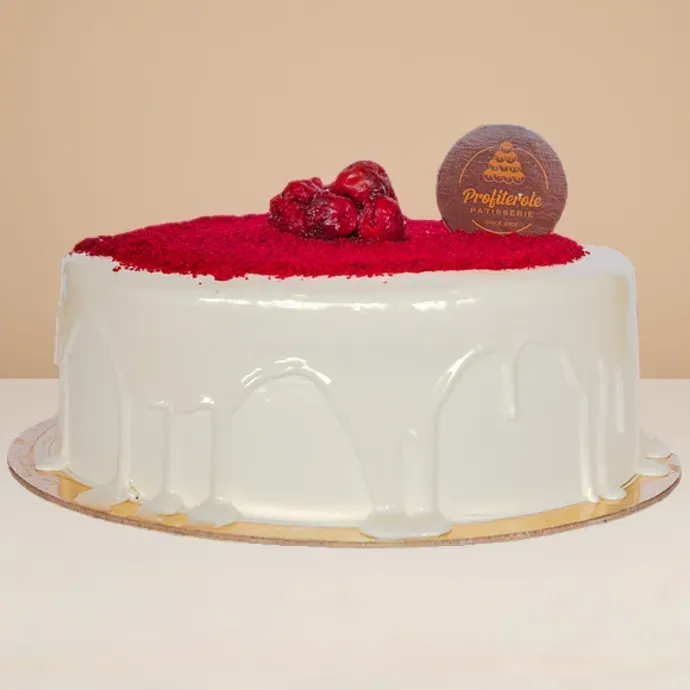
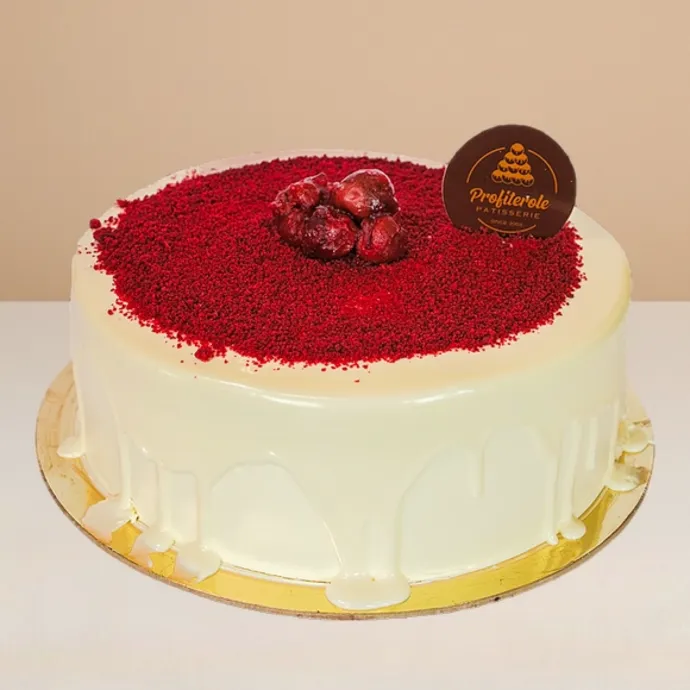
Red Velvet Cake
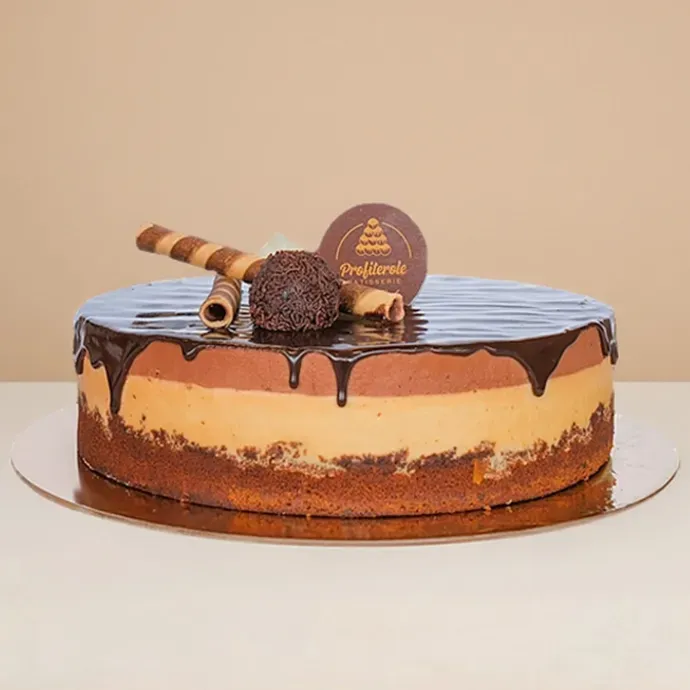
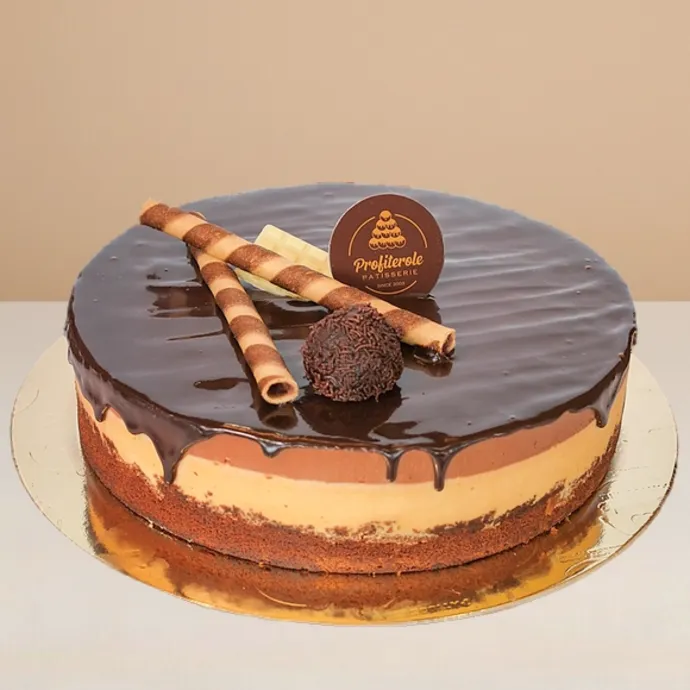
Trio Cake - Round
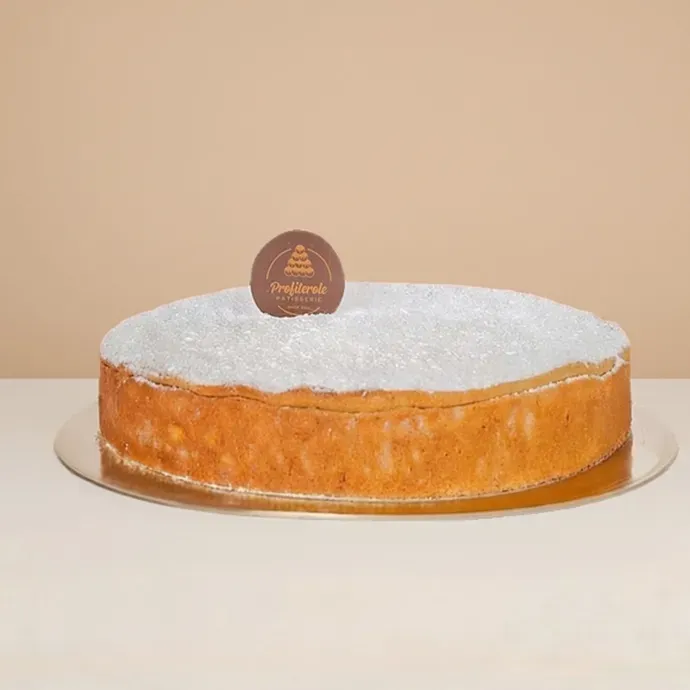
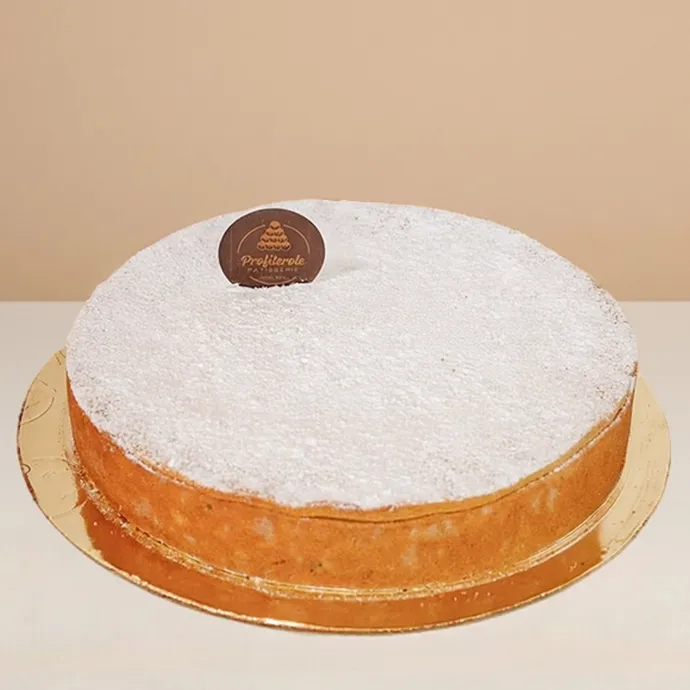
Baked Ricotta Cheesecake
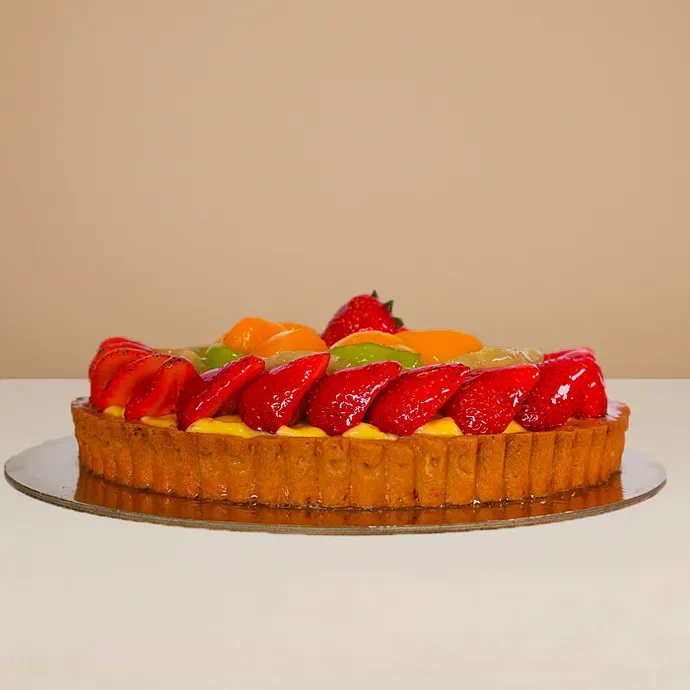
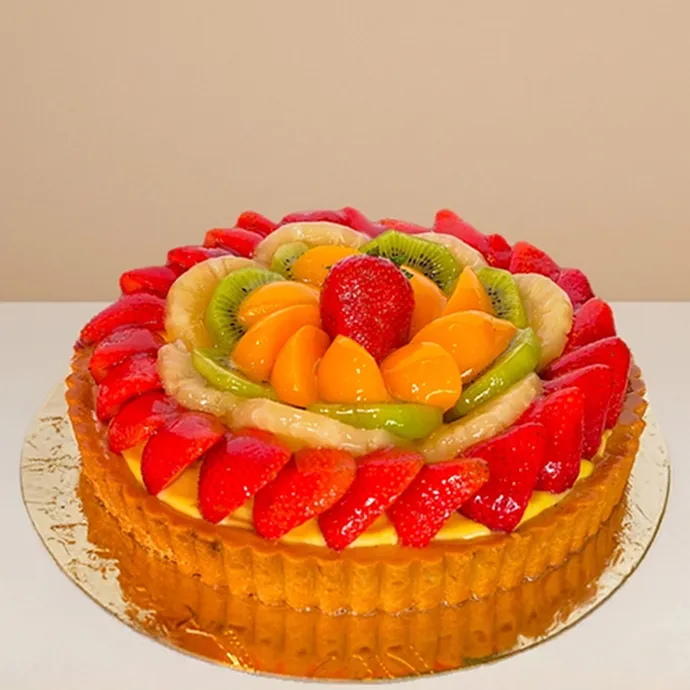
Fruit Cake - Round
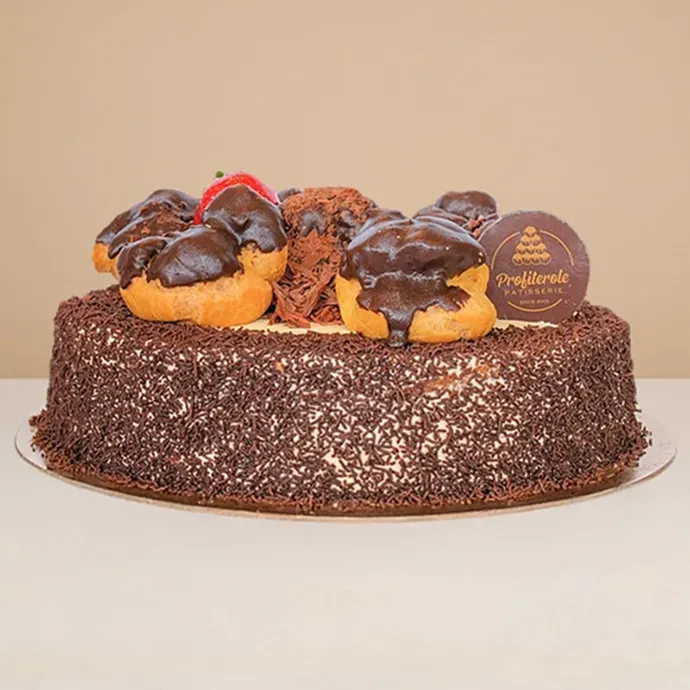
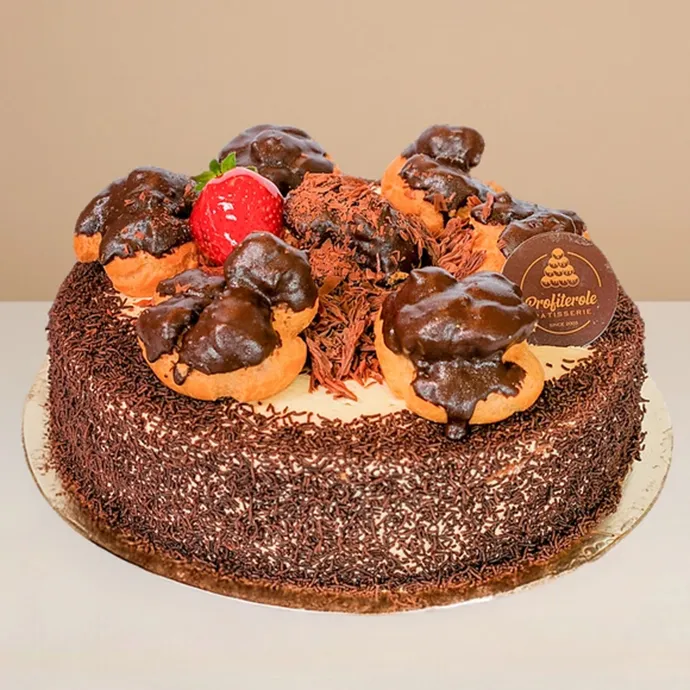
Chocolate Profiterole Cake
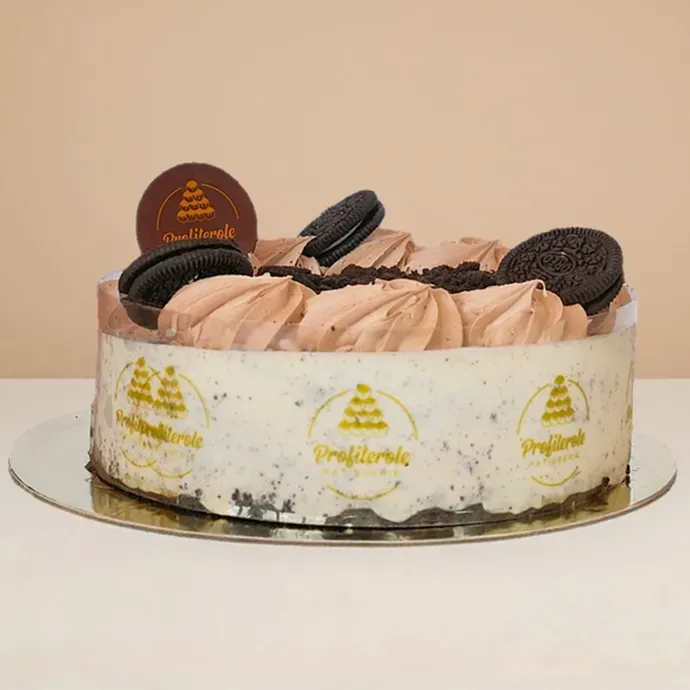
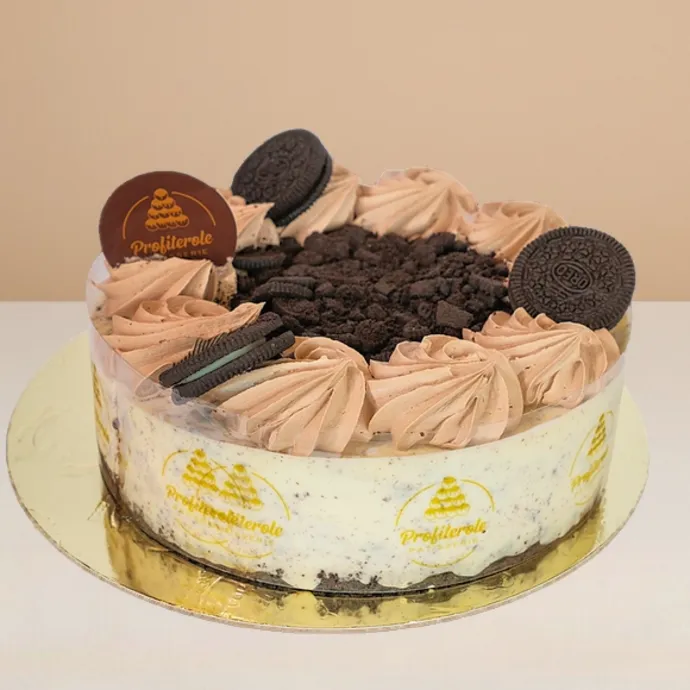
Oreo Cheesecake
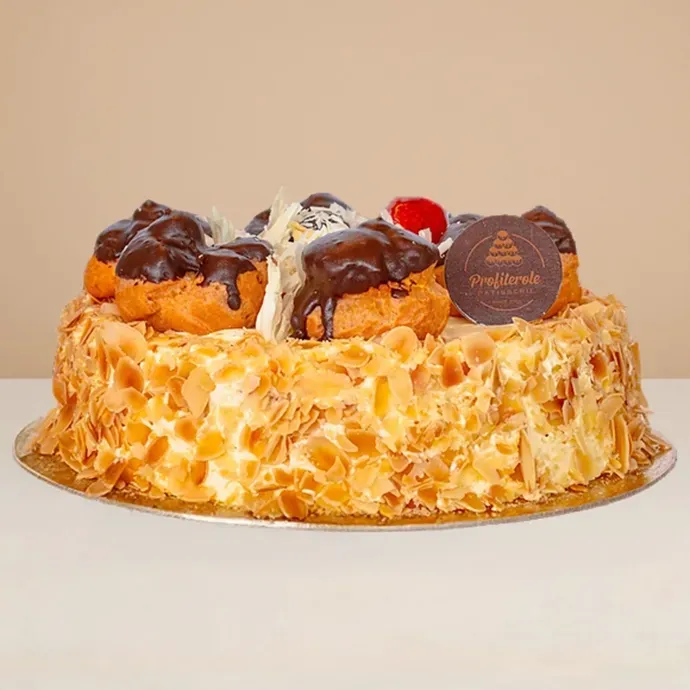
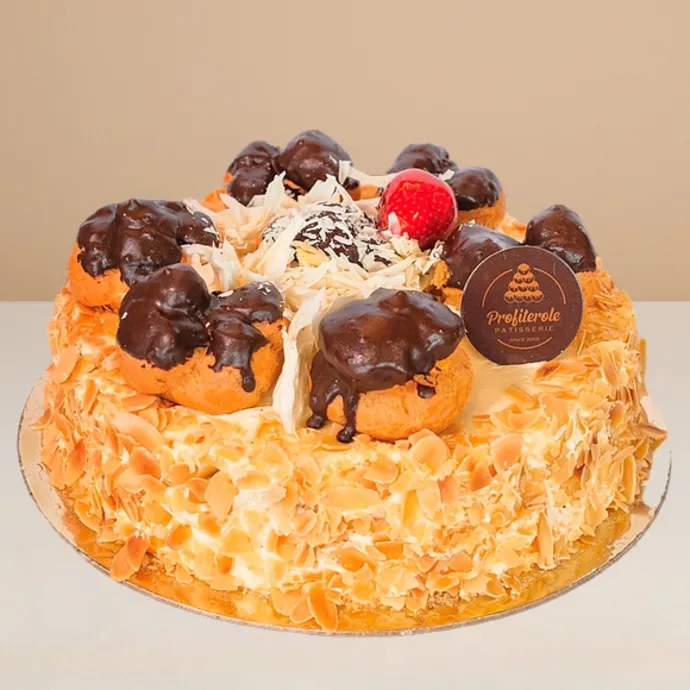
White Profiterole Cake
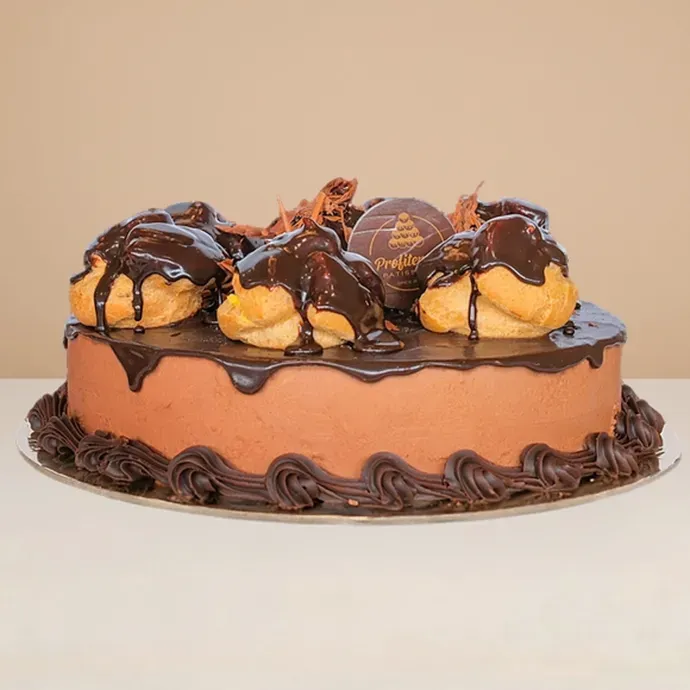
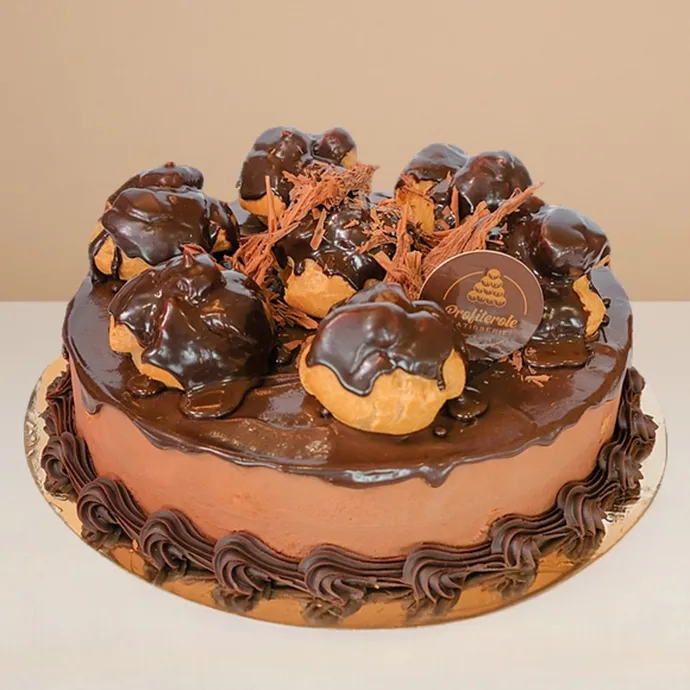
Mousse Profiterole Cake
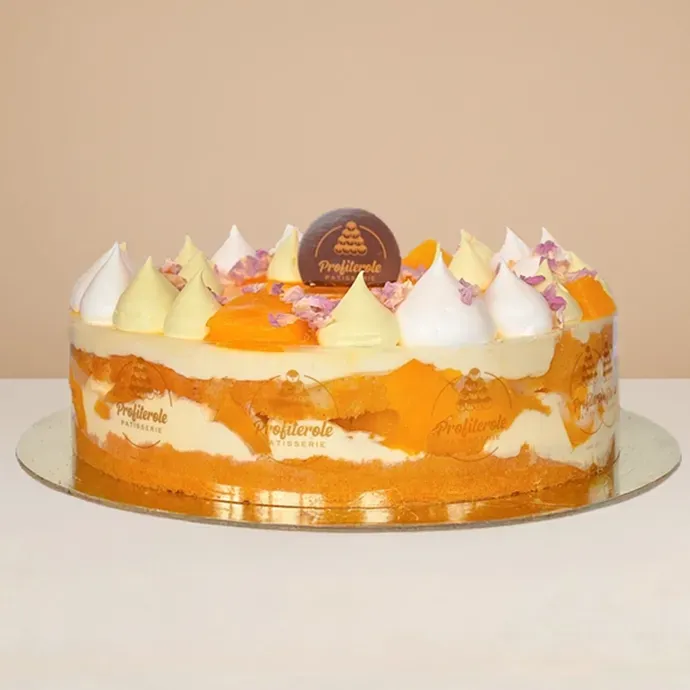
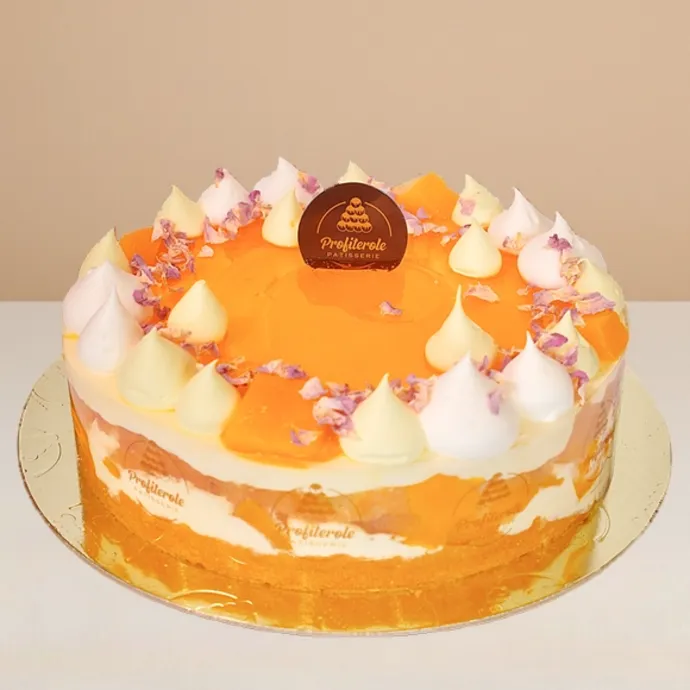
Mango Cake