
Why Is Red Velvet Cake Red: Is It Just Red Chocolate Cake?
Few cakes command attention quite like red velvet. With its dramatic crimson crumb and pristine white frosting, it stands out in any bakery display case.
Yet behind its theatrical appearance lies an enduring dessert debate: is red velvet an authentic, distinct artisan recipe, or simply a standard chocolate cake dressed up with artificial red dye?
This article demystifies the origins of its crimson hue, contrasts its subtle buttermilk-cocoa profile against standard chocolate sponge, and explains why the pairing with tangy white frosting remains timeless.
TL;DR:
Authentic red velvet cake is far more than dyed chocolate cake. It is a distinct bake defined by a fine, velvety crumb, modest cocoa flavour, and a lively tang from cultured buttermilk and vinegar. Originally, its reddish hue arose naturally from an organic chemical reaction between acidic dairy and untreated raw cocoa powder, whereas modern versions use food colouring or plant extracts to achieve a signature vibrant crimson.
| Feature | Red Velvet Cake | Traditional Chocolate Cake |
|---|---|---|
| Core Flavour | Subtle cocoa warmth with distinct buttermilk tang | Deep, pronounced chocolate sweetness |
| Crumb Texture | Tight, ultra-soft, fine-grained "velvety" crumb | Open, springy, aerated sponge |
| Cocoa Volume | Baking soda activated immediately by vinegar | Baking powder, whipped eggs, or creamed butter |
| Colour Origin | Anthocyanin acid reaction (historic) / Food dye (modern) | Natural brown from roasted cocoa solids |
| Classic Frosting | Tangy cream cheese or traditional ermine roux | Chocolate buttercream, ganache, or fudge |
What Is Red Velvet Cake in Today’s Time?
To appreciate red velvet today, we have to look back at its evolution from Victorian parlour kitchens to modern boutique bakery displays.
From Victorian "Velvet" Cakes to Modern Icon
During the Victorian era, bakers began adding cornstarch, almond flour, and raw cocoa to cake batters to soften the protein structure of harsh wheat flour.
These cakes were nicknamed "velvet" cakes because the softened gluten produced an extraordinarily smooth, fine crumb that dissolved on the tongue like velvet fabric.
By the 1930s, the cake gained legendary status across North America. High-end dining establishments like New York's Waldorf-Astoria menu introduced the cake as an exclusive luxury dessert, while Southern American kitchens refined the recipe with cultured buttermilk.
Today, red velvet is recognized globally as a timeless celebration centrepiece celebrated for its striking visual drama, tender bite, and unique sweet-and-tangy finish.
Is Red Velvet Cake Actually Just Red Chocolate Cake?
While red velvet contains cocoa powder, comparing it directly to standard chocolate sponge ignores the distinct culinary science that gives red velvet its identity.
The Flavour Profile: Subtle Cocoa Meets Tangy Dairy
A standard chocolate cake is built to deliver an uncompromised cocoa hit, relying on large quantities of melted dark chocolate or cocoa powder.
Red velvet, by contrast, uses lesser quantities of cocoa powder (usually only one or two tablespoons of cocoa per batch). The cocoa is not meant to dominate.
Rather, it acts as a subtle aromatic base note that complements vanilla extract, butter, and rich cultured dairy.
The defining taste of red velvet comes from cultured buttermilk and a splash of distilled vinegar. This acidic foundation provides a bright, refreshing tang that cuts through the sugar, creating a complex, well-rounded flavour profile that tastes nothing like a heavy chocolate sponge.
Texture Mechanics: Velvet Plushness vs Springy Sponge
The physical bite of red velvet is completely unique:
- Chocolate Cake Crumb: Features an open, bouncy, and airy crumb structure created by mechanical egg whipping or creaming butter.
- Red Velvet Crumb: Incredibly tight, tender, and moist. The acids in the buttermilk and vinegar tenderise the wheat flour's gluten network, preventing the cake from forming elastic strands. The result is a plush, delicate texture that melts effortlessly on the palate.
Chemical Leaveners and Batter Formulation
Traditional chocolate cakes rely on baking powder or beaten eggs for long oven rise. Authentic red velvet uses an immediate chemical reaction: baking soda combined directly with distilled white vinegar.
When folded into the batter right before entering the oven, the mixture fizzes vigorously, creating microscopic air pockets that lift the heavy batter gently without disrupting the delicate, velvety crumb.
Where Does Red Velvet Cake Get Its Colour?
Originally, red velvet gained its subtle mahogany hue from a natural chemical reaction between acidic buttermilk and anthocyanins in untreated raw cocoa powder.
However, this practice has since faded as cocoa producers started alkalising cocoa powder to neutralise acide and create a darker, milder chocolate. This process is also known as “Dutch-processing”.
Today's artisan bakeries have multiple ways to achieve red velvet's iconic tone:
- Concentrated Gel Colouring: High-potency food gels provide vibrant scarlet colour without watering down the batter or imparting an artificial chemical aftertaste.
- Natural Plant Extracts: Many bakers use concentrated beetroot juice powder, beetroot puree, or natural carmine. Beet extracts impart an earthy, deep ruby colour that pays homage to wartime home bakers who boiled beets to add moisture, sugar, and natural crimson colour to rationed wartime cakes.
Why Do Red Velvet Cakes All Have the Same Traditional White Frosting?
Every classic red velvet cake is encased in a smooth, snow-white frosting. This pairing is not just about visual aesthetics; it is rooted in flavour science.
The Sensory Balance: Tang, Fat, and Sweetness
Because red velvet is subtly tangy and gently flavoured with mild cocoa, finishing it with heavy dark chocolate frosting or rich ganache would completely drown out its nuanced flavour.
As such, a dairy-based white frosting provides the perfect rich, silky canvas to balance the mild acidity of the buttermilk sponge.
The Frosting Evolution: Ermine Roux vs Cream Cheese
- Traditional Ermine Frosting: The original frosting paired with red velvet was Ermine frosting (also known as cooked flour frosting or boiled milk roux). Bakers cooked flour and milk into a thick roux, cooled it, and whipped it into softened butter and granulated sugar. It produced a light, cloud-like, silky frosting that tasted like whipped cream without being overly sweet.
- Modern Cream Cheese Frosting: In the 1960s, cream cheese frosting became the modern favourite. The natural tang of cream cheese mirrors the buttermilk and vinegar notes inside the cake crumb, creating a seamless, irresistible balance of sweet and tart.
Handcrafted Red Velvet and Celebration Cakes in Sydney
Achieving the perfect red velvet cake is an art of delicate balance. From the gentle acidity of cultured buttermilk to the fine tenderness of a velvet crumb, every single ingredient must work in harmony to produce a truly memorable dessert.
At Profiterole Patisserie, our pastry team bakes authentic red velvet cakes, artisan mousse creations, and custom celebration cakes fresh every day.
I would like to invite you to visit our stores in Sydney to taste and experience our creations. And if you prefer to enjoy your sweets at home, you can also order online and we’ll have your cake delivered on the next day.
Updated: 08/09/2026
Publish date: 27/08/2025

Joey Yaccoub
Head Baker & Operations Manager, Profiterole Patisserie
Joey Yaccoub is the Head Baker at Profiterole Patisserie, bringing over a decade of hands-on experience in artisan cake design and pastry craftsmanship.
He oversees recipe development, product quality, and daily operations across all store locations, ensuring every cake meets the brand’s standards for flavour, presentation, and consistency.
FAQs
Is red velvet cake actually just chocolate cake?
No, red velvet cake is not simply dyed chocolate cake. It contains only a fraction of the cocoa powder found in regular chocolate cake and relies on cultured buttermilk and vinegar to tenderise the crumb, creating a unique sweet-and-tangy flavour with an ultra-soft texture.
What kind of flavor is red velvet cake?
Red velvet cake features a delicate flavour profile combining gentle vanilla, a mild cocoa warmth, and a pleasant, refreshing tang from cultured buttermilk and vinegar, balanced by sweet cream cheese frosting.
What is red velvet’s actual flavor?
Red velvet’s actual flavour is a hybrid between vanilla and light cocoa elevated by dairy acidity. It does not taste like heavy chocolate, nor is it plain vanilla; the cultured buttermilk and vinegar give it a distinct, bright tartness that sets it apart from all other bakes.
What originally gave red velvet cake its color?
Red velvet cake originally earned its colour from an organic chemical reaction. Unprocessed, non-alkalised raw cocoa contains natural anthocyanin pigments that react with the acids in buttermilk and vinegar, turning the batter an earthy, mahogany-red without any added dyes.
What makes red velvet cake red?
Modern red velvet cakes get their vivid crimson colour from concentrated food colourings, gel pigments, or natural alternatives like beetroot powder, because modern Dutch-processed cocoa powder no longer reacts naturally with acidic ingredients.
Looking for more cakes? Check these out 👇
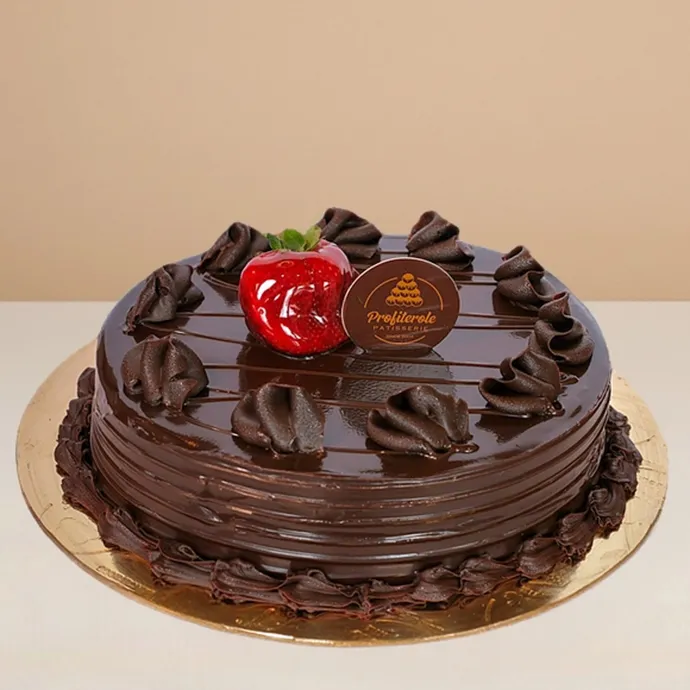
Chocolate Mud Cake
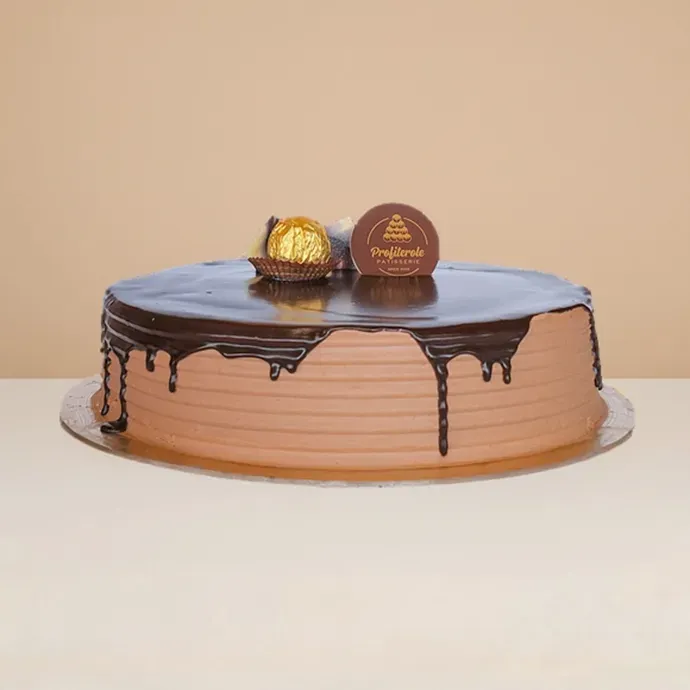
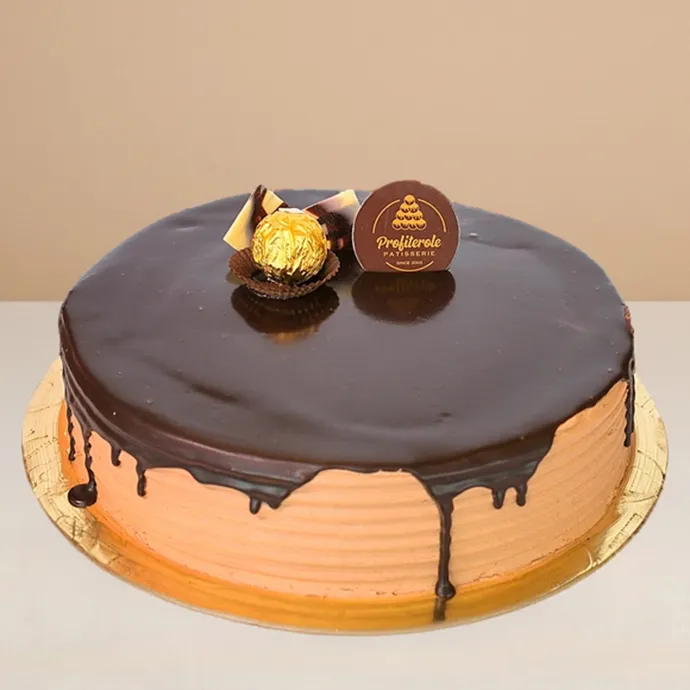
Ferrero Rocher Cake
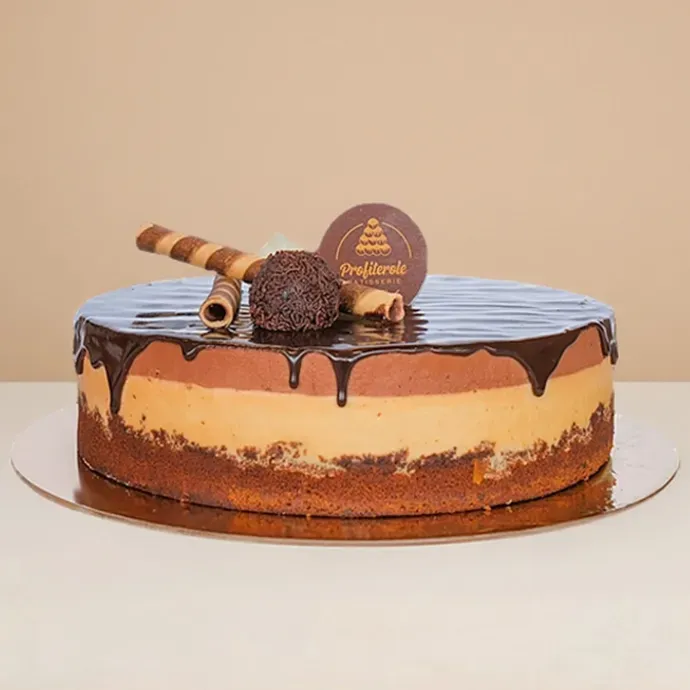
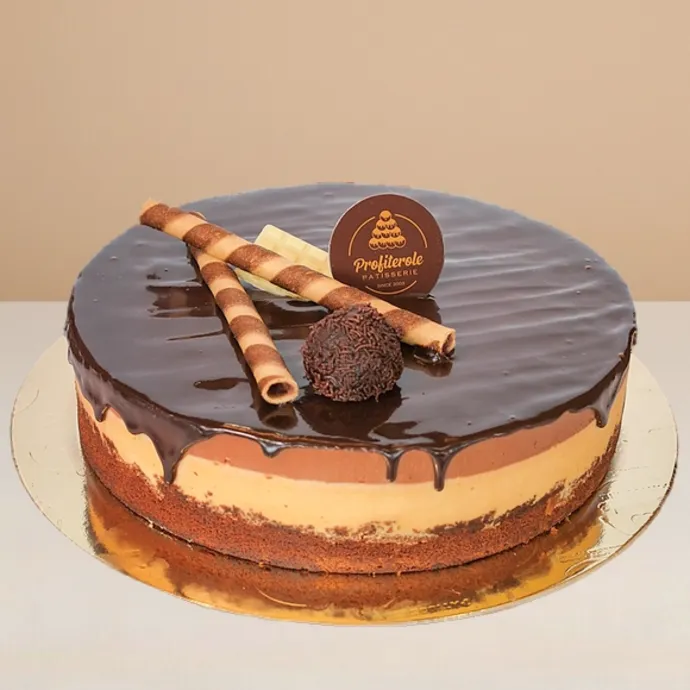
Trio Cake - Round
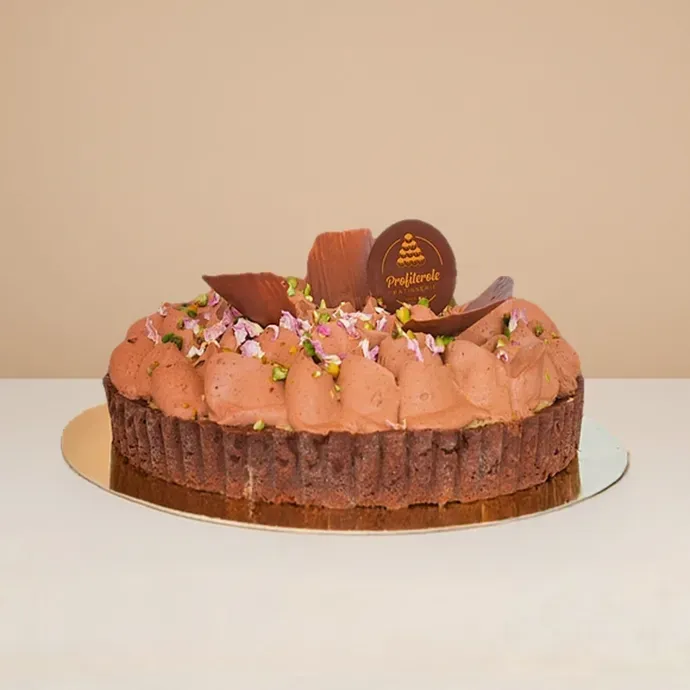
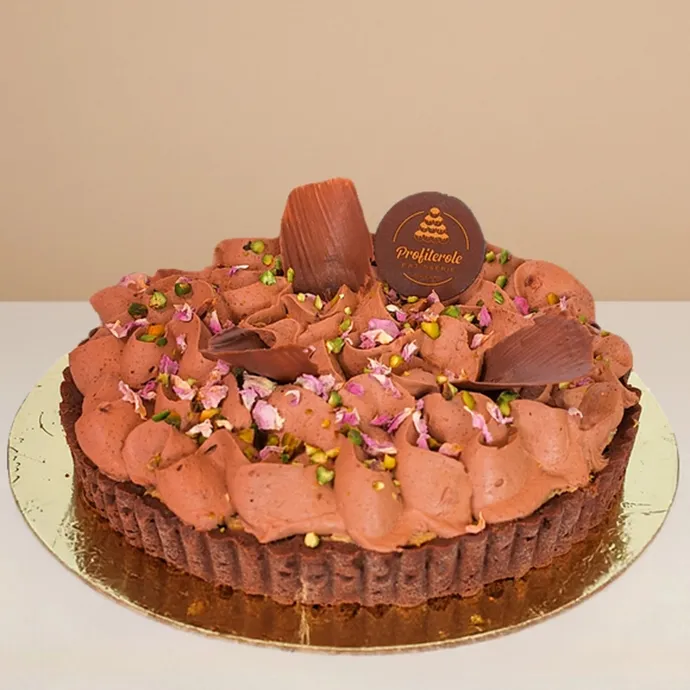
Dubai Chocolate Cake
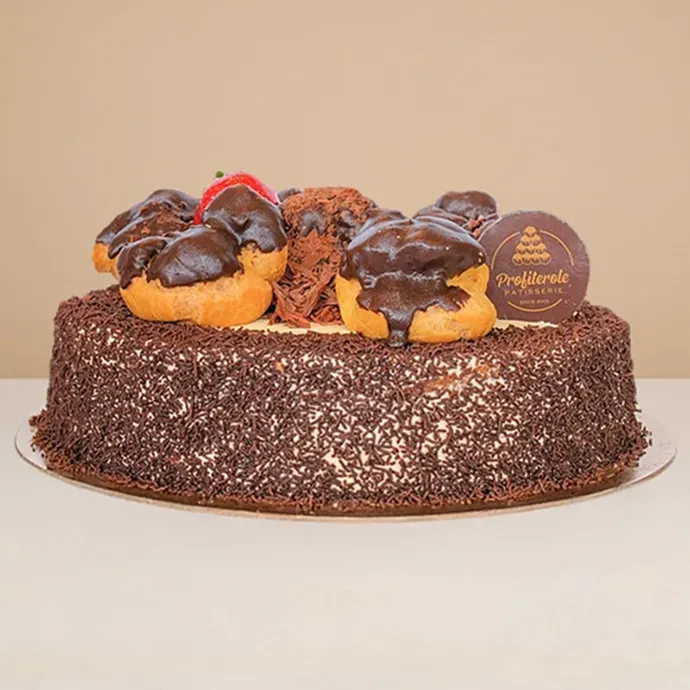
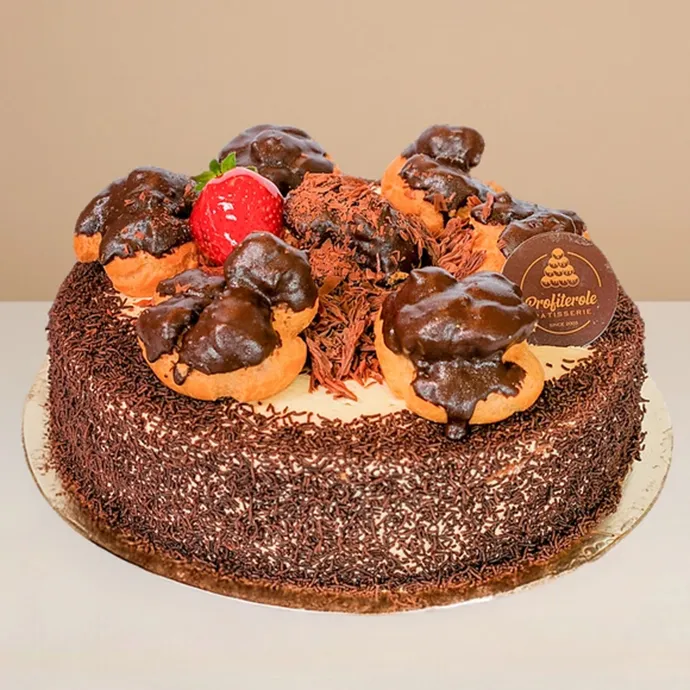
Chocolate Profiterole Cake
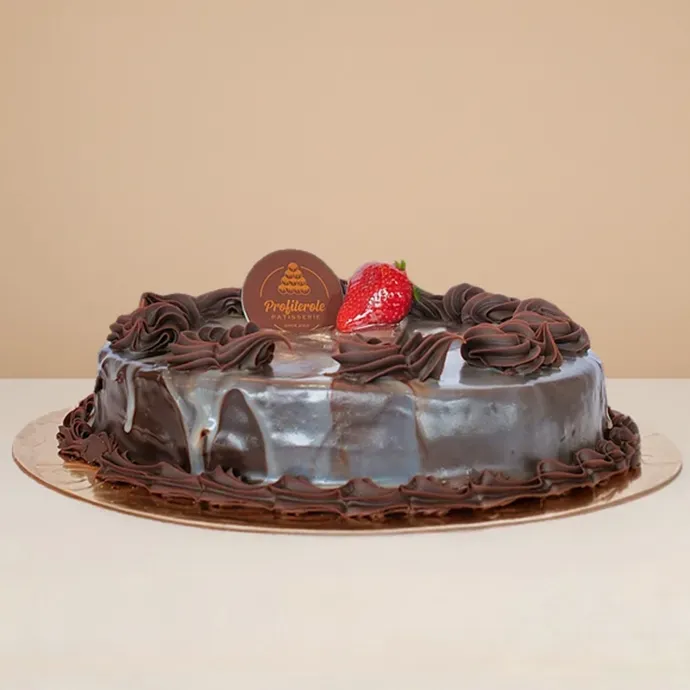
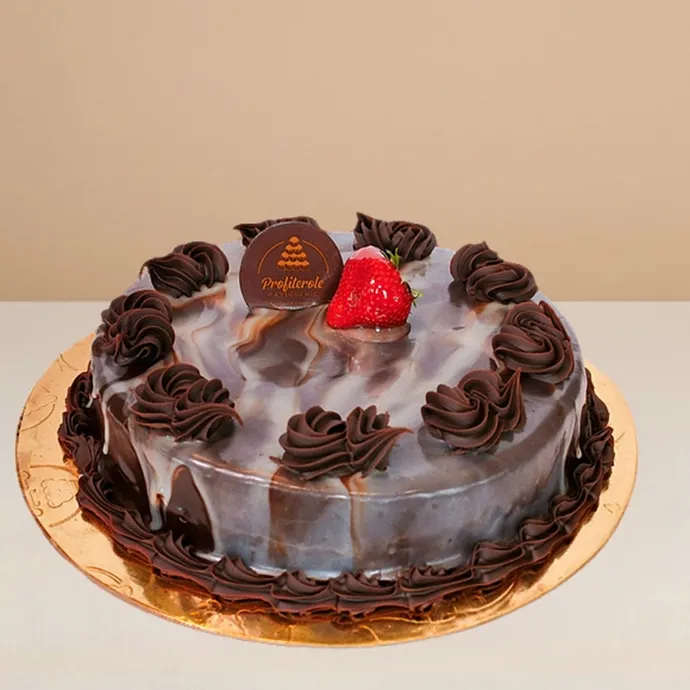
Marble Mud Cake
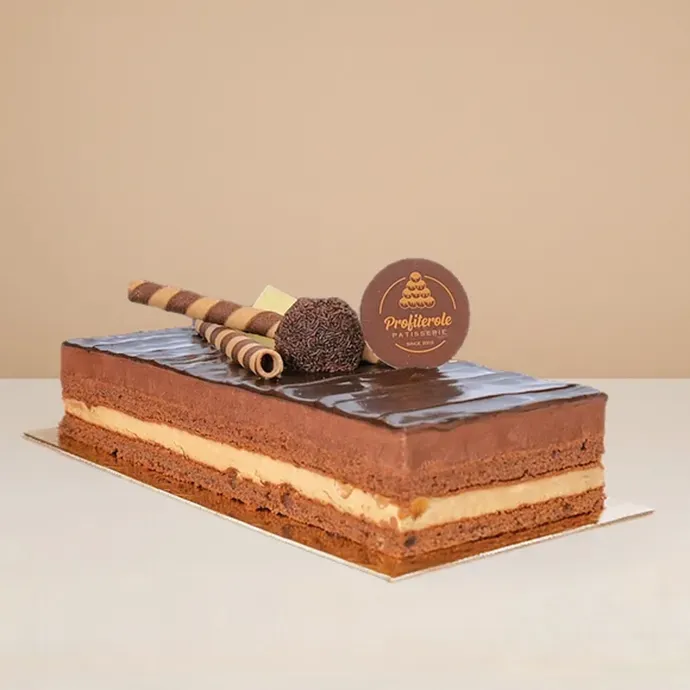
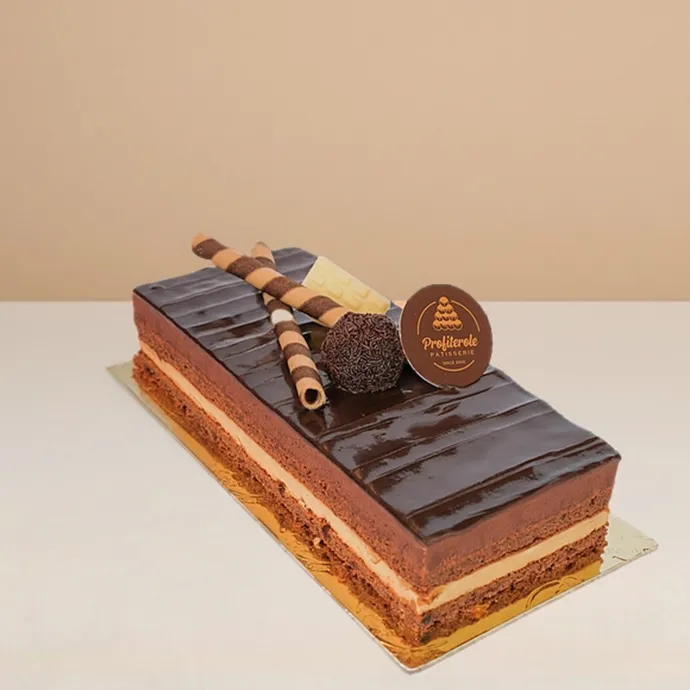
Trio Cake - Log
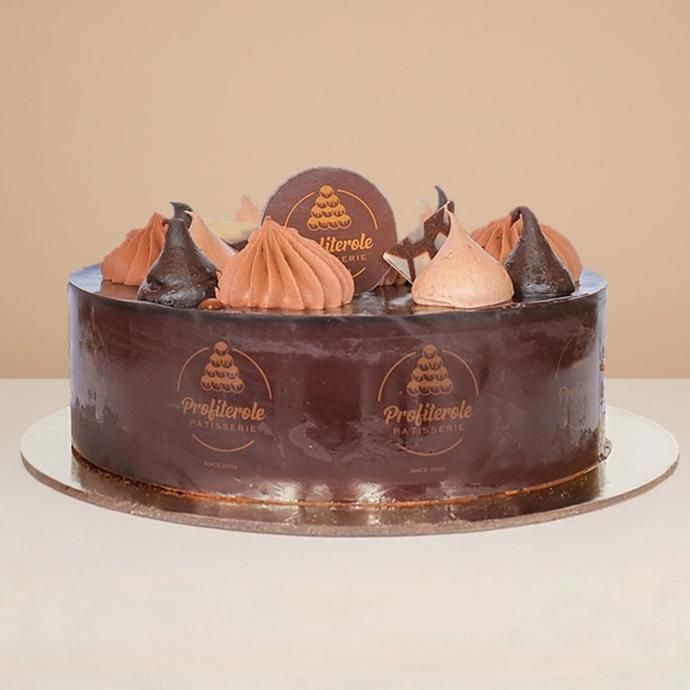
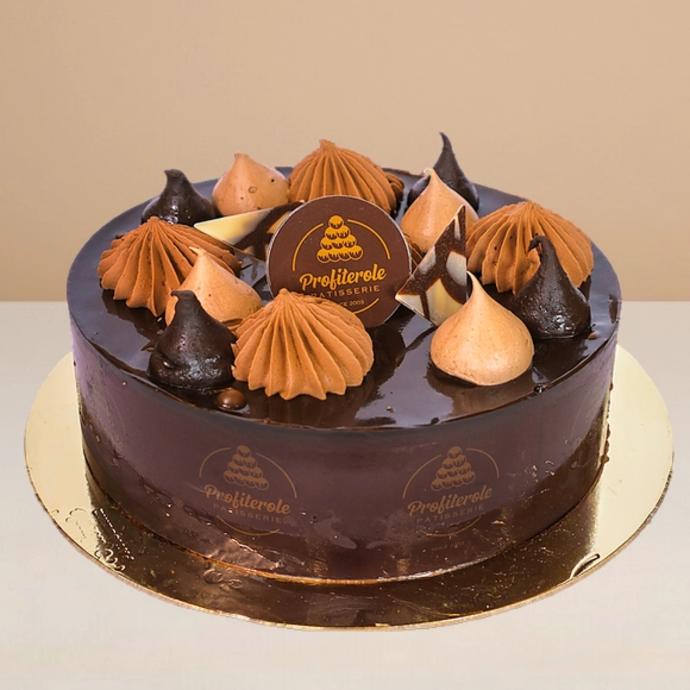
Chocolate Cake
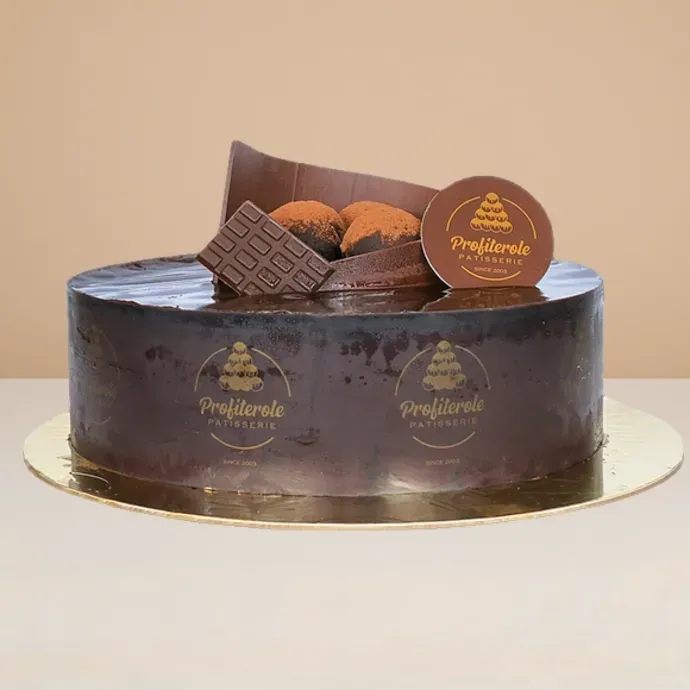
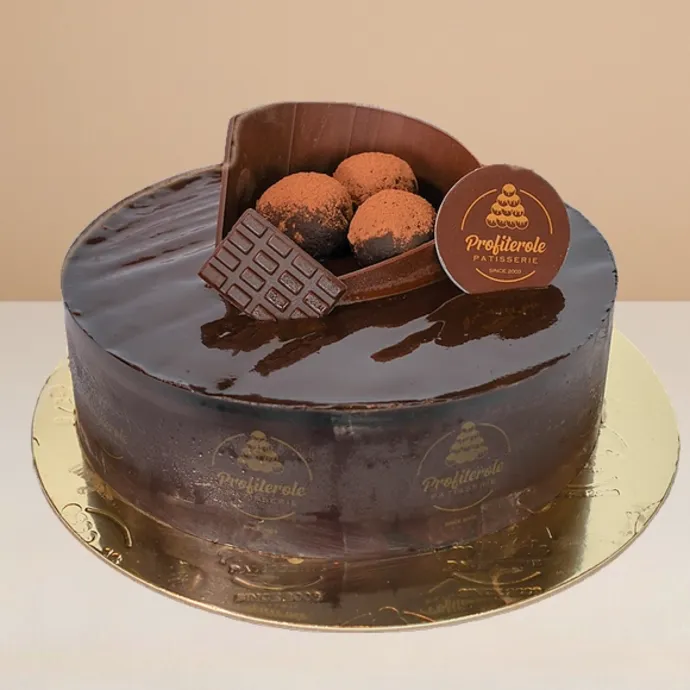
Chocolate Mousse Cake
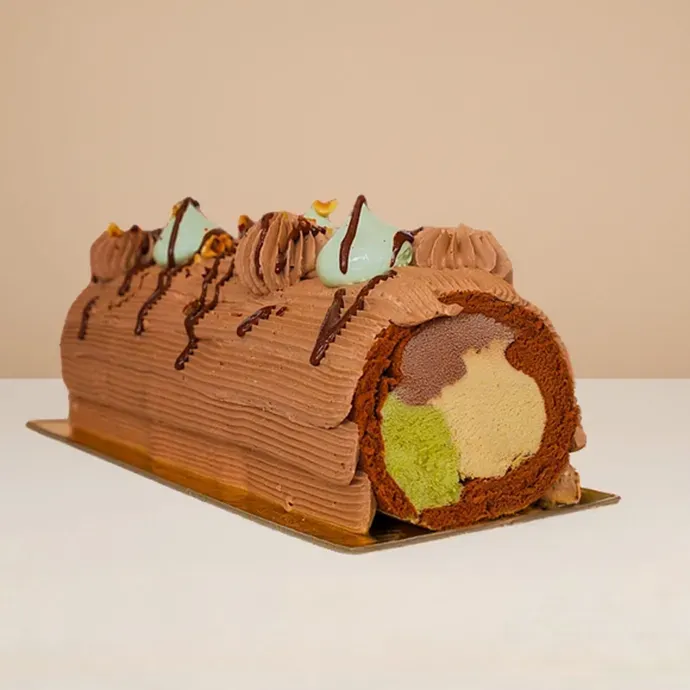
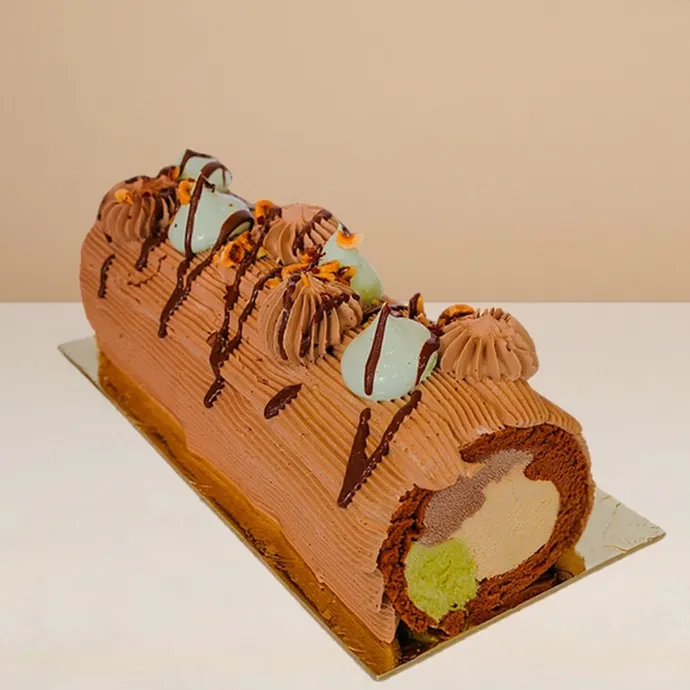
Chocolate Swiss Roll Ice Cream Cake
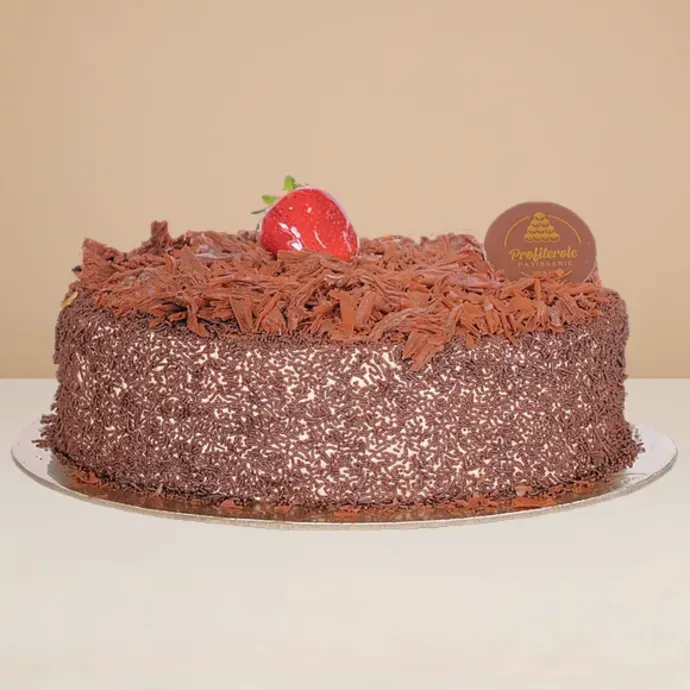
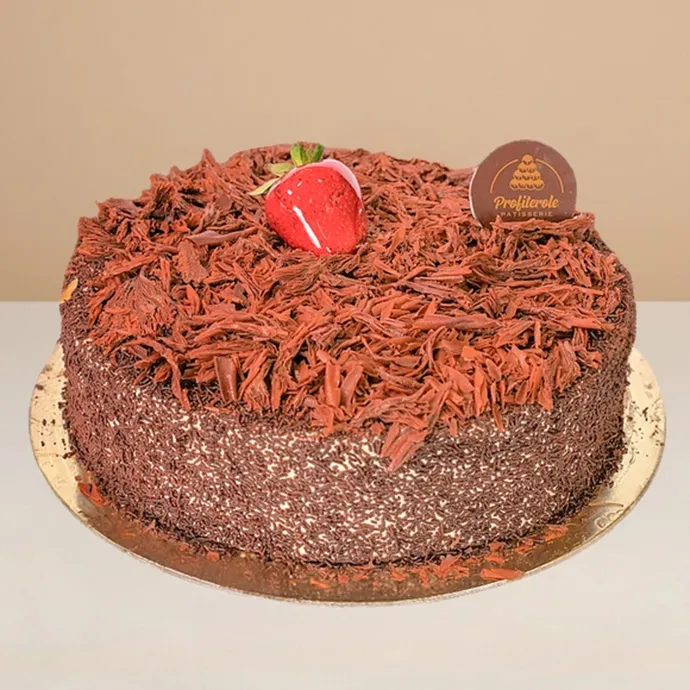
Black Forest Cake