Can Cakes Be Microwaved? A Guide for Leftovers
You open the fridge, spot that leftover slice of cake, and suddenly you are faced with a decision. Do you eat it cold, wait for it to come to room temperature, or give it a quick warm up in the microwave?
It is a common situation, especially after birthdays, gatherings, or late night dessert cravings. While cake is meant to be soft and indulgent, refrigeration can make it feel firm and slightly dry. Naturally, microwaving seems like the quickest fix.
But does it actually work?
Quick answer: Yes, you can microwave cake
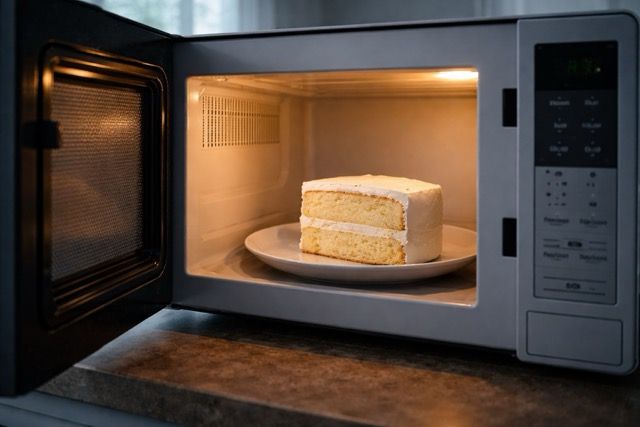
Yes, it is okay to microwave cake as long as you do it carefully. Short bursts of heat can restore softness and improve texture, especially for refrigerated cake. Avoid overheating, and always check the cake between intervals to get the best result.
Additionally, there are techniques that you can do to achieve that perfectly moist cake texture. And more importantly, every second matters.
Can you microwave cake safely?
As explained above, it is generally safe to microwave leftover cakes. In fact, microwaving is one of the fastest ways to bring back the softness of refrigerated cake.
Microwaves work by heating water molecules inside the food. This helps loosen the structure of the cake and restore some of the moisture that was lost during refrigeration. When done carefully, this can make the cake feel softer and more enjoyable.
However, overheating can cause the opposite effect. Too much time in the microwave can dry out the cake further, making it rubbery or tough. This is why short bursts of heat are key.
Why reheating cake works after refrigeration
When cake is stored in the fridge, the texture changes because the structure of the cake tightens and moisture becomes less evenly distributed. This is why refrigerated cake often feels firm or slightly dry.
Gentle reheating helps reverse this effect. By warming the cake slightly, the fats soften and the moisture redistributes, which improves both texture and flavour. This is also why many cakes taste better after sitting out for a while. Microwaving simply speeds up that process, especially when you do not want to wait.
Microwave Guide: How Long to Reheat Different Types of Cake
Not all cakes respond the same way to microwaving. Some reheat beautifully, while others are better left to warm naturally at room temperature. Use this table as a starting point, then adjust based on your microwave and slice size.
| Type of cake | Microwave setting | Time (seconds) | Recommendation |
|---|---|---|---|
| Chiffon-based cake | Low | 8-12 seconds | Reheat gently, very delicate texture |
| Sponge cake | Low | 10-15 seconds | Works well if not overheated |
| No-bake cheesecake | Do not microwave | - | Best served chilled or slightly softened at room temp |
| Baked cheesecake | Low | 10-15 seconds | Only slight warming, avoid overheating |
| Fruit cake | Low to medium | 12-18 seconds | Can warm slightly, monitor closely |
| Chocolate mud cake | Medium | 15-25 seconds | Reheats very well, becomes soft and rich |
| Mousse cake | Do not microwave | - | Texture breaks down when heated, let sit in room temperature |
| Tiramisu cake | Do not microwave | - | Contains cream and coffee layers, best served chilled |
Tips for microwaving refrigerated cake
In addition to knowing how much time is needed to heat cake, there are also some things that you can do to further protect the cake from overheating. A few simple techniques can make a big difference when reheating cake. Here are some of them:
- Use short bursts of heat to help maintain textur and check the firmness of the cake every few seconds until you reach the sweet spot.
- Add a source of moisture such as a damp paper tower to prevent dryness.
- For best experience, let the cake sit for a few seconds after microwaving to allow heat to distribute evenly.
It is also worth noting that not all cakes respond the same way. Dense cakes like chocolate or mud cake tend to reheat well, while lighter sponge cakes can become delicate if overheated.
When you should not microwave cake
While microwaving works for many cakes, there are situations where it is not the best option. And that depends on the cake that you have:
- Cakes with delicate toppings such as whipped cream may not hold up well under heat.
- Cakes with fresh fruit toppings or layers would give a different eating experience as fruits are best served chilled.
- No bake chessecakes are also best served chilled as they rely on temperature to hold their structure. Heating them might lead to the cake collapsing.
In these cases, letting the cake sit at room temperature is often a better approach. This allows the cake to soften naturally without affecting its structure.
Microwave with caution to get the best experience
Leftover cake should never feel like a compromise. With the right approach, it can be just as enjoyable as the first slice. Microwaving offers a quick and convenient way to bring cake back to life, especially when you want that soft, fresh texture without waiting. By using gentle heat and a bit of care, you can turn a firm slice into something warm, soft, and satisfying once again.
At Profiterole Patisserie, every cake is designed to deliver that perfect soft texture from the first slice to the last. Knowing how to reheat your cake properly means you can enjoy that same experience, even after it has been stored in the fridge. Or better, simply order a freshly made cake from the nearest Profiterole Patisserie store to have the best desert experience.
Publish date: 19/03/2026

Joey Yaccoub
Head Baker & Operations Manager, Profiterole Patisserie
Joey Yaccoub is the Head Baker at Profiterole Patisserie, bringing over a decade of hands-on experience in artisan cake design and pastry craftsmanship.
He oversees recipe development, product quality, and daily operations across all store locations, ensuring every cake meets the brand’s standards for flavour, presentation, and consistency.
FAQs
Can cakes be microwaved?
Yes, cakes can be microwaved and it is one of the quickest ways to restore softness after refrigeration. The key is to use short intervals and avoid overheating so the texture stays moist and enjoyable.
How do you reheat leftover cake without drying it out?
The best way is to microwave the cake low to medium heat in short bursts of 10 to 15 seconds and cover it lightly with a damp paper towel.
This helps retain moisture and prevents the cake from becoming dry or rubbery.
To add more caution, check the texture and firmness of the cake after each short burst until you hit the firmness you're aiming for.
How long should you microwave cake from the fridge?
Soft cake slices such as sponge and chiffon only need about 10 to 20 seconds in low to medium heat. Thicker or denser cakes may need slightly more time, but it is best to increase gradually to avoid overheating.
Is it better to microwave cake or let it sit at room temperature?
Both methods work depending on your situation.
Letting cake sit at room temperature is gentler and preserves texture, while microwaving is faster and convenient when you want to eat it right away.
What types of cake reheat best in the microwave?
Dense cakes such as chocolate cake or mud cake tend to reheat well because they retain moisture.
Lighter sponge and chiffon cakes can also be reheated, but they require more care to avoid drying out.
No-bake cakes such as cheesecakes are best served chilled.
Fresh and handmade cakes everyday at Profiterole Patisserie! Check out our collection.

Profiterole Tower - Classic Chocolate
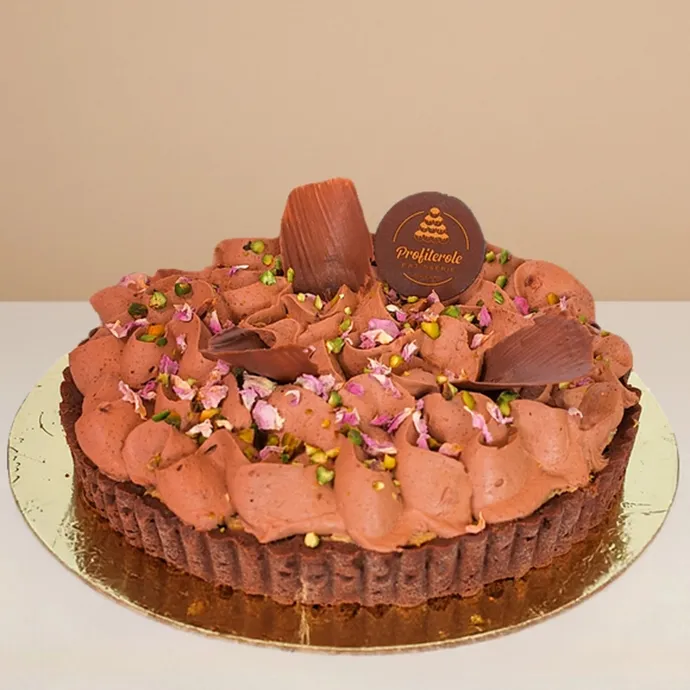
Dubai Chocolate Cake
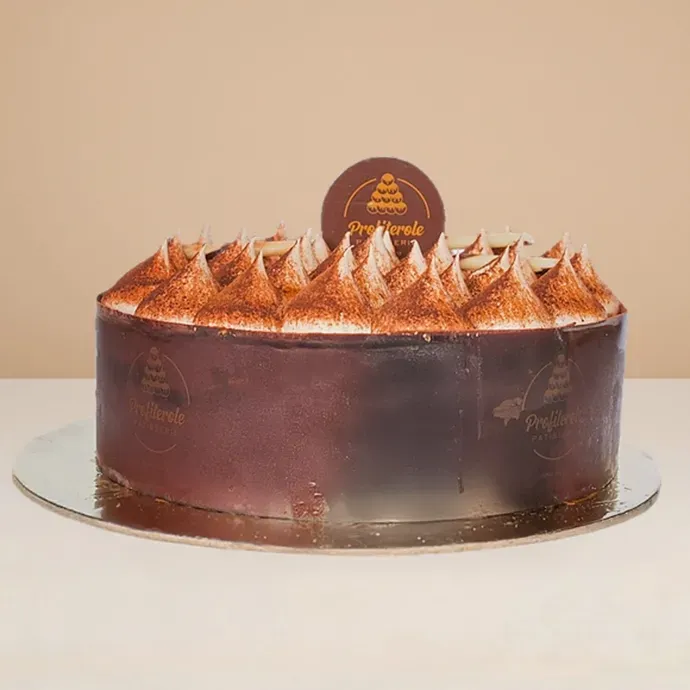
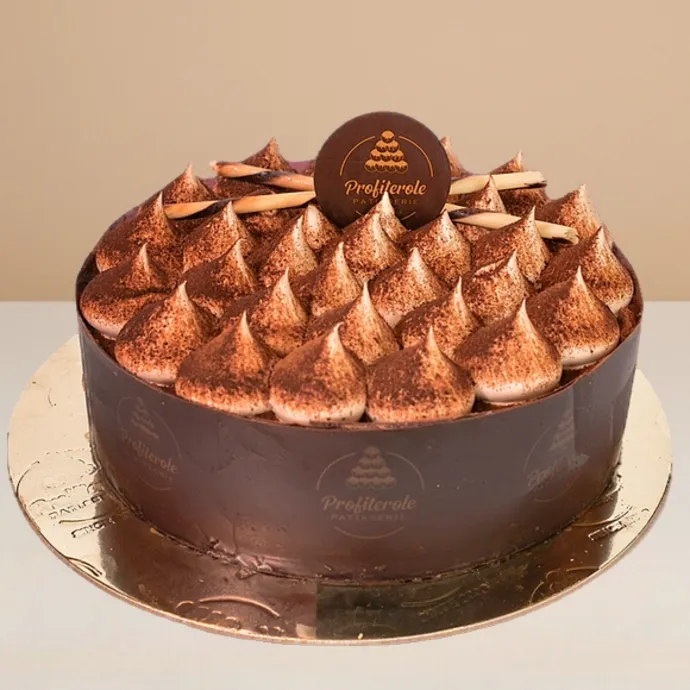
Tiramisu Cake
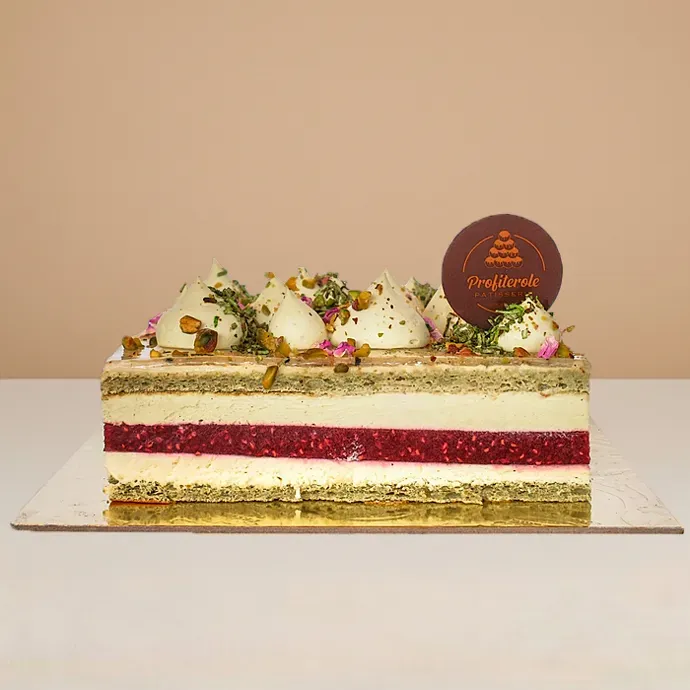
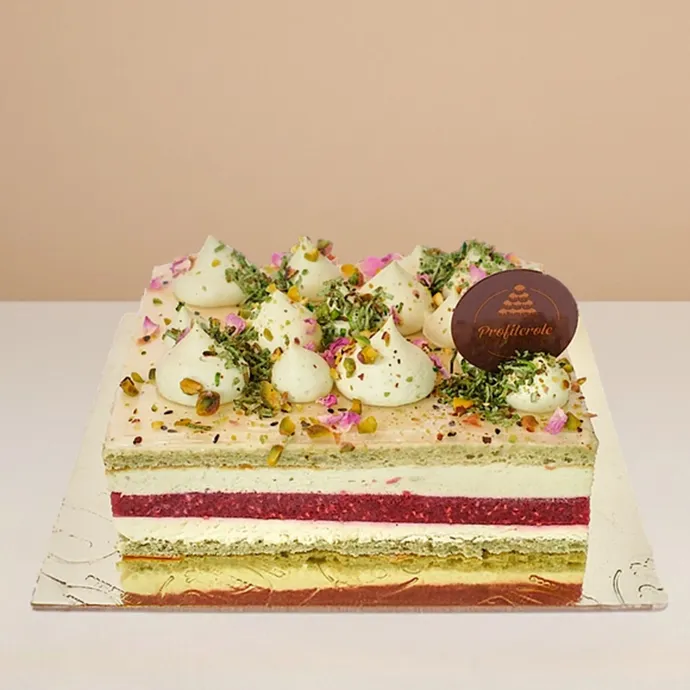
Pistachio Raspberry Bliss Cake
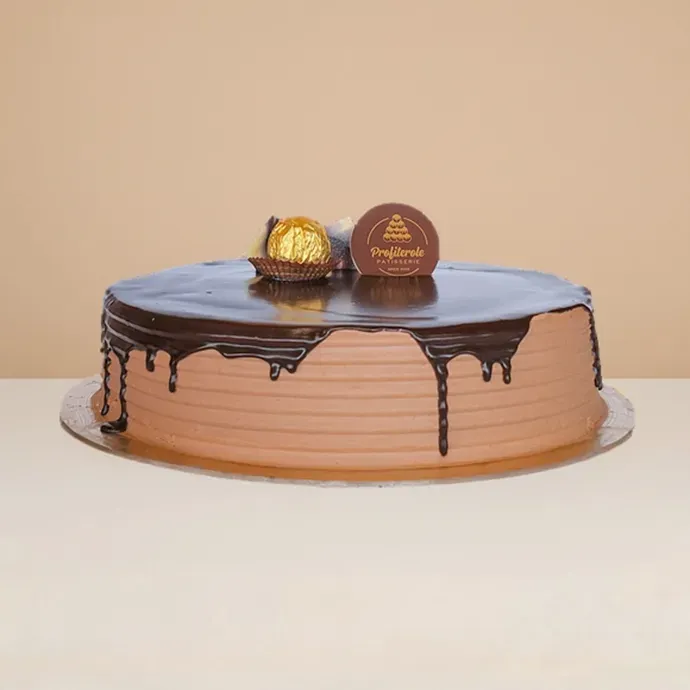
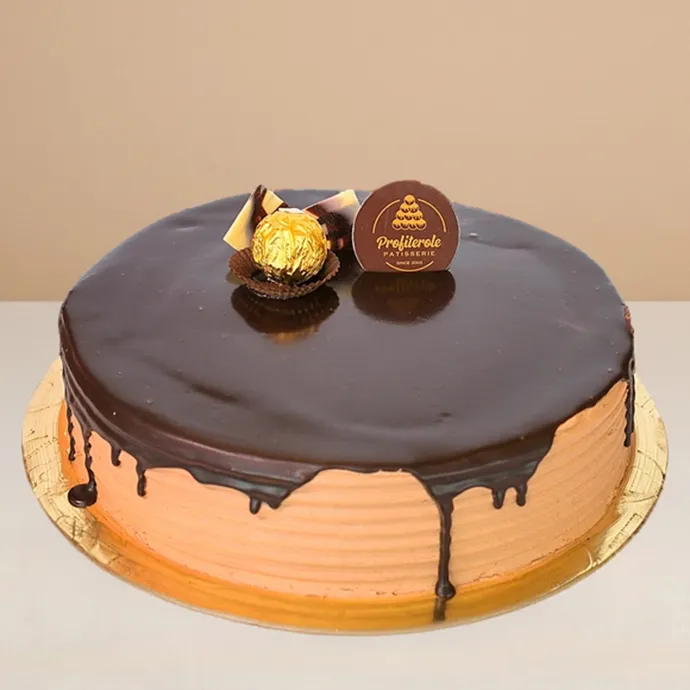
Ferrero Rocher Cake
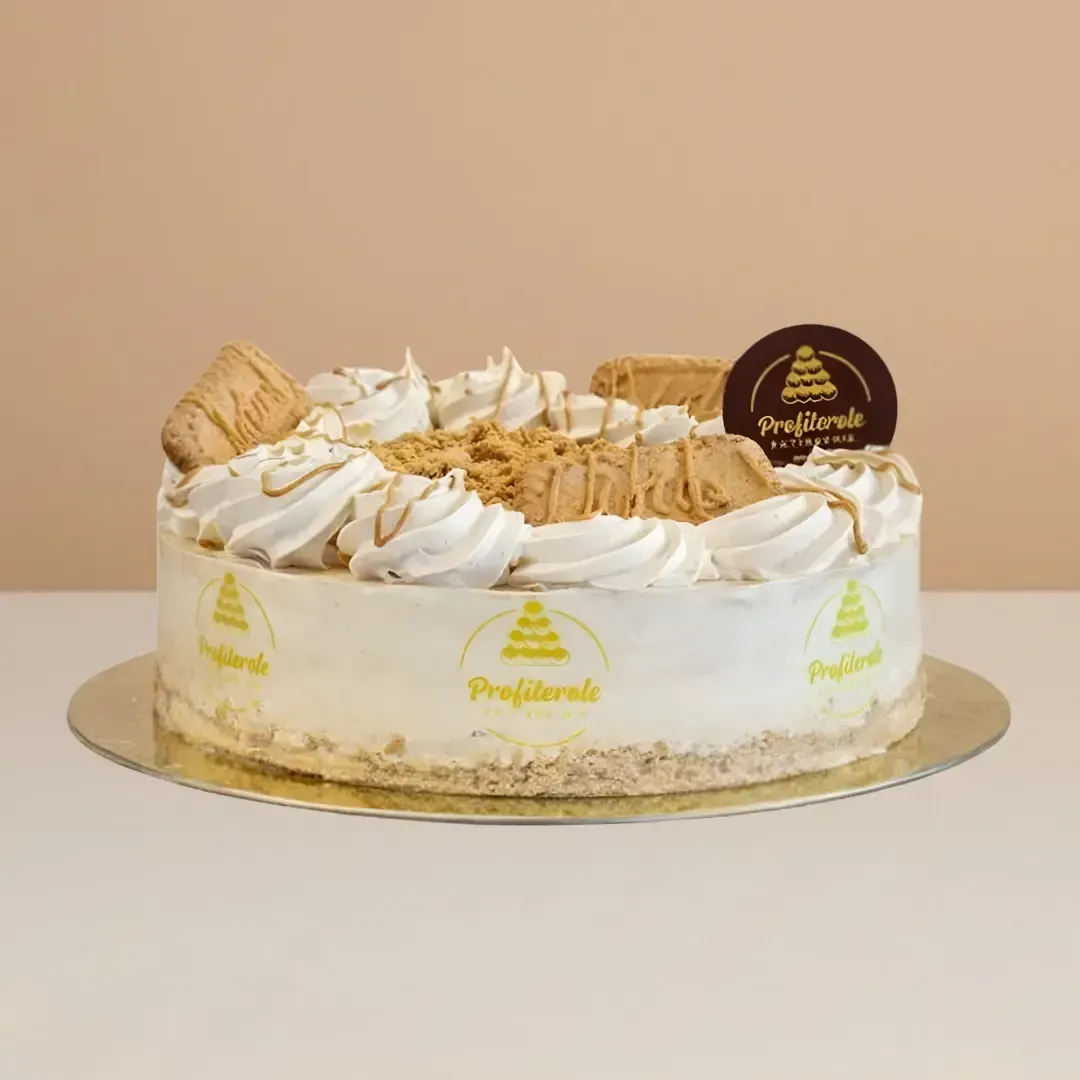
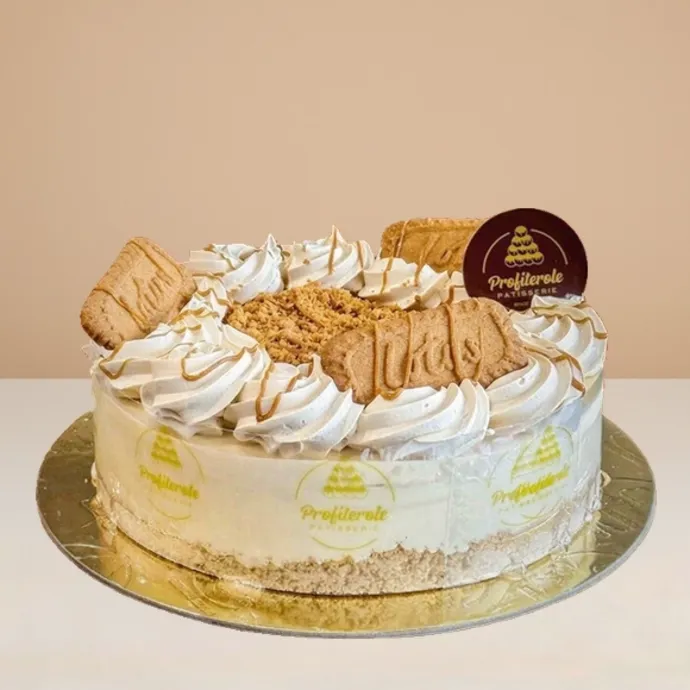
Lotus Biscoff Cheesecake

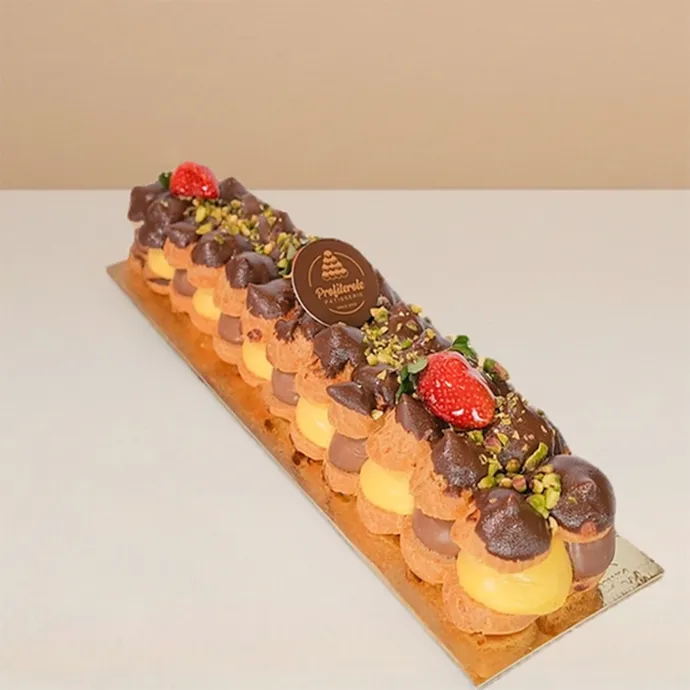
Profiterole Log Cake
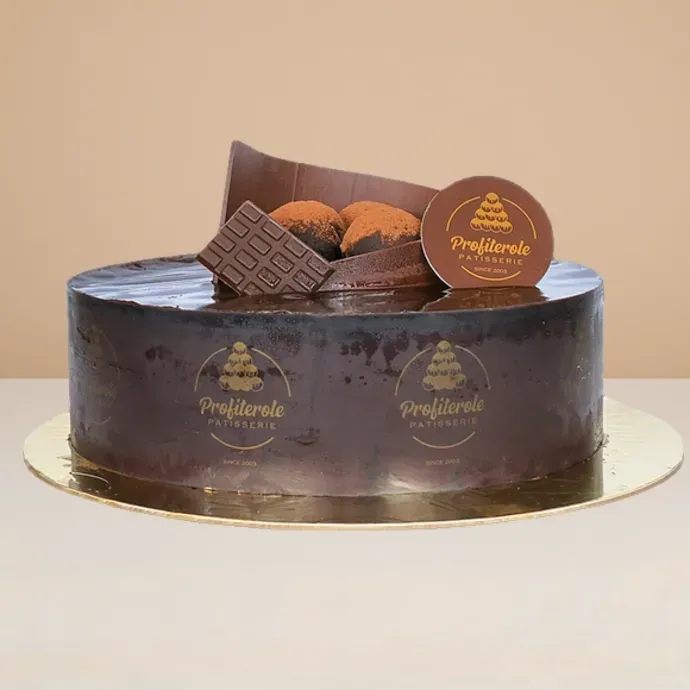
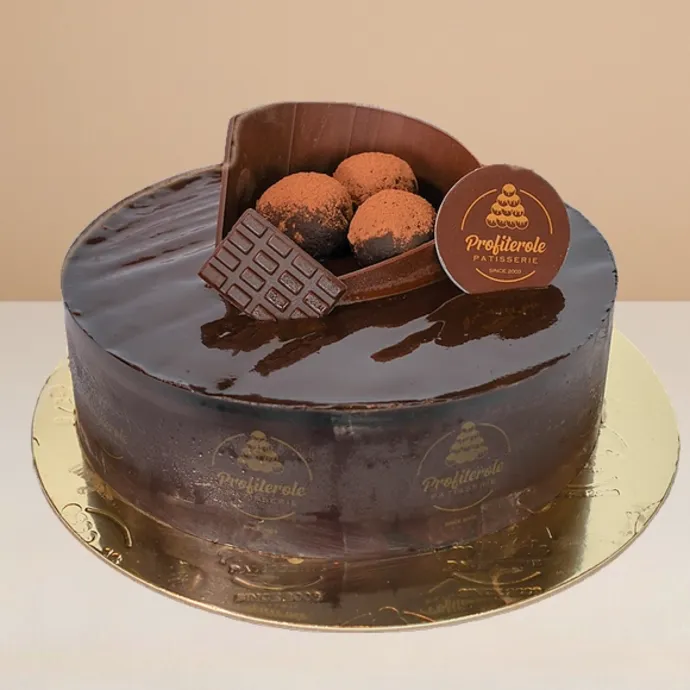
Chocolate Mousse Cake
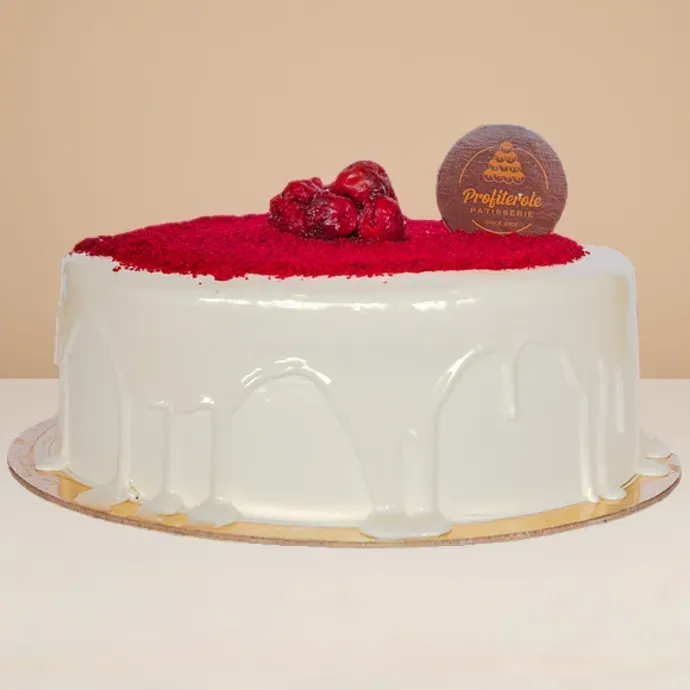
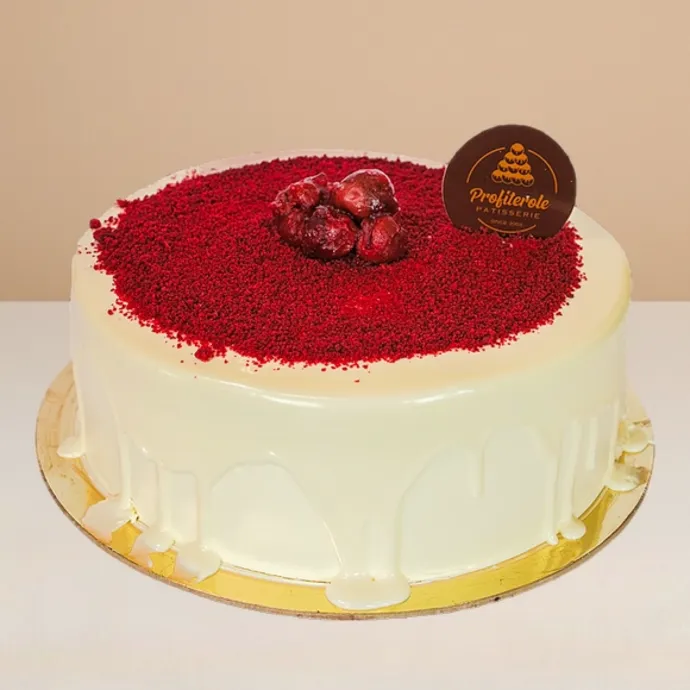
Red Velvet Cake
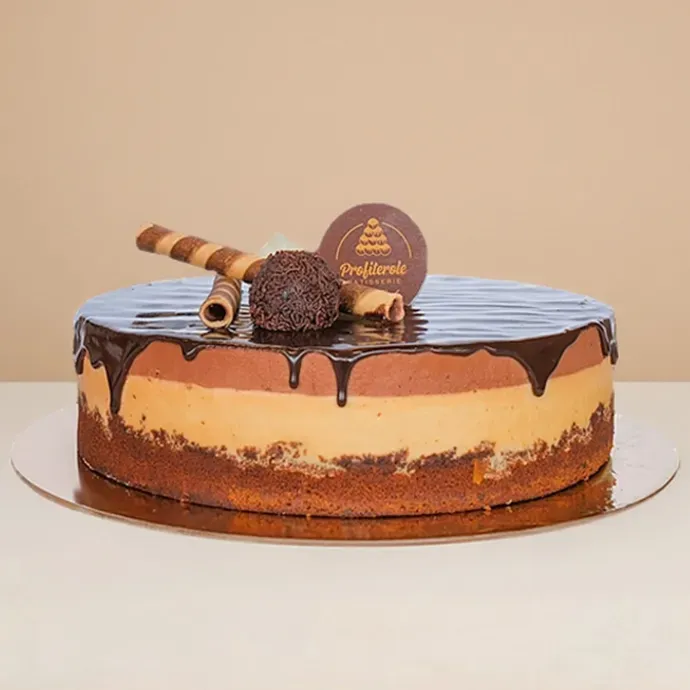
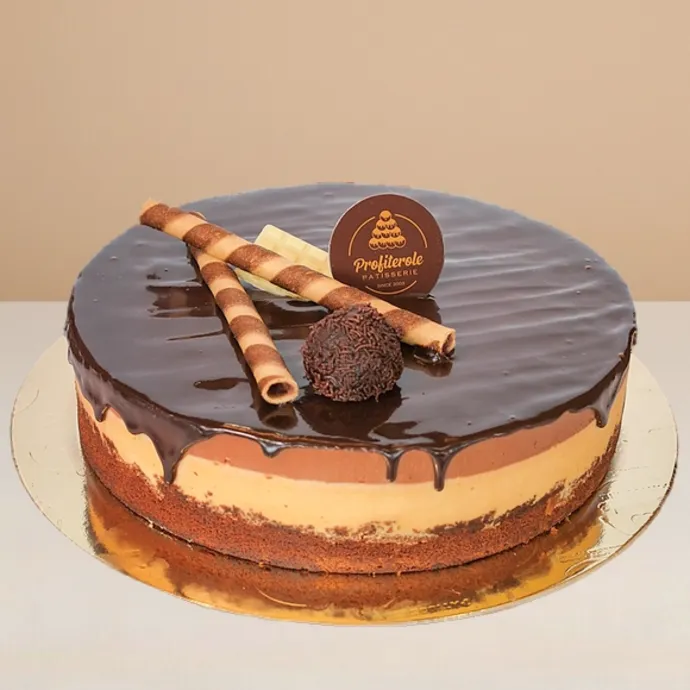
Trio Cake - Round
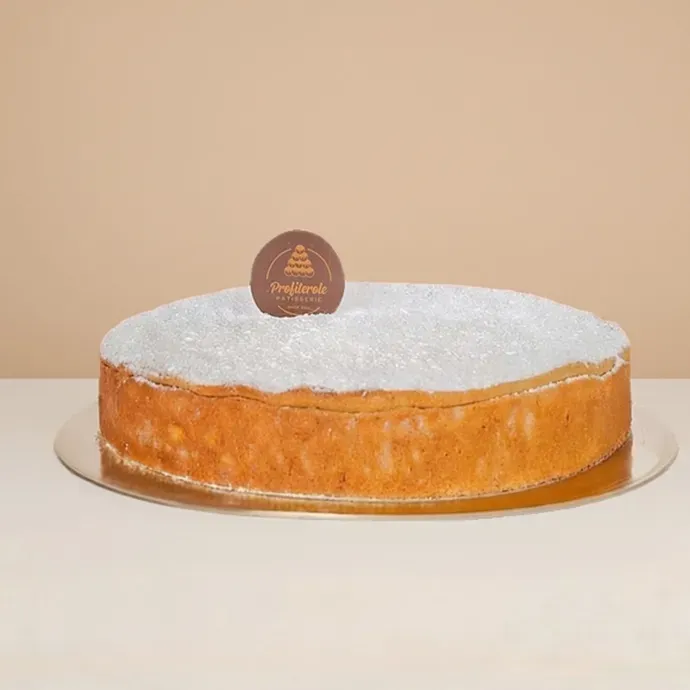
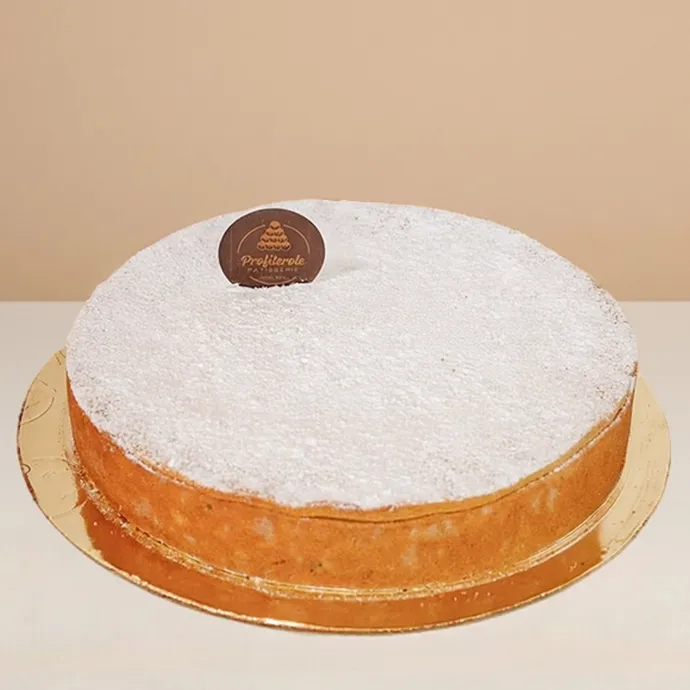
Baked Ricotta Cheesecake
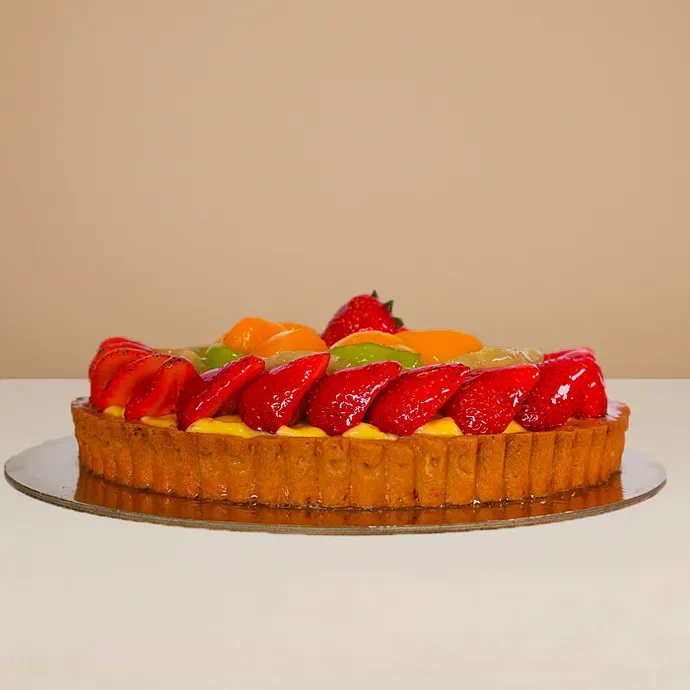
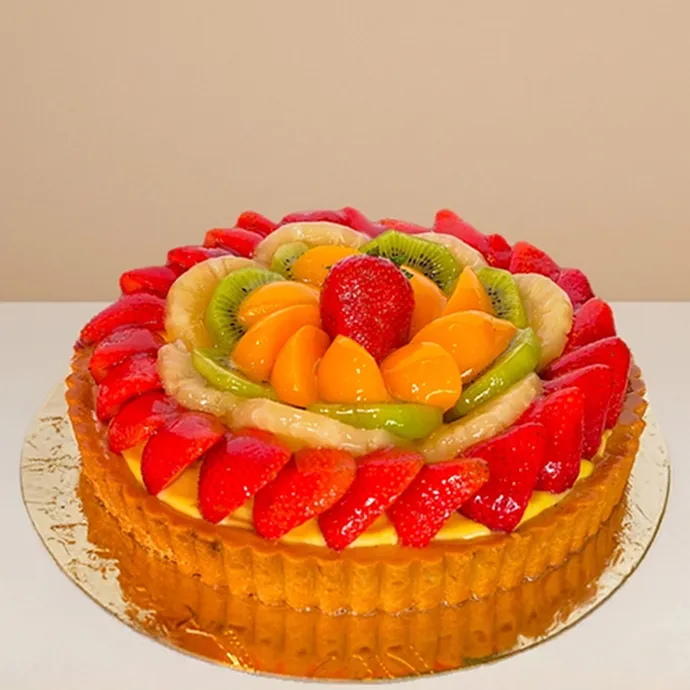
Fruit Cake - Round
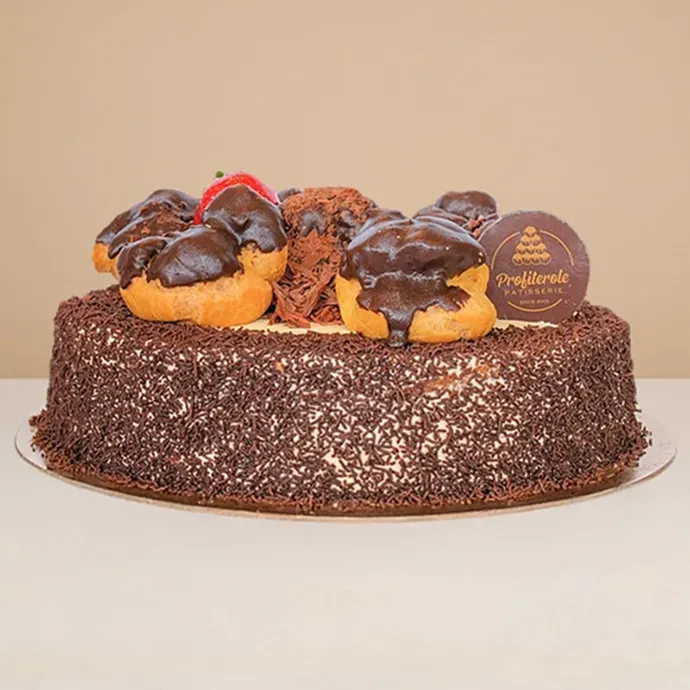
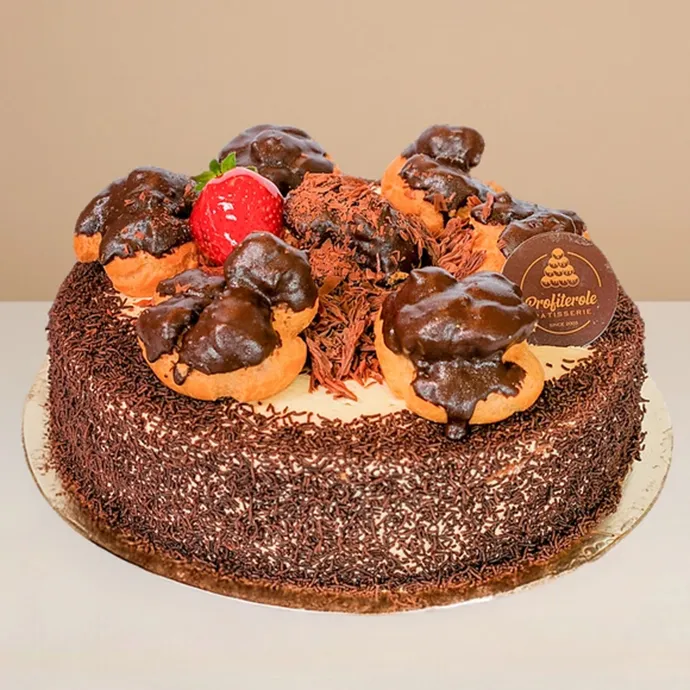
Chocolate Profiterole Cake
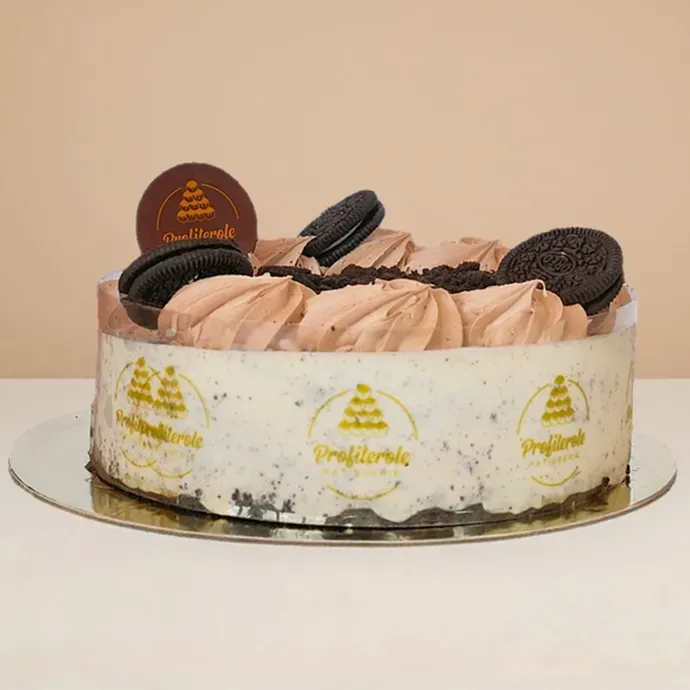
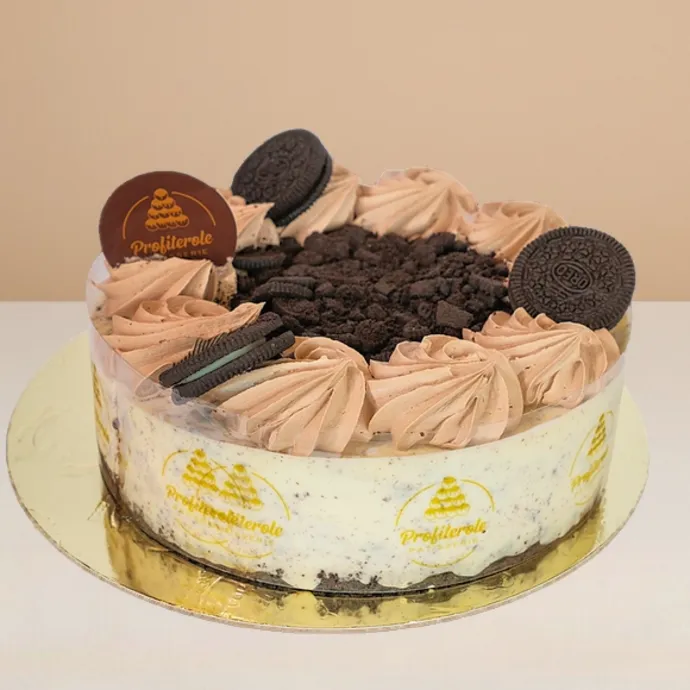
Oreo Cheesecake
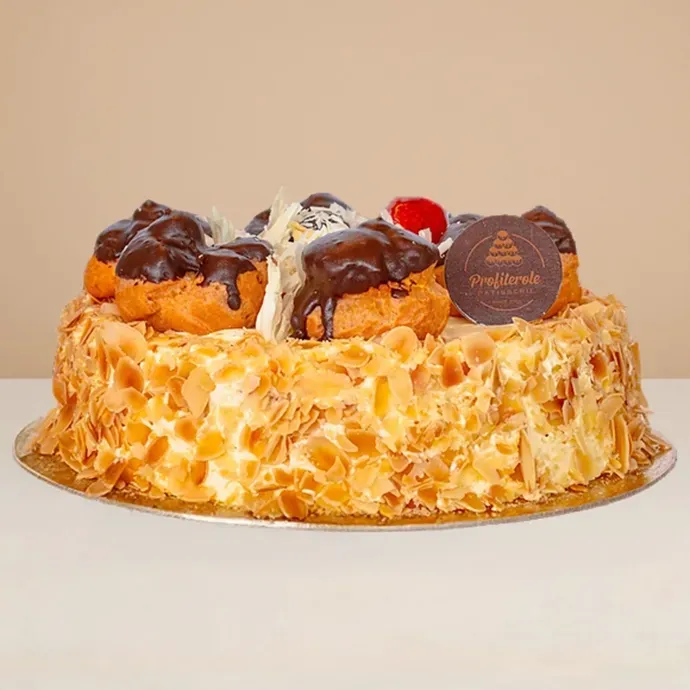
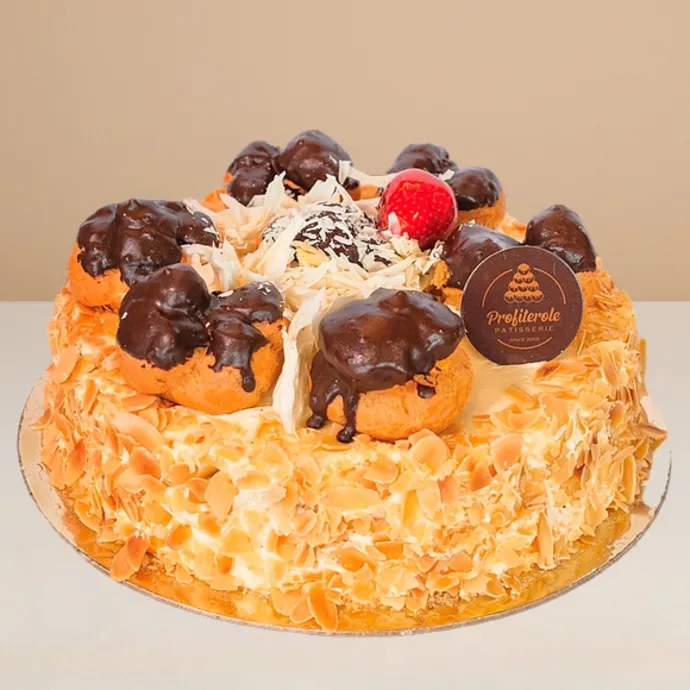
White Profiterole Cake
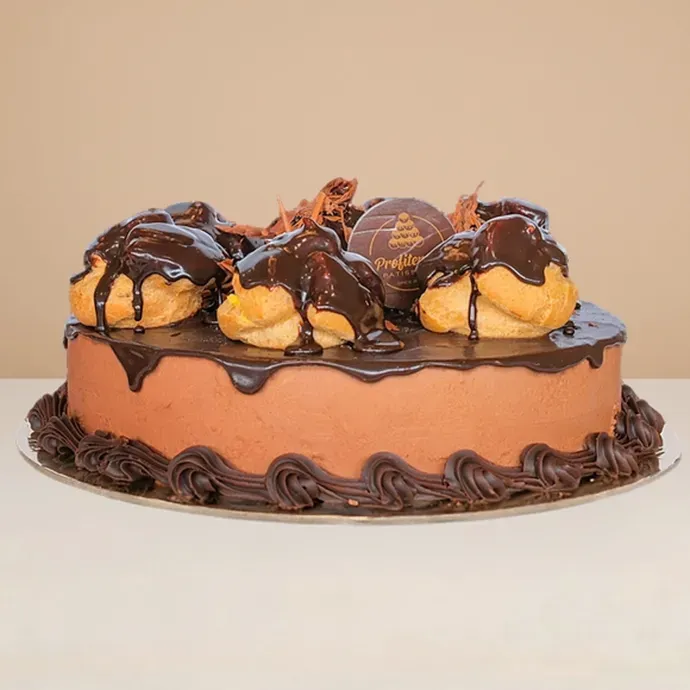
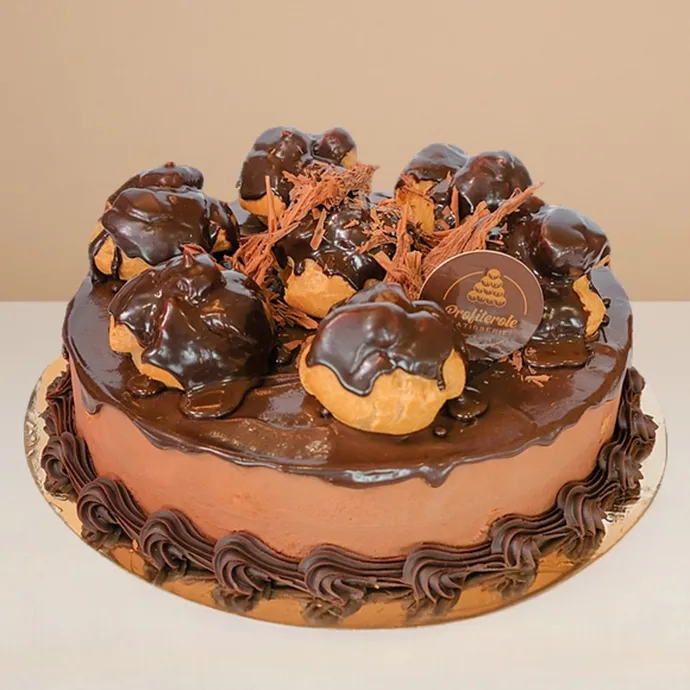
Mousse Profiterole Cake
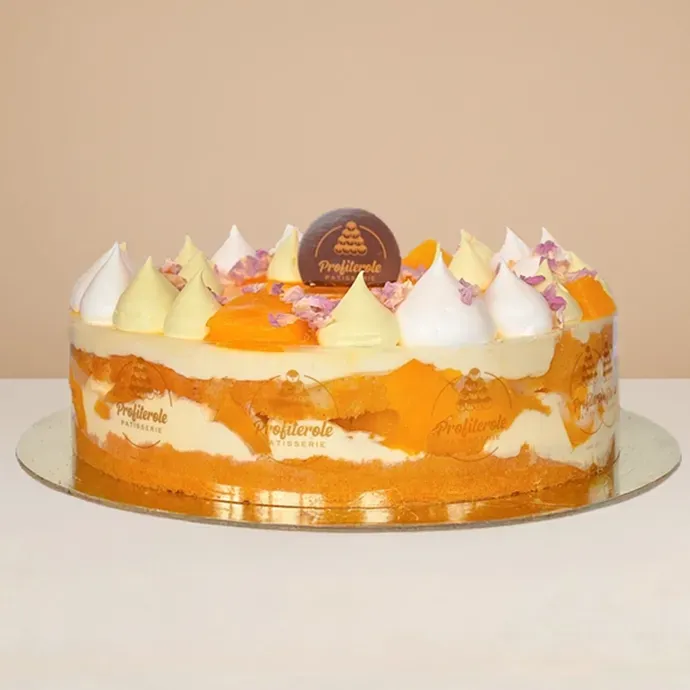
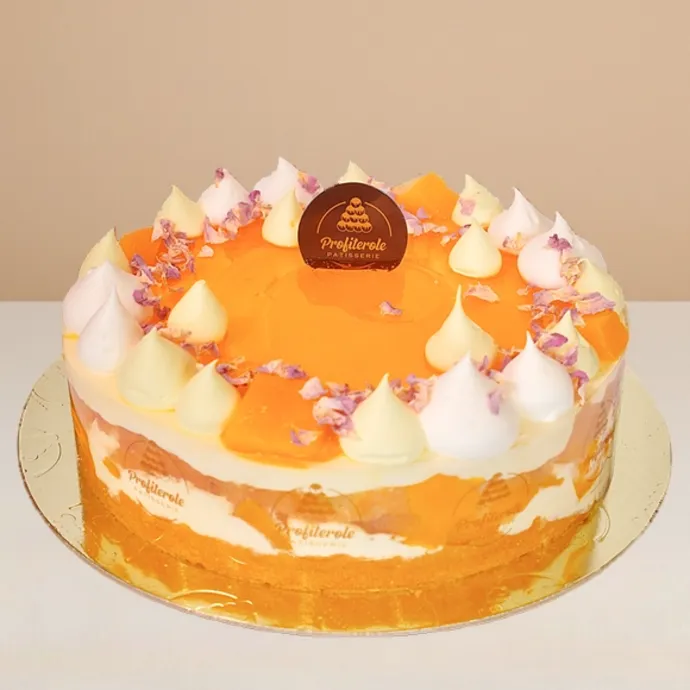
Mango Cake