Difference Between Croissant and Danish: An Artisan Baker's Guide
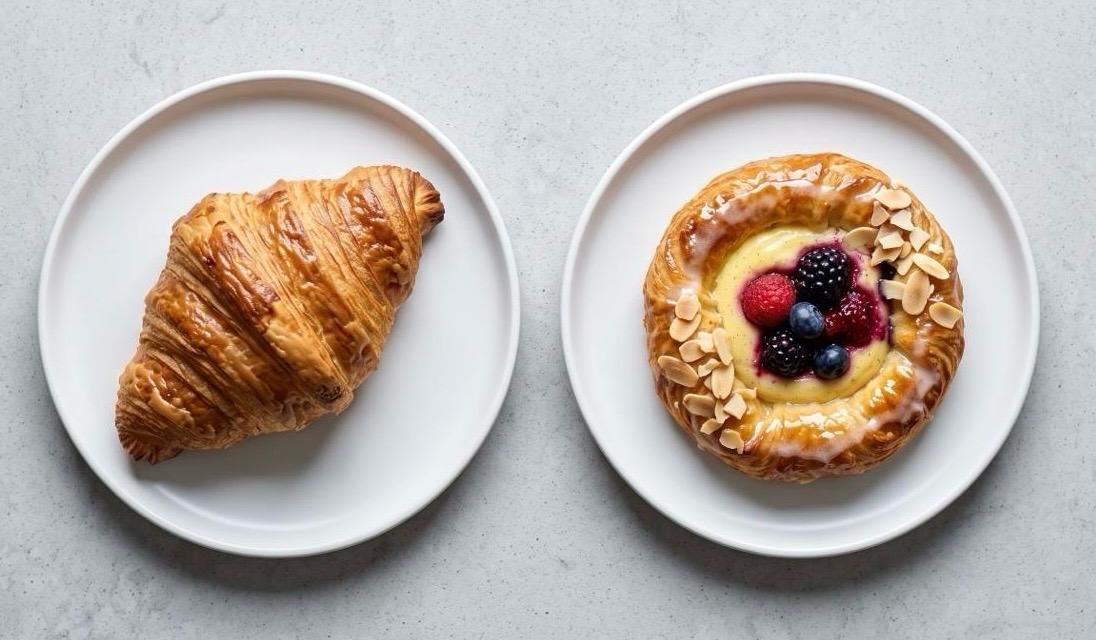
When you’re standing in front of a bakery display and see both Danish and Croissants, would you reach for the golden, crescent-shaped croissant with its promise of buttery crunch, or a glossy, fruit-topped Danish pastry with a soft custard centre?
While both belong to the European
Viennoiserie family and share the delicate art of folding butter into yeast dough, their recipes, textures, and baking dynamics could not be more distinct.
At Profiterole Patisserie, we laminate fresh dough every single morning. So I can explain to you in great detail how these two classics differ from each other.
Let us explore the food science and craftsmanship behind these iconic pastries.
TL;DR:
The fundamental difference between a croissant and a Danish pastry comes down to dough enrichment and final texture.
Croissant dough is a lean lamination made without eggs, baking into an airy, shatteringly crisp honeycomb crumb.
Danish pastry dough is enriched with whole eggs, sugar, and milk, creating a soft, tender, brioche-like pastry designed to cradle sweet fruit compotes, frangipane, or custard fillings.
| Feature | Croissant Pastry | Danish Pastry |
|---|---|---|
| Dough Type | Lean laminated yeast dough | Enriched laminated yeast dough (brioche-style) |
| Key Ingredients | Flour, water, yeast, butter, salt, minimal sugar | Flour, milk, yeast, butter, whole eggs, sugar, spices |
| Internal Texture | Open, airy, hollow honeycomb (alveolage) | Tender, dense, soft, and cake-like crumb |
| Signature Profile | Savoury, rich butter flavour with crisp shatter | Sweet, aromatic, and paired with fillings or glazes |
| Baking Temperature | Higher initial heat (195°C to 200°C) with steam | Controlled moderate heat (180°C to 190°C) without burning |
Danish vs Croissant: Where Did They Come From?
To understand how these pastries diverged, we have to look back at their shared European lineage.
Both pastries trace their foundational roots to the Austrian baking tradition known as Viennoiserie.
The Austrian Roots of the French Croissant
The croissant did not begin in Paris, but in Vienna. Its ancestor was the Kipferl, a crescent-shaped yeast roll baked to celebrate historical victories.
In 1838, Austrian military officer August Zang opened the Boulangerie Viennoise in Paris, introducing Parisians to Viennese baking techniques.
French bakers soon adapted the recipe by folding generous sheets of French butter into the dough using puff pastry lamination turns, giving birth to the modern flaky croissant.
The Copenhagen Strike and the Birth of the Danish (Wienerbrød)
The story of the Danish pastry began in 1850 during a massive bakery worker strike in Copenhagen.
Bakery owners hired replacement bakers from Austria, who brought along their traditional laminated yeast dough recipe known as Plundergebäck.
Danish bakers fell in love with the technique, but added their own signature touch by increasing the ratio of eggs, butter, and sugar, and topping the dough with fruit.
In Denmark, these pastries are still called wienerbrød, which translates directly to "Vienna bread."
Croissant Dough: The Art of Lean Lamination
The beauty of an authentic French croissant lies in its absolute culinary restraint. Every single layer of crunch depends entirely on butter mechanics rather than added sugar or heavy dairy.
Minimalist Ingredients for Maximum Flake
Croissant dough is classified as a "lean" dough. We prepare it using only strong wheat flour, cold water or milk, yeast, a small pinch of sugar to activate fermentation, and salt.
There are strictly no whole eggs or heavy fats mixed into the base dough.
Butter Block Integration and Lamination Turns
Once the base dough (détrempe) is rested and chilled, we encase a solid sheet of cold, pliable artisan butter (beurrage) inside. The dough is rolled and folded through a series of single and double turns.
This meticulous folding process creates dozens of microscopic, alternating layers of chilled dough and pure butter.
Temperature-Controlled Proofing and Honeycomb Crumb
Temperature management is critical during proofing. The shaped croissants must rise in a climate-controlled room kept strictly below 26°C.
If the room gets too warm, the butter layers will melt before baking, ruining the pastry. When proofed correctly, the expanding yeast and water vapour inflate the butter layers into the iconic open honeycomb (alveolage) interior.
Danish Pastry Dough: The Enriched, Brioche-Style Masterpiece
If croissant dough is an exercise in minimalist crispness, Danish pastry dough is a celebration of richness, sweetness, and velvety softness.
An Enriched Roster of Eggs, Sugar, and Dairy
Danish dough is classified as an "enriched" dough. In addition to flour and yeast, the mixing bowl receives whole fresh eggs, granulated sugar, whole milk, and warm aromatic spices such as vanilla extract or crushed cardamom.
Fat Emulsification and Tender Texture
The egg yolks and extra dairy sugars coat the gluten strands during the initial mix. This enrichment weakens the gluten network slightly, preventing the dough from developing a tough chew.
When laminated with butter, the pastry bakes into a soft, melt-in-the-mouth crumb that feels closer to a buttery brioche or soft sponge than a crisp shell.
Shaping Pockets for Custard, Fruit, and Cheese
Because Danish dough is supple and sturdy, pastry chefs can fold and twist it into complex decorative shapes.
We craft intricate pinwheels, braided pockets, envelopes, and swirls. These shapes are designed with deep central cavities that hold generous fillings like vanilla bean custard, stewed spiced apples, berry compotes, almond frangipane, or sweet cream cheese.
The Baking Process: Heat Dynamics and Finishing Touches
Once shaped and proofed, both pastries head to the ovens, but their baking environments require distinct thermal management.
Oven Temperatures and Steam Injection
Croissants require higher initial heat, typically between 195°C and 200°C, combined with an initial burst of steam. The intense heat flashes the moisture in the butter sheets into steam, pushing the pastry layers apart while caramelising the exterior into a dark, crisp crust.
Danishes require a more gentle, controlled bake between 180°C and 190°C. Because the dough contains high levels of sugar and whole eggs, baking at high temperatures would burn the exterior before the rich custard and fruit centres cook through.
Egg Washing and Post-Oven Sugar Glazes
Finishing techniques also differ between the two. Croissants are brushed with a thin egg wash before baking to achieve a natural, golden sheen.
Danishes are brushed with egg wash before baking, and then immediately glazed with warm sugar syrup or strained apricot puree the moment they leave the oven. This post-bake glaze locks in moisture and gives Danish pastries their signature high-gloss shine.
Texture and Taste Comparison: Crunch vs Melt-in-the-Mouth Sweetness
The sensory contrast between a freshly baked croissant and a freshly baked Danish makes each suited to different moments of indulgence.
The Sensory Bite: Auditory Shatter vs Soft Custard Pillowness
When you take a bite of a well-baked croissant, you should hear a distinct, satisfying crunch as its paper-thin pastry flakes shatter.
A Danish pastry delivers a much softer, more pillowy bite. The crispness is confined to the very edge of the pastry, while the centre melts luxuriously against the creamy custard or tart fruit filling.
Flavour Balance: Savoury Butteriness vs Sweet Decadence
A plain croissant balances rich, toasted butter notes with a gentle savoury finish and a mild fermentation tang.
A Danish pastry is unequivocally sweet and aromatic. The rich dairy notes are elevated by sweet glazes, vanilla custard, and the tart acidity of baked fruit fillings.
Structural Integrity and Architectural Shapes
Croissants are celebrated for their classic crescent horns or uniform cylindrical rolls, designed to be torn by hand or sliced horizontally for savoury fillings.
Danishes are vibrant, decorative individual tarts where the shape serves as an edible frame showcasing colourful jams, toasted nuts, and icing drizzles.
Taste Authentic Viennoiserie Mastery in Sydney
Mastering the art of laminated pastry requires hours of temperature control, precise dough folding, and expert oven management.
You might reach for the shatteringly crisp flakes of a morning croissant, or indulge in the rich, custard-filled comfort of a fresh Danish. Either way, both pastries represent the pinnacle of European baking craft in every bite.
At Profiterole Patisserie, we roll, fold, and bake our artisan pastries fresh every single morning. I invite you to visit any of our stores in Sydney to taste the flakiness for yourself. You can also explore our range online and order fresh morning bakes delivered straight to your door across Sydney.
Publish date: 24/08/2026
Joey Yaccoub
Head Baker & Operations Manager, Profiterole Patisserie
Joey Yaccoub is the Head Baker at Profiterole Patisserie, bringing over a decade of hands-on experience in artisan cake design and pastry craftsmanship.
He oversees recipe development, product quality, and daily operations across all store locations, ensuring every cake meets the brand’s standards for flavour, presentation, and consistency.
FAQs
Can I use croissant dough for Danish?
While you technically can shape and fill it, it will not produce an authentic Danish pastry. Croissant dough is a lean dough made without whole eggs or added sugar, meaning it bakes into a crisp, hollow shell rather than the soft, brioche-like crumb needed to support rich custard and fruit fillings.
What are the key differences between Danish and French pastries?
French pastries encompass a wide variety of bakery goods, from light choux pastry and fruit tarts to lean laminated croissants. In contrast, Danish pastries specifically refer to enriched, laminated yeast doughs made with whole eggs, sugar, and milk, traditionally shaped into pockets and topped with sweet compotes or glazes.
Is a Danish or croissant healthier?
A plain croissant typically has less sugar and fewer overall carbohydrates than a Danish, as its dough contains minimal sugar and no sweet fillings. However, both pastries are rich in butter fats and should be enjoyed as occasional bakery treats rather than everyday health foods.
Is a croissant Danish or French?
The modern croissant is French. Although inspired by the Austrian Kipferl, Parisian bakers transformed the recipe in the 19th century by introducing laminated butter folds, creating the world-famous French pastry we enjoy today.
Are Danish and pastry the same?
No, a Danish is simply one specific style within the broader pastry family. "Pastry" is a general culinary term covering everything from shortcrust tarts and choux buns to puff pastries, whereas a Danish refers specifically to an enriched, laminated sweet bake.
French pastries and cakes available in our stores and online
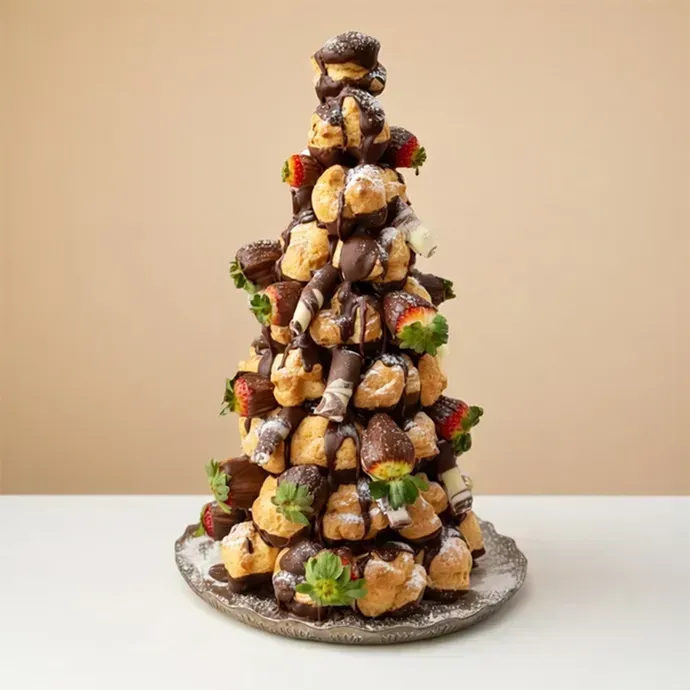
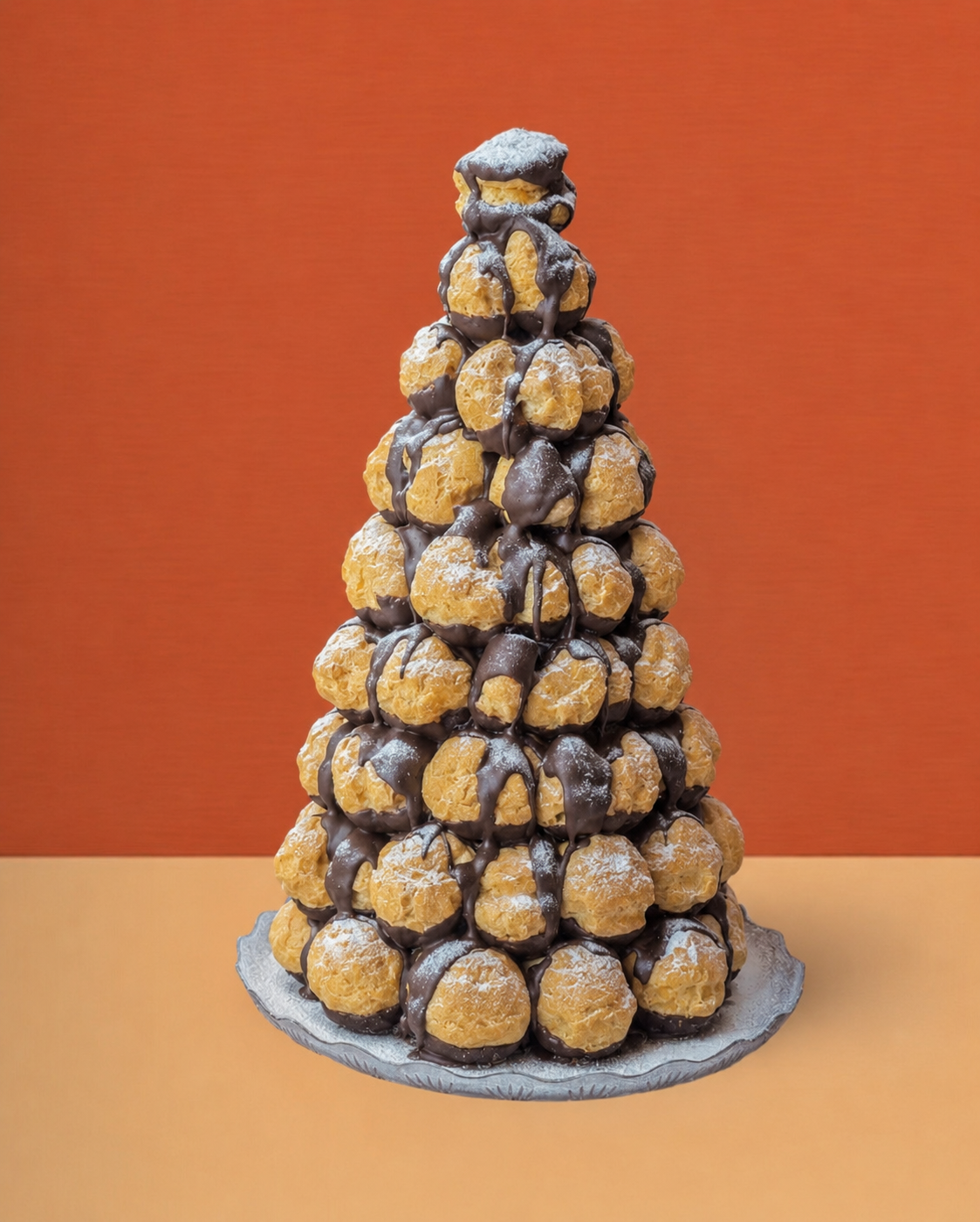
Profiterole Tower - Classic Chocolate
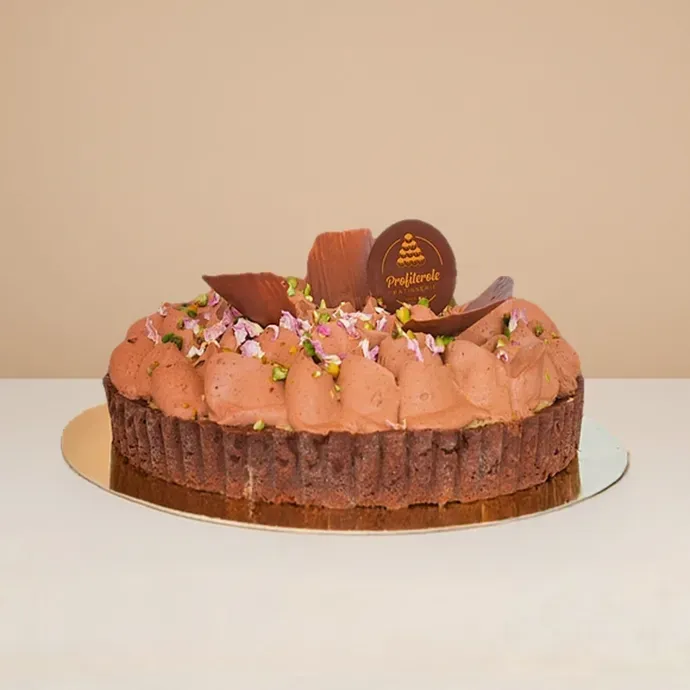
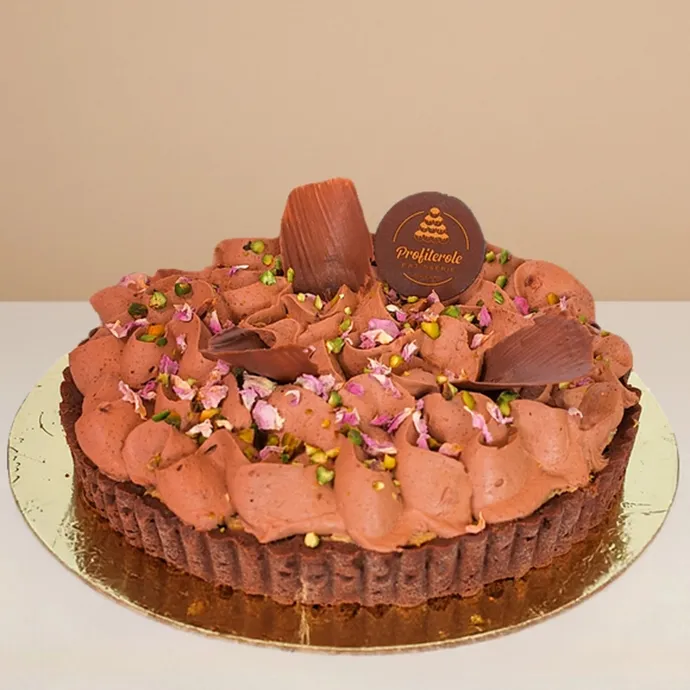
Dubai Chocolate Cake
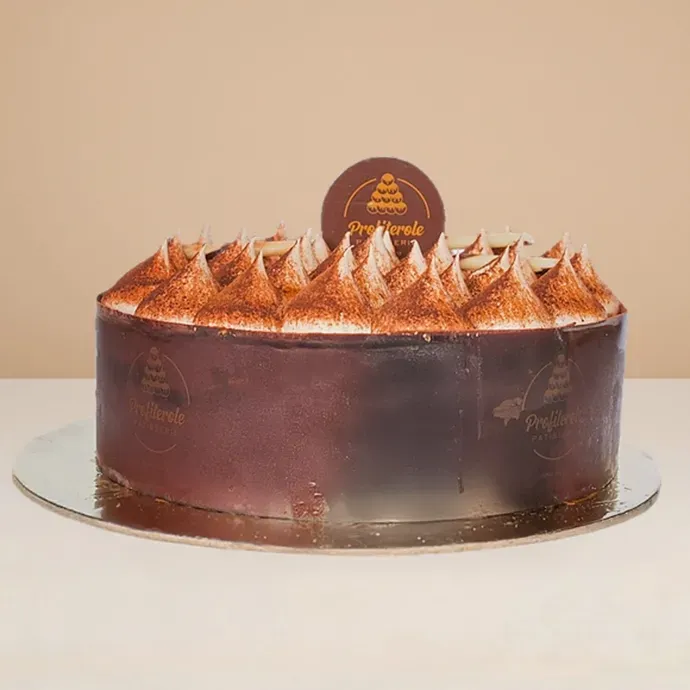
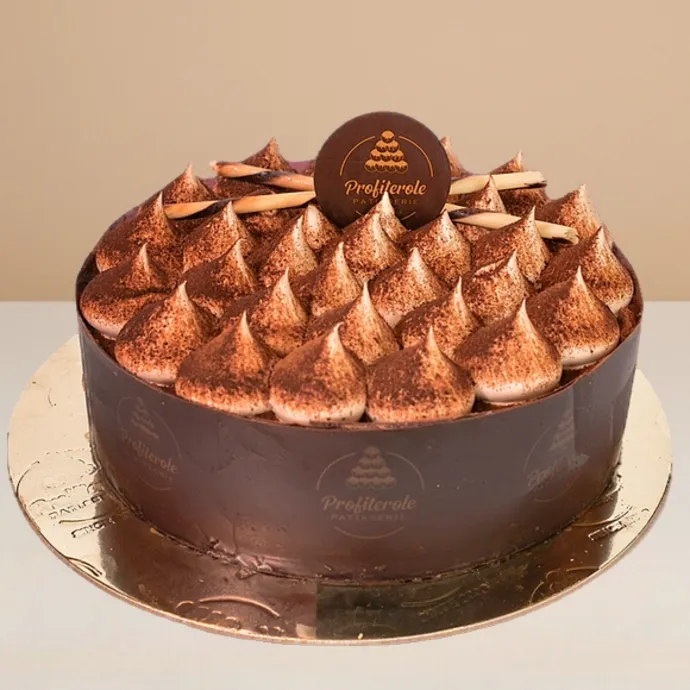
Tiramisu Cake
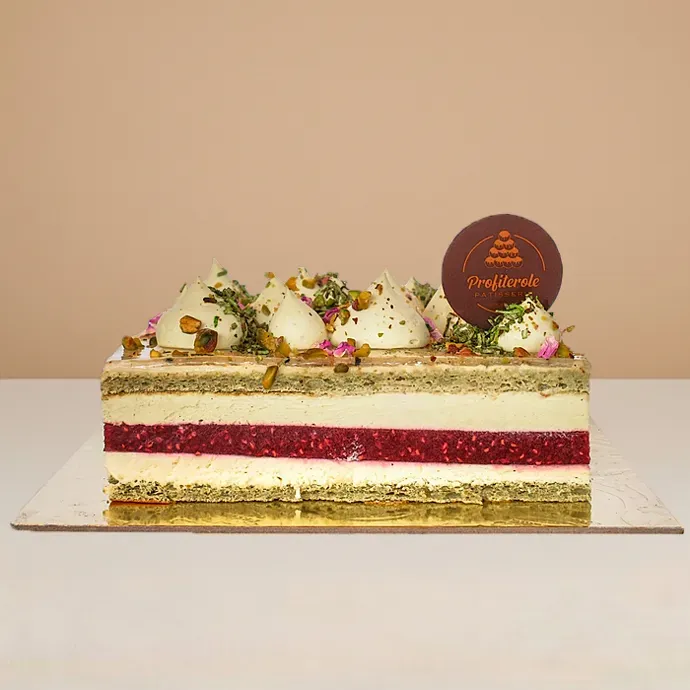
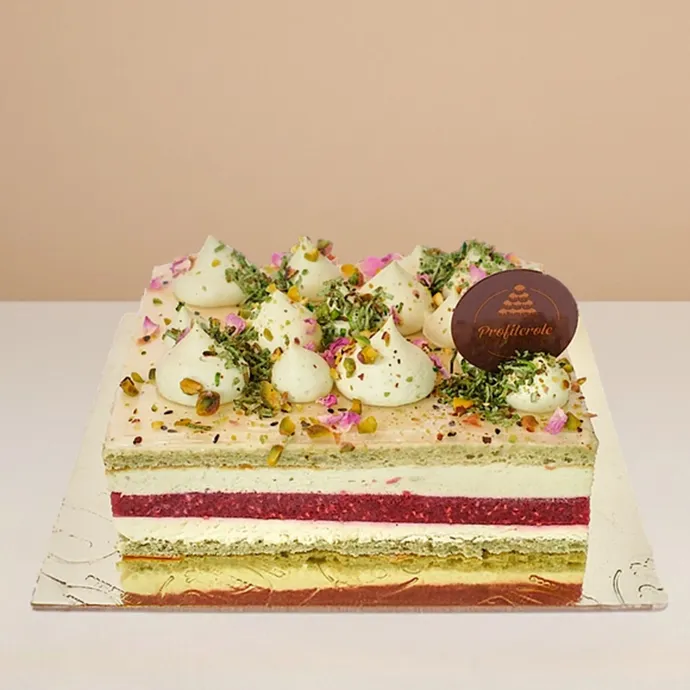
Pistachio Raspberry Bliss Cake
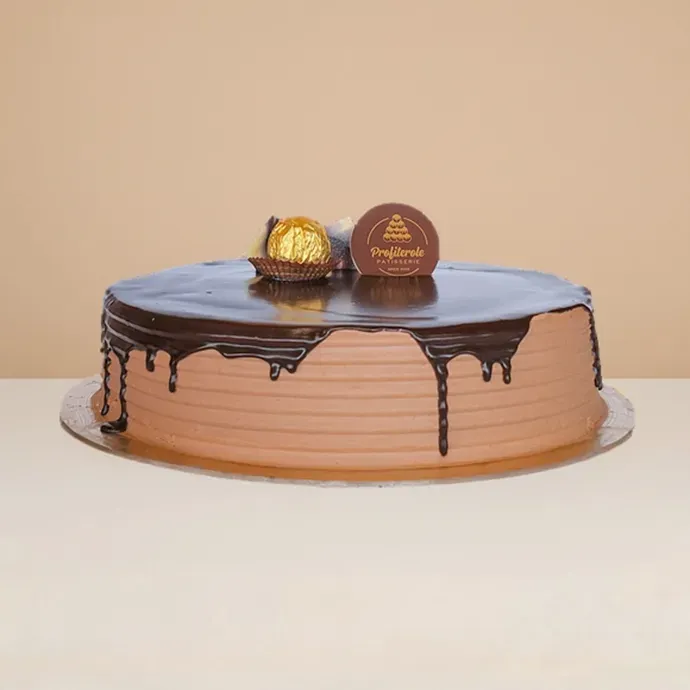
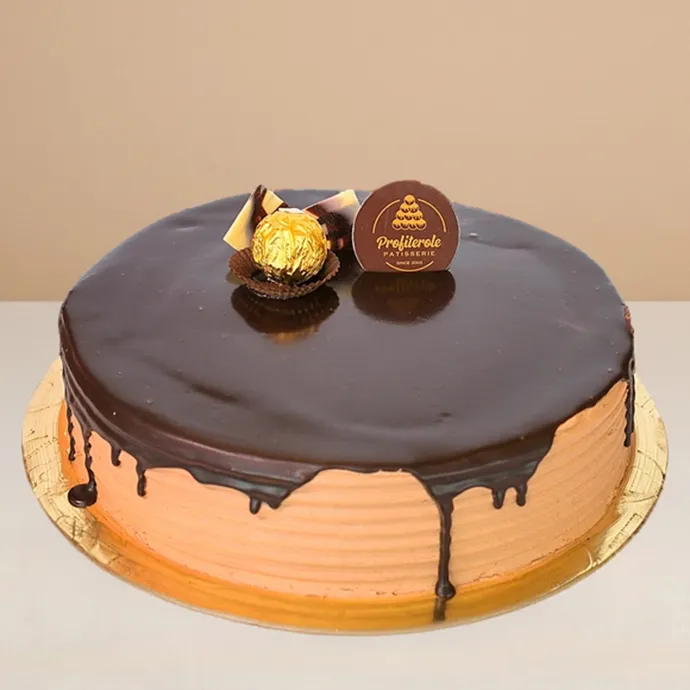
Ferrero Rocher Cake
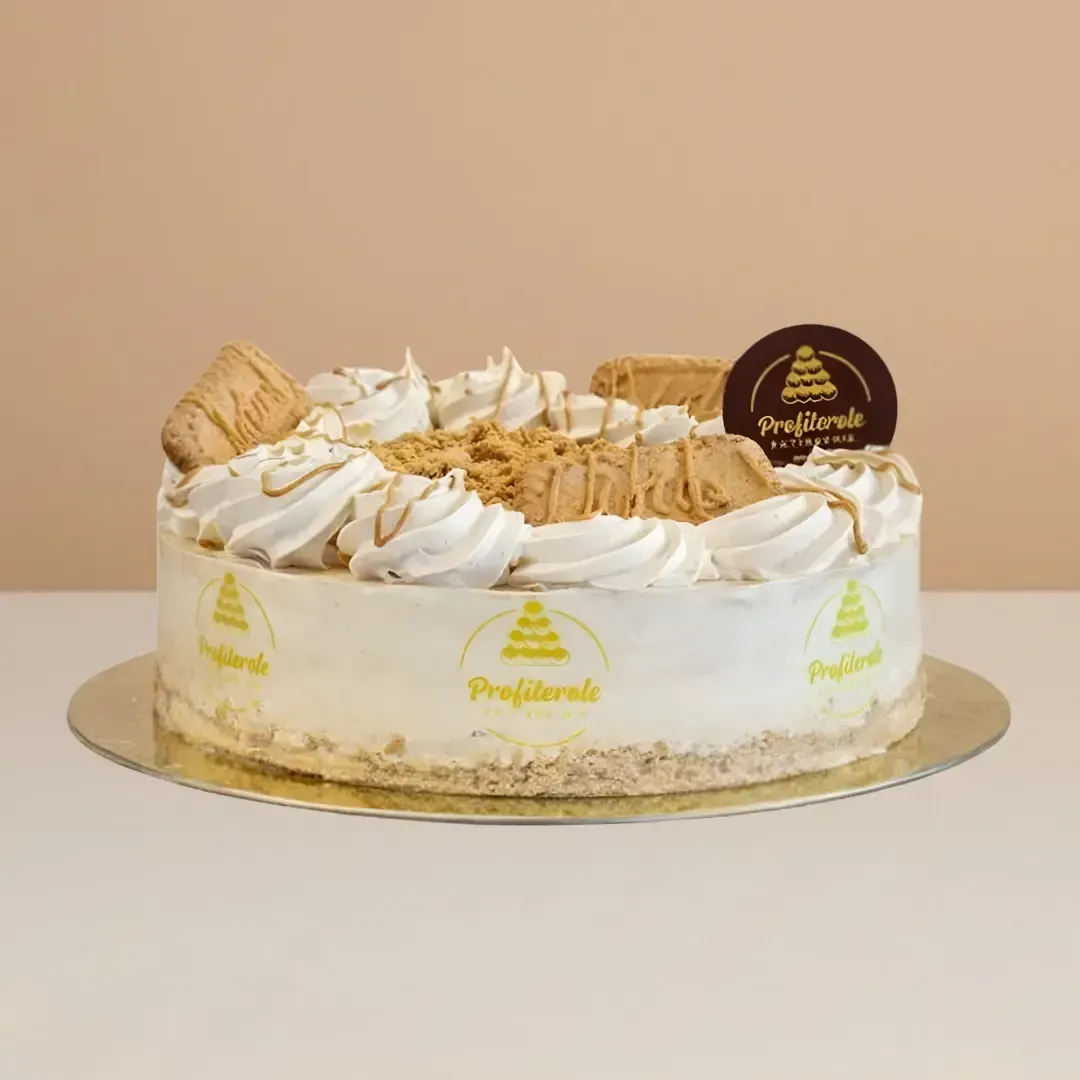
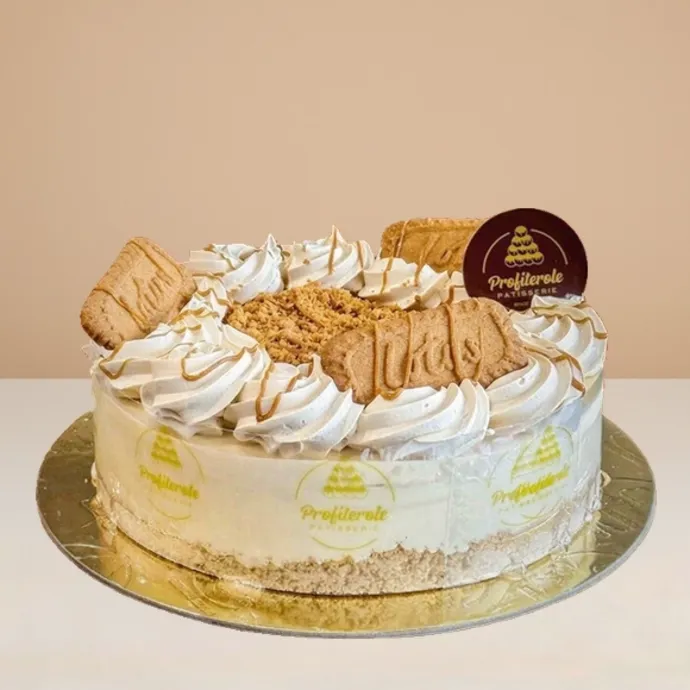
Lotus Biscoff Cheesecake
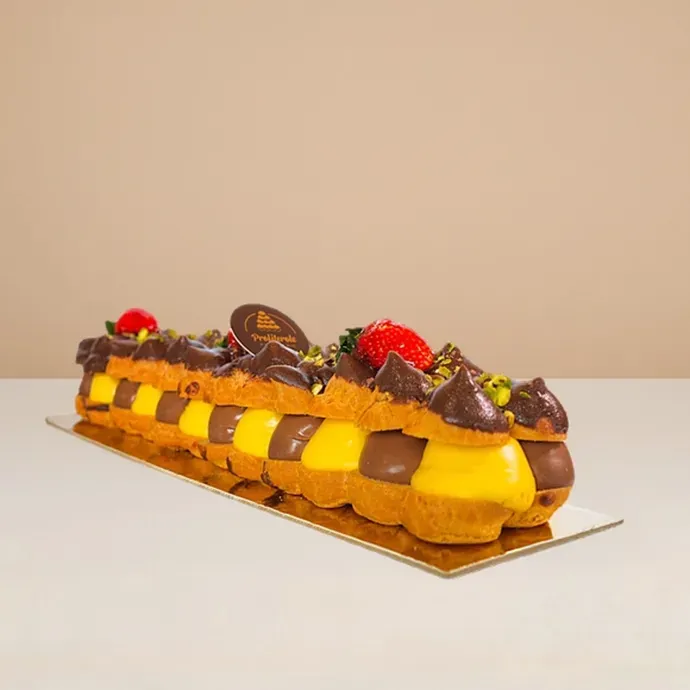
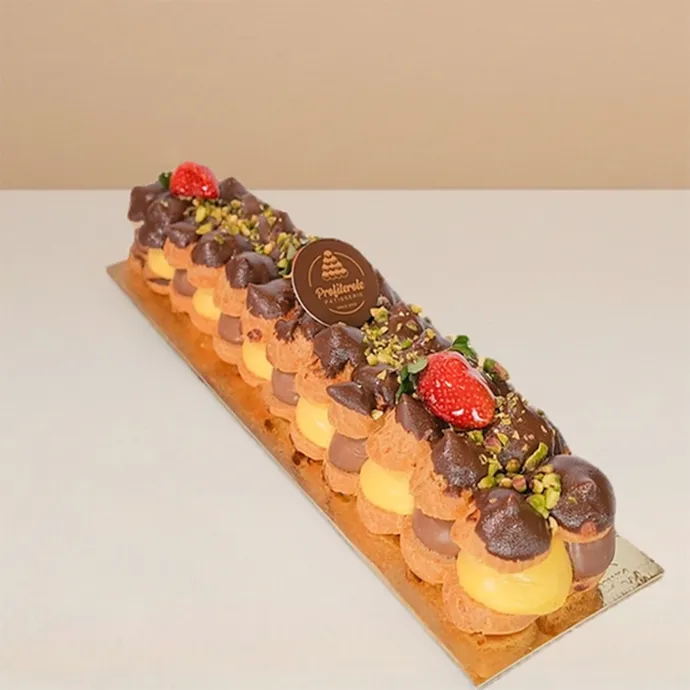
Profiterole Log Cake
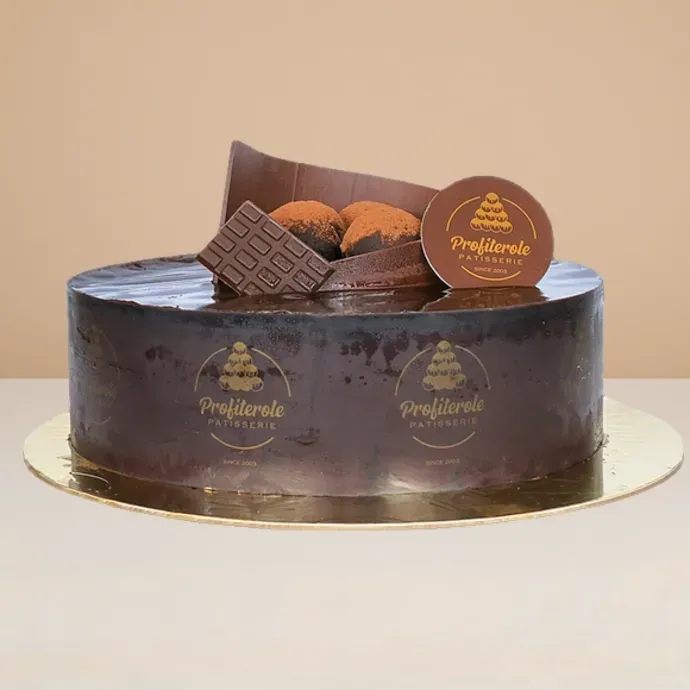
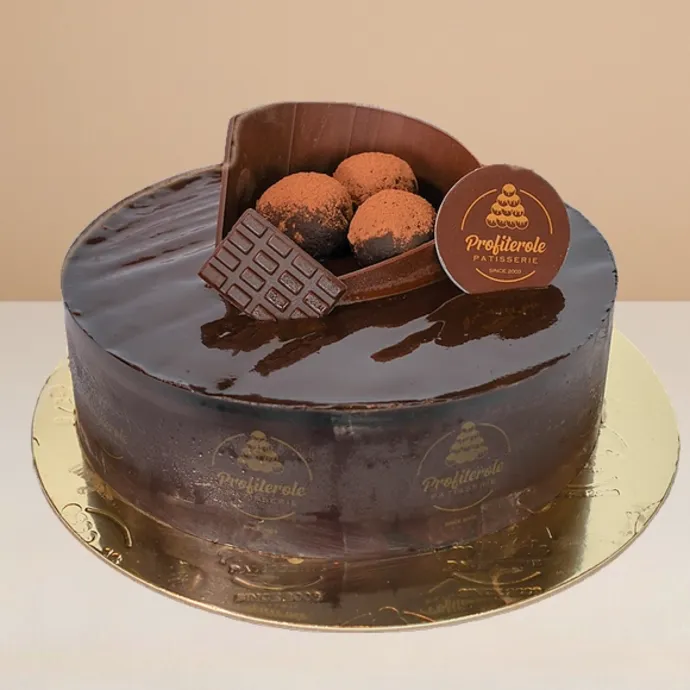
Chocolate Mousse Cake
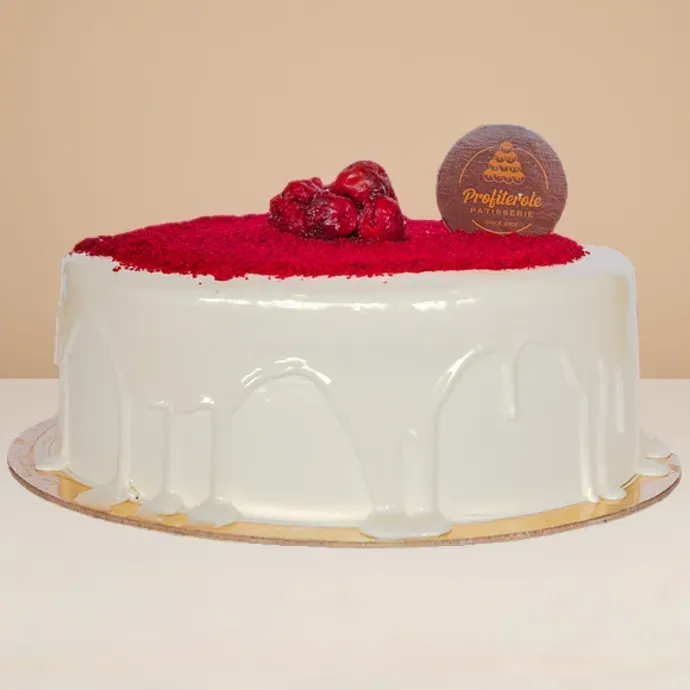
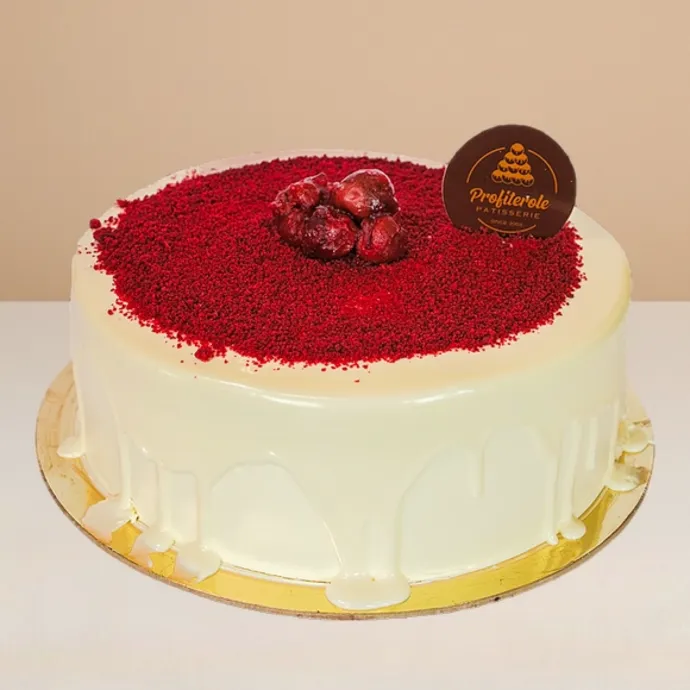
Red Velvet Cake
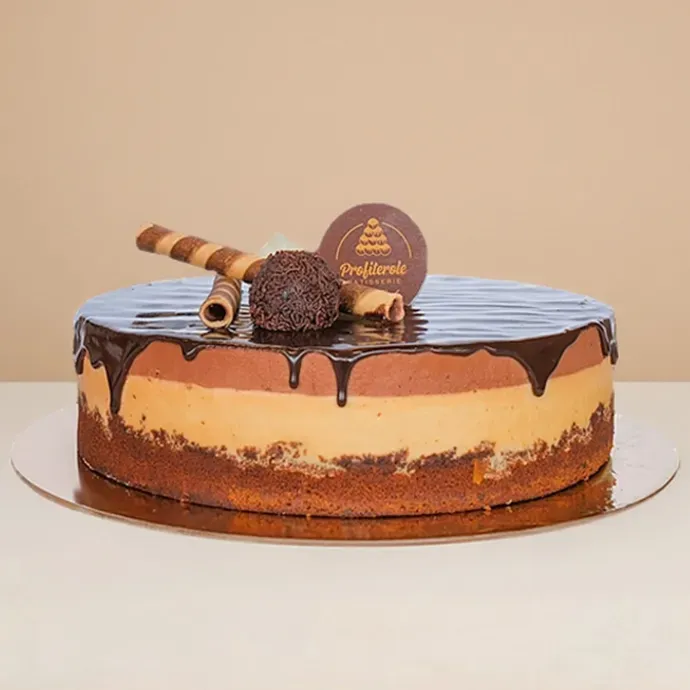
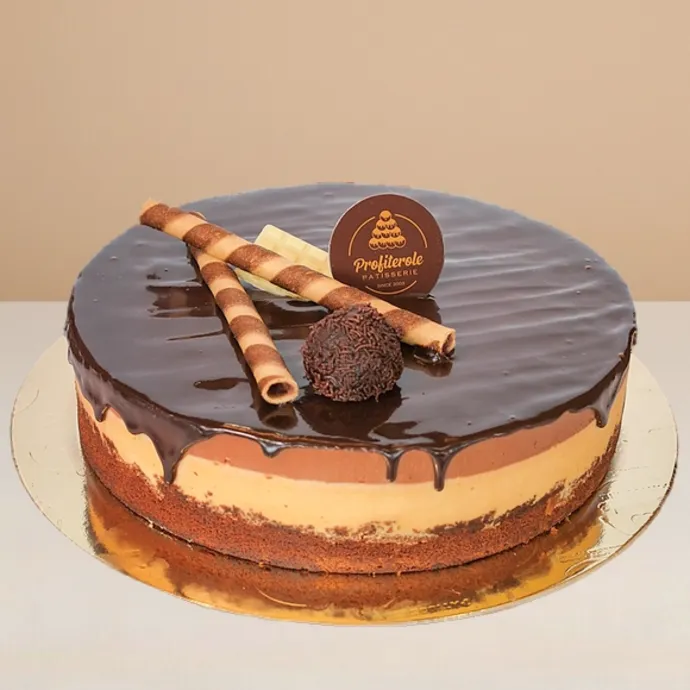
Trio Cake - Round
Baked Ricotta Cheesecake
Fruit Cake - Round
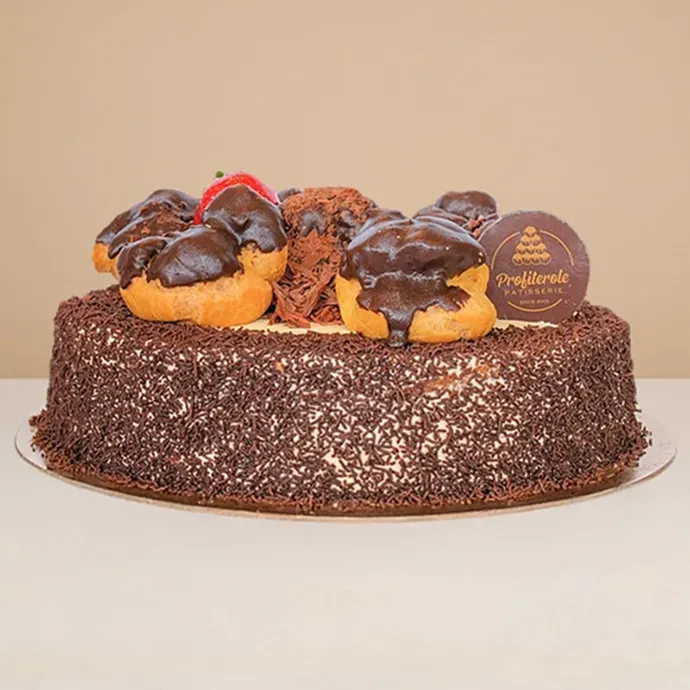
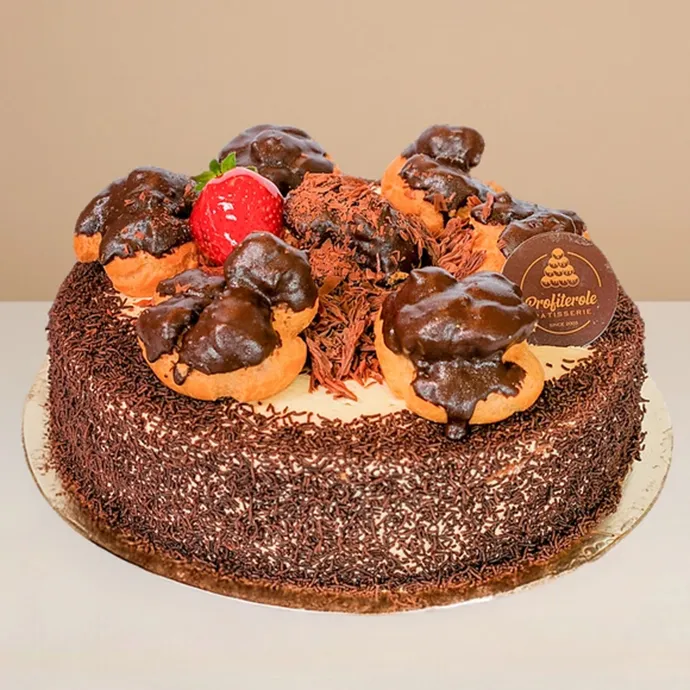
Chocolate Profiterole Cake
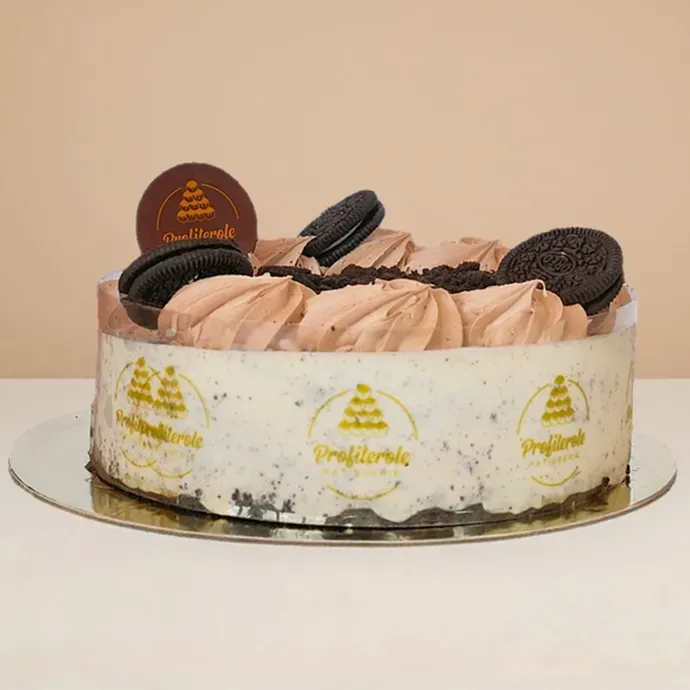
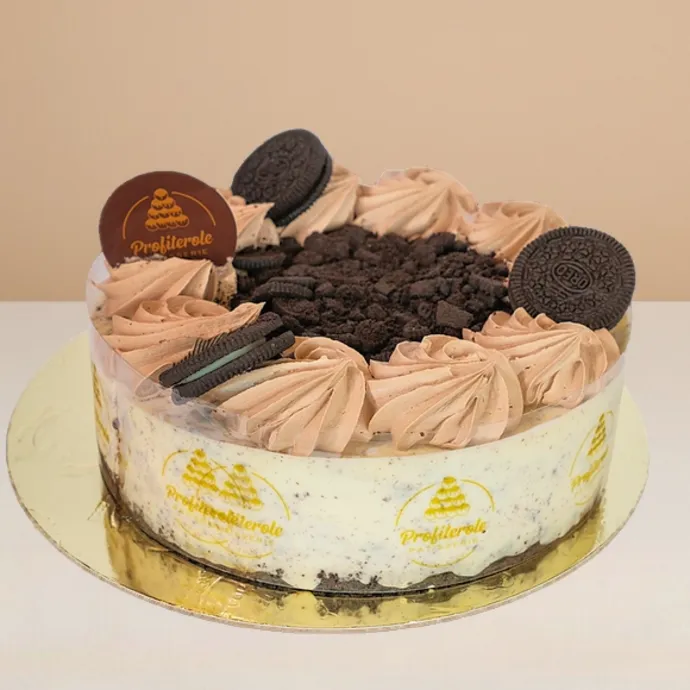
Oreo Cheesecake
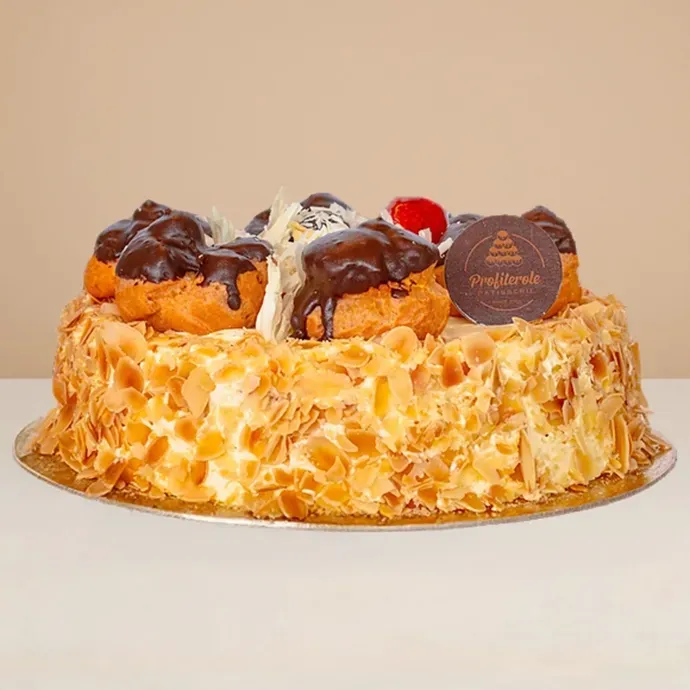
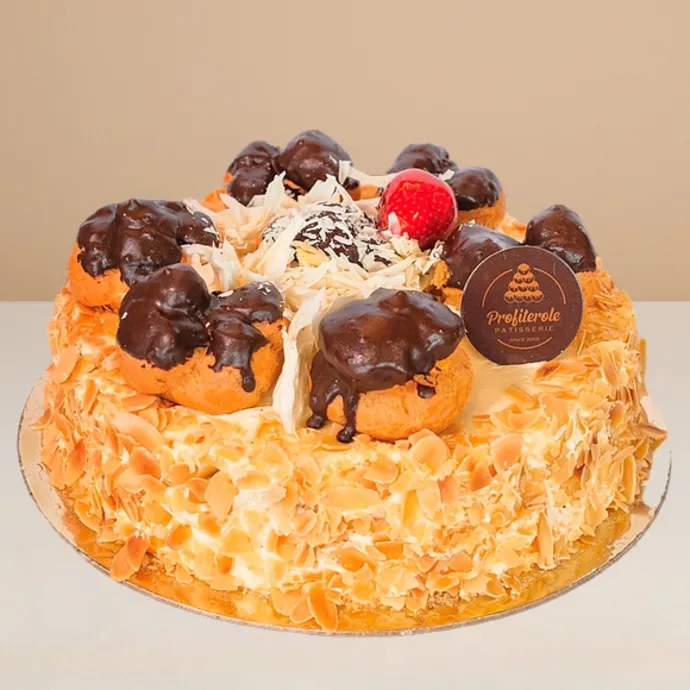
White Profiterole Cake
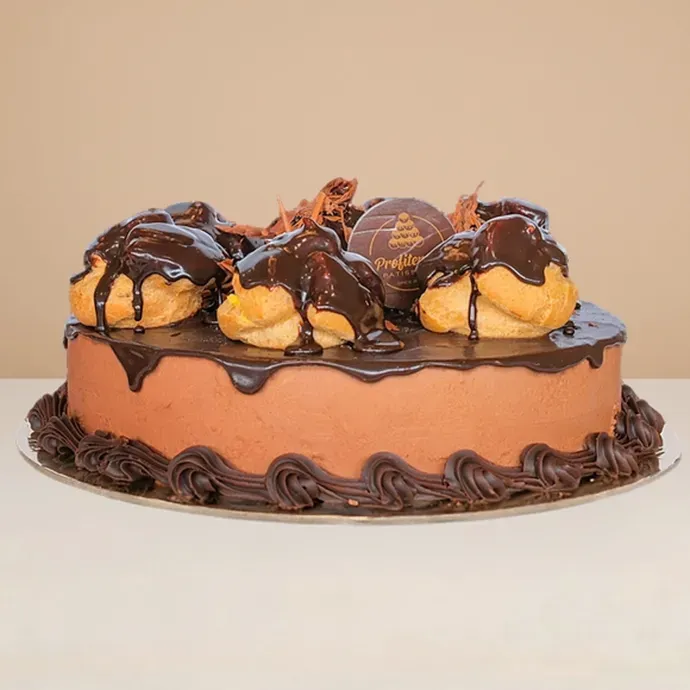
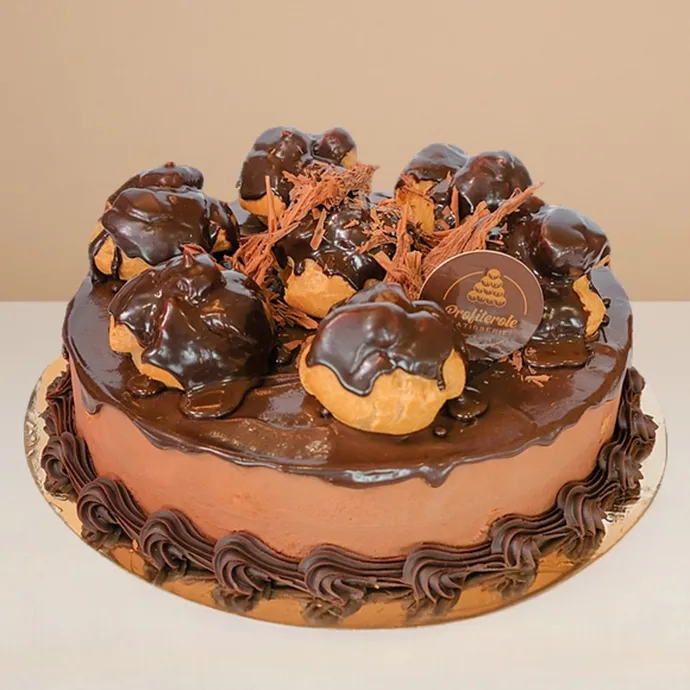
Mousse Profiterole Cake
Mango Cake