What Makes Croissants Flaky & Airy? | Chef's Secrets REVEALED
Croissants are one of the true wonders of baking science, and making them is undeniably an art form that balances precise dough physics with delicate culinary craft.
Do them right, and you are rewarded with a feather-light, golden-brown pastry featuring a shattering crust that yields to a delicate, open honeycomb interior bursting with rich, buttery flavor.
Do them wrong, and you get a heavy, dense, greasy roll that resembles an overworked brioche rather than a crisp French classic.
Therefore, mastering the science behind lamination and temperature control turns this challenging technique into a repeatable success every time.
TL;DR
The secret to creating light, flaky croissants lies in steam-driven lamination and strict temperature control. Alternating layers of high-fat European butter (82%+) and yeast-fermented dough create trapped moisture that boils in a hot oven, pushing the gluten layers upward into an open honeycomb structure.
To achieve this, maintain dough and butter temperatures between 12°C and 15°C during folding, proof gently below 28°C to prevent butter from melting, and bake with an initial blast of heat (200°C) to lock in the delicate layers.
How Croissants Get Their Signature Honeycomb Structure
At its core, a croissant is a culinary engine driven entirely by steam. The magic happens through lamination, which is the process of repeatedly folding a block of chilled butter (beurrage) inside a simple flour dough (détrempe).
When this laminated matrix enters a hot oven, a two-part physical reaction occurs:
- The Steam Lift: Quality butter consists of roughly 82% butterfat and 16% to 18% water trapped within a fat matrix. As the oven heat hits the pastry, this water rapidly reaches boiling point and transforms into high-pressure steam. Trapped beneath the solid butter barriers, the expanding steam forces the overlying dough layers upward like thousands of microscopic hydraulic lifts. Perfecting this steam lift that causes dough expansion is also the secret in making
other kinds of French pastries such as
choux.
- Structural Gelatinization: As the steam pushes the thin dough sheets apart, the fat renders into the flour. Simultaneously, heat causes proteins in the flour to coagulate and starch to gelatinize around expanding steam pockets. This permanently sets the structure in place, forming the classic, open honeycomb crumb.
Tip: Familiarising yourself with essential French baking terms and pastry vocabulary makes following traditional turn sequences like laminer, tournage, and détrempe feel completely natural. This will also make it easier for you to follow any French pastry recipe.
The Non-Negotiable Ingredients in a Croissant
In a croissant, there are no heavy glazes, frostings, or fillings to conceal flaws. Every single ingredient must be chosen with deliberate intention, much like understanding how foundational components function together in baking.
High-Fat European-Style Butter (82–84% Fat)
Standard domestic butter often contains up to 20% water. Excess water hydrates the dough prematurely, turning layers soggy, tearing the gluten, and ruining lamination. European-style butter has lower moisture and a higher melting point, giving it the exact plasticity required to roll into paper-thin, unbreakable sheets.
High-Protein Flour (Bread Flour or French T55)
Structure requires raw strength. Using a flour with a protein content between 11.5% and 12.5% builds the elastic gluten network necessary to stretch ultra-thin under intense steam pressure without rupturing or letting trapped gases escape.
Fresh or Active Dry Yeast
While steam drives the dramatic expansion during baking, yeast produces carbon dioxide during cold fermentation. This creates tiny baseline air cells inside the dough while generating complex, slightly nutty, and buttery flavor compounds.
Chilled Liquid (Cold Water and Milk)
Liquids hydrate the flour proteins to activate gluten formation. Using cold liquids is vital to keep dough temperatures low, stopping yeast from fermenting prematurely before folding is complete.
Sugar and Fine Sea Salt
Sugar provides food for the yeast and accelerates the Maillard reaction (browning) in the oven. Fine sea salt tightens the gluten matrix, regulates yeast activity, and cuts through the richness of the butter for a balanced flavor profile.
Mastering Lamination: The Folding Sequence
Lamination demands complete control over dough and fat consistency.
The golden rule for any pastry chef is straightforward: the dough and the butter block must share identical temperature and pliable consistency (12°C to 15°C). Otherwise, you get one or the other effect when temperatures are mismatched:
| Temperature Mismatch | Bench Result | Pastry Defect |
|---|---|---|
| Butter too cold | Butter shatters into hard pieces inside dough | Uneven layers, torn gluten, flat rise |
| Butter too warm | Butter melts directly into flour layers | Heavy, greasy, dense bread crumb |
Executing the folding sequence requires a deliberate method to build alternating layers of fat and dough without rupturing the delicate gluten structure.
Following a structured turn routine ensures the butter block stays perfectly encased while developing the internal architecture of your croissant. Here's a quick guide:
- Enrobing (The Envelope): Wrap the chilled butter block inside the flattened dough sheet, pinching all seams tight to prevent air gaps or butter leaks.
- The Turn Routine:
- Single Fold (Letter Fold): Fold the dough in thirds like an envelope.
- Double Fold (Book Fold): Fold both outer ends into the center, then fold the entire block in half like a book.
- Target Layer Count: Standard artisan croissants usually undergo 3 single folds, yielding 27 distinct layers of butter suspended between 28 layers of dough. Over-folding destroys layer separation by blending fat into the flour, while under-folding creates thick butter pockets that leak out during baking.
Between every turn, rest and wrap the dough in the refrigerator to reach ideal temperature before folding again. This allows gluten tension to relax and keeps the butter chilled and firm.
Proofing: Moisture, Temperature, and Timing Secrets
Proofing is the critical phase where shaped croissant dough develops air and volume right before entering the oven.
Creating the Ideal Climate
Maintain the room or proofer between 24°C and 26°C. Never allow proofing temperatures to cross 28°C. Exceeding this threshold causes butter layers to liquefy, leaking out onto the pan and destroying lamination before baking even begins.
Aim for 75% to 80% humidity (or use a light cover) to keep the dough skin supple and prevent surface cracking.
Visual Checks for Proper Proofing
- The Wobble Test: Gently shake the tray; properly proofed croissants will wobble visibly like gelatin.
- Layer Definition: You can see distinct, delicate physical layers along the curved, cut edges.
- Touch Test: The pastry volume has roughly doubled, feeling pillow-soft and airy when lightly touched.
The Precise Baking Temperature for Croissant
Baking croissants requires two distinct heat phases to maximize expansion while building a golden, crisp exterior.
OVEN HEAT PHASE:
- Phase 1: 200°C (5–8 Mins) ] for Rapid Steam Lift ("Oven Spring")
- Phase 2: 175°C (12–15 Mins) ] for Deep Caramelization & Crumb Setting
Phase 1: High-Heat Blast (200°C for 5–8 minutes)
High initial heat creates a thermal shock. Water within the butter instantly boils into steam, driving dramatic "oven spring" and setting the outer structure before fat has time to render onto the sheet.
Phase 2: Lower-Heat Baking (175°C for 12–15 minutes)
Lowering the temperature allows heat to penetrate to the very center of the pastry without scorching the outer shell. This phase dries out excess internal moisture and creates deep browning via the Maillard reaction.
Adding a brief burst of steam inside the oven during the first two minutes keeps the outer skin flexible, letting the croissant reach maximum height before setting into a crisp crust.
Once your batch emerges golden and warm from the oven, it's time for a taste and texture test. And with that, knowing which coffees and beverages to pair with these rich French bakes could this discovery into a genuinely satisfying learning experience.
Making Croissants Is a Combination of Patience, Practice, and Science
Baking airy, flaky croissants is a celebration of patience, practice, and physical science. By choosing high-fat European butter, maintaining strict temperature controls during lamination, and baking with precise heat phases, you convert simple ingredients into an extraordinary pastry experience.
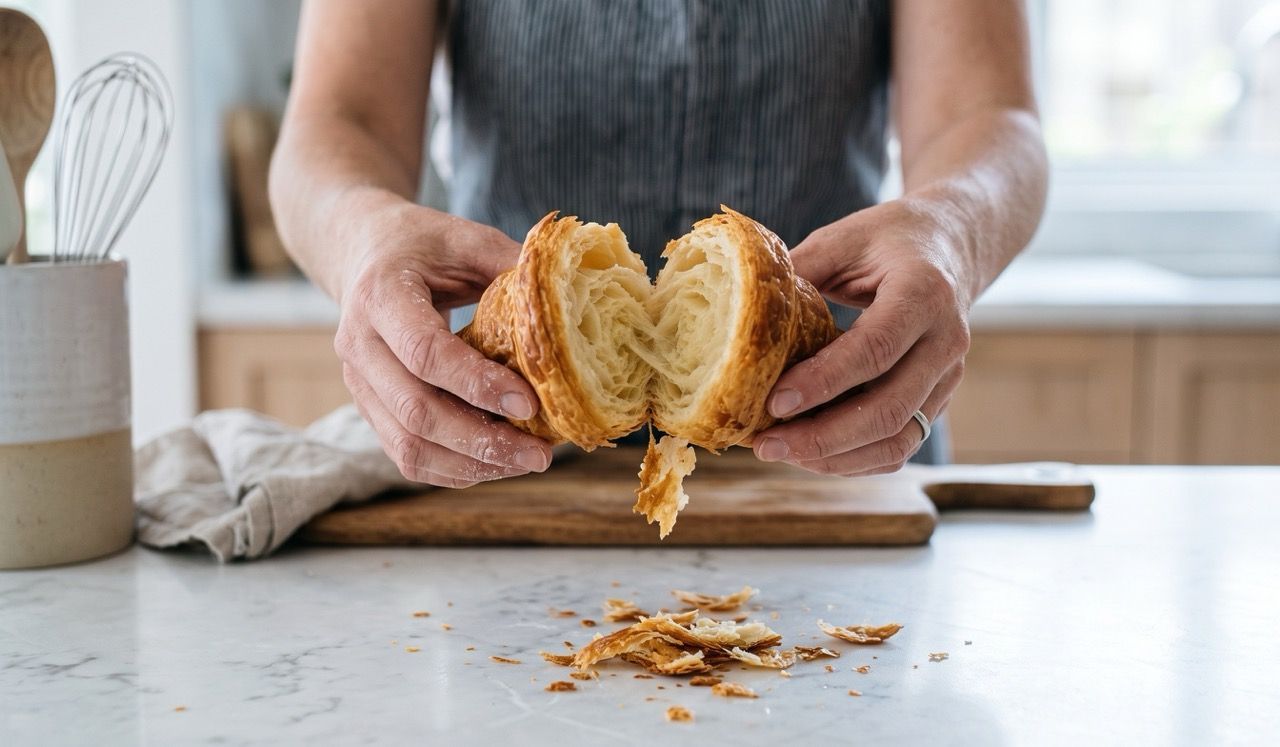
When you crack open that golden, shattering crust to reveal a delicate honeycomb interior, every single minute spent chilling, folding, and resting the dough proves its worth.
At Profiterole Patisserie, we hold an immense appreciation for the delicate craftsmanship and precision required in artisan baking. From folding laminated morning pastries to filling our signature profiterole towers, our master bakers bring passion and technical excellence to every creation.
Publish date: 24/07/2026

Joey Yaccoub
Head Baker & Operations Manager, Profiterole Patisserie
Joey Yaccoub is the Head Baker at Profiterole Patisserie, bringing over a decade of hands-on experience in artisan cake design and pastry craftsmanship.
He oversees recipe development, product quality, and daily operations across all store locations, ensuring every cake meets the brand’s standards for flavour, presentation, and consistency.
FAQs
What makes croissants flaky?
Croissants achieve their flaky texture through lamination, which involves folding thin sheets of high-fat butter between dough layers. In the oven, moisture inside the butter turns into steam, expanding and separating the dough into crisp, paper-thin sheets.
What makes croissants so fluffy?
The fluffy, open interior comes from combining yeast fermentation with steam expansion. Yeast produces small gas pockets within the dough matrix, while expanding steam inflates those pockets into a light honeycomb structure during baking.
Why are my croissants not airy?
Croissants usually turn out dense rather than airy because the butter melted into the dough during rolling, the dough was under-proofed before baking, low-fat butter with excessive water content was used, or over-working the dough made the gluten structure too tight to expand.
How to make airy croissants?
To guarantee an airy texture, work with high-fat European butter (82%+ fat), maintain dough and butter temperatures below 15°C during lamination, limit folding to 3 single turns (27 butter layers), and proof gently at 24°C to 26°C until the dough doubles in size and wobbles when shaken.
What is the secret to perfect croissants?
The main secret to perfect croissants is strict temperature control. Keeping butter cold yet pliable prevents it from melting into the dough or shattering, ensuring clean, paper-thin layers that expand into an open honeycomb crumb.
Explore more desserts here:
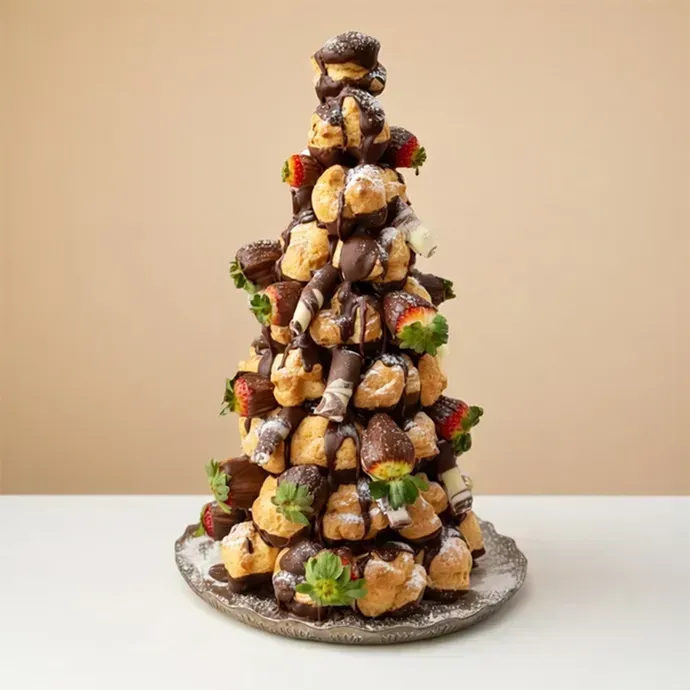
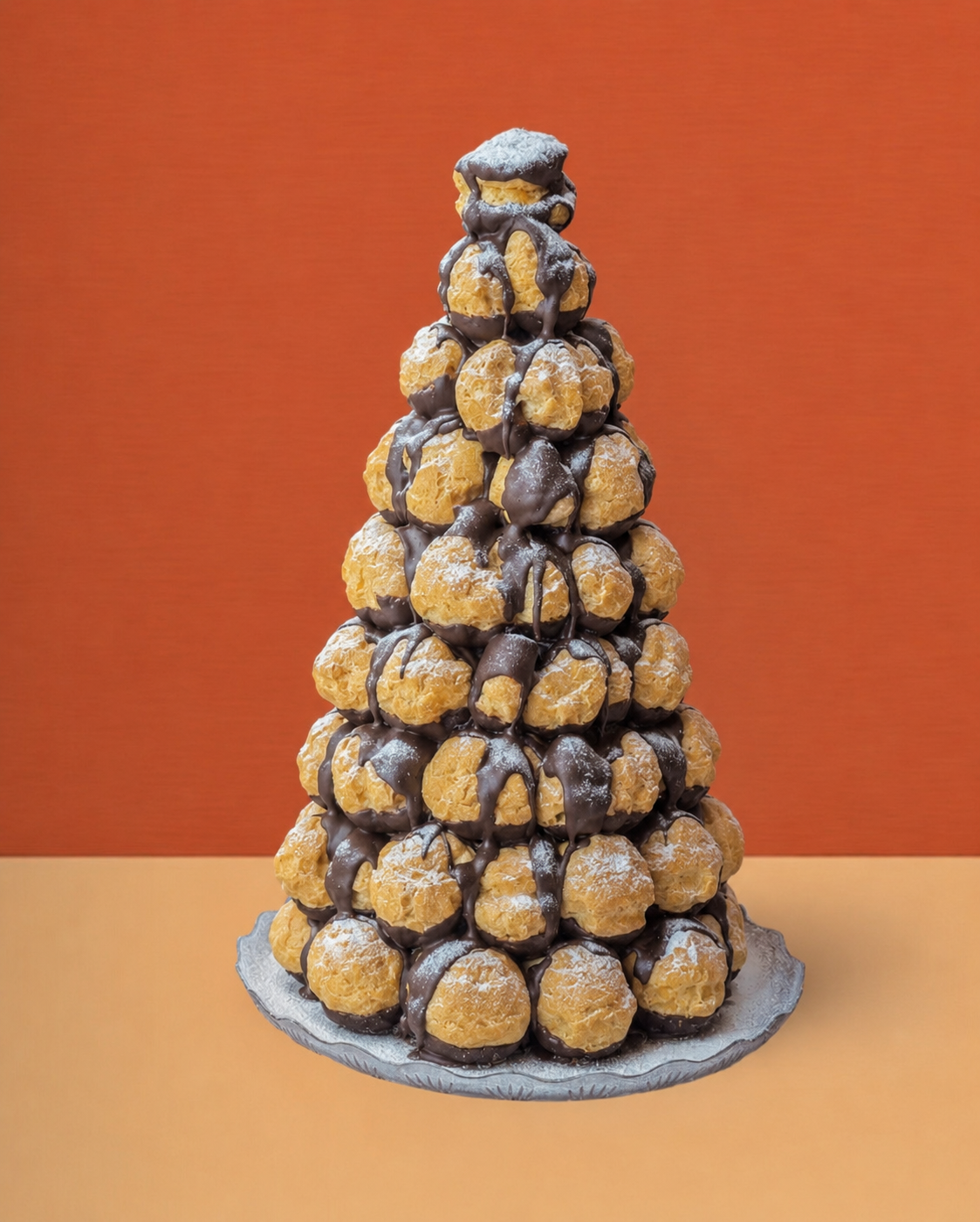
Profiterole Tower - Classic Chocolate
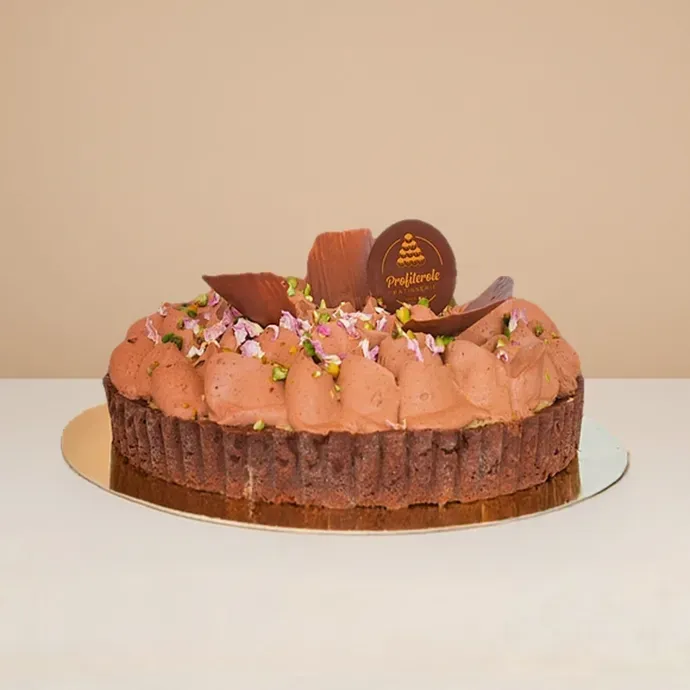
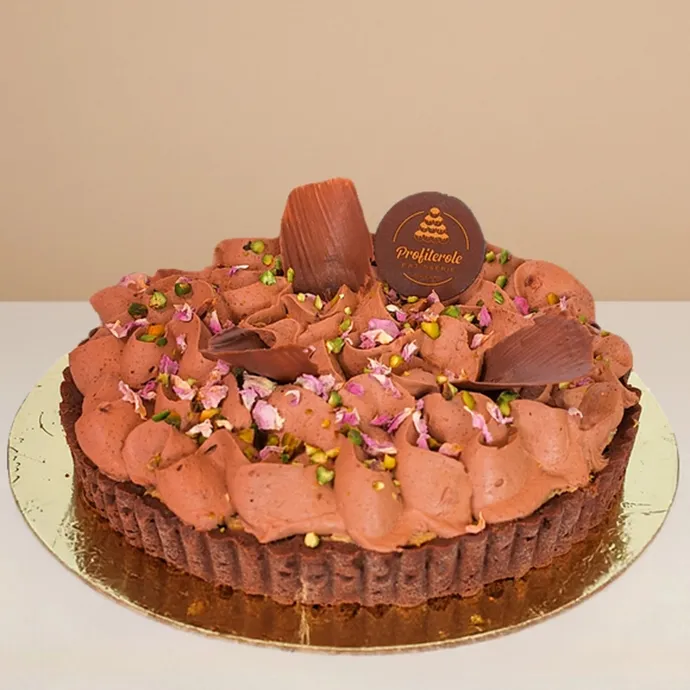
Dubai Chocolate Cake
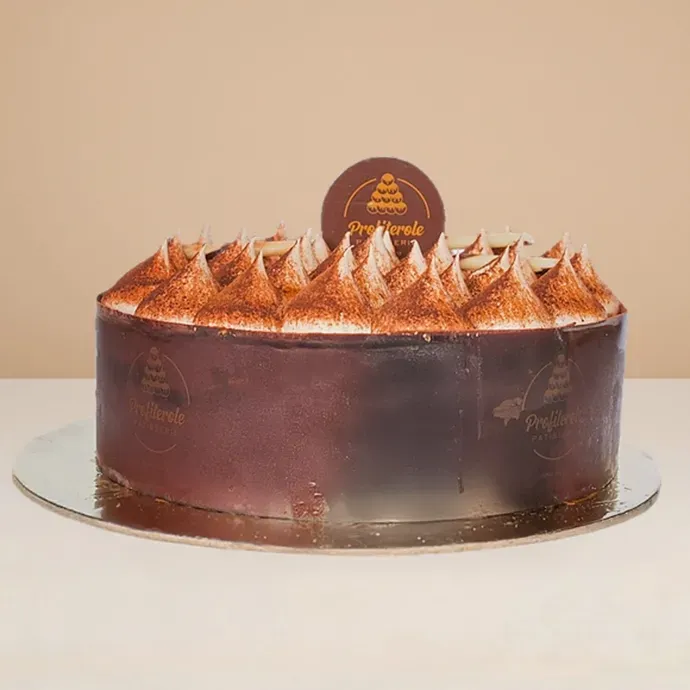
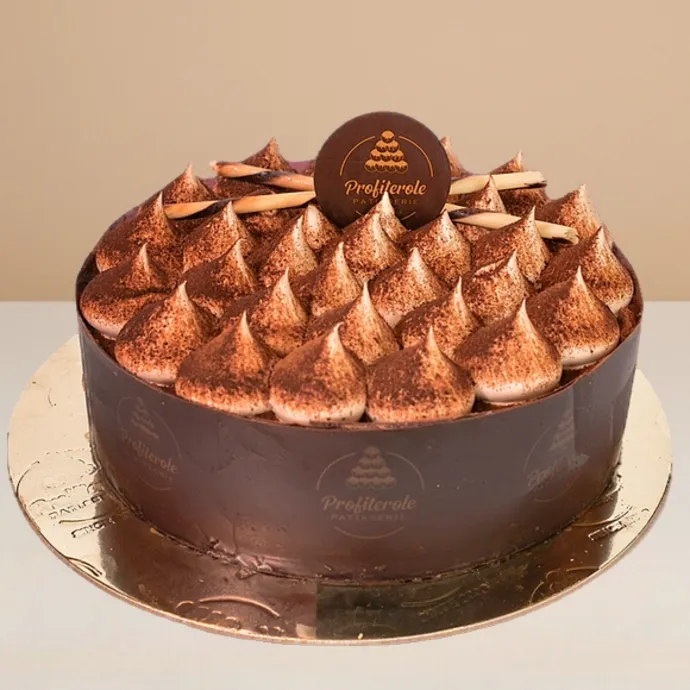
Tiramisu Cake
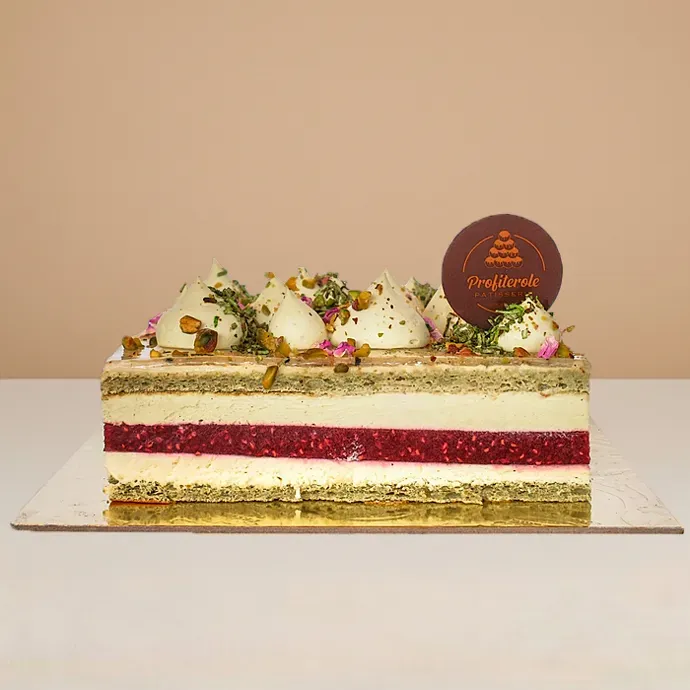
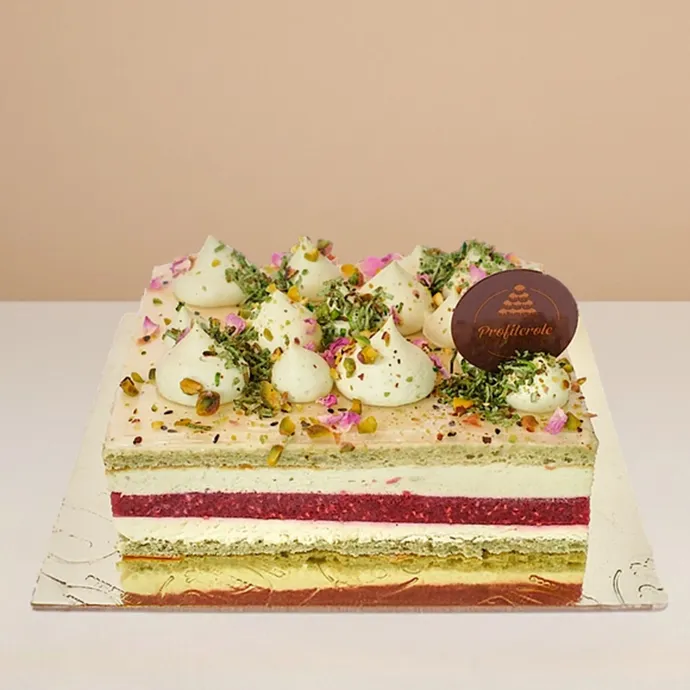
Pistachio Raspberry Bliss Cake
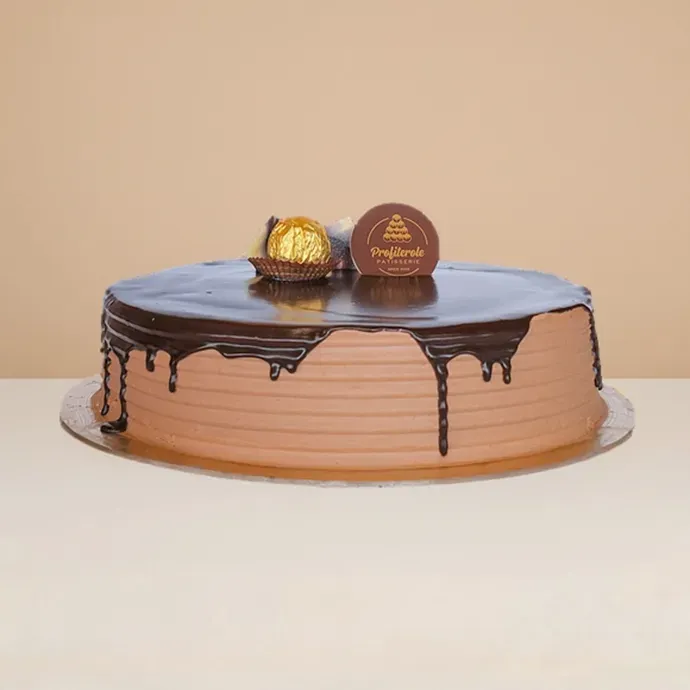
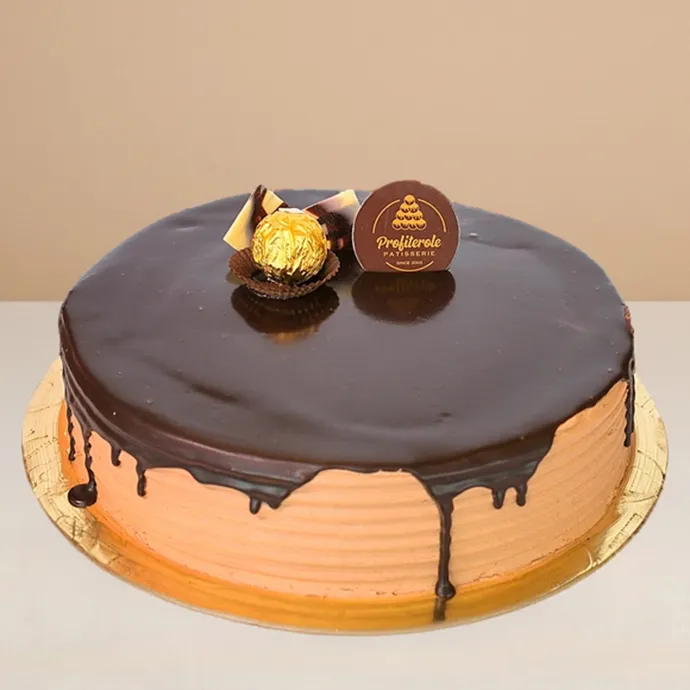
Ferrero Rocher Cake
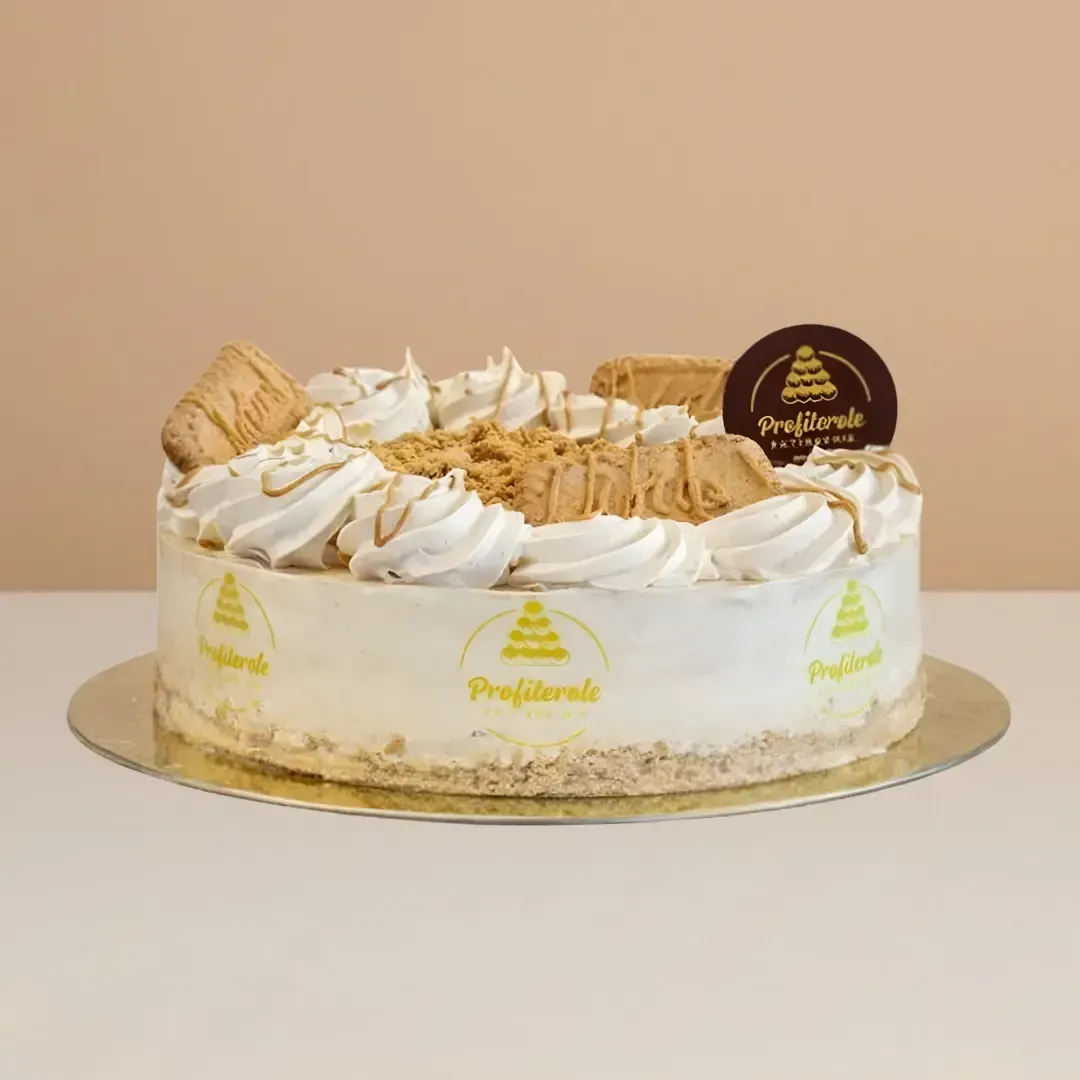
Lotus Biscoff Cheesecake
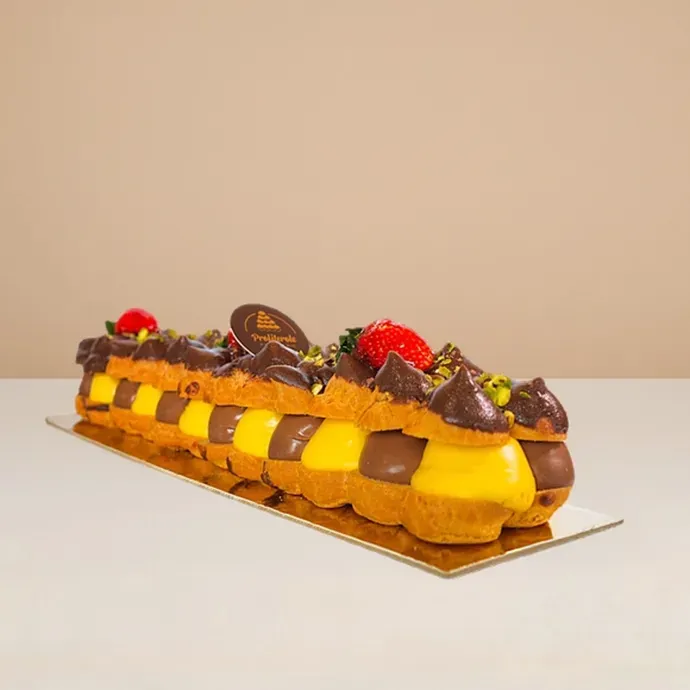
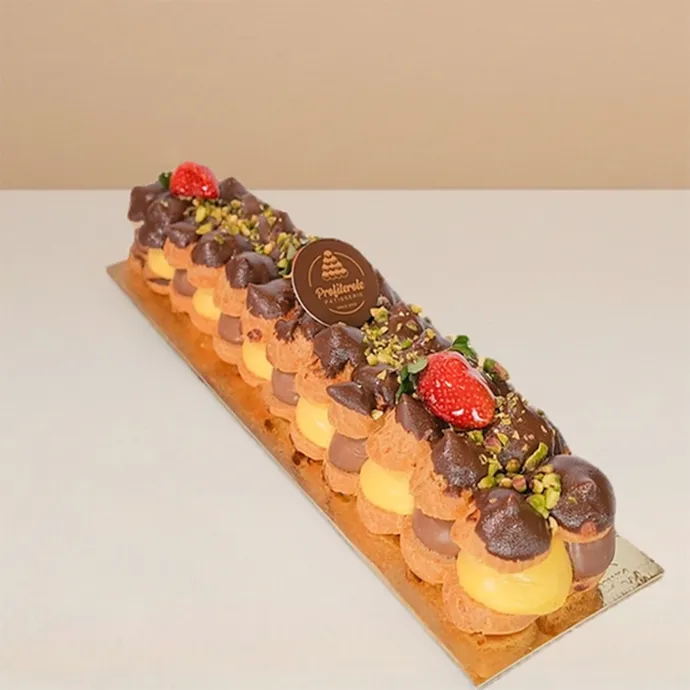
Profiterole Log Cake
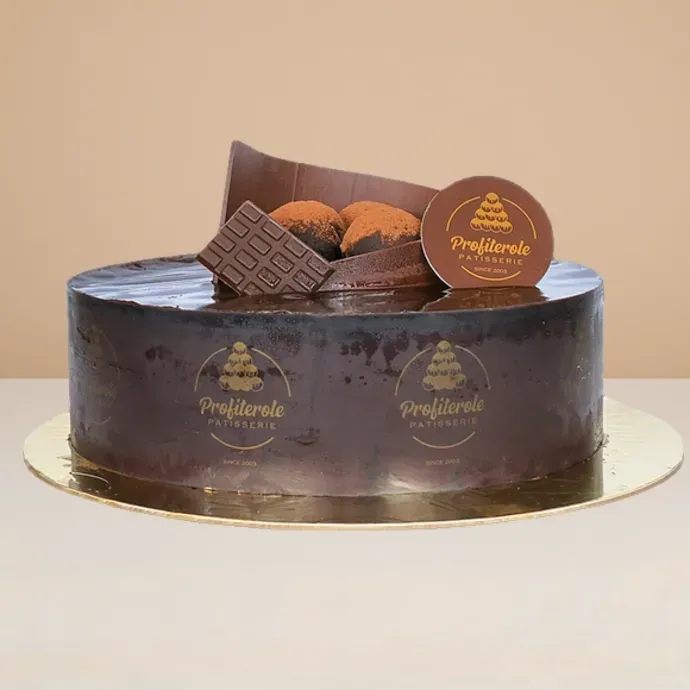
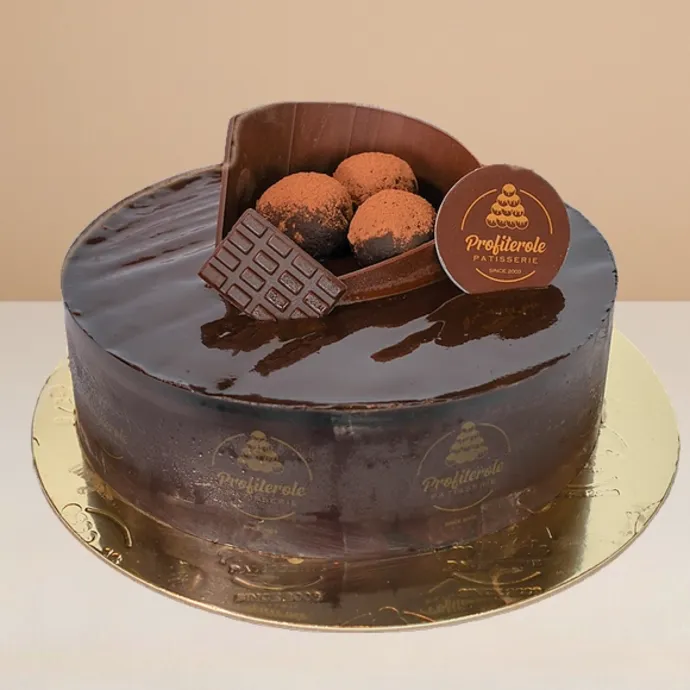
Chocolate Mousse Cake
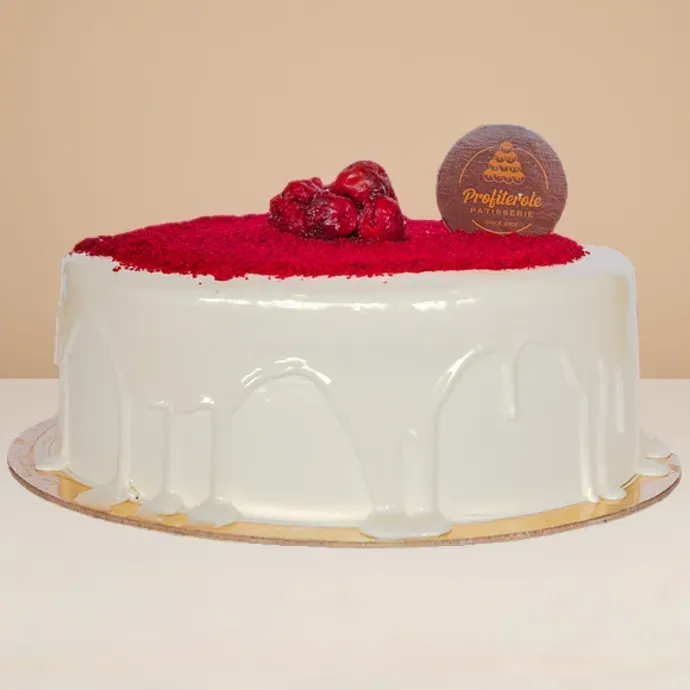
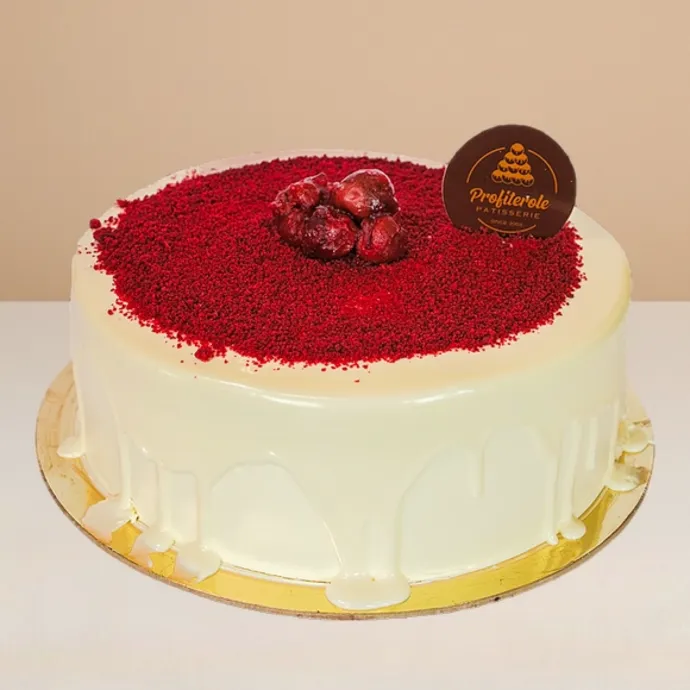
Red Velvet Cake
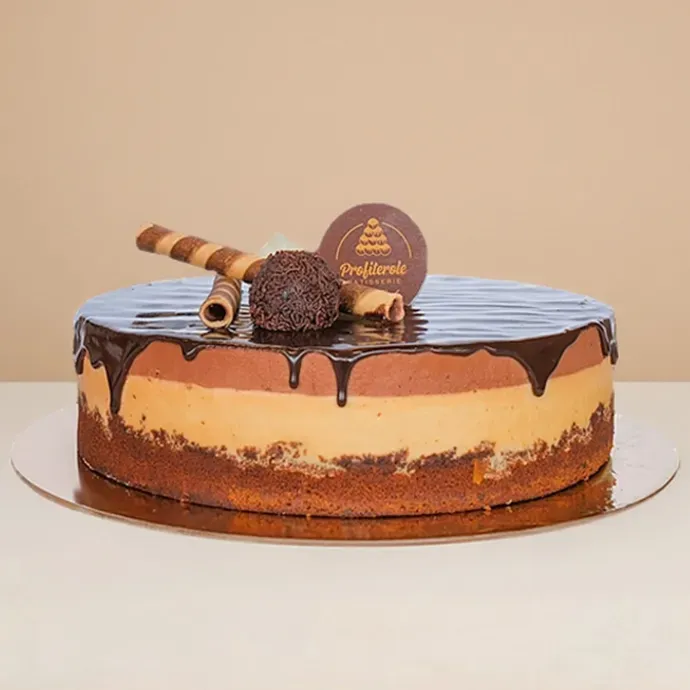
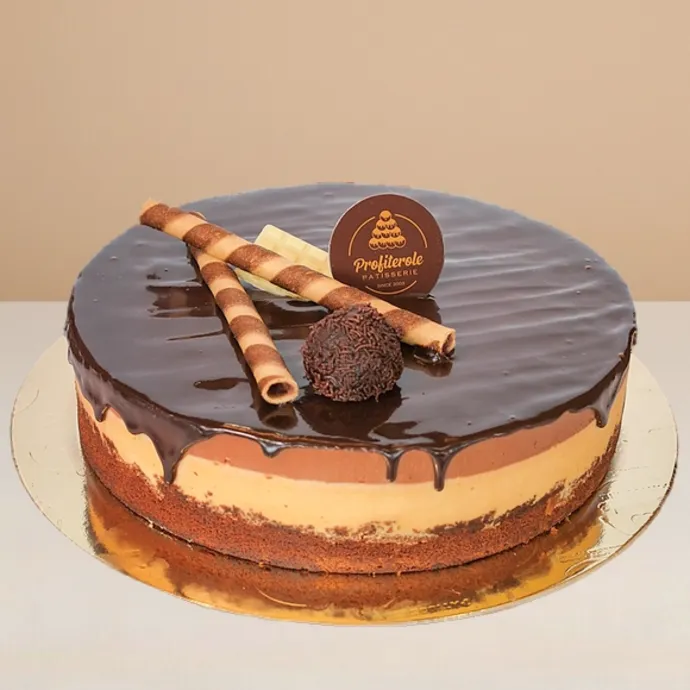
Trio Cake - Round
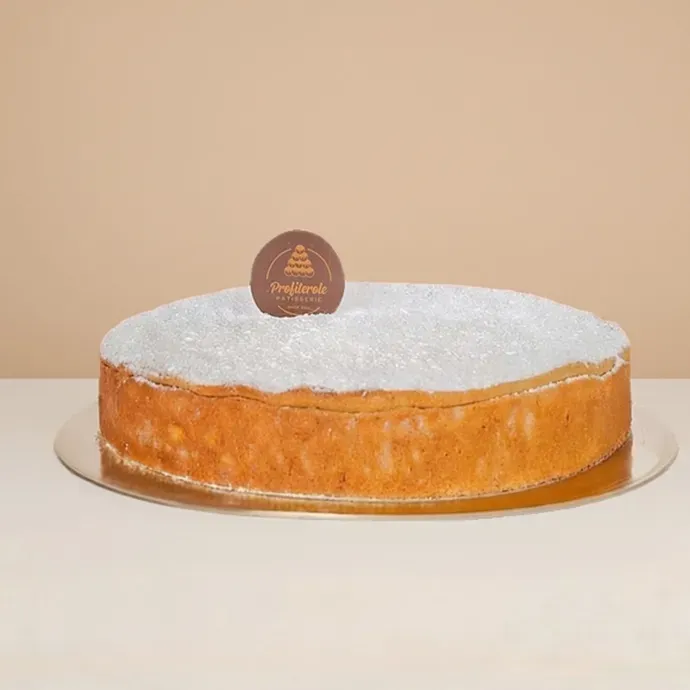
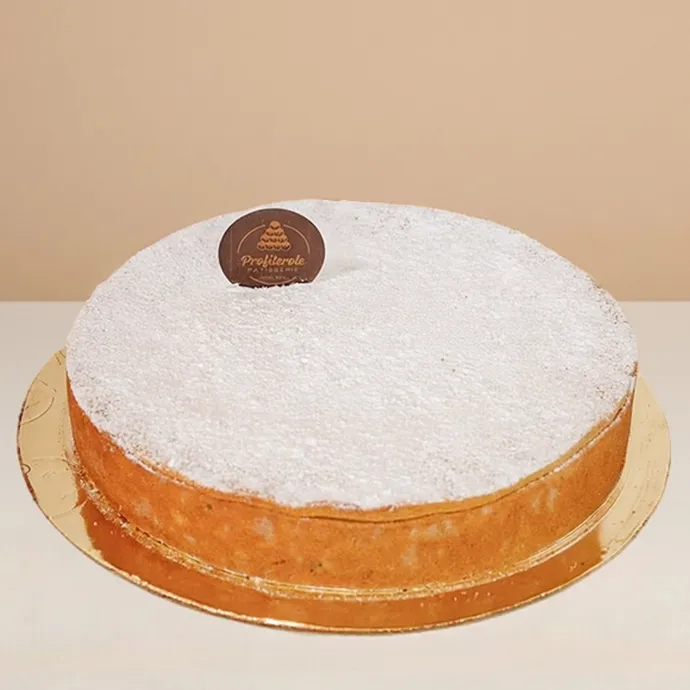
Baked Ricotta Cheesecake
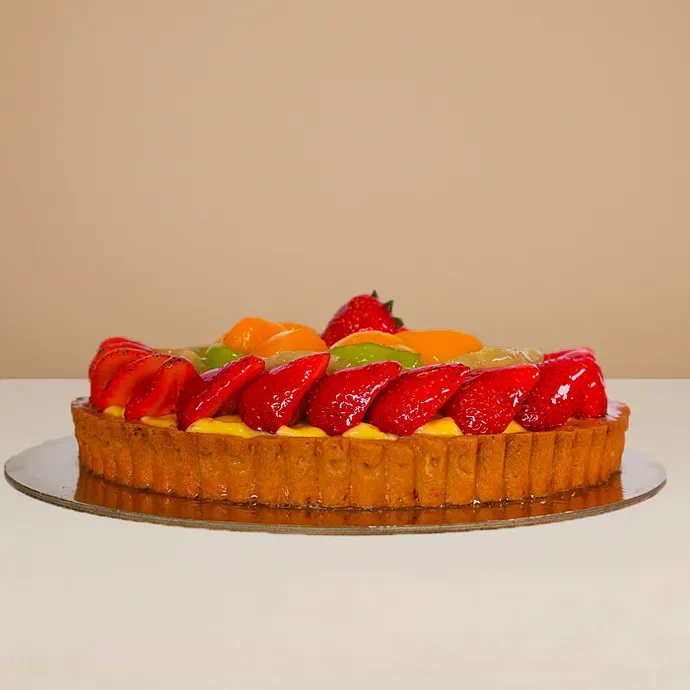
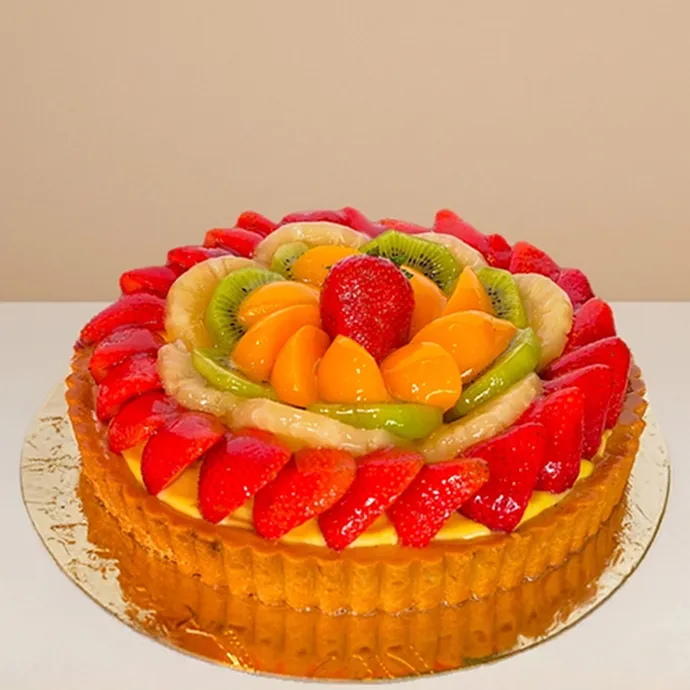
Fruit Cake - Round
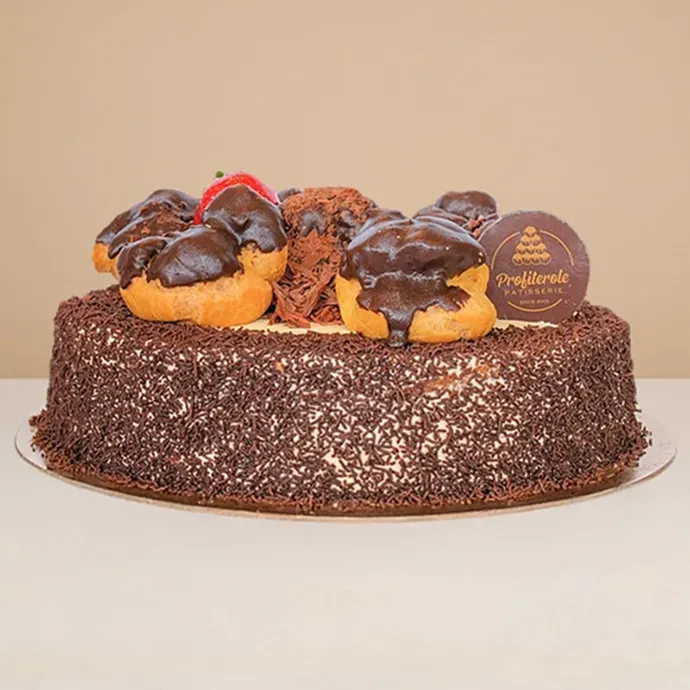
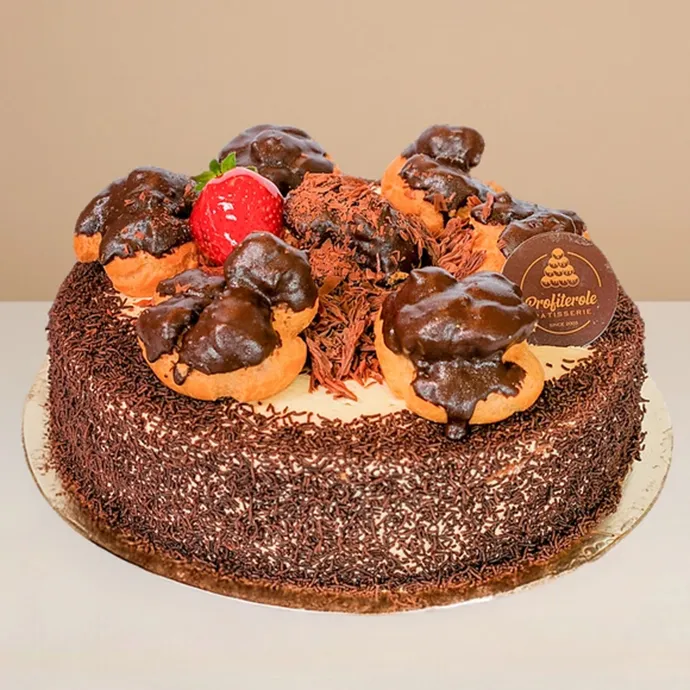
Chocolate Profiterole Cake
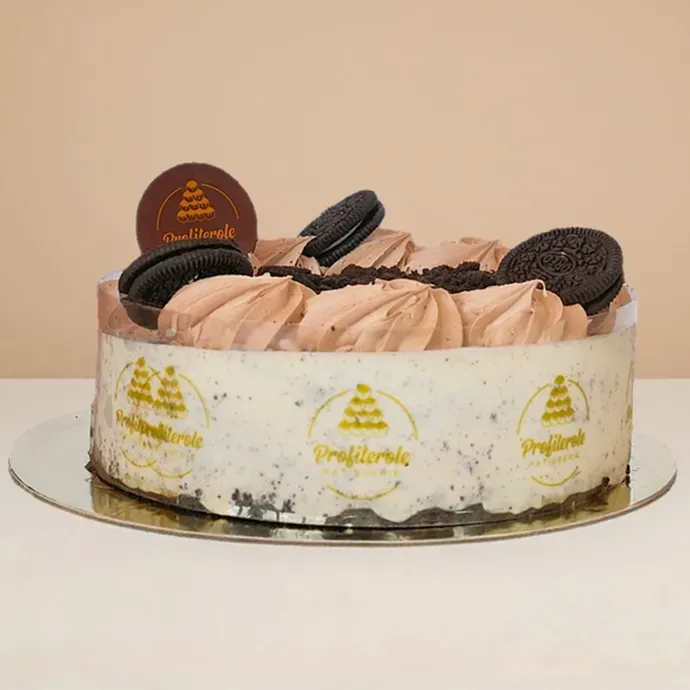
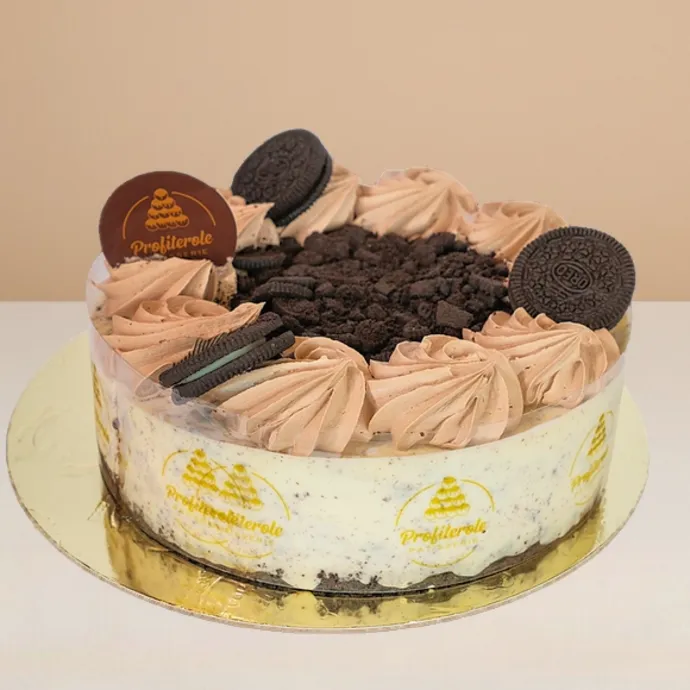
Oreo Cheesecake
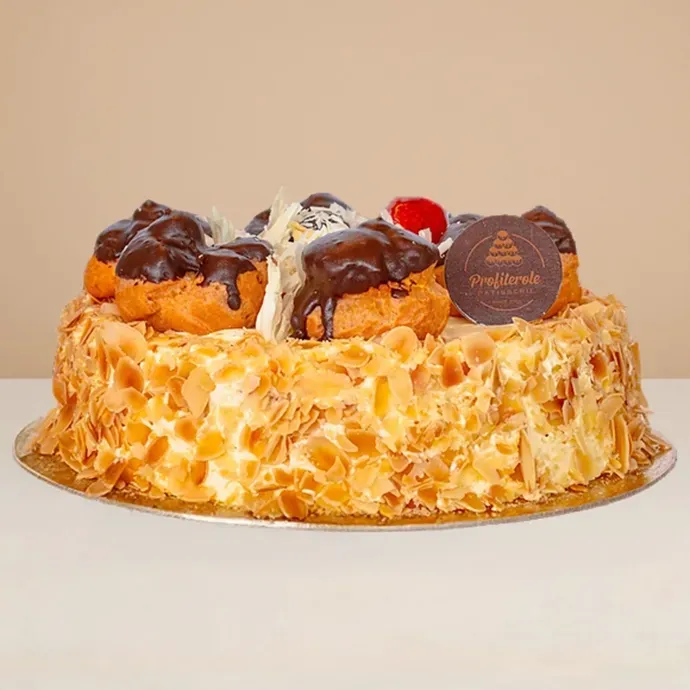
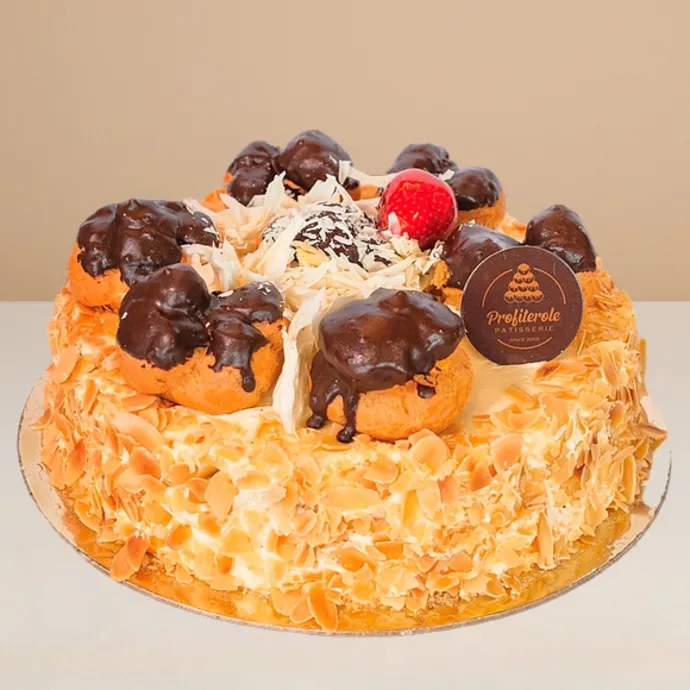
White Profiterole Cake
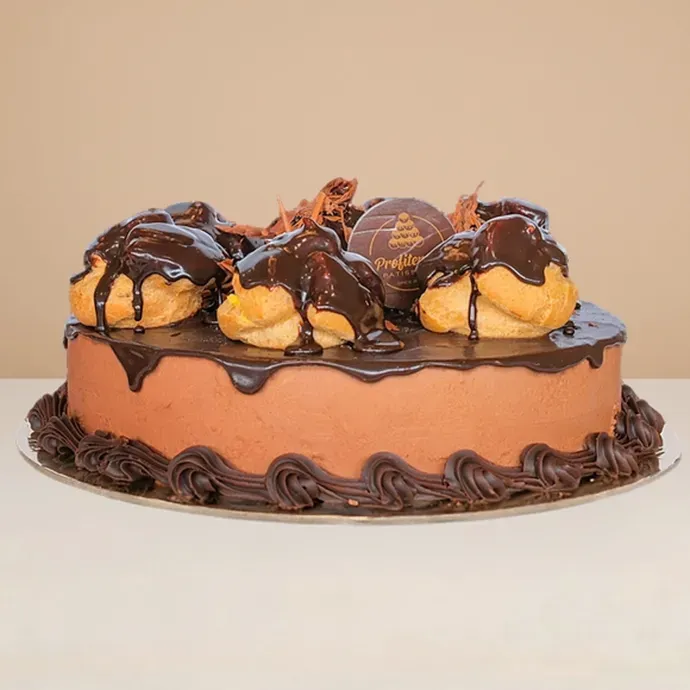
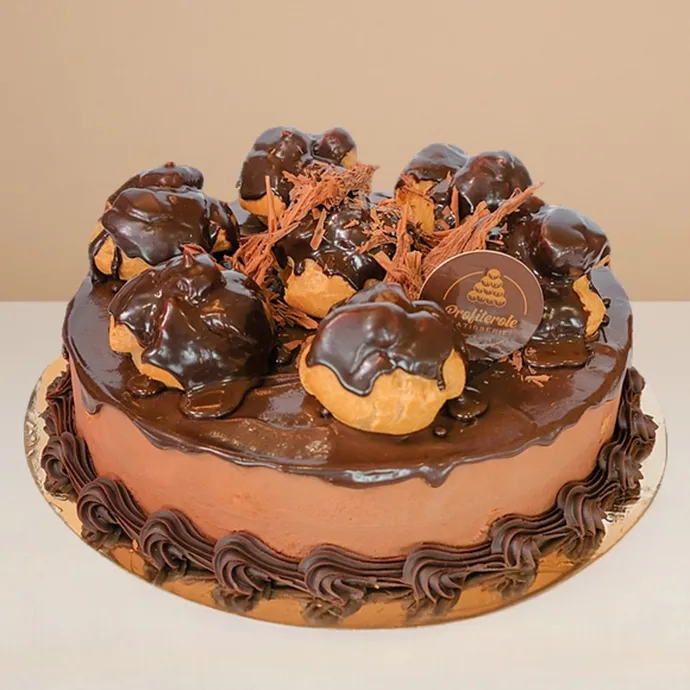
Mousse Profiterole Cake
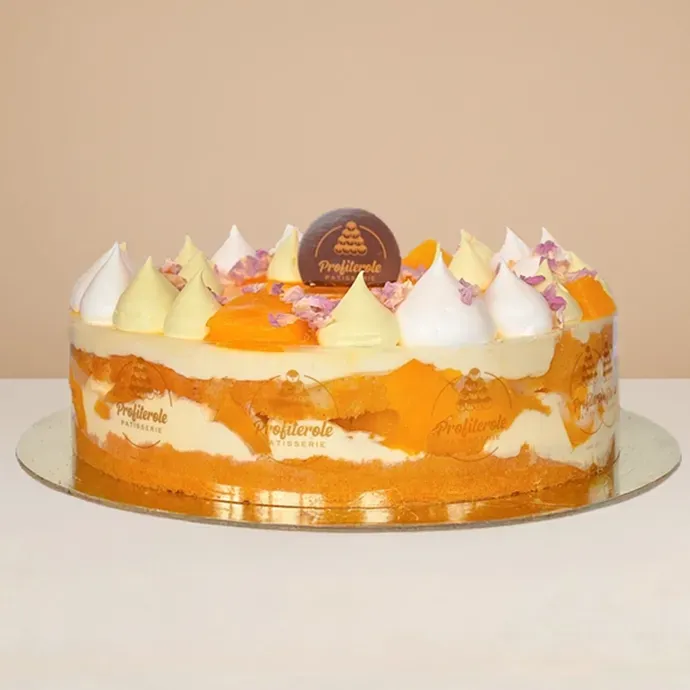
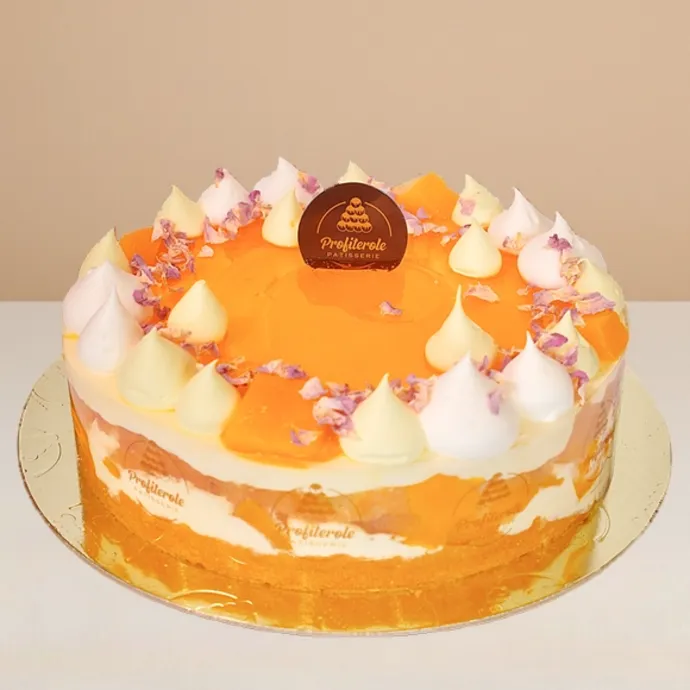
Mango Cake