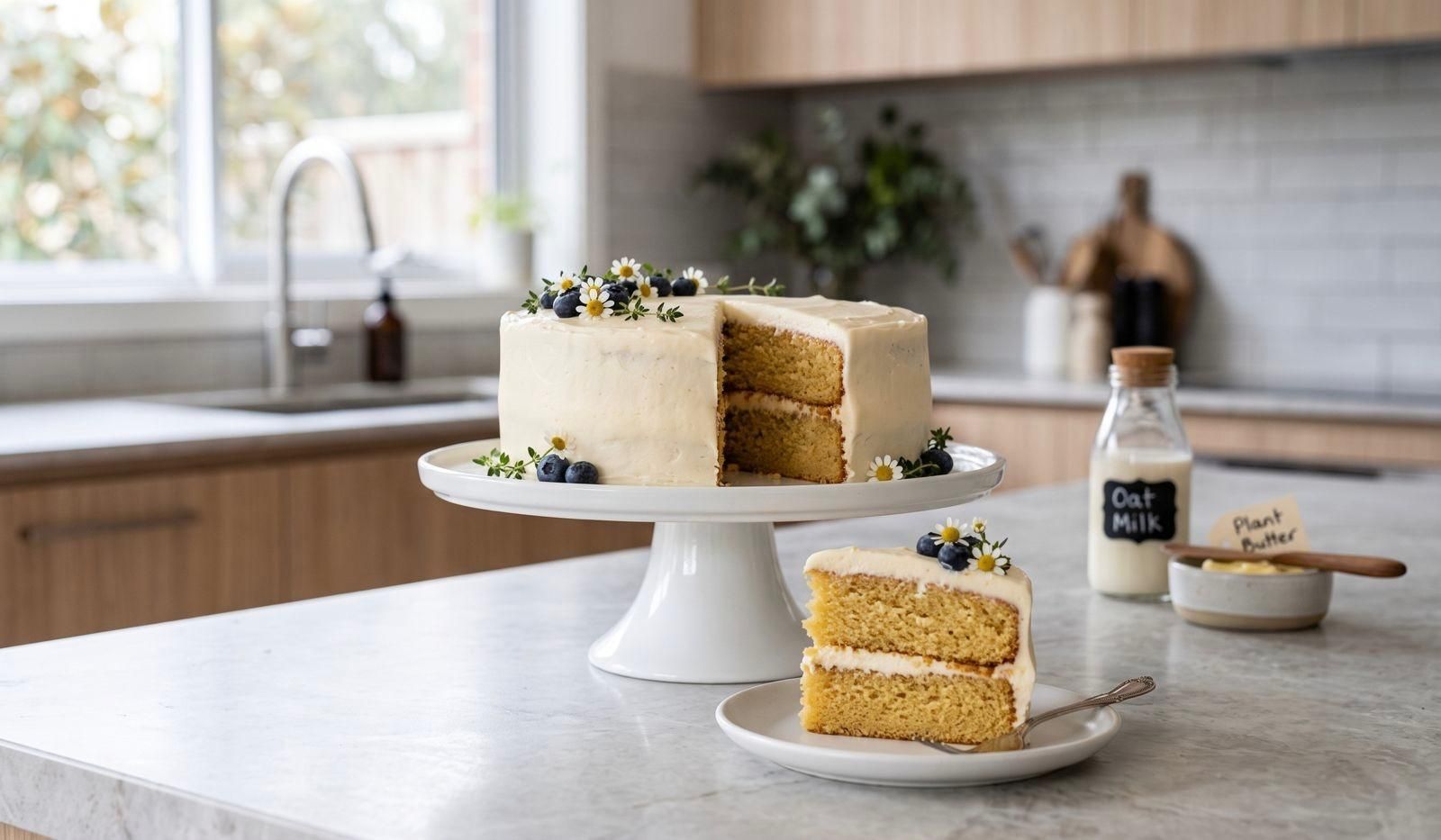
How Do I Make a Dairy-Free Cake? A Simple Recipe You Can Bake at Home
When hosting a party or baking for family, discovering that a guest has a lactose intolerance or dairy allergy can cause a moment of panic.
Most traditional cake recipes rely heavily on butter, milk, and cream to achieve a tender crumb and rich frosting. You might wonder if stripping away dairy means settling for a dry, dense sponge.
The good news is that with a few simple ingredient swaps and an understanding of baking science, you can make a moist, delicious dairy-free cake right on your kitchen bench.
TL;DR:
Baking a dairy-free cake involves replacing animal fats and milks with plant-based alternatives like vegetable oil, plant butter, and soy or oat milk. Liquid oils lock in lasting moisture, while plant milks combined with a dash of acid mimic traditional buttermilk. With the right proportions, a dairy-free cake rises beautifully and yields a soft, tender crumb that rivals any standard bake.
| Baking Element | Regular Dairy Cake | Dairy-Free Cake Alternative |
|---|---|---|
| Primary Fat | Unsalted cow's butter | Neutral vegetable oil, olive oil, or plant block butter |
| Liquid Base | Full-cream dairy milk | Soy milk, oat milk, or almond milk |
| Acid Reaction | Traditional buttermilk | Soy or oat milk mixed with apple cider vinegar |
| Frosting Base | Dairy butter or heavy cream | Vegan block butter, coconut cream, or vegetable shortening |
What Makes a Cake Dairy-Free?
A cake is dairy-free when it contains no ingredients derived from cow's milk or other animal milks. The main reason for this is for people with lactose intolerance (a condition where the body struggles to digest milk sugars) to enjoy desserts like cakes.
And for a home baker like you and I, removing dairy requires replacing three main baking components:
01. Dairy Milk
In standard recipes, full-cream milk hydrates dry flour starches, dissolves sugar granules, and helps activate leavening agents like baking powder.
02. Dairy Butter
Butter provides two essential elements: fat for a tender crumb, and water for steam expansion. During creaming, butter traps air pockets that expand in a hot oven to give cakes height.
03. Heavy Cream (Frostings)
Standard icings rely on dairy butter solids or heavy whipping cream to create a stable, pipeable texture that holds its shape at room temperature.
Essential Dairy-Free Substitute Ingredients
Replacing dairy is not about leaving ingredients out; it is about choosing alternatives that perform the same chemical job on the pastry bench. These are the ingredients that I recommend:
01. Plant-Based Block Butter and Vegan Margarine
For recipes that rely on creaming fat and sugar together, block-style vegan butter works as a direct 1:1 substitute.
Look for block varieties rather than tub spreads, as tubs contain higher water content that can make cake batters overly wet.
02. Neutral Vegetable and Olive Oils
In my experience behind the bakery counter, liquid fats like canola oil, sunflower oil, or mild olive oil actually produce a moister cake than butter.
Because oil remains liquid at room temperature, oil-based sponges stay soft and tender for several days longer than butter cakes.
03. Soy, Oat, and Almond Milks
Soy milk is the gold standard for baking due to its high protein content, which mimics cow's milk and helps build cake structure. On the other hand, oat milk offers a mild, creamy taste; and almond milk adds a subtle nutty note.
TIP: To make a dairy-free "buttermilk", simply stir 1 tablespoon of apple cider vinegar or lemon juice into 1 cup of soy milk and let it curdle for 5 minutes.
04. Coconut Cream and Dairy-Free Ganache
Chilled, full-fat canned coconut cream whips up into a velvety topping that replaces heavy dairy cream. Paired with dairy-free dark chocolate, it creates a glossy, rich ganache for filling and glazing.
A Simple Dairy-Free Sponge Cake Recipe You Can Make at Home
Baking is a balance of chemistry and taste. And now that you know that you can still make delicious cakes without animal milk, butter, and frosting, let me give you a simple recipe that can jumpstart your dairy-free baking.
Feel free to use this simple vanilla sponge recipe as your foundational canvas, adjusting vanilla, cocoa, or citrus zests as you gain confidence.
Ingredients
- 2 cups (300g) plain flour
- 1 cup (220g) caster sugar
- 1 tsp baking powder
- 1/2 tsp baking soda
- 1/2 tsp fine sea salt
- 1 cup (250ml) soy milk or oat milk
- 1 tbsp apple cider vinegar
- 1/2 cup (125ml) neutral vegetable oil (e.g. canola or sunflower)
- 2 large eggs, room temperature
- 2 tsp pure vanilla extract
Method
Step 1: Prepare Your Oven and Tins
Preheat your oven to 180°C (160°C fan-forced). Grease two 20cm round cake tins with a splash of oil and line the bases with baking paper.
Step 2: Make the Dairy-Free Buttermilk
In a glass measuring jug, combine the soy milk and apple cider vinegar. Set aside for 5 minutes until it thickens slightly.
Step 3: Mix the Wet and Dry Ingredients
Sift the plain flour, caster sugar, baking powder, baking soda, and salt into a large bowl. In a separate bowl, whisk the eggs, vegetable oil, vanilla extract, and curdled soy milk mixture until smooth.
Step 4: Combine and Bake
Pour the wet mixture into the dry ingredients. Gently fold with a silicone spatula until just combined, taking care not to over-mix. Divide the batter evenly between the prepared tins and bake for 25 to 28 minutes, or until a skewer inserted into the centre comes out clean.
Step 5: Cool Completely
Allow the cakes to rest in their tins for 10 minutes on the bench before turning them out onto a wire rack to cool completely before frosting.
Common Mistakes to Avoid When Baking Dairy-Free Cakes
To ensure your first dairy-free bake is a complete success, keep these friendly kitchen tips in mind:
Not Adjusting Sugar When Using Sweetened Milk Alternatives
Many commercial plant milks contain added sugars. If you use a pre-sweetened almond or oat milk, reduce the caster sugar in your recipe by 1 to 2 tablespoons to avoid an overly sweet crumb.
Expecting Dairy-Free Cakes to Taste Identical to Butter Bakes
Oil-based dairy-free sponges are remarkably light and moist, but they will not possess the distinctive animal-fat richness of a traditional European butter cake. Embrace the clean, light flavour profile and let pure vanilla, cocoa, or fresh fruit zests shine through.
Forgetting That Frosting Plays a Massive Role in the Overall Result
A perfectly baked sponge can feel plain if paired with a heavy or gritty frosting. Take the extra time to beat block-style vegan butter until light and fluffy before adding icing sugar, ensuring your frosting delivers a smooth, café-quality mouthfeel.
Start Baking Dairy-Free Delights at Home
Baking without dairy is a straightforward, rewarding process once you understand how fat and liquid substitutes behave in the oven. Swapping butter for vegetable oil or plant block butter locks in lasting moisture, while making your own plant-based buttermilk ensures a light, tender rise every single time.
With a basic recipe in hand, you can confidently bake inclusive treats that everyone at your table will love.
At Profiterole Patisserie, we share that same passion for creating delicious, high-quality bakes for every dietary need. Our pastry team applies traditional craftsmanship and technical care to every single cake.
Stop by our stores any time or order our cakes online. We look forward to bringing sweet moments to your next family celebration!
Published: 21/07/2025
Updated: 06/08/2026
Joey Yaccoub
Head Baker & Operations Manager, Profiterole Patisserie
Joey Yaccoub is the Head Baker at Profiterole Patisserie, bringing over a decade of hands-on experience in artisan cake design and pastry craftsmanship.
He oversees recipe development, product quality, and daily operations across all store locations, ensuring every cake meets the brand’s standards for flavour, presentation, and consistency.
FAQs
Is it possible to make a dairy-free cake?
Yes, it is entirely possible to bake a delicious dairy-free cake. By replacing cow's milk with plant-based milks and swapping butter for neutral vegetable oils or vegan block butter, you can create a cake with excellent height, flavour, and crumb moisture.
What is the best dairy-free milk to use for baking cakes?
Soy milk is generally considered the best option for baking because its protein content closely matches cow's milk, helping build structure in the batter. Oat milk is another fantastic choice for its neutral flavour and creamy consistency.
What can I use instead of milk in a dairy-free cake?
You can use plant-based milks such as soy, oat, almond, or coconut milk on a 1:1 basis. In a pinch, fruit juices, water, or dairy-free yoghurt can also provide the necessary liquid to hydrate dry ingredients.
What tastes like butter but is dairy-free?
Block-style cultured plant butter made from coconut or sunflower oil comes closest to the rich, savoury flavour and melting point of dairy butter. It creams beautifully with sugar for traditional icings and sponges.
What flour is best for a dairy-free cake?
Standard plain flour or self-raising wheat flour works perfectly in dairy-free baking, as removing dairy does not affect gluten structure. For a gluten-free and dairy-free bake, use a high-quality 1:1 gluten-free flour blend containing xanthan gum.
Check out our cakes. You might find one that you'll love!
Tiramisu Cake
White Forest Cake
Oreo Cheesecake
Double Custard Cake
Blueberry Cheesecake
Fruit Cake - Round
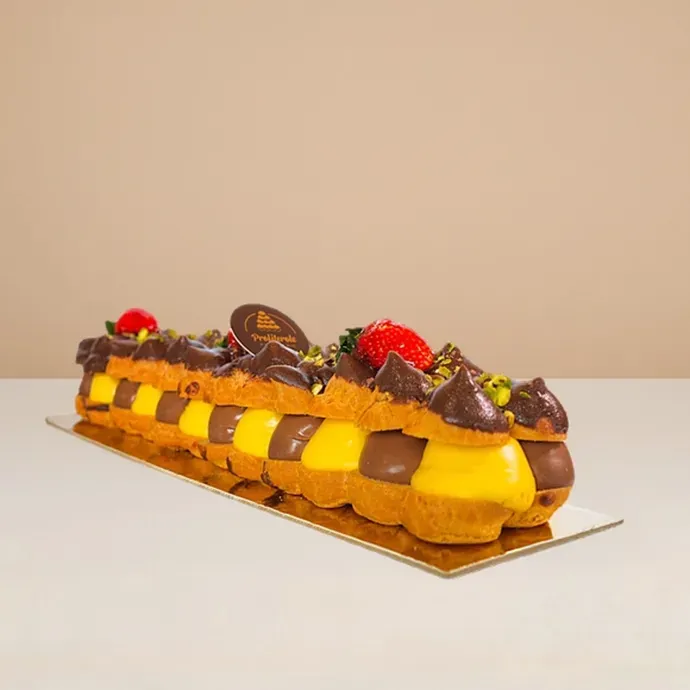
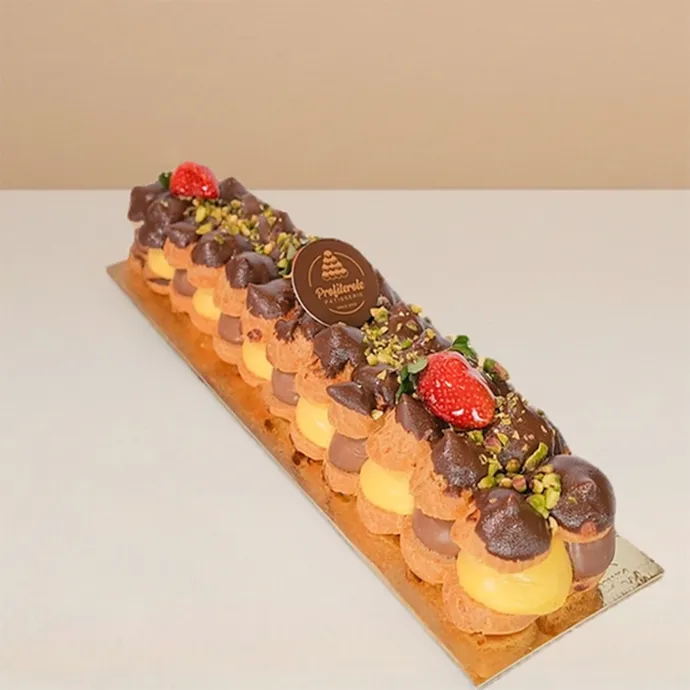
Profiterole Log Cake
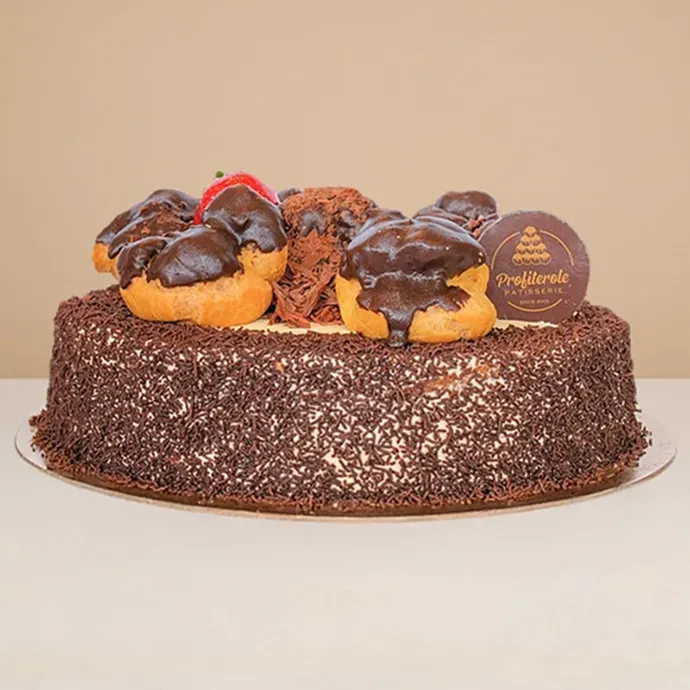
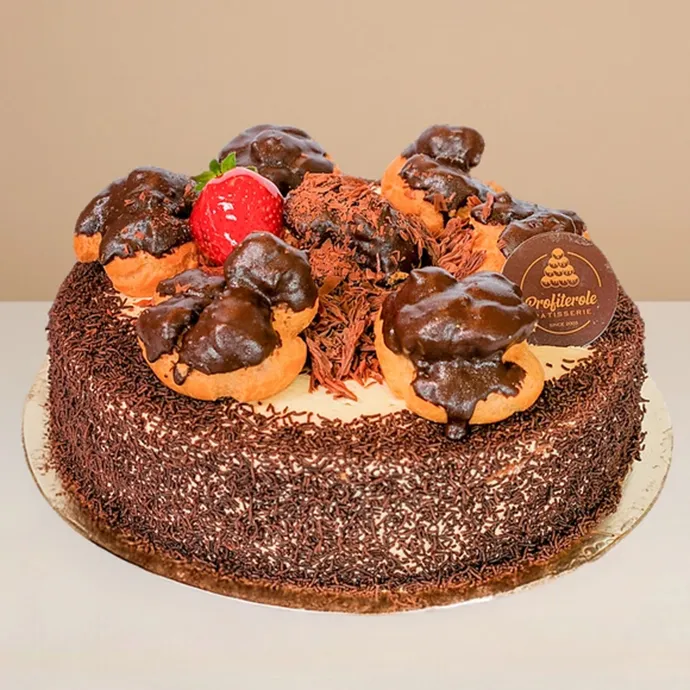
Chocolate Profiterole Cake
Baked Ricotta Cheesecake
Carrot Cake
Red Velvet Cake
Marble Mud Cake
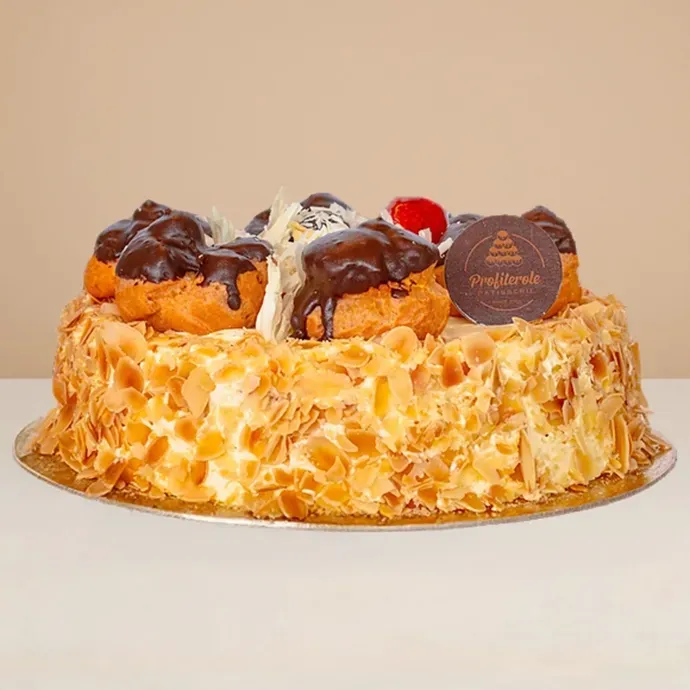
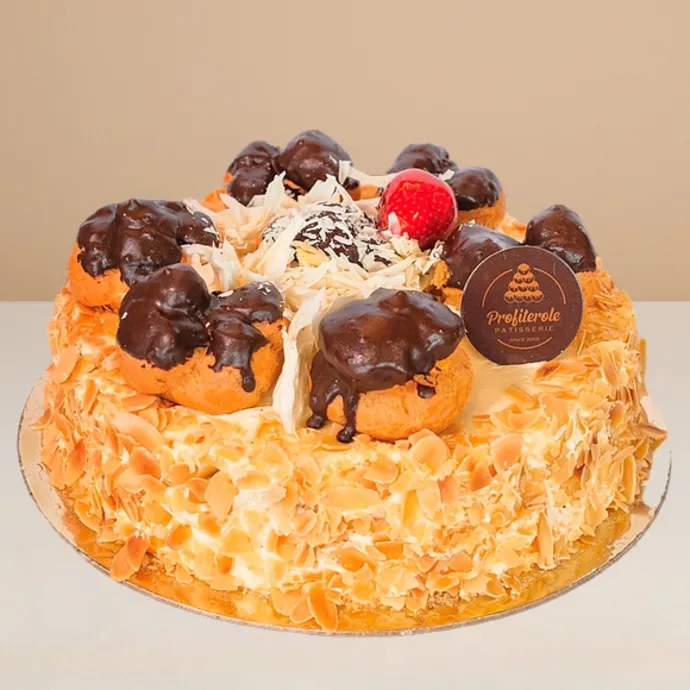
White Profiterole Cake
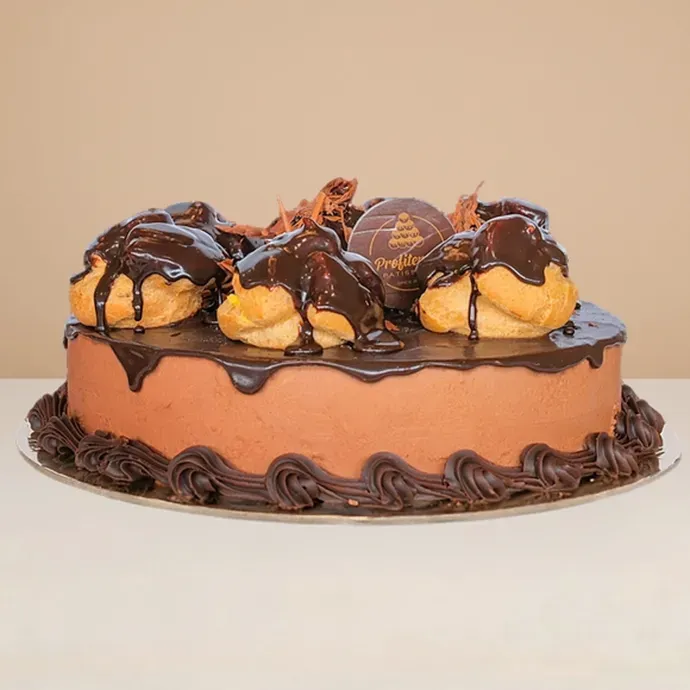
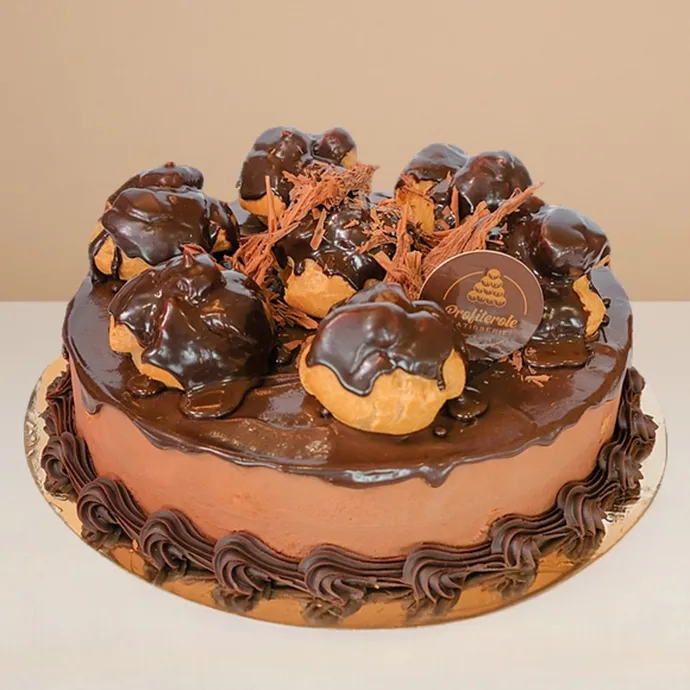
Mousse Profiterole Cake
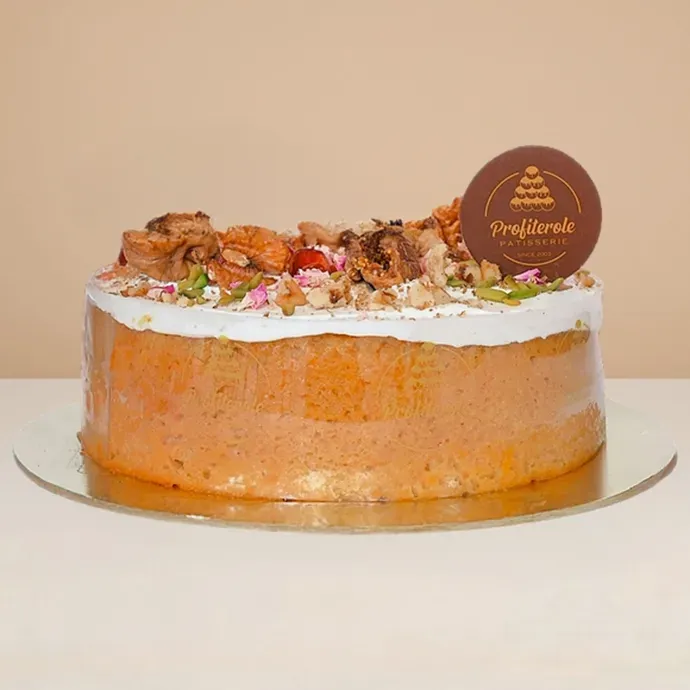
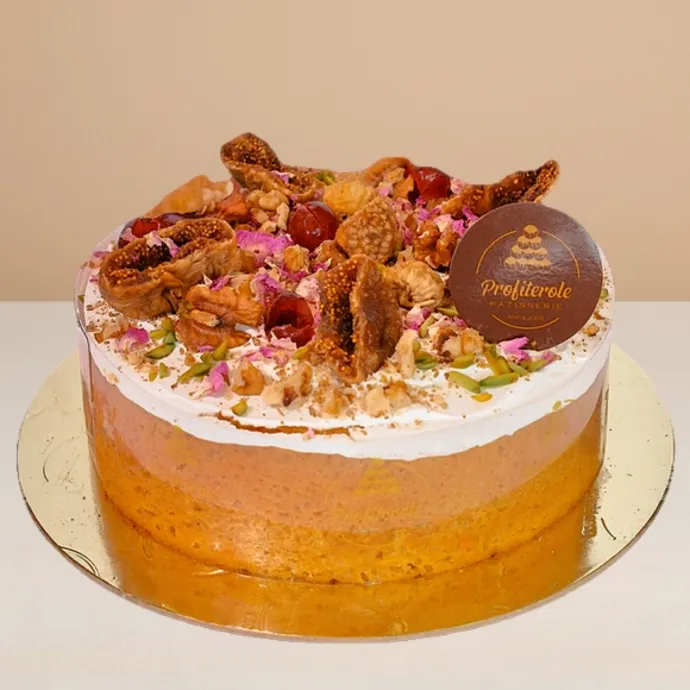
Orange Vegan Cake
Passionfruit Cheesecake
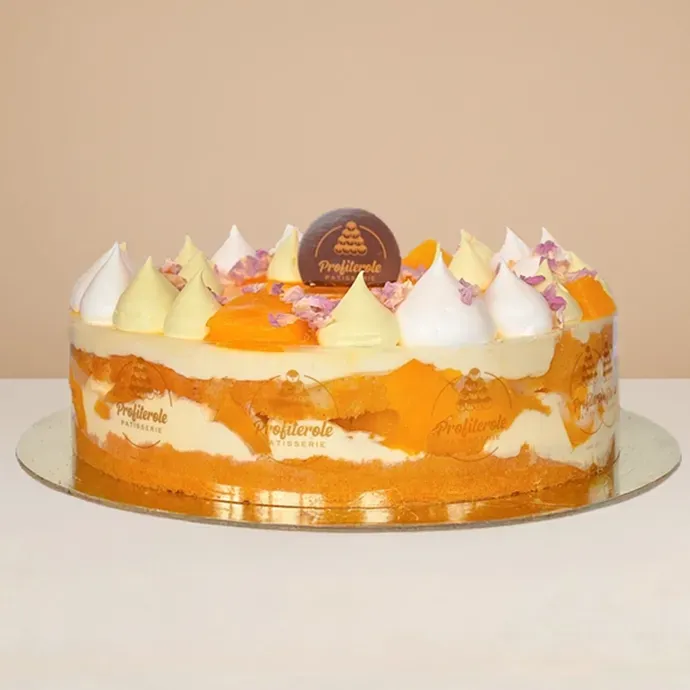
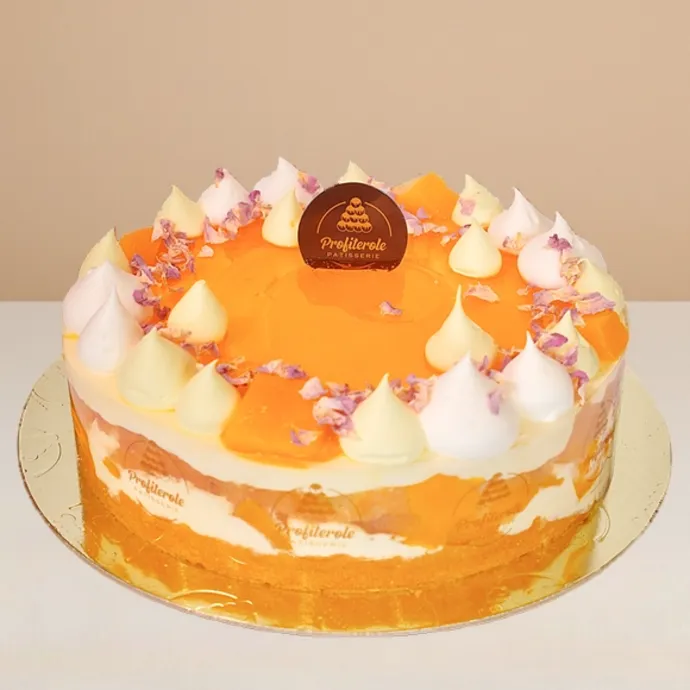
Mango Cake
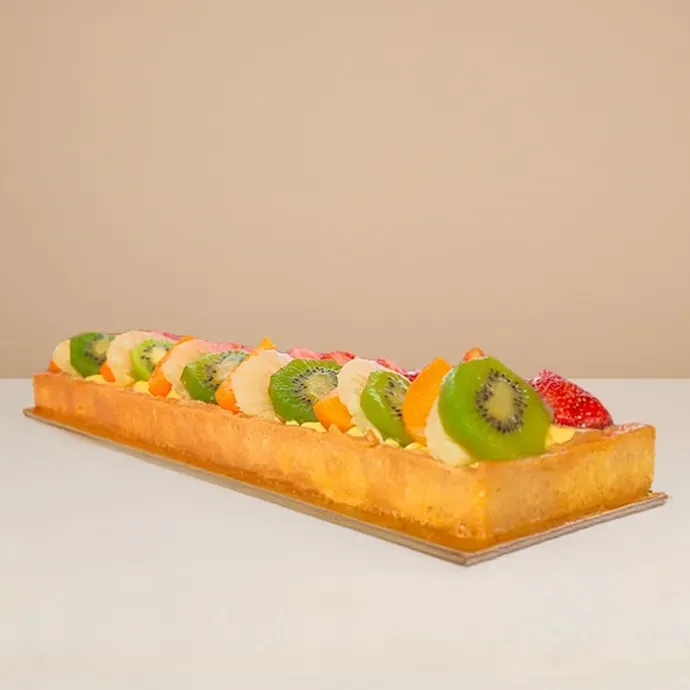
Fruit Cake - Log
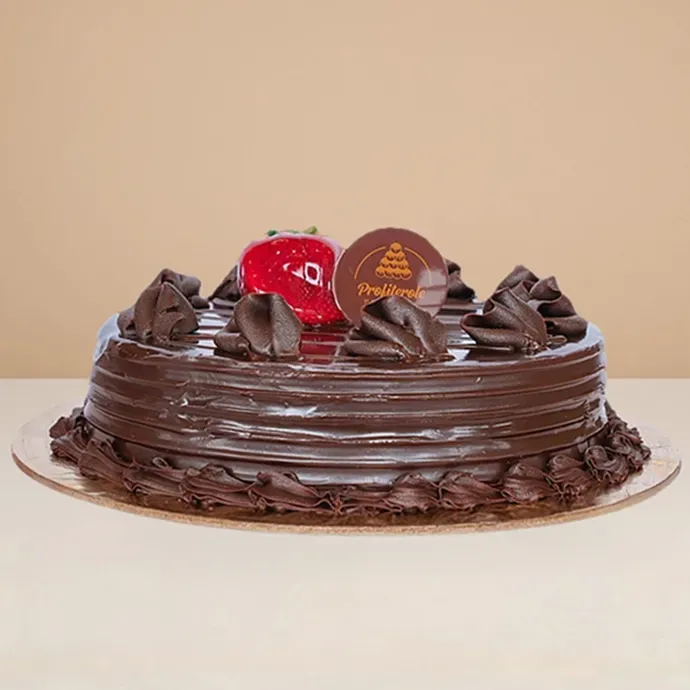
Chocolate Mud Cake
Chocolate Cake
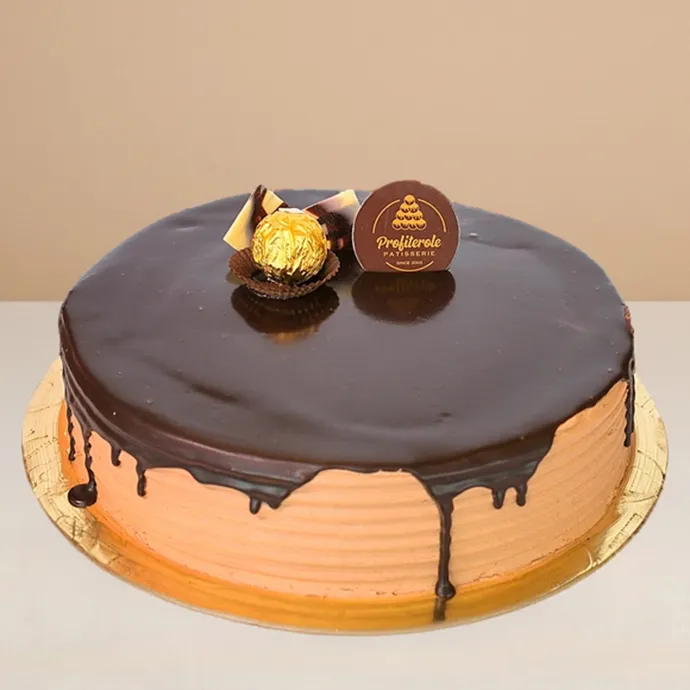
Ferrero Rocher Cake
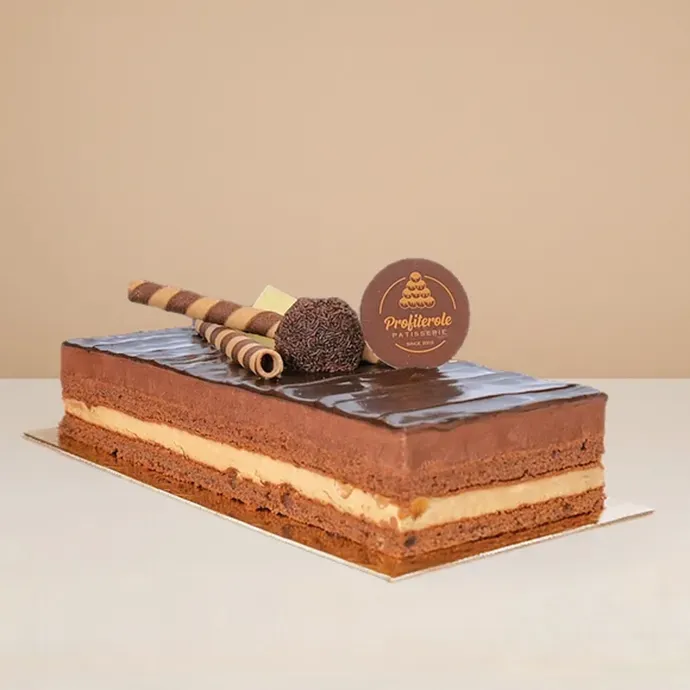
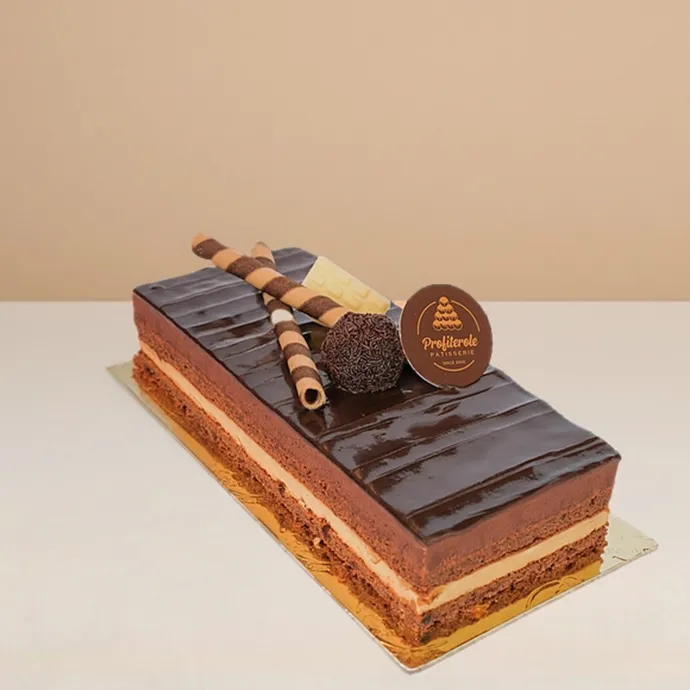
Trio Cake - Log
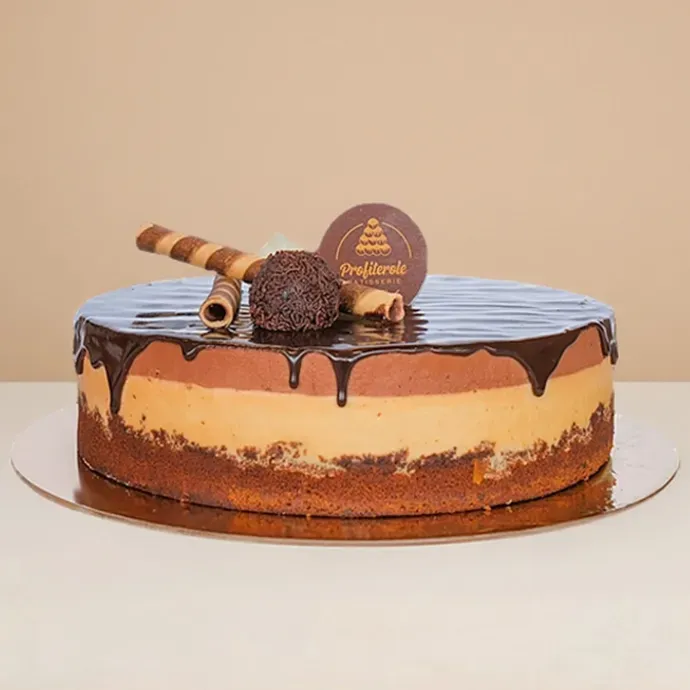
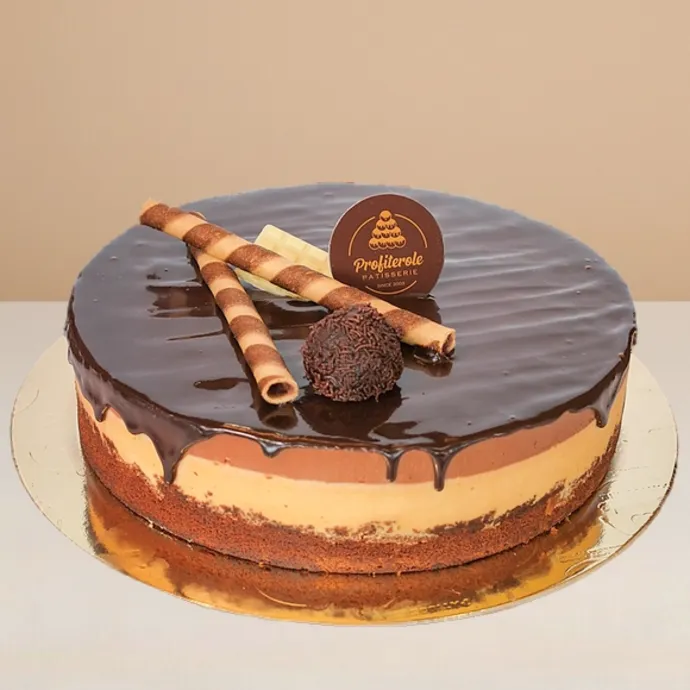
Trio Cake - Round
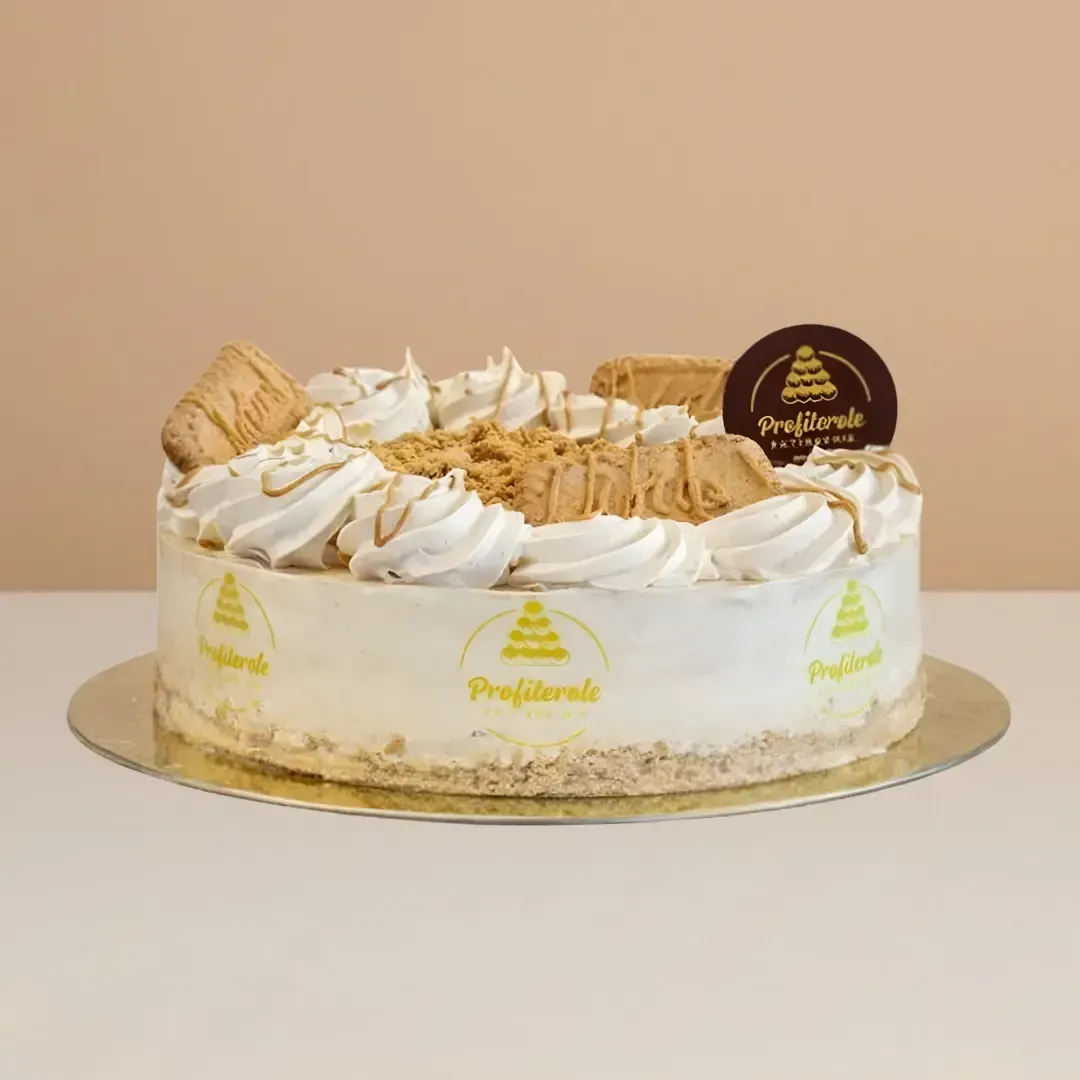
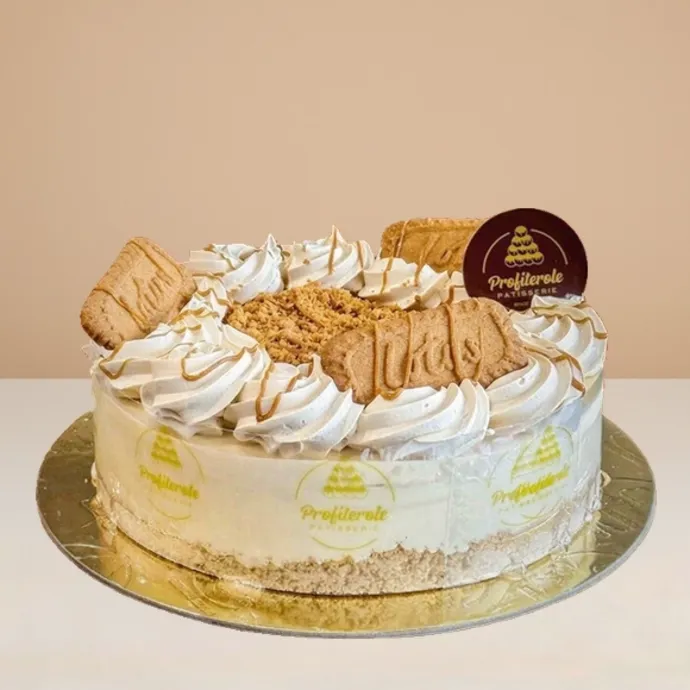
Lotus Biscoff Cheesecake
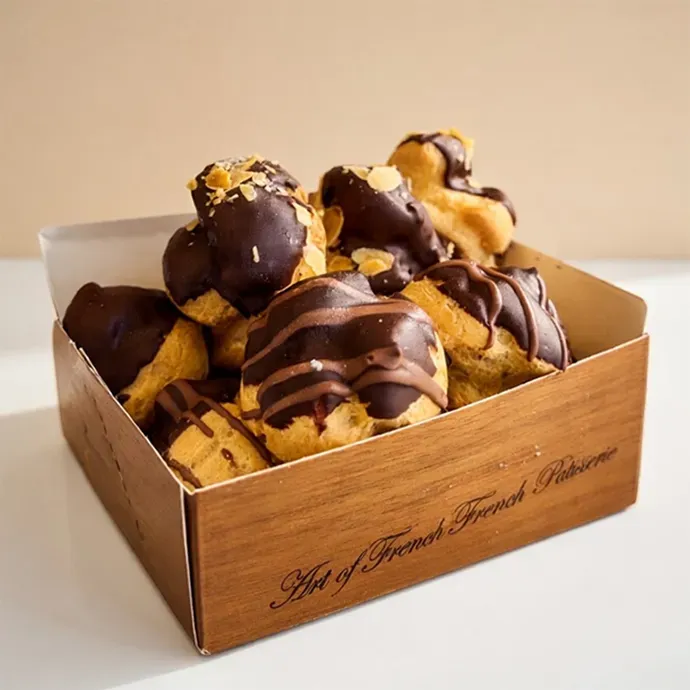
Assorted Profiteroles
Chocolate Mousse Cake
Black Forest Cake
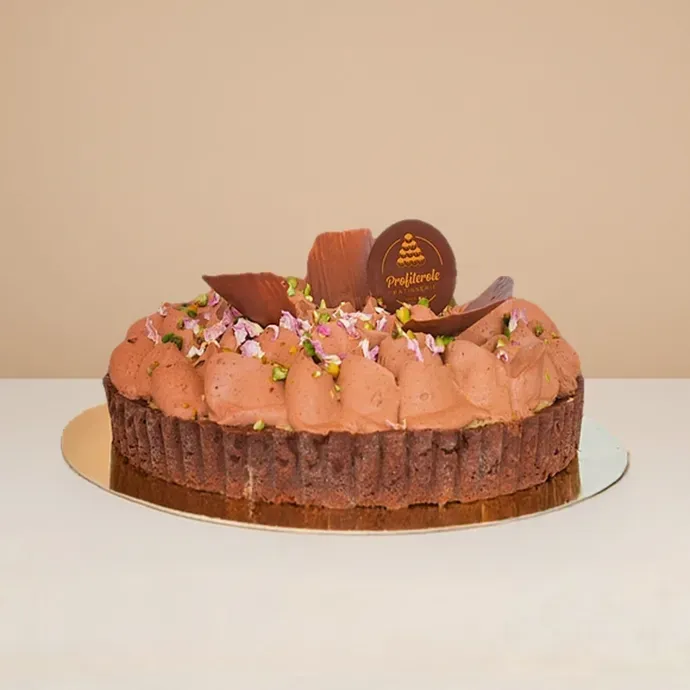
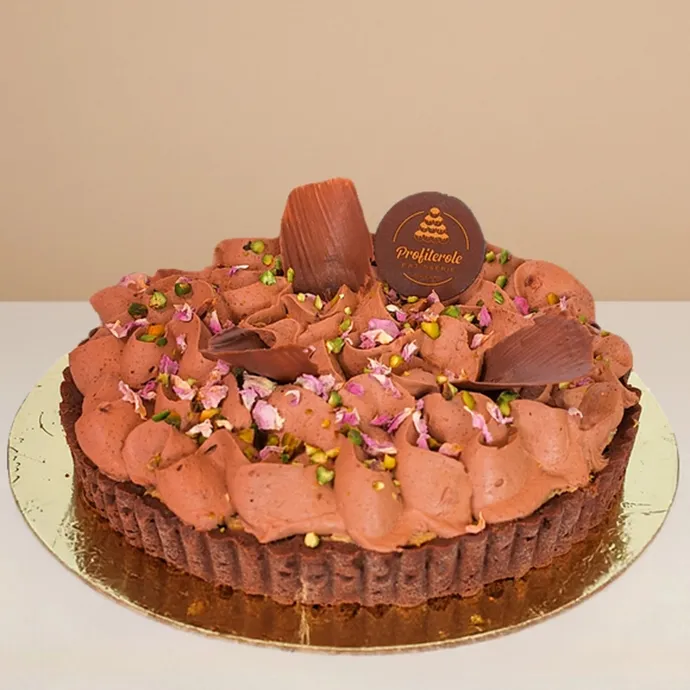
Dubai Chocolate Cake
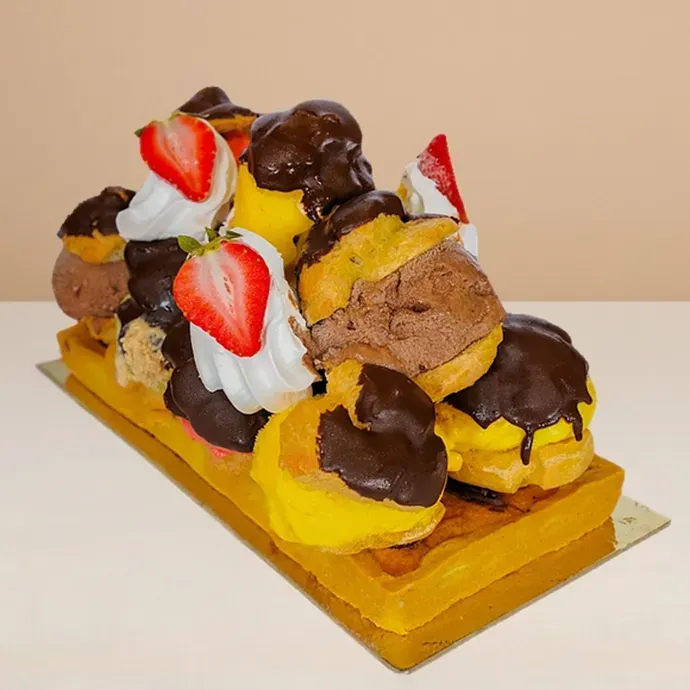
Profiterole Ice Cream Cake - 11 Pieces
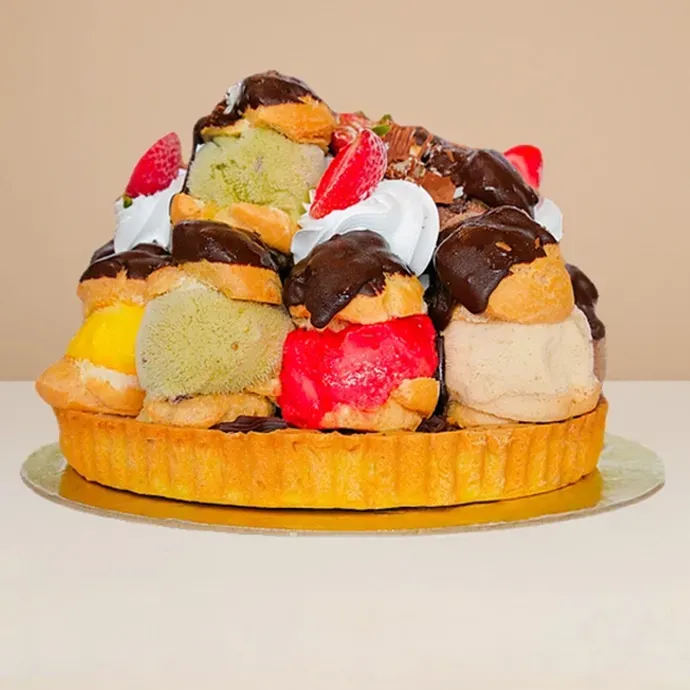
Profiterole Ice Cream Cake - 14 Pieces
Profiterole Ice Cream Cake - 17 Pieces
Ashta Ice Cream Cake
Ashta Ice Cream Cake - Pistachio
Ice Cream Cake - Log
Oreo Ice Cream Cake
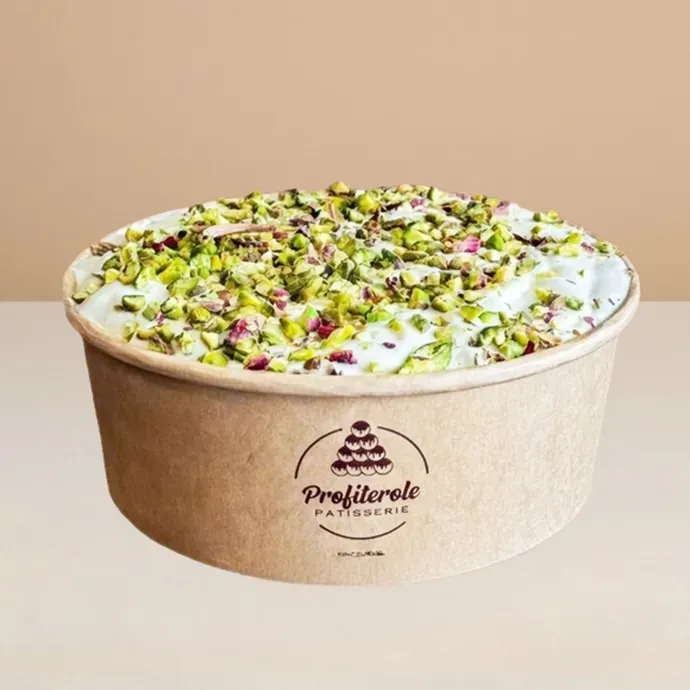
Ashta Ice Cream Bowl
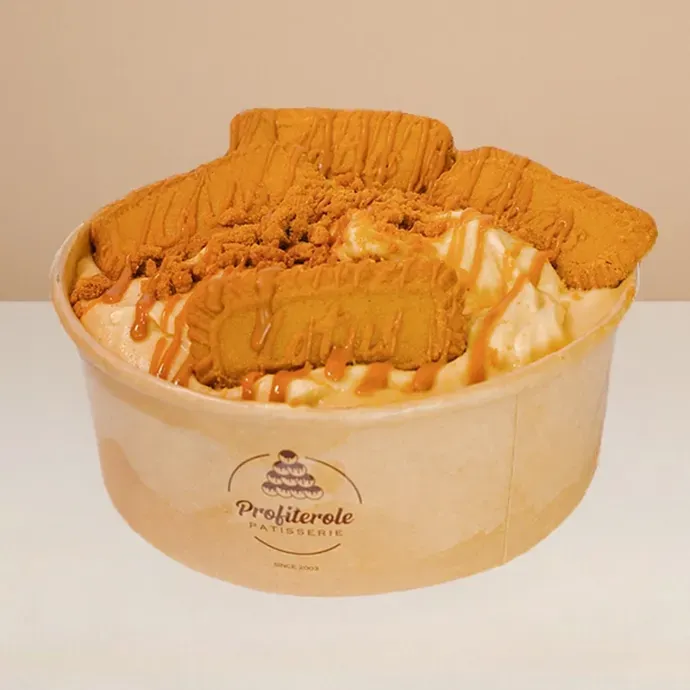
Lotus Biscoff Ice Cream Bowl
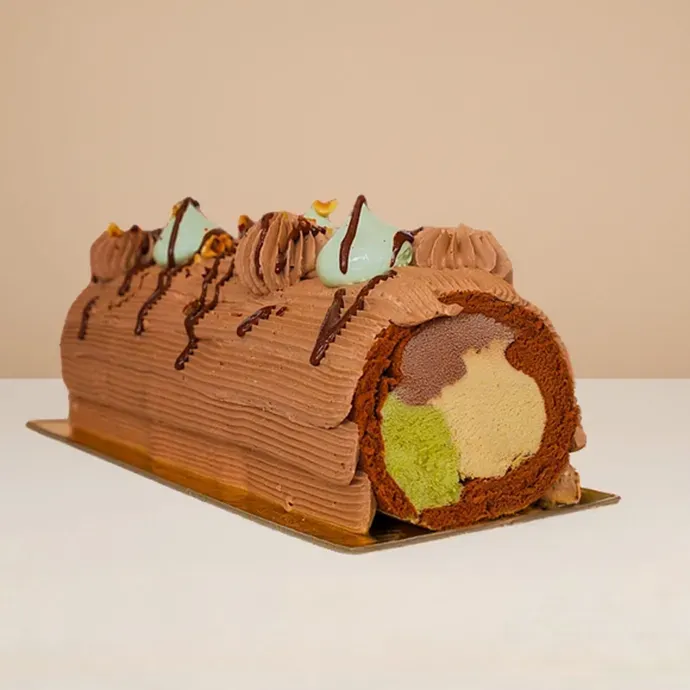
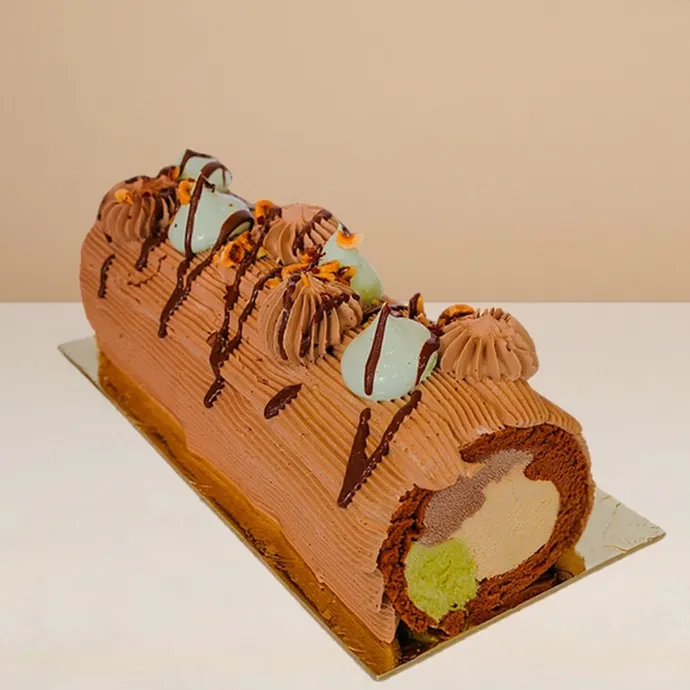
Chocolate Swiss Roll Ice Cream Cake
Mango Swiss Roll Ice Cream Cake
Pistachio Raspberry Bliss Cake
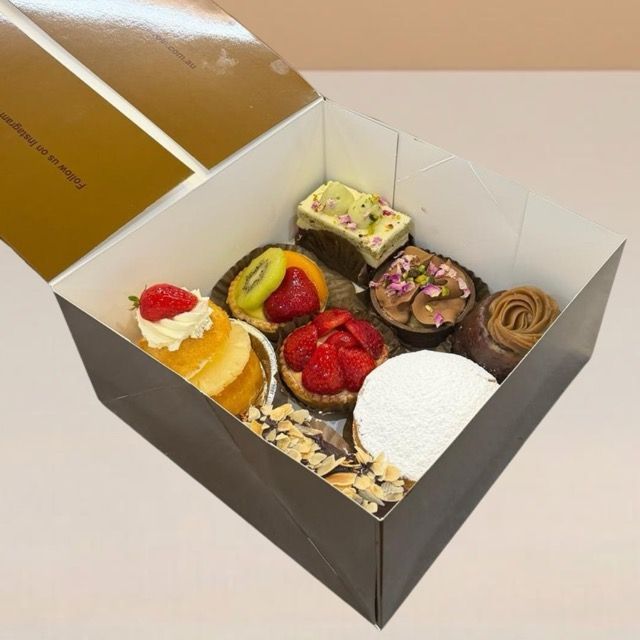
8 Exotic Sweet Pieces box
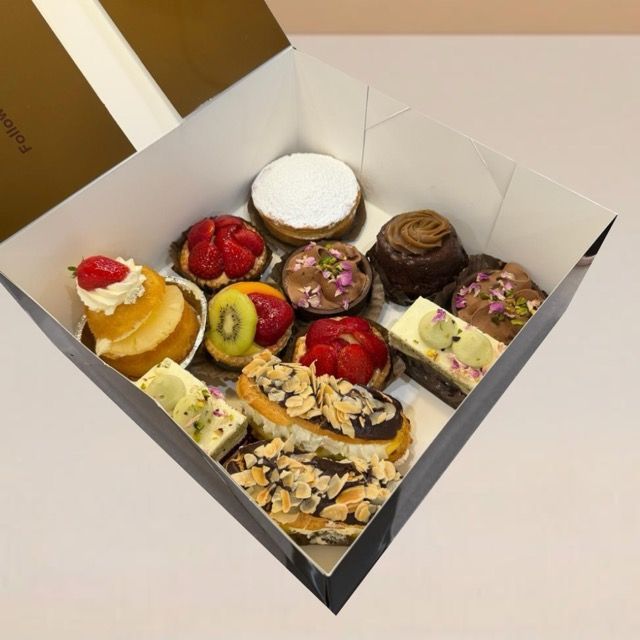
10 Exotic Sweet Pieces box
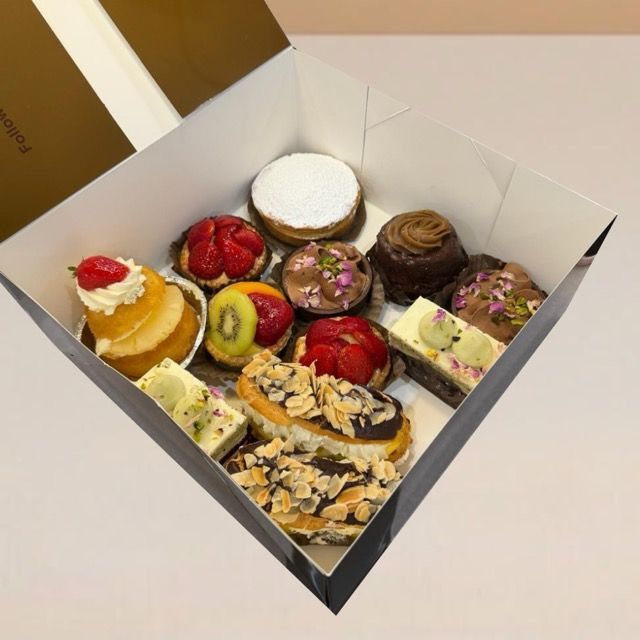
12 Exotic Sweet Pieces box